Waterfall calm meets Balinese ritual. At Taman Beji Griya Waterfall, the sacred purification ceremony is held in a place where rushing water does half the work for your mood. Between the quiet atmosphere, the prayers and offerings, and the waterfall pool at the base, it’s a simple way to slow down in Ubud without getting lost in a maze of activities.
I like how the experience focuses on real ritual steps: canang offerings, incense, and symbolic purification acts under the cascading water. I also like the practical extras included, like sarong and shawl, towel, and even two types of young coconut (yellow and green) that add a grounded, tangible feel to what could otherwise feel like a museum-style performance.
One consideration: you’ll be close to damp conditions. Plan for slippery, wet footing and clothing that can handle a splash from the waterfall area.
In This Review
- Key points to know before you go
- Taman Beji Griya Waterfall purification: what the ritual is really like
- Your 2-hour plan in Ubud: timing, transport, and pacing that works
- The heart of it: canang, incense, and symbolic purification under water
- Young coconut (yellow and green) plus what you wear matters
- Waterfall views: pathways, viewing platforms, and the pool at the base
- Driver and guide impact: why Ngurah Radi comes up again and again
- Price and value at $58.35: what you’re paying for
- Who should book this purification ceremony (and who might skip it)
- Tips to get the most from Taman Beji Griya
- Should you book the Taman Beji Griya purification ceremony with Angkasa Tour?
- FAQ
- What is the location of the Taman Beji Griya Waterfall purification ceremony?
- How long does the experience last?
- How much does it cost?
- Is pickup included?
- Is this a private experience?
- What’s included in the ceremony?
- Are young coconuts included?
- Is coffee or tea included?
- How does confirmation work after booking?
- Can I cancel for a full refund?
Key points to know before you go
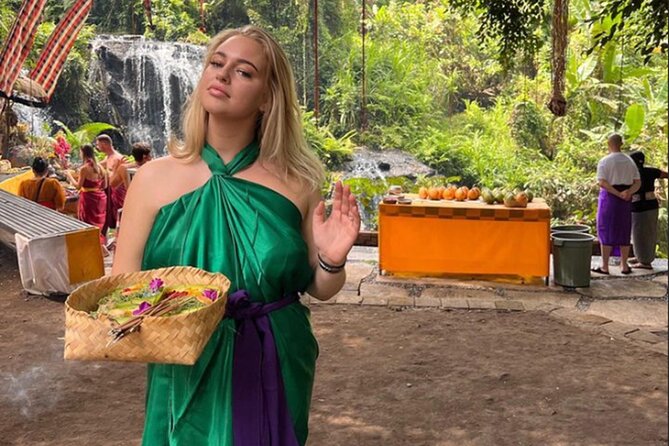
- Private group experience means your ceremony stays paced for your group, not a crowd squeeze.
- Canang and incense are part of the core ritual, so expect real worship materials, not just a photo moment.
- Sarong, shawl, and towel are provided, so you can show up with fewer gear headaches.
- Two types of young coconut (yellow and green) are included, giving the ritual extra meaning and color.
- Waterfall pool access is part of the setting, with pathways and viewing platforms to take it in from multiple angles.
Taman Beji Griya Waterfall purification: what the ritual is really like
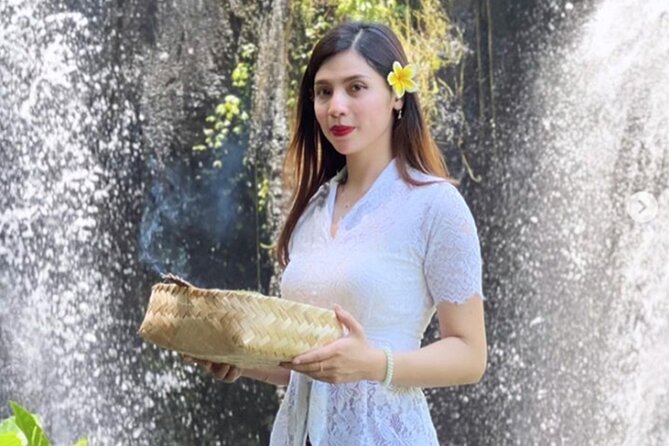
If you’re looking for a Bali experience that isn’t just scenery, this one has a purpose. The purification ceremony at Taman Beji Griya Waterfall uses the waterfall as a natural sanctuary. The idea is that the waterfall’s sacred energy helps cleanse the spirit—symbolically washing away impurities and bringing spiritual renewal.
Here’s what you can expect to feel during the ceremony: the sound of water is steady, the air is cooler near the cascade, and the surrounding greenery helps everything feel more contained. That matters, because ritual works best when your mind can actually settle. Even if you’re not steeped in Balinese tradition, you’ll likely notice how quickly your attention shifts from phones and chatter to what’s happening in front of you.
This is also why the waterfall pool area matters. Taman Beji Griya’s base pool is known for being clear and inviting. You may see people relaxing near it, and the setting makes it easy to take a breath and treat the ceremony like a full-body experience rather than a quick stop. Just keep in mind that the main event is spiritual—so you’ll want to stay respectful with your behavior and dress.
You can also read our reviews of more tours and experiences in Ubud.

Your 2-hour plan in Ubud: timing, transport, and pacing that works
This experience runs about 2 hours. That’s a sweet spot for Bali: long enough to do the ritual properly and enjoy the waterfall views, short enough that you won’t feel like your whole day evaporated.
You’re picked up in an air-conditioned vehicle (private transportation), and the tour includes parking fees. That’s a value point. In Ubud, time gets eaten by traffic and navigating. By having Angkasa Tour coordinate the ride, you reduce friction and arrive without the usual scramble.
Pacing is also helped by the format: it’s a private tour/activity, meaning only your group participates. Even with a short total duration, private access keeps the ceremony from turning into a conveyor belt. You can follow the flow without feeling rushed, and your guide can answer questions as you go.
One more practical note: you’ll be dealing with changing conditions—sun outside, damp near water, and shaded areas depending on where the ceremony focuses. Two hours feels short until you’re standing still, listening, and observing. Wearing the right shoes and having your towel ready makes that time much more comfortable.
The heart of it: canang, incense, and symbolic purification under water
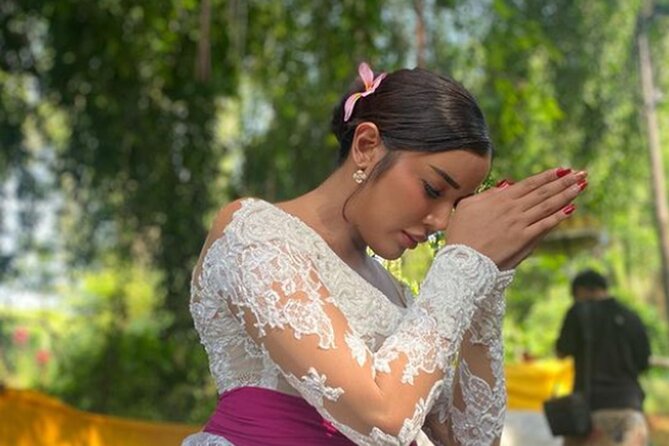
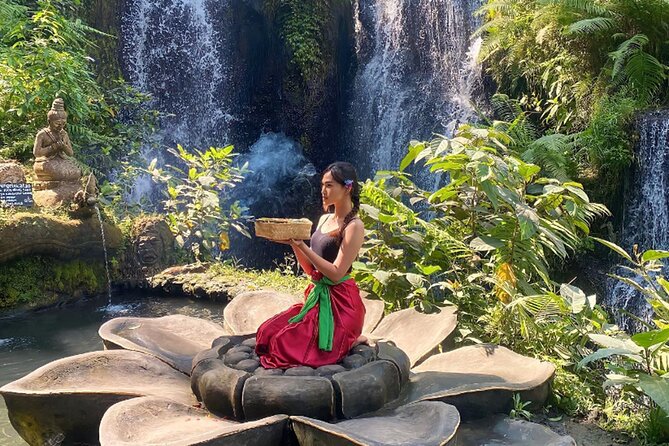
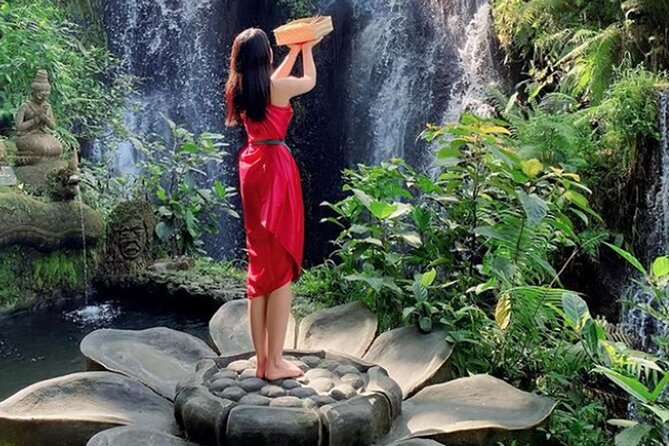
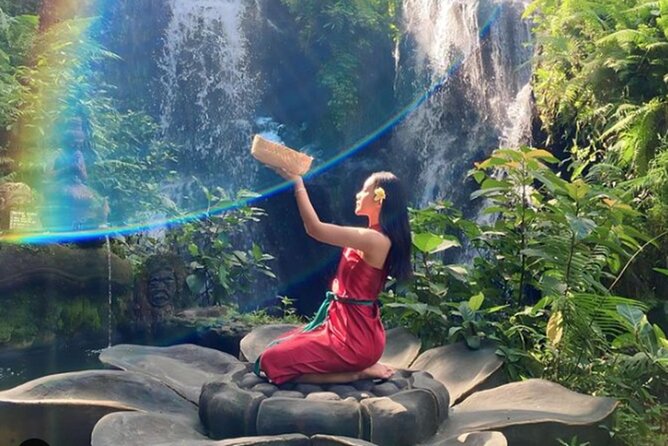
The ceremony includes traditional ritual actions: prayers, offerings, and symbolic purification under the cascading water. The waterfall isn’t just a backdrop here. It’s part of the spiritual mechanism of the ritual, with people cleansing their spirits as they participate.
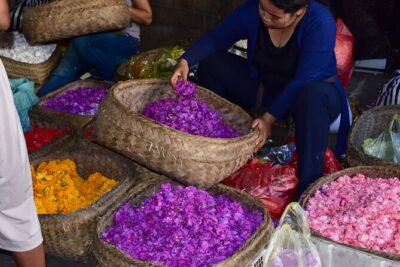
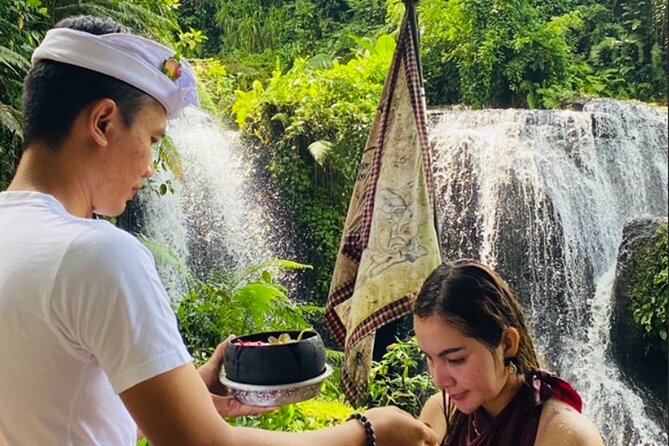
What makes this feel authentic is the inclusion of the actual ritual items. Your tour includes an offering of canang and incense. Canang is a Balinese offering used widely in everyday worship, and its presence turns the experience from explanation to participation. You’re not just observing from a distance—you’re supported with the materials used for the ceremony.
Then there are the symbolic purification acts. You’ll likely find it calming, because the waterfall sound sets the rhythm. Water does what speeches can’t: it keeps your senses engaged and helps you avoid overthinking. If you’re the type who needs a clear, “what happens next?” structure, you’ll appreciate that the ceremony follows recognizable steps rather than an abstract wellness pitch.
If you’re sensitive to being too performative, you’ll also like the tone. This doesn’t read like a staged show. It’s more like guided participation in a local spiritual practice.
Young coconut (yellow and green) plus what you wear matters
One of my favorite value-added details here is the inclusion of two types of young coconut: yellow and green. You might wonder why two. In ritual contexts, different colors and preparations often carry meaning, and in this case the tour provides both so the ceremony isn’t missing a part of the material sequence.
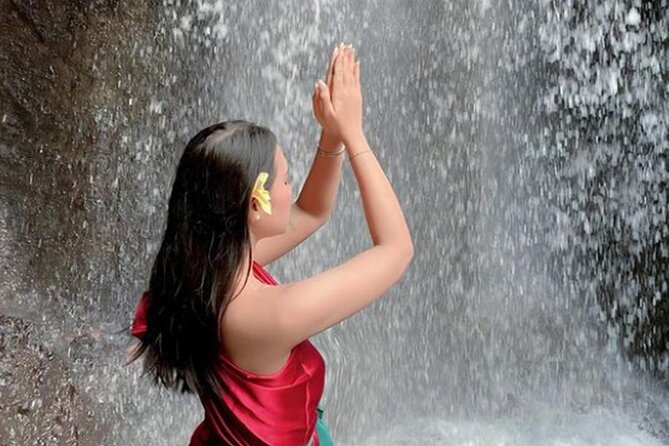
The tour also provides sarong and shawl. That’s not a throwaway inclusion. Bali sites with ceremonial areas often expect respectful attire, and having the sarong/shawl sorted for you removes the awkward “what if I’m not dressed right?” moment. It also helps you blend in, which can make the experience feel more natural and less like you’re waiting to be corrected.
A towel is included too. That’s practical because water is part of the setting. Even if you’re not planning to change clothes or get fully wet, a towel makes the end feel easier. You won’t have that last-step scramble to dry off while trying to get ready for pickup.
If you want a simple prep checklist: wear clothes you’re okay with getting damp, keep your footwear grippy, and treat the ceremony area like a sacred space—slow movements, quiet attention, and no rushing the moment.
Waterfall views: pathways, viewing platforms, and the pool at the base
Taman Beji Griya Waterfall is known for being peaceful and easy to take in. There are well-maintained pathways and viewing platforms that let you explore without constantly searching for where to stand. That’s a big deal because it turns the experience into more than a single angle.
The viewing setup helps you do two things at once: you can observe the ritual space, and you can also enjoy the waterfall from multiple points. Even if the ceremony is happening at one focal area, you can look around and notice how the cascade changes as you move.
And then there’s the pool at the base. It’s described as pristine and inviting, and that’s exactly the kind of detail that makes the whole experience more memorable. The sound of water plus the cool, clear feel of the base pool makes it easier to relax afterward, even if you don’t fully commit to a dip.
One warning based on real-world conditions: the damp areas can be slippery. Take your time. Step carefully on wet ground. If you’re not a confident walker in slippery spots, focus on the safer viewing platforms rather than rushing toward the water’s edge.

Driver and guide impact: why Ngurah Radi comes up again and again
A tour can have a beautiful setting and still feel flat if the guidance is weak. Here, the human factor matters. One of the most praised parts of this experience is Ngurah Radi, credited with guiding the day and taking beautiful photos.
That tells you something important: you’re not just getting dropped at a waterfall. You’re getting help navigating the day—how to move through the area, when to pause, and how to capture the moment respectfully. If you care about photos, ask your guide to help you time them around the ceremony flow. The goal is to get good results without turning worship space into a photoshoot frenzy.
The staff at the waterfall site also get strong praise for being amazing. When staff are welcoming and calm, your stress drops. That makes the ritual easier to take in, because you’re not constantly wondering if you’re doing something wrong.
So if you’re booking this for peace of mind—good service helps a lot.
Price and value at $58.35: what you’re paying for
The price is $58.35 per person for a tour around 2 hours in Ubud. For Bali, that sits in the “worth it if you want a focused experience” category, not the “bargain ride” category.
Here’s what makes it feel like value rather than just another excursion:
- Private transportation in an air-conditioned vehicle, plus parking fees covered.
- Ritual materials included: canang and incense.
- Practical inclusions: sarong and shawl, towel, and coffee/tea.
- Added ceremony touches: two types of young coconut.
If you tried to do this on your own, you’d likely spend time figuring out transportation, finding the correct ceremony context, sourcing the items, and dealing with on-site logistics. Money helps buy the “less friction, more calm” experience. That’s often the best kind of value on a busy island.
Also, this is commonly booked in advance—on average about 9 days ahead. That’s a good sign for demand. If you’re visiting during a peak stretch, booking earlier can help you lock in your ideal time window.
Who should book this purification ceremony (and who might skip it)
This tour fits best if you want:
- A meaningful Bali activity that’s spiritual and sensory, not just a sightseeing checklist.
- A short, well-paced experience in Ubud that you can fit into a day without exhausting yourself.
- A private format where your group can participate without feeling squeezed into a larger crowd.
You might be less thrilled if you want a purely adventurous day with hikes, long swims, or big-ticket attractions. This is calmer. It’s about ritual, attention, and the sound-and-water feeling of the waterfall.
It also works well for couples and small friend groups. The private setup helps the ceremony feel personal. And if you’re traveling with someone who enjoys cultural experiences, the inclusion of offerings and proper attire makes it more than a quick look.
Tips to get the most from Taman Beji Griya
You don’t need to over-plan, but a few smart choices make this smoother.
- Wear grippy shoes. Damp footing is the main practical risk here.
- Bring a towel mindset. You’ll get one, but plan to use it instead of trying to air-dry your way through the next stop.
- Be ready for respectful quiet. The ceremony involves prayers and offerings—give it space.
- Use your guide for timing. If you want photos, ask for help around the ceremony flow rather than hovering mid-ritual.
- Take in the pathways. The viewing platforms mean you can see the waterfall from more than one spot without sprinting.
Should you book the Taman Beji Griya purification ceremony with Angkasa Tour?
If your goal is a short, spiritual Bali experience in Ubud with practical support, I’d book it. The ceremony isn’t vague—it includes canang, incense, and symbolic purification at the waterfall. Add in the included sarong/shawl, towel, coffee/tea, and the young coconut items, and you get more than a pretty waterfall stop.
The strongest reason to choose it is the human care around the experience—especially the guidance credited to Ngurah Radi, plus the praised staff at the waterfall site. That kind of support makes it easier to show up calm and follow the ritual correctly.
If you’re sensitive to wet ground or you dislike any ceremony-style structure, consider whether this setting’s damp conditions fit your comfort level. But if you’re open to respectful participation in a Balinese tradition, this is a solid, value-minded choice.
FAQ
What is the location of the Taman Beji Griya Waterfall purification ceremony?
It takes place in Ubud, Indonesia.
How long does the experience last?
The duration is about 2 hours.
How much does it cost?
The price is $58.35 per person.
Is pickup included?
Yes, pickup is offered.
Is this a private experience?
Yes. It’s private, meaning only your group participates.
What’s included in the ceremony?
The tour includes an offering of canang and incense, sarong and shawl, and a towel.
Are young coconuts included?
Yes. Two types of young coconut are included: yellow and green.
Is coffee or tea included?
Yes. Coffee and/or tea are included.
How does confirmation work after booking?
Confirmation is received at the time of booking.
Can I cancel for a full refund?
Yes, free cancellation is available. You can cancel up to 24 hours in advance for a full refund.