Ubud in one long day of wonders. This tour strings together the big Ubud hits: Monkey Forest with its cheeky macaques, and Tirta Empul with ritual purification waters, plus rice terraces and a waterfall stop that cools you off after temples and hills. It’s a nice way to see a lot without spending your whole trip stuck in local logistics.
I especially like the pairing of an English-speaking driver/guide with hotel pickup and drop-off in an air-conditioned vehicle. You get real help at each stop, not just transportation, and you’re not trying to decode what’s going on in temple spaces.
One consideration: entry tickets aren’t included by default, and the temple rules matter (including that women during menstruation are not allowed to enter). Plan for that, and also bring extra clothes since you’ll be around water.
In This Review
- Key points to know before you go
- A Full-Day Ubud Reset: Monkeys, Ritual Water, Rice Terraces, and a Waterfall
- Pickup and Timing: Why the Car + Driver Matters in Bali
- Monkey Forest Sanctuary: What 700+ Macaques Feels Like in Real Life
- Tirta Empul Holy Water Temple: The Ritual, the Fountains, and Temple Etiquette
- Tegalalang Rice Terraces: Famous Views With a Realistic Time Window
- Tegenungan Waterfall: A Refreshing Finale (Bring Something Dry)
- Guides Make the Day: English Support That Turns Stops Into Stories
- Tickets, Sarongs, Food, and What You Should Budget
- Common Day Trips Mistakes (So You Don’t Make Them)
- Who This Tour Fits Best (and Who Might Want a Different Plan)
- Should You Book This Ubud Day Trip?
- FAQ
- Is hotel pick-up and drop-off included?
- How long is the tour?
- What are the main stops on the tour?
- Are admission tickets included in the price?
- What should I wear for the temple?
- Can women during menstruation enter Tirta Empul?
- Is food included?
- Do I need to bring a towel or change of clothes?
- Is bottled water provided?
- What happens if weather is bad?
Key points to know before you go
- Over 700 macaques at the Monkey Forest Sanctuary, so control your phone and sunglasses around the monkeys
- Tirta Empul’s 13 fountains and purification ritual setting, where you’ll need to follow temple etiquette
- Tegalalang rice terraces with a shorter, practical time window (good for photos and views without rushing too hard)
- Tegenungan waterfall as the fun, refreshing finale—bring something dry to change into
- English-speaking guides who often make the day smoother, including photo help at the stops
A Full-Day Ubud Reset: Monkeys, Ritual Water, Rice Terraces, and a Waterfall
If you only have a day (or even half a day you want to stretch), this tour is built for momentum. You’re going from forest to sacred water to rice terraces to Tegenungan waterfall, all in one organized loop through Ubud’s hill country. It’s not a slow meditative day, but it is a satisfying one.
The biggest strength is the rhythm. Monkey Forest gives you an up-close nature hit. Tirta Empul adds culture and spirituality. Tegalalang gives you the famous rice-terrace views. Then Tegenungan brings water and a little play time to end the day on a lighter note.
You do need to be ready for a long day too—about 8 to 10 hours. If you like to stop for every photo without deadlines, tell your guide early. Many guides in this program are flexible about pacing, especially if you communicate what you care about most.
You can also read our reviews of more tours and experiences in Seminyak.



Pickup and Timing: Why the Car + Driver Matters in Bali
Ubud traffic can turn a simple plan into a long, stressful one. The value here is the hotel pick-up and drop-off plus an air-conditioned vehicle with fuel and parking fees handled. That means you’re spending the day looking at Bali, not figuring out transport and parking.
A second big plus: you don’t just get a driver who drops you at the gate. You get an English-speaking driver/guide who accompanies you through the day. That makes a difference at temples, where rules and behavior matter, and at sites where the story behind what you’re seeing is part of the experience.
A practical tip: wear comfortable shoes that can handle a bit of uneven ground. You’ll be walking through forest paths and temple areas, and you’ll want to keep your feet happy for the full day.
Monkey Forest Sanctuary: What 700+ Macaques Feels Like in Real Life
The first stop is the Sacred Monkey Forest Sanctuary, where you can see around 700 Balinese long-tailed macaques living in a forest setting. This is one of those places where the wildlife is the star, but also the reason you should stay alert.
I like that the visit is timed to be usable—about 1 hour—so you can walk the paths, take photos, and still not feel trapped in the same spot for hours. It’s a lot of energy packed into a short walk.
Just remember: these monkeys are used to people. One review note that stuck with me is the warning about cheeky monkeys. So keep valuables zipped up when you’re moving, and don’t dangle snacks or anything tempting near your hands.
Photo tip that helps on days like this: aim to shoot quickly, then step back. The forest can feel crowded with monkeys and people, and the best photos often come when you give yourself room to move.
Tirta Empul Holy Water Temple: The Ritual, the Fountains, and Temple Etiquette
Tirta Empul is the cultural and spiritual pivot of the day. This isn’t just a pretty temple stop. It’s a ritual purification place connected to the legend of Indra creating the spring that feeds the temple’s 13 fountains.
The experience described for this stop includes tiered fountains, manicured gardens, and stone sculptures of mythical creatures spouting water into bathing pools. That’s important because it means you’re not only looking—you’re in an active environment where water, movement, and respectful behavior all matter.
The tour also includes getting to wear a Balinese sarong while visiting the temple. That’s helpful because the right clothing is part of being allowed to participate and also part of feeling comfortable in the space.
Two practical reminders you’ll be glad you followed:
- Bring or plan for modest, smart-casual clothing, since the tour notes a dress code and temple behavior standards
- If you’re visiting during menstruation, the temple rule is clear: women during that time are not allowed to enter
Also, treat this as a water-exposure stop. You’re close to fountains and purification spaces, and the tour doesn’t include a towel or a change of dry clothes. Plan ahead so you’re not stuck in damp clothes later.
Tegalalang Rice Terraces: Famous Views With a Realistic Time Window
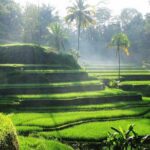
Next up is Tegalalang Rice Terrace, one of Bali’s most recognizable rice-scenery spots. The tour highlights the precisely located hillbank fields and the way the terrace design follows the slopes.
You get about 40 minutes here, which is just enough for the classic photo angles and a slow look around. This shorter time window is a feature if you prefer not to be stuck in one place too long, especially on a full-day itinerary.
What I like about this stop is that you’re not only seeing the view—you’re also getting a sense of how rice farming shapes everyday life around Ubud. The tour description points to seeing Balinese farmers working the fields, and that’s the part that makes the terraces more than a postcard.
If it’s hot or humid, this is where you’ll appreciate bottled water. It’s included, and it helps you keep going without getting dehydrated midway through the hill-area day.


Tegenungan Waterfall: A Refreshing Finale (Bring Something Dry)
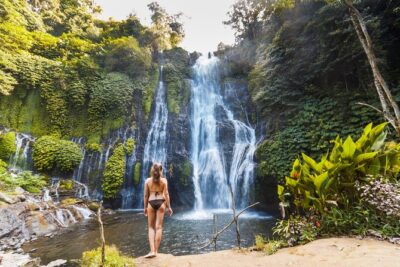
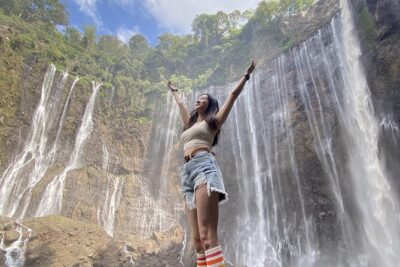
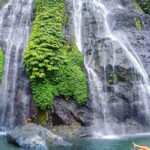
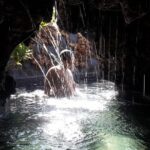
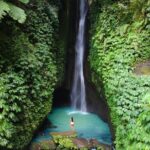
The last stop is Tegenungan Waterfall, described as a clean and clear waterfall suited for washing or just playing around water. You get about 1 hour here, which is a good length for enjoying the falls and then moving on without overstaying in wet conditions.
This stop is the payoff for the day’s earlier walking. It’s also the moment you’ll feel the difference between having prepared and not prepared. The tour doesn’t include a towel or a change dry cloth, so if you want to feel comfortable afterward, pack a small kit:
- a spare top or dry layer
- something to keep your phone safe
- a light towel if you can
Also, bring your camera if you care about photos, since the tour specifically recommends it. Waterfalls can be tricky to shoot well, and having extra clothes reduces the stress so you actually enjoy the scenery instead of counting minutes until you’re dry.
Guides Make the Day: English Support That Turns Stops Into Stories
This tour’s practical value is the human layer. You’re assigned an English-speaking driver/guide, and many of the strongest comments in this program spotlight that support.
Names that come up again and again include Romy/Rommy, Restu, Bayu, Santanu, Ketut, Dama, Pande, Wayan Budi/Marcos, Nyoman, and Tyson. The common thread is how they handle your time. Guides are praised for being patient, adjusting pacing, and explaining what you’re seeing so the stops land better than a quick drive-by.
A few specific ways this matters to you on the ground:
- If you want better photos, a guide can position you and help you get the angle without rushing
- If you have questions about what to expect at temples, you’ll have a real translator in your car
- If something changes, like the day’s timing, a good guide helps keep the tour feeling smooth
If you’re someone who likes to talk, ask questions early. If you’re someone who prefers quiet, it still helps to have a guide who can explain the essentials fast and then let you enjoy.
Tickets, Sarongs, Food, and What You Should Budget
Here’s where you can avoid surprises. The itinerary includes major paid sites, and the tour notes that admission tickets are not included as a default. However, there’s an option structure that can include entry fees, or you may pay ticket costs separately depending on the option you choose.
So think about your budget in two layers:
1) what you’re paying for the tour vehicle, guide support, parking, and bottled water
2) what you’re paying for site admission and any meals along the way
Food isn’t included either. You can buy it during the day, and the lunch quality can vary because that part depends on the stop chosen. My advice is simple: eat a small breakfast before you go, then treat lunch as a chance to recharge rather than a core expectation of the tour.
What is included, and worth noting:
- Bottled water
- All parking fees
- Transportation fuel and comfortable air conditioning
- Sarong used during the temple visit
Price-wise, $28 per person is the kind of number that works if you’re trying to compress a lot into a day without wasting time coordinating transport. The only way it stops being good value is if you arrive unprepared for the water and temple clothing rules, or if you expected all admissions to be included automatically.
Common Day Trips Mistakes (So You Don’t Make Them)
A full-day Ubud tour is fun, but it punishes sloppy planning. Here are the mistakes that can turn a great day into an annoying one:
- Showing up without a dry-change plan for the waterfall and water temple
- Not reading temple etiquette expectations, especially around the sarong and rules for entry
- Treating Monkey Forest like a casual zoo visit and getting too comfortable with your phone and hands
- Waiting until you’re hungry to think about lunch, then rushing food later while you’re tired
If you want the day to feel easy, do the basics right. Wear smart casual clothing, bring camera and extra clothes, and keep expectations realistic about how many places you can cover in one day.
Who This Tour Fits Best (and Who Might Want a Different Plan)
This tour is a great match if you:
- want a best-of Ubud day with transport handled
- like mixing nature and culture in the same route
- prefer having an English-speaking guide to explain rules and context
- are staying in Bali outside Ubud and want an organized day trip loop
It might not be ideal if you:
- hate long days and prefer fewer stops
- want deep time at only one site (like only temples or only rice terraces)
- have strict mobility limits, since you’ll do walking at each stop and some paths can be uneven
Because it’s a private tour/activity (only your group participates), it’s also a solid option for families or couples who want flexibility. Some guides in this program are known for accommodating pacing needs, including families with kids.
Should You Book This Ubud Day Trip?
If your goal is to see the headline Ubud experiences—Monkey Forest, Tirta Empul, Tegalalang rice terraces, and Tegenungan waterfall—this is an efficient way to do it. You’re paying for a full package: air-conditioned transport, an English-speaking guide who sticks with you, and the structure that keeps the day from turning chaotic.
Book it if you want:
- a one-day sampler that still includes meaning at Tirta Empul
- a guide-led plan that helps you manage time and rules
- enough variety to keep you from feeling bored between stops
Skip or customize if you want only one kind of experience and you’d rather slow down. In that case, you might prefer separate half-day visits.
Overall: at this price, with the included sarong and bottled water, and with strong guide support across many names like Romy, Bayu, Restu, Santanu, and Dama, it’s a solid pick for first-timers and time-crunched Ubud lovers.
FAQ
Is hotel pick-up and drop-off included?
Yes. The tour includes pick-up from your hotel area and drop-off back at your hotel.
How long is the tour?
Plan on about 8 to 10 hours.
What are the main stops on the tour?
The stops are Sacred Monkey Forest Sanctuary, Tirta Empul Temple, Tegalalang Rice Terrace, and Tegenungan Waterfall.
Are admission tickets included in the price?
Admission tickets are listed as not included, but there is an option that includes entry fees for destinations. There is also an option related to paying ticket costs.
What should I wear for the temple?
The tour notes a smart casual dress code. You’ll also use a Balinese sarong for the temple visit.
Can women during menstruation enter Tirta Empul?
No. Women during menstruation are not allowed to enter the temple.
Is food included?
No. Food is available to purchase during the day.
Do I need to bring a towel or change of clothes?
Yes. Towel and a change dry cloth are not included, and you’ll be around water at multiple stops.
Is bottled water provided?
Yes. Bottled water is included.
What happens if weather is bad?
The experience requires good weather. If it’s canceled due to poor weather, you’ll be offered a different date or a full refund.