Sunrise in Bali can be dramatic, and this one is planned. You’ll chase the famous Gate of Heaven at Lempuyang with Mt. Agung in the background, then roll straight into East Bali’s temples and water palaces without wasting daylight. The whole day has that rare combo: spiritual stops in the morning and easier-to-love scenery later.
What makes it practical is the behind-the-scenes handling. You get pickup (usually 3:30 am), an English-speaking driver, and entrance tickets are included, so you’re not stuck hunting down papers at multiple stops.
The big consideration is the human reality of Lempuyang Gate. It’s busy, and you may face long lines and delays just to get the photo you came for—so arrive with patience (and snacks) in mind.
In This Review
- Key highlights you’ll actually feel
- Why this East Bali day starts at 3:30 am
- Lempuyang Temple Gate: sacred worship and the photo machine
- The early-morning experience feels different once you get there
- East Bali classics on the drive: rice terrace and Candidasa shoreline
- Tirta Gangga: the royal water garden stop
- Taman Ujung (Ujung Water Palace): pools, palace vibes, and the long stroll
- Tenganan Ancient Village: Bali Aga roots and cultural rules
- Goa Lawah (Bat Cave Temple): temple + cave + history feel
- Private tour logistics: how it helps you, and where it doesn’t
- Value check: is $76.29 a fair deal?
- Driver quality makes a real difference at sunrise
- Who this tour suits best
- Should you book the Gate of Heaven with East Bali stops?
- FAQ
- How early is pickup for the Gate of Heaven tour?
- What’s included in the price?
- What is not included?
- How long is the tour?
- Is it a private tour?
- Can I cancel for a full refund?
Key highlights you’ll actually feel
- 3:30 am pickup: start early so you can aim for sunrise light before the heaviest crowds.
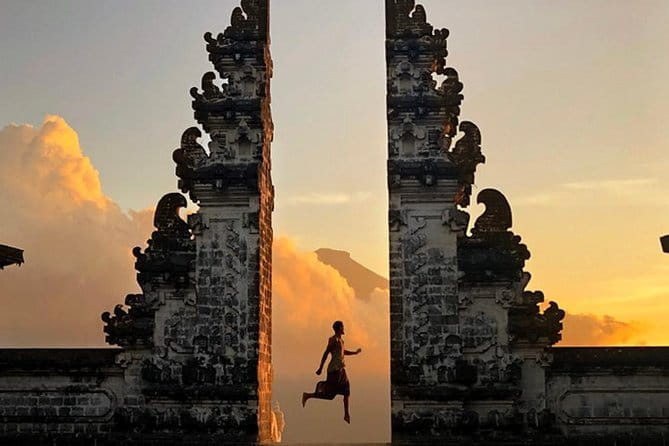
- Lempuyang Gate of Heaven: the temple sits on the mountain and Mt. Agung often frames the view.
- Tirta Gangga + Taman Ujung: classic royal water gardens with photo-friendly pools and stone details.
- Tenganan Ancient Village: a Bali Aga community with strong old-world cultural rules and traditions.
- Goa Lawah (Bat Cave Temple): a 11th-century style temple with the bat cave setting.
- Entrance tickets included: you pay for fewer add-ons during the day.
Why this East Bali day starts at 3:30 am
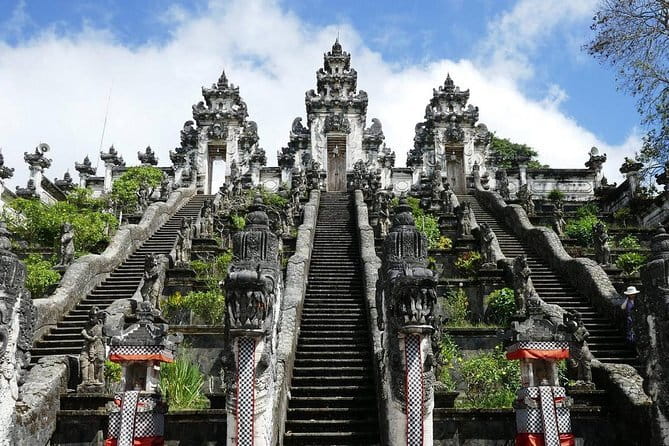
If you’ve ever wondered why people in Bali love the sunrise temples, this is the reason: light changes everything. The Gate of Heaven at Lempuyang is built up on a mountain approach, and the whole experience works best when you’re there early enough to catch the softer sky before it turns harsh and crowded.
Pickup is set at 3:30 am from Seminyak, Kuta, or the Badung area. That means you’ll be moving while most of Bali is still asleep. It also means you’ll likely be back later than you expect, since the total day is about 11–12 hours.
The early start is also what keeps this tour from feeling like a photo scramble all day. You’re targeting one moment—sunrise at the gate—then the rest of the itinerary is designed to keep your momentum going through East Bali.
You can also read our reviews of more tours and experiences in Ubud.


Lempuyang Temple Gate: sacred worship and the photo machine
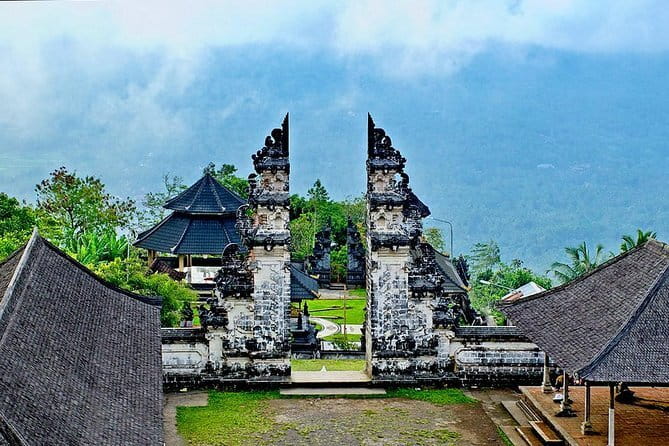
Lempuyang (Pura Luhur Lempuyang) is one of Bali’s nine directional temples, meaning it sits inside the island’s spiritual map. The directional temples radiate around Bali, with Pura Luhur Besakih at the center. You’ll even see the broader pattern in how people worship—families from across the island often visit in ceremonial attire, balancing food baskets on their heads to be blessed by the priest higher up.
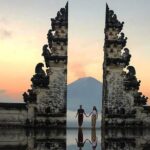
Then there’s the part most people come for: the Gate of Heaven view. With the right timing, Mt. Agung rises in the background and turns the gate into something more than just an entrance—more like a framed spiritual backdrop.
Now the honesty part: this is a famous stop. Expect a lot of people. The key challenge is that the temple is sacred, but it’s also deeply photo-focused here. If you’re strict about getting a quick shot, you might feel annoyed. If you treat it like a slow walk through a sacred place (with patience for queues), it gets easier.
A smart way to handle it is to plan your mindset:
- Bring a small buffer of time for lining up.
- Keep your camera ready but don’t rush your way through the worship spaces.
- Remember that the goal isn’t just the gate—it’s the mountain temple experience and the atmosphere around it.
The early-morning experience feels different once you get there
The Lempuyang area can feel like two worlds at once. You’ll see visitors lining up for images, but you’ll also notice the Balinese families who treat the visit like a spiritual appointment. That contrast is part of why the morning can feel surreal: you’re watching tradition and tourism happen in the same space.
I like this tour’s framing because it doesn’t only sell a view—it tries to connect the dot between the gate photo and what the temple actually means. That’s also why the directional-temple context matters. When you understand that these temples anchor Bali’s compass points, the place stops feeling random and starts feeling intentional.
One more practical note: this tour note is spot-on—crowds can make you wait, and you might lose time just to get your turn for photos. If you’re the type who hates waiting, you’ll want to bring extra patience or consider a different time window. If you’re okay with it, the payoff can be worth it.
East Bali classics on the drive: rice terrace and Candidasa shoreline
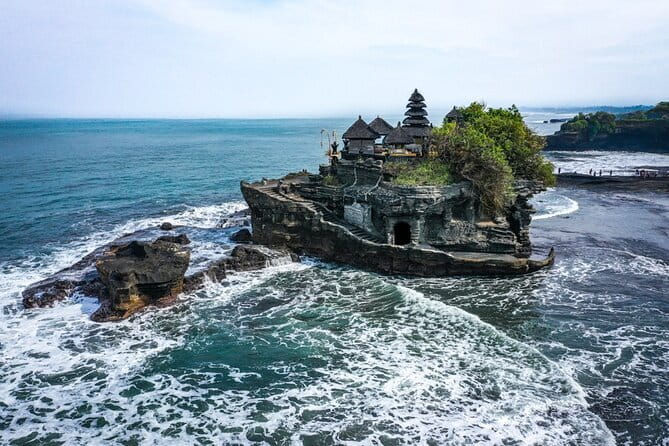
The route is built around a common East Bali rhythm: morning mountain temple, then gardens and cultural stops, with scenic breaks along the way.
Depending on timing, you’ll likely pass through classic scenery stops such as:
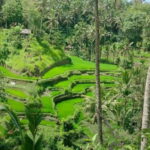
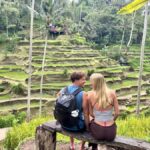
- Tegalalang rice terrace (a popular viewpoint area)
- Candidasa beach (for a shoreline break and a change of pace)
These parts of the day matter because they keep you from feeling like you’re stuck only in temples. After Lempuyang, your eyes and feet need a reset. Rice terraces give you that open, high-view feeling. A quick Candidasa stop helps you shift from “photo queue mode” to “walk and breathe” mode.
Just keep expectations realistic. These scenic stops are usually short compared to the flagship gate. The value here is not marathon time at each place—it’s stacking the best East Bali hits into one workable schedule.
Tirta Gangga: the royal water garden stop
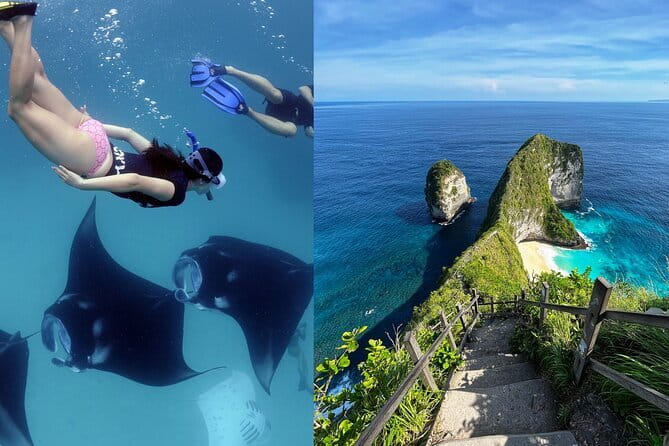
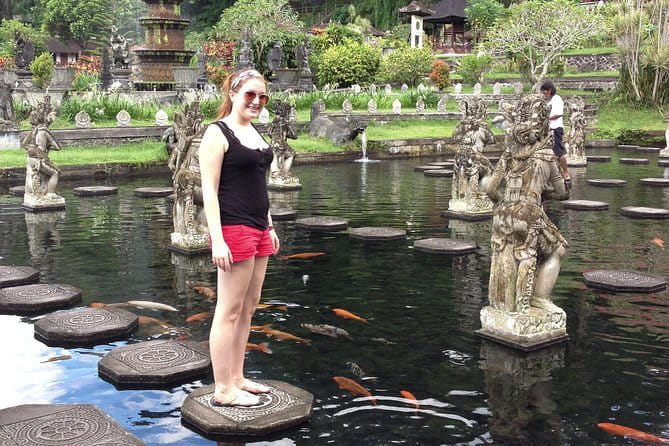
Next up is Tirta Gangga, a water garden built in 1948 by King Anak Agung Anglurah Ketut Karangasem. The architecture is described as uniquely Balinese with Chinese influence, and that mix shows in how the pools and stone elements are arranged.
You’ll typically spend about 30 minutes here. That’s enough time to walk the main garden paths, notice the water features, and grab a few photos without feeling rushed. The key is that Tirta Gangga tends to feel more relaxed than Lempuyang. You’re not waiting for a single angle across a crowded platform—you’re moving through an entire water garden space.
If you love gardens, stonework details, and reflections, this is one of the more satisfying stops on the day. It’s also a nice change from the temple format: fewer rules about movement, more space to enjoy the setting at your own pace.



Taman Ujung (Ujung Water Palace): pools, palace vibes, and the long stroll
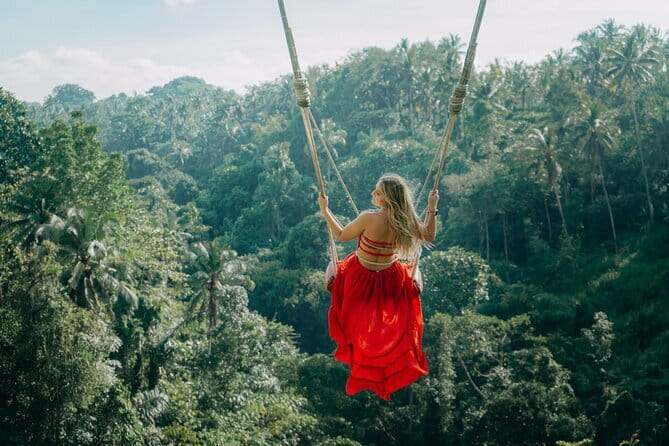
After Tirta Gangga, you’ll hit Ujung Water Palace, also known officially as Taman Sukasada Ujung, located in Seraya in Karangasem regency. This stop is about 40 minutes, which helps, because water palaces reward a slower walk.
What I like about Ujung is that it feels like a designed place, not just a functional garden. The palace setting, the alignment of pools, and the stone structures give you a sense of what royal life may have been like—at least in spirit.
Photo-wise, it’s a good buffer after busy temples. You’re not stuck in one queue; you can take time with compositions and angles. Even if you don’t consider yourself a “temple person,” this stop often wins people over because it feels like a serene walking garden.
Tenganan Ancient Village: Bali Aga roots and cultural rules
Then comes something more grounded: Tenganan Village, home to Bali Aga people—often described as the original Balinese who arrived before Majapahit arrival. This is one of those stops where you’re not just looking at a site, you’re entering a lived-in community.
Your time here is about 20 minutes. That’s short, but enough for a quick understanding of how the village holds onto older practices and community structure.
One interesting detail included in the tour description is that the village is linked with Ngusaba Sambah, known as the pandan war, typically held around May or June. You won’t necessarily see it during your visit, but it gives you a clue about how strongly traditions are still attached to the calendar here.
The best way to enjoy Tenganan is to act like you’re visiting someone’s home community. Move calmly. Avoid treating it like a theme park. If you stay respectful, you’ll get more from the stop than just quick photos.
Goa Lawah (Bat Cave Temple): temple + cave + history feel
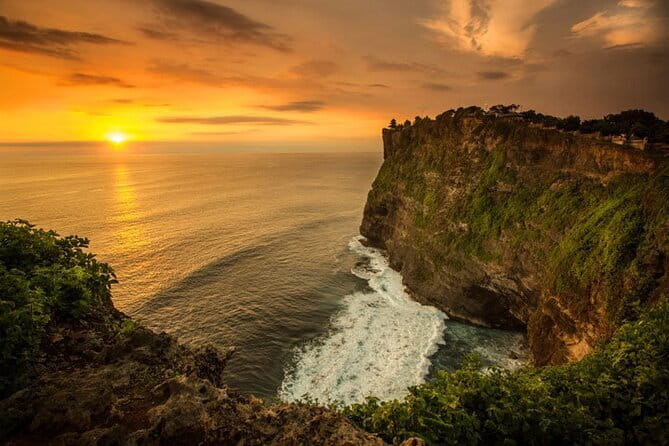
For the final stretch, the tour visits Pura Goa Lawah, also called the Bat Cave Temple, located in Pesinggahan Village in Klungkung regency.
This temple is said to have been built in the 11th century by priest Mpu Kuturan (also referenced as Mpu Raja kerta). Even if you don’t go deep into the historical names, you’ll feel the age in the way this temple is integrated into its environment.
You’ll typically get about 20 minutes here. It’s a compact stop, but the bat cave setting gives it a different character than the water gardens and the mountain gate.
If you like temples that feel more “embedded” in place, Goa Lawah can be a strong closer. It also balances the day: you started with a dramatic gate view, and you end with something more grounded, cave-driven, and atmospheric.
Private tour logistics: how it helps you, and where it doesn’t
This is a private tour, meaning only your group participates. That can be a big deal if you want flexibility in pacing—especially with crowds at Lempuyang. It’s also generally nicer than a shared bus day, because you can ask questions without juggling ten other voices.
At the same time, the biggest bottleneck at Lempuyang is not your driver—it’s the site itself. Being private doesn’t change how long lines can be. It just helps your group manage time as a unit.
Included details that matter:
- Entrance tickets included (so you’re not paying one entry after another)
- English-speaking driver (useful for navigating temple etiquette and timing)
- Parking fees included (small cost, but nice not to think about it)
- Mobile ticket (practical once you’re in motion)
Not included:
- Lunch
- Personal expenses
- Tips
Since lunch isn’t included, plan to eat on your own during a break window or carry a simple snack. If you’re sensitive to early starts, having something small to eat before your first real stop can help a lot.
Value check: is $76.29 a fair deal?
For $76.29 per person, this tour can be good value if you like the idea of stacking multiple East Bali highlights into one day.
The most convincing value points are:
- Entrance tickets are included across several stops
- A dedicated English-speaking driver is part of the package
- You avoid the complexity of coordinating separate rides for each site
Where value can drop for you is if you dislike long days or hate waiting for photos. This tour is designed around sunrise gate timing, which naturally creates crowd exposure and waiting potential.
Also, your own “hidden cost” is food. Lunch isn’t included, so the day’s real total depends on what you choose to eat and drink.
Driver quality makes a real difference at sunrise
Several English-speaking driver-guides have been praised by name, including Ketut Permana, Gede, Budi, Made Aras, and Md Eras. While you can’t pick who you get, it’s a positive sign that the operator often staffs people who can handle early mornings, explain what you’re seeing, and stay attentive.
This matters most at the start. A 3:30 am departure needs a driver who’s awake, organized, and calm. It also matters when the day runs longer than expected, because temples and crowds can stretch timelines.
If your driver is good, you’ll feel it in small ways: smoother timing, clear guidance, and fewer moments where you’re guessing what’s next.
Who this tour suits best
I’d point you toward this itinerary if:
- You want one tight East Bali day instead of multiple trips
- You care about the Lempuyang Gate sunrise moment
- You like mixing temple visits with water gardens and a village stop
- You’re comfortable with early mornings and crowds at the main attraction
I’d skip it (or at least think hard) if:
- You hate waiting in lines for photos
- You need a slow, quiet temple experience with minimal people
- You want lunch handled for you
Should you book the Gate of Heaven with East Bali stops?
Yes, if you’re chasing the sunrise gate photo while also wanting a real East Bali sampler—water gardens, a cultural village, and Goa Lawah as a dramatic ending. The included entrance tickets and dedicated driver make it easier to justify, and the mix of stops keeps you from spending the whole day in one kind of place.
No, if you’re not comfortable with early pickup or you know you’ll get irritated by crowd timing at Lempuyang. This day is built around the gate. If you can handle the waiting and keep your focus on the meaning and atmosphere, you’ll likely love it. If not, you might prefer a less famous temple route or a different time of day.
FAQ
How early is pickup for the Gate of Heaven tour?
Pickup starts at 3:30 am from Seminyak, Kuta, and the Badung Regency area.
What’s included in the price?
The tour price includes entrance tickets, a private tour, an English-speaking driver, and parking fees. A mobile ticket is also used.
What is not included?
Lunch, personal expenses, and tips are not included.
How long is the tour?
It lasts about 11 to 12 hours.
Is it a private tour?
Yes. It’s described as a private activity with only your group participating.
Can I cancel for a full refund?
Yes. You can cancel up to 24 hours in advance for a full refund.