Bali feels different when you’re not bouncing from one big-ticket photo stop to the next. On this Spanish-guided route, you get ancient temples, a real rainforest waterfall, and a guide who can explain what you’re seeing in clear, patient Spanish. I especially love how the day feels less like tourism and more like you’re moving through Balinese life with context, not just sightseeing.
The pace is built around specific sacred sites—Goa Gajah, the quiet Tibumana Waterfall, the reflective Kehen Temple, and finally Besakih on Mount Agung’s slopes. One thing to consider: temple entrances, donations, and meals are not included, so bring cash and plan for extra stops if you want to participate fully.
In This Review
- Key Things You Should Notice Before You Go
- A More Local Bali Route, Without the Photo-Stamp Feeling
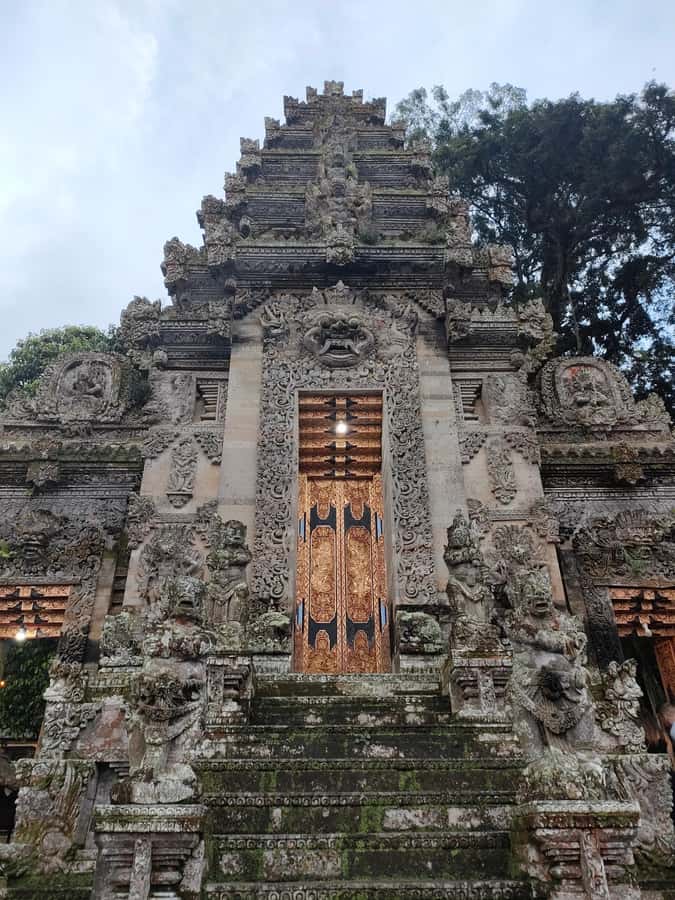
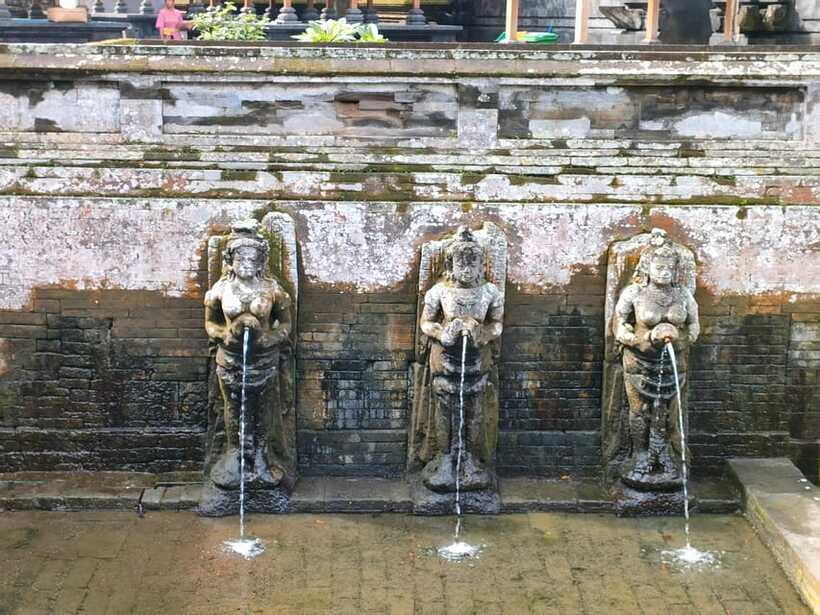
- Goa Gajah (Elephant Cave): An 11th-Century Temple Start
- Tibumana Waterfall: Quiet Rainforest Feel and a Swim Option
- Kehen Temple: The Big Ficus and the Peace for Meditation
- Besakih Mother Temple: Mount Agung’s Sacred Centerpiece
- Price and What $123 Really Buys You (Private, Spanish, and AC)
- Getting Picked Up: Ubud, Payangan, Kemenuh, Sanur
- Practical Tips: What to Pack for Temples and a Waterfall
- Pacing, Comfort, and What the Day Feels Like
- Who This Private Spanish Tour Fits Best
- Should You Book This Tour? My Bottom Line
- FAQ
- What language is the tour guide?
- How long is the tour?
- Is pickup included, and where does it happen?
- Do I need to go to a meeting point?
- What stops are included during the day?
- Are entrance fees and temple donations included?
- Are meals included?
- What’s included besides the guide?
- What should I bring if I want to swim at Tibumana Waterfall?
- Is it suitable for seniors?
- FAQ
- What is the cancellation policy?
- Can I reserve now and pay later?
- What do I need to bring for the day?
- Are there any items not allowed on the tour?
Key Things You Should Notice Before You Go
- Spanish-first guidance that’s detailed and easy to follow, with a guide who adapts to your group’s pace
- Fewer crowds at Tibumana, plus a realistic chance to swim if you bring a towel and bathing suit
- Goa Gajah’s 11th-century setting, where you’re guided through a site with strong spiritual symbolism
- Kehen Temple’s calm—including the famous huge ficus inside and the feeling that encourages quiet time
- Besakih as the Mother Temple, framed by its dramatic setting beneath Mount Agung
- A private group format up to 4, with hotel pickup and an air-conditioned car for a long day
A More Local Bali Route, Without the Photo-Stamp Feeling
This tour works because it doesn’t behave like a conveyor belt. You start with one of Bali’s older temple sites, then move to a waterfall that’s specifically described as having very few visitors, then to two temples with different vibes: one for stillness and one for reverence.
That matters for you because Bali’s traffic and timing can be unpredictable. When your guide knows how to read the day—when to shift plans and how to handle road issues—the experience feels smoother. In the best moments, you’re not just looking at temples; you’re learning how Balinese people relate to them.
And yes, the Spanish language part is a big deal. If your Spanish is good enough to follow details, you’ll get more out of the carvings, rituals, and what’s happening in each place.
You can also read our reviews of more tours and experiences in Ubud.


Goa Gajah (Elephant Cave): An 11th-Century Temple Start
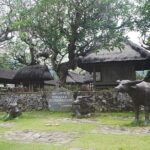
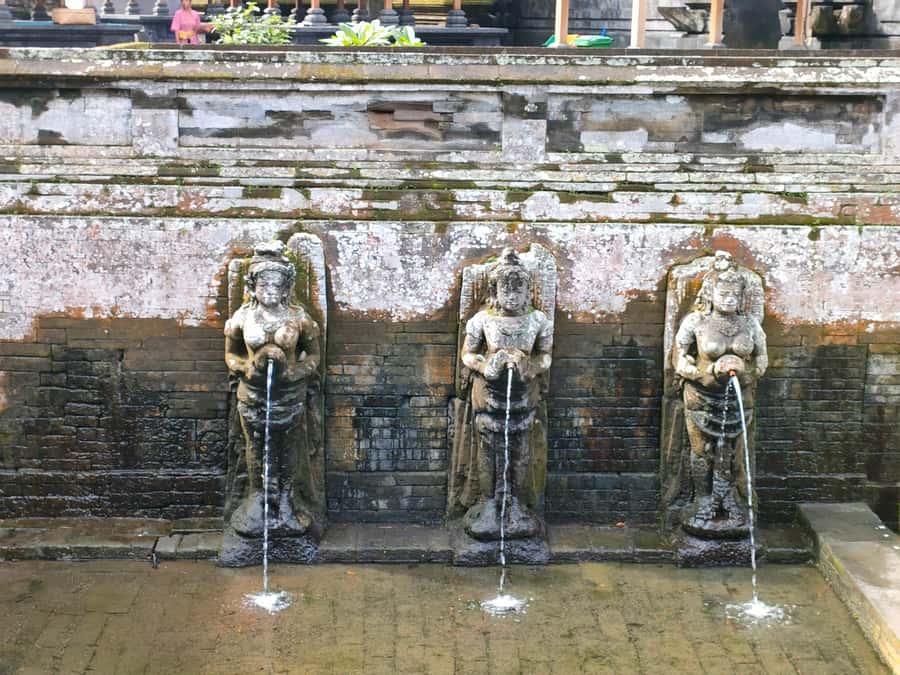
You begin at Goa Gajah, often called Elephant Cave, and it dates back to the 11th century. Starting here is smart. Early in the day, you’re fresher, the site feels more settled, and your guide can set the tone for what temple spaces mean in Bali.
The temple experience is guided, so you’re not left guessing at what you’re seeing. Even if you’re not a temple expert, a good guide helps you connect the visual details to the spiritual purpose—so the place feels alive instead of random stonework.
Practical note: wear shoes you can trust. Temple grounds can be uneven, and you’ll be on your feet for a while. If you like photos, bring your camera—but don’t turn it into a nonstop shoot. This first stop is better when you pause.
Tibumana Waterfall: Quiet Rainforest Feel and a Swim Option
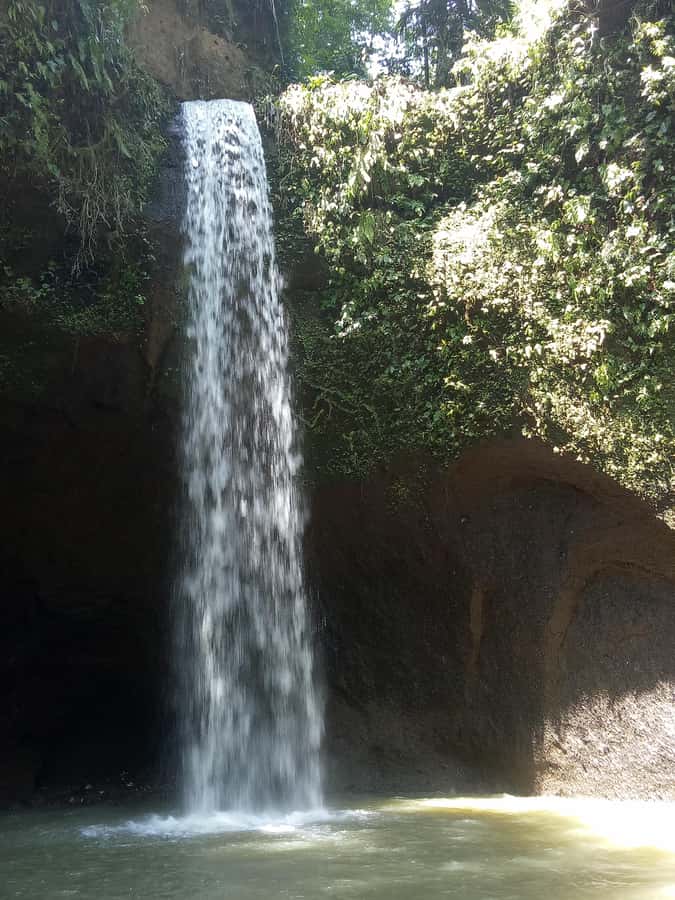
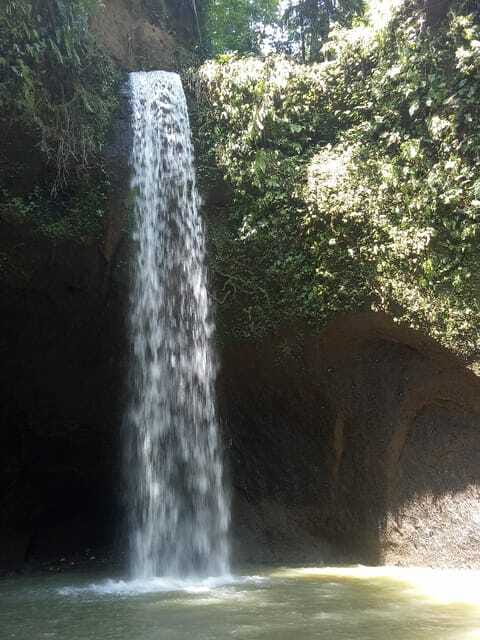
Next comes Tibumana Waterfall, described as sitting in a dense rainforest area where there are hardly any tourists. That “quiet” piece is real value. You get the sound of water, cooler air under the trees, and a setting that feels more natural than staged.
The tour includes a guided visit, which helps with timing and getting to the best viewing moments. If you want to swim, the guidance is simple: bring a towel and bathing suit. That’s one of those small instructions that turns a nice waterfall stop into a memorable one.
What to think about: this is a waterfall in a rainforest environment, so expect wet patches and slippery ground. I’d treat footwear like part of your safety plan, not just comfort. And if you’re planning to swim, a change of clothes is your friend.
Kehen Temple: The Big Ficus and the Peace for Meditation
Then you head to Kehen Temple in Bangli, reached via roads that are less traveled. This stop stands out because Kehen isn’t just about impressive architecture; it’s also about atmosphere.
Inside Kehen you’ll find a giant ficus, and the temple is described as representing old Balinese architecture from the 12th century. What I like about this kind of stop is that it gives you a break from constant movement. Your guide points out what makes the place special, and you can feel the atmosphere shift from “tour mode” to something closer to quiet reflection.
The tour notes it’s an idyllic spot to meditate, and that fits the way Kehen is experienced. Even if meditation isn’t your thing, the calmer pace makes it a good moment to step back from the day and reset your senses.
Besakih Mother Temple: Mount Agung’s Sacred Centerpiece
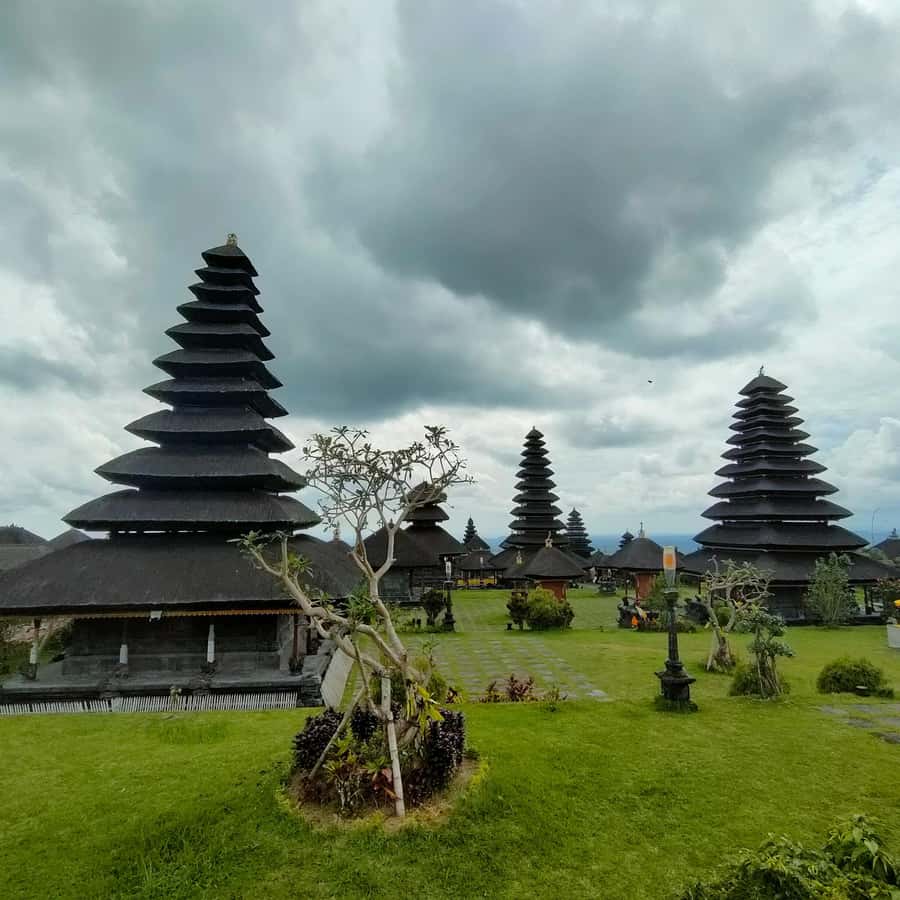
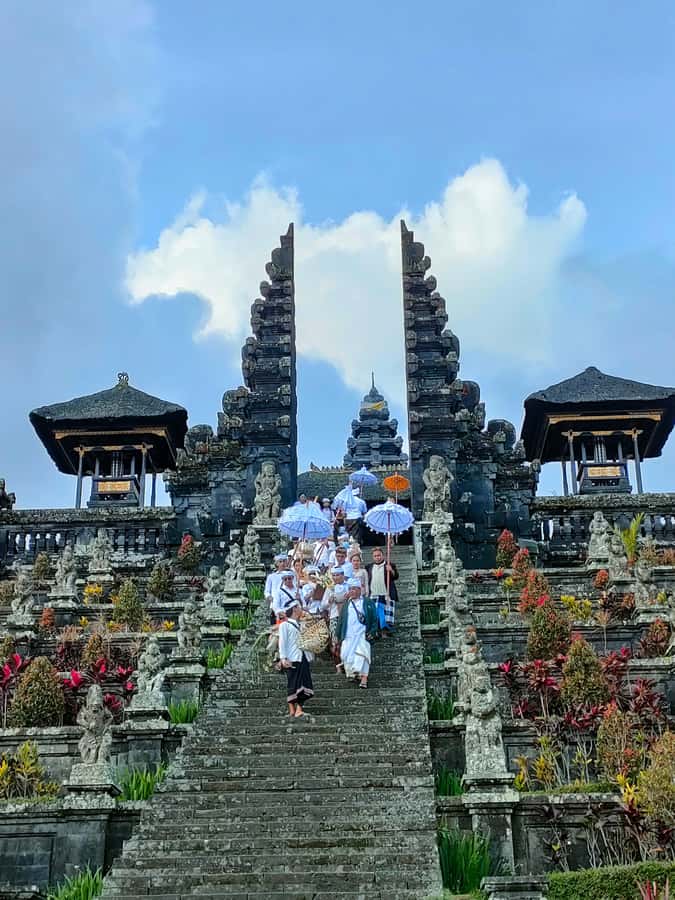
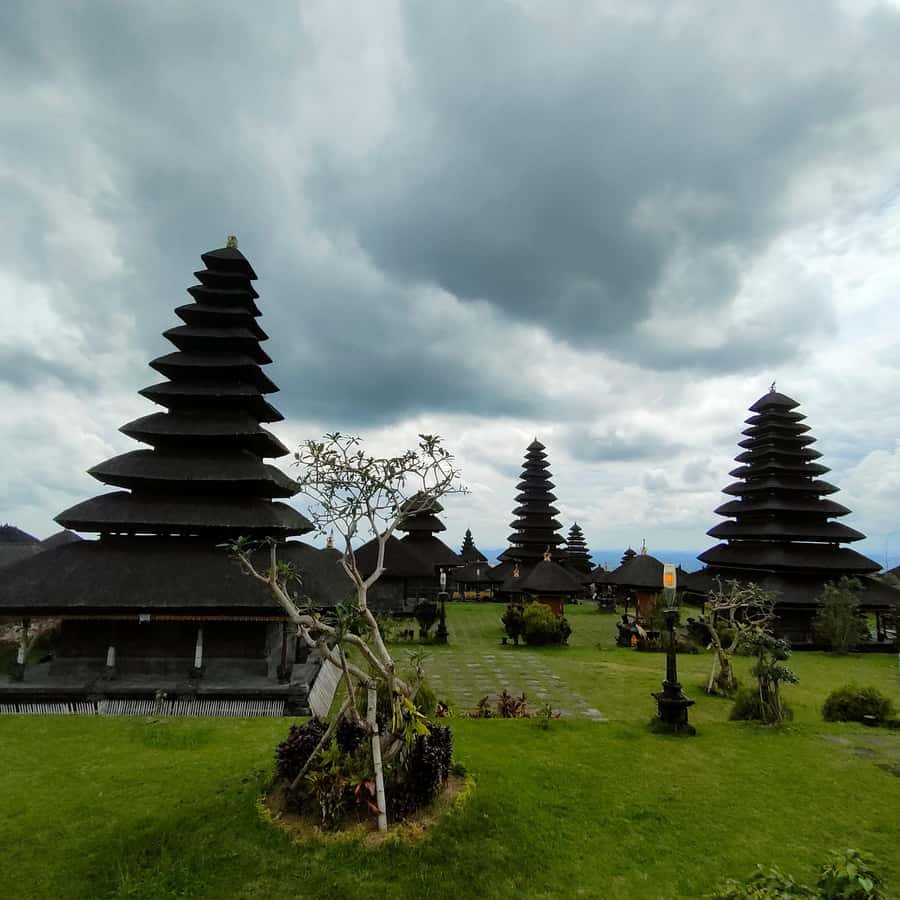
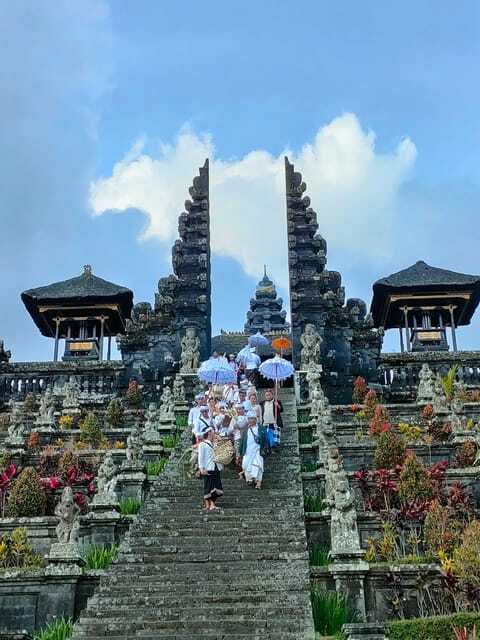
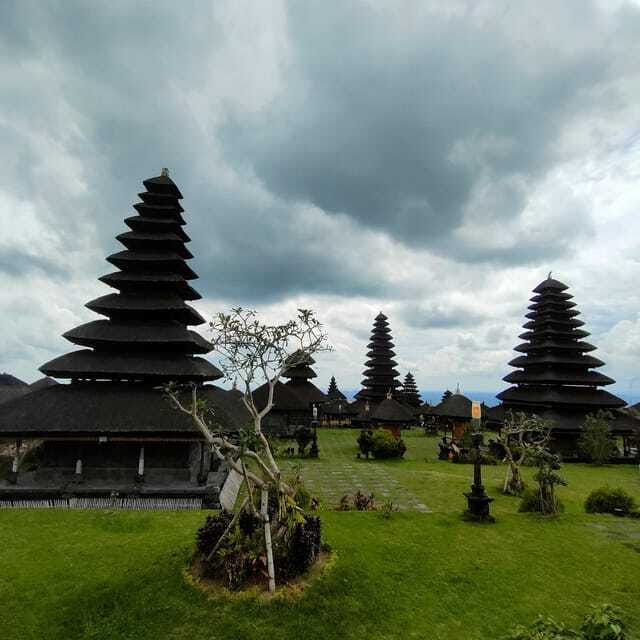
The final major temple stop is Besakih, often called the Mother Temple of Besakih. It’s on a slope of Mount Agung (3142 meters) and is described as being around 1000 meters up on that hillside. In other words: you’re not just visiting a temple, you’re arriving at a sacred place shaped by altitude and the mountain’s presence.
Besakih is described as Bali’s most important and sacred location, with the name Mother Temple. That framing matters because it explains why the place can feel different from smaller shrines you might see around the island. People don’t treat it as just another stop on a route.
You’ll be guided through the visit, which helps you understand what you’re seeing. From a practical standpoint, this is also the stop where the day’s walking adds up, so plan your energy. Wear comfortable clothes and keep water in mind (the tour includes cold water bottles during the day).
Price and What $123 Really Buys You (Private, Spanish, and AC)
At $123 per group up to 4 for a 10-hour day, the price is best understood as “private transport + Spanish expertise + guided temple flow,” not just a simple ride.
Included basics that add up:
- A Spanish-speaking local guide
- An air-conditioned car and parking
- Two bottles of cold water every day
- Hotel pickup and drop-off in selected areas
What’s not included:
- Temple entrance fees and donations
- Meals
- Insurance
So the real value question for you is whether you want to pay more to manage the day on your own (with the language hurdle and navigation pressure), or pay this group price for guidance and smoother timing. If you care about understanding what you’re seeing—especially at temples—this type of structure usually pays off fast.
Also, the private group format is a big part of the value. For families or small friend groups, sharing costs can make a long day feel reasonable while still keeping flexibility.
Getting Picked Up: Ubud, Payangan, Kemenuh, Sanur
This tour is designed around hotel pickup. You don’t need to hunt for a meeting point. Instead, you wait at your hotel reception at the agreed time.
Pickup and drop-off options include:
- Ubud
- Payangan
- Kemenuh
- Sanur
That’s useful because Bali days can start with friction: traffic, finding the right driver, and coordinating times. Having pickup options in multiple areas reduces that stress and makes planning easier.
One tip: confirm your pickup time and be ready a few minutes early. A long temple-and-waterfall day runs best when you’re not rushing at the beginning.
Practical Tips: What to Pack for Temples and a Waterfall
The packing list is pretty clear, and I agree with all of it because it matches the reality of the day:
- Comfortable shoes for temple paths and wet ground near the waterfall
- Change of clothes (especially if you swim at Tibumana)
- Insect repellent (rainforest conditions can mean more bites)
- Cash for entrance fees and temple donations
- Credit card if you prefer that for incidental costs
- Camera if you like photos (just keep room for actually enjoying the places)
- Comfortable clothes you can move in
A few “don’t step on this rake” rules are included too:
- No smoking in the vehicle
- No alcohol and drugs
- No weapons or sharp objects
- Don’t plan on fireworks, making fire, or anything involving nudity
- Surfboards are not part of the plan
If you’re traveling with a backpack, aim for something you can wear comfortably while walking. You’ll feel happier when you’re not constantly adjusting straps.
Pacing, Comfort, and What the Day Feels Like
A 10-hour tour means you’ll be in motion, with guided time at each major stop. That’s not a problem if you treat it like a full-day cultural circuit rather than a quick checklist.
The best way to enjoy it is to mix your attention:
- At temples, focus on the meaning behind what’s shown.
- At Tibumana, focus on the sensory side: water sound, humidity, and the chance to cool off.
- At Kehen, give yourself a minute to slow down and absorb the quiet.
Also, the guide’s role really matters here. One review highlights a guide who was patient and offered different options if the group wanted to adjust plans. Another emphasizes adapting quickly to road surprises. In practical terms, that means you’re less likely to spend the day annoyed by traffic changes and more likely to keep a steady rhythm.
Who This Private Spanish Tour Fits Best
This tour is a great match if:
- You want a Spanish-speaking guide for temples and cultural context
- You like meaningful stops over rushed photo hopping
- Your group is up to 4 people and you want hotel pickup without the hassle
- You care about visiting a quieter waterfall instead of the most crowded sites
It’s not a fit if:
- You’re traveling with mobility limitations that make temple walking hard (the tour involves walking and uneven ground)
- You’re older than the stated limit: it’s not suitable for people over 95 years
If you’re unsure, ask yourself one question: do I want context? If the answer is yes, this day is likely worth it.
Should You Book This Tour? My Bottom Line
I’d book this tour if you want Bali with explanations you can actually understand. The combination of Spanish guidance, a private group, hotel pickup, and stops that range from 11th-century Goa Gajah to the Mother Temple of Besakih makes the day feel coherent.
I’d also book it if you care about value through timing: less crowd at Tibumana, plus a route that avoids the “standard tourist stamp” feeling. Just budget for temple entrances and meals, and pack properly so the waterfall doesn’t turn into a wet-clothes problem.
If your priority is only the biggest famous sites with zero learning, you might prefer a different style of tour. But if you want to come away understanding what you saw, this one has a clear edge.
FAQ
What language is the tour guide?
The tour is guided in Spanish.
How long is the tour?
The duration is 10 hours.
Is pickup included, and where does it happen?
Yes. You’re picked up directly at the hotel reception in Ubud, Payangan, Kemenuh, or Sanur at the agreed time.
Do I need to go to a meeting point?
No. The tour provides direct hotel pickup, so you don’t need to go to a meeting point.
What stops are included during the day?
The guided stops are Goa Gajah (Elephant Cave), Tibumana Waterfall, Kehen Temple, and the Mother Temple of Besakih.
Are entrance fees and temple donations included?
No. Entrance fees and donations to temples are not included.
Are meals included?
No. Meals are not included.
What’s included besides the guide?
You get a Spanish-speaking local guide, an air-conditioned car, parking, and two bottles of cold water every day.
What should I bring if I want to swim at Tibumana Waterfall?
Bring a towel and a bathing suit.
Is it suitable for seniors?
It is not suitable for people over 95 years.
FAQ
What is the cancellation policy?
You can cancel up to 24 hours in advance for a full refund.
Can I reserve now and pay later?
Yes. There is a reserve now & pay later option.
What do I need to bring for the day?
Bring comfortable shoes, insect repellent, cash, credit card, camera, comfortable clothes, and a change of clothes.
Are there any items not allowed on the tour?
Weapons or sharp objects are not allowed. Also, no smoking in the vehicle, and no alcohol or drugs.