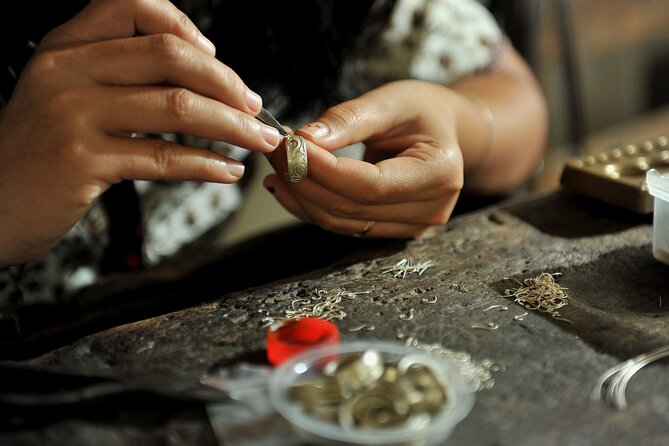
Craft shops, but with real human hands. This Ubud arts and crafts tour takes you beyond postcards and into the workrooms of Bali, starting in Celuk with gold and silver jewelry. I especially like seeing artisans at their benches—ring by ring, detail by detail—so the prices make more sense after you watch the process.
Next you’ll head to Mas, where woodcarvers work in the style the village is known for: naturalistic forms plus characters from Hindu mythology. I also like that you’re not just shopping; you’re learning what Balinese masks and carvings are used for, including pieces tied to traditional dance performances. Then you finish in Ubud with a guided look at traditional and contemporary paintings in town’s higher-quality galleries.
One thing to plan for: you may be taken to higher-end shops as part of the route, and the same or similar items can cost less in areas like Legian and Kuta. Go in with a budget and the mindset that comparison shopping is part of the fun—not a failure of the tour.
In This Review
- Key things I’d watch for on this Ubud arts and crafts route
- Why the Celuk–Mas–Ubud combo works
- Celuk Village: gold and silver work you can actually see
- Mas Carving Center: hand-chiseled masks and myth characters
- Ubud Art Market stop: paintings that range from traditional to contemporary
- Price and value: what $50 buys you (and what it doesn’t)
- Shopping smart: how to get better deals without losing the point
- Timing, comfort, and what to bring for a 4-hour morning
- Who this tour is best for (and who might want something else)
- Should you book the Ubud Arts & Crafts Tour?
- FAQ
- How long is the Ubud arts and crafts tour?
- Which places does the tour visit?
- Is hotel pickup included?
- What is the price of the tour?
- Are admission tickets included?
- Are food and drinks included?
- How big is the group?
- What time does the tour start, and where does it end?
- What’s the cancellation policy?
Key things I’d watch for on this Ubud arts and crafts route
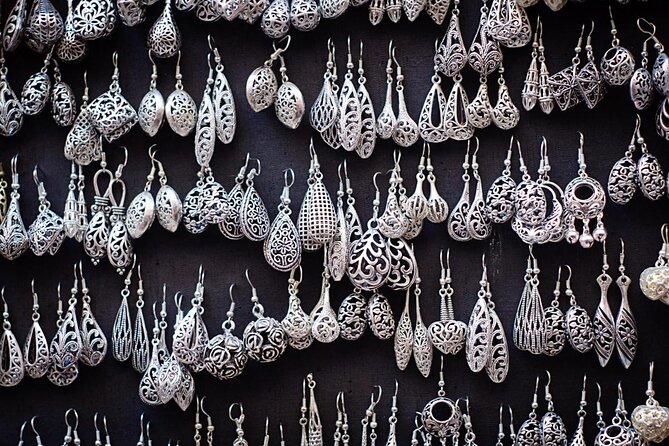
- Celuk’s gold and silver workshops are the show: you’ll see jewelry made in working galleries and cottage-industry spaces
- Mas woodcarving is hand work, not just display: you’ll spot naturalistic designs and Hindu myth characters
- Masks come with context: you learn how carvings connect to traditional dance performances
- Ubud’s art mix is intentional: traditional-style works meet contemporary painters in the final stop
- Small group keeps it practical: capped at 15 travelers, so your guide can answer shopping and craft questions
- Pickup plus included tickets add real value: hotel pickup/drop-off and admission tickets are part of the package
Why the Celuk–Mas–Ubud combo works
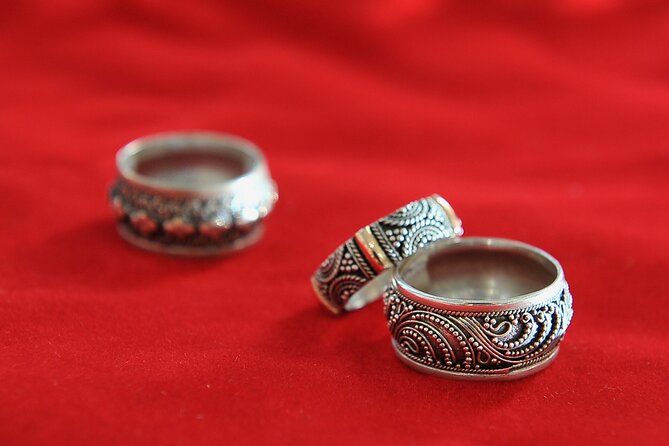
This is a smart “first taste” tour if you’re staying around Ubud or you want to see how Bali’s crafts connect to daily life. The route is built around three different creative specialties, so you don’t spend the whole day staring at the same kind of souvenir.
You also get something rarer than a standard shopping stop: a guide who explains what you’re looking at before you start comparing products. That matters in Bali, where craftsmanship takes time and families often make and sell within the same community.
The tour runs about four hours and is set up for a morning start (8:30 am). That timing is handy because it lets you enjoy the rest of the day beachside, rice-field hopping, or simply wandering Ubud without rushing.
You can also read our reviews of more tours and experiences in Ubud.



Celuk Village: gold and silver work you can actually see
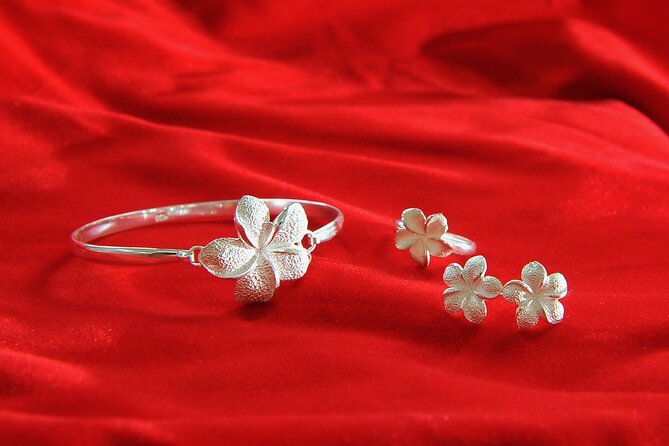
Celuk is where Bali’s jewelry reputation gets real. You’ll spend about an hour in the village with a guide, moving through workshops and galleries where silversmiths and goldsmiths create pieces in a cottage-industry setting.
What I like about this stop is the emphasis on the full craft chain, not just the final product. You’ll hear about how these workshops are organized around families of jewelers, and you’ll watch the intricate process behind rings, brooches, and other jewelry designs.
Why this is valuable for your money: once you’ve seen the amount of handwork and time that goes into detailed metalwork, it’s easier to judge what’s fair. You’ll still want to compare prices, but you’ll understand what you’re comparing.
A practical note: this is also a place where you’ll want to take your time. Jewelry is personal, and it’s easy to get swept up in “look how shiny” mode. I’d pick one or two pieces you truly like, then ask how the design is made and how the craftsmanship differs from cheaper looks.
Mas Carving Center: hand-chiseled masks and myth characters
Next comes Mas, famous for wood sculptures with a specific, recognizable style. Expect about an hour here, with a focus on how carving shapes the final look—natural designs, plus characters drawn from Hindu mythology.
You’ll see craftsmen working with hand tools, still chisel-focused, rather than only displaying finished pieces. That difference matters. When you watch the carving process, the detail feels less like decoration and more like skill—especially with patterned faces and mask-like expressions.
The guide also connects the carvings to meaning. You’ll learn about Balinese masks used in traditional dance performances, which helps you shop with context instead of just grabbing whatever looks dramatic.
For me, Mas is the stop where the tour feels most like culture, not just retail. Even if you don’t buy anything, you’ll leave with a clearer picture of why woodcarving is such a big deal in Bali.
Ubud Art Market stop: paintings that range from traditional to contemporary
In Ubud, you shift from crafts you can watch being made to art you can discuss and compare in galleries and shops. You’ll spend about an hour with your guide looking at an area of higher-quality art retail in town, among the many options Ubud has.
This is where the tour becomes more “art history meets present day.” You’ll see traditional Balinese paintings alongside works by contemporary artists, including painters working in the local scene and European influences you may see around town.
If you’ve been focused on jewelry and carvings earlier, Ubud’s art stop can feel like a reset. You get to slow down, ask questions about styles, and get a clearer sense of what people consider Balinese art.
One practical tip: go in ready to look longer than you think you’ll need. A guided visit helps, but paintings and mixed media take time to evaluate—so don’t treat this like a fast stop unless you’re just browsing for ideas.
Price and value: what $50 buys you (and what it doesn’t)

At $50 per person for about four hours, this tour sits in the “good value if you care about craft” category. The value comes from two places:
First, you’re getting hotel pickup and drop-off by coach from major areas like Kuta, Seminyak, Sanur, Jimbaran, and the Nusa Dua side. That saves time and avoids the hassle of figuring out transport for multiple stops.
Second, the stops include admission tickets (Celuk, Mas, and the Ubud art market stop are each listed with admission included). So you’re not paying extra on top just to enter the places you’re visiting.
What’s not included is also important: food and drinks aren’t part of the price. Plan around that, especially if you’re prone to getting hungry while browsing. Having water and a snack strategy makes the day smoother.
And since the tour is capped at a maximum of 15 travelers, the guide time isn’t swallowed up by huge crowds. That small-group feel is part of the reason this tour tends to work well as a short, focused outing.






Shopping smart: how to get better deals without losing the point
Here’s the honest reality: this route includes stops in higher-end shops. That doesn’t automatically mean overpriced junk, but it does mean you should shop with your eyes open.
A good way to handle it is to decide what you want before you get to the final shopping areas. For jewelry, pick a style and metal tone you like. For wood carvings, focus on the kind of face or myth character you want represented. For paintings, narrow down whether you prefer traditional-looking scenes or more modern interpretations.
Then compare. Even within the same village, you’ll often see variations in design and finish, which makes price comparisons more meaningful. If you want cheaper shopping, you may find better deals back in areas like Legian and Kuta for similar or close-look items (except, as some people note, silver can be a bit different).
A quick mindset shift helps: think of this tour as your craft education plus a chance to buy with guidance. If you don’t find the right piece in the first two villages or the Ubud stop, you’re still leaving with knowledge you can use later while wandering on your own.
Timing, comfort, and what to bring for a 4-hour morning
The tour starts at 8:30 am, and it moves at a pace that fits a morning schedule. You’ll spend about an hour at each major stop, with coach travel connecting Celuk, Mas, and Ubud.
Because it’s a short day, you don’t need a complicated packing list. Still, I’d bring the basics that make browsing easier:
- Sunscreen and a hat (Ubud and the surrounding villages can feel bright and hot)
- A small bag you can carry comfortably for small purchases
- A way to pay (and some extra cash for casual buys), since you may want to act quickly if you see a piece you like
- Water planning since drinks aren’t included
Also, wear shoes that work on uneven paths. You’ll be in villages and walking between workshops and galleries, so comfortable grip is worth it.
Who this tour is best for (and who might want something else)
This experience is ideal if you want an efficient overview of Bali crafts in a single morning. If you’re the type who likes understanding what you’re buying—whether it’s jewelry techniques, woodcarving styles, or what makes Ubud art recognizable—this format fits you well.
It’s also a great choice for first-time visitors who want to get their bearings fast. You’ll see Celuk for metalwork, Mas for wood carving, and Ubud for galleries and painting, which gives you a simple map of Bali’s creative zones.
If you already know you want beach time all day, this might feel like a detour. But as a four-hour cultural break, it’s one of the cleaner ways to trade sand and sunshine for real-world craft.
Should you book the Ubud Arts & Crafts Tour?
I think you should book it if you want a guided, structured look at Bali’s crafts without committing to a full day. The strongest reasons to say yes are the hands-on craft focus in Celuk and Mas, plus the guided way the tour explains what you’re seeing before you spend money.
I’d hesitate only if your top priority is bargain shopping. Because higher-end shops are part of the route, you may want to treat this as education first, comparison second, and buying only when you find something you truly want at a price you’re comfortable with.
If you’re curious, keep an open shopping strategy: look, learn, compare, and then decide. This tour is built to help you do exactly that.
FAQ
How long is the Ubud arts and crafts tour?
It’s about 4 hours total.
Which places does the tour visit?
You’ll stop in Celuk Village (gold and silver workshops), Mas Carving Center (woodcarving), and an Ubud art market stop with galleries and paintings.
Is hotel pickup included?
Yes. Pickup and drop-off are included from major hotels in Kuta, Seminyak, Sanur, Jimbaran, and the Nusa Dua area.
What is the price of the tour?
The price is $50.00 per person.
Are admission tickets included?
Yes. Admission tickets are included at each stop.
Are food and drinks included?
No. Food and drinks are not included.
How big is the group?
The maximum group size is 15 travelers.
What time does the tour start, and where does it end?
It starts at 8:30 am, and it ends back at the meeting point.
What’s the cancellation policy?
You can cancel for a full refund up to 24 hours in advance. If you cancel less than 24 hours before the experience starts, you won’t get a refund.