Spice-scented mornings in Ubud pay off fast. I love the hotel pickup that keeps the day smooth, and I love the market-and-paddy rhythm that makes Balinese cooking feel hands-on. The one catch: the traditional market visit only happens for the morning class.
You’ll cook with local chefs in English, then sit down to enjoy what you made in a garden setting. If your guide is someone like Goose, the day has extra charm thanks to stories about Balinese family life and food traditions.
In This Review
- Key highlights I’d plan around
- Ubud Hotel Transfers That Keep Your Day From Wobbling
- Market Walk for Fresh Herbs and Spices (Morning Only)
- Paddy Fields and Rice-Farmer Stories: Why It Matters for Your Food
- Cooking at a Balinese Family Property: More Than a Kitchen Demo
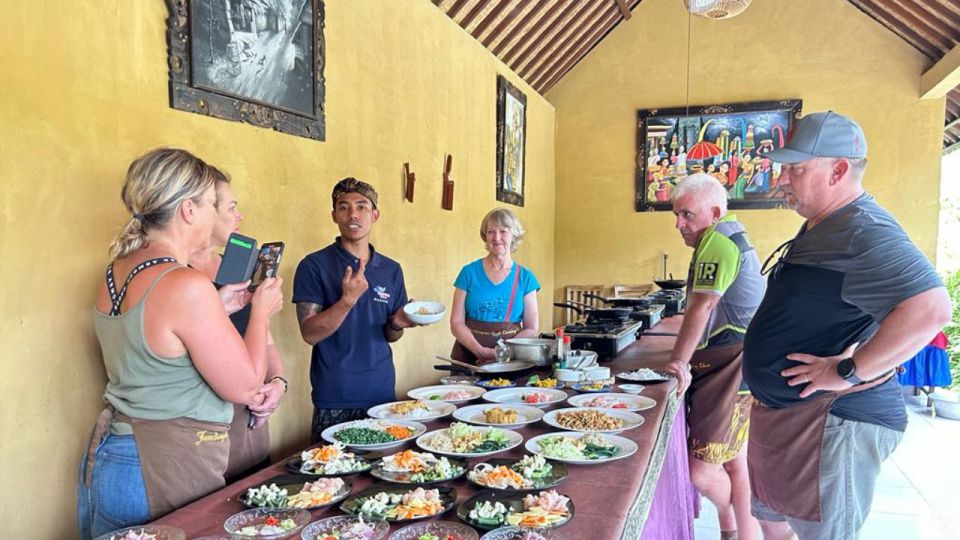
- The Class: Building Balinese Dishes Step by Step
- Lunch in the Garden: Where the Day Finally Stops and Smiles Happen
- What You’ll Actually Learn About Balinese Flavors
- Price and Value: Is $26 a Good Deal?
- Who This Ubud Class Suits Best (And Who Should Skip It)
- Practical Tips: Clothes, Shoes, Bags, and Rules
- Should You Book This Ubud Balinese Cooking Class?
- FAQ
- How long is the Ubud Balinese cooking class?
- Is the local market visit included?
- What’s included in the price?
- Is the class taught in English?
- What should I bring, and what isn’t allowed?
- Can I cancel and get a full refund?
Key highlights I’d plan around
- Hotel pickup and drop-off included so you don’t burn time figuring out transport
- Market stop for morning classes only, ideal if you want to shop with the chef
- Paddy field visit that adds real context to how Balinese food is grown
- English-led instruction with a local chef who knows Balinese cuisine
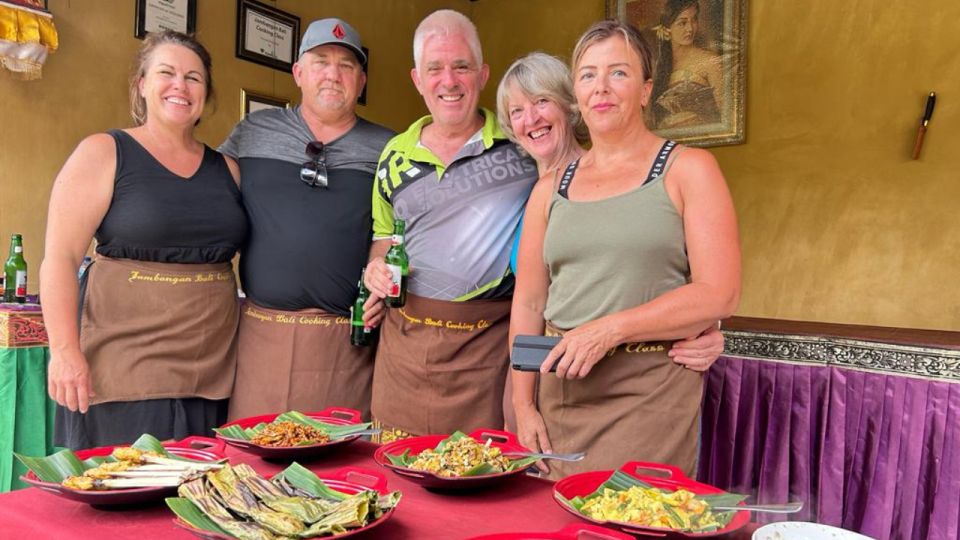
- Lunch in a garden featuring your own cooking, not a separate show meal
- Clear rules for what to bring (comfortable shoes, light clothing) and what to leave behind
Ubud Hotel Transfers That Keep Your Day From Wobbling
In Ubud, it’s easy to lose an afternoon to small frictions: finding the right pickup spot, negotiating a driver, or waiting while heat builds. This experience helps you avoid that by including hotel pickup and drop-off. You’ll wait in the lobby about 10 minutes before pickup, and the driver won’t hang around forever—so being ready makes the whole thing feel effortless.
Once you’re picked up, the day has a steady pace. It’s built around doing things in the right order: ingredients first, then cooking, then lunch. That matters because Balinese flavors depend on fresh aromatics and spices. When you see and pick those ingredients earlier, you cook with a clearer sense of what the dish is supposed to taste like.
One more practical point: you’re not meant to travel heavy. The activity says no luggage or large bags, so pack light. A small day bag is fine, but don’t plan on bringing a suitcase-sized setup.
You can also read our reviews of more tours and experiences in Ubud.



Market Walk for Fresh Herbs and Spices (Morning Only)
One of the best ways to learn cooking is to understand ingredients before the cutting starts. This class includes a local market visit—but only for the morning class. If you care about that part, double-check the start time when you reserve.
At the market, you’ll select items with your guide. Expect things like crisp vegetables, herbs, choice cuts of meat (if you choose a meat option), and bundles of spices that you can’t really recreate just by remembering a flavor. This is the moment where the class becomes more than instructions. You’re training your eye and nose.
There’s also a cultural layer here. Markets in Bali aren’t only about shopping—they’re community hubs. Even if you don’t speak the local language, you’ll feel it in the rhythm: people selecting produce, vendors talking, and the constant movement that keeps stalls stocked.
If you skip the morning class, you might miss the market portion. The cooking still happens, but you lose the ingredient-buying context that makes the rest of the experience click.
Paddy Fields and Rice-Farmer Stories: Why It Matters for Your Food
After shopping comes something many cooking classes forget: where the food begins. This experience includes a paddy field visit, and you’ll get a glimpse of rice farmers doing their daily activities. You can also chat with local farmers, which is where the day turns from culinary to cultural.
Why I’d put this on your must-do list: Balinese cooking sits close to the island’s agriculture. Rice is more than a side dish there—it’s part of daily life. When you see rice farming up close, you start to understand why certain ingredients feel so central and why meals often build from simple, sturdy staples.
It also breaks up the day nicely. After a market walk (which is active and warm), the paddy stop gives you a calmer, more grounded feeling. It’s not just scenery. It’s context for what ends up on your plate.
Cooking at a Balinese Family Property: More Than a Kitchen Demo
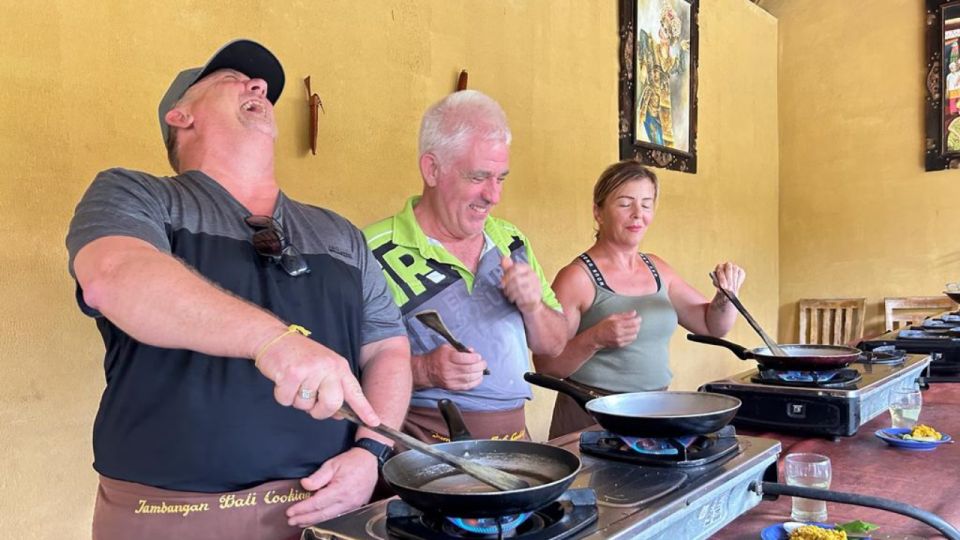
This is where the experience feels most authentic: you’re welcomed into a local home with a beautiful setting, so the cooking isn’t happening in a sterile, staged venue. The class takes place on a family property, and that setting changes your mindset. You’re not watching a performance; you’re stepping into how Balinese families eat and cook.
You’ll also get a personal look at Balinese family life. That doesn’t mean you need to ask lots of questions to learn. The way food and routine connect is visible in small moments—how people move, how the space is organized, and how hospitality is built into the day.
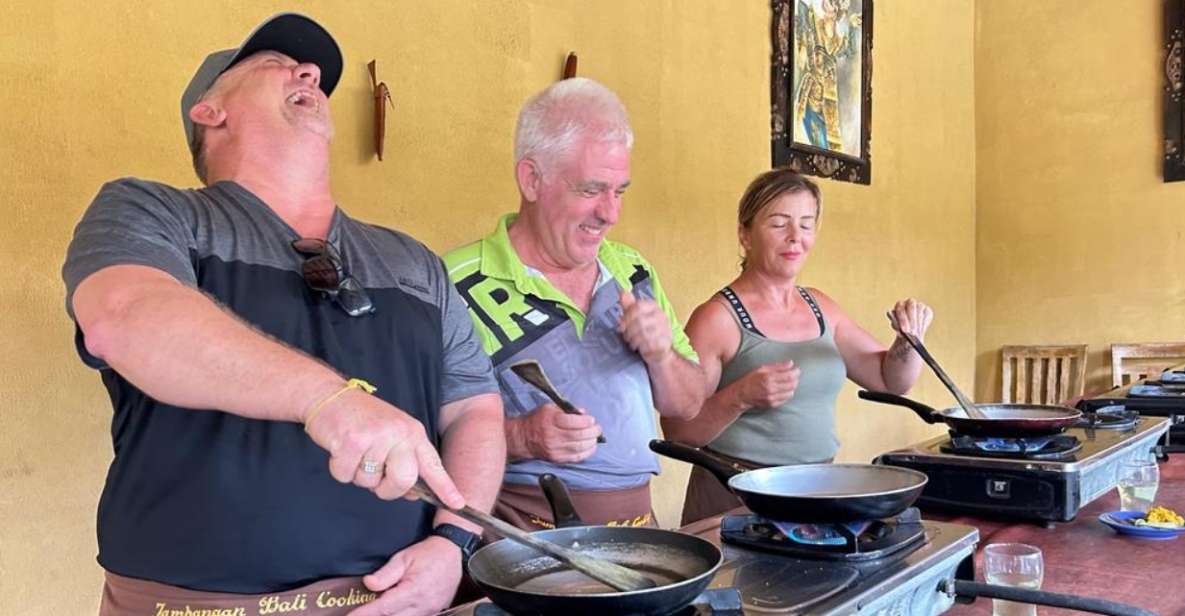
A standout from a recent guide experience was Goose, who came across as kind and humble while keeping the group engaged. He shared stories about Balinese culture and tradition while guiding the cooking process. That kind of storytelling matters. It turns recipes into something you can remember later, not just dishes you eat once.
Also, the chefs and instructors work in English, which is a huge practical win. You’ll still smell, taste, and chop your way through, but you won’t lose the reasoning behind the flavors.
The Class: Building Balinese Dishes Step by Step
You’ll be cooking multiple classic recipes—enough variety that lunch doesn’t feel repetitive. The exact dishes can vary by group and flow, but the experience is designed around quintessential Balinese plates built from traditional ingredients.
In one class format, people learned a soup, multiple mains, and a dessert, with vegetarian or meat options. Even if your specific menu ends up different, you can expect the structure to be similar: starter(s) or soup, several main components, and something sweet to finish.
Here’s what I think is the real value in a class like this. You don’t just get instructions for one dish. You practice the underlying techniques you can reuse:
- how aromatics become paste or base flavor
- how spice blends balance savory, fresh, and fragrant notes
- how sauces and seasoning are built, not sprinkled
Because you’re cooking in a live setting, you also learn pacing. Some steps need timing, others need attention to heat. Even when you don’t speak the local culinary vocabulary, the chef’s guidance in English helps you understand what to watch for.
And you’ll taste along the way. That’s not a gimmick. It’s how you correct mistakes early—before everything ends up tasting the same.





Lunch in the Garden: Where the Day Finally Stops and Smiles Happen
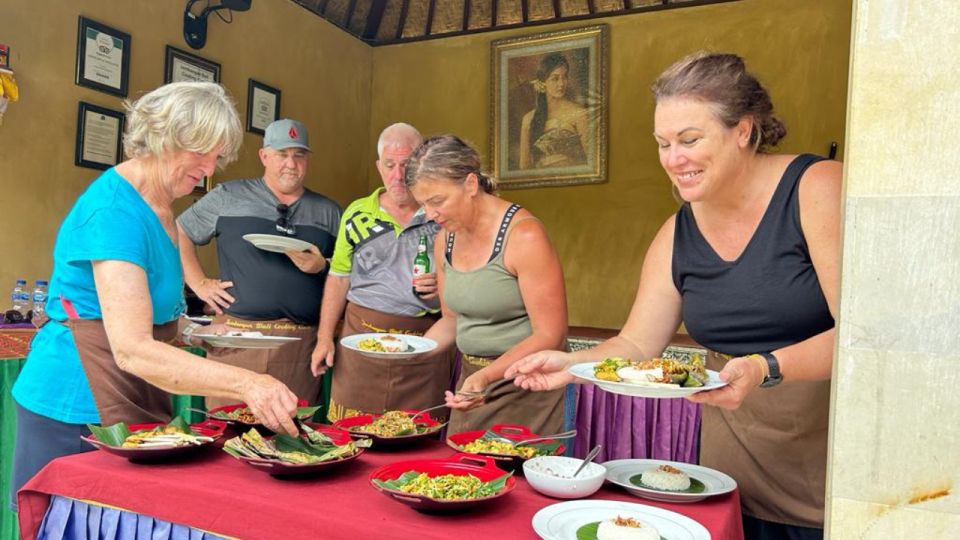
After all the prep and cooking, the best payoff is simple: you eat your own food. This class includes lunch with Balinese food served in a garden setting. There’s also a welcome drink early on, which helps you settle in after pickup and travel.
I like that the meal isn’t treated like an afterthought. It’s the point where the market selections and cooking work transform into something you can enjoy without thinking. You can sit, talk, and compare what you made.
Garden lunch also fits Ubud well. The day has a practical rhythm—market, rice fields, cooking—then you get to slow down. If you’re traveling with a friend, this part is great for sharing impressions and asking quick questions about flavors you didn’t fully understand while cooking.
One small consideration: because it’s a guided, scheduled experience, you won’t have total freedom to linger at every stop. Still, lunch gives you that time to exhale.
What You’ll Actually Learn About Balinese Flavors
Balinese cuisine can seem complex at first, mostly because it’s built on layers—aromatics, spices, herbs, and balancing ingredients. A class like this is useful because it teaches you the relationship between flavors, not just the names.
From the way the day is built, you learn three key things:
1) Fresh ingredients change everything. Herbs and spices picked at the market taste different than dried substitutes.
2) Rice farming is part of food culture. The paddy field visit doesn’t just add a photo stop. It gives context for staple ingredients and daily life.
3) Local cooks explain in plain English. When you understand what each step is doing, you can cook again later without guessing.
Even if you don’t plan to recreate Balinese dishes at home immediately, you’ll leave with a better palate. You start recognizing savory-fragrant profiles and understand why certain dishes feel balanced rather than heavy.
Price and Value: Is $26 a Good Deal?
At $26 per person for a roughly 5-hour experience, this is priced like a value-first tour. The biggest reason it feels fair is that you’re getting more than cooking instruction.
You’re paying for:
- Hotel pickup and drop-off
- A market visit (morning classes)
- A paddy field visit
- A full cooking session with English instruction
- Lunch (Balinese food) plus a welcome drink
If you’ve ever looked at similar cooking experiences that only include class time and a meal, you’ll notice how quickly costs jump once transport and cultural stops are added. Here, the structure keeps the day efficient: you’re busy, guided, and fed—without paying extra for extra logistics.
The only thing to watch is timing. Since the market visit is morning-only, you’ll want to match your schedule to the version of the day that includes the ingredient shopping. That’s where the value feels highest.
Who This Ubud Class Suits Best (And Who Should Skip It)
This is a great fit if you:
- want a hands-on Ubud food experience with more than just cooking
- enjoy culture through everyday moments like markets and rice farming
- prefer English instruction while you learn techniques and flavor logic
- want a day that ends with lunch made by you
It may not be for you if you:
- want a short, no-frills cooking demo with no market or field stop
- need a very slow, flexible pace (this is structured for a 5-hour window)
- are traveling with small children (it’s not suitable for children under 12)
The experience also isn’t recommended for people over 95, so if that applies, you’ll want to look for alternatives with different suitability.
Practical Tips: Clothes, Shoes, Bags, and Rules
For a smoother day, pack for comfort over style. The experience asks you to bring:
- comfortable shoes
- comfortable clothes
Also plan around the rules: no luggage or large bags. Bring only what you need for cooking and eating.
And keep the boundaries simple: the activity states alcohol and drugs are not allowed. That’s standard for many cultural and family-home experiences, and it helps keep the environment relaxed and respectful.
One more timing tip: because pickups are scheduled and drivers wait only briefly, be in the lobby early. Heat plus waiting can sour the start of a great day, and you don’t want that.
Should You Book This Ubud Balinese Cooking Class?
Book it if you want a well-rounded Ubud day: market ingredients, a paddy field context, real family-home cooking, and lunch you made yourself. The $26 price makes sense because it bundles transport and cultural stops, not just a kitchen session. If you pick a morning start time, the experience gets even better thanks to the market walk.
Skip it if you only want the cooking part and don’t care about markets or rice farming, or if you’re very picky about having total flexibility in timing. Also, if your schedule doesn’t align with the morning class, you may lose the market visit that adds a lot of flavor education.
If you’re arriving in Ubud wanting something authentic that still feels organized, this is an easy yes.
FAQ
How long is the Ubud Balinese cooking class?
The experience lasts about 5 hours. You can check availability to see the starting times.
Is the local market visit included?
Yes, but only for the morning class. If you book a different time, the market stop may not be part of your day.
What’s included in the price?
Hotel pickup and drop-off, Balinese food, a welcome drink, a local market visit (morning class only), and a paddy field visit.
Is the class taught in English?
Yes. The instructor and cooking guidance are provided in English.
What should I bring, and what isn’t allowed?
Bring comfortable shoes and comfortable clothes. The experience doesn’t allow luggage or large bags, and alcohol and drugs are not allowed.
Can I cancel and get a full refund?
Yes. Free cancellation is available up to 24 hours in advance for a full refund.