Balinese dance starts with your hands. In Ubud, you’ll learn the basics of Pendet and Baris from a local instructor in an easy, step-by-step beginner class. It’s a fun way to connect with everyday culture through movement, not just watching from the sidelines.
What I like most is the clear instruction. You get guided practice that focuses on what to do next, and the teacher is patient enough to help you catch up without slowing the whole room down. I also love that you can wear a simple traditional costume or scarf and then pose for photos right after you learn the steps.
One thing to consider: this is for the basics, not a long, performance-level workshop. If you’re expecting a full choreography rehearsal or a long cultural talk, you may want something longer than the 1–2 hours.
In This Review
- Key things to know
- Balinese Dance 101 in Ubud: Pendet and Baris Basics
- What Happens in the Class (Step by Step, 1–2 Hours)
- The Instructor Factor: English, Patience, and Learning at Your Pace
- Costumes, Scarves, and Photo Poses: How to Get the Most Out of Practice
- Where You’ll Practice: Open-Air Nature Setting and Other Local Spaces
- Price, Value, and Who This Fits Best at $21
- Practical Tips: What to Wear, Bring, and How to Show Up
- Should You Book This Ubud Dance Class?
- FAQ
- How long is the Ubud Balinese dance class?
- What dances will I learn?
- Is this class beginner-friendly?
- Do I get help in English?
- What should I bring?
- Is food included?
- What is the cancellation policy?
- Is this class suitable for very young children?
Key things to know
- Learn two iconic dances: Pendet (welcoming ritual) and Baris (warrior strength)
- Step-by-step beginner teaching with an English-speaking instructor
- Use real practice props via costumes or scarves, plus photo time in dance poses
- Arrive early (about 10 minutes) so you can change and get settled
- Settings can vary, from open-air studio spaces to other local community venues
Balinese Dance 101 in Ubud: Pendet and Baris Basics
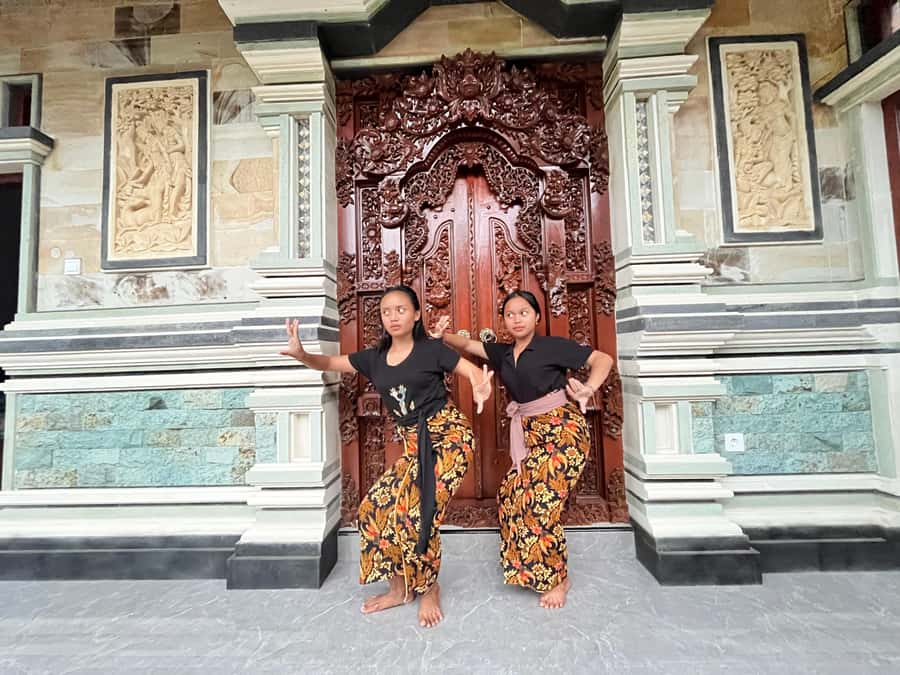
Ubud is one of the easiest places in Bali to try something cultural without making it complicated. This dance class gives you a practical “learn it, do it, remember it” experience with two well-known styles: Pendet and Baris.
Pendet is often described as a welcoming ritual linked to devotion and beauty. In class, that translates into controlled, graceful arm shapes and a steady sense of timing—less about big moves, more about doing small things precisely. Baris is the other side of the coin: a warrior dance tied to strength and courage. You’ll feel that change in your posture and energy, even when you’re just starting.
The biggest win here is that you’re not just getting a quick demo. You’re learning the building blocks so you can later spot what makes these dances feel Balinese rather than generic “folk dance.”
You can also read our reviews of more tours and experiences in Ubud.



What Happens in the Class (Step by Step, 1–2 Hours)
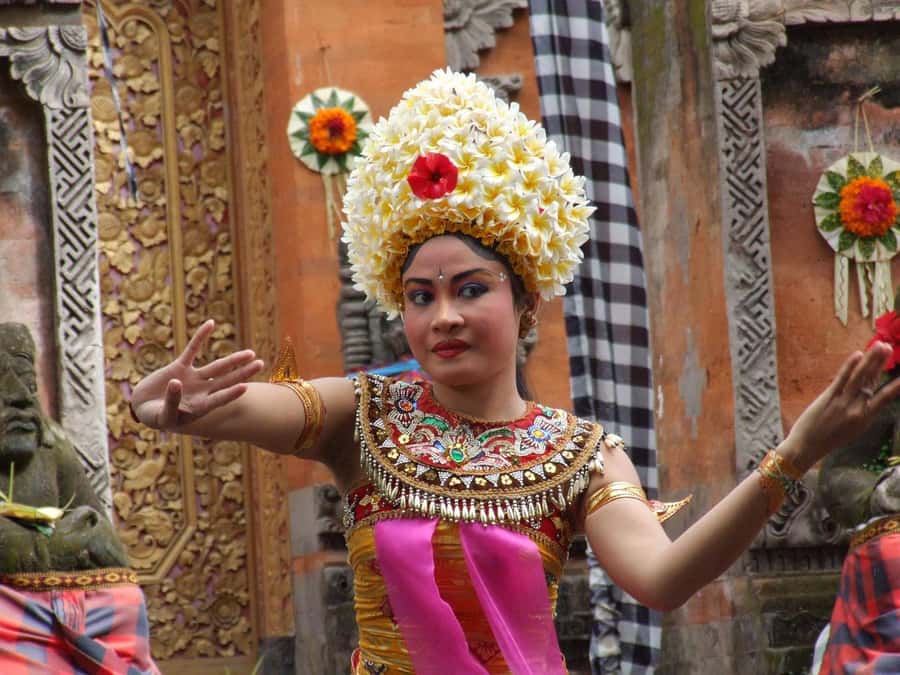
Expect a structured flow that fits into 1 to 2 hours. The pace is designed for beginners, so even if you’ve never danced before, you’re not thrown into a 10-minute video and told good luck.
You’ll start with an introduction to Balinese dance and why it matters culturally. Then you move into the practical part: learning the basics of Pendet and Baris with step-by-step guidance. The teacher shows, you repeat, and you adjust as you go.
A realistic expectation: you’ll likely learn core movements and how to connect them, not a full “memorize everything perfectly” routine. That’s actually good value for most people’s schedules. It means you leave feeling like you learned something real instead of getting only a taste.
The Instructor Factor: English, Patience, and Learning at Your Pace
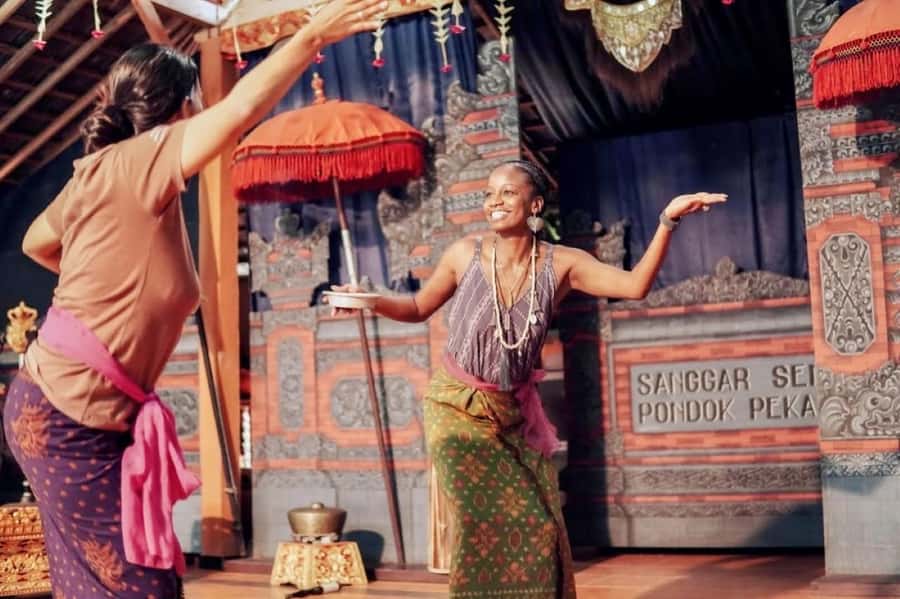
This class stands or falls on instruction quality, and the feedback points to one clear pattern: the teaching is clear and supportive. The instructor communicates in English, and the guidance is aligned to what your body needs to do, not just what to think about.
You’ll also want to notice how the class handles your comfort level. Multiple experiences describe a teacher who is patient and gives clear instructions in a way that matches your movements. That matters because dance learning is awkward at first. The right instructor helps you get past that stage quickly.
If you’re traveling solo, you may like the chance to learn directly with personal attention. If you’re with family, it can also work well for kids old enough to follow directions and enjoy posing for photos. One booking included a 5-year-old who joined the workshop and stayed engaged, which tells you the class can be fun beyond just adult “culture class” vibes.
Costumes, Scarves, and Photo Poses: How to Get the Most Out of Practice
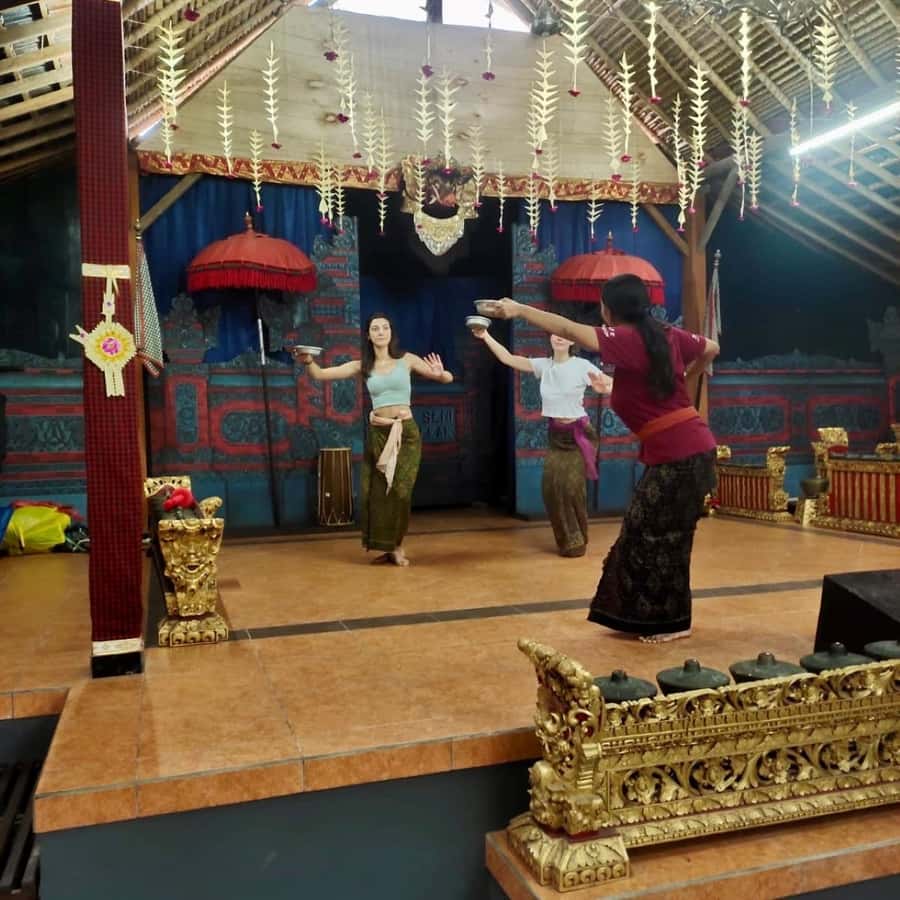
Yes, you’ll get costumes or scarves for practice. No, you don’t need to pack anything fancy. This is one of those small details that makes a big difference because it changes how you move. When you’re in traditional practice wear, your arms and posture tend to follow the “feel” of the dance more naturally.
After the steps, you’ll have time for photos in traditional dance poses. This is not just a casual camera moment. The idea is that once you’ve learned a few key movements, you can recreate them clearly enough to look like you know what you’re doing. Even if your first attempt is a little wobbly, the teacher’s guidance helps you get into a solid pose.
Practical photo tip: bring your camera (the activity asks for one), and wear clothes that feel comfortable for quick changes and repeated practice. You’ll get better photos if you’re not tugging at sleeves or struggling with footwear.
Where You’ll Practice: Open-Air Nature Setting and Other Local Spaces
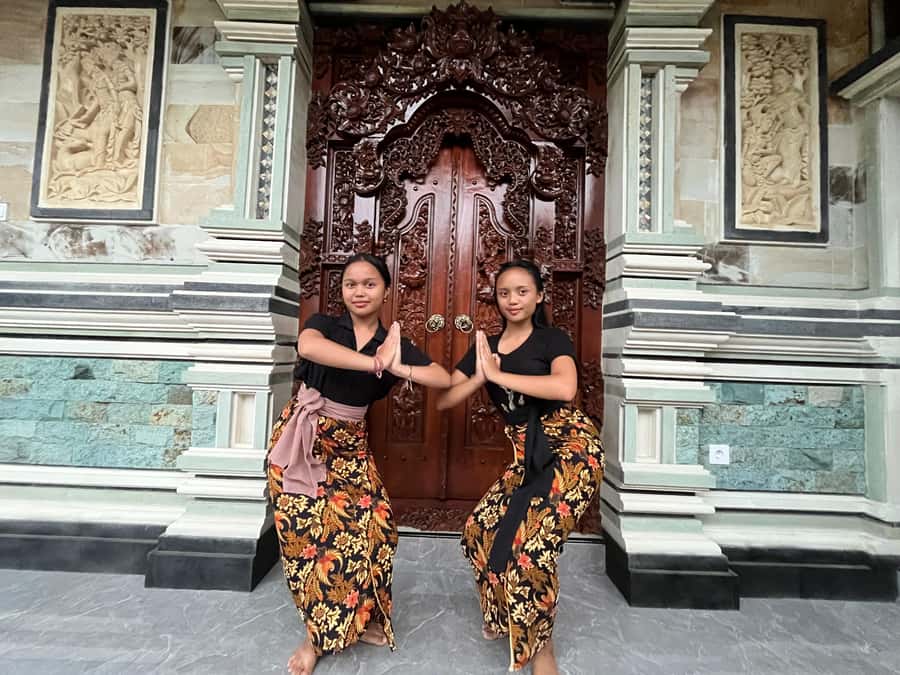
The activity info describes an open-air studio setting surrounded by nature, and that sounds like part of the charm. A breezy, outdoor space helps the dance feel grounded and less like a choreographed classroom.
That said, real life can vary. One booking described the class happening in a downtown library. The takeaway for you: don’t expect the exact same “perfect postcard” setting every time. The important constant is the instruction and practice time, not the wallpaper.
If you’re heat-sensitive, plan to wear light, comfortable clothing. If you like calm settings, an outdoor venue might feel great. If you prefer air-conditioning, you might appreciate an indoor community space. Either way, you’ll still practice the same Pendet and Baris basics.






Price, Value, and Who This Fits Best at $21
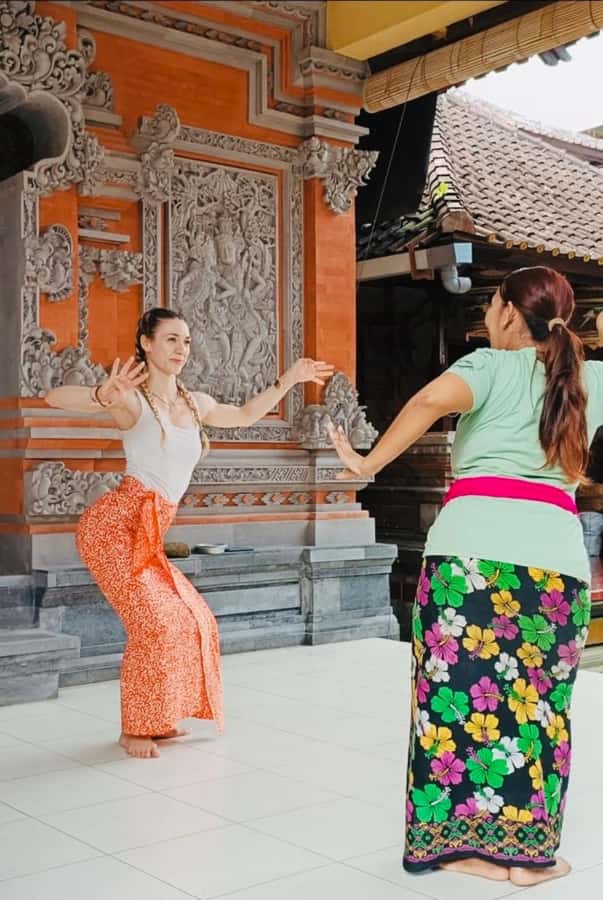
At $21 per person, this is priced like a local experience, not a big production. For that money, you get instruction, guidance, costumes or scarves, and photo time. The value is especially strong if you want culture without committing a whole day or hiring a private driver.
Here’s how I’d judge the price for your decision:
- If you learn even a handful of meaningful movements with good coaching, $21 feels fair.
- If you only want to watch dances from the audience, you might prefer a performance ticket instead.
- If you’re someone who likes hands-on learning, this is a tidy, high-return activity.
This class also suits a range of travel styles. Solo travelers get an easy way to connect with locals through movement. Couples can make it a shared “try something new” memory. Families can join as long as kids can follow directions; it’s not suitable for babies under 1 year.
Practical Tips: What to Wear, Bring, and How to Show Up
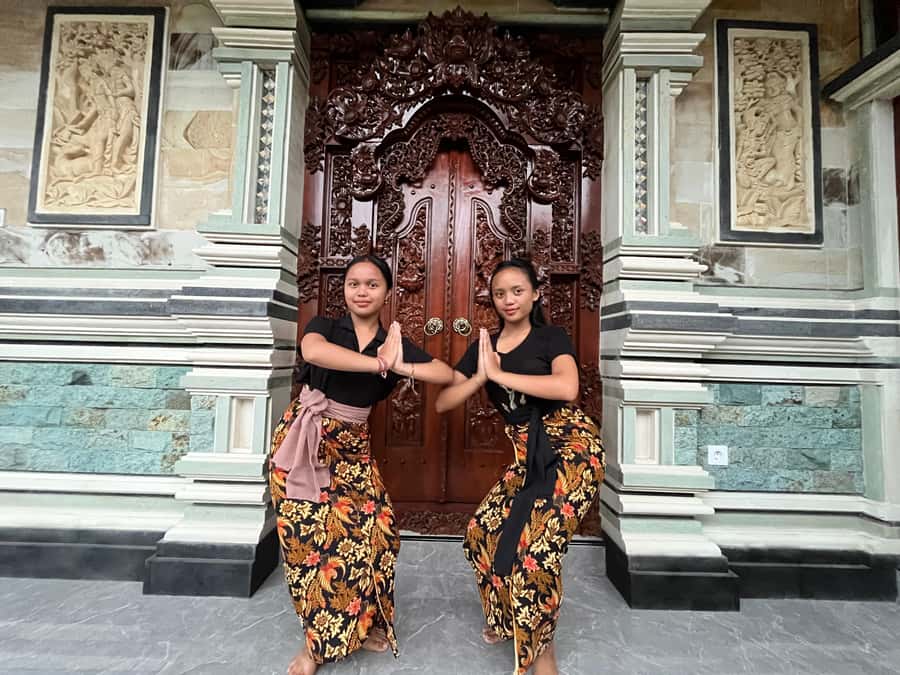
To keep the class stress-free, follow the basic setup rules. You’re asked to arrive 10 minutes before the start time so you can change and settle. If you show up late, you’ll spend class energy on logistics instead of learning.
You’ll also need to handle the messaging step. The activity asks you to fill in your right WhatsApp number, and they’ll contact you to inform you about class availability. Translation: double-check your phone number before you go, and be ready to reply.
What to bring is simple:
- Camera
- Comfortable clothes
Wear clothes that let you move your arms freely. Avoid anything stiff or complicated. If you’re worried about sweat, light layers are helpful. If you bring a camera, consider charging it fully beforehand, since you’ll want it during the pose-photo portion.
Also, one small but smart mindset adjustment: don’t treat it like a “test.” Treat it like a guided rehearsal where your job is to try, correct, and try again.
Should You Book This Ubud Dance Class?
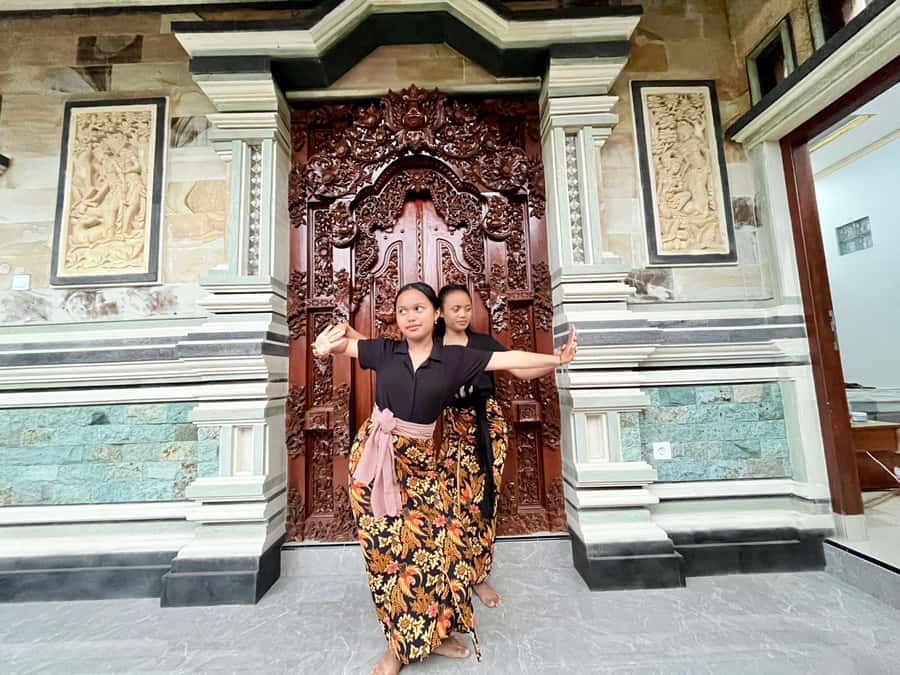
Book it if you want a short, meaningful cultural activity that fits real travel schedules. You’ll leave with actual steps you can practice later, plus photos you can share without feeling like you just attended a stand-up comedy set of dance jokes.
I’d especially recommend it if:
- you like beginner-friendly classes and want step-by-step coaching
- you want English instruction and clear guidance
- you’d rather learn something active than only watch performances
- you enjoy small “local exchange” moments with a passionate teacher
Skip it if you’re looking for:
- a long, multi-hour deep cultural program
- a full performance rehearsal or advanced choreography
- a food-focused activity (food is not included)
If you’re undecided, here’s the tie-breaker I’d use: if you can spare 1–2 hours for something you can physically learn, this is a very solid value. Balinese dance isn’t about being perfect. It’s about learning the shapes, timing, and attitude—and then having fun with the results.
FAQ
How long is the Ubud Balinese dance class?
The class lasts 1 to 2 hours. Starting times depend on availability when you check for a slot.
What dances will I learn?
You’ll learn the basics of two Balinese traditional dances: Pendet and Baris.
Is this class beginner-friendly?
Yes. The class is designed for beginners with step-by-step guidance from the instructor.
Do I get help in English?
Yes. The instructor teaches in English.
What should I bring?
Bring a camera and wear comfortable clothes. You’ll also need to arrive early to get changed and settled.
Is food included?
No, food is not included.
What is the cancellation policy?
You can cancel up to 24 hours in advance for a full refund.
Is this class suitable for very young children?
It is not suitable for babies under 1 year. For older participants, you’ll want to judge whether they can follow directions and stay engaged during a 1–2 hour class.