A chocolate workshop in a cacao plantation feels a little different. You get hands-on making plus a guided walk through the cocoa and chocolate workflow, not just a quick demo.
What I like most is the calm, green setting that makes learning feel relaxed, even if you’re traveling with kids. I also appreciate the practical class flow: you watch, you do, and you end with a fresh tasting instead of leaving with only photos.
One thing to consider: if you’re expecting a long, bean-to-bar day where everything is made from scratch in front of you, the class can feel more streamlined than you might hope.
In This Review
- Key Highlights Worth Your Time
- Tebasari’s Cacao Plantation Setting: Why It Changes the Class
- Getting There From Ubud: Timing and What Depends on Your Option
- The 1-Hour Cocoa Plantation + Chocolate Workshop: What You Really Do
- From Cocoa to Your Chocolate Drink and Toppings
- Guided Cocoa Tour: The Learning That Makes It Worth Repeat
- Chocolate Tasting Like a Pro (Without Acting Like One)
- When the Day Includes Ayung River Rafting: Plan for a Longer Afternoon
- Price and Value: Why $24 Can Make Sense
- Who Should Book, and Who Should Skip
- Practical Tips to Make It Smoother
- Final Call: Should You Book This Chocolate Workshop in Ubud?
- FAQ
- How long is the chocolate workshop experience?
- Where is the meeting point?
- Is hotel pickup included?
- Which areas do pickup and drop-off cover?
- Do I need previous experience to join?
- Is the workshop taught in English?
- What will I make during the session?
- Is it suitable for people with food allergies or chocolate allergy?
- Is it suitable for people with diabetes?
- What should I wear?
Key Highlights Worth Your Time
- Cacao plantation setting at Tebasari Coffee & Chocolate, which keeps the experience grounded in nature
- English-speaking guidance that helps you actually follow what’s going on
- A structured cocoa-to-chocolate process that includes melting, mixing, and molding steps
- Chocolate tasting designed to help you notice differences in flavor and texture
- Included extras like a chocolate drink plus toppings (Balinese peanut, sprinkles, chocolate chips)
- Kids get their own chocolate painting activity with no mold
Tebasari’s Cacao Plantation Setting: Why It Changes the Class
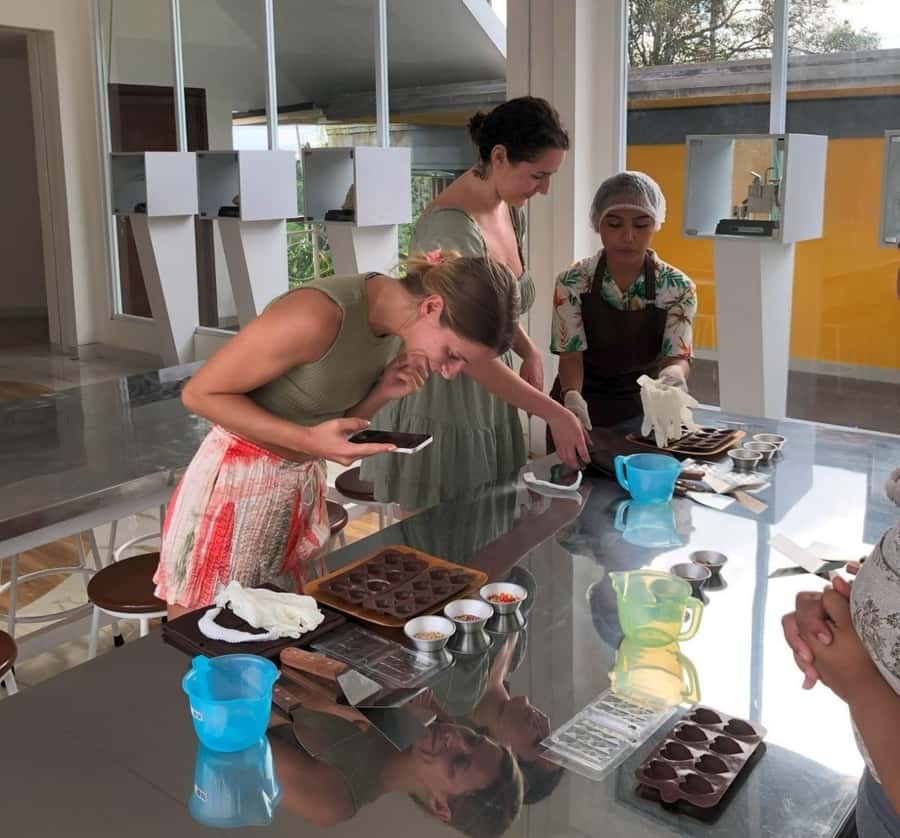
This isn’t just a kitchen activity. The experience is built around Tebasari Coffee & Chocolate’s cacao plantation vibe, so you’re learning in the same place the ingredients come from. That matters because it keeps the lesson practical. You can connect what you’re doing later—melting, mixing, molding, tasting—with what grows before it ever becomes chocolate.
I also like that the environment is comfortable and easy-going. This kind of workshop works better when you’re not rushed or sweating through a heat marathon. Even if the day starts lively, the plantation setting makes it feel like an afternoon you’d want to slow down for.
The tasting part also lands better here. Chocolate tasting can be generic in a shop, but in a place tied to cacao, it feels more like finishing a story rather than sampling snacks.
You can also read our reviews of more tours and experiences in Ubud.

Getting There From Ubud: Timing and What Depends on Your Option
Your day can start with pickup, if you choose it. The transfer option covers Ubud and nearby areas including Tegallalang, Tampak siring, Sanur, Kuta, Seminyak, Canggu, and Benoa. If you’re closer to Uluwatu, there’s an additional 150,000 IDR charge mentioned for that area.
One timing detail I’d plan around: you should arrive 15 minutes early to avoid delays. That’s not just “nice to have.” Workshops run on a schedule, and chocolate needs time to cool and set.
Also, watch your selected option. Your plan may pair the chocolate experience with Ayung River rafting, because your schedule can include a separate 2-hour rafting segment before you return back to Ubud. If you’re short on time, or you’re traveling with someone who gets motion sickness, double-check what you’re booked for so you’re not surprised by a longer day.
The 1-Hour Cocoa Plantation + Chocolate Workshop: What You Really Do
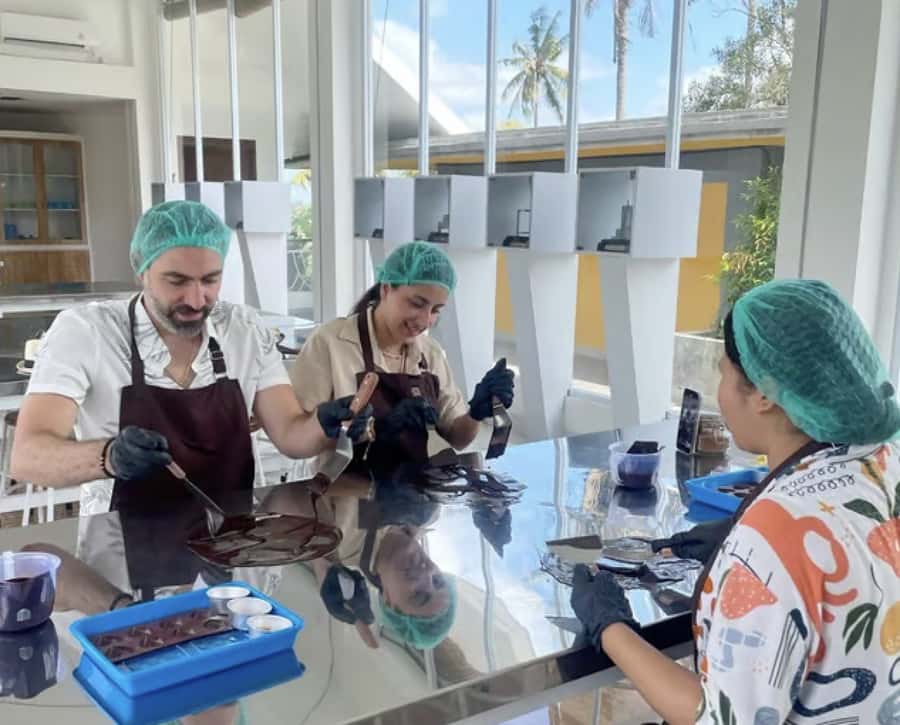
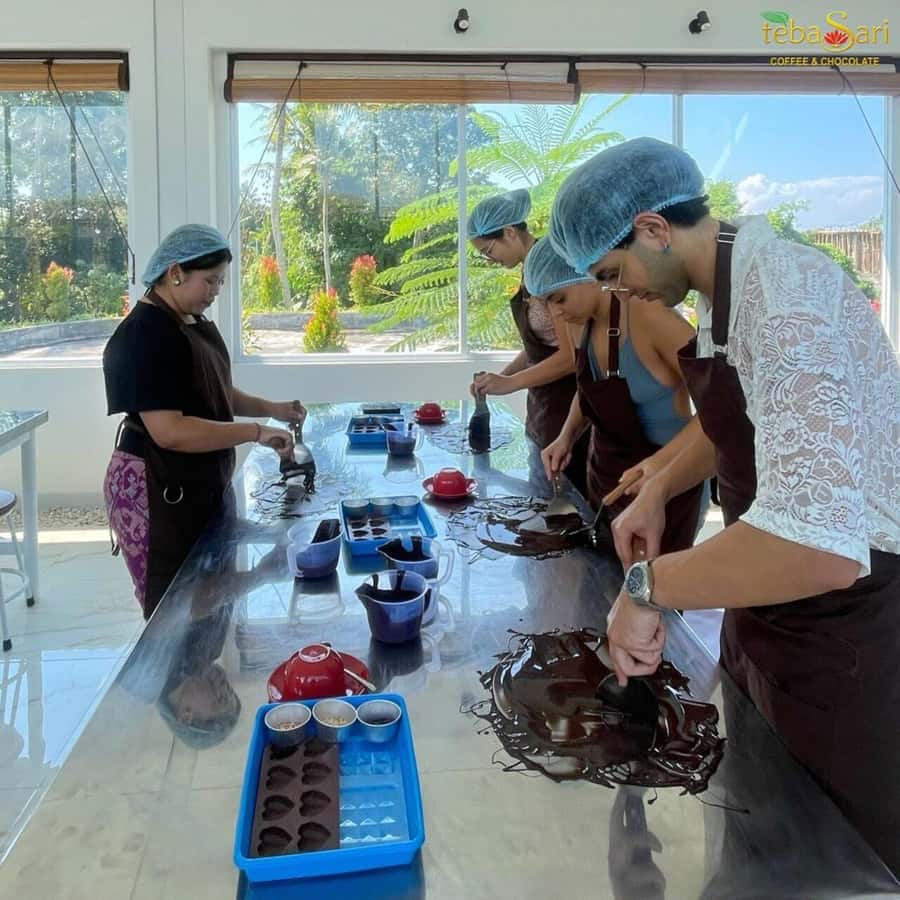
The core session is a focused 1-hour cocoa plantation and chocolate experience. You’ll start with an introduction to cocoa and chocolate basics—ingredients, flavor profiles, and the chocolate-making process. Then the fun part: you’ll watch and participate in key steps like melting, mixing, and molding.
This is the sweet spot for people who want to learn without feeling stuck behind a counter. You’re not just listening about chocolate; you’re handling the materials and seeing how texture changes as the process moves forward.
And because there’s an English-speaking instructor and staff, you’re more likely to understand what you’re seeing. Language matters here. Chocolate is one of those foods where small changes can mean big differences, and you’ll get more out of it if you can follow the cues.
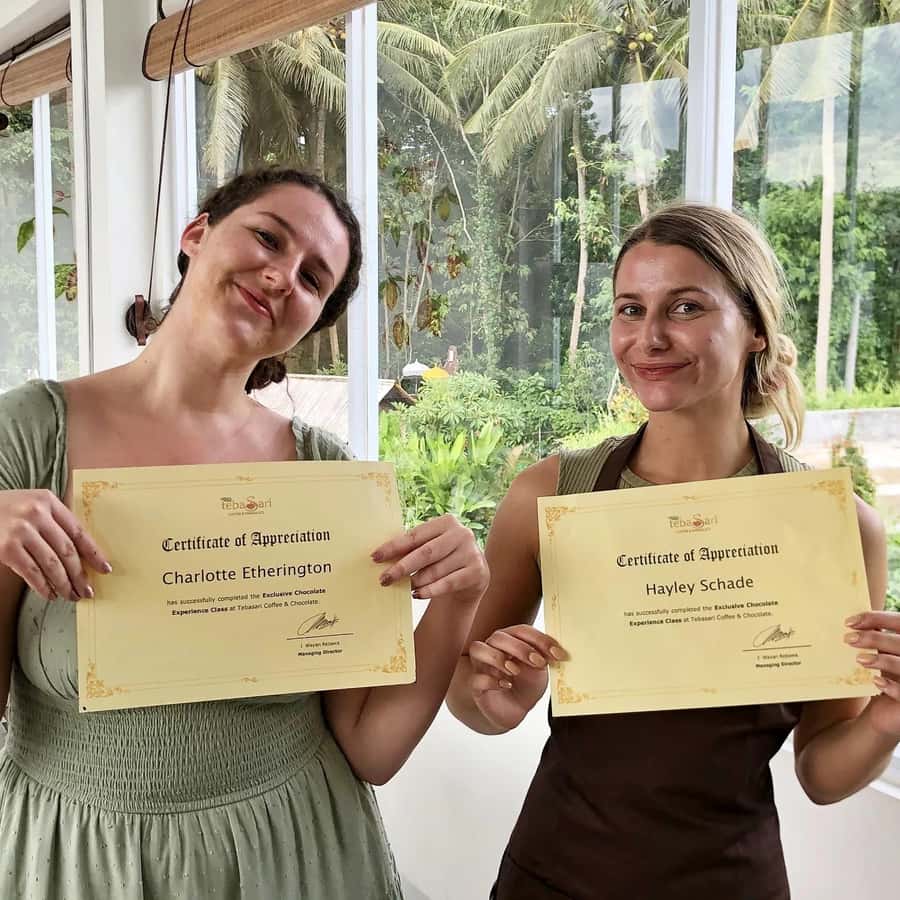
There’s also a certificate of appreciation after the class. It’s small, but it’s a nice touch for families and kids.
From Cocoa to Your Chocolate Drink and Toppings
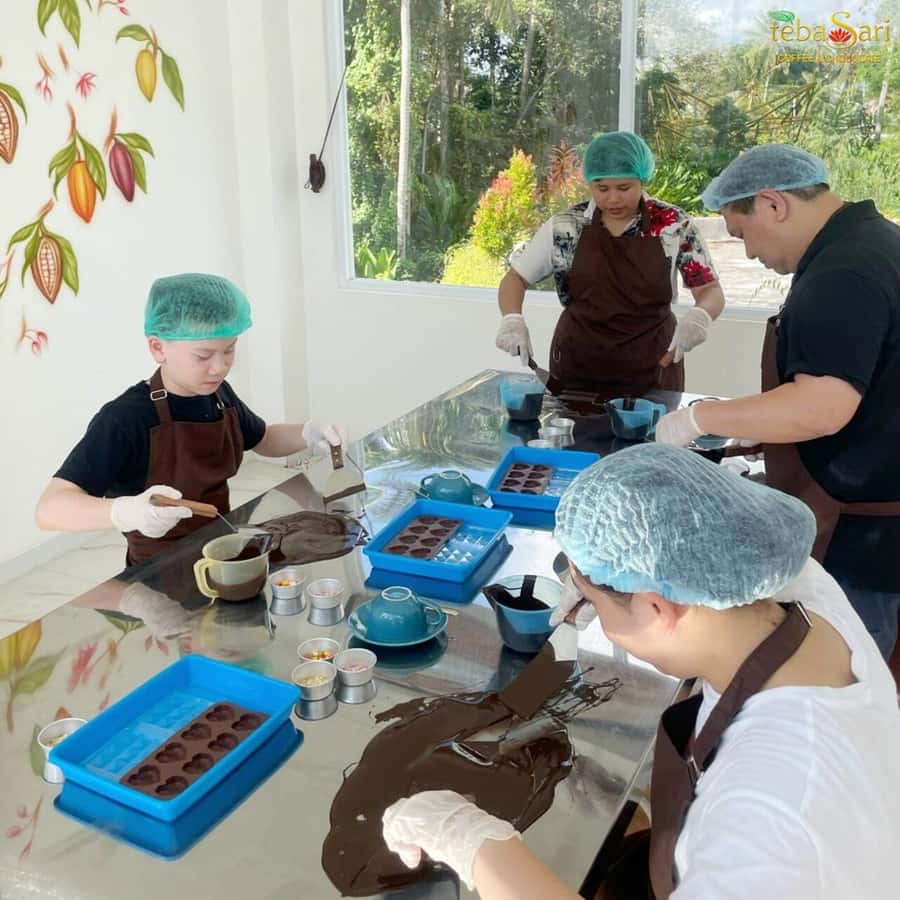
Part of the experience includes making a chocolate drink. That’s a simple addition, but it’s smart. A drink gives you a different flavor angle than solid chocolate tasting, and it helps you warm up to the workshop if you’re coming in as a first-timer.
Then comes the finishing flavor work. Adults get 150 grams of dark chocolate, and you’ll also get toppings—Balinese peanut, chocolate sprinkles, and chocolate chips. The point isn’t only sweetness. It’s texture and flavor contrast, which is exactly what chocolate tasting tries to train you to notice.
If you’re bringing kids, the workshop includes a fun chocolate painting activity with no mold. That’s useful because it removes one common kid bottleneck: waiting for something to set in a formal mold while everyone gets restless.
Guided Cocoa Tour: The Learning That Makes It Worth Repeat
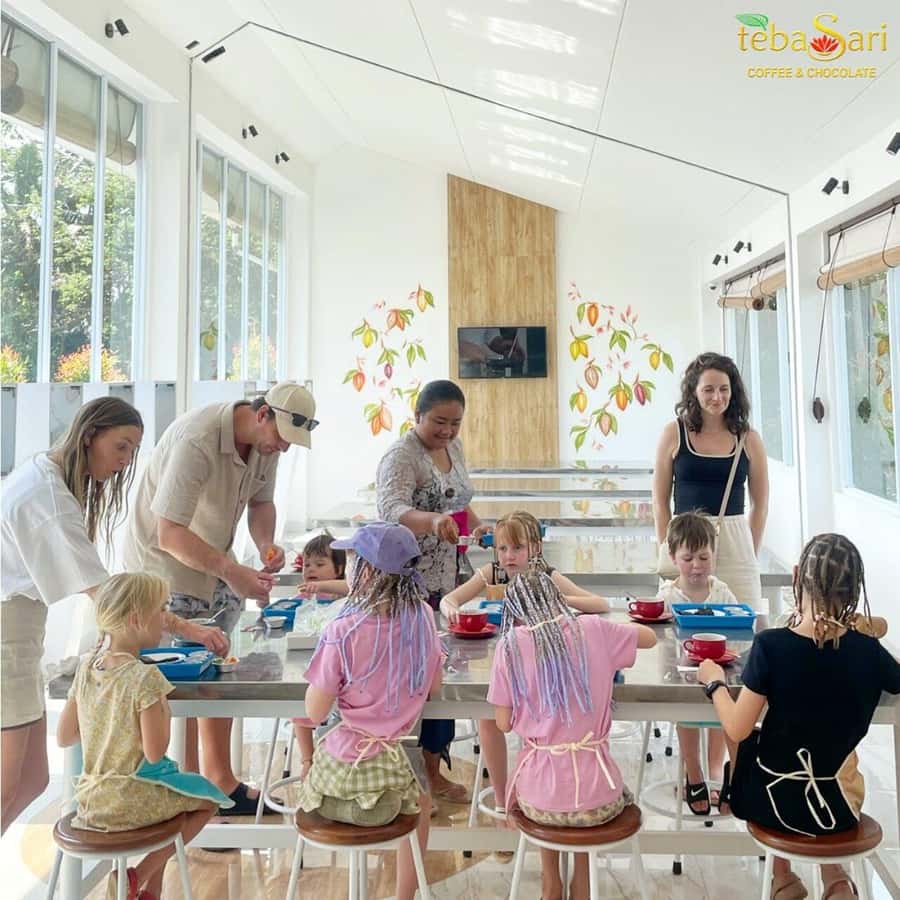
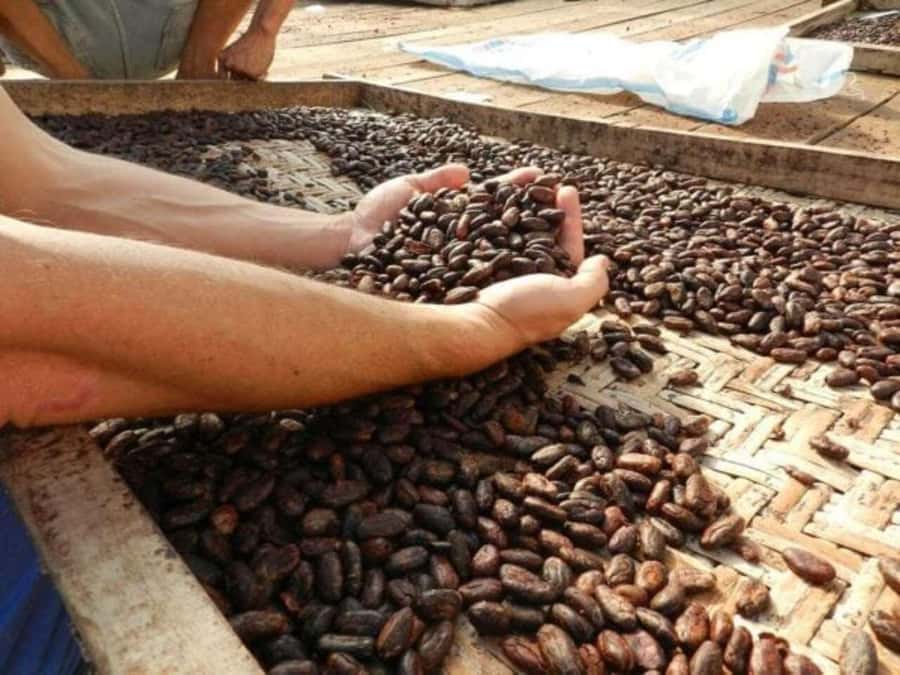
The session isn’t only about hands-on steps. You also get a guided tour tied to cacao cultivation and chocolate production secrets. The tour element is valuable because it adds context. Without it, chocolate can feel like a product. With it, you start thinking like a maker: what impacts flavor, how the process changes texture, and why cacao matters beyond the final taste.
You’ll likely leave knowing more than just that chocolate comes from cacao. You’ll understand how cultivation and production connect, and you’ll get a clearer idea of how chocolate gets from raw material to something you can shape and eat.
One practical note: because the experience includes both guiding and hands-on work, your experience can vary a bit depending on the group’s pace. If you like asking questions, this is a place to do it early rather than waiting until the end.


Chocolate Tasting Like a Pro (Without Acting Like One)
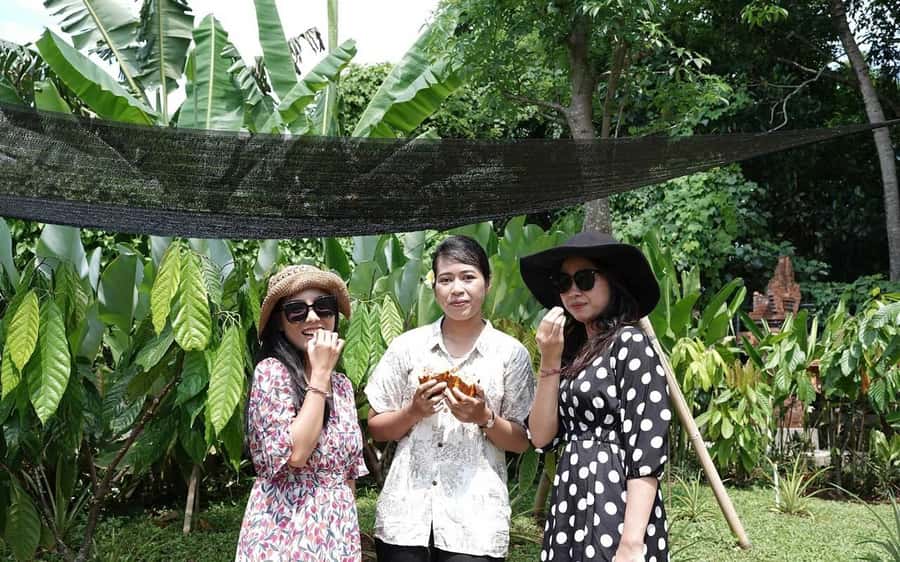
The tasting is guided, and that makes a difference. Instead of eating chocolate and hoping for the best, you learn how to identify flavors and textures while sampling freshly made chocolate.
Here’s how you can get more from it:
- Slow down for the first bite so you can notice aroma and melt.
- Pay attention to texture: smoothness, thickness, and how it changes as it warms.
- Compare notes between samples, not just between brands.
This is also where the plantation context pays off. Fresh chocolate tends to taste more distinct, and the workshop helps you pay attention to the differences rather than treating it like a random snack moment.
If you’re a real chocolate lover, this is the part that turns a class into a memory. If you’re there mainly for fun, tasting still gives you a payoff that feels grown-up.
When the Day Includes Ayung River Rafting: Plan for a Longer Afternoon
Some bookings combine the chocolate workshop with a 2-hour Ayung River rafting segment. If yours includes it, plan for a more athletic second half of the day.
The practical angle: you’ll likely finish the workshop, then shift gears into rafting. That means you’ll want comfortable clothes and shoes you can tolerate getting wet or muddy. A chocolate workshop is best in breathable clothes; rafting is best in whatever you can handle afterward.
If you’re traveling with kids, or anyone who doesn’t love physical activities, consider whether the combined schedule fits your energy. The chocolate part is relaxed. Rafting is not.
Price and Value: Why $24 Can Make Sense
At $24 per person, this workshop isn’t trying to be a luxury tasting. It’s priced like a practical, hands-on activity that includes guided instruction, a tasting, and making your own chocolate drink.
You also get clear value add-ons:
- The guided component (English-speaking staff)
- Workshop participation with steps like melting and molding
- Chocolate tasting with guidance
- 150 grams of dark chocolate for adults
- Toppings (Balinese peanut, sprinkles, chocolate chips)
- A kid-friendly chocolate painting option with no mold
For Bali, where you’ll find cooking classes that are either very generic or very expensive, this hits a middle lane: structured enough to feel legit, simple enough to fit into a travel schedule.
That said, I’d judge the experience by what you want. If you want a deep, all-day bean-to-bar education, this may feel short. If you want hands-on learning plus tasting in a pleasant plantation setting, the price is easier to justify.
Who Should Book, and Who Should Skip
This experience fits families, couples, and chocolate lovers of all ages. The pacing is designed to feel relaxed, and kids have their own activity (chocolate painting without a mold).
However, it’s not for everyone:
- It’s not recommended if you have a chocolate allergy.
- It’s not suitable for people with food allergies.
- It’s not suitable for people with diabetes.
If you’re not in those categories, it’s a strong choice if you want something different from the usual Ubud checklist. The workshop gives you a culturally connected food experience with a nature setting, and the tasting gives you an edible takeaway in your senses, not just your camera roll.
Also, wear comfortable shoes. Even if you’re not hiking far, you’ll be moving around during the plantation portion and workshop steps.
Practical Tips to Make It Smoother
A few small choices can help you enjoy the day more:
- Arrive 15 minutes early, so you don’t feel rushed and you can start without stress.
- Bring comfortable clothing and closed-toe shoes you don’t mind getting a little messy.
- Ask questions during the tour and early in the workshop. If you wait, you may find time tight once the making starts.
- If you’re traveling with kids, use the kid activity as a confidence builder. It’s designed to be simple and fun.
You’ll get the most out of the tasting if you treat it like a mini lesson: notice texture, notice melt, then notice how flavors linger.
Final Call: Should You Book This Chocolate Workshop in Ubud?
Book it if you want a hands-on chocolate experience with a cacao plantation setting, guided instruction in English, and a tasting that actually teaches you what to pay attention to. At $24, it’s good value if you’re after fun, learning, and real food time rather than a long lecture.
Skip or rethink it if your top priority is a very deep, from-scratch, bean-to-bar journey where every step is done from raw cacao for a long stretch. This is a shorter, more streamlined workshop, and that’s great for many people, but not ideal for anyone who wants hours of intensive production.
If you’re flexible and excited to taste and make chocolate, this one is an easy yes.
FAQ
How long is the chocolate workshop experience?
The duration is listed as 1 to 3 hours, depending on the starting time and the option you choose.
Where is the meeting point?
Tebasari Coffee & Chocolate, Jl. Raya Gelogor, Lodtunduh, Kecamatan Ubud, Kabupaten Gianyar, Bali 80571, Indonesia.
Is hotel pickup included?
Round-trip transfers are included if you select the pickup option.
Which areas do pickup and drop-off cover?
Pickup options cover Ubud, Tegallalang, Tampak siring, Sanur, Kuta, Seminyak, Canggu, and Benoa. Uluwatu requires an additional 150,000 IDR.
Do I need previous experience to join?
No. The class is designed so you don’t need prior experience.
Is the workshop taught in English?
Yes. The instructor and staff are English-speaking.
What will I make during the session?
You’ll make a chocolate drink and participate in chocolate-making steps such as melting, mixing, and molding.
Is it suitable for people with food allergies or chocolate allergy?
It is not recommended for someone with chocolate allergy, and it is not suitable for people with food allergies.
Is it suitable for people with diabetes?
No, it is not suitable for people with diabetes.
What should I wear?
Wear comfortable clothes and comfortable shoes, and arrive about 15 minutes early to avoid delays.