Fire, myths, and dinner by the river. This 90-minute Ubud show, The Story of Humanity, turns a night out into an interactive drama about Lemuria and Atlantis, with costumes, fire, light, and music doing the heavy lifting. I especially like the temple-ruin setting by the water, because it makes the whole performance feel like more than a standard tourist show.
You’ll also get a real dinner experience, not just a plate dropped in your lap. You build a dish using fresh bread, ancient-style toppings, and unique spices, while Spice Masters cook in front of you so the aroma becomes part of the show. One thing to consider: the venue can be a bit hard to locate, and the experience depends on your willingness to participate in the story (you choose Lemurian or Atlantian).
In This Review
- Key things I’d plan around
- Lemuria meets Atlantis: a dinner show that asks for your participation
- The story beats: what happens during the 90 minutes
- Fire, light, and music in a temple-ruin setting
- Dinner that you build: bread, ancient toppings, and Spice Masters
- Price and value: is $23 worth your Bali evening?
- Who this is perfect for (and who should rethink)
- A few practical tips for a smooth night in Ubud
- Should you book Lost City: The Story of Humanity in Ubud?
- FAQ
- How long is the Ubud Dinner Show Lost City: Story of Humanity?
- How much does it cost?
- What’s included in the ticket price?
- Do I have to participate in the show?
- Is the show in English?
- What ages are allowed?
Key things I’d plan around
- Choose your side (Lemurian or Atlantian) and join the action
- A temple-ruin venue with river views makes the night feel special
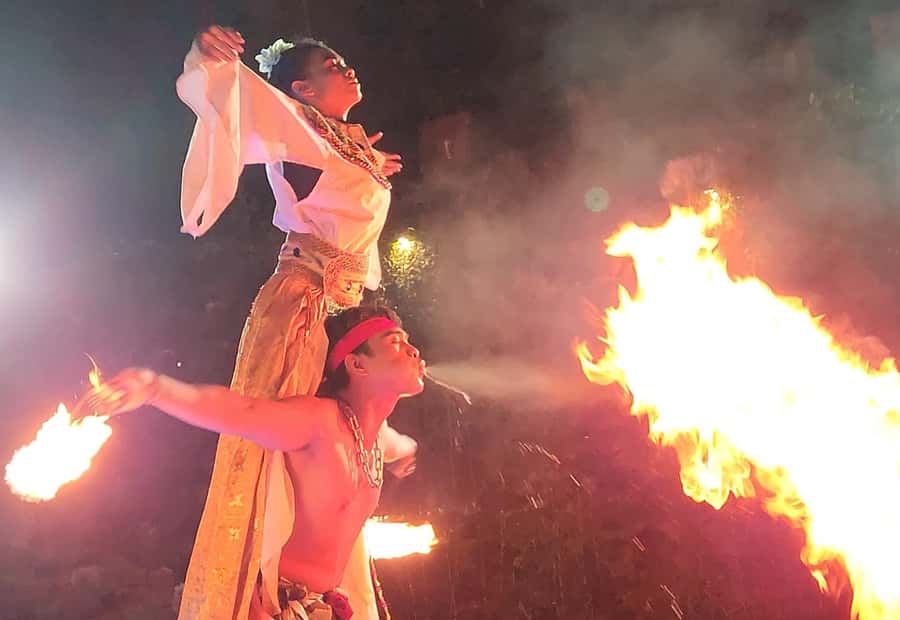
- Fire dances, light effects, and music bring the battle scenes to life
- Your dinner is interactive: make your own bread dish, then watch spice cooking
- 90 minutes is long enough for a full story, short enough to keep your evening moving
Lemuria meets Atlantis: a dinner show that asks for your participation
This show is built around a classic clash: human heart and emotion versus technology and productivity. It uses the setting and the characters to keep you paying attention, even if you came for the food.
The story starts in Lemuria, a place of gratitude and connection. Then the Atlanteans arrive—technologically advanced, confident they can improve humanity. The show doesn’t just tell that conflict; it stages it. And the big twist is that you’re not only watching. You’re part of the audience interaction, and you’re asked to choose a side: Lemurian (in touch with humanity, emotions, and nature) or Atlantian (focused on technology and productivity).
That choice matters because it changes how the show pulls you into the moment. If you like being involved—clapping, reacting, and playing along—you’ll probably have a smoother time. If you prefer to stay passive, pick your expectations carefully. This is designed as a shared community-style evening, not a quiet seated performance.
You can also read our reviews of more tours and experiences in Ubud.


The story beats: what happens during the 90 minutes
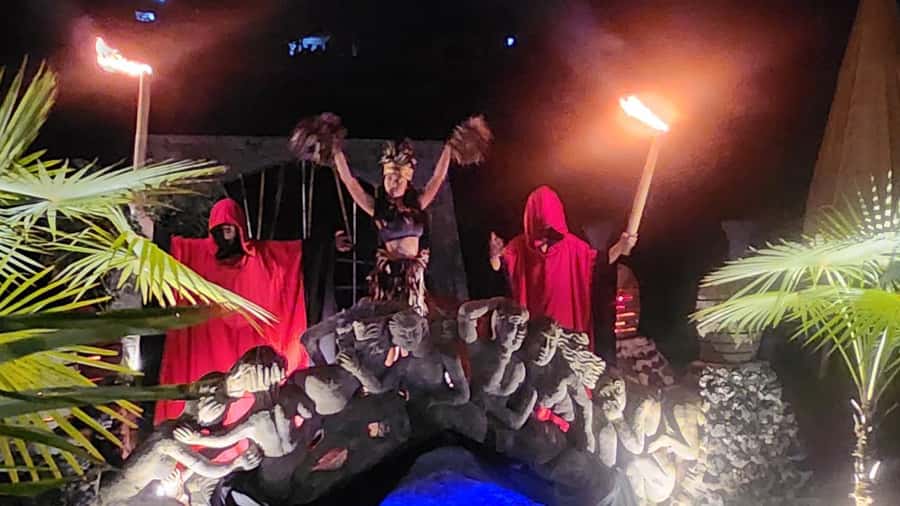
Think of the show as a sequence of scenes that build tension, then pivot into a lesson about what makes someone human. The pacing is fairly quick, so you’ll want to arrive ready to follow along.
Act 1: The royal celebration and the Lemuria Harmony Dance
The opening centers on a royal wedding—Shauja and Halifu—framed as a moment of love, gratitude, and connection to the earth. That’s where the Lemurians feel warm and human, not robotic.
Act 2: The Atlantean threat and the push toward emotionless control
The Atlanteans don’t arrive gently. They escalate the conflict with a secret weapon aimed at converting Lemurians into emotionless automata. The show responds with harmony and resistance—Lemurians sing to counter the Atlantean threat.
Act 3: Lost souls and the Flame of Humanity
The story adds urgency when Hallfu and others are lost. Then the elders of Lemuria bring out something symbolic and powerful: the Flame of Humanity. It’s meant to awaken four Guardians tied to foundational human virtues:
- Love
- Gratitude
- Courage
- Ego
A key moment comes when Shauja wants the elders to act faster to save her husband, but the elders reject her with a rule about who can touch the Flame. So Shauja and a Bird of Unity steal it and begin the quest to find the Guardians.
Act 4: Tests, fire dances, and awakening powers
Each character faces tests—using the Flame to ignite their powers through fire dance sequences. Even though it’s theater, the structure is clear: tension rises, then virtue gets “activated” scene by scene. This is where the production effects really start to feel tied to the message, not just used for drama.
Climax: the battle of wills
The ending focuses less on simple victory and more on the unexpected outcome of the Lemurian versus Atlantean conflict. It’s built to leave you thinking about what the show considers the core of humanity—choice, emotion, and responsibility for your own heart.
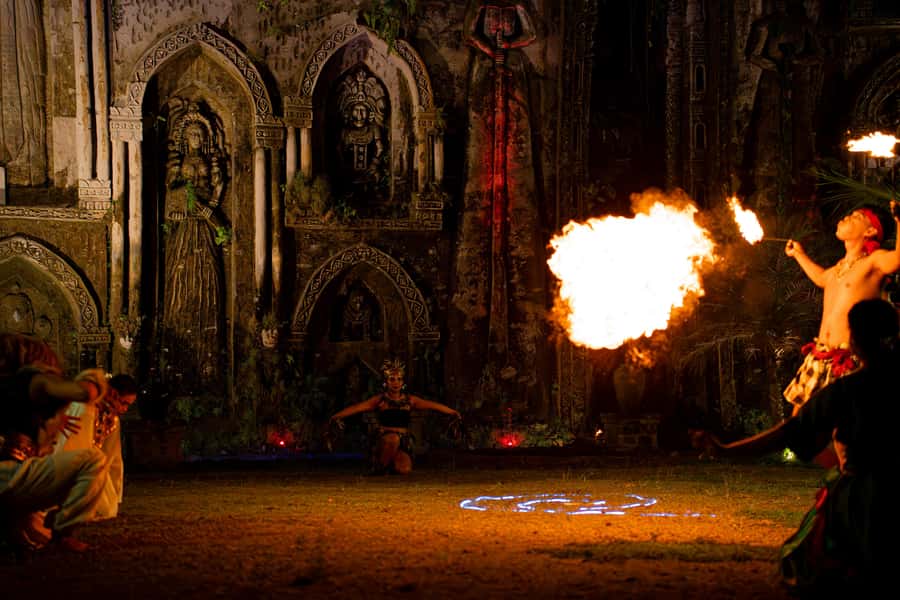
Fire, light, and music in a temple-ruin setting
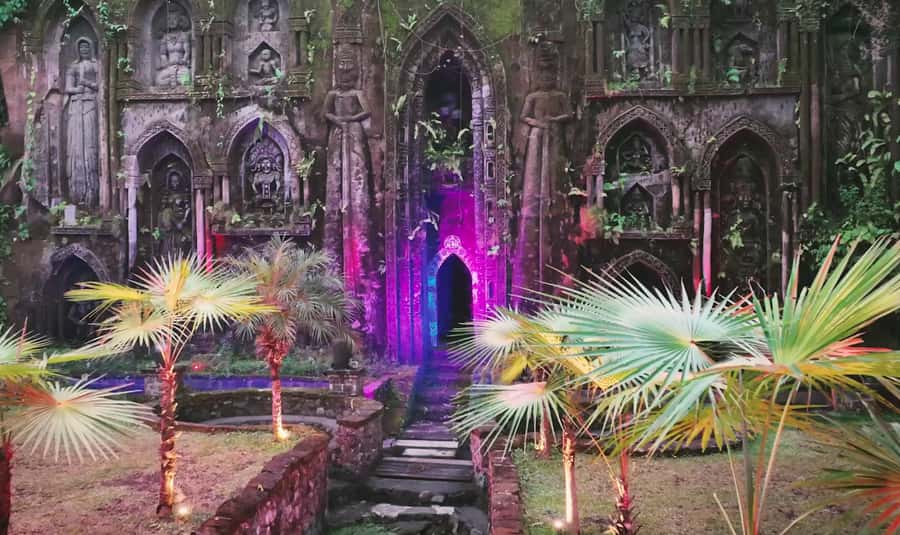
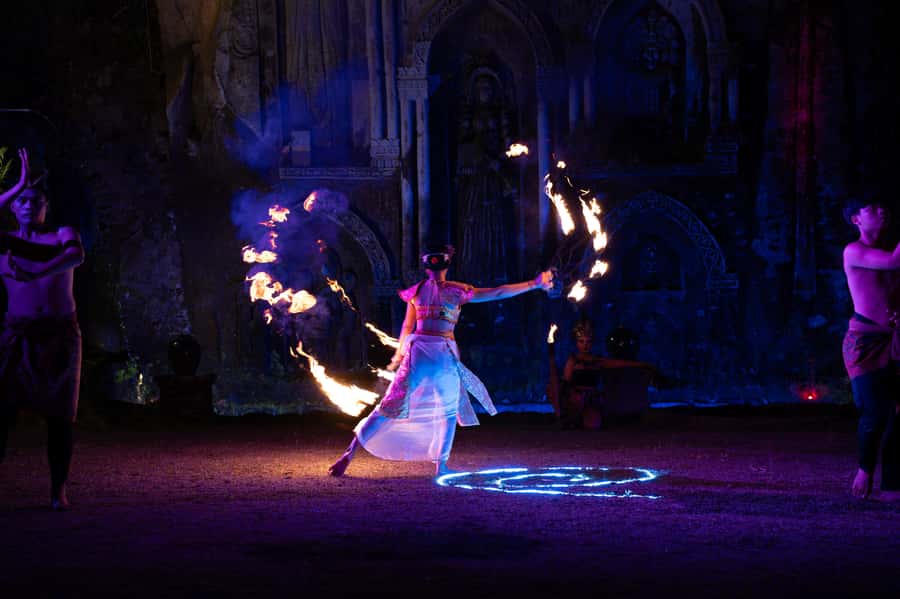
The production is one of the main reasons this works. The combination of fire, light, and music helps you feel the story’s intensity, even if the plot is myth-heavy.
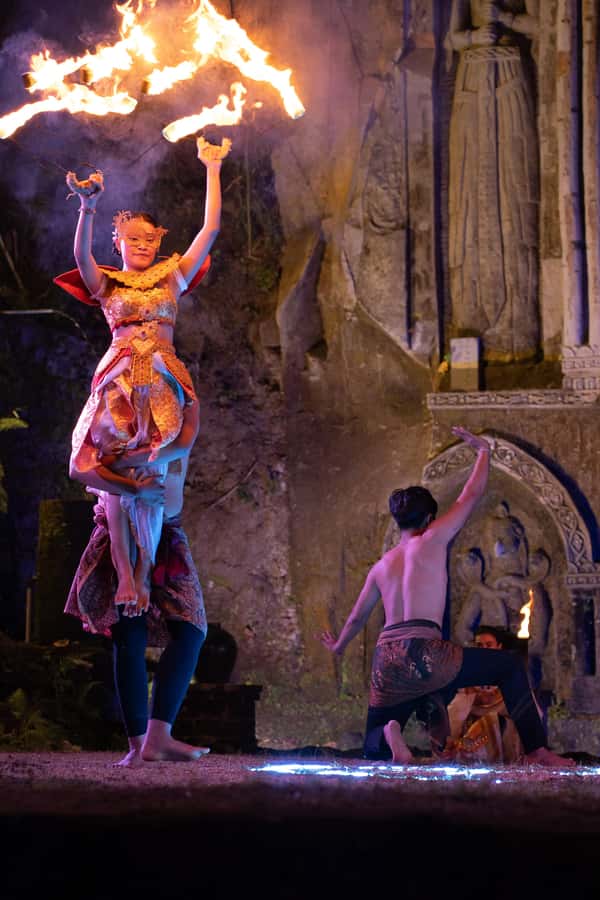
What I like about the staging is that the effects are used to support the narrative arc. Early scenes feel like celebration and harmony. As soon as the Atlanteans enter, the mood tightens—more urgency, more energy, and more visual punch. When the Flame of Humanity comes into play, the show leans into dramatic fire dances, so it feels like the virtues are being “lit up,” not just explained.
And the location plays along with that tone. One standout detail: the venue is described as a temple ruin right near the river. That matters because fire and light in open-air spaces don’t feel flat like they can in a theater room. The views make you look up between scenes—and that’s a good thing, because you don’t miss the key moments.
Practical tip: if the show includes fire effects (it does), keep your hair secured and wear something you can tolerate if you get a little warm. Also, bring a calm attitude. This kind of performance runs on energy and group timing.
Dinner that you build: bread, ancient toppings, and Spice Masters
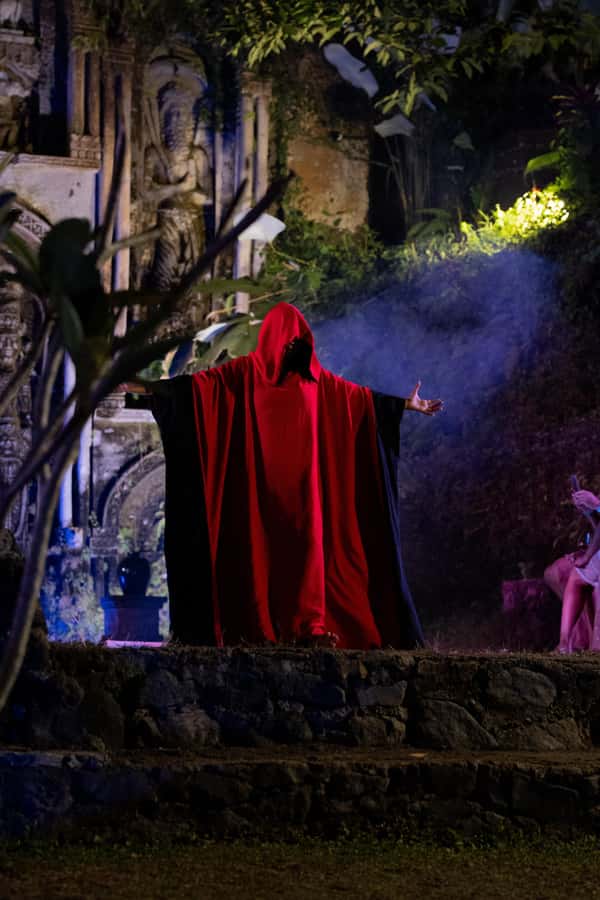
The dinner here is included, and the pacing is designed so you eat while the show moves forward. You get an all-you-can-eat dinner, plus a booklet and gifts.
Here’s what makes the food part feel more connected to the experience:
- You create your dish using fresh bread.
- You choose or add ancient-style toppings and unique spices.
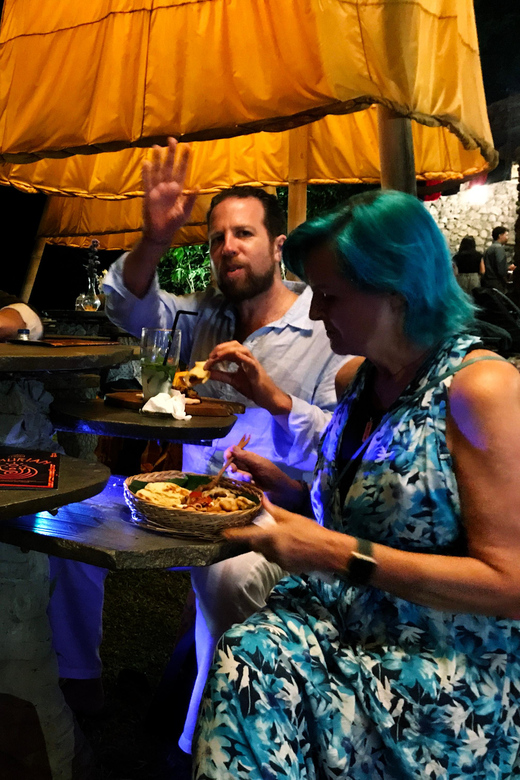
- Spice Masters cook your food in front of you, which helps infuse flavor and turns the meal into a live moment.
That last part is underrated. Watching the spices go from raw to fragrant gives you a sense of the cooking process. It also makes the dinner feel less like a separate activity and more like part of the night’s rhythm. If you’ve ever been to a show where dinner arrives after the best scenes are already over, you’ll appreciate the way this one blends food and performance.
Drink note: drinks and alcohol are not included. So if you want a drink with dinner, plan on buying it separately.
Price and value: is $23 worth your Bali evening?
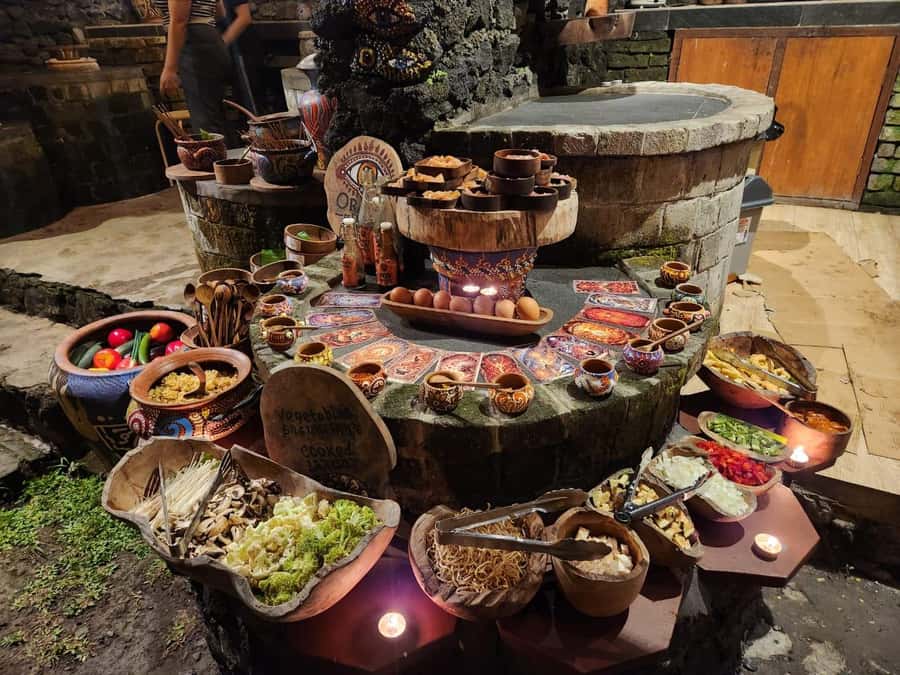
At about $23 per person for a 90-minute show that includes dinner, you’re paying for three things at once: theater production, audience interaction, and an all-you-can-eat meal.
For value, the best comparison is simple:
- If you were to buy a standalone dinner in Ubud, you’d still be paying for food, seating, and service.
- Here, you’re also getting a full storyline, fire and light production, and a chance to participate by choosing a side.
- On top of that, the dinner is not just “eat while it happens.” You build your own bread dish and watch spice cooking.
The best-case scenario is when you actually enjoy interactive performances. Then $23 feels like paying for an evening experience, not just a ticket. The caution case is when you want a passive, straightforward meal with minimal involvement. In that situation, you might feel like the show is competing with your appetite and attention—so set expectations accordingly.
One more value signal: the show includes a booklet and gifts. Those won’t replace a major attraction, but they add to the feeling that you took part in something, not only watched it.




Who this is perfect for (and who should rethink)
This show is a strong fit if you:
- like mythology-inspired stories and moral themes
- want a dinner experience that feels like theater, not background music
- enjoy interactive moments and are comfortable choosing a side
- want a night option that breaks up the usual Bali routine of temples and massages
It may be less ideal if you:
- dislike participating in group story moments
- want a quiet, low-energy evening
- have very small kids: it’s not suitable for children under 4 (and specifically lists restrictions for younger ages and babies)
Language-wise, you can expect an English-speaking host or greeter. That helps, because the story relies on audience cues and scene changes.
A few practical tips for a smooth night in Ubud
Because the setting can be a bit hidden, do yourself a favor and give yourself extra time to get there. Don’t plan a tight connection with another activity right before the show.
Also, since the show includes audience participation and you choose Lemurian or Atlantian, arrive with a ready mindset. You don’t need to be a performance person—you just need to be willing to play along when they prompt you.
Finally, plan your evening around the 90-minute duration. This is a complete experience, not something you add on for a quick hour before heading home. Afterward, you might feel like you should process the message a bit—especially if you’re the type who likes reflective, values-driven stories.
Should you book Lost City: The Story of Humanity in Ubud?
Yes, if you want a fun, story-driven night that mixes fire-and-light theater with all-you-can-eat dinner in a memorable setting by the river. The interactive side choice is the difference-maker; if you’re okay stepping into the show’s rhythm, $23 can feel like a fair deal for an evening that’s more than just dinner.
I’d skip or at least reconsider if you’re not into participation, or if you strongly prefer an easy-to-find venue with minimal effort. This experience rewards people who show up curious and willing to be part of the group.
FAQ
How long is the Ubud Dinner Show Lost City: Story of Humanity?
The show lasts 90 minutes.
How much does it cost?
It’s listed at $23 per person.
What’s included in the ticket price?
The ticket includes the dance show, a booklet and gifts, and all-you-can-eat dinner. Drinks and alcohol are not included.
Do I have to participate in the show?
Yes. It’s described as interactive, and you need to choose your side: Lemurian or Atlantian.
Is the show in English?
The host/greeter is English.
What ages are allowed?
It’s not suitable for children under 4 years old (and it also lists restrictions for babies under 1 and younger age groups).