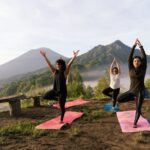
Mount Batur in your rearview mirror is magic. This Ubud downhill bike tour links Kintamani volcano views with real village life, and it’s run as an exclusive experience rather than a shared shuffle. Guides like Dewa and Putu (and others in the same team) focus on what you’re seeing, from temple symbolism to everyday family routines.
I love two things most. First, the ride is set up so it stays mostly downhill, so your legs feel relaxed even when you’re gripping the brakes. Second, the cultural stops land in places that feel lived-in, including a local school and a family compound where you can ask questions and get straight answers.
One heads-up: weather can change the amount of actual biking. Rain has shown up on this route before, and the day may shift pace or shorten the ride while the team looks after safety.
In This Review
- Key points to know before you go
- Kintamani to Ubud: Why the downhill format feels so good
- Pickup and bike sizing: the small steps that prevent big headaches
- Kintamani and the Mount Batur area: the view stop that sets the tone
- School and family compound visits: what you learn beyond the ride
- Temples and the meaning behind Balinese ritual space
- Rice fields and country roads: the part you actually ride
- Lunch in a local Balinese restaurant: why the meal is part of the value
- Rain and route changes: how the day stays comfortable
- Price and value: what $33 buys you (and what it doesn’t)
- Who this downhill bike tour is for (and who should skip it)
- Should you book Dewa Bike Tour in Ubud?
- FAQ
- How long is the tour?
- Is lunch included?
- Does the price include hotel pickup and drop-off?
- Is Mount Batur admission included?
- Is this a private tour?
- What riding support and safety items are included?
- Is tubing included at the end?
- What should I bring?
- Which languages do the guides speak?
Key points to know before you go
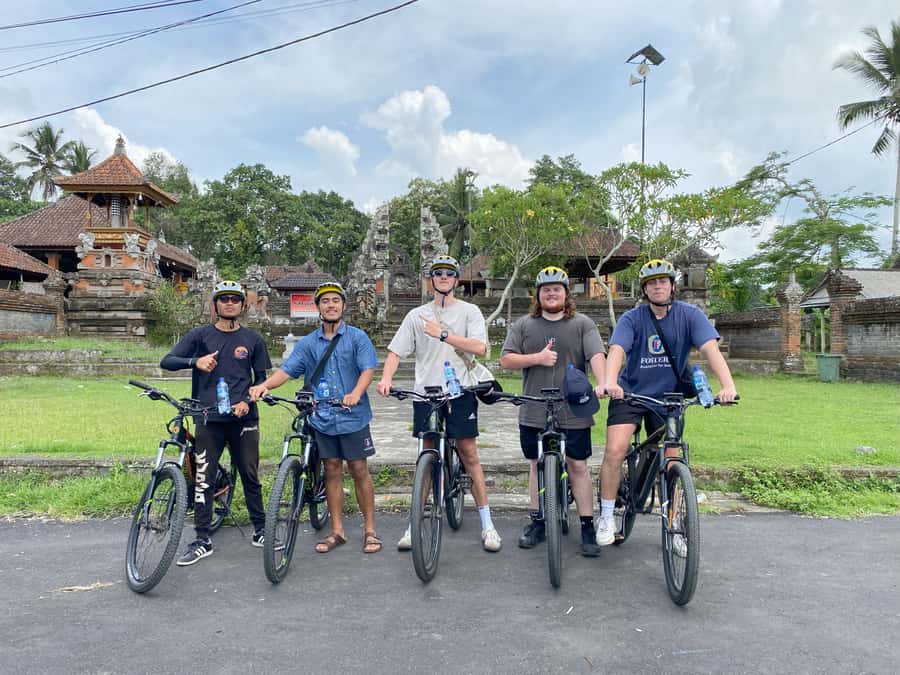
- Mostly downhill riding means most effort goes into safe braking and balance, not climbing.
- Hotel pickup in the Ubud area plus cold towel, water, and helmets keeps logistics easy.
- Kintamani Batur-area views start the day with big volcano scenery before you pedal.
- School + family compound visits give you a grounded look at how Balinese life works.
- Temple stops come with practical explanations of rituals and house/compound structure.
- Finish-point tubing is optional as an add-on if you want extra water fun.
Kintamani to Ubud: Why the downhill format feels so good
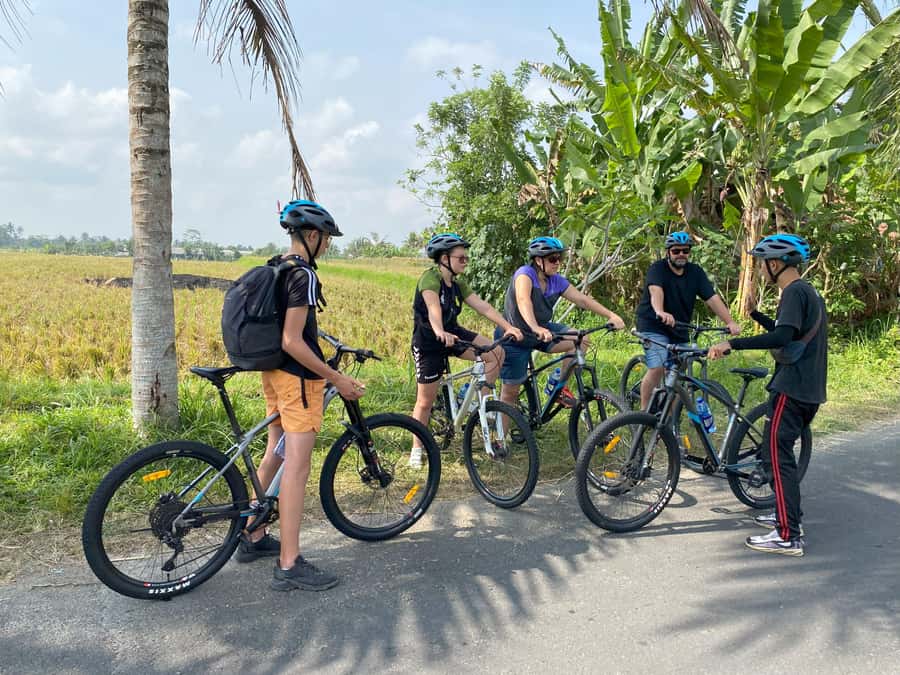
This tour is built around the classic Bali move of riding from higher ground down toward Ubud. You start in the Kintamani area near the Batur volcano region, then cycle downhill toward Ubud and the surrounding rice-growing countryside.
What that means for you in real life: you can enjoy scenery without turning it into a fitness test. More than one rider notes the same theme—your arms can get tired from braking while your legs do less work. You still need to stay alert and ride carefully, but the design is friendly for people who want a fun ride, not a grind.
You’ll also get a guide riding with you, plus the operation is organized enough that safety stays front of mind. In some situations there’s even a support vehicle following along, which helps if you need a moment or the road throws a surprise.
You can also read our reviews of more tours and experiences in Ubud.

Pickup and bike sizing: the small steps that prevent big headaches
The day runs about 6 hours total, and it begins with hotel pickup in the Ubud area. The operator lists several pickup zones and matching drop-off zones, including places like Denpasar, Kuta, Ubud, and Kuta Selatan, with outside-Ubud pickup requiring an extra transport charge (priced per vehicle for up to five people).
Before you go, you’ll also need to send your height for bike sizing. That matters here because a good fit makes the downhill part far less stressful. If you’re between sizes or you’re used to one kind of bike at home, still send your height as asked and let them match you.
What you should expect to be handled for you: you get the bicycle and helmet, plus mineral water, a cold fresh towel, and refreshments. You also get a guide in English (and Indonesian as needed), plus insurance coverage listed for ages 5 to 65.
Kintamani and the Mount Batur area: the view stop that sets the tone
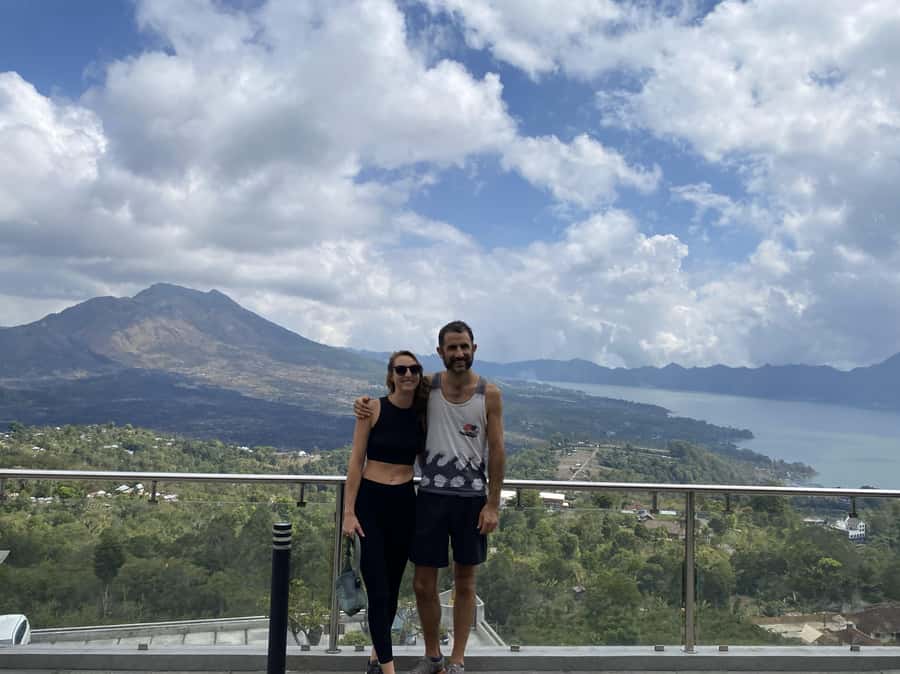
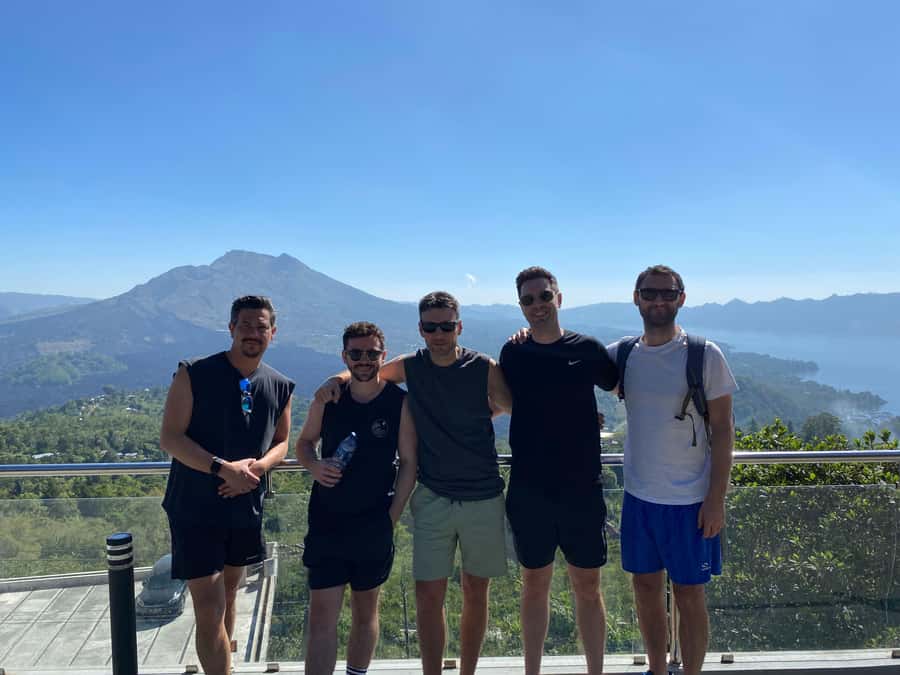
The tour begins with a drive to the Kintamani area, and that’s where the volcano scenery shows up first. This is not a quick photo moment—think of it as a calm breather before the ride, where you can take in the Batur Volcano region and the surrounding views.
Two practical notes. First, admission to Mount Batur itself is not included, so if you were hoping your ticket covers formal entry there, plan for that separately. Second, views can depend on weather. Even when conditions aren’t perfect, the team tends to keep the day moving and focused on the experience.
If you love scenery that feels raw and real, this section does the job. It’s a strong start because it tells your brain what the day will be like: downhill riding through villages with volcano-scale geography in the background.
School and family compound visits: what you learn beyond the ride
Once the cycling begins, the route isn’t only about roads and rice. You stop at places that explain how people live—education and daily family routines included.
A highlight is the visit to a local school, where the guide can talk through the education system and how it fits into the community. This isn’t a generic “look and leave” stop. You get time to see the setting and ask questions, which is where the day becomes more than exercise and views.
Then there’s the family compound visit. This is a chance to see a traditional Balinese home compound and learn about the way families structure daily life around their spaces and spiritual practices. Many rides also include interaction with residents—nothing scripted, just respectful conversation. Guides like Putu, Hendra, Agus, Bayu, and others named in this tour’s guide team have a consistent style: clear explanations, patience with questions, and an eye for what visitors often miss.
If you’re worried about it feeling touristy, don’t be. The stop types—school and home compound—are small-scale and local by nature. You’ll still want to follow their lead on behavior and dress, but the setup is built for genuine connection.
Temples and the meaning behind Balinese ritual space
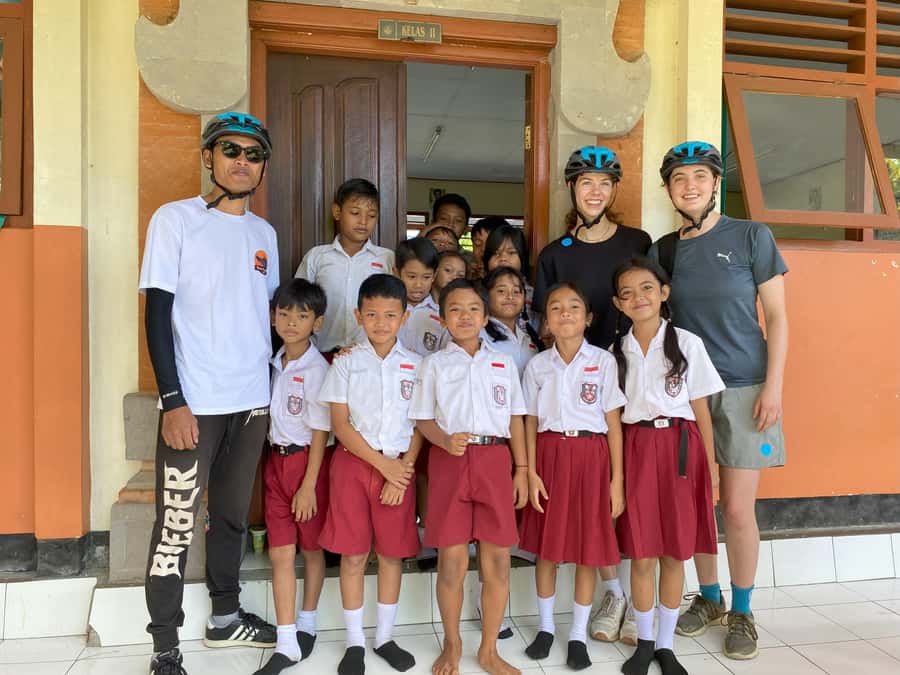
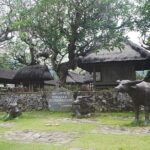
The tour includes a stop at a traditional Balinese village temple, plus explanations tied to what you’re seeing. The guide talks about symbolism and how rituals connect to everyday life, including how temples and house structures relate.
This part is especially good if you like learning in plain language. In this experience, guides tend to explain things like the purpose of temple spaces and how offerings and practices fit into the rhythm of the day. If you’re the type who likes to understand the why, this is the section that usually clicks.
Some days also add details about how compounds are constructed, including the idea that each home can have its own larger temple areas within the compound. You’ll hear the logic behind it rather than just being told to look.
The practical side: temple stops mean you might need to pause, slow down, and follow local rules. Wear comfortable clothes that you won’t mind adjusting. And yes—bring a calm attitude. If you’re respectful, the guide can translate the rest.

Rice fields and country roads: the part you actually ride
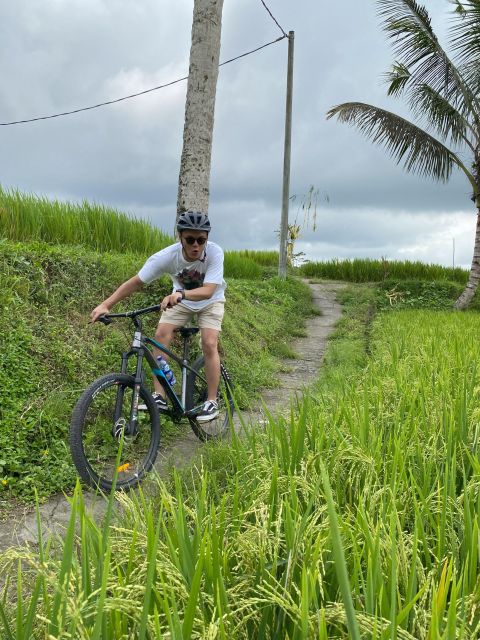
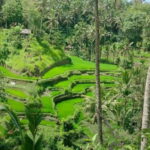
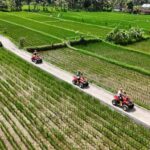
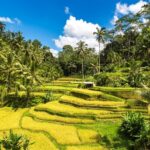
Now for the reason most people book: the cycling itself. You’ll ride through lush rice fields and between villages, with plenty of chances to see how agriculture works on the ground.
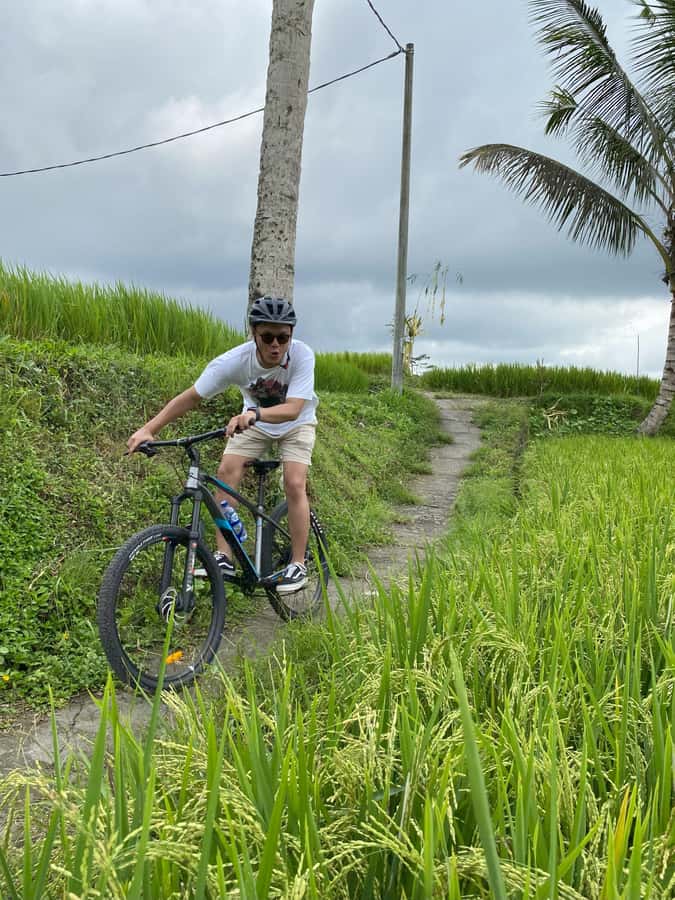
The route is described as not very tiring because it’s largely downhill. You’re not stuck in the pedal grind of mountain biking. Instead, you’re coasting, steering, and staying balanced while enjoying the quiet country vibe. Some riders mention a bit of off-road riding too, so expect a few sections that feel more “track” than “smooth road.”
Here’s what you can count on with your body. You’ll likely do less leg work than you expect. But if you’re nervous about downhill control, your arms and hands will stay busy on the brakes. That’s normal.
Also, the roads tend to feel calmer than central Ubud traffic. One rider specifically called out the peacefulness of seeing Bali away from crowds. That matches the tour’s structure: you’re traveling from volcano area down into countryside, not looping around shops.
Lunch in a local Balinese restaurant: why the meal is part of the value
At the end of the day, you get lunch at a local restaurant with Balinese food included. Several riders describe it as tasty and satisfying, and it’s a smart inclusion because it avoids that last-day scramble to find food after you’re tired and a little muddy from village roads.
This lunch is also a culture anchor. When the food is local and the meal timing is built into the day, you’re less likely to miss the best part of the overall story. You can sit, cool down, and compare notes with your guide about what you saw—temple meanings, school life, rice systems, and more.
If you have dietary restrictions, the safest move is to ask in advance. The tour listing only states Balinese lunch is included, so specifics aren’t spelled out here.
Rain and route changes: how the day stays comfortable
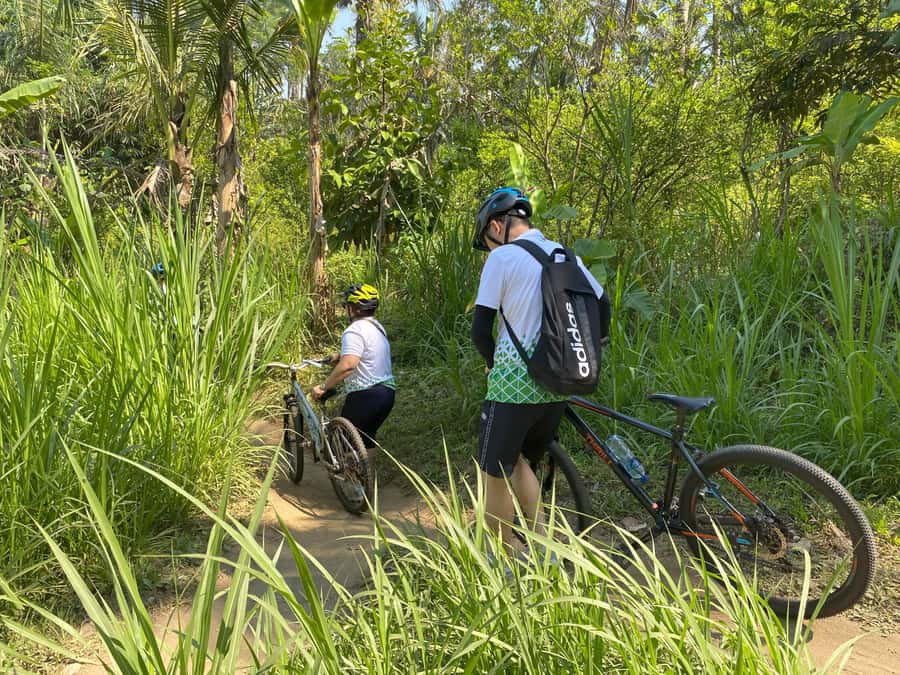
Bali weather can shift fast, and this tour has handled rain before. Some riders reported ponchos being provided and an option to adjust what happens during heavier downpours, including being picked up if needed. In other cases, the ride got shorter and the team focused on finishing the cultural stops safely.
So what should you do? Bring the right gear mindset. Wear comfortable clothes and comfortable shoes that handle wet roads. If you’re using sunscreen, go with biodegradable sunscreen as recommended, since you’ll be outdoors for hours.
If the weather turns, don’t assume the day is ruined. In practice, the guide still has a plan—your best “comfort hack” is to stay flexible and go with their suggestions. The cultural stops don’t disappear when it rains; they just sometimes replace time spent biking.
Price and value: what $33 buys you (and what it doesn’t)
At $33 per person, this tour is priced like a budget adventure, but it includes more than a simple bike rental. You’re getting hotel pickup and return in the Ubud area, plus bike and helmet, water, a cold towel, refreshments, an English guide, and lunch.
The big value lever is the combination of activities. For the price, you get:
- downhill biking for a few hours
- volcano-area views in Kintamani
- multiple cultural stops (school, family compound, temple)
- lunch in a Balinese restaurant
What’s not included matters too. Admission to Mount Batur is not included, and breakfast is also not included (breakfast is offered as an add-on). Tubing at the finish point is an extra add-on, not part of the base rate. So if you’re comparing against tours that bundle everything, make sure you’re comparing apples to apples.
Also note: the operator lists insurance coverage and specifies an age range for riders. That’s not just fine print; it’s part of the overall cost structure and safety planning.
Who this downhill bike tour is for (and who should skip it)
This is a bike-focused day. It’s not listed as suitable for people who can’t ride a bike. It’s also not suitable for wheelchair users or visually impaired people based on the tour’s format.
There are weight limits too. The tour data lists maximum weight thresholds at 130 kg (287 lbs) and 140 kg (309 lbs), so don’t assume you can guess your way around that—confirm with the operator if you’re near the edge.
Who will likely love it:
- People who want a mostly-easy downhill ride
- Anyone who likes village-level culture more than big-ticket landmarks
- Families and solo travelers who enjoy learning from guides who explain what you’re seeing
- Riders who are happy doing mostly coasting and braking
If you’re expecting an intense, technical mountain-bike challenge, this probably won’t match. The point here is comfort, scenery, and cultural context.
Should you book Dewa Bike Tour in Ubud?
I think you should book this tour if you want a full half-day that mixes real Bali life with a fun, low-effort downhill bike ride. The strongest reason to pick it is the pairing: volcano-area views plus school and family compound stops, then a Balinese lunch that finishes the day well.
Skip it if you need fully predictable biking in heavy rain, if you can’t ride comfortably, or if downhill braking makes you anxious. Also consider that Mount Batur admission is not included, so if volcano entry is your main goal, plan that separately.
If you’re ready for a calm, countryside day with guides who take time to explain—then this Ubud downhill tour is a very solid choice.
FAQ
How long is the tour?
The total duration is about 6 hours (450 minutes).
Is lunch included?
Yes. Lunch is included and served as Balinese food at a local restaurant.
Does the price include hotel pickup and drop-off?
Pickup and return transport are included for the Ubud area. Pickup outside of Ubud costs extra.
Is Mount Batur admission included?
No. Admission to Mount Batur is not included.
Is this a private tour?
It’s presented as an exclusive private cycling tour, without shared tours.
What riding support and safety items are included?
You get a bicycle and helmet, plus mineral water, refreshments, and a cold fresh towel. Insurance is also listed for eligible ages.
Is tubing included at the end?
Tubing is not included. There is a tubing adventure available at the finish point as an add-on.
What should I bring?
Bring comfortable shoes, biodegradable sunscreen, and comfortable clothes.
Which languages do the guides speak?
The live guide provides English, and Indonesian is also available.