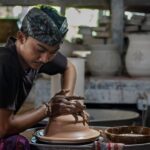
Turning silver into something wearable is oddly satisfying. This Ubud workshop sits close to the Monkey Forest area, and you’ll make your own silver jewelry from scratch with a local silversmith guiding you step by step. I love that you can choose a design from options or create your own, so the final ring or piece feels personal from minute one. The hands-on process also means you’re not just watching.
I also like how the class walks you through real silversmithing tasks, from melting sterling silver 925 to shaping, soldering, smoothing, and polishing. One possible drawback: the work can be a bit physical (hammering, filing, holding tools), and not every design is equally hands-on, so pace and involvement can vary.
In This Review
- Key things to know before you go
- A Small-Group Silver Workshop by Ubud Monkey Forest
- From Sterling Silver 925 to Wearable: What the Class Covers
- Design Choices, Ring Options, and Personal Touches
- Price and Value: What’s Included vs. What Costs Extra
- How Long It Takes and What the Pace Feels Like
- Getting There, Meeting Point, and Transport Reality Check
- Wheelchair and Stroller Accessible, But Choose Your Design Wisely
- Taking Your Silver Home: Care and Expectations
- Who Should Book This Ubud Silver Class?
- Should you book the Ubud Monkey Forest Silver Class?
- FAQ
- How much does the Ubud Monkey Forest Silver Class cost?
- How long is the workshop, and when does it end?
- What’s included in the price?
- How much silver can I take home?
- Are gemstones included?
- Do I need to arrange my own transportation?
Key things to know before you go
- Small group (max 10) so instructions stay personal instead of rushed
- Full process taught: melt, shape, solder, file, and polish sterling silver 925
- Design freedom with sample options or your own idea
- Snacks + mineral water + free Wi‑Fi included, which helps mid-workshop energy
- Your silver is yours (one piece per person, 1–5 grams depending on design)
A Small-Group Silver Workshop by Ubud Monkey Forest
This workshop is built for people who want a real making experience without needing any prior jewelry skills. You’ll be in a small group (up to 10 people), which matters more than you’d think. With fewer people, your silversmith can slow down when you need a clearer explanation, and you’re more likely to get help with the exact hands-on step you’re doing.
Location is another big plus. The meeting point is on Jalan Raya near Monkey Forest in Ubud, and the workshop finishes back at the same spot. If you’re planning to explore the Monkey Forest area anyway, this fits neatly into a half-day block without forcing a long commute or awkward timing.
You can also read our reviews of more tours and experiences in Ubud.



From Sterling Silver 925 to Wearable: What the Class Covers
The class is structured like a mini silversmithing journey. You start by selecting the jewelry design you want to make, then you move through the steps required to turn raw sterling silver into a piece you can wear.
Here’s the flow you can expect:
- Start with sterling silver 925: you’ll melt the silver (the base material for the workshop pieces).
- Hammering and pressing: you shape it into the right form for your design.
- Final shaping: you form it to match what you chose to make.
- Soldering: you join parts so the piece becomes solid and complete.
- Filing and smoothing: you refine edges and surfaces so it feels clean, not rough.
- Polishing: you finish with shine so your take-home piece looks ready to wear.
What I like about this sequence is that it’s not random busywork. Each stage builds on the next, so even if you’re new, you can understand what you’re doing and why it matters. It also helps you spot the moment your piece starts looking like jewelry instead of metal.
The guides also tend to adjust their help to your skill level. Names you might run into in the room include Eddie, Ino, Ketut, and Sugita—each described as patient, supportive, and good at walking people through the process clearly. If you’re the type who learns best by doing, you’ll probably enjoy how much of the work is hands-on.
Design Choices, Ring Options, and Personal Touches
Your first task is deciding what you’ll make. The workshop supports different ring styles and likely other small silver pieces depending on what’s available that day. You’ll typically choose from sample designs, but some people also create their own based on what’s offered.
The best practical tip here: don’t underestimate how much the design choice affects your experience. Some styles are more hammer-and-stamp focused, while others may involve more guided shaping. One review note you can take seriously is that some designs are less hands-on than others—so if you want maximum making time, ask about how the design is constructed and what steps you’ll personally do.
Personalization is another strong point. People have mentioned adding details like stamping a word (for example, Bali) inside the ring and adding engraving when available. If personalization matters to you, keep it in mind during your design selection so the team can plan time for those finishing touches.
Gemstones are optional add-ons, but you’re not required to do them. If you want color, gemstones are available for an extra charge that depends on type and size.
Price and Value: What’s Included vs. What Costs Extra
At $41.85 per person, this workshop is positioned as a value way to get a real silversmithing experience rather than a souvenir you can buy elsewhere. The price typically covers the full set of basics:
- All necessary materials and tools
- Snack and mineral water
- Free Wi‑Fi
- The chance to make one piece per participant
You also take home silver starting from 1–5 grams, depending on your design. Here’s a detail that’s easy to miss: if your piece ends up weighing less than 5 grams, the silver usage can still be accounted for as 5 grams. In plain terms, plan your expectations around the included weight cap, not around the exact final grams you might hope for.
Want more silver? You can, but it costs extra. There’s an additional fee of 85,000 IDR per gram for any amount beyond 5 grams. If you’re trying to keep the total budget tight, pick a design that fits comfortably within the included weight.
Gemstones are the other common extra. The fee range is 100,000 IDR to 500,000 IDR, depending on the gemstone type and size. If you’re on a fixed budget, treat gemstones as the one upgrade you should choose carefully.
How Long It Takes and What the Pace Feels Like
The duration is listed as about 3 hours, and the class time can run 1.5 to 3 hours depending on what you make and how the workshop day is paced. Each participant makes only one silver jewelry piece, so you’re not bouncing between multiple items. That keeps the time focused.
In terms of effort, think of it as a light workout. Hammering, pressing, filing, and holding tools for repeated motions can feel physical—so even though it’s marketed as beginner-friendly, it’s not purely sitting-and-watching. If you have wrist issues or mobility limits, it’s smart to mention it when you arrive so the team can suggest a design that matches your comfort level.
The upside is that the help is usually very hands-on. People described teachers as patient and clear, and a lot of the enjoyment comes from feeling supported while you do the real work. That’s especially important for first-timers, because the steps can look simple in theory but feel more precise once you’re doing them.






Getting There, Meeting Point, and Transport Reality Check
You’ll meet at Jalan Raya Jl. Monkey Forest, Ubud (Kecamatan Ubud, Kabupaten Gianyar, Bali). The workshop ends back at the meeting point, which makes it easy to keep your day plan simple.
One practical note: there’s no shuttle included. If you’re not already in the Monkey Forest/Ubud center area, plan your own ride or use local transport. The listing also says it’s near public transportation, so you should have options, but you’ll want to map the route based on where you’re staying.
You’ll also get a mobile ticket, which is handy on travel days when you’re juggling multiple reservations and trying not to print anything.
Wheelchair and Stroller Accessible, But Choose Your Design Wisely
The workshop is listed as wheelchair and stroller accessible. That’s a big deal for families and anyone who needs easier access in a workshop setting.
Still, remember that the making itself can be physical depending on your chosen design. If you need to conserve energy or reduce repetitive motions, you can ask the silversmith to help you select a style that fits your comfort. Designs that rely less on heavy hammering or extended filing might feel easier.
If you’re coming with kids, this can work well. Reviews point to it as a fun family activity, especially for older kids who can follow steps and focus long enough to finish their piece.
Taking Your Silver Home: Care and Expectations
Your take-home item starts as sterling silver 925, and you finish it with filing and polishing during the workshop. That means it usually comes out looking clean and ready to wear right away.
But your expectations should match the practical weight limits. You’ll be taking home a piece in the 1–5 gram range depending on your design. That’s plenty for a ring or small jewelry style, but it’s not meant to be a heavy, large-scale sculpture. If you want something substantial, you’d be moving into the over-weight fee territory.
Also, you can’t share the silver with someone else. Each participant makes their own piece, so if you’re buying this for couples or friends, plan on separate rings rather than combining silver to make one larger item.
Who Should Book This Ubud Silver Class?
I think this workshop is best for:
- First-timers who want real skills, not just a guided craft visit
- Solo travelers who enjoy focused activities and like walking away with something tangible
- Couples who want matching rings or coordinated designs
- Families with older kids who can handle a hands-on step-by-step activity
- People celebrating something (anniversaries, birthdays, milestones) who want a memory you can physically keep
If you want a class that is mostly passive, this probably won’t feel right. You’re there to make, sand, polish, and do the work. On the flip side, if you enjoy learning by doing, this is one of those activities where you can’t help but feel proud when your piece is done.
Should you book the Ubud Monkey Forest Silver Class?
Yes—if your goal is a hands-on, beginner-friendly jewelry experience with a real local silversmith and a take-home piece made from sterling silver 925. The price feels fair because it includes tools, materials, snack, mineral water, and the chance to finish a wearable item during class, not days later.
Skip it or rethink your design if you’re very sensitive to repetitive motions, because the making can be physically demanding. Also, if you want gemstones, budget extra early so you don’t feel surprised by the add-on range.
FAQ
How much does the Ubud Monkey Forest Silver Class cost?
It costs $41.85 per person.
How long is the workshop, and when does it end?
The tour runs for about 3 hours (approx.). The class duration is listed as 1.5 to 3 hours, and it ends back at the meeting point.
What’s included in the price?
Included are all necessary materials and tools, snack, mineral water, and free Wi‑Fi. You also get to make one silver jewelry piece to take home.
How much silver can I take home?
You’ll take home silver starting from 1–5 grams, depending on your design (with the note that if your silver is less than 5 grams, it can still be accounted for as 5 grams).
Are gemstones included?
No. Gemstones cost extra, from 100,000 IDR to 500,000 IDR, depending on type and size.
Do I need to arrange my own transportation?
Yes. A shuttle is not included. You’ll meet at Jalan Raya Jl. Monkey Forest, Ubud, and the activity ends back at the meeting point.