A downhill cycle day in Bali feels like cheating. You start up in Kintamani, then roll mostly downhill toward Ubud with stops that make the trip about people, not just photos. What I really like is the mix of easy pedaling and real conversations, where the local school and family compound visits turn the scenery into something you can actually talk about.
One thing to plan for: this is a tight 150-minute experience, and it does not include lunch or transport to/from the start. If you need a full meal or a pickup, sort that out before you go.
In This Review
- Key Highlights You Should Care About
- PUKUH SARI Start: Finding Your Footing in Kintamani
- The 80% Downhill Factor: Why This Ride Feels Easier Than It Sounds
- Traditional Village Stops That Actually Mean Something
- Visiting a Local School: Seeing Bali Through Education
- Family Compounds and Conversations You Can’t Get From a Bus
- Village Temple and Rice Fields: The Scenic Payoff With a Purpose
- Your Guide, Bike Setup, and Safety: The Stuff That Makes or Breaks It
- What’s Included for $21: Solid Value, Clear Limits
- Small Group vs Private: Pick Based on How You Like to Travel
- Who This Kintamani-to-Ubud Ride Suits Best
- Should You Book This Cycling Experience in Bali?
- FAQ
- Where is the meeting point?
- How long is the cycling experience?
- Is the ride difficult?
- What does the tour include?
- Is transport to and from the start included?
- Is lunch included?
- Are admission fees for Mount Batur included?
- What is the cancellation policy?
Key Highlights You Should Care About
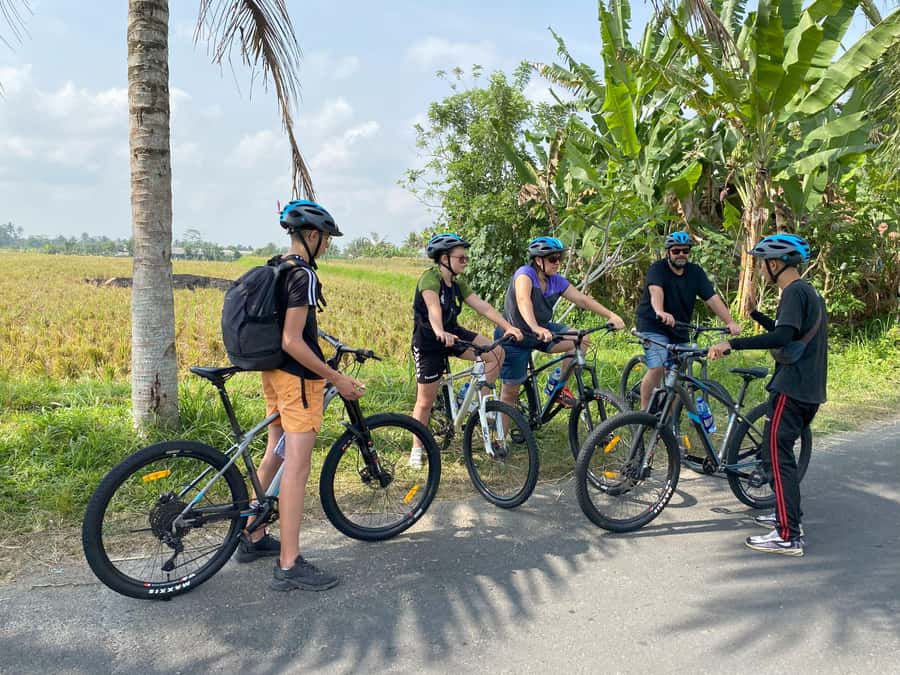
- 80% downhill route that stays gentle enough for all skill levels
- Small-group or private options, so you can match your comfort level
- Stops at a local school, family compounds, a village temple, and rice fields
- A guide who keeps the ride smooth using secondary roads away from heavy traffic
- Helmet, water, towel, and insurance included, so you can focus on the ride
- Real-time Q&A with locals, not just a drive-by photo stop
PUKUH SARI Start: Finding Your Footing in Kintamani
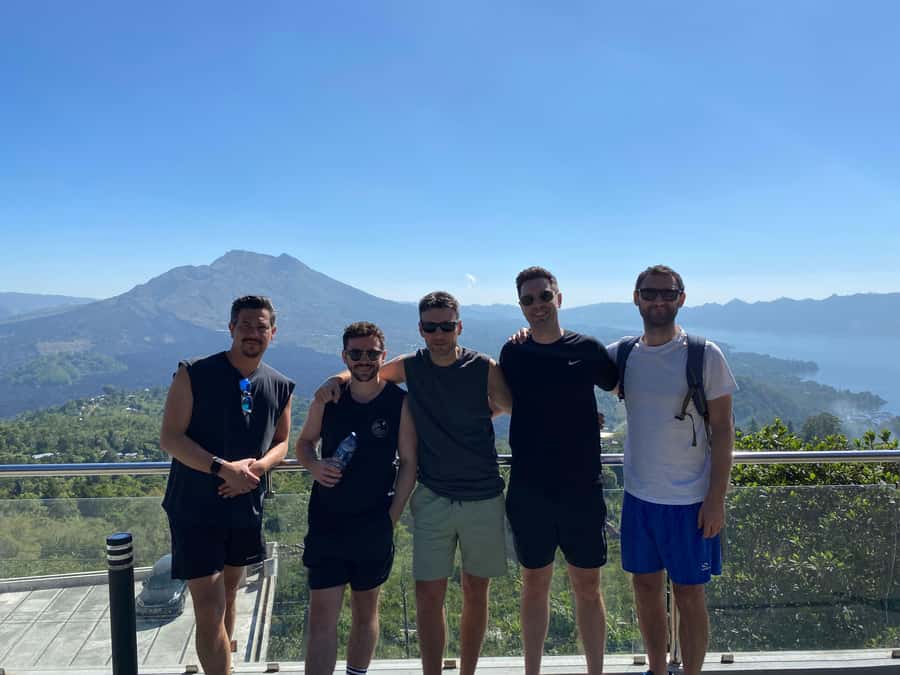
The tour begins at PUKUH SARI in Bayung Gede, Kintamani. You’ll want to be there on time because you’re not just meeting at a point on a map. You’re meeting at the moment your guide hands over your bike, sets you up with a helmet, and briefs you on how the ride will work.
Getting there is part of your own mini-adventure. Pick a local ride option like taxi, Gojek, or Grab from where you’re staying. No pickup is included, so I’d build extra buffer time into your morning or afternoon—Bali traffic and waiting can add up fast.
Once you arrive, the vibe is practical. You get your bike and gear, you get water, and you get a short plan for the route and safety. That matters because the best cycling days feel organized, even when the scenery is doing the heavy lifting.
You can also read our reviews of more tours and experiences in Ubud.

The 80% Downhill Factor: Why This Ride Feels Easier Than It Sounds
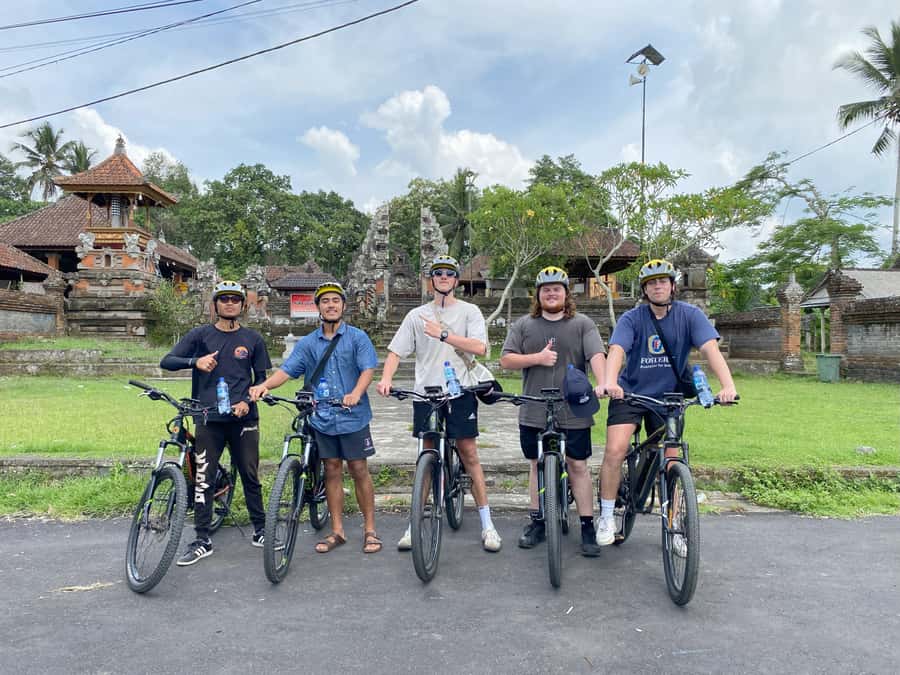
The big headline is simple: the ride is about 80% downhill. That changes everything. Instead of grinding uphill, you mostly focus on balance, steering, and enjoying the view while gravity does the work.
The route from Kintamani down toward Ubud also includes gentle slopes in the riding segments, so it doesn’t turn into a fitness test. You’re still on a bike, so you’ll move. But for most people, it’s more like a controlled glide than a full-on cycling challenge.
A guide also helps you keep things comfortable. On these rides, you typically follow quieter side roads away from the busiest traffic, plus you get small breaks as needed. In other words: you’re not racing downhill with no plan. You’re riding with someone who’s thinking about your pace and safety the whole way.
Traditional Village Stops That Actually Mean Something
This is where the tour becomes more than a scenic ride. You stop in a traditional village, and the day is built around short moments of connection: seeing daily life, walking a bit, taking photos where it makes sense, and asking questions.
You’ll get a break time during this segment. That’s useful because it gives your legs a reset and lets you take in what you’re seeing without feeling rushed. It’s also when you tend to notice the details that get missed from a car window—how families set up their home life, how community spaces work, and what people are doing at that hour of day.
The guide also leads a walk through parts of the village. It’s not long enough to become a full hike, but it’s enough to get a feel for the setting. If you like cultural context, this is the section that delivers it.
Visiting a Local School: Seeing Bali Through Education
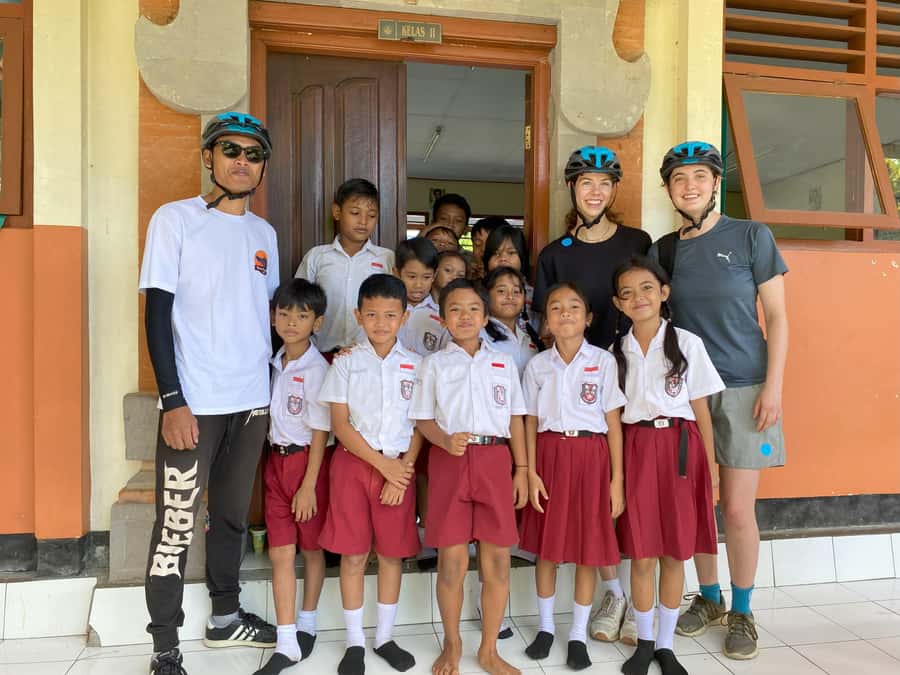
One of the most praised stops is the local school visit. This isn’t presented as a spectacle. It’s a chance to see education in a real setting and to understand what matters to kids and teachers in that community.
Even if your questions are simple, you’ll learn fast. In a place like Bali, schools can reflect values that show up everywhere—community involvement, respect, and daily routines. Your guide helps you connect the dots, especially if you’re trying to understand how people describe their own systems rather than just seeing them from the outside.
I like this stop because it gives the whole ride a human center. You’re not only traveling through Bali—you’re meeting Bali’s future, then pedaling on with that in mind.
Family Compounds and Conversations You Can’t Get From a Bus
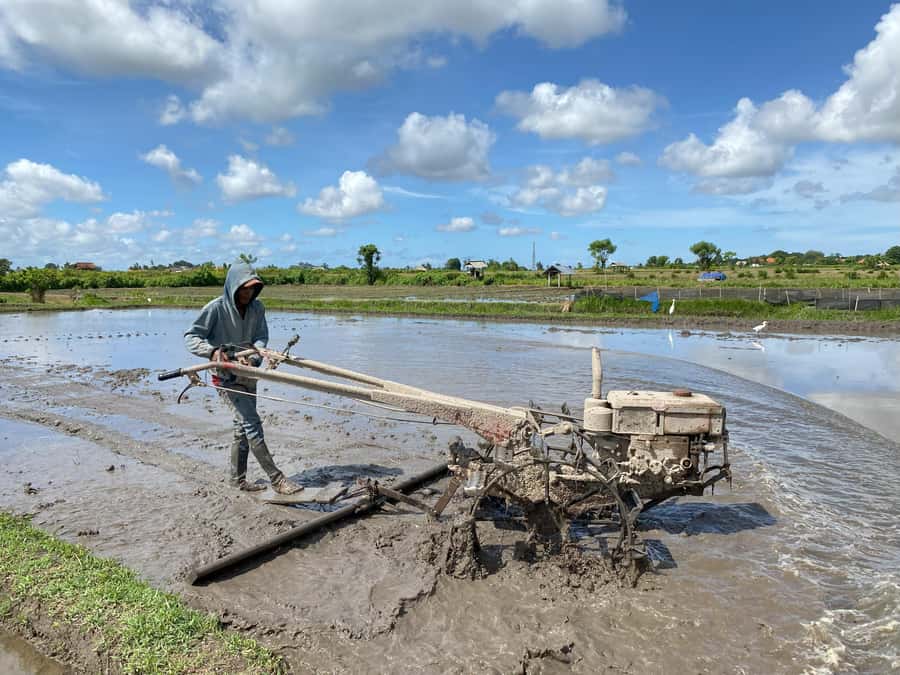
Another standout is the stop at a traditional family compound. This is the part that tends to stick with you later, because it’s less about landmarks and more about how people live.
You may have time to interact with residents and ask questions. That kind of exchange turns your visit into something personal. Instead of chasing perfect photos, you’re listening and learning, and your guide can translate cultural meaning so you don’t accidentally miss what’s important.
A big plus here: the tour is still moving. You’re not trapped in one place for hours. The biking keeps energy up, and the compound visit brings the day back to what you came for—an authentic look at daily life.


Village Temple and Rice Fields: The Scenic Payoff With a Purpose
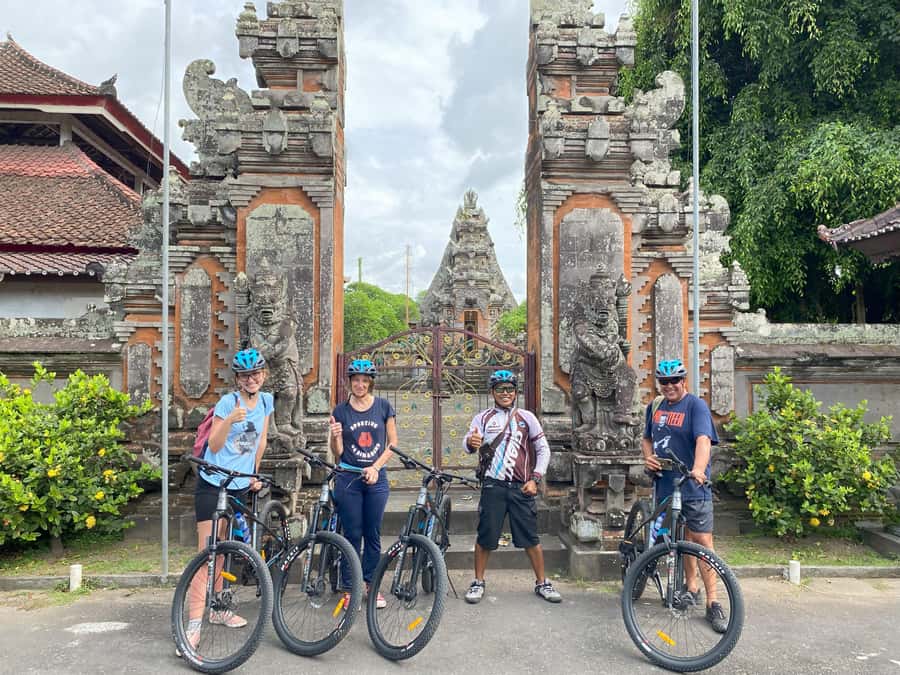
After the village and home visits, you’ll keep rolling toward Ubud with stops and passes that highlight two major parts of Balinese life: spirituality and farming.
A village temple stop gives you a sense of spiritual rhythm. You’ll see how temples connect to community life, not just tourist viewing. Your guide can point out what you’re looking at and why it matters locally, which keeps it from turning into a checklist photo moment.
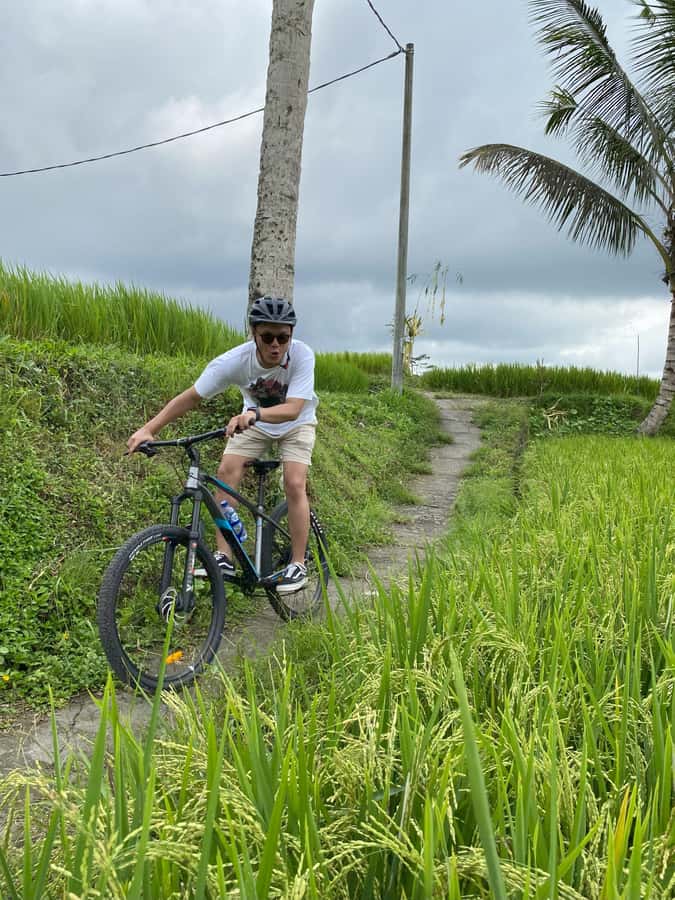
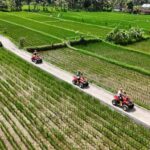
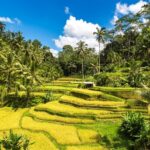
Then come the rice fields. On a downhill ride, you get a unique perspective—fields can open up quickly and stretch across the slope like layers of green. It’s easy to take pictures here, but the real value is how you understand agriculture as a living system you’re literally traveling alongside.
I also like that you’re not just staring. The pace includes pauses and photo opportunities, so you can capture a few images without turning the day into nonstop stopping and starting.
Your Guide, Bike Setup, and Safety: The Stuff That Makes or Breaks It
This tour is led by Dewa Bike Tour with an English-speaking guide (and Indonesian as well). What you’ll feel right away is that a good guide controls the rhythm of your day.
From past rides, guides like Agus and Dode are known for having everything ready—bikes, safety gear, water, and clear route explanations. That’s exactly what you want. When a guide handles the plan, you can enjoy the downhill part instead of wondering what happens next.
Safety matters here, especially with rural roads. You’ll get a safety briefing before you ride, and the route typically uses secondary roads away from heavy traffic. You also get short rests “from time to time,” so you’re not stuck straining to keep up if your legs are tired or your comfort level changes.
If you’re the type who worries about cycling in traffic, this setup helps. It doesn’t remove all risk—cycling always has some—but it reduces the stress by keeping things organized and more controlled.
What’s Included for $21: Solid Value, Clear Limits
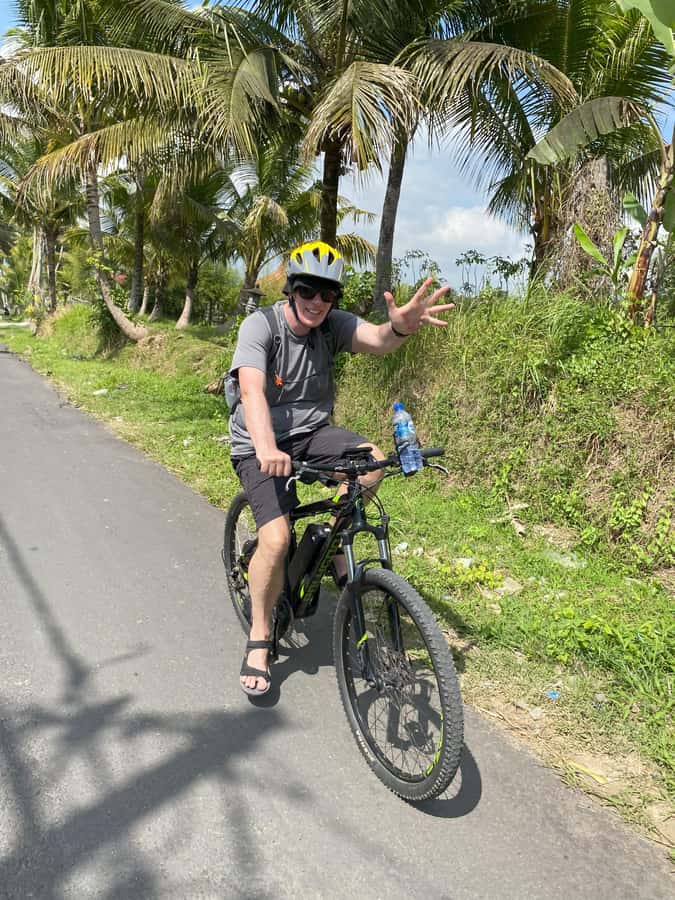
At $21 per person for about 150 minutes, the value is strong if you want an organized cultural ride without the hassle of renting equipment and hiring a guide yourself.
Here’s what’s included:
- Bicycle + helmet
- Guide (English)
- Mineral water
- Refreshment
- Cold fresh towel
- Insurance IDR 2,500,000 for ages 5 to 65
That’s not just comfort. Helmet + insurance + guide support are the kind of basics that make me feel better about booking.
What’s not included:
- Pick up/return transport
- Lunch
- Entry/admission for Mount Batur
So I’d treat this as a half-ride, half-cultural visit. If you’re hungry, eat before or plan a meal immediately after. Also, don’t assume the day includes entry fees to major sites beyond what you’re told; the Mount Batur admission is explicitly not part of this.
Small Group vs Private: Pick Based on How You Like to Travel
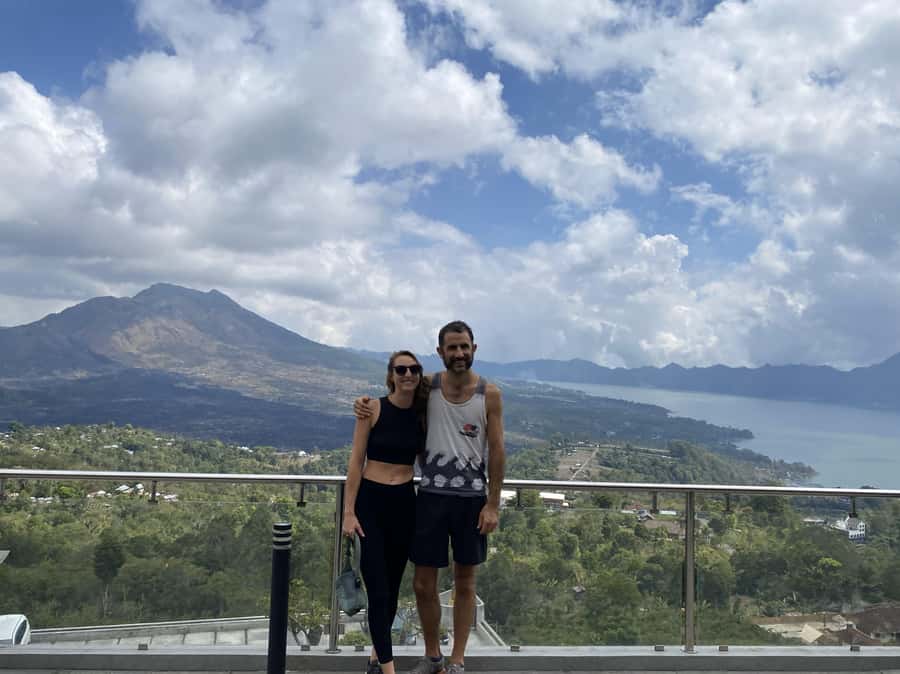
You can choose between sharing and private options, and that choice affects the vibe.
If you’re in the mood to meet people, the small-group option can be fun. You’ll ride together, pause together, and your guide will manage the flow so you’re not constantly waiting.
If you prefer control—your pace, your camera breaks, your comfort level—private is the smarter move. The route is described as not difficult, but private gives you space if you want extra time to talk with locals or stop for photos longer than the standard rhythm.
Either way, the ride is built to be accessible. Just pick the format that matches your personality.
Who This Kintamani-to-Ubud Ride Suits Best
This is a good fit if you want:
- a mostly downhill bike experience that doesn’t punish beginners
- cultural stops that include real-life settings like a school and family compound
- scenic views you see while moving, not just standing still
I’d especially recommend it if you’re short on time but still want Bali to feel human. The route from village to village makes it feel like you’re traveling through communities, not just sightseeing points.
It’s also a strong choice for couples, friends, and solo travelers who don’t want to fight logistics for rentals and directions. The guide handles the route and safety rhythm, which saves you mental energy.
Should You Book This Cycling Experience in Bali?
Yes, I’d book it if you want an easy-to-moderate cycling day with cultural stops that actually add meaning. The biggest reasons are simple: the 80% downhill design keeps the ride enjoyable, and the school + family compound + temple/rice-field mix turns the day into something you can talk about, not just something you photograph.
Skip it—or reconsider—if you need a full-day plan with lunch included, or if you really want a tour that starts with pickup. Because here, you’re meeting at PUKUH SARI and making your own way there and back.
If you’re happy to plan food on your own and show up ready to ride, this is one of those Bali activities where the combination of scenery, local interaction, and an organized guide makes the price feel fair.
FAQ
Where is the meeting point?
The tour starts at PUKUH SARI, Bayung Gede, Kec. Kintamani, Kabupaten Bangli, Bali 80652.
How long is the cycling experience?
The duration is 150 minutes.
Is the ride difficult?
It’s described as not difficult because the route is about 80% downhill. You’ll still want to choose the sharing or private option that matches your comfort.
What does the tour include?
It includes a bicycle and helmet, mineral water, an English-speaking guide, refreshment, a cold fresh towel, and insurance (IDR 2,500,000) for ages 5 to 65.
Is transport to and from the start included?
No. Pick up and return transport are not included.
Is lunch included?
No. Lunch is not included.
Are admission fees for Mount Batur included?
No. Entry or admission for Mount Batur is not included.
What is the cancellation policy?
Free cancellation is available up to 24 hours in advance for a full refund.