Three dances, one hour, big meaning. In Ubud, you can line up a Legong performance, a Sanghyang ritual dance, or the Ramayana Ballet at Agung Rai Museum of Art. The setting matters: you’re not just watching entertainment, you’re seeing Balinese storytelling and spirituality in action, in venues people associate with dance and ceremony.
I love how the choreography stays clear and human—hands, eye focus, and footwork all carry the plot. I also like that you get a close-to-the-stage experience, especially at ARMA, where the audience setup can make it feel more personal than the bigger palace-style options. One drawback to plan for: the stage/show setup can be weather-sensitive, so if rain hits hard, you may be dealing with delays or a canceled performance.
In This Review
- Key Things to Know Before You Go
- Ubud Dance Tickets at ARMA: What You’re Actually Buying
- Choosing Between Legong Lasem, Sanghyang Sampat, Legong at ARMA, and Ramayana
- Legong Lasem Peliatan: Princess drama in three acts
- Sanghyang Sampat: Trance ritual and the broom symbol
- Legong in ARMA Museum: the classic dance with an art-and-culture setting
- Ramayana Ballet: epic tale with costume storytelling
- Timing at ARMA: The 6:00 PM Stage Open, 7:00 PM Start
- What You’ll See Up Close: Hands, Eyes, Costumes, and Story
- Audience Experience at ARMA: Close Viewing vs Weather Reality
- Cameras, Clothes, and Check-in: Make the Show Easier on Yourself
- Price and Value: Is $9 Good for a One-Hour Performance?
- Who This Is Best For (And Who Should Skip It)
- Small Details That Change the Night
- Should You Book This Ubud Dance Ticket?
- FAQ
- Where is the meeting point for the show?
- How much does it cost?
- How long is the performance?
- What time should I arrive in Ubud?
- What’s included with the ticket?
- Does the ticket include museum access before the show?
- Are flash photos or videos allowed during the performance?
- What should I bring?
- Is transport or food included?
Key Things to Know Before You Go
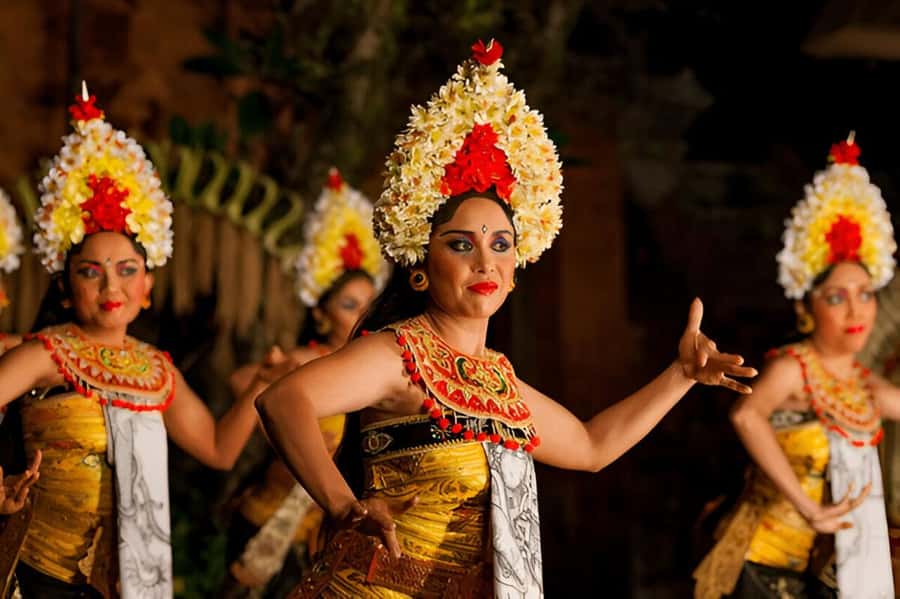
- Pick your story: Legong Lasem, Sanghyang Sampat, Legong at ARMA, or Ramayana Ballet.
- Timed entry window: the stage opens at 6:00 PM, show starts at 7:00 PM.
- ARMA adds context: the ticket includes access to ARMA museum galleries before the show.
- Spiritual ritual on stage: Sanghyang Sampat uses a broom gesture to symbolize sweeping away negative energies.
- No flash, no recording: you can bring a camera, but flash photography and video recording aren’t allowed during performances.
- Value check: $9 gets you admission plus a selfie with the dancers.
Ubud Dance Tickets at ARMA: What You’re Actually Buying
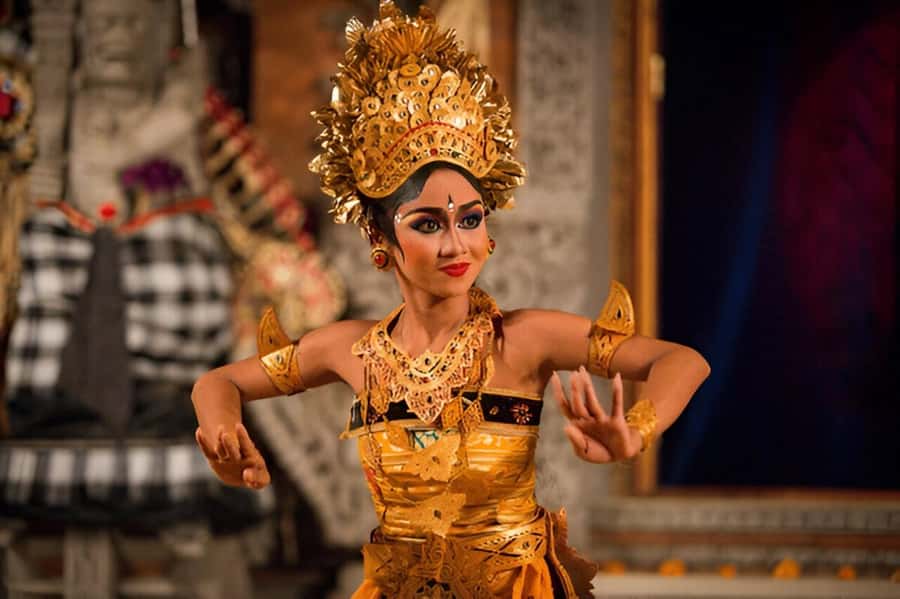
This is a simple idea with a lot going on: you’re buying a ticket to a Balinese dance performance that lasts about one hour, right in Ubud at Agung Rai Museum of Art (ARMA). The “which show?” part is what makes it interesting. Instead of one standard show, you choose among performances that highlight different sides of Balinese culture—court-style dance drama, ritual trance movement, and epic-story performance.
The price is also part of the appeal. At about $9 per person, you’re paying for a full stage experience (entry + the performance) in a place that also connects you with visual art before the show. You’re not paying for transport, food, or a guided tour package. That’s good news if you like doing your own timing and spending your money where it counts: the performance.
You can also read our reviews of more tours and experiences in Ubud.



Choosing Between Legong Lasem, Sanghyang Sampat, Legong at ARMA, and Ramayana
Your biggest decision is the performance. Here’s how each option feels and what it’s built to show.
Legong Lasem Peliatan: Princess drama in three acts
If you like narrative dance that moves like a storybook, choose Legong Lasem Peliatan. The story follows Princess Rangkesari, her connection to King Lasem, and Prince Panji. It’s presented through skilled dancers working as a small cast, and the performance shifts in energy as the story develops.
You’ll see it unfold in parts:
- It begins with a solo Condong dance.
- Then it transitions into a graceful duet.
- Finally, it lands on the dramatic reunion between the Princess and her true love.
This one tends to click if you want the clearest “what’s happening” arc without needing extra explanation.
Sanghyang Sampat: Trance ritual and the broom symbol
Want something that feels closer to ceremony than theater? Go for Sanghyang Sampat. This is the sacred ritual dance where dancers enter a trance state and use the Sampat broom as a symbolic gesture—sweeping away negative energies and blessing the land.
The choreography here is different from the romance-and-reunion feeling of Legong. It’s less about polished court elegance and more about spiritual presence. If you’re drawn to the “why” behind the movement—ritual function, belief, and cultural meaning—this is the strongest pick.
Legong in ARMA Museum: the classic dance with an art-and-culture setting
If you want Legong but like the idea of pairing dance with galleries, choose Legong in ARMA Museum. This option is described as the classic Legong dance presented at the prestigious ARMA Museum setting. That matters because ARMA isn’t a random venue. It’s a museum space, so you’re likely to feel like you’re stepping into a cultural environment, not just waiting for lights and curtains.





Ramayana Ballet: epic tale with costume storytelling
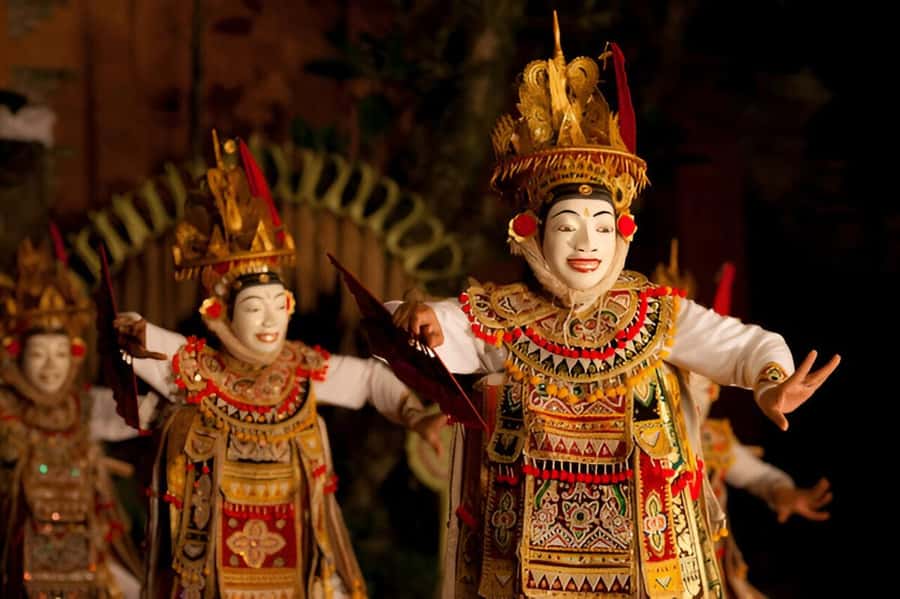
For full-blown story spectacle, choose Ramayana Ballet. This performance brings the ancient Hindu epic to life through dance, expressive storytelling, and elaborate costumes. Expect lots of visual clarity: characters, dramatic moments, and the feeling that you’re watching a big legend get translated into movement.
This one can be a great “first Balinese dance” choice too—because epic stories are easy to follow through gestures and staging, even if you don’t read every detail.
Timing at ARMA: The 6:00 PM Stage Open, 7:00 PM Start
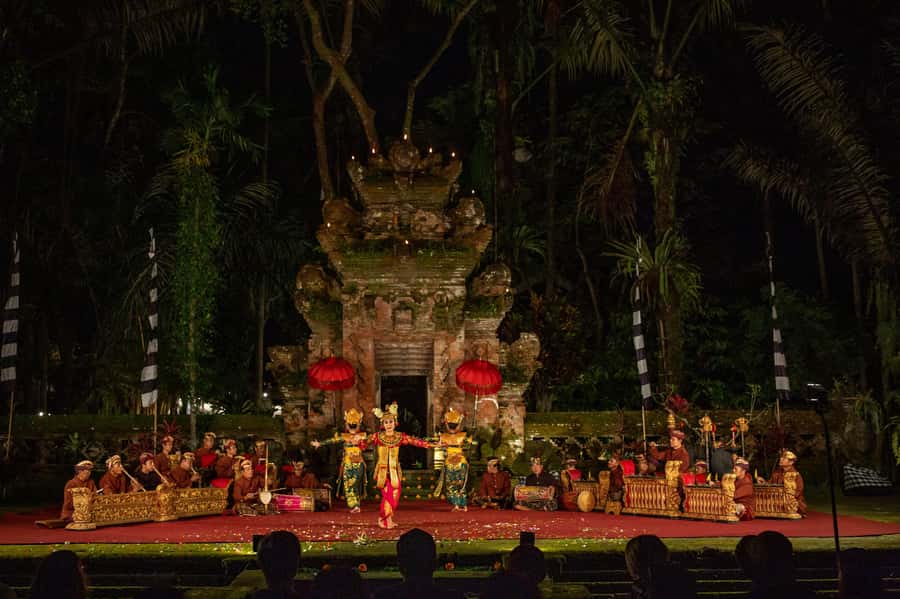
Here’s how to keep your evening calm instead of rushed. The stage is open at 6:00 PM and the show starts at 7:00 PM. You should arrive about 15 minutes early for check-in.
Why this matters: performances like these can have a short window for seating, verification, and any pre-show moments. Arriving on time also gives you room to look around ARMA galleries before the show. Since the ticket includes museum access before the performance, using that time well can add real value to your evening.
One more timing note: each performance is about one hour. That makes it easy to fit into a Ubud day without eating your whole evening.
What You’ll See Up Close: Hands, Eyes, Costumes, and Story
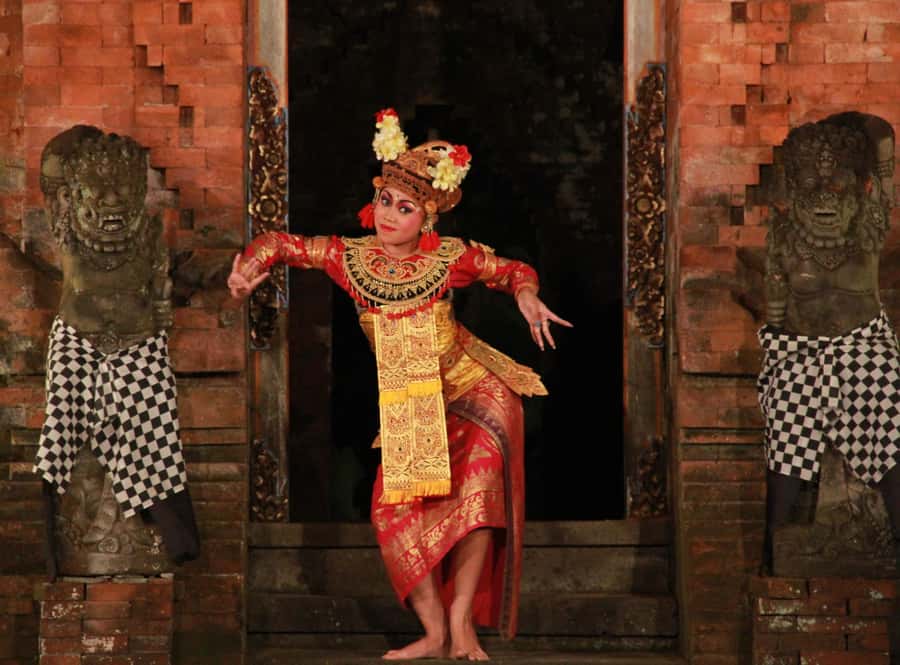
Balinese dance is built on precision. Even if you don’t know every symbolic detail, your eyes will pick up patterns fast. In Legong performances, the movement often feels like “characters speaking” without words—hands become punctuation, eye focus becomes emphasis, and posture carries emotion.
In Sanghyang Sampat, the feel changes. The trance element shifts your attention away from typical stage acting and toward ritual energy. The broom doesn’t just look decorative. It symbolizes a cleansing act—so watch how it’s used during the dance and let that meaning anchor what you’re witnessing.
For Ramayana Ballet, the costumes and the storytelling are part of the language. You’re meant to understand roles through visual cues: color, shape, costume details, and expressive faces. Even if the narrative is long, the performance structure helps you follow the arc through movement and dramatic staging.
If you want the meaning to land more clearly, give yourself extra time before the performance starts. You can bring your camera for the overall experience, but keep in mind flash and video recording are not allowed during the show. That rule is there to help the performance space stay respectful and focused.
Audience Experience at ARMA: Close Viewing vs Weather Reality
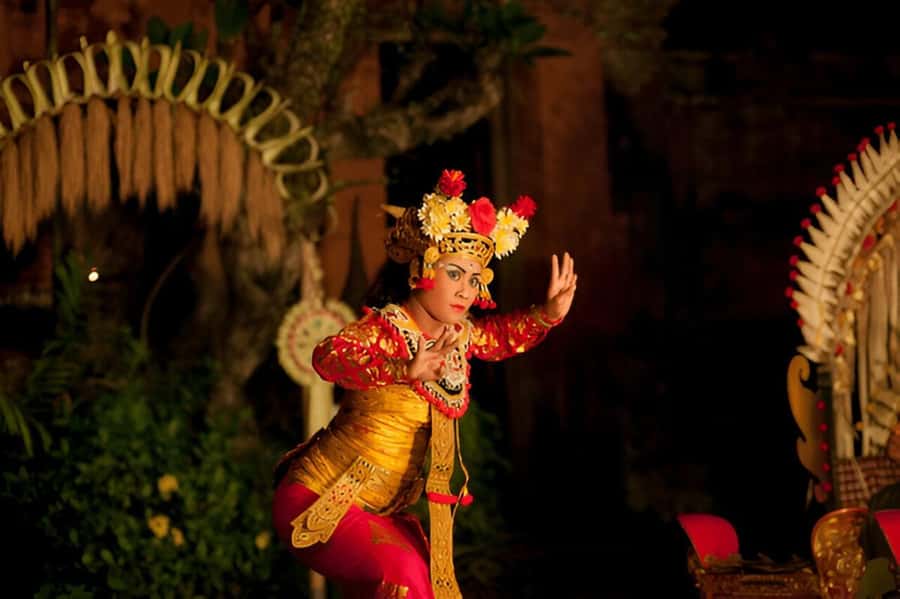
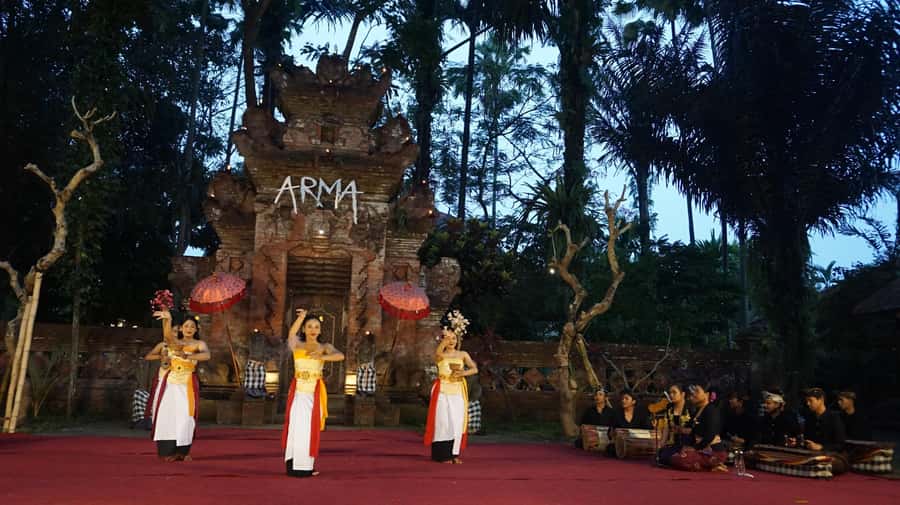
One of the practical advantages of ARMA for this kind of show is how the audience experience can feel more controlled than the biggest, busiest theater setups. You’ll often find you can see dancers from a relatively close angle, which makes details easier to catch—small hand shapes, facial expressions, and the exact way dancers transition between poses.
That said, you should plan for weather. The show setup can be outdoors, and hard rain can disrupt things. If you’re traveling in a rainy period, treat this like a “flexible evening” activity. Keep your backup plans simple, and don’t schedule anything that would be impossible to move if the show is delayed or canceled.
Cameras, Clothes, and Check-in: Make the Show Easier on Yourself
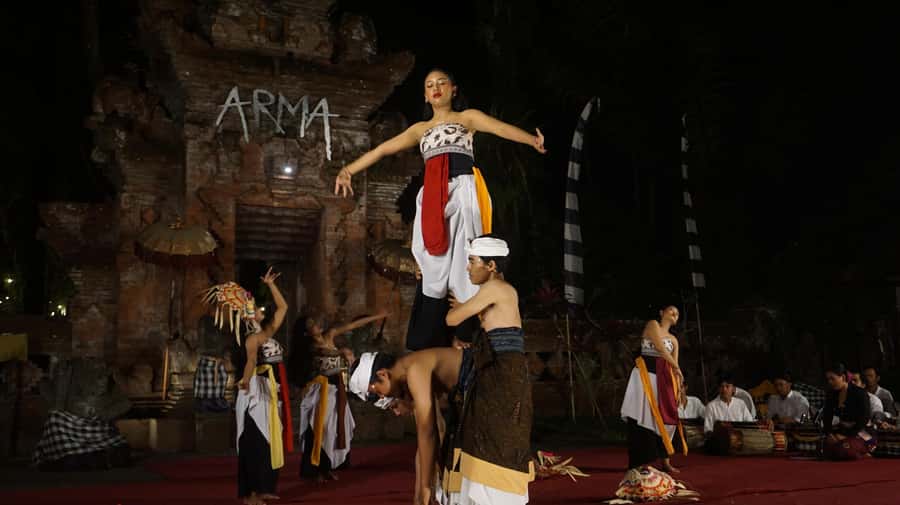
Bring what you can keep comfortable in for an hour plus time before the performance.
What to bring
- A camera (but remember: flash photography and video recording aren’t allowed during performances)
- Comfortable clothes
What to expect with rules
- Pets aren’t allowed.
- Alcohol and drugs aren’t allowed.
- You should be ready to show up, check in, and follow staff instructions when you arrive.
Dress code isn’t described in detail, so I’d keep it practical: breathable tops for Ubud heat, something modest enough to feel comfortable in a cultural venue, and shoes you can manage if you need to move around outside areas.
Also, note the selfie perk. This experience includes a selfie with the dancers, which is rare at many dance shows. That’s part of the value, and it’s worth being ready when the moment comes.
Price and Value: Is $9 Good for a One-Hour Performance?
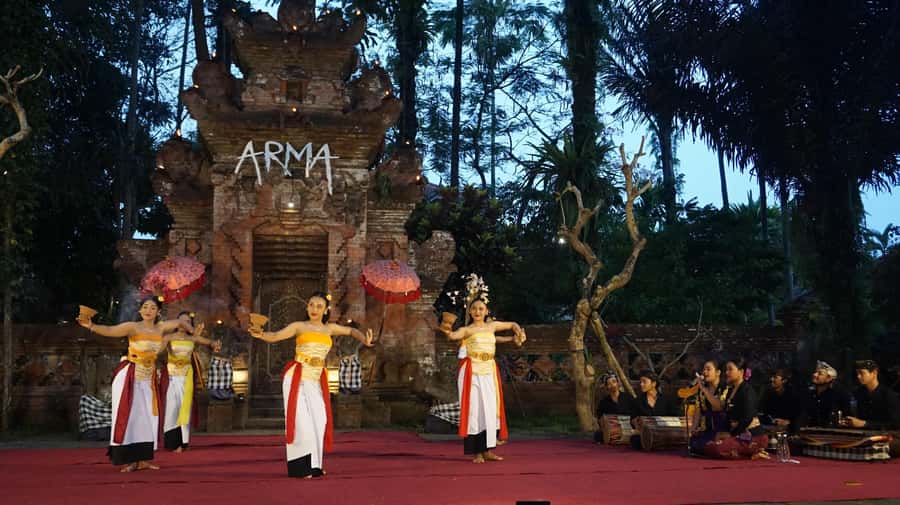
At about $9 per person, this is one of the more affordable ways to experience Balinese dance in Ubud. What you get is straightforward:
- Admission ticket
- Performance (about one hour)
- Selfie with the dancers
What you don’t get:
- Transport
- Food and beverage
So the real value depends on your plan. If you’re already staying in central Ubud or can get to ARMA easily, the ticket price becomes a low-risk way to add culture to your trip. If you’re farther away, you’ll want to think about transport cost—because travel time can matter as much as ticket price.
For most people, the smartest way to judge value here is this: you’re paying for a real stage show at a known arts venue, and you’re not paying premium rates for a guided day trip or hotel pickup. That works well if you like independent exploring and want one strong, focused cultural stop.
Who This Is Best For (And Who Should Skip It)
This show works well if you:
- Want a clear cultural activity that fits into a normal evening.
- Prefer experiences where dance storytelling is the main event.
- Like having a choice between romance drama (Legong Lasem), ritual trance (Sanghyang Sampat), and epic storytelling (Ramayana Ballet).
- Appreciate museum-and-performance pairing, especially since ARMA galleries are included before the show.
It may not be ideal if you:
- Get overwhelmed in quiet performance settings and need lots of action. (This is a sit-and-watch experience, even if it’s engaging.)
- Are traveling with very young kids. The data says it’s suitable for all ages, but it also lists that it’s not suitable for children under 10 and under 11. With that conflict, I’d treat it as a “better for older kids” situation. If you bring children, plan on adult accompaniment.
It’s also listed as not suitable for:
- People with altitude sickness
- Babies under 1 year
- People over 95 years
- People over 70 years
If any of those apply to you, check directly with the operator to avoid surprises.
Small Details That Change the Night
These are the little things that keep the experience smooth.
- Arrive by 6:45 PM for a 7:00 PM start. ARMA stage opens at 6:00 PM, but check-in needs a buffer.
- Avoid flash and video. You can still take photos outside the performance moment, but during the dance, follow the no-flash/no-video rule.
- Plan for a one-hour block. The show itself is about an hour, but you’ll likely want time for check-in and ARMA galleries.
- Pick based on your mood:
- Romance and character arcs: Legong Lasem
- Spiritual cleansing focus: Sanghyang Sampat
- Classic Legong in a museum setting: Legong at ARMA
- Big myth story and costume-driven drama: Ramayana Ballet
Should You Book This Ubud Dance Ticket?
Yes—if you want a low-cost, high-signal cultural night that you can shape around your interests. At $9, it’s priced like a ticket, not a luxury package, and that makes it easier to justify. The choice of performances is the real win: you can match the show to what you’re curious about, whether that’s court dance romance, ritual trance meaning, or epic legend storytelling.
Skip or rethink it if you strongly need guaranteed indoor seating in rainy weather, or if you’re traveling with children in the under-age ranges listed. If your schedule is tight, plan your evening so you’re not stuck with hard-to-move commitments.
If you do book, aim to arrive early and treat the pre-show museum time as part of the experience—not extra waiting. That way, your one-hour show turns into a fuller, more satisfying Ubud evening.
FAQ
Where is the meeting point for the show?
The meeting point is Agung Rai Museum of Art (please find it on Google Maps).
How much does it cost?
It’s listed at $9 per person.
How long is the performance?
Each performance is approximately 1 hour.
What time should I arrive in Ubud?
The stage opens at 6:00 PM and the show starts at 7:00 PM. Arrive about 15 minutes early for check-in.
What’s included with the ticket?
The ticket includes admission to the show and a selfie with the dancers.
Does the ticket include museum access before the show?
Yes. The ARMA Museum ticket includes access to museum galleries before the show.
Are flash photos or videos allowed during the performance?
No. Flash photography and video recording aren’t allowed during performances.
What should I bring?
Bring a camera and wear comfortable clothes.
Is transport or food included?
No. Transport and food and beverage are not included.