Monkeys and temples in one shady walk. I love how this Ubud Monkey Forest Sanctuary experience turns a normal sightseeing stop into a calm, shaded walk through a working sacred area, right in the middle of town. A professional guide helps you spot monkey behavior without feeling like you’re just chasing selfies, and you also get context on the ecosystem. The one catch: the total door-to-door timing can run longer than you expect once traffic is involved, even if the forest time is around two hours.
I also like the practical value: the admission ticket is included, plus you get door-to-door pickup in a small group (up to 14), which keeps the day from turning into a logistics puzzle. Still, plan for walking—there are steep spots and lots of paths—so it’s not ideal if you want a completely low-effort outing.
In This Review
- Key things to know before you go
- Ubud Monkey Forest Sanctuary: what makes it feel different
- The guided approach: why your guide matters on the trails
- Sacred places and sacred pools you’ll pass along the way
- Monkeys, selfies, and those quick “wait—did you see that?” moments
- Getting there and back: pickup timing and the real schedule
- Value check: what you’re paying for (and why it can be fair)
- Balinese show time: what to do with that extra slot
- How much walking should you expect?
- Who should book this Ubud Monkey Forest Sanctuary experience
- Should you book it? My practical recommendation
- FAQ
- FAQ
- How long is the Ubud Monkey Forest Sanctuary visit?
- Is hotel pickup included?
- Is the entrance ticket included?
- Do I receive a mobile ticket?
- What’s the maximum group size?
- Is there a Balinese show included?
- Do I need good weather?
- What’s the cancellation window for a full refund?
Key things to know before you go
- Hotel pickup + private transport keeps you from wrestling with Ubud traffic on your own.
- A guided walk through active sacred sites means you’ll see more than monkeys.
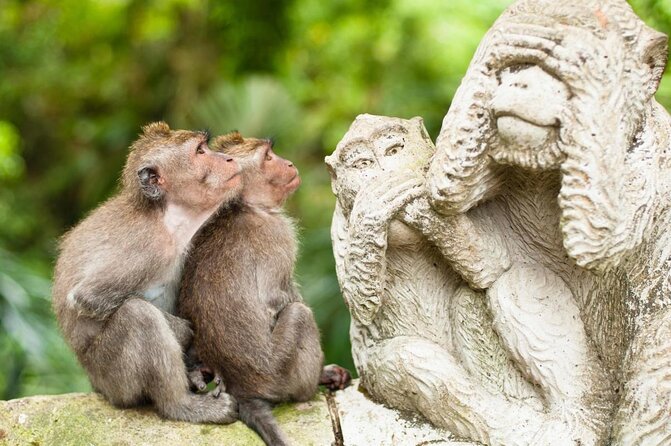
- Long-tailed macaques up close make this feel lively, not staged.
- Expect more walking than you think, with hills and lots of footpaths.
- Timing can stretch if you’re coming from farther areas (south Bali traffic is real).
Ubud Monkey Forest Sanctuary: what makes it feel different
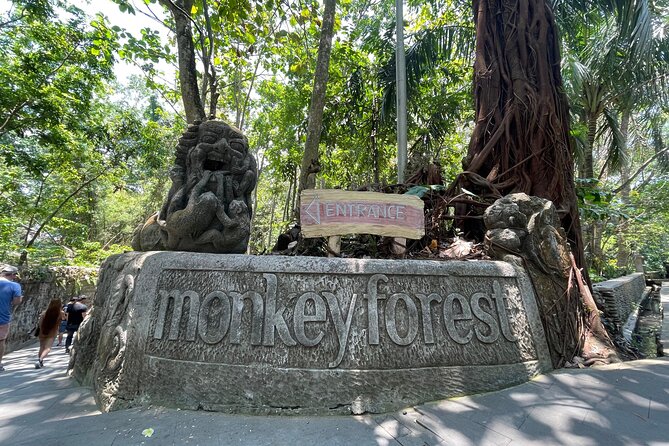
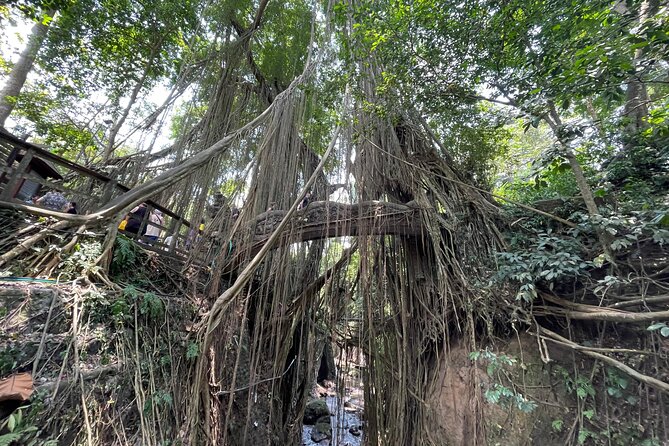
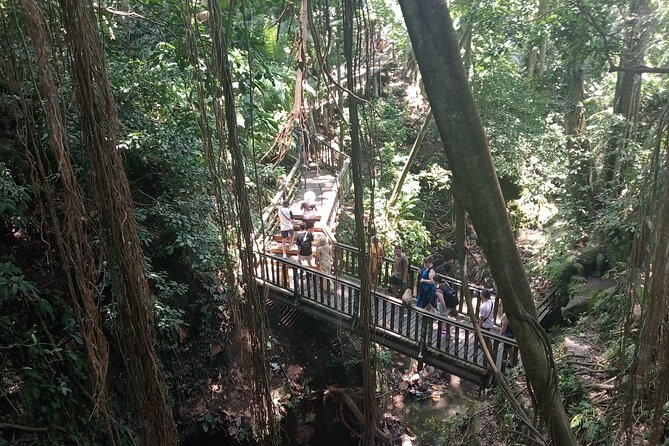
The Sacred Monkey Forest Sanctuary is exactly what you picture—cool shade under tall trees, winding paths, and long-tailed macaques moving through the canopy and ground-level lanes. But the reason I rate it so highly as a visitor experience is that the monkeys share the space with a sacred landscape. You’re not just entering a zoo-like attraction; you’re walking through an area with ancestral heritage buildings and places that still relate to Hindu worship.
That mix of wildlife and spirituality changes your pace. Instead of focusing only on what the monkeys are doing, you start noticing the whole environment: how the forest corridors connect, where the paths open up near statues and temple structures, and why certain areas feel different under the trees. And with a guide present, the visit turns into a story you can actually follow—especially if you’re curious about how humans and monkeys coexist in the same enclosed sanctuary.
You can also read our reviews of more tours and experiences in Ubud.


The guided approach: why your guide matters on the trails
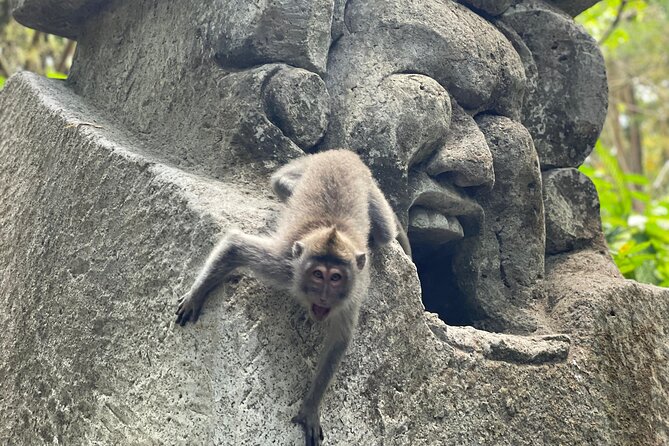
A big part of the appeal here is the guide. They’re not just herding you from one photo spot to another; their job is to explain what you’re seeing and help you navigate the paths in a way that keeps things safe and more enjoyable.
In practice, that means:
- You get clearer explanations of monkey behavior and how visitors can care for the environment and ecosystem (which is more useful than it sounds—monkey encounters go better when you understand what not to do).
- You can move through the sanctuary with less guesswork. The forest is big, and the monkeys can be unpredictable.
- You’re more likely to catch the interesting moments that happen when you’re not staring at the same spot for too long.
I also like that some guides are praised for helping with photos—arriving early, getting you into good positions, and staying with you as you shoot. That’s not a small thing. In a place like this, a few minutes can be the difference between empty path and monkey close-up.
Sacred places and sacred pools you’ll pass along the way
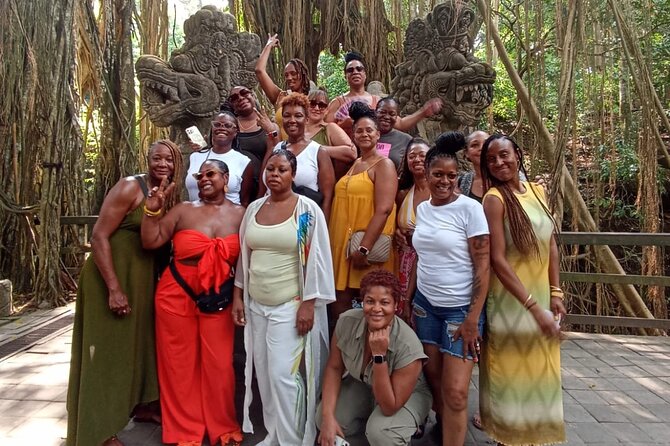
Inside the sanctuary, the walk includes areas that are still functional for Hindu worship, plus ancient relic-style features and statues scattered through the greenery. There are also sacred pools connected to the idea of granting wishes—something you’ll see referenced as part of the experience in ways that feel local, not touristy.
Even if you don’t plan to participate in anything ritual-like, these stops add meaning. They give you a reason to slow down and look up, because temple structures and offerings change how people move around the paths. They also make the forest feel like a place with purpose, not only a backdrop.
One practical tip: treat the whole area as active and respectful. Keep your voice calm, don’t block narrow pathways, and watch where you step—there’s a lot to see, and it’s easy to forget that you’re walking through a lived-in sacred environment.
Monkeys, selfies, and those quick “wait—did you see that?” moments
Yes, you’ll see monkeys everywhere. That’s the headline. But the best encounters are usually the ones that catch you slightly off guard—when you think a trail is quiet and then, suddenly, a baby monkey appears, or an adult changes direction like it heard something.
A few of the most highly praised parts from guides and experiences here connect to timing and attention:
- Guides help you be ready for close moments. People specifically mention how friendly the monkeys can be, and how having someone along the trails makes it easier to get near them for photos.
- If you’re a photo-first person, you might hear about optional add-ons like a monkey selfie picture. One guest called it worth paying extra for, mainly because it reduces hassle and helps you get a better result without scrambling too much.
- You may get pointed to unusual wildlife moments. One guide, Adi, was credited with spotting a camouflaged kimoda dragon-like sighting—rare and easy to miss on your own.
Can you expect every exact moment? No. But you can expect that a guide will help you notice more than you would if you wandered solo with a phone and hopeful energy.
Getting there and back: pickup timing and the real schedule
The biggest practical question isn’t what happens in the monkey forest. It’s how long your day takes from your hotel.
This experience offers pickup, using private transportation. That’s a win if you’re staying in or near central Bali tourist areas—less time coordinating, fewer stress points. It’s also booked as a small group activity (max 14), so you’re not piling into a huge bus.
Still, consider the schedule reality. The forest visit itself is typically about 1 to 2 hours. But road time can add up, and one account noted that total travel and timing made the day feel tight when paired with limited availability. If your hotel is far south (for example, around Legian/Kuta), you’ll want to plan for extra travel time.
My rule of thumb: give yourself breathing room. If you only have a narrow window in your itinerary, choose a time when you can leave earlier and avoid the worst traffic. If you can, build your afternoon around the sanctuary instead of squeezing it in between two other commitments.



Value check: what you’re paying for (and why it can be fair)
At $36.67 per person, the price looks reasonable when you break it down. You’re not just buying entry. You’re getting:
- Entrance included
- A guide
- Pickup (door-to-door, in private transport)
- A small group setup
That matters because in Bali, the “hidden” costs are often time and stress—getting to the right place, finding parking, and handling admission logistics. When transport and ticketing are handled for you, your day becomes simpler, and you can focus on the actual experience: the walk, the monkeys, the temples, and the stories from your guide.
So for value, I think this works best if you don’t want to DIY the route and you want a guide to help you get more from the sanctuary than just random movement and photos.
Balinese show time: what to do with that extra slot
The package notes a Balinese show for everyone. That’s a clue to keep your schedule flexible enough to enjoy it, rather than planning to rush out immediately after the forest.
Because details about the show’s content aren’t spelled out here, I won’t pretend it’s a specific performance. But I would still treat it as a meaningful part of the overall outing—another piece of why this can feel like more than a single attraction.
If you’re the type who hates waiting around, ask your pickup driver or guide for the rough order of events. That helps you avoid the classic problem: arriving hungry and then realizing show timing won’t let you grab a snack easily.
How much walking should you expect?
One theme that shows up clearly in feedback is effort level. The sanctuary is vast with temples and statues, and you should assume:
- A fair amount of walking
- Hills/steep sections in parts of the path
- Time spent looking up as much as down
If you’re comfortable with uneven ground and can manage some stairs or slopes, you’ll likely be fine. If not, bring supportive shoes and take breaks when you need them. Also remember: monkey encounters often happen unexpectedly, so if you stop completely in the wrong place, you can end up stuck in foot traffic.
A good strategy is to pace yourself early, when you still have energy for the mid-forest paths. That’s when you’ll appreciate the temples and statues most, because you won’t feel rushed.
Who should book this Ubud Monkey Forest Sanctuary experience
I think this is a strong fit if:
- You want a guide-led experience in Ubud and don’t want to figure out transport on your own
- You’re interested in more than just monkeys (temples, sacred areas, and cultural context)
- You like small-group day tours, where you can ask questions and move at a human pace
It may be less ideal if:
- You have very tight timing and can’t absorb traffic and longer door-to-door travel
- You need a low-walking outing, because you should expect hills and steady footpaths
Should you book it? My practical recommendation
If you’re coming to Ubud for a real mix—nature shade, macaques, and sacred sites—this is worth booking. The combination of guide + included ticket + pickup is what makes it feel efficient. Instead of turning the sanctuary into a scramble, it turns into a guided walk where you understand what you’re seeing.
My one booking tip: match the pickup time to your hotel location and plan your day so you’re not rushing. If you’re staying farther from Ubud, leave earlier than you think you need to. Then enjoy the forest—because when the monkeys decide to move, they do it fast.
FAQ
FAQ
How long is the Ubud Monkey Forest Sanctuary visit?
The experience is listed as about 1 to 2 hours, depending on how your visit goes.
Is hotel pickup included?
Yes. Pickup is offered, and door-to-door pickup with private transportation is part of the experience.
Is the entrance ticket included?
Yes. Admission Ticket is included as part of the experience.
Do I receive a mobile ticket?
Yes. The experience includes a mobile ticket.
What’s the maximum group size?
The maximum group size is 14 travelers.
Is there a Balinese show included?
The experience includes a Balinese show for everyone, so plan to stay for that part of the program if it happens on your schedule.
Do I need good weather?
Yes. The experience requires good weather. If it’s canceled due to poor weather, you’ll be offered a different date or a full refund.
What’s the cancellation window for a full refund?
You can cancel up to 24 hours in advance for a full refund. If you cancel less than 24 hours before the start time, the amount paid is not refunded.