Waterfalls, temples, and rice terraces in one loop. I especially love the chance to swim at Tibumana and the jungle-walk drama of Tukad Cepung. It’s a full day, but it stays easy and well-paced, with a guide and hotel pickup that keeps the stress level low.
One thing to plan for: expect stairs and slick footing at the waterfall spots. If you bring the right sandals and accept that you’ll do a bit of hiking, it’s a great day out.
In This Review
- Key Highlights You’ll Remember
- Why This Ubud Waterfall Tour Feels Better Than DIY
- Pickup, Timing, and How to Keep the Day Smooth
- Tibumana Waterfall: The Best Time to Actually Get Wet
- Tukad Cepung Waterfall: Walking Between Cliffs
- Kanto Lampo Waterfall: The Rock-Step Photo Moment
- Gunung Kawi Sebatu Temple: Peaceful Culture Without the Loud Feeling
- Tegalalang Rice Terrace: Emerald Views and Subak Irrigation
- Price and Value: Is $27 Worth It?
- What to Bring (So You Don’t Regret It at Stop Three)
- Rain, Stairs, and the Stuff You Can’t Control
- Who This Tour Is Best For
- Final Call: Should You Book This Ubud Waterfalls Tour?
- FAQ
- How long is the Ubud waterfalls tour?
- Where does hotel pickup happen?
- What are the main stops on the tour?
- Is swimming included?
- Are entrance tickets included in the price?
- If tickets aren’t included, how do I pay for them?
- Is lunch included?
- What should I bring?
- What happens if it rains?
- What languages does the guide speak?
Key Highlights You’ll Remember
- Tibumana Waterfall swim in mountain-fresh water, with time to actually enjoy it
- Tukad Cepung’s walk-through-to-the-waterfall feeling, with stairs and canyon views
- Kanto Lampo’s rock-step waterfall that’s made for photos, even when the light changes fast
- Gunung Kawi Sebatu’s quieter temple mood and peaceful walking through greenery
- Tegalalang Rice Terrace paths for emerald views and photos of the subak irrigation system
Why This Ubud Waterfall Tour Feels Better Than DIY
This is the kind of Bali day trip that works because it mixes big nature moments with cultural stops, without you having to plan roads, ticket lines, or parking. You’re dropped into the Ubud area’s green heart, then guided from one scene to the next: swim, walk, photograph, and finish with temple-and-rice-terrace views.
I like that it’s not just one waterfall and a shrug. You get multiple waterfall styles: a swim waterfall (Tibumana), a canyon-and-cliffs waterfall experience (Tukad Cepung), and a rock-step cascade built for pictures (Kanto Lampo). You also get a temple stop at Gunung Kawi Sebatu, which tends to feel calmer and more grounded than the busiest cultural circuits.
The best part for practical travelers: the day is built around convenience. Hotel pickup and drop-off are included, bottled water is provided, and you’re traveling with a live English/Indonesian/Malay guide who helps you make sense of what you’re seeing.
You can also read our reviews of more tours and experiences in Bali.



Pickup, Timing, and How to Keep the Day Smooth
You start with pickup options around the Ubud area and beyond, including places like Ubud, Sanur, Kuta, Seminyak, Canggu, Denpasar, Jimbaran, Uluwatu, and Nusa Dua. If you’re staying outside those areas, confirm your exact pickup point when you book.
The tour is listed as about 8 hours, but it can run longer based on traffic and how fast you move at each stop. That’s normal in Bali. My advice is simple: don’t schedule anything tight right after pickup time. Keep the evening flexible.
Transport quality is a big selling point here. The tour scores 4.9/5 from 1,066 verified bookings, and about 96% of people rate the transport a perfect score. In plain terms: you’re not spending your day white-knuckling a confusing drive.
Tibumana Waterfall: The Best Time to Actually Get Wet
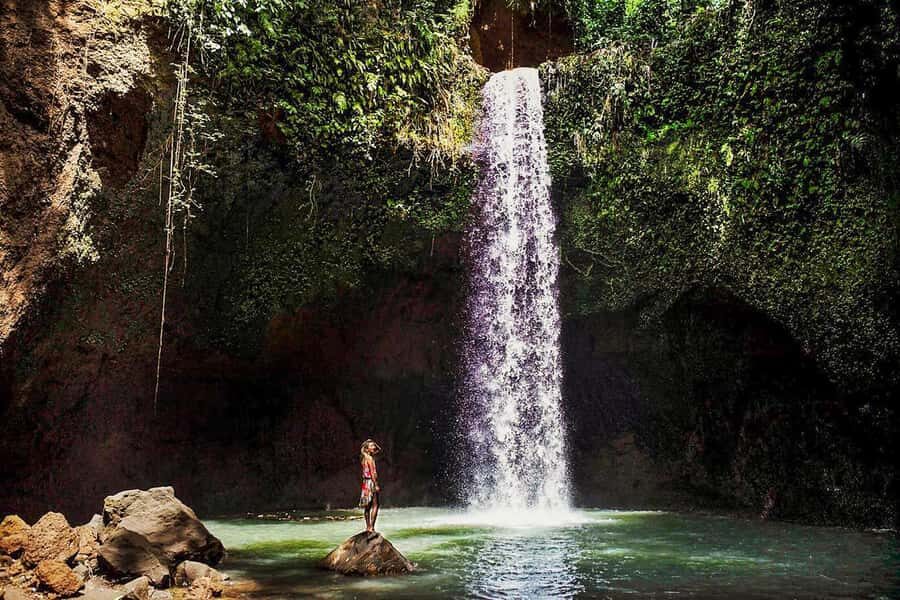
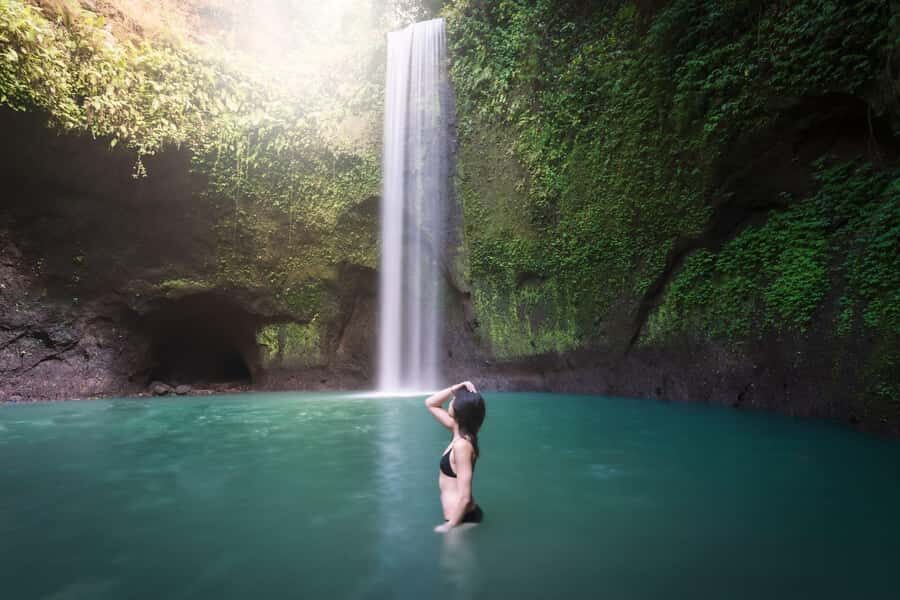
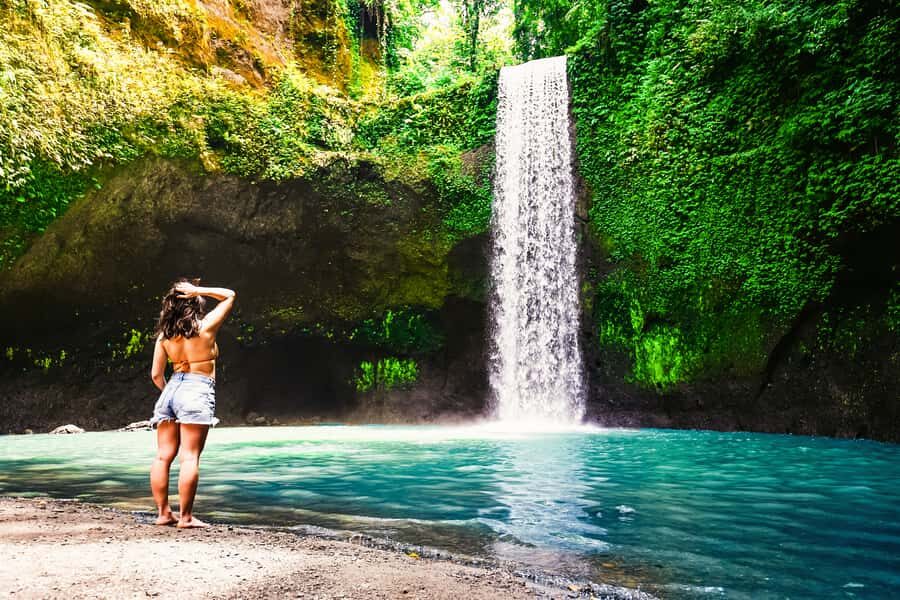
Tibumana Waterfall is your swim stop, and it’s the one that turns a photo day into a memory day. You’ll get about an hour for sightseeing and swimming, with paths and a wooden bridge for the approach.
What you should know:
- Bring swimwear and a change of clothes. You’ll want to rinse off and get dry before the next leg.
- Wear sandals you’re comfortable with for wet surfaces. Tossing in a towel is non-negotiable.
- Plan for stairs. Even if the walk is manageable, it’s still real steps.
The payoff is that mountain-fresh water vibe. This is the waterfall where you don’t just stand and stare. You can cool down, relax, and enjoy the setting as more than a viewpoint.
If you’re traveling with kids, the tour can work as long as everyone is steady enough for stairs and short hikes. For anyone who hates slipping, go slow on the return path.
Tukad Cepung Waterfall: Walking Between Cliffs
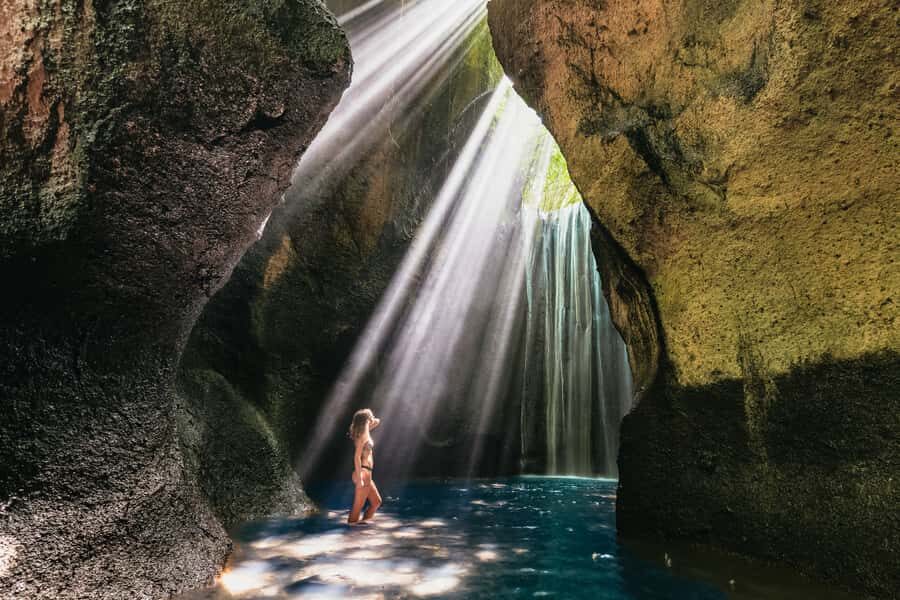
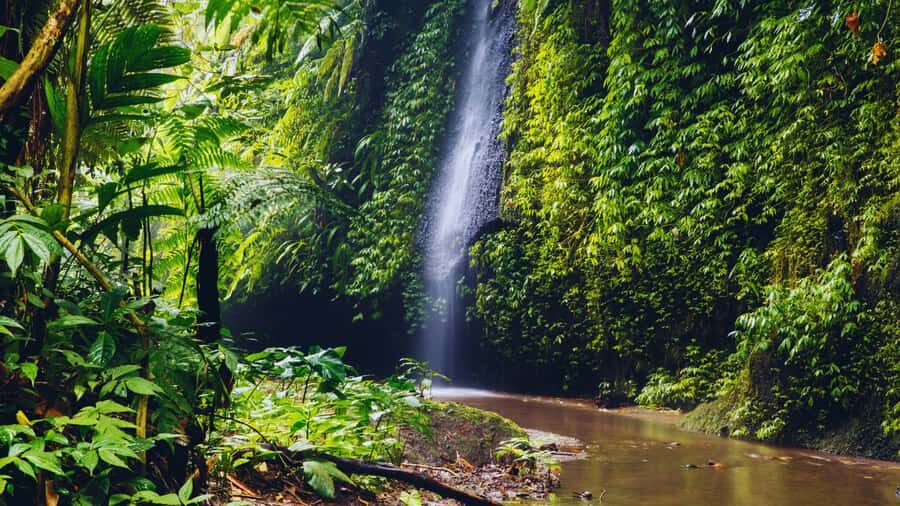
Tukad Cepung is the stop that feels more like an adventure than a roadside waterfall. You’ll walk through the jungle and reach stairs that bring you to a different angle of the cascades.
The big value here is perspective. Many Bali waterfalls are viewed from the front. Tukad Cepung gives you a canyon-style experience, where the waterfall seems framed by rock and cliffs as you move through the area. It’s built for slow exploration and getting those photos from a few different spots.
Practical notes before you go:
- Expect stairs and uneven ground.
- If it rains, the path can be slippery. Take your time.
- Wear footwear that won’t betray you at the edge of the wet areas.
If you’re a photographer, this is one of the better stops for variety in angles. And if you just want nature without crowds, go at a comfortable pace and stay present for the sound and mist as you approach.
Kanto Lampo Waterfall: The Rock-Step Photo Moment
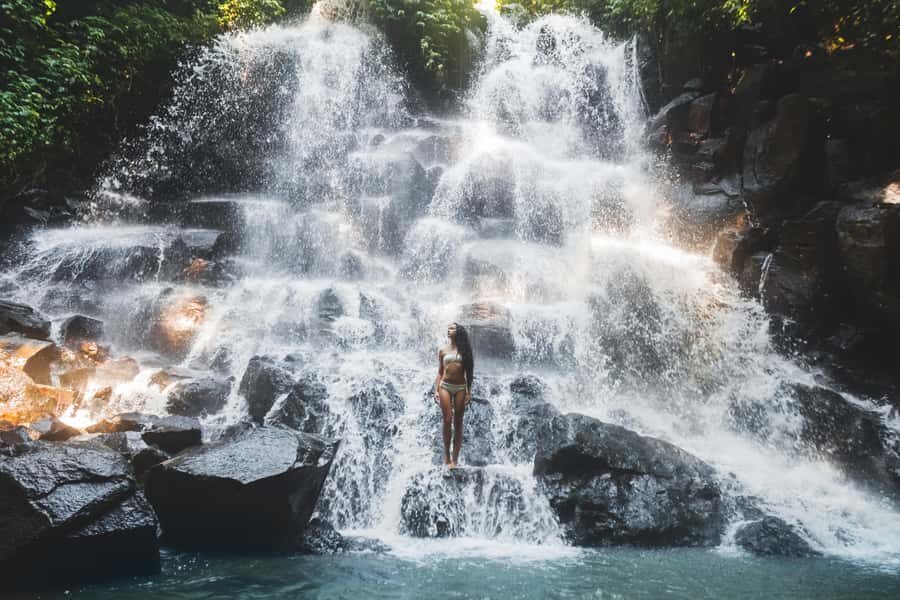
Next up is Kanto Lampo Waterfall, famous for its cascading streams flowing down natural rock steps. You’ll have about an hour here, and it’s one of those places where the water’s motion gives your photos texture fast.
This stop is especially good if you like:
- Strong composition (water running across rock layers)
- Photos that look good even without fancy settings
- A classic Bali waterfall look
The trade-off is that you still need to watch your footing. Rock steps can be tricky when wet, and crowds (when they happen) can make paths feel tighter. Go early if you can, and don’t rush your shot. It’s easy to spend ten minutes too long trying to get one perfect frame.






Gunung Kawi Sebatu Temple: Peaceful Culture Without the Loud Feeling
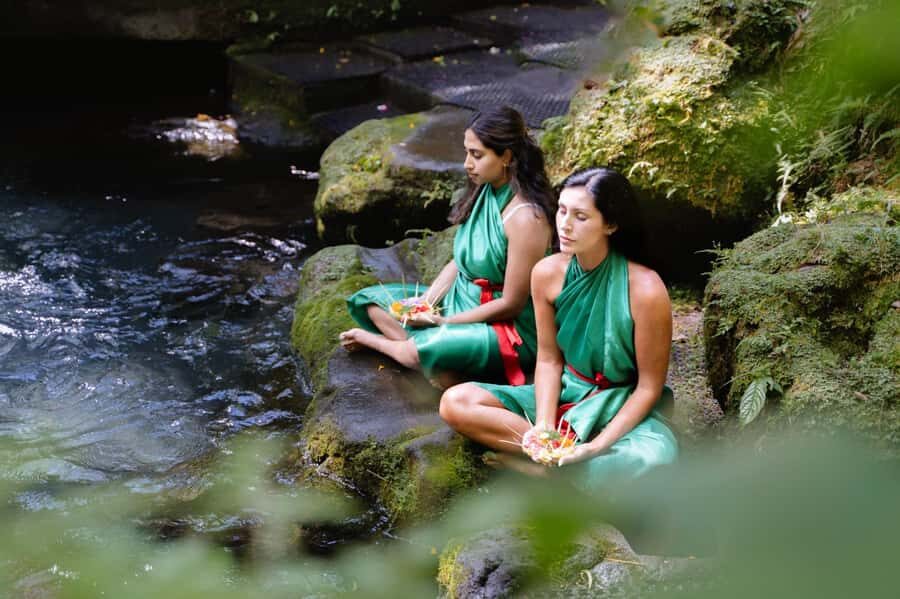
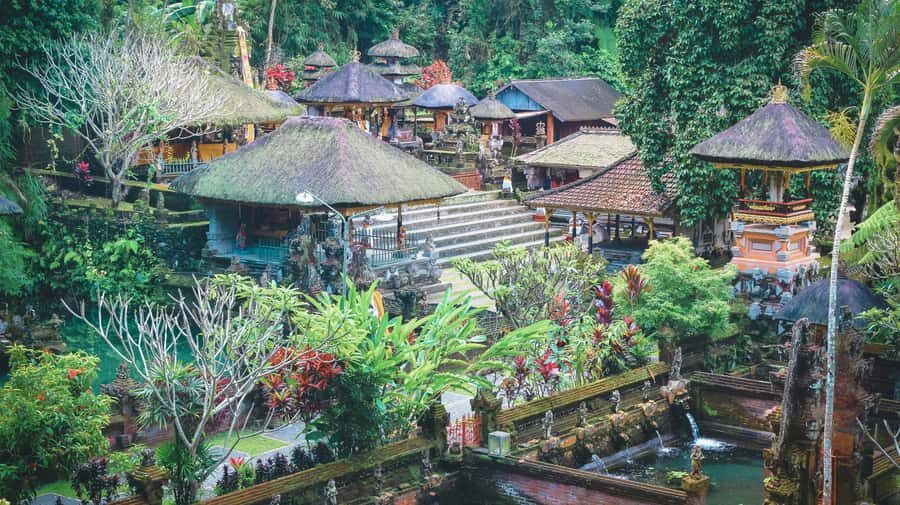
After the waterfalls, the day shifts into something slower: Pura Gunung Kawi Sebatu (often called Gunung Kawi Sebatu Temple). You’ll get about an hour for a guided visit and sightseeing.
Why I think this stop matters: it adds a quieter cultural layer after the water. You’re not just moving from one viewpoint to another. You’re learning how sacred spaces fit into everyday Bali life and green terrain.
It’s described as tranquil and less-visited compared to some of the more famous temples. That usually means a calmer walk and more of that gentle, respectful atmosphere you want on a temple visit.
Also, this is a good time to pause and reset before the rice terrace portion of the day. Your legs will be grateful, and your brain will stop sprinting from one scene to the next.
Tegalalang Rice Terrace: Emerald Views and Subak Irrigation

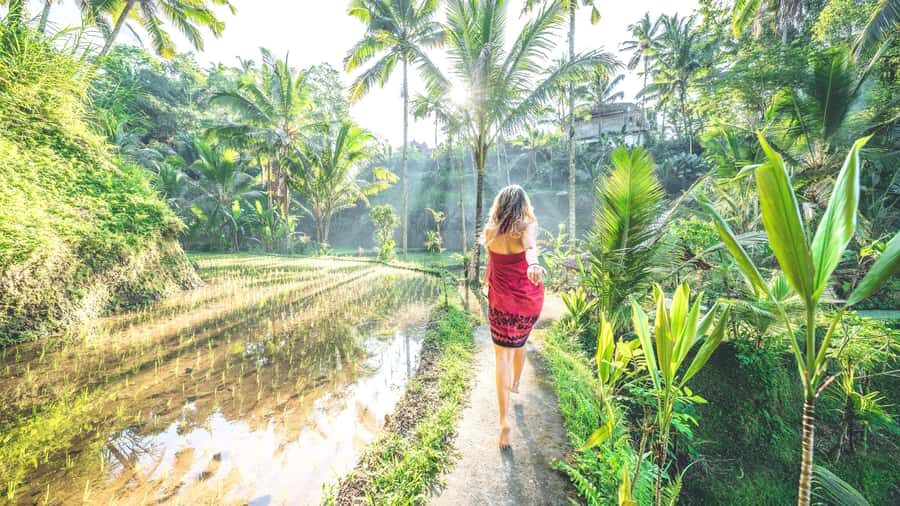
The final big visual moment is Tegalalang Rice Terrace, famous for dramatic, emerald-green terracing. You’ll get about an hour to explore with the guide and sightseeing time.
What makes this stop more than a pretty background:
- You’ll see how the subak irrigation system works as part of local agriculture.
- You can walk along narrow paths between fields for photos and viewpoints over the valley.
If you want the best photos, bring your patience. This is one of those places where the best angle often means walking a bit further than you planned.
And yes, there’s usually time to grab a coffee at a viewpoint. Some guides also suggest a local coffee plantation experience (like tasting coffee), depending on the flow of the day. If you’re curious, ask your guide what fits the schedule.
Price and Value: Is $27 Worth It?
At $27 per person for a full-day outing (about 8 hours), this is strong value because you’re bundling real costs:
- Hotel pickup and drop-off
- Guided tour
- Bottled water
- Parking fees
- Optional inclusion of entrance tickets (if you choose the ticket option)
- Optional lunch (if you choose ticket + lunch option)
Individually, entrance tickets plus transport around Ubud can climb quickly. Here, you pay one upfront price and get a structured route.
The only money-smart caution: entrance tickets and lunch depend on the option you pick. If you choose the cheaper option without tickets, you can still buy at the destination, but it’s mostly IDR cash and credit cards are rare for tickets. Restaurants usually take cards, but tickets are more cash-oriented.
So the value math is easy:
- If you want less hassle, choose the option that includes tickets.
- If you’re okay with cash, the no-ticket option can work fine.
What to Bring (So You Don’t Regret It at Stop Three)
This day mixes wet and dry ground, plus cultural walking and photography. Pack like you mean it:
- Swimwear
- Change of clothes
- Towel
- Sandals (and water-friendly footwear for slick areas)
- Sunscreen
- Insect repellent
- Cash (especially if you didn’t select the ticket-included option)
One more tip: keep your bag organized. When you’re moving between waterfalls and temples, you don’t want to hunt for your towel in the middle of changing.
Rain, Stairs, and the Stuff You Can’t Control
Bali weather can change fast. The tour notes that it keeps going if it rains, with adjustments based on conditions. Umbrellas or ponchos are provided during rain.
Here’s what that means for you:
- Don’t assume the day will be canceled. Instead, expect the route and timing to flex.
- Bring a mindset for wet footing and slower walking.
- If one waterfall area is closed, your guide may adjust to keep you moving through the day.
Many people also choose the earliest departure times for a smoother experience. If you can, a morning start helps you reach waterfalls before they get busy, which is a big deal when you want space for photos and calm swims.
Who This Tour Is Best For
This tour fits best if you want:
- Multiple waterfalls in one day without renting a scooter
- Real time to swim at Tibumana
- A cultural stop at Gunung Kawi Sebatu plus the photo-heavy Tegalalang rice terraces
- A guided day that explains what you’re seeing (guides speak English, Indonesian, and Malay)
It’s also a good pick for families with kids who can handle stairs. Just be honest about walking comfort and wet surfaces.
If you’re the type who hates stairs entirely or expects a fully car-only day with zero hiking, you might feel friction here. But if you can manage short walks and stair steps, this tour is a very efficient way to see a lot of Bali’s Ubud-area highlights.
Final Call: Should You Book This Ubud Waterfalls Tour?
I’d book it if you want a structured, guided day that hits the big nature-and-culture combo: Tibumana swim, Tukad Cepung’s canyon feel, Kanto Lampo’s rock-step cascade, then Gunung Kawi Sebatu and Tegalalang Rice Terrace. The $27 price works because you’re paying for transport, guidance, and most of the day’s logistics in one package.
Skip it (or choose a different format) if you’re sensitive to stairs, or if you only want dry, easy strolls with minimal time outdoors. Otherwise, pack smart, take it slow on the wet sections, and you’ll leave with that rare feeling of having done a lot without it feeling rushed.
FAQ
How long is the Ubud waterfalls tour?
The duration is about 8 hours, but it can run longer depending on traffic and how quickly the group moves between stops.
Where does hotel pickup happen?
Pickup is available from multiple areas including Ubud, Sanur, Kuta, Seminyak, Canggu, Denpasar, Jimbaran, Uluwatu, and Nusa Dua.
What are the main stops on the tour?
You’ll visit Tukad Cepung Waterfall, Tibumana Waterfall, Kanto Lampo Waterfall, Pura Gunung Kawi Sebatu, and Tegalalang Rice Terrace.
Is swimming included?
Yes, the tour includes time for swimming at Tibumana Waterfall.
Are entrance tickets included in the price?
It depends on the option you select. If you choose the ticket option, entrance tickets are included. If not, you can buy tickets at the destination.
If tickets aren’t included, how do I pay for them?
Ticket purchases at the destination are mostly in IDR cash, and credit card payment is rare.
Is lunch included?
Lunch is included only if you choose the option that includes ticket and lunch.
What should I bring?
Bring swimwear, a change of clothes, a towel, sandals, sunscreen, insect repellent, and cash.
What happens if it rains?
The tour keeps going if it rains and may adjust based on conditions. Umbrellas or ponchos are provided.
What languages does the guide speak?
The live tour guide speaks English, Indonesian, and Malay.