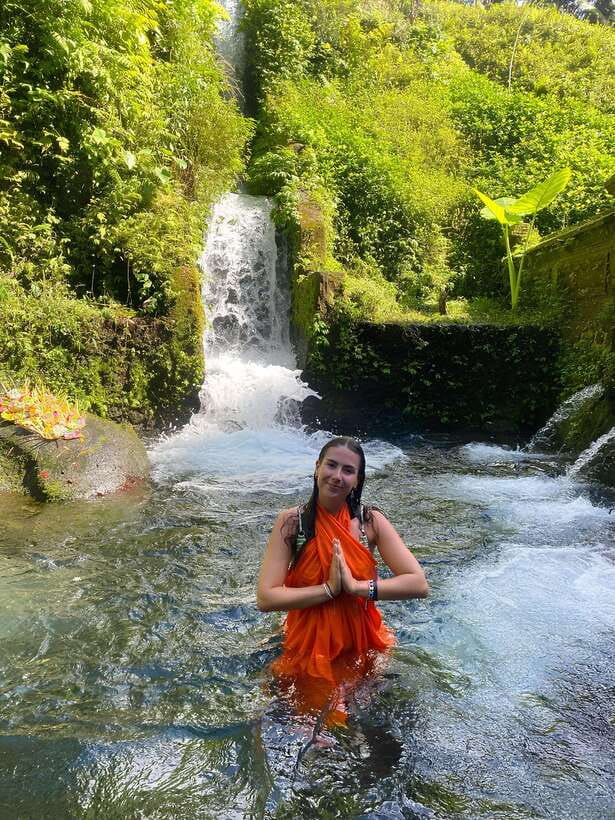
A ritual at a temple always beats a spa day. This Ubud experience focuses on melukat purification with a priest at Pura Mengening, plus a calm prep session before you get splashed with holy water. You’ll also have the chance to wear traditional outfits and follow along like locals do, not like you’re watching a performance.
Two things I really like about this: you get guided ceremony structure (meditation, then purification), and the optional coffee/tea stop adds a practical taste of Bali’s daily culture. One thing to plan around: if you’re a woman who’s menstruating, you can’t enter the temple.
In This Review
- Key things you’ll notice right away
- Why A Balinese Melukat Purification at Pura Mengening Feels Grounded
- The Meditation Session: Your Mental Warm-Up
- What Happens During the Melukat Ceremony (The Part With Holy Water)
- Dress Like You Mean It: Traditional Outfit and Temple Etiquette
- Important note for women
- How the Timing Works in Real Life (1–5 Hours)
- The Coffee and Tea Plantation Stop: Learning Without Making It Complicated
- Price and Value: Is $32 a Good Deal?
- Group Size, Guide Style, and Why It Matters
- What to Bring (So You’re Not Rushing Later)
- Who This Is Best For
- Should You Book This Melukat Ceremony at Pura Mengening?
- FAQ
- How long is the Ubud purification ceremony?
- What is included in the experience?
- Do I need to pay extra for the coffee and tea tasting?
- Is there an English-speaking guide?
- What should I bring for the ceremony?
- Can women who are menstruating enter the temple?
- Are meals included?
- Is the activity wheelchair accessible?
- What if I need to cancel?
Key things you’ll notice right away
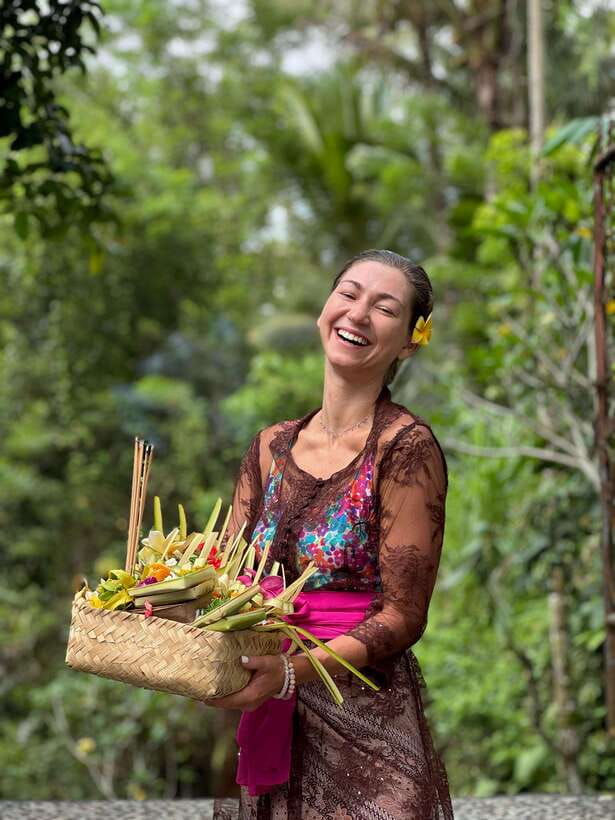
- Melukat at Pura Mengening: a traditional water purification ritual led by a local priest
- Meditation prep: you’ll slow down and focus before the holy water part
- Holy water purification: cleanse your body and mind using the ceremony’s process
- Traditional outfit time: dress to participate in a more respectful way
- Coffee/tea plantation option: taste and learn how Bali’s coffee and tea are made
Why A Balinese Melukat Purification at Pura Mengening Feels Grounded
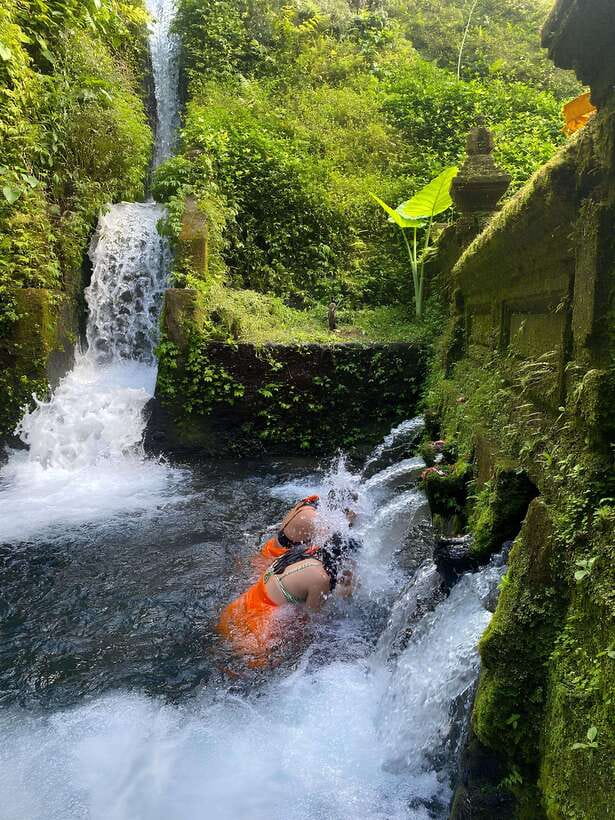
Melukat is one of those Balinese rituals that’s not about spectacle. The goal is protective and personal: you’re using water as part of a cleansing tradition meant to help clear negativity and reset your mindset.
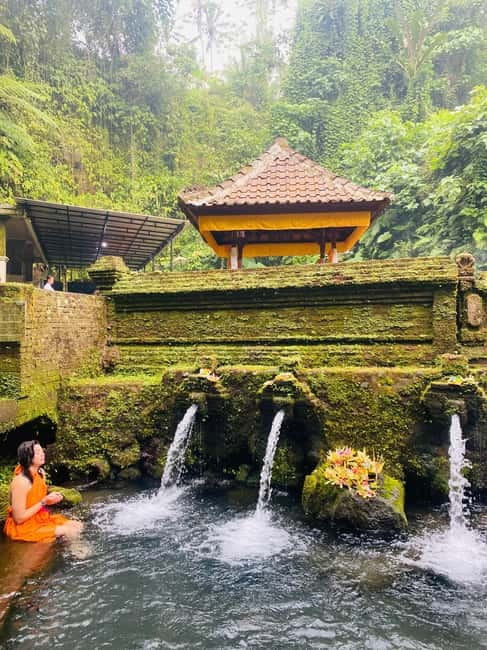
At Pura Mengening, the setting matters. Temple water rituals are tightly tied to belief and routine, so the experience feels structured rather than random. You’re not just getting a photo moment—you’re being guided through what the ritual is meant to do, step by step.
And it’s not only spiritual theater. You’ll also be guided on the cultural meaning of what you’re doing, including how people use these traditions to stay connected to their inner self and grounded in everyday life. For me, that context turns a short activity into something that sticks.
You can also read our reviews of more tours and experiences in Ubud.


The Meditation Session: Your Mental Warm-Up
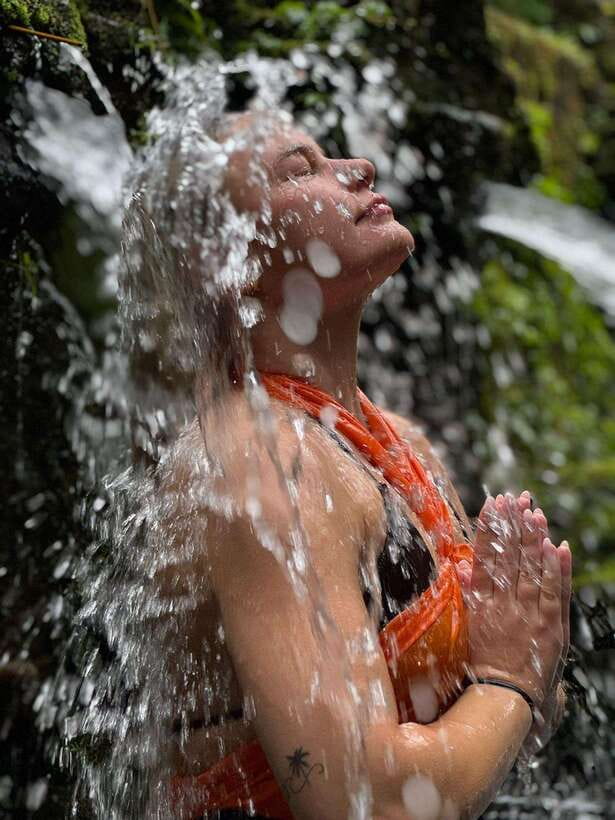
The ceremony starts with a meditation session. Think of it as a reset button. The idea is that you prepare your mind to receive blessings and to let go of unfavorable forces before you enter the purification part.
Practically, meditation also helps you handle the physical reality of the ritual. You’re going to be wearing appropriate clothing, possibly changing into temple-ready attire, and then using holy water. If you’re tense or rushing, it’s harder to stay present. The meditation gives you a moment to slow down and follow the guide’s pace.
This part is also a good fit if you’re not a hardcore meditation person. You’re not expected to be a monk. The point is readiness—calm attention, listening to instructions, and setting your intention.
What Happens During the Melukat Ceremony (The Part With Holy Water)
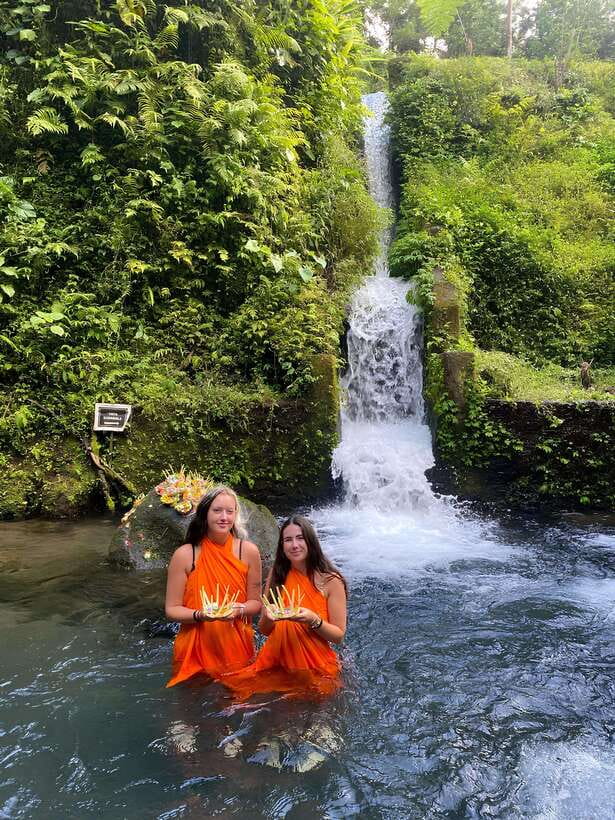
After meditation, you take part in the melukat ceremony. The focus is purification using holy water, with the guidance of a local priest and an English-speaking guide.
Here’s what you can expect in plain terms:
- You’ll receive instructions on how to participate respectfully.
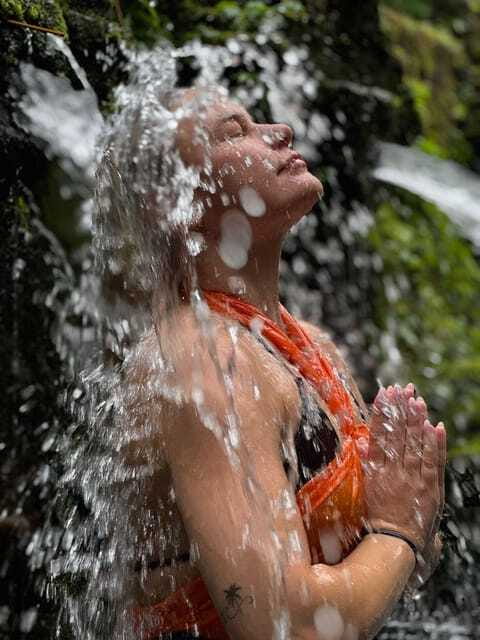
- You’ll use holy water as part of the cleansing process for your body and mind.
- The ritual is described as protection against negative forces and demonic influences.
That last part may sound intense, but it’s important to frame it correctly: in Balinese belief, ceremonies like this are meant to protect you and keep life balanced. Even if you come in curious rather than fully spiritual, the structure still gives the moment meaning. You’re not just standing near water—you’re taking part in a guided ritual with a purpose.
Dress Like You Mean It: Traditional Outfit and Temple Etiquette
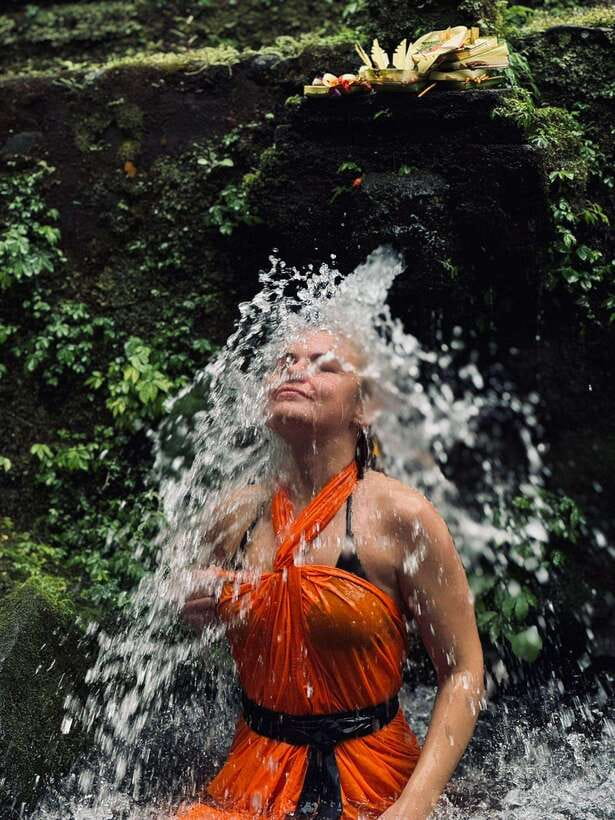
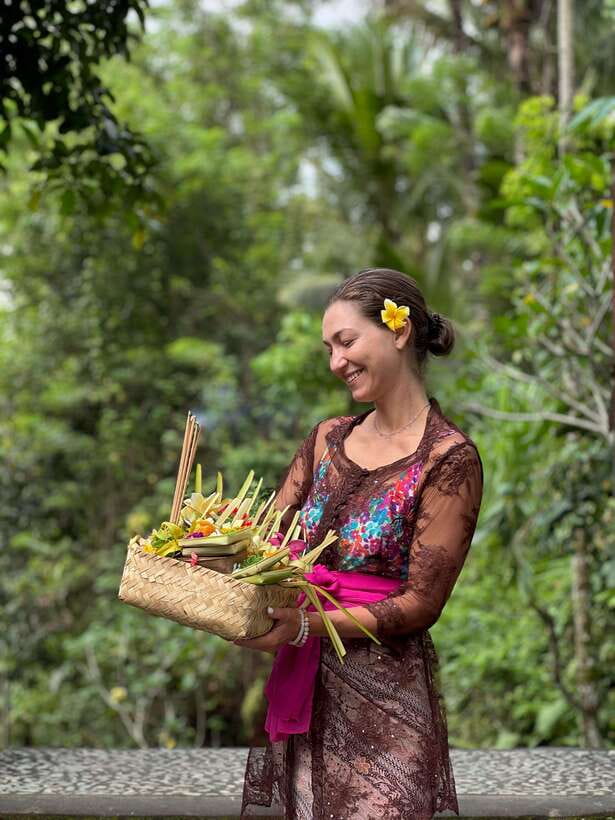
One of the best practical touches here is that you can enjoy wearing traditional outfits. It’s not just for fun. Temple rituals in Bali come with expectations about respect and readiness, and the outfit helps you show you’re participating, not sightseeing.
You’ll want to plan for water-ready clothing and fast changes. The activity recommends:
- swimwear
- a change of clothes
- a towel
- comfortable clothes
In other words: treat it like you’re going to a water ritual, not a museum visit. Bring what you need so you’re not stressed when it’s time to change, dry off, and move to the next part of the experience.
Important note for women
If you’re menstruating, you cannot enter the temple. That’s stated clearly for this activity, so check your timing before you book. If you’re close to your dates, consider building in buffer days.


How the Timing Works in Real Life (1–5 Hours)
The duration is listed as 1–5 hours, depending on starting times. That range matters, because you might be planning around dinner, a day of sightseeing in Ubud, or travel time.
Here’s a realistic way to think about it:
- You get picked up based on your selected option.
- You’ll have about an hour in Ubud sightseeing as part of the flow.
- Then you’ll go through the ceremony and return to Ubud.
Because the schedule can vary, I recommend you keep the rest of your day flexible. Even if you’re energized, you’ll likely want time after the ceremony to change clothes, dry off, and reset before your next plan.
The Coffee and Tea Plantation Stop: Learning Without Making It Complicated
After the ceremony, you have options to stop at a coffee plantation to taste coffee and tea and learn about the process of making them in Bali.
This is a smart pairing with the purification ritual. The temple part is about cleansing and mental reset. The plantation stop is about a very everyday Bali skill: how local products are grown and turned into what you taste.
Best-case scenario, you leave with two wins:
- You understand the basics of how coffee and tea are made in Bali.
- You get to taste (rather than just read about it).
Also, this option is described as free, which makes the whole outing feel like more value than a one-and-done ceremony. Just remember meals aren’t included, so if you’re hungry later, you’ll need to plan your own food stop.
Price and Value: Is $32 a Good Deal?
At $32 per person, this isn’t a luxury add-on. For that price, you’re paying for the guided melukat experience with a priest-led purification, plus a meditation session and holy water.
The value is strongest if you care about:
- a structured ritual with guidance (not self-guided water fun)
- cultural context, not just a quick dip
- small-group attention
The optional plantation tasting adds more value without pushing the cost higher. If you were already planning to do a coffee/tea stop in Ubud, this gives you a built-in plan rather than forcing you to tack it on later.
The one place value can wobble is if you’re expecting a long, multi-hour museum-style tour. This is more like a focused ritual day, not a full-day program with lots of stops. If you want a packed itinerary, you’ll likely want to pair it with other Ubud sights.
Group Size, Guide Style, and Why It Matters
This activity runs as a small group, and the guide is a live English-speaking guide. Small-group setups usually make a difference for temple rituals, because you need help with timing, respect, and following directions.
One detail worth noting: the experience includes an English guide named Putu, mentioned as an excellent, angel-like guide in feedback. That matters because your comfort level rises when instructions are clear and the guide explains what you’re doing.
Also, the temple site feels calmer than some alternatives. Less crowding helps you actually participate, stay present, and avoid getting rushed out of your moment.
What to Bring (So You’re Not Rushing Later)
Don’t show up thinking you can improvise everything. The recommended items are simple, but they’re the difference between smooth participation and scrambling:
- Swimwear (you’ll need it for the water portion)
- Change of clothes (you’ll want dry comfort afterward)
- Towel (basic but essential)
- Comfortable clothes (for the walkways and transitions)
A practical tip: pack your towel and change of clothes in a way you can access quickly. You’ll be glad you did when the ceremony shifts from meditation to holy water.
Who This Is Best For
This is a great match if:
- you want a traditional Balinese ritual in Ubud
- you like experiences with spiritual meaning and cultural context
- you prefer small groups and guided steps
- you’re also interested in Bali’s coffee and tea culture
It’s less ideal if:
- you’re looking for a purely entertainment-based attraction
- you don’t want to handle water and outfit changes
- you need a strict all-day schedule with lots of varied stops
It also has a clear eligibility note for temple entry when menstruation is involved, so plan accordingly.
Should You Book This Melukat Ceremony at Pura Mengening?
Yes, if you’re after a respectful, guided Balinese purification ritual with real cultural framing. The combination of meditation + priest-led melukat + holy water is the heart of the value, and the small-group feel helps keep it calm and manageable.
I’d say book it if you also want an extra bonus: the optional coffee and tea plantation tasting that adds a hands-on learning element. Just go in prepared with swimwear, a towel, and a change of clothes—and make sure you can legally and practically participate based on temple entry rules.
If that fits your travel style, this is the kind of Ubud experience that feels personal and grounded, not staged.
FAQ
How long is the Ubud purification ceremony?
The duration is listed as 1 to 5 hours. Starting times vary, so the exact length depends on when you book.
What is included in the experience?
It includes a guided melukat ceremony, a meditation session, holy water for purification, and options to visit a coffee plantation.
Do I need to pay extra for the coffee and tea tasting?
The coffee plantation option is described as free as part of the activity options.
Is there an English-speaking guide?
Yes. The tour includes a live guide in English.
What should I bring for the ceremony?
Bring swimwear, a change of clothes, a towel, and comfortable clothes suitable for water activities.
Can women who are menstruating enter the temple?
No. Women during menstruation cannot enter the temple.
Are meals included?
No. Meals are not included.
Is the activity wheelchair accessible?
Yes, it is listed as wheelchair accessible.
What if I need to cancel?
The activity offers free cancellation up to 24 hours in advance for a full refund.