A holy-water ritual beats a fancy spa. At Pura Mengening near Ubud, you’ll take part in a Balinese melukat purification with a local priest, after a calm meditation session. I love how personal it feels, especially when you go early and the place isn’t crowded, and I also like that English-speaking guide Merta Mesari explains what’s happening clearly.
The main thing to consider is practical: this is a water-in, water-out kind of experience. You’ll want a proper change of clothes and you should know that women who are menstruating cannot enter the temple.
In This Review
- Key moments that make this ceremony worth it
- Melukat at Pura Mengening: why this feels more real than a show
- What to wear at the temple: simple gear that prevents a miserable end
- Meditation first: you’ll feel the shift before the holy water
- The guided melukat ceremony at Pura Mengening: what participation really looks like
- After the temple: optional coffee and tea tasting (and how Bali makes it)
- Price and value: what $32 includes, and where you should plan ahead
- Who should book this, and who should think twice
- Practical tips so your day runs smoothly
- Should you book the melukat purification at Pura Mengening?
- FAQ
- Where does the ceremony take place?
- How much does it cost?
- What does the melukat ceremony involve?
- Is meditation included?
- What should I bring?
- Can women enter the temple during menstruation?
- What language is the tour conducted in?
- Are meals included?
- Is coffee and tea tasting part of the experience?
- Can I pay later or cancel if my plans change?
Key moments that make this ceremony worth it
- Melukat with holy water to cleanse body, mind, and soul, with a local priest guiding the flow
- Meditation before the ceremony so you’re mentally ready to let go of negative forces
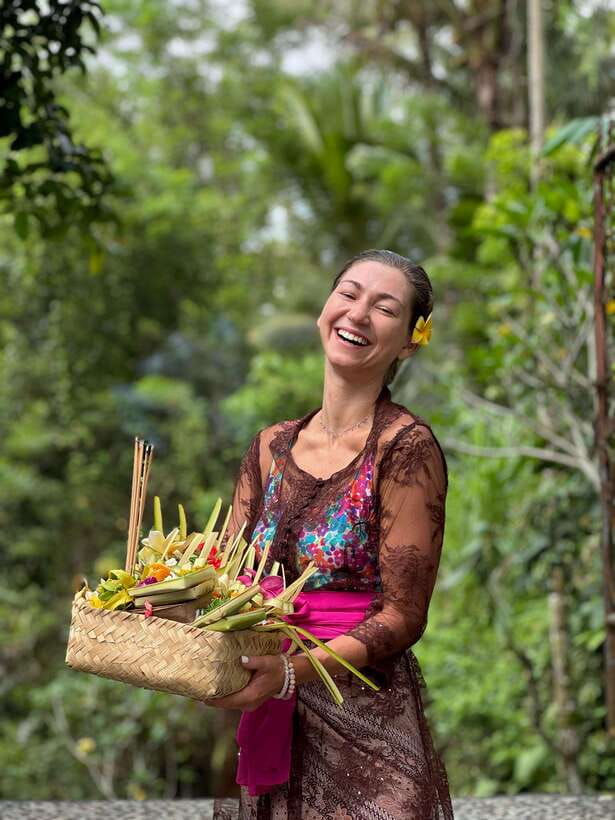
- Traditional outfit + prayer time so you participate like locals, not just watch
- Intimate feel, especially with an early start when it’s calmer
- Coffee and tea tasting option at a local plantation, plus a look at how Bali makes it
Melukat at Pura Mengening: why this feels more real than a show
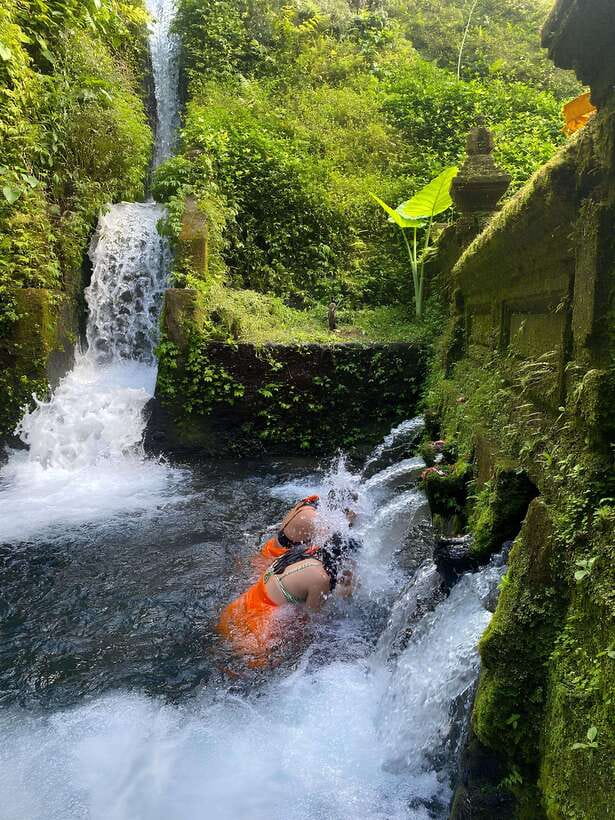
Bali has plenty of tours where you watch someone else do the meaningful part. This one flips that. You’re not there to admire a ceremony from the edge. You’re there to take part—guided, explained, and supported—so the purification isn’t just an idea. It’s something you physically do with your own body, in the temple space.
The center of it is the Balinese melukat ritual. The idea is to cleanse yourself from negativity and to protect you from threats tied to negative forces and demonic influences. That framing may sound intense at first, but it also explains why people treat the ritual as grounding: you’re trying to reset your inner state, not chase a souvenir feeling.
What I really appreciate is the balance. You get spirituality, but you also get structure. You’ll be guided step-by-step, and you’ll be told why each part matters. And because the guide is Merta Mesari and the tour is in English, you’re not stuck guessing what you’re supposed to do next.
You can also read our reviews of more tours and experiences in Ubud.


What to wear at the temple: simple gear that prevents a miserable end
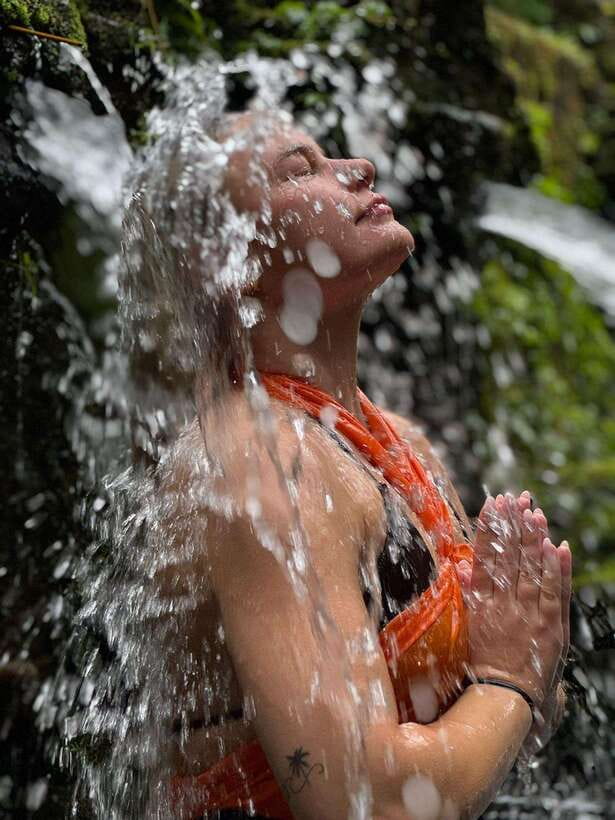
This is where most people either nail it—or end the experience feeling uncomfortable. The ritual uses water for purification, so plan for getting wet. Wear swimwear you can be comfortable moving in, then bring what you’ll need to change quickly after.
Here’s what you should pack based on what the experience expects:
- Swimwear
- A change of clothes
- A towel
- Comfortable clothes for before and after
Also note a key temple rule: women who are menstruating cannot enter the temple. If this might affect you, check it early so your day stays stress-free.
One more practical tip: wear clothes that are easy to rinse off or that dry fast. You don’t want to spend the rest of the afternoon adjusting damp fabric. Bali is warm, sure, but temples aren’t where you want to fight with zippers and thin fabric.
Meditation first: you’ll feel the shift before the holy water
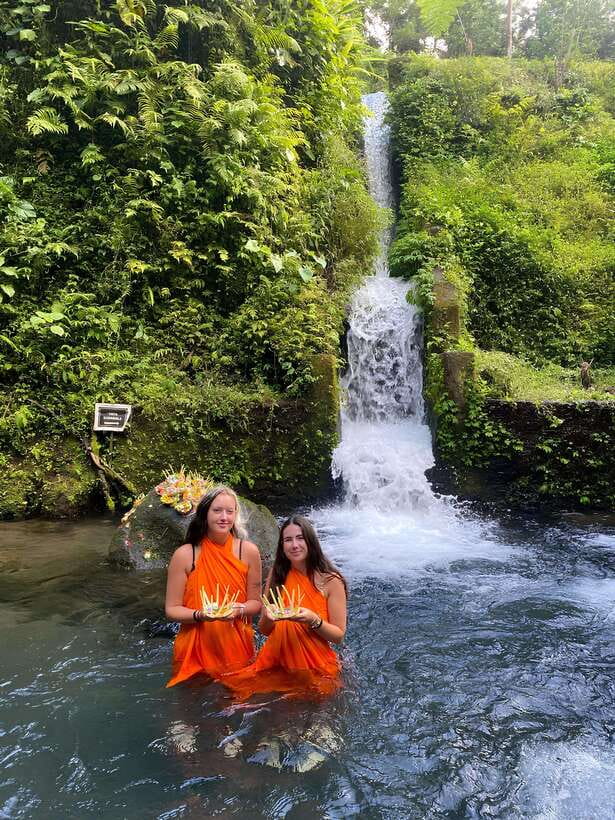
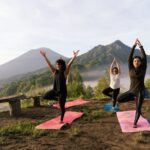
The ceremony doesn’t start with rushing straight into water. It begins with a meditation session meant to prepare your mind. The goal is simple: receive blessings with a calmer head and let go of unfavorable forces.
Even if you don’t consider yourself a meditation person, this part helps you move through the rest with less nervous energy. It also makes the ritual feel more coherent. Instead of treating melukat like a single action, you experience it as a process: settle, prepare, then purify.
This also matters because melukat is not just physical cleansing. The ceremony is described as purifying your heart and mind. Meditating first is how you set your attention for that.
And if you tend to get self-conscious, meditation can help. You’re not performing for photos or trying to look the right way. You’re focusing on being present.
The guided melukat ceremony at Pura Mengening: what participation really looks like
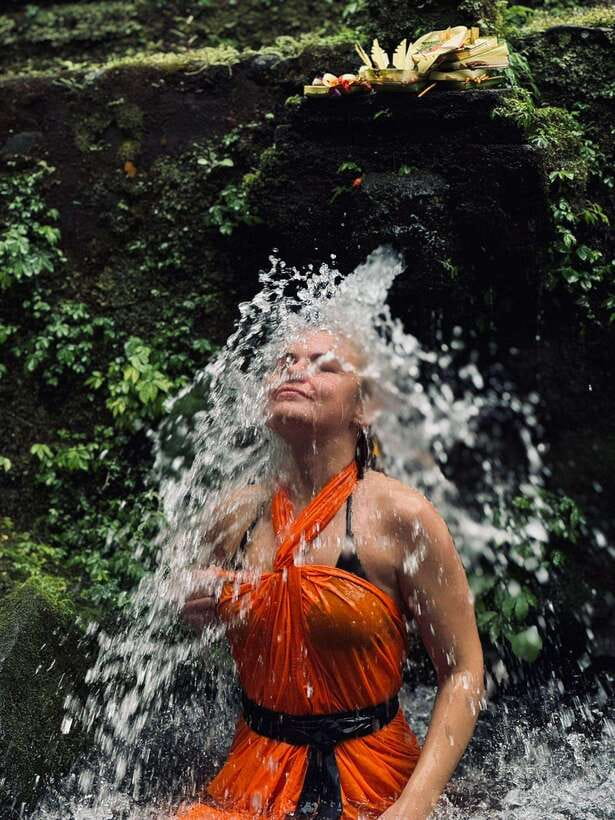
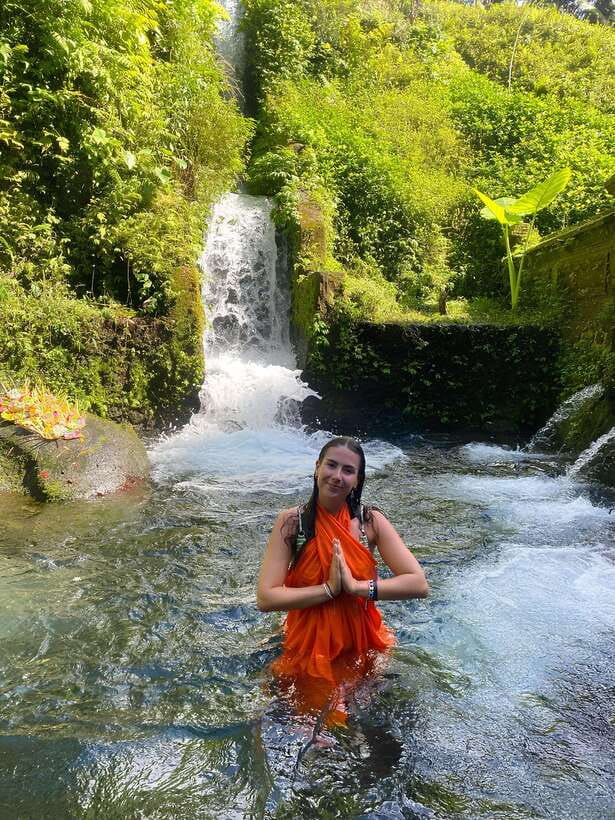
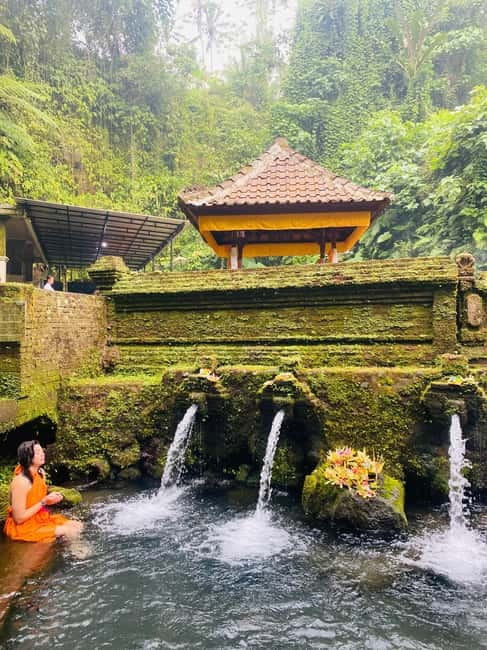
Once the prep is done, you’ll move into the heart of the experience: the melukat purification ceremony at Pura Mengening. You’ll work with a local priest and follow guided instructions. Holy water is used for cleansing, and prayers are part of the ritual.
A few details matter for understanding what to expect:
- You’ll be guided through the process rather than left to figure it out.
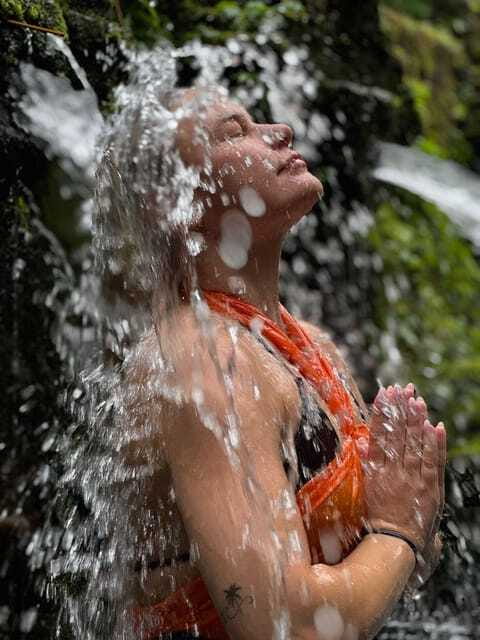
- You’ll cleanse your body, mind, and soul with holy water.
- You’ll also have time to wear traditional outfits and participate in prayer like local people.
If you’ve never done something like this before, the most helpful part is the explanation. The guide—again, Merta Mesari—is attentive and takes time to explain ceremony details. You can ask questions, and you won’t feel rushed. That matters because uncertainty can make you tense, and tension doesn’t pair well with a ritual meant to help you release.
About the setting: some people find the place surprisingly intimate. One reason is timing. If you can choose an earlier slot, you may find it calmer and easier to focus. A quieter environment helps you feel what’s happening rather than letting noise and crowds pull you out of your own head.
One more note: the ceremony’s purpose is described as protecting you from attacks by negative forces and demonic influences. Whether you interpret that literally or symbolically, the practical takeaway is the same: it’s a reset that encourages letting go of what weighs on you.
After the temple: optional coffee and tea tasting (and how Bali makes it)
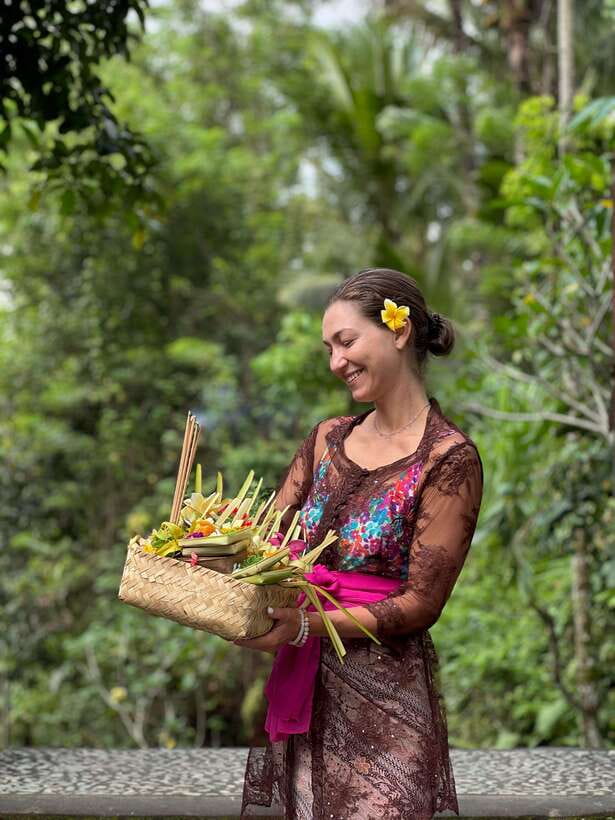
After the ceremony, you have an option to stop at a coffee plantation. This is not a random “tour bus drive-by.” It’s a chance to taste coffee and tea and learn about the process of making them in Bali.
The experience notes that this stop can be part of your included options, and it’s described as a free tasting experience. Even better, it’s linked to something local and everyday—Bali’s food-and-farm world—so it gives your day a natural, grounded finish after the spiritual start.
What you’re learning here is the pathway from plant to cup. You’ll get an overview of how coffee and tea are made in Bali, then you can taste along the way. If you’re the kind of traveler who likes meaningful stops without needing a long lecture, this works well.
Also, this segment is flexible in pace. If you want to keep the day calm after purification, you’re not forced into a big meal or a long schedule. If you want something social and sensory after the ceremony, the plantation stop fills that role.

Price and value: what $32 includes, and where you should plan ahead
At $32 per person, this is priced like an experience package that includes the key parts of the day. Based on what’s included, you’re getting:
- A guided melukat ceremony
- A meditation session
- Holy water for purification
- Options to visit a coffee plantation for tasting
What’s not included is meals. That’s the one “you’ll need to handle it” gap. So plan to eat before or after, and don’t count on a lunch being part of the experience.
Is $32 good value? For me, it comes down to whether you want the full structure: meditation + guided temple participation + priest-led purification + optional plantation learning. If you’re just looking for a quick photo moment, you’ll be paying for more than you use. But if you want the full ritual flow and you like having a guide explain what you’re doing, the price feels reasonable.
And the English component matters. When you can actually understand the steps and ask questions, the “value” isn’t just money—it’s how much you take away from the day.
Who should book this, and who should think twice
This experience is a strong match if you:
- Want an authentic cultural ritual where you participate, not just observe
- Like guided explanations, especially if you want to understand the why behind the what
- Enjoy calmer travel moments, especially when an early time helps keep the experience more intimate
It may not be ideal if:
- You’re uncomfortable getting wet and changing clothes right after
- You need temple access if you’re affected by the menstruation rule (women who are menstruating cannot enter)
- You’re seeking a fully secular experience with no spiritual framing at all
If you fall somewhere in the middle—curious but not sure—this is still worth considering. The meditation and guidance can lower the learning curve, and the ceremony itself gives you a clear, structured participation path.
Practical tips so your day runs smoothly
Here are the small choices that make a big difference:
- Bring a real towel. Don’t rely on a thin travel cloth if you can avoid it.
- Plan your clothes for after. You’ll want to feel comfortable quickly after the water part.
- If you care about a calmer atmosphere, aim for an earlier start when it’s likely less crowded and easier to focus.
- Come with questions. Merta Mesari’s job is to explain the ceremony details in English, and you can ask without trouble.
- Keep an open mind about the meaning. Even when you don’t share a belief, you can still respect a practice and experience the reset.
And yes, it’s okay if you don’t know exactly what to expect. That’s part of why guided participation matters.
Should you book the melukat purification at Pura Mengening?
If you want a structured Balinese ritual you can actually take part in—melukat with holy water, meditation to prepare, and clear English guidance—then I think this is a great booking. The price is fair for the amount of guided work included, and the option to end with coffee and tea tasting gives you a satisfying, local follow-up.
Book it if you’re ready for a water-based ceremony and you can follow the temple rule about entry. Skip it if you can’t handle getting wet, don’t have the right clothes, or you’re affected by the menstruation restriction.
If you want a day that mixes spiritual practice with practical guidance, this is one of the more grounded ways to experience Bali’s inner culture.
FAQ
Where does the ceremony take place?
The purification ceremony takes place at Pura Mengening in Bali (the experience is based in the Ubud area).
How much does it cost?
The price is $32 per person.
What does the melukat ceremony involve?
You take part in a traditional melukat purification ritual using holy water. The ceremony is described as cleansing your body, mind, and soul and protecting you from negativity and negative forces.
Is meditation included?
Yes. You’ll start with a meditation session to prepare your mind for the ceremony.
What should I bring?
Bring swimwear, a change of clothes, a towel, and comfortable clothes.
Can women enter the temple during menstruation?
No. Women who are menstruating cannot enter the temple.
What language is the tour conducted in?
The experience is available in English.
Are meals included?
No. Meals are not included.
Is coffee and tea tasting part of the experience?
A coffee and tea tasting is offered as an option, with a visit to a local coffee plantation.
Can I pay later or cancel if my plans change?
There’s a reserve & pay later option, and you can cancel up to 24 hours in advance for a full refund.