Ubud in one long, fun day. I like the clear mix of Tegalalang rice terraces and the Monkey Forest walk, where you get real countryside views and wildlife in one morning. I also like the cultural focus at Tirta Empul water temple, where you learn what the rituals mean and how to act respectfully. The one thing to plan around is that it’s a packed day: if it rains, waterfall swimming may not happen.
This tour is priced at about $19 per person and includes round-trip transfers from a wide set of areas plus an English-speaking driver and mineral water. You’re also choosing whether to include entrance tickets, so your final cost depends on that option. Bring swimwear, a change of clothes, and a towel, because you’ll likely get the chance to cool off at the falls.
In This Review
- Key Points You’ll Care About
- Ubud in a Single Day: Why This Route Works
- Price and What You Actually Get for $19
- Pickup, Timing, and How to Handle a 9–10 Hour Day
- Tirta Empul Water Temple: The Cultural Stop You’ll Remember
- Etiquette you need to know
- Coffee Plantation Break: Tea, Coffee, and a Useful Reset
- Sacred Monkey Forest Sanctuary: Fun, Fast, and Don’t Be That Person
- Tegalalang Rice Terraces: How to Walk Them Smart
- Ulu Petanu Waterfall: Swimming Plans and Rain Reality
- Private Guide Energy: What Makes This Tour Feel Personal
- What to Pack: Swimwear, a Towel, and Temple-Safe Clothing
- Who This Tour Fits Best (and Who Might Want Something Else)
- Should You Book This Ubud Rice Terrace, Monkey Forest, Temple & Waterfall Tour?
- FAQ
- FAQ
- What places will I visit on this Ubud day tour?
- How long is the tour?
- Is pickup included, and where does it start?
- Do I need entrance tickets?
- Is lunch included?
- What should I bring for the day?
- Can I enter the temples if I’m menstruating?
- What’s the cancellation and payment flexibility?
Key Points You’ll Care About
- Private transport with AC keeps the long day comfortable, especially between sites.
- Tirta Empul Water Temple gives you more than photos—there’s a guided, cultural walkthrough.
- Coffee plantation tea and coffee tasting adds a break that feels local, not touristy.
- Tegalalang rice terraces are worth slowing down for, with a guided walk to help you pick viewpoints.
- Monkey Forest timing matters so you can enjoy the sanctuary without feeling rushed.
Ubud in a Single Day: Why This Route Works
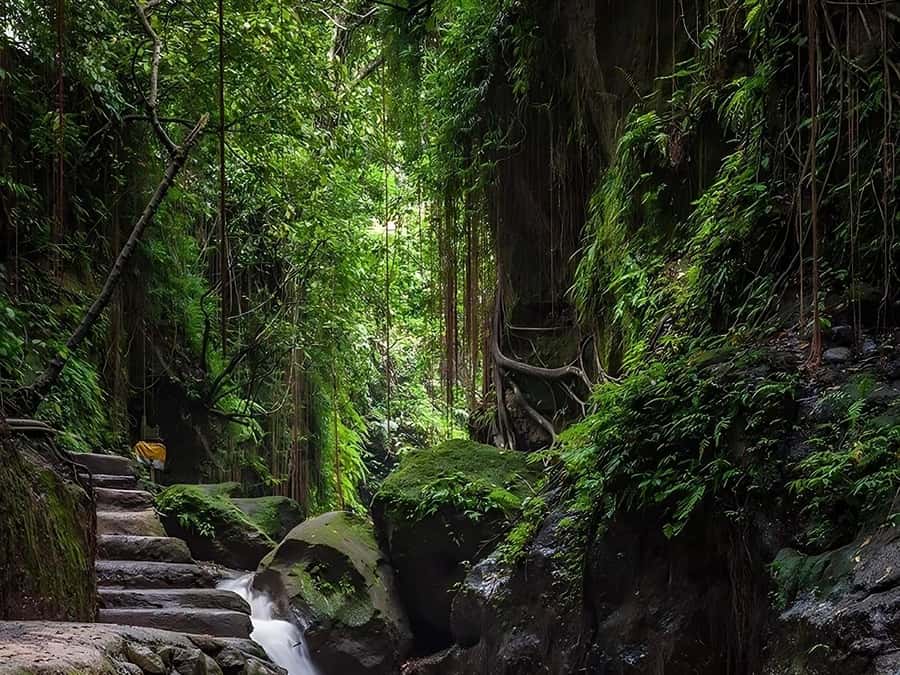
Ubud can eat your schedule. Between temples, terraces, and waterfalls, it’s easy to spend an entire vacation just getting around. This day plan avoids that trap by clustering the best-known Ubud experiences into a single, logical loop. You get culture, countryside, animals, and water—without needing to rent a scooter or play route-planning roulette.
What makes it work for you is the pacing. The stops aren’t just drive-bys. You get guided time at the temple and sanctuary, plus dedicated wandering time where you can go at your own speed. That matters, because Ubud is one of those places where sometimes the best part is taking a slow look—watching workers in the terraces or noticing details you’d miss at full speed.
And because it’s a private or small-group style tour, you’re not trapped in a one-size-fits-all pace. You can ask questions, adjust your walking rhythm, and get the benefit of an English-speaking guide—useful when you want real context, not just a caption.
You can also read our reviews of more tours and experiences in Canggu.


Price and What You Actually Get for $19
At around $19 per person, the big value comes from what’s included before you even count sights. You get round-trip transfers from areas like Ubud, Canggu, Sanur, Seminyak, Kuta, Legian, Nusa Dua, and Jimbaran (and there are pickup/drop-off options connected to Ubud and nearby areas). You also get a private, comfortable AC car, an English-speaking driver, mineral water, and parking fees.
Entrance fees are the main variable. If you choose the option that includes entry tickets, you’ll handle less at each site. If you select the option that excludes entrance tickets, you’ll pay those separately on the ground. Either way, you’re not paying for a taxi ride at the end of the day, and that’s where a low base price starts to make sense.
Lunch isn’t included, but there’s time to stop for it at a restaurant along the way. If you’re trying to keep costs down, plan to eat at a straightforward spot during the provided break time rather than hunting for food on your own between short stops.
Pickup, Timing, and How to Handle a 9–10 Hour Day
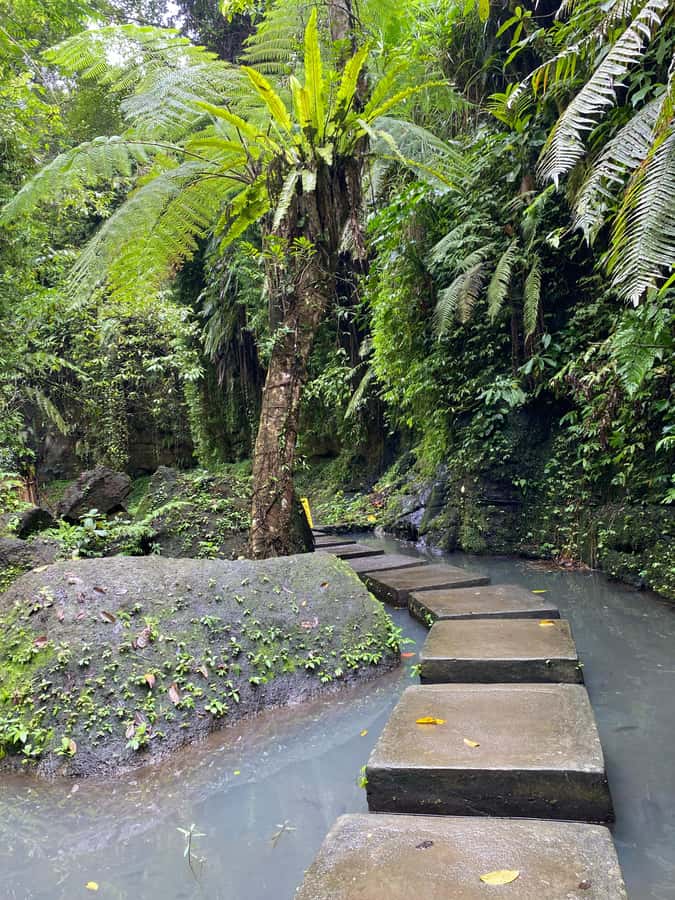
The tour runs about 9–10 hours, which is long enough to feel like a full day but short enough that you’ll still have evening energy if you pace yourself. Expect a morning start with pickup from your chosen area, then travel between sites in an AC car. There’s also a pass-by period around Ubud, which is helpful if it’s your first day in town—you can start learning the geography immediately.
Practical tip: start with a light day pack. You’ll want easy access to swimwear once you know you’re heading toward the waterfall. If you wear a cover-up you can quickly adjust in and out of, you’ll lose less time when it’s time to change.
Also, think about the weather. One of the biggest “gotchas” is that the day can go from swim-friendly to just looking pretty, depending on rain. If it’s wet, do what you’d do anywhere: wear footwear with grip and accept that slipping is no joke on temple grounds and terrace steps.
Tirta Empul Water Temple: The Cultural Stop You’ll Remember
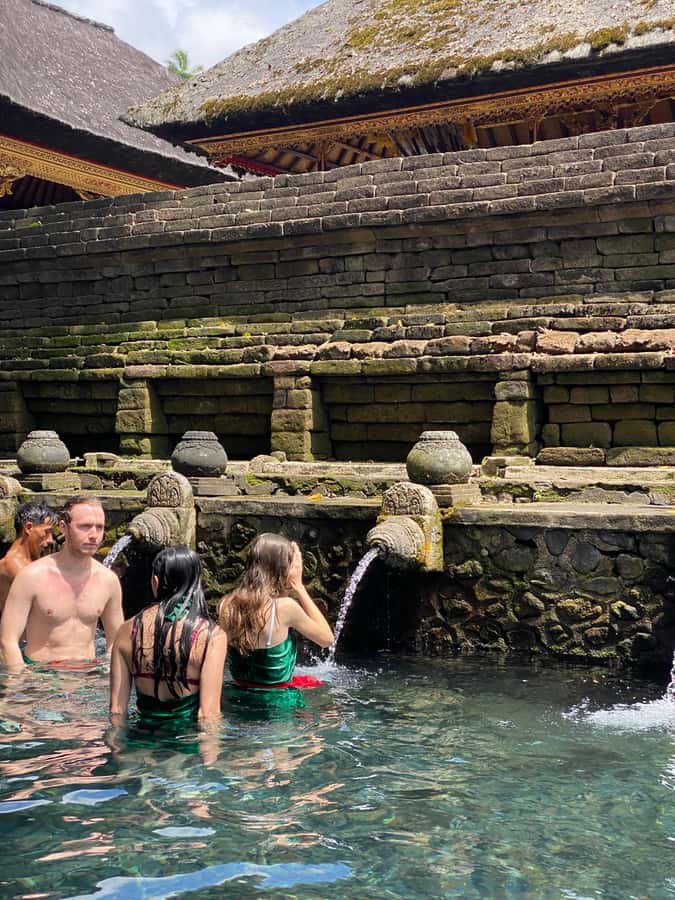
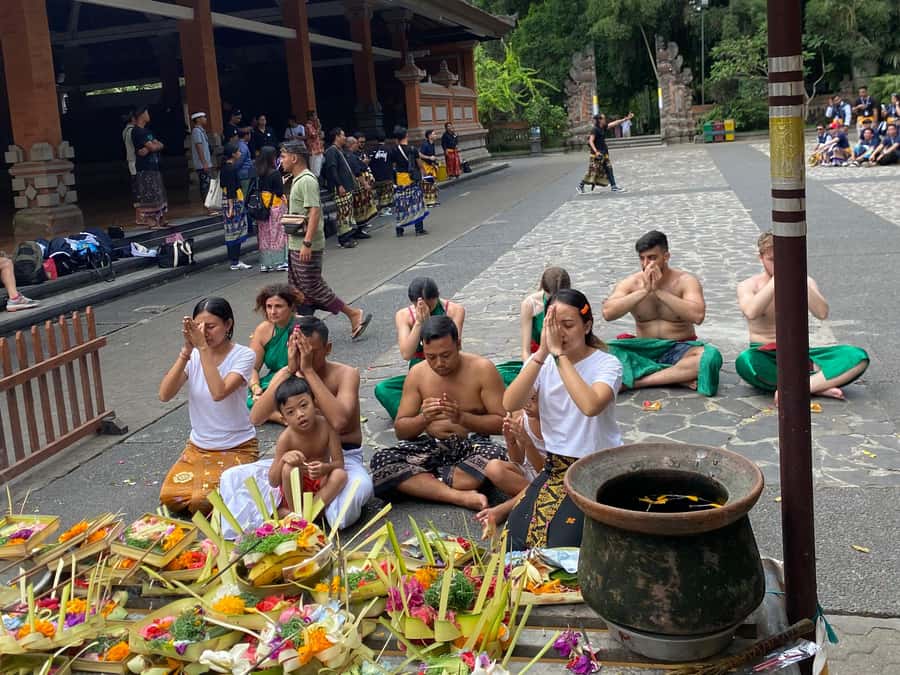
Tirta Empul is where the tour earns its name as a water temple visit. This is not just a pretty building by a pond. It’s a sacred place where people come for ritual bathing, and the guided portion helps you understand what you’re seeing and how to behave.
You’ll get a guided visit and time for sightseeing and walking, roughly around an hour. That guidance matters because temples can be confusing for first-timers: where to stand, when to move, what not to do, and how to respect the space. A good guide helps you keep your head down and your questions up.
Etiquette you need to know
There’s one rule you should take seriously: due to religious customs, people who are actively menstruating are not permitted to enter temple areas. If that applies to you or anyone in your group, you’ll want to plan around it before you go.
If you’re not affected by that rule, still treat the site like a place you’d act respectfully in at home. Keep your voice lower than you think you need, watch where you step, and don’t assume every angle is a photo zone.






Coffee Plantation Break: Tea, Coffee, and a Useful Reset
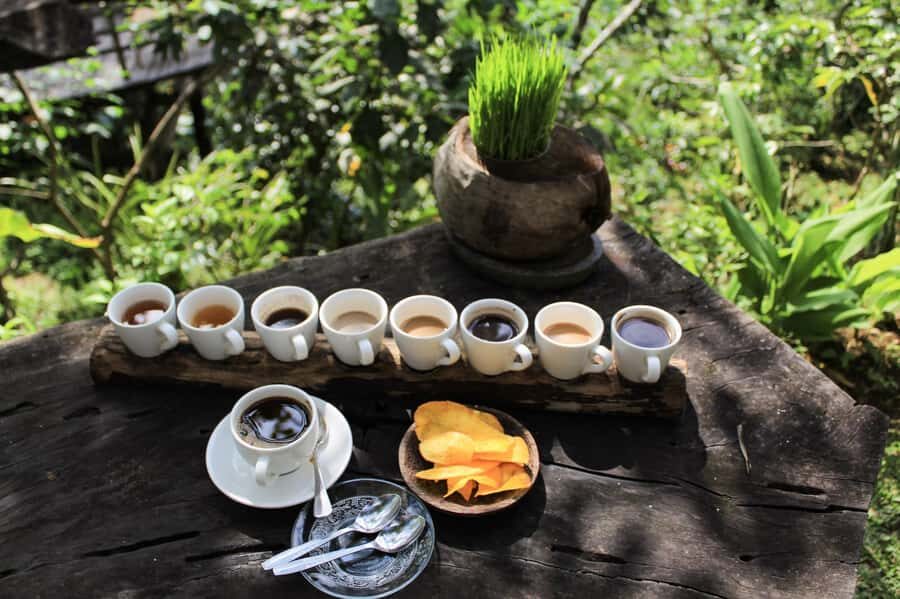
After temples and walking, you’ll appreciate the breath of time at the coffee plantation stop. You get a break, guided tour, tea and coffee, and a coffee tasting period of about 45 minutes. This is a practical recharge: your legs cool down, your brain resets, and you get some cultural context around how coffee is grown and processed on the island.
The tasting part is also a good reality check. You can learn what you’re tasting, what’s made into what, and how local production works. And if you’re not a coffee person, the included tea tasting is an easy way to still take part without feeling like you must drink a lot.
If you’re sensitive to caffeine, pace yourself. It’s tempting to try everything, but you’ll still have Monkey Forest and terraces later. Save your big caffeine moment for the last part of the day if you want to stay relaxed.
Sacred Monkey Forest Sanctuary: Fun, Fast, and Don’t Be That Person
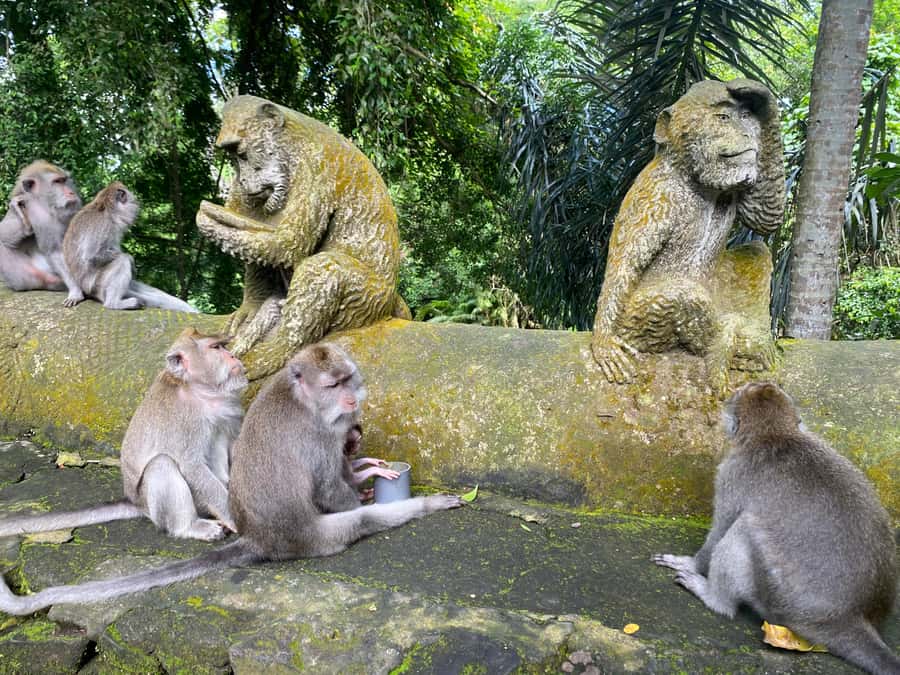
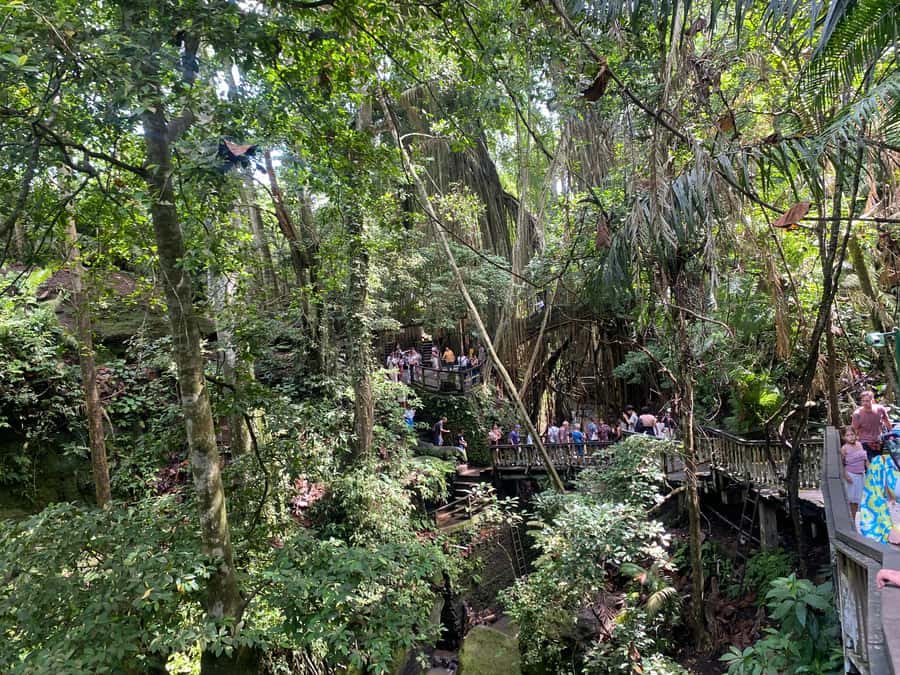
The Sacred Monkey Forest Sanctuary is one of the most entertaining stops in Ubud. You’ll spend around an hour with a guided visit and time to explore with help if you have questions.
Here’s what’s useful about going with a guide: you get behavioral tips quickly. Monkeys are curious, and they can be bold. The goal is simple: don’t feed them, don’t tease them, and don’t assume your things are safe just because you’re holding them.
A helpful mindset for you:
- keep valuables zipped or controlled
- avoid sudden moves around monkeys
- watch your footing on uneven paths
One of the best feelings here is that it’s not just a photo mission. Even if you’re not trying to get the perfect shot, you can enjoy the shade, the forest sounds, and the way the guide points out what’s going on in the trees.
Tegalalang Rice Terraces: How to Walk Them Smart
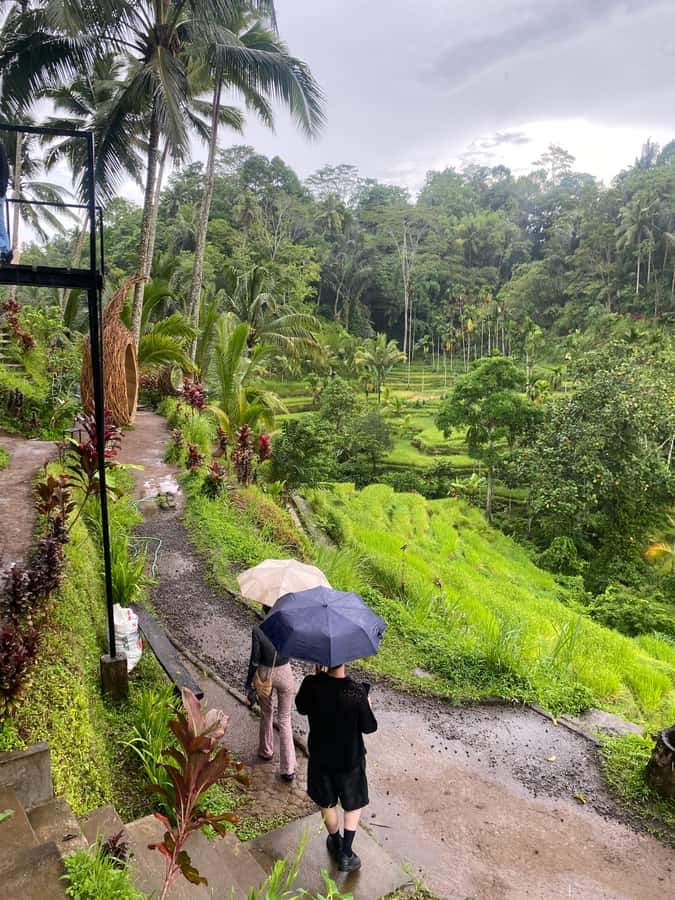
Tegalalang rice terraces are the star backdrop for a reason. But what you’ll enjoy most isn’t the postcard view—it’s the walk itself. You’ll get a visit with guided tour and sightseeing time, and you can take your pace seriously here because this is where your photos will come from.
Why a guide helps: rice terraces are layered, and it’s easy to waste time wandering into the wrong spots. With guidance, you’re more likely to end up in viewing areas that make sense for the light and the walking path. Plus, you’ll hear explanations about how the terraces connect to daily life and farming traditions in this part of Bali.
If you want a small “do this” tip: slow down at the edges. Step back from the closest railing area and look across multiple layers. That’s when the whole scale shows up—not just a strip of green.
Ulu Petanu Waterfall: Swimming Plans and Rain Reality
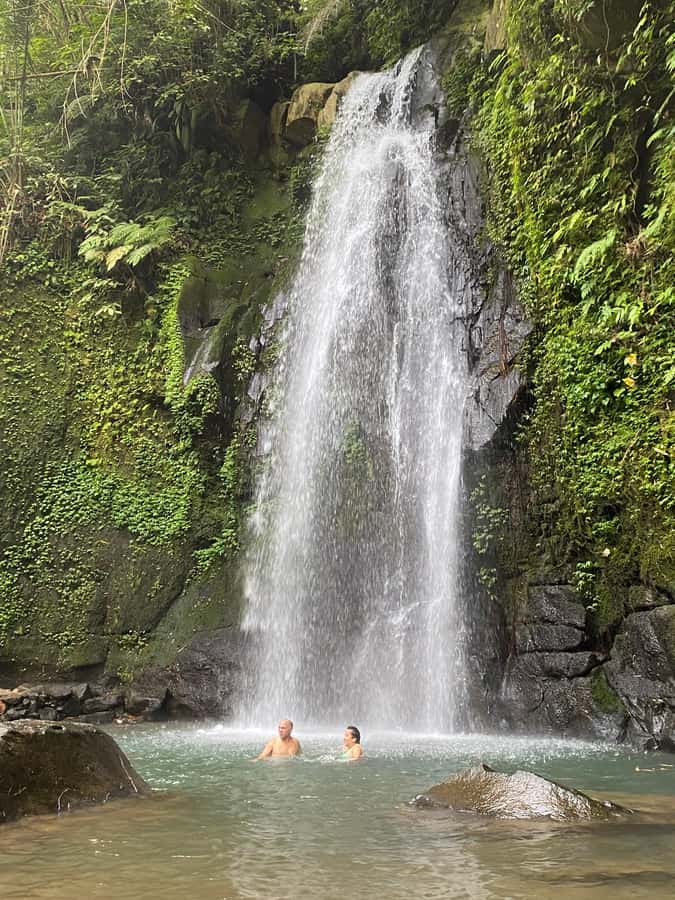
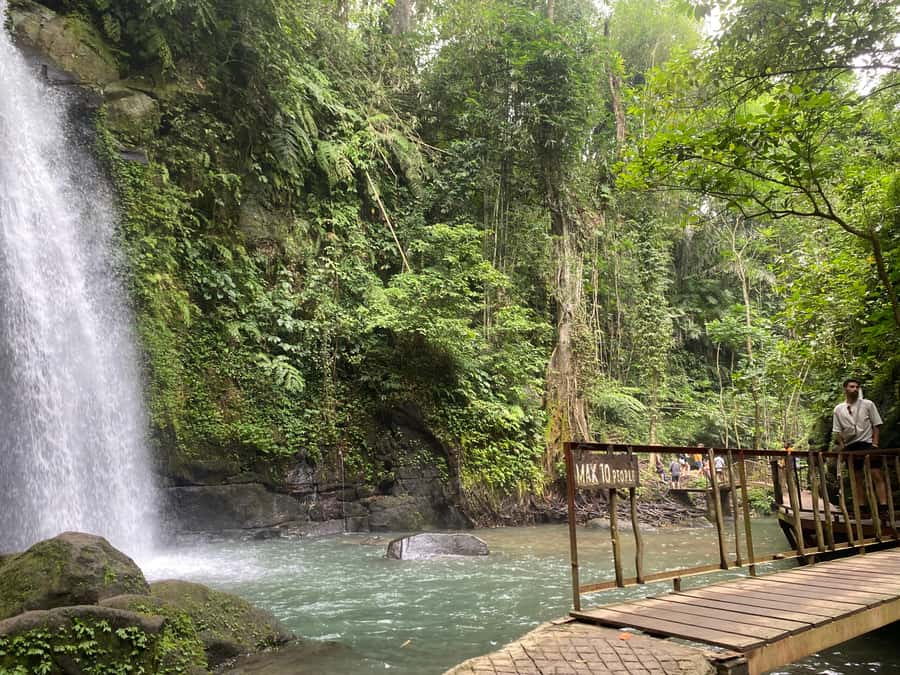
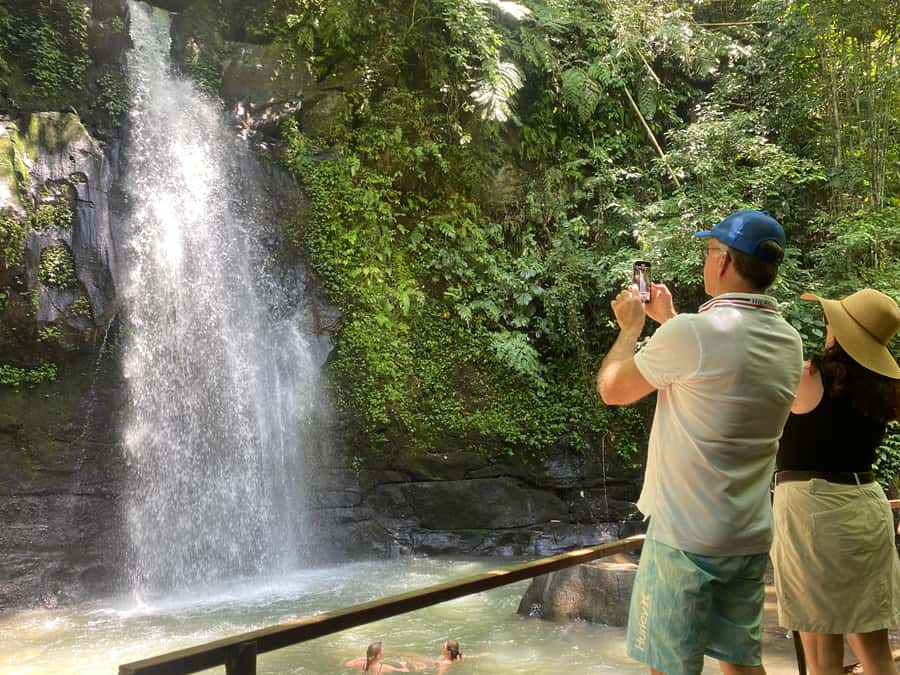
Your final water stop is Ulu Petanu waterfall. You’ll have time to relax or swim, with a visit and sightseeing window of about one hour and a break included.
This is the part where your day can swing from great to “pretty but wet.” If it rains heavily, swimming might not be possible, even if the waterfall is still beautiful. That’s not a failure of the tour—it’s just weather and safety. So I suggest bringing your swimwear anyway, then adjusting your expectations if the conditions look unsafe.
For photos, rain can actually be a plus. For comfort, it can be a hassle. Dry your camera gear as best you can, and keep a towel handy for the post-water part.
And here’s the practical win: having changed clothes ready means you can enjoy the later drive without feeling gross. You’ll thank yourself later.
Private Guide Energy: What Makes This Tour Feel Personal
The quality of a day like this lives or dies with the guide. In this experience, you’re likely to feel the difference fast—because you’re not just being shuffled from point A to point B.
The local guide names you may be assigned show up for a reason. People mention guides such as Romy, Wayan, Komang, Ketut, and Numan for friendly communication, good English, and smart pacing. What stands out in the way they’re described is how they read your energy: if you want to walk on your own for a bit, they’ll give you space without disappearing. If you want extra context, they’ll fill in the gaps.
This matters at all the right times:
- at Tirta Empul, where you need to understand what you’re seeing
- at Monkey Forest, where behavior can affect your experience
- at coffee tasting, where the explanation makes the flavors click
- at terraces, where the best views take a bit of guidance
So if you love asking questions and want your day tailored to your pace, this format is a real advantage.
What to Pack: Swimwear, a Towel, and Temple-Safe Clothing
You already know Bali is warm, but your day includes different surfaces and activities. Pack for variety.
Bring:
- Swimwear
- a change of clothes
- a towel
Wear shoes that grip well for temple walkways and terrace paths. Avoid anything that’s too slippery. Also think about cover-up clothing for temple areas—if you’re uncomfortable, you’ll end up rushing and missing the point.
If rain hits, dry gear becomes your best friend. Even if the waterfall stop is still on, you’ll feel better after you’ve had a quick towel-and-change moment.
Who This Tour Fits Best (and Who Might Want Something Else)
This tour is ideal if you want a big Ubud highlights day without stressful logistics. It’s especially good for:
- first-timers who want a guided introduction to temple and countryside
- people who don’t want to drive or figure out transport between multiple far-flung stops
- anyone who likes a mix of culture and nature in one outing
- travelers who prefer a private or small-group pace
You might want to think twice if:
- you hate long days on the move (this one is 9–10 hours)
- you’re relying on waterfall swimming no matter what (rain can change that)
- you’re looking for a super slow, lounging-focused Ubud day
Should You Book This Ubud Rice Terrace, Monkey Forest, Temple & Waterfall Tour?
If you want one day that gives you the classic Ubud package—temple culture, rice terraces, monkeys, coffee tasting, and waterfall time—this is a solid choice for the money. The included transport, AC comfort, mineral water, and English-speaking guide make it feel more like a local day out than a scramble.
Book it if you’re the type who enjoys learning while you look. The best moments here aren’t only the views. They’re the explanations at Tirta Empul and the guided pacing through Monkey Forest and Tegalalang, which help you get more out of each stop without wasting time.
Skip it or switch plans if you need flexibility for rain or you’re hoping for a relaxed, low-walking schedule. Weather is part of Bali, and this itinerary moves.
FAQ
FAQ
What places will I visit on this Ubud day tour?
You’ll visit Tirta Empul water temple, a Bali coffee plantation for tea and coffee tasting, the Sacred Monkey Forest Sanctuary, Tegalalang rice terraces, and Ulu Petanu waterfall. Transfers also include pickup and drop-off in Ubud and nearby areas.
How long is the tour?
The experience runs about 9–10 hours.
Is pickup included, and where does it start?
Pickup is included. It covers areas including Ubud, Kuta, Seminyak, Canggu, Legian, Jimbaran, Nusa Dua, and Sanur. There are also pickup options connected to Ubud, Gianyar, Bali, and Tegalalang.
Do I need entrance tickets?
Entrance fees are included only if you select the option that includes entry tickets. If you choose the option excluding entry tickets, you’ll pay entrance fees separately.
Is lunch included?
No. Lunch isn’t included, but there’s an opportunity to stop at a restaurant.
What should I bring for the day?
Bring swimwear, a change of clothes, and a towel, especially because the plan includes time at the waterfall.
Can I enter the temples if I’m menstruating?
The tour info notes that people who are actively menstruating are not permitted to visit temple entry due to religious customs.
What’s the cancellation and payment flexibility?
You can cancel up to 24 hours in advance for a full refund. You can also reserve now and pay later to keep your plans flexible.