A day in Bali with waterfalls and rituals.
This guided loop connects Tibumana and Tegenungan waterfalls, then shifts gears to the holy-water traditions at Tirta Empul before finishing with the famous Ubud rice terraces.
I especially like two things: you get a real, guided walk at the waterfalls (not just a stop-and-go photo), and you also spend time where people actually pray and make offerings at Tirta Empul. The itinerary also gives you a chance to try local coffee and tastings, then land at Tegallalang for scenery and Bali swing photo time.
One thing to think about: temple rules matter. Women on menstruation are forbidden from going into the temple areas, and entry tickets aren’t included in the price.
In This Review
- Key things to know before you go
- A day in Bali that strings waterfalls, temple ritual, and rice terraces together
- Pickup and private transport: how you keep the day comfortable
- Tegenungan Waterfall: viewpoints, close-up water energy, and a craft market
- Tibumana Waterfall: the swim-friendly, green-nature stop for photos and calm
- Tirta Empul holy water temple: a living tradition, not a staged show
- Coffee plantation visit: learn the process and taste local styles
- Tegallalang rice terrace and the Bali swing: classic Ubud views with guided photo help
- Lunch at Waroeng D’Yoni: your fuel stop for a full day outdoors
- Price and value: what $22 really buys you for a one-day loop
- Who this tour suits best (and who might want to adjust)
- Should you book this guided Bali day trip?
- FAQ
- Where do pickup and drop-off happen?
- What is included in the price?
- What is not included?
- How long is the tour?
- Do I need to bring anything?
- Is Tirta Empul included for everyone?
- What languages are the guides?
- How much walking should I expect?
- Is the tour refundable if plans change?
Key things to know before you go
- Friendly, chatty guides with good English are a big highlight, including guide names like Dika and Joe.
- Two waterfalls in one day means you’ll see different vibes: swim-and-green at Tibumana, and a busier, viewpoint feel at Tegenungan.
- Tirta Empul’s holy-water ritual is the cultural anchor of the day, including time to observe offerings and participate in washing where allowed.
- Coffee plantation tastings add a sensory break from the outdoor walking.
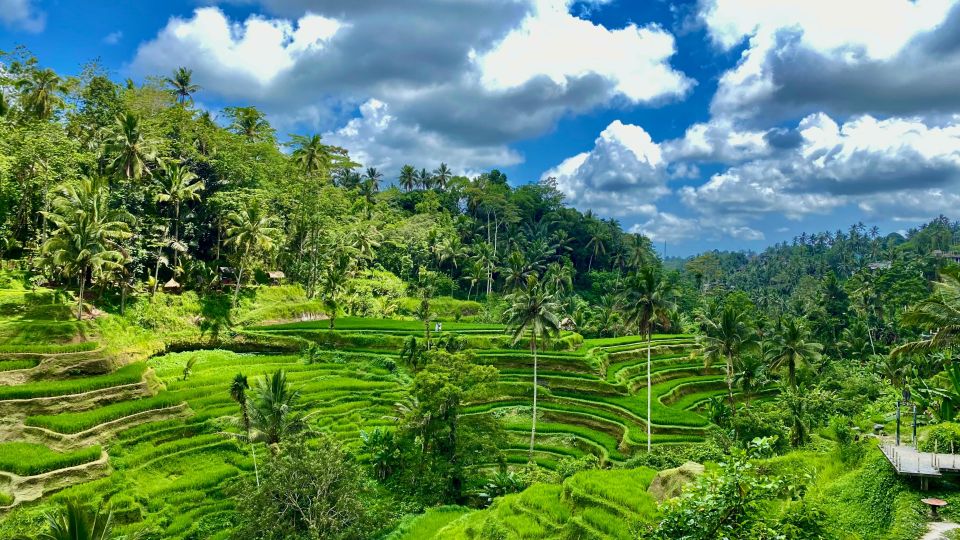
- Tegallalang rice terraces and swing give you the classic Ubud views, with guide help for photos.
- What’s included vs. not is clear: transport, guide, and parking are covered, but entry tickets and mineral water aren’t.
A day in Bali that strings waterfalls, temple ritual, and rice terraces together
This one-day Bali guided trip is built for people who want variety without feeling rushed in a chaotic way. You’ll hit two waterfall areas that each have their own personality, then switch to a temple with living Hindu practice you can watch in real time. After that, you get coffee tastings and the iconic Tegallalang rice terraces, including time for the swing and photos.
The best part is how the day flows. You’re not just collecting landmarks. You’re moving from nature to culture to food, and each section has a purpose: waterfalls for cooling and views, Tirta Empul for tradition, coffee for taste, and Tegallalang for the scenery most people picture when they think Ubud.
You can also read our reviews of more tours and experiences in Ubud.


Pickup and private transport: how you keep the day comfortable
You’ll start with pickup from several areas: Ubud, Semarapura, Sanur, Badung Regency, or Kuta (five options total). Drop-off options also match those regions, so you can plan your day without extra shuttling.
The tour includes private transport and a guide, plus parking fees. That matters because Bali traffic and parking can turn a “quick day trip” into a headache. With transport handled, your energy goes into the places themselves instead of the logistics.
Time on a one-day tour is always a tradeoff. You’ll walk at least a bit at each main stop (and you’ll want to, especially for photos and viewpoints). If you’re the kind of person who likes to linger, you’ll probably be happiest choosing this tour when you’re okay with a full day and not too much “empty time.”
Tegenungan Waterfall: viewpoints, close-up water energy, and a craft market
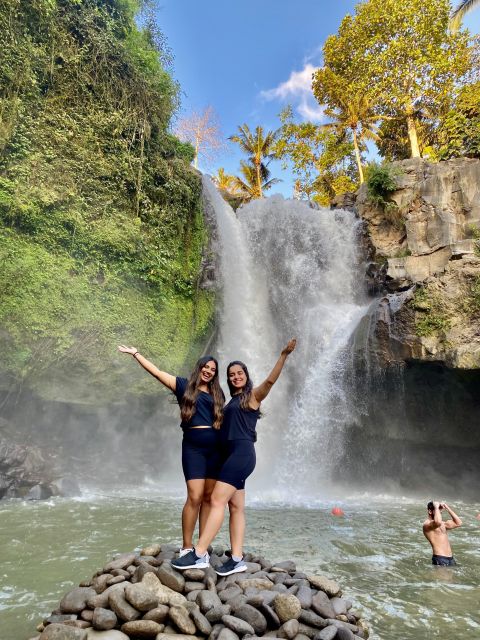
Tegenungan Waterfall is the first waterfall stop on the typical route. You’ll have about one hour here, including a guided visit and a walk.
Why Tegenungan works for a lot of first-timers: it’s close to Ubud compared to some of Bali’s more far-flung waterfalls, so you spend less time commuting and more time enjoying the site. You’ll get that classic cascade view, plus a sense of what it feels like to be near moving water and greenery.
A nice bonus is the local market area in the same region. The day gives you a chance to browse Balinese clothes, handicrafts, art paintings, and souvenirs. It’s a good moment to pick up small gifts without turning the whole trip into shopping time.
Practical tip: if you want photos with the waterfall as a backdrop, go earlier in your time slot if possible. It’s easier to frame shots and you’ll have a calmer experience as you walk toward the viewing spots.
Tibumana Waterfall: the swim-friendly, green-nature stop for photos and calm
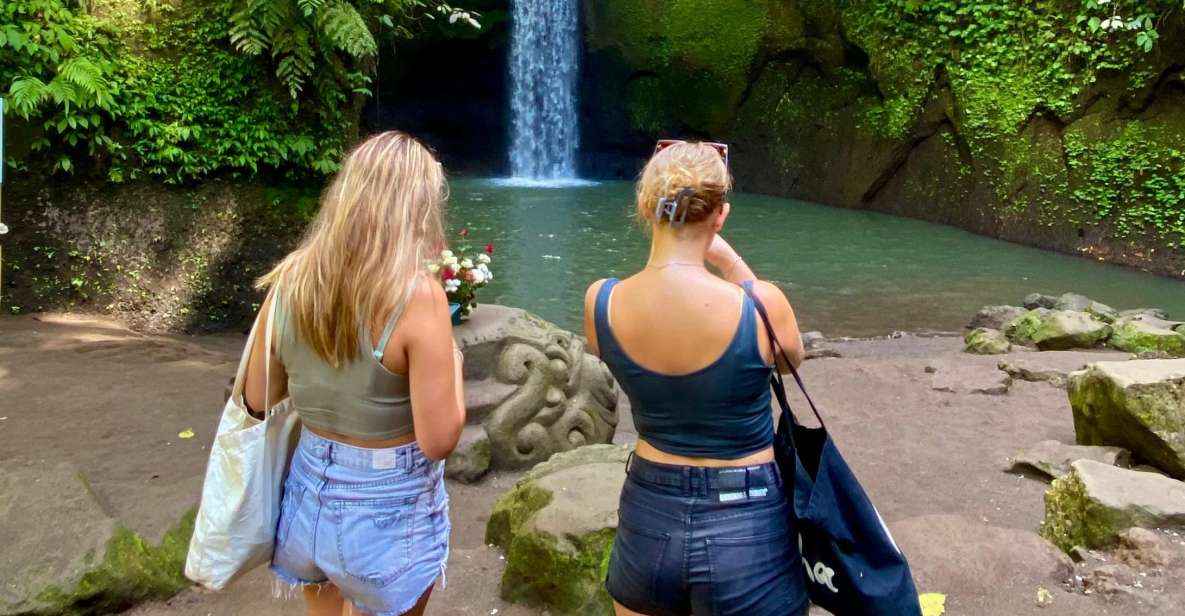
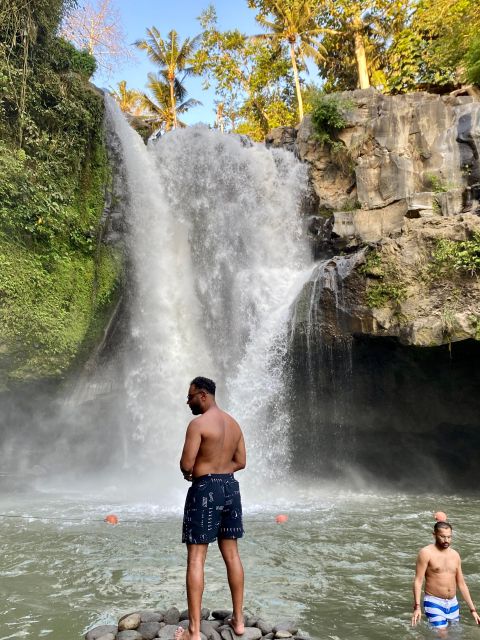
Next up is Tibumana Waterfall, another about one hour visit with a guided walk.
This is the more “green and fresh” waterfall stop on the route. You’ll be guided to an area with a lush feel, and you also have the option to swim and enjoy the waterfall with fresh water. That alone makes Tibumana different from many other waterfall tours where you mainly admire from the side.
If you like softer scenery and a more relaxed vibe, Tibumana is often the emotional high point of the day. It’s easier to feel like you’re actually escaping for a moment rather than just checking a box.
Photo tip: bring your towel (it’s required/recommended for the tour). Even if you don’t swim, you’ll still appreciate it after walking close to the spray. And if you want a clear shot, take a few test frames before you commit—your angle matters a lot with water movement.
Tirta Empul holy water temple: a living tradition, not a staged show
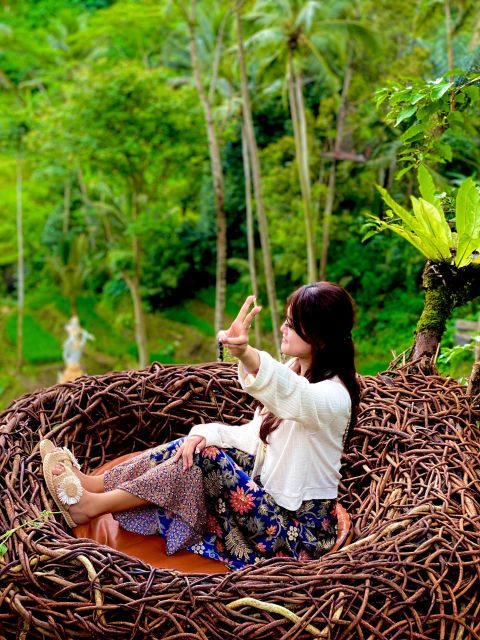
After the waterfalls, the trip shifts into culture at Tirta Empul (holy water Hindu temple). Expect about one hour here, including photos, a guided tour, shopping, and time around the arts and crafts market.
This temple stop is special because it’s about how people pray day to day. You’ll see offerings like canang (flower offerings), plus items such as Balinese cakes, candy, and incense sticks. The guide will also help you understand what you’re seeing, including how visitors approach the ritual.
One of the main activities is washing with holy water. The tour describes the tradition as using holy water for cleansing your body and your soul. So you’re not just looking at a building; you’re observing a meaningful practice and, where allowed, participating in the ritual.
Important rules: women on menstruation are forbidden from going to the temple areas. If that applies to you, you’ll need to plan around it with the guide before the visit so you’re not stuck mid-day trying to figure out alternatives.
Also keep in mind: temples often require respectful behavior (quiet voice, appropriate dress, and following the guide’s instructions). Even if you’re not there for religious reasons, you’ll enjoy it more by treating it like a real place of worship.


Coffee plantation visit: learn the process and taste local styles
Coffee plantation time is built in, so you’re not just outdoors and wet all day. You’ll visit a place with organic plants and learn how Balinese coffee—especially black coffee—is made.
You’ll get a guided explanation of the process and then you’ll have a chance to try and test different kinds of Balinese coffee and special tea. This is a good break because it resets your senses and gives you something you can bring home, like a favorite drink style or a better understanding of why coffee is part of Bali’s everyday food culture.
What to do if you want to get more value: ask the guide which drink pairs best with your taste (bitter vs. smooth, stronger vs. lighter). The tour setup usually means you’ll get a simple, friendly explanation—often enough to help you choose what you enjoy rather than just what’s offered first.
If you’re someone who hates long stops at “selling places,” don’t worry too much. You’re not being asked to commit to anything immediately. Your focus here is tasting and learning.
Tegallalang rice terrace and the Bali swing: classic Ubud views with guided photo help
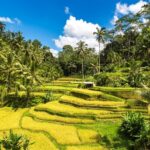
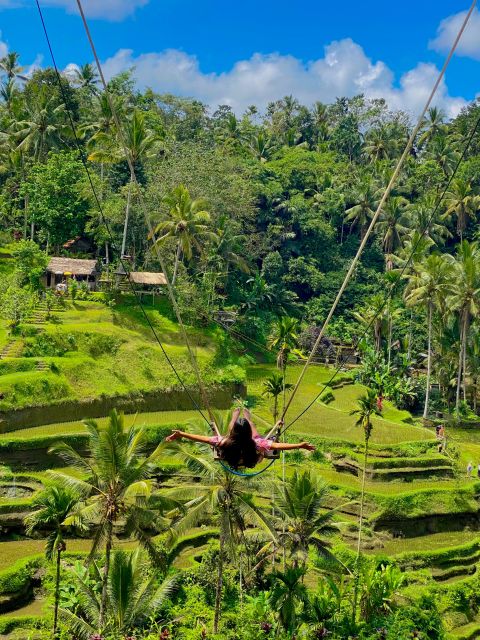
Then comes Tegallalang rice terrace in Ubud. This stop includes about one hour for a photo stop, visit, guided time, and free time for walking and scenic views along the way.
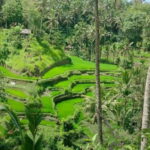
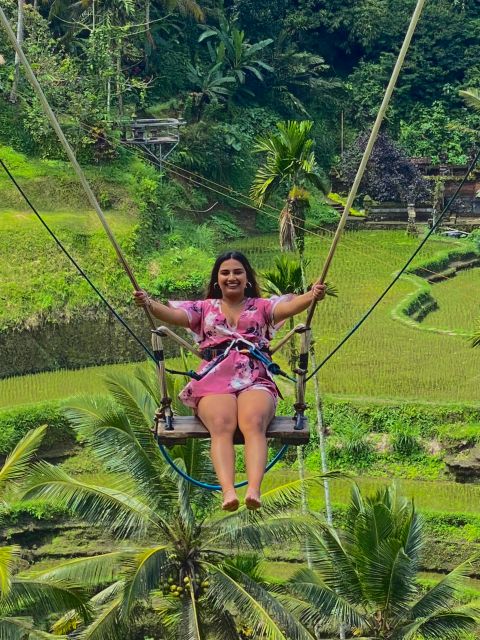
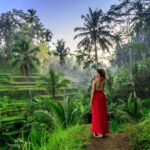
The Tegallalang terraces sit in a valley with wide green scenery, and the tour description points out that the area is known for standout terraced looks around Ubud. If you’re planning a first Bali trip, this is the kind of scenery that can make your camera roll explode.
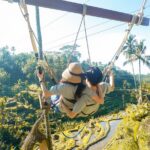
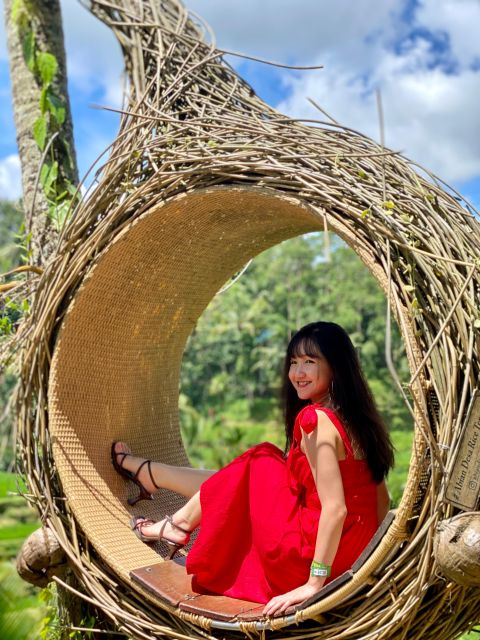
The tour also includes Bali swing time. Even if you’re not obsessed with activities, the swing is a practical way to get a high-angle shot of the terraces. Plus, the tour indicates the guide will help with photos during your moments.
A quick reality check: swings are fun, but they can be a little weather-dependent and a bit timing-dependent. If it’s busy, you may wait briefly. Plan your expectations around that and treat it as a photo-and-view moment, not your whole day.
Lunch at Waroeng D’Yoni: your fuel stop for a full day outdoors
Lunch is scheduled at Waroeng D’Yoni, with a break window that includes regional food and free time before you continue.
This is a smart placement in the itinerary. You’ve already walked in waterfall areas and temples by this point, so you’ll appreciate a real meal rather than grabbing a snack and pushing through on empty.
The tour framing suggests you’ll have a choice to try Balinese traditional food and drink. I like this approach because it lets you eat something you actually came for, not just generic “tourist food” everywhere.
What you should do: eat earlier rather than later in your lunch slot if you’re planning on using your rest time well. If you need a little calm before the rice terrace photos, a slower start to lunch can help.
Price and value: what $22 really buys you for a one-day loop
At $22 per person, this tour can feel like a bargain—especially because it includes pickup and drop-off, private transport, a guide, and parking.
The tradeoff is also clear: entry tickets aren’t included, and mineral water isn’t included. Entry fees at waterfalls/temples and other site costs can add up, so your total day cost depends on what you end up paying on arrival. Still, having transport and a guide handled usually saves time and stress, which is often the real hidden cost of DIY planning.
The biggest value piece is the guide. In the guide feedback, names like Dika and Joe show up with consistent praise for being friendly, chatty, and helpful—plus good English. That kind of communication matters at places like Tirta Empul, where understanding what you’re seeing changes the experience.
One more value note: the tour runs on a minimum booking of 2 people. If you’re traveling solo, you may need to find a travel partner or expect the organizer to group you with others so the minimum is met.
Who this tour suits best (and who might want to adjust)
This trip fits you if:
- You want one full day that covers waterfalls, temple culture, coffee tasting, and Ubud rice terrace scenery.
- You like having a guide so you can focus on photos and learning instead of reading maps and guessing where to walk.
- You’re okay with walking time—especially at each waterfall stop and the rice terrace area.
You might want to adjust your plan if:
- You need to avoid temple areas due to the menstruation rule.
- You prefer a lighter day with less time outdoors and fewer walking sections.
- You get easily annoyed by markets or shopping-adjacent areas. The itinerary does include a market and shopping time at Tirta Empul, plus browsing around Tegenungan’s local market area.
Should you book this guided Bali day trip?
If you want a straightforward, high-coverage Bali day—waterfalls plus a real temple ritual plus Ubud scenery—this tour is a solid choice. The balance of nature and culture is what makes it work, and the guide quality seems to be a strong point, with Dika and Joe specifically named for friendliness and English skills.
I’d book it if you’re traveling with at least one other person (because of the 2-person minimum) and you’re ready to bring a towel. If you’re sensitive to temple rules or you’d rather build your own day with less structure, you may want a more flexible option.
If your schedule is tight, also consider the logistics comfort: pickup from major areas and private transport reduce the stress that can eat half a day in Bali traffic.
One practical “do it right” move: plan to pay for entry tickets on the day and pack small cash for snacks or extra drinks, since mineral water isn’t included. Then you can enjoy the walking, the rituals, and the rice-terrace views without a surprise.
FAQ
Where do pickup and drop-off happen?
Pickup options include Ubud, Semarapura, Sanur, Badung Regency, and Kuta. Drop-off options include Badung Regency, Ubud, Kuta, Sanur, and Semarapura.
What is included in the price?
The tour includes hotel pickup and drop-off, private transport, a guide, and parking fees.
What is not included?
Entry tickets are not included, and mineral water is not included.
How long is the tour?
It’s a one-day experience (valid 1 day). Starting times depend on availability.
Do I need to bring anything?
You should bring a towel.
Is Tirta Empul included for everyone?
Women on menstruation are forbidden from going to the temple.
What languages are the guides?
The guide speaks English and Indonesian.
How much walking should I expect?
You’ll have guided walks at the waterfall stops (about one hour each) and time walking and browsing at other stops like Tirta Empul and the rice terrace area.
Is the tour refundable if plans change?
Free cancellation is available up to 24 hours in advance for a full refund.