Your day starts with flowers and ends with calm. In Ubud, this 6-hour soul retreat takes you from making canang sari to a holy-spring cleansing at Pura Mangening, where you learn simple mantra healing and leave with a blessed Tridatu bracelet. One possible drawback: temple rules affect who can participate, and you’ll get wet during the purification ritual.
I like that the day isn’t just sightseeing. You get hotel pickup and drop-off, an English live guide, and enough flexibility for your host to adjust the route to what you want to focus on (within reason), including time at an art-filled lunch spot after the sacred stops.
In This Review
- Key highlights worth planning around
- Why this Ubud spiritual day feels different from a typical temple tour
- Making Canang Sari: the first lesson is learning what Bali offers daily
- Pura Mangening: where your offering becomes a ritual of balance
- The blessed Tridatu bracelet: a small object, a big symbolic cue
- Soul purification at the holy spring: what to expect and how to prepare
- Temple etiquette that actually helps
- The mantra healing piece: simple practice, clear intention
- Photography, pacing, and why the guide can make or break it
- Lunch at Ubud’s art lounge: a calmer ending after sacred stops
- Price and logistics: is $48 for 6 hours good value?
- Optional add-ons that can change the feel of the day
- Who this Ubud retreat suits best (and who should skip it)
- Should you book this tour? My quick decision guide
- FAQ
- What is the duration of the Ubud soul retreat?
- Is lunch included in the price?
- Do I need to bring a change of clothes?
- Is this experience suitable during menstruation?
- Is the tour guided in English?
- Can I cancel and get a refund?
Key highlights worth planning around
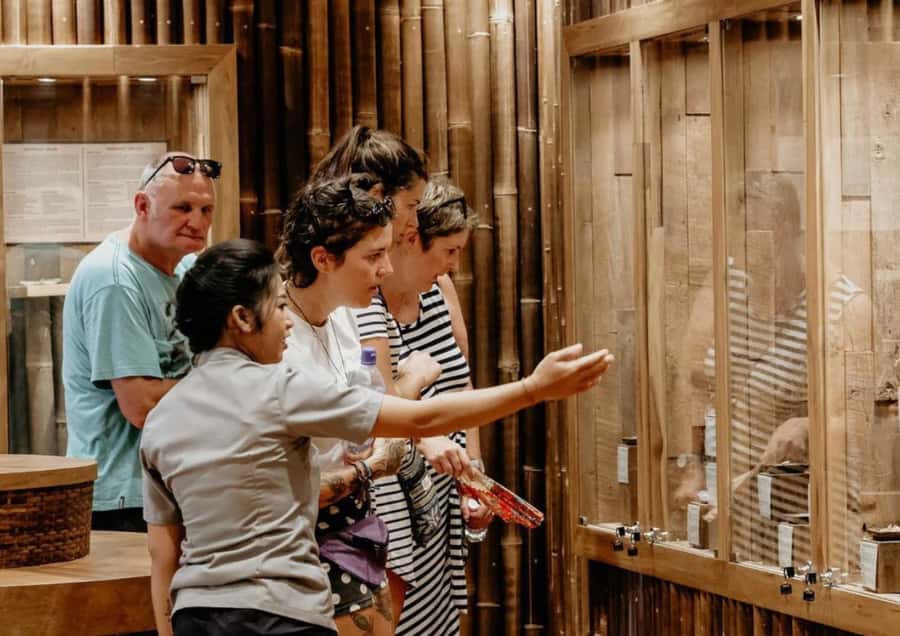
- Canang Sari, made properly: You learn to assemble Balinese floral offerings that locals place at temples, doorways, and sacred spaces.
- Offering a finished basket at Pura Mangening: You’ll bring your canang sari to the gods as a ritual of gratitude and balance.
- The Tridatu bracelet moment: You receive a blessed Tridatu bracelet connected to a temple visit and prayer.
- Holy spring purification (expect water): The soul-cleansing part happens at a holy spring, so bring a change of clothes and towel.
- Ubud art lounge lunch + optional add-ons: Lunch is part of the closing rhythm, and optional extras like coffee tasting, massage, or jungle swing can shape the day.
Why this Ubud spiritual day feels different from a typical temple tour
This isn’t a checklist of monuments. The core of the experience is practical and hands-on: you learn the offering-making process, you bring your offering into the ritual, and you repeat simple mantra phrases as part of a guided cleansing. That structure matters, because it turns religious customs from something you watch into something you do with intention.
I also like the tone. It’s designed around gratitude and self-awakening—less about spectacle, more about respectful participation. And the best part is that you’re not left alone to guess what’s happening; the guide’s job is to explain what you’re doing and why, step by step.
You can also read our reviews of more tours and experiences in Ubud.


Making Canang Sari: the first lesson is learning what Bali offers daily
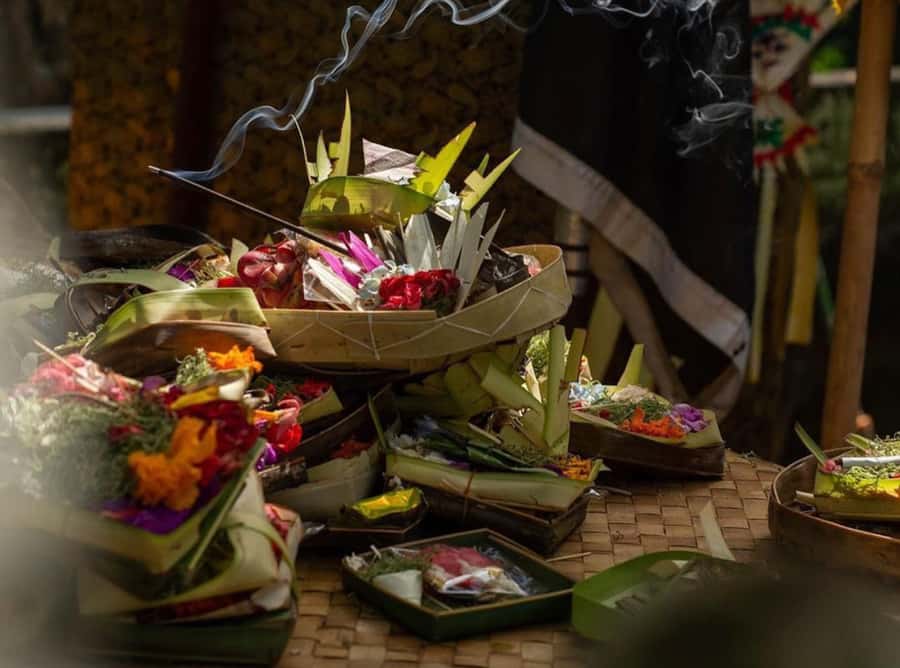
The day starts with Canang Sari, those beautiful little flower baskets Balinese people leave around the island. You’ll learn how to make them either at a Balinese compound or in a temple yard setting, depending on how the host structures the morning. Expect to handle flowers and build the offering the way locals do, not just assemble something for photos.
What I like about this segment for you is that it forces attention. When you’re tying leaves, arranging flowers, and listening to what different pieces symbolize, you stop treating religion like a backdrop. You start to see offerings as a routine of care—something people do to maintain harmony, gratitude, and balance in daily life.
You should also know that the offering-making stage can happen in different practical places. One person’s group started the flower portion from a market context first, then continued to make the offering. So if you smell incense, see bananas or banana leaf setups, or hear explanations about flower meanings, that all fits the way the morning can flow.
Pura Mangening: where your offering becomes a ritual of balance
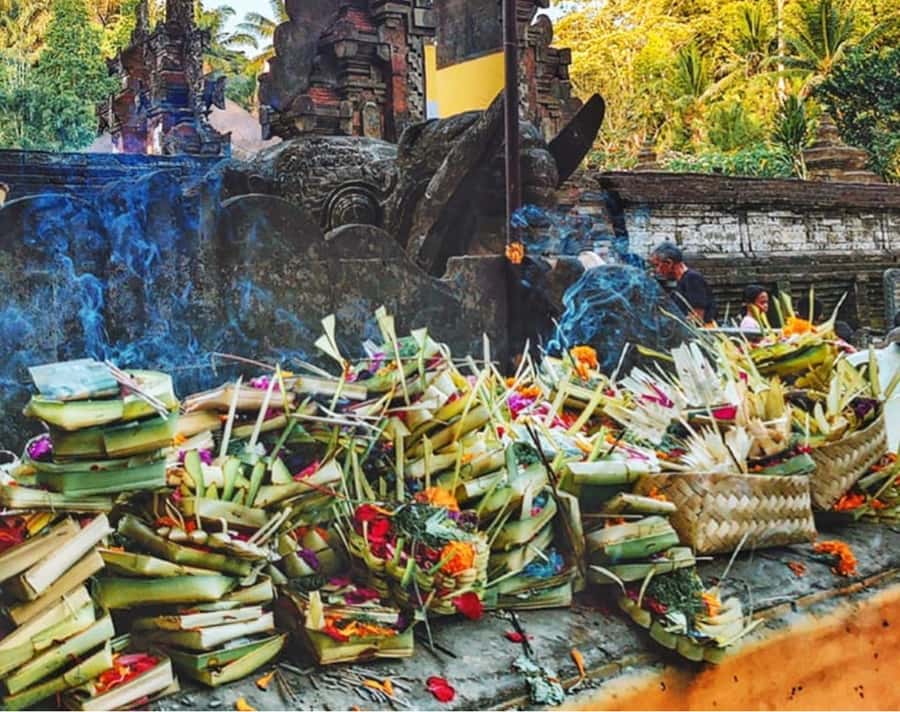
After you make your canang sari, you head to Pura Mangening for a key moment: placing your offering to the gods as a form of thanks for balance and peace. This is where the day shifts from craft to ceremony. You’ll do a prayer, and the ritual includes incense smoke carrying the essence of what you made.
I find this part meaningful because it answers a practical question you probably have: what do I do with the offering after I make it? Here, you’re not guessing. You’re guided through the correct sequence and taught the intention behind it—gratitude, then the release of that gratitude through the ritual.
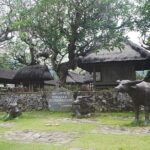
This stop also tends to be calmer than the most famous water temple crowds. Even if you don’t come specifically for crowd levels, a less hectic setting helps you take part without feeling rushed. The experience is still spiritual, but it’s easier to stay focused when you’re not being pushed along.
The blessed Tridatu bracelet: a small object, a big symbolic cue
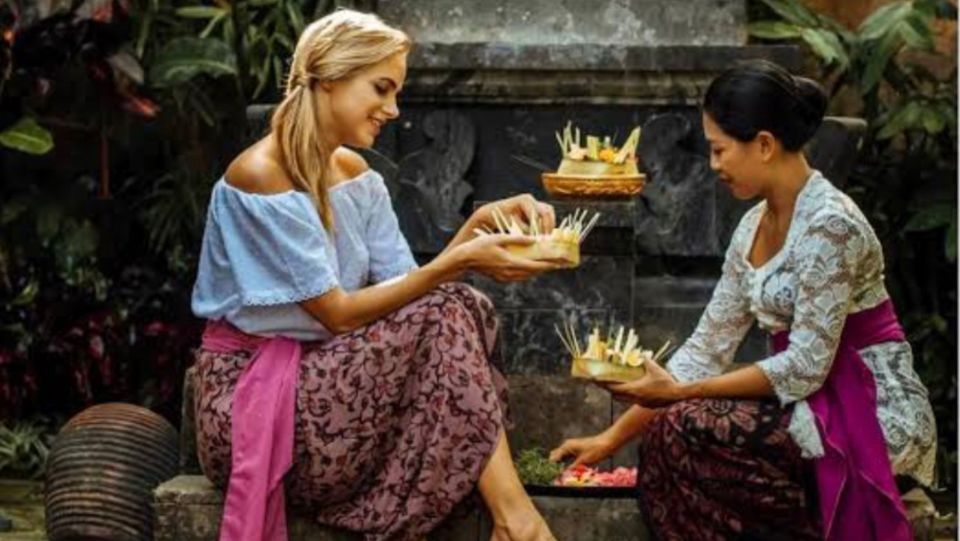
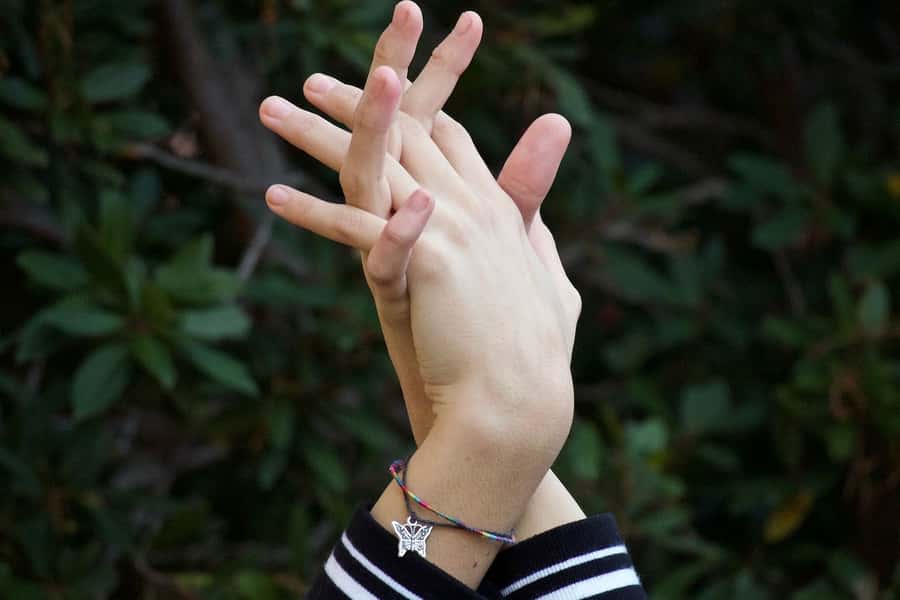
One of the highlights of this retreat is receiving a blessed Tridatu bracelet at a sacred temple of Bali. The bracelet is simple, but it’s a strong emotional marker for the day. You’ll feel the ceremony has a real endpoint, not just a sequence of places you visit and leave behind.
For your planning, treat it like a souvenir with a purpose—not just something decorative. If you’re the type who likes carrying a reminder of a meaningful moment, this is the kind of item that can keep the intention of the day present after you go back to your hotel.
Soul purification at the holy spring: what to expect and how to prepare
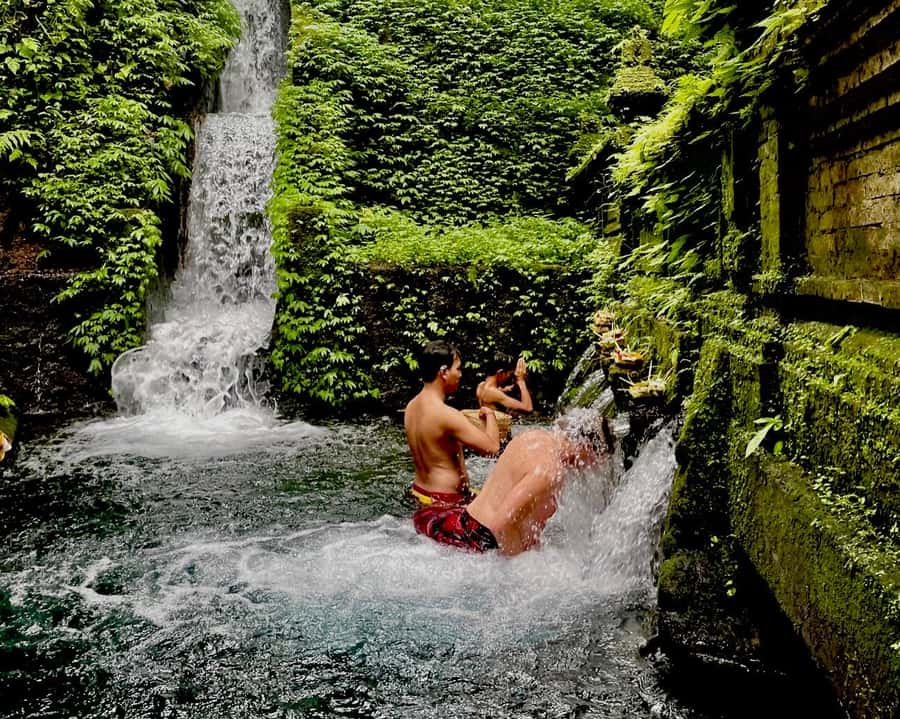
The heart of the experience is the soul purification ritual at the holy spring temple, led by your host. This part is often described in terms like healing, cleansing, and self-awakening, but the practical setup is what you’ll feel most: the guide explains the steps, you repeat the mantra healing component, and you participate in the cleansing process at the water location.
Here’s the key logistics truth: you will get wet. The tour info is clear that you should bring a change of clothes, a towel, and a waterproof bag for personal items. If you ignore that, you’ll spend the rest of the day uncomfortable—and spiritual experiences are hard to enjoy when you’re chilled or worried about your phone.


Temple etiquette that actually helps
This is one of those tours where small behavior details matter because they keep you respectful inside sacred space. Dress modestly so your shoulders and knees are covered. Avoid loud behavior and follow your host’s instructions during rituals. Also, don’t point your feet toward shrines.
And one big rule: menstruating people who are actively menstruating are not permitted in the temple due to religious customs. If this applies to you, be kind to yourself and choose a different kind of Bali experience that doesn’t put you in a position of being turned away.
The mantra healing piece: simple practice, clear intention
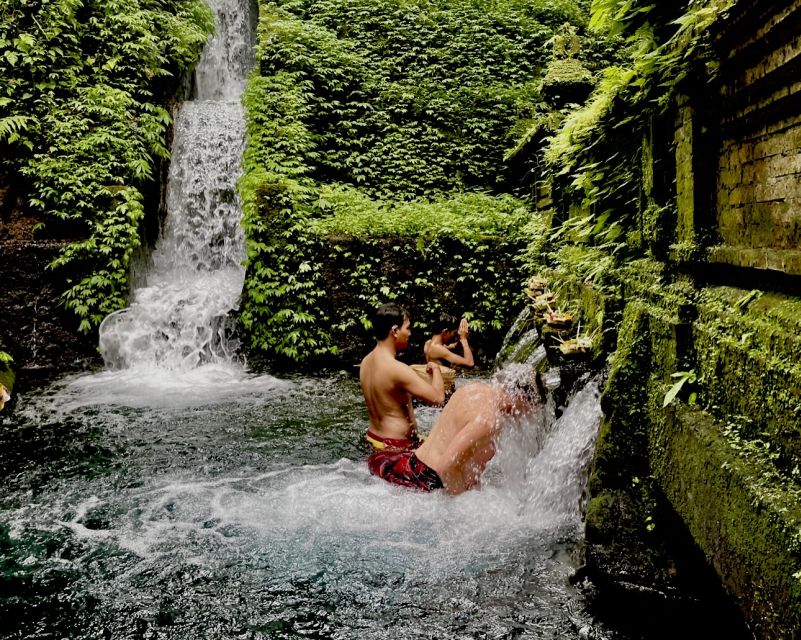
You learn basic holistic mantra healing for self awakening during the ritual portion. I like that the guide’s role is explained in terms of clarity—telling you what’s happening before it happens, and walking you through the process so you’re not performing words you don’t understand.
From the pattern of how groups describe their experience, the mantra work works best when you treat it like a guided breathing-and-attention exercise. You repeat the mantras, you focus on intention, and you let the ritual guide your emotional state. Some people describe feeling release or a shift after being in the water and repeating phrases; whether or not you feel that level of emotion, you’ll still come away with a more personal connection because you participated instead of watched.
Also, you’ll often get cultural context as you go. Many hosts are storytellers—talking about Hindu history and Balinese religion, and connecting everyday offerings to bigger spiritual beliefs. That background matters if you’re curious and want your experience to make sense, not just feel mystical.
Photography, pacing, and why the guide can make or break it
This is the kind of tour where the guide’s communication style matters. The tour includes a Polaroid camera with 10 photographs if you select the add-on. More importantly, you’re likely to spend a lot of time following cues while you’re in sacred spaces and doing rituals that require calm focus. When the guide gives clear explanations and good timing, you feel safe and taken care of.
I’ve also seen how flexible hosts can be. Some groups report that their guides adjusted the route when requested, and hosts were happy to personalize details so it felt like Bali was being shown through your interests—not only through a fixed script. If you care about getting the right balance between ritual time and optional extras, this is a strong match.
Lunch at Ubud’s art lounge: a calmer ending after sacred stops
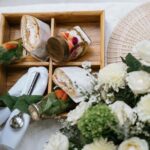
Lunch ends the tour at an artistic art and lounge in Ubud. The tour info says lunch is not included, so plan to pay for your meal yourself. Still, the setting is part of the point: it’s designed as a creative space where art, design, and lifestyle connect, and it can help you land softly after the more intense cleansing ritual.
If your brain is buzzing from ceremony and mantra work, this kind of environment is a nice reset. You get food, conversation, and a less formal atmosphere before you head back.
Price and logistics: is $48 for 6 hours good value?
At $48 per person for a 6-hour day, the price can feel like a bargain if you treat it as three things at once:
1) a guided cultural workshop (canang sari),
2) a guided temple ritual (Pura Mangening offering and mantra healing),
3) a guided participation piece (holy spring purification, with the Tridatu bracelet included).
You also get included entry fees and mineral water, plus pickup and drop-off. The transport aspect appears to be highly rated as well, with 98% of reviewers giving a perfect transport score—so you’re not spending the day stuck in uncertainty about getting around.
The big trade-off is that you’re paying for guidance and ritual access, not for a full bus-and-brochure day. If you mainly want casual sightseeing with zero water and zero temple rules, this may not be your best fit. But if you want something more meaningful than a quick temple photo stop, the value is easy to see.
Optional add-ons that can change the feel of the day
The base experience has add-on possibilities like:
- traditional massage (1-hour or 2-hour)
- female guide (if selected)
- Luwak coffee tasting
- jungle swing and coffee
These extras can be great if you want to turn the day into a fuller reset—spiritual practice plus body relief plus Bali flavors. Just keep expectations realistic: the core temple ritual still runs as the main event.
Who this Ubud retreat suits best (and who should skip it)
This experience is a strong fit if you:
- want to learn the meaning and method behind Balinese offerings
- like guided rituals that include explanation and participation
- are comfortable following temple etiquette and staying calm inside sacred spaces
- don’t mind getting wet during the holy spring purification
It’s not a fit if you:
- are pregnant, or have mobility difficulties or need wheelchair access (uneven surfaces and stairs)
- have an active menstruation situation (temple rule)
- are traveling with young kids (not suitable for children under 9)
- are over 70 or need low-stair, low-step logistics (not suitable for people over 70)
- want an alcohol-and-party vibe (not allowed)
One more practical thought: bring cash for personal spending and optional donations at the temple. If you’re the kind of person who hates carrying cash, you’ll want to plan around that.
Should you book this tour? My quick decision guide
I’d book this if your ideal Bali day includes participation—making the offering, being guided through a ritual, and leaving with something that feels spiritually grounded like the Tridatu bracelet. The $48 price makes sense because you’re paying for the full experience design: cultural learning plus guided purification, not just entry tickets.
Skip it if you need a strictly dry, easy, low-effort outing. The wet purification moment is not optional, and the temple rules aren’t negotiable. Also, if mobility is an issue, this is likely to feel stressful rather than healing.
If you do book, I’d show up with two mental tools: respect for the rules and a willingness to treat it like a guided practice, not a show. With that mindset, this is the kind of Ubud day that can change how you understand Bali long after you leave.
FAQ
What is the duration of the Ubud soul retreat?
The experience lasts about 6 hours.
Is lunch included in the price?
Lunch is not included. The tour ends at an art and lounge in Ubud where lunch is served, but you should expect to pay for it.
Do I need to bring a change of clothes?
Yes. You will get wet during the holy spring purification ritual, so bring a change of clothes, a towel, and a waterproof bag for personal items.
Is this experience suitable during menstruation?
No. People who are actively menstruating are not permitted in the temple due to religious customs.
Is the tour guided in English?
Yes. The live tour guide speaks English.
Can I cancel and get a refund?
Yes. You can cancel up to 24 hours in advance for a full refund.