If you want Ubud without the hassle, this walking loop helps. You get Campuhan Ridge hill views, temple highlights, and the Sacred Monkey Forest in one smooth half-day route. I like how the pacing stays friendly on foot, and I also like that the guide connects the sights to Balinese daily life. One consideration: you’ll still do a fair bit of walking, with some uphill sections and stairs, so it’s not a great fit if your mobility or stamina is limited.
You start near Ubud’s royal/temple core, then move outward into the green hills and back into town. Along the way, you’ll hit classic Ubud stops—Saraswati Temple, Ubud Palace, and the Art Market—then finish at the sanctuary where long-tailed macaques live around ancient temple structures.
This is also a good way to travel with confidence. A live English-speaking guide handles the timing, ticket stops, and key context, and the included mineral water keeps things simple. Just keep your expectations realistic for a walking tour: you’ll need comfortable shoes, and you should plan for occasional rain since Ubud weather can change quickly.
In This Review
- Key Things That Make This Ubud Tour Worth Your Time
- Campuhan Ridge Walk: The Easy-Enough Start With Real Views
- Saraswati Temple: Lotus Ponds and Traditional Balinese Details
- Ubud Palace: Royal Heritage in a Living Town Center
- Ubud Art Market: Browse Local Crafts the Sensible Way
- Sacred Monkey Forest Sanctuary: A Nature Stop With Real-World Monkey Rules
- How Long It Takes, How to Prep, and What the Weather Can Do
- Price and Value: What $27 Buys in Real Terms
- Group Day Energy: Why the Guide Quality Shows Up
- Booking Checklist: Who This Tour Fits Best
- Should You Book This Ubud Walking Tour?
- FAQ
- How long is the Ubud walking tour?
- Where does the tour start and where do you get dropped off?
- Is the Campuhan Ridge part easy?
- What’s included in the ticket price?
- Are there any rules about visiting temples?
- What should I bring for the tour?
Key Things That Make This Ubud Tour Worth Your Time

- Campuhan Ridge: a scenic, photo-friendly walk with open views over Ubud’s hills and valleys
- Saraswati Temple + Ubud Palace: two major cultural sites tied to Balinese spiritual and royal heritage
- Ubud Art Market time: a practical chance to browse local crafts and everyday trading
- Sacred Monkey Forest Sanctuary: protected greenery with ancient temple areas and long-tailed macaques
- Guide-led details (often excellent): multiple guides are praised for English and for explaining culture clearly
- Included essentials: entry tickets and mineral water, plus optional hotel transfers
Campuhan Ridge Walk: The Easy-Enough Start With Real Views

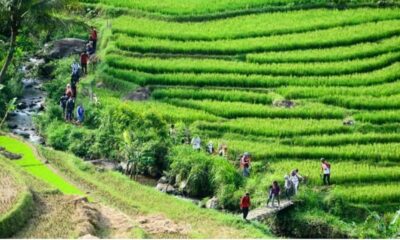
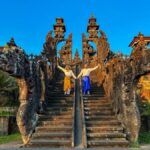
The day kicks off with a walk along Campuhan Ridge, one of those Ubud routes that’s famous for a reason. You’re up on a path with open sightlines over the hills and valleys, so even if you’re not a “big hike” person, you’ll still get payoff.
This portion is generally easy, but don’t treat it like a flat stroll. The route includes gentle inclines and steps in places, so you’ll want shoes with grip. Also, expect some bright sun—bring sunscreen and a hat, even if the morning starts cool.
One smart tip: use the ridge time for photos, but don’t freeze in place. This walk works best when you keep moving, then stop intentionally for the best viewpoints.
Guides often set the tone right away. People mention guides like Sana, Sherif, and Agung for friendly, careful attention and for adding context as you walk—so you’re not just taking pictures, you’re learning what you’re looking at.
You can also read our reviews of more tours and experiences in Bali.


Saraswati Temple: Lotus Ponds and Traditional Balinese Details

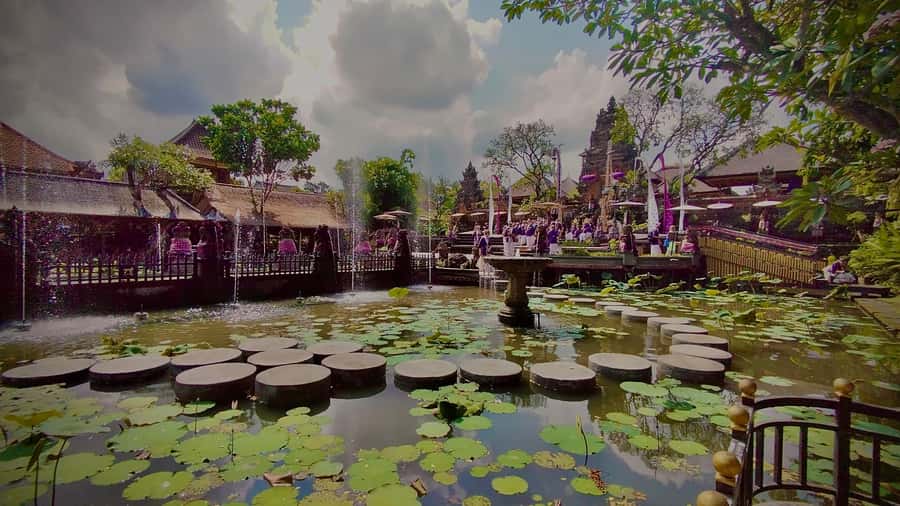
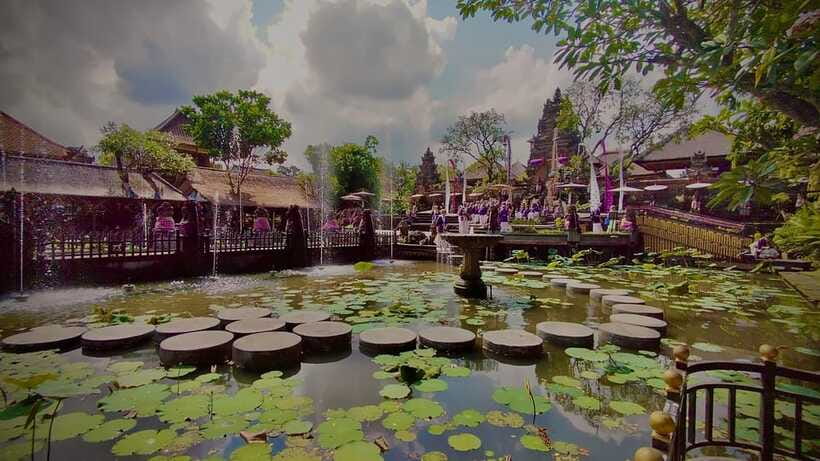
Next you head to Taman Saraswati Temple, known for its lotus ponds and traditional Balinese architecture. This stop is short on paper, but it’s the kind of place where a guide makes a difference.
What I like about this temple is the way it feels both artistic and grounded. You’ll see the water/pond element that the site is famous for, and you’ll also notice the careful design choices that show up across Balinese spiritual spaces.
The main consideration here is cultural rules. Women who are menstruating aren’t permitted to enter the temple area in line with local customs. If that applies to you, you should plan around it so you don’t feel stressed in the moment.
Also, temples usually mean you’ll want to dress respectfully and follow the flow. You’ll be on a walking tour schedule, so expect a guided look rather than a slow, independent wander.
Ubud Palace: Royal Heritage in a Living Town Center
After Saraswati, you’ll move to Ubud Palace, a historical site that reflects Ubud’s royal heritage. This is one of those stops that helps you understand why the town feels the way it does—ceremonies, traditions, and everyday life are tightly linked here.
The palace visit tends to be brief, with time for viewing and a guided explanation as you walk through. That brevity is not a flaw; it’s part of how the tour keeps the day moving without turning it into a long, exhausting slog.
In reviews, guides like Karba John and Komang Sparsa get praise for explaining history and culture clearly. That matters at a place like the palace, where it’s easy to feel like you’re looking at buildings without the story. With a good guide, the details start to click.
Practical note: like many cultural sites, you’ll want comfortable clothing and shoes you can move in easily. Even short stops involve walking between areas.
Ubud Art Market: Browse Local Crafts the Sensible Way
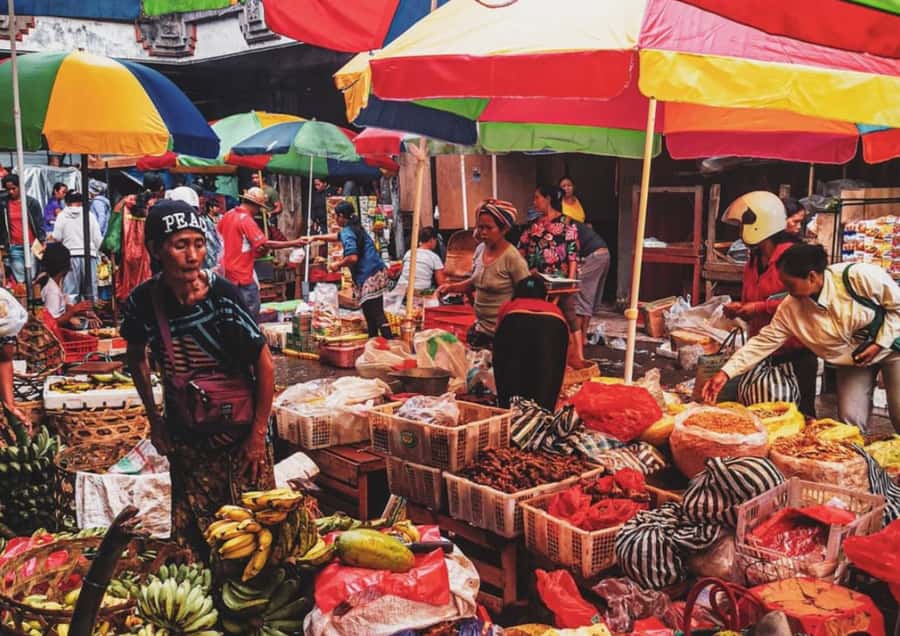
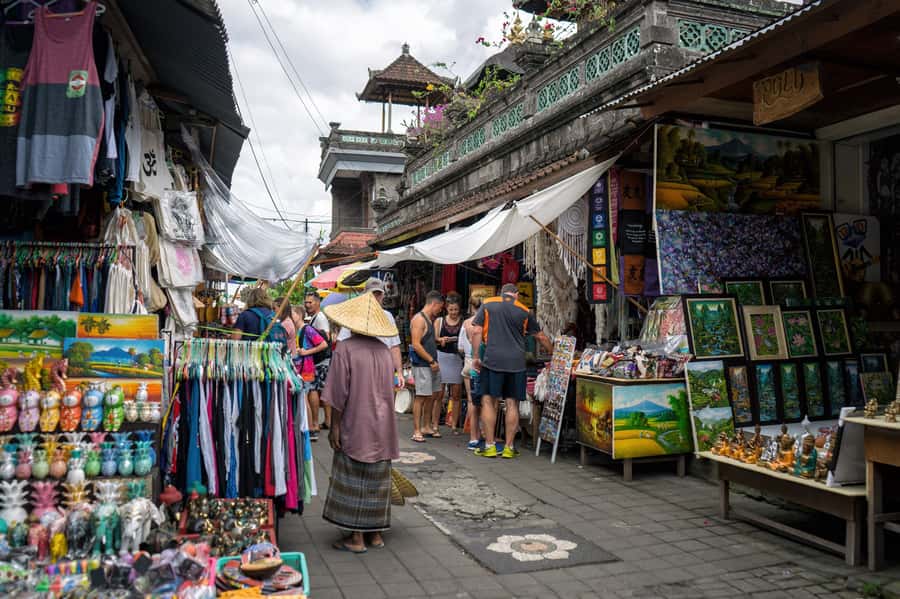
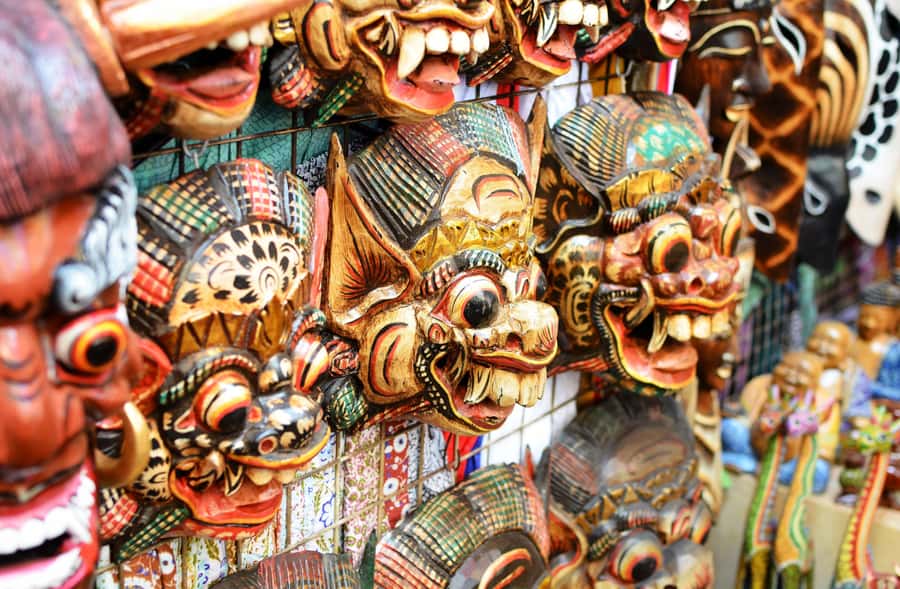
Then you hit the Ubud Traditional Art Market, which is a very different vibe from temples. Instead of sacred quiet, you’re in a place that feels active and practical—crafts, daily selling, and the real rhythm of commerce.
This is where I’d separate two styles of shopping:
- If you like souvenirs, this is a good “browse with a plan” moment.
- If you prefer photos and people-watching, you can treat it like a cultural snapshot and buy only what you genuinely want.
The tour gives you time to stop, look, and shop if you want. Just remember: you’ll likely want cash on hand since you’re in a market environment where payments can vary.
One small caution: markets can move fast. Keep an eye on your bag and pockets, especially as you move through busier sections. It’s not dramatic, just basic street-smart travel.
Sacred Monkey Forest Sanctuary: A Nature Stop With Real-World Monkey Rules

Finishing at the Sacred Monkey Forest Sanctuary is the part that surprises people—in a good way. You’re entering dense greenery with temple structures and long-tailed macaques living in the area.
The experience here is equal parts beautiful and practical. It’s protected, but it’s still a wild animal environment, so you can’t treat it like a normal museum visit. Your guide will help you find good viewing paths, and you’ll have time to explore the forest paths and observe the monkeys in their natural surroundings.
The key rule is simple: keep personal belongings secure around monkeys. Don’t carry valuables loosely, don’t leave phones hanging from straps, and be mindful when you pause for photos. If you’re wearing a bag, keep it zipped and close.
Also, take your time. The sanctuary works best when you slow down and let the green and temple areas sink in. And if the day is hot, plan a few short breaks in shaded areas rather than powering through.
In reviews, people often highlight the sanctuary as a memorable last stop, with guides like Iwayan Kar and Dayu Putri praised for their explanations of the forest and temples. That’s useful here because it helps you understand what you’re seeing beyond the obvious monkey factor.




How Long It Takes, How to Prep, and What the Weather Can Do
The tour runs about 4–6 hours, and the itinerary is designed as a half-day loop. You’ll walk on and off through several areas—ridge path, town center, market streets, then the sanctuary grounds.
Campuhan Ridge starts the day with relatively gentle terrain, but there are still uphill sections and steps. If you have low fitness, you’ll feel it by the end even if the individual segments are short.
Here’s what you should bring to make the walking tour feel easy instead of tiring:
- Comfortable shoes with grip
- Sun hat and sunscreen
- Camera (you’ll use it)
- Cash (useful for market purchases)
- Sunglasses
- Bottle of water
Ubud’s tropical climate can include rain. The good news: if it rains, the tour may be rescheduled. That means you should keep some flexibility in your day.
If you’re thinking of eating, aim for a light breakfast. You’ll need energy for walking, and it keeps you from getting shaky later—especially if the morning starts bright.
One more group-suitability note: this tour isn’t suitable for people who are pregnant, for wheelchair users, and for those with mobility impairments or low fitness. It also isn’t listed for babies under 1 or people over 70. If any of those apply, it’s worth looking for a less-walking alternative.
Price and Value: What $27 Buys in Real Terms
At around $27 per person, this is priced like a smart budget-friendly way to see Ubud highlights without juggling multiple private drivers and tickets.
Here’s what’s included:
- Guide (live English)
- All entry tickets
- Mineral water
- Hotel transfers if you choose the pickup option
Those inclusions matter. Temples and the sanctuary typically mean entry fees, and having a guide who can explain what you’re seeing saves time and mental energy. You also get the structure of a guided route, which is a big deal if you want to avoid wandering between Ubud’s best areas on your own.
What you’re not getting (and you’ll manage yourself):
- Personal expenses
- Optional add-ons
Optional personalization can include things like coffee tasting and photography services. If you want a few extra memories, these can be worth it. If you’re traveling light and want to keep costs down, skip them and focus on the core walk.
Value-wise, I’d call this a good pick for first-time Ubud visitors who want “the classics” with context and a comfortable pace.
Group Day Energy: Why the Guide Quality Shows Up
The tour’s real secret weapon is the guide. When guides do it right, the day feels effortless even though you’re walking through multiple landmarks.
The reviews you provided show a consistent pattern: guides are praised for friendliness, English clarity, patience, and for taking extra time to answer questions and help with photos. Names that repeatedly come up include Sana, Karba John, Komang Sparsa, Iwayan Kar, Dayu Putri, Sherif, Agung, and Lanagn.
That matters because Ubud isn’t just scenery. It’s spiritual sites, local customs, and daily life—temple design, market rhythms, and the sanctuary’s relationship to animals. A strong guide helps you notice those layers instead of just passing through.
So if you care about learning as you go, pick this tour and then put your energy into asking questions along the way.
Booking Checklist: Who This Tour Fits Best
This walking tour fits best if you want:
- A guided way to cover Ubud’s top sights without stress
- Light walking plus some stairs
- Cultural context at temples and palace areas
- A market stop where you can actually browse
- A nature finish with monkey sanctuary views
It’s not ideal if you need wheelchair access, have mobility limitations, are pregnant, or have low walking stamina. And if you’re bringing young children or planning a very relaxed day with minimal walking, you’ll likely want a different format.
If you’re traveling solo or as a couple, this also works well because the route is set, so you don’t have to plan every turn. Plus, the guide keeps you on schedule so you don’t lose time.
Should You Book This Ubud Walking Tour?
Yes, you should book this tour if you’re the type of traveler who likes moving through a place on foot and learning what you’re seeing. It’s a solid way to connect Campuhan Ridge views, major temple/palace stops, a practical market browse, and the Sacred Monkey Forest into one guided loop.
I’d only skip it if walking and stairs would be uncomfortable for you, or if you don’t want any responsibility around monkey-zone behavior (secure belongings, follow guidance). If you’re okay with that, you’ll likely come away with a day that feels like real Ubud—not just a checklist of photos.
FAQ
How long is the Ubud walking tour?
The duration is listed as 4 to 6 hours.
Where does the tour start and where do you get dropped off?
You join from the designated meeting point at Ubud Palace. The tour includes drop-off at two locations: Ubud and Ubud Palace (depending on the option).
Is the Campuhan Ridge part easy?
It’s described as relatively easy, but there are a few uphill sections and some stairs.
What’s included in the ticket price?
Included are the live English guide, all entry tickets, mineral water, and hotel transfers if you select the pickup option.
Are there any rules about visiting temples?
Women who are menstruating are not permitted to enter the temple area, according to local customs.
What should I bring for the tour?
Bring comfortable shoes, a sun hat, sunscreen, sunglasses, a camera, cash, and a water bottle.