Rice terraces, holy springs, and waterfalls—one full day. You’ll see Tegallalang Rice Terrace from the best angles, then step into Tirta Empul to watch a blessing and purification in the holy spring water temple. After that, the day stays fun and active with a coffee plantation tasting stop and two chances to cool off in waterfalls.
The one drawback is that this is a long, physical day. You’ll be walking paths to the waterfalls, changing into swimwear, and paying attention to temple rules—women who are menstruating can’t enter the temple—plus it’s not suitable if you have back problems or mobility/heart issues.
In This Review
- Key things to know before you go
- How this 10-hour Ubud loop actually works
- Tegallalang Rice Terrace: the green views and the photo mission
- Tirta Empul Water Temple: blessing and purification, with real etiquette
- Coffee plantation journey: free tasting plus practical knowledge
- Tibumana Waterfall: a scenic walk that ends in cool water
- Kanto Lampo Waterfall: spray, stone, and a natural river vibe
- Price and value: what $30 covers, and what you’ll likely add
- What to bring so the day stays comfortable
- Who this tour is best for (and who should rethink it)
- Should you book this Ubud Water Temple, Rice Terrace, and Waterfalls Tour?
- FAQ
- How long is the Ubud Water Temple, Rice Terrace, and Waterfalls Tour?
- What’s the price per person?
- What’s included in the tour price?
- Are meals included?
- Are there waterfalls you can swim in?
- Are there any temple entry restrictions?
Key things to know before you go
- A full Ubud circuit in 10 hours: rice terrace, temple purification, coffee tasting, then two waterfall swims
- You get a real culture moment at Tirta Empul: blessing and purification at the holy spring water temple
- Coffee plantation stop includes free tasting: multiple coffee and tea samples, plus a look at local spice and coffee production
- Tibumana and Kanto Lampo are both swim-friendly (bring spare clothes so you’re not stuck in wet gear)
- Private group with an English-speaking driver means more flexibility and fewer logistics headaches
- Entry fees are often paid on the spot unless your option includes them
How this 10-hour Ubud loop actually works
This is a classic Ubud “best-of” day, but it’s not a sit-and-sightsee tour. The structure is pretty simple: you start with the rice terraces, move into a temple experience, then switch to coffee and waterfalls—ending with a natural river setting for photos, spray, and a swim.
You’re picked up from a range of hotels around Ubud, Gianyar, Tabanan Regency, Denpasar City, Kuta, Canggu, and Badung Regency, then dropped back in the same general area. With an air-conditioned car, it’s easier to handle the travel time between sites without turning the day into a sweaty endurance test.
Because it’s a 10-hour day, the pacing matters. At the waterfalls and viewpoints, you’ll want to move at a steady rhythm: take the photos, enjoy the views, then rejoin the group so you don’t feel rushed later.
You can also read our reviews of more tours and experiences in Ubud.

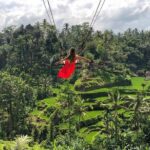
Tegallalang Rice Terrace: the green views and the photo mission
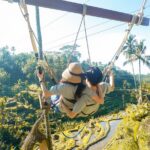
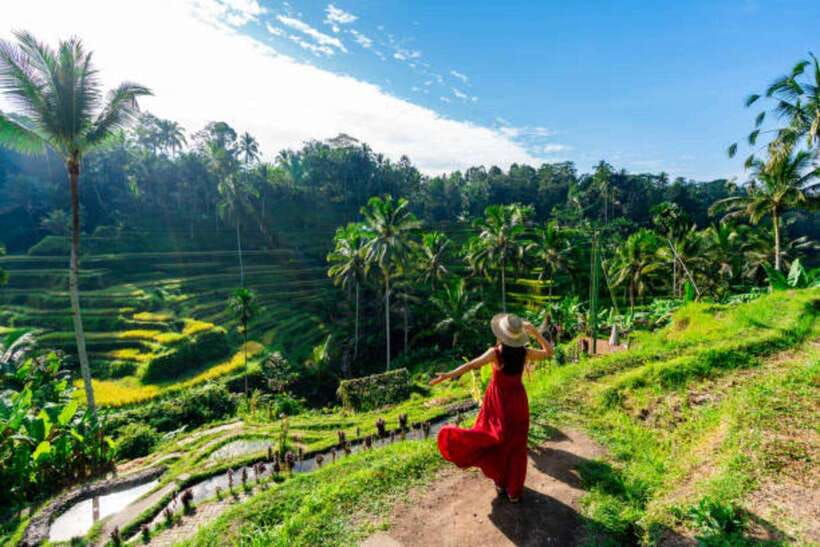
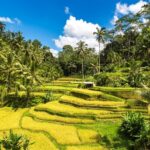
Tegallalang is one of the places in Bali where you quickly understand why people photograph rice terraces so much. You arrive for a photo stop and visit, then get time to look over the green paddies from the walking areas around the viewpoint.
What I like about this stop is the built-in payoff. Even if you’re not a “rice terrace person,” the scale and layering are hard to ignore once you’re standing there. It’s also one of those moments where you can slow down for a few shots, then keep going without needing to read a script or follow a strict route.
Practical tip: if you hate sun, this is the first place to use your hat and sunscreen. The tour gives you mineral water, but you still want to manage the heat before you shift into temple rules and waterfall swims later.
Tirta Empul Water Temple: blessing and purification, with real etiquette
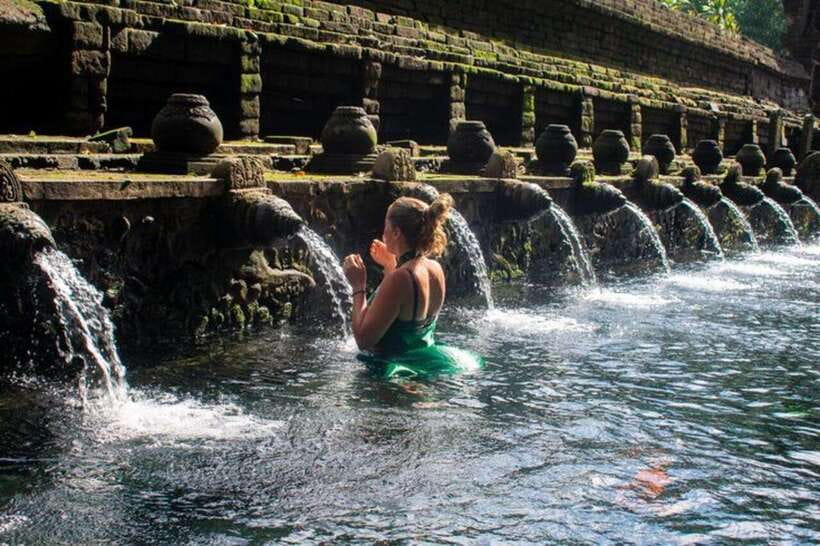
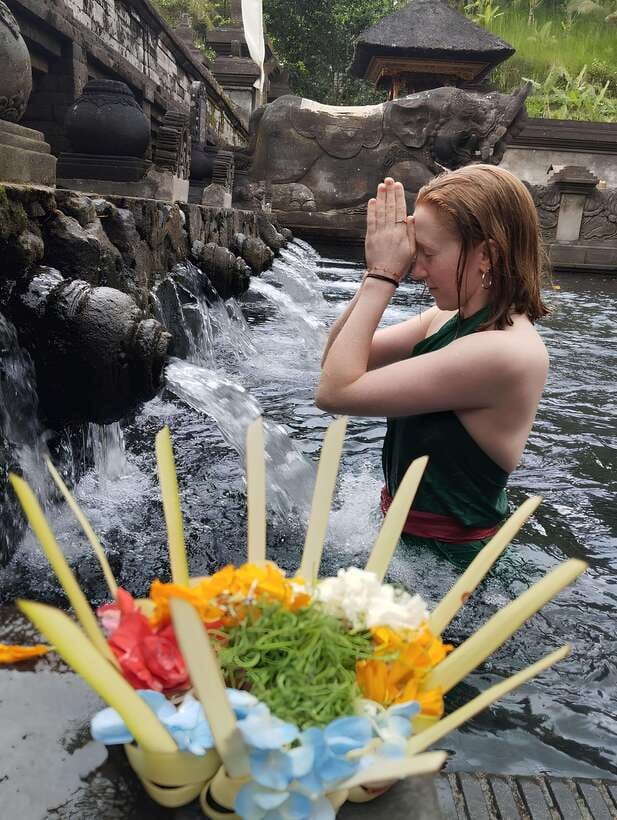
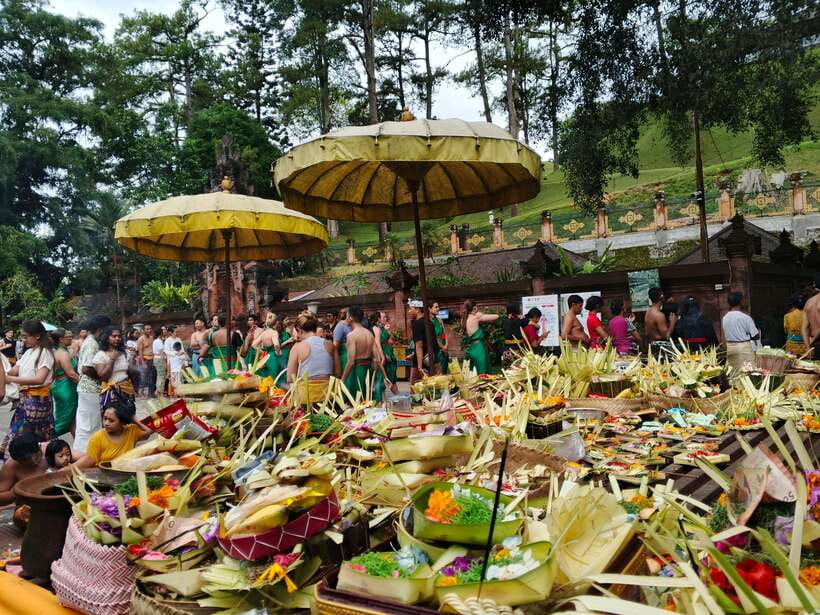
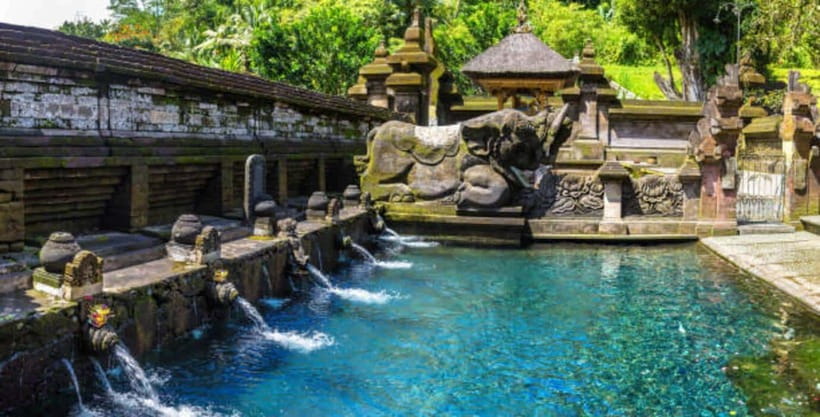
The temple stop is the culture anchor of the day. At Tirta Empul, you’re there for a photo stop and visit, and the tour focuses on learning Balinese culture through a blessing and purification ceremony at the holy spring water temple.
This is the kind of experience where your attitude matters as much as your camera. When you’re observing, keep your movement respectful and give people space—ceremonies aren’t there for entertainment. If you want to understand what you’re seeing, lean on the English-speaking driver’s explanations and ask questions in plain, direct terms.
Important rule to plan around: women who are menstruating aren’t allowed to enter the temple. If that applies to you, you’ll want to confirm what the best alternative is for your day before you arrive, so you don’t lose time or feel awkward on-site.
Also note the tour guidance: you should respect the local culture and ceremony. In practice, that means dressing appropriately, watching where you walk, and keeping the moment calm for everyone involved.
Coffee plantation journey: free tasting plus practical knowledge
After the temple, you shift gears to a coffee plantation stop that’s designed to be more than just a sales pitch. You’ll see spices and coffee plants, learn how local coffee is produced, and then enjoy free coffee and tea tasting with multiple variants.
What makes this stop useful is that it turns questions you might already have—like why Bali coffee tastes a certain way—into something you can connect to what you’re seeing. You’re not just tasting; you’re linking the flavor to the plants and process you’re shown.
A small thing that I appreciate on days like this: the tasting acts like a built-in break. It gives you time to sit, sip, and reset before the active part of the afternoon with waterfall walks and swimming.
If you’re sensitive to caffeine, pace yourself. You’ll be sampling different drinks, and you still have two more destinations where you’ll want to feel comfortable and steady on your feet.
Tibumana Waterfall: a scenic walk that ends in cool water
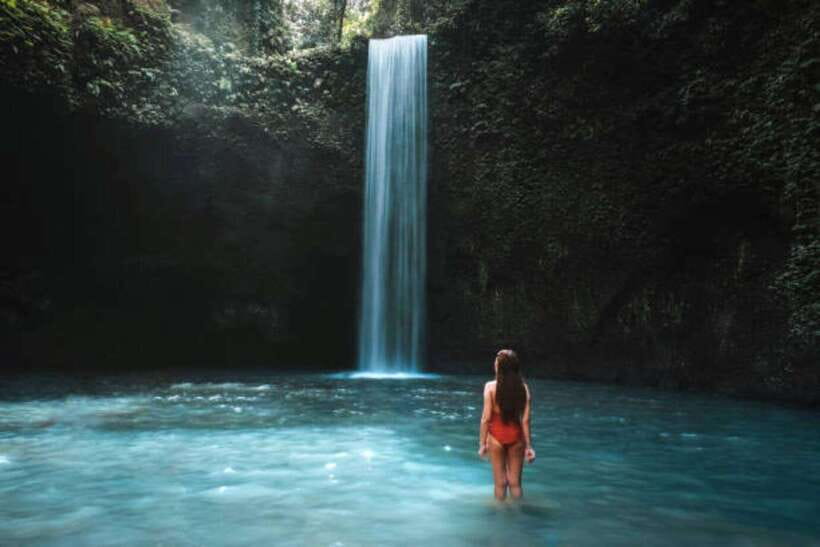
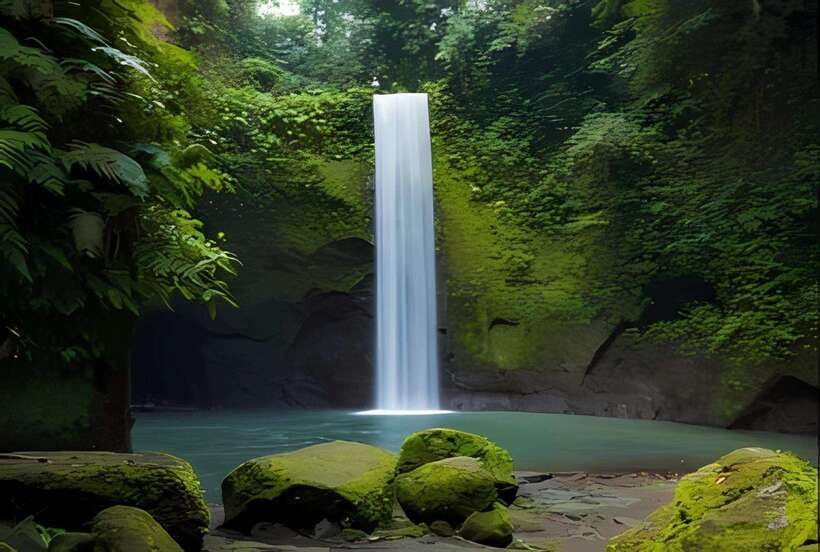
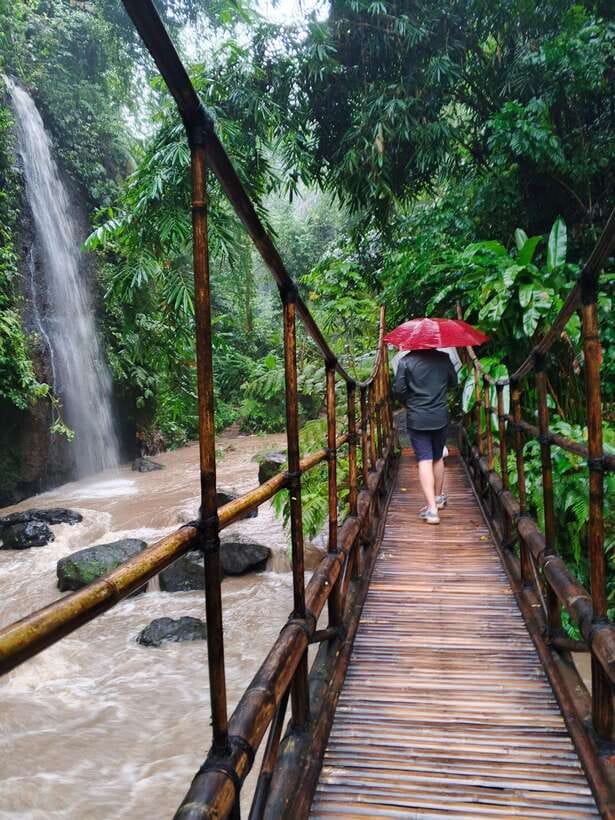
Tibumana is where the day starts feeling more “away from it all.” You’ll make a photo stop, then do a walk to the waterfall with scenic views along the way. Once you arrive, there’s time to take pictures, and the tour includes swimming.
This stop is great if you want photos without the constant pressure of a huge crowds-and-constant-commerce vibe. The emphasis here feels like: walk in, enjoy the view, then cool off. If you like photography, the route to the waterfall is part of the experience, not just the final frame.
Plan for logistics: the tour asks you to bring change of clothes and swimwear. I’d follow that closely. Dry clothes feel like a luxury after waterfall time, especially when you’re still riding back to your hotel.
One more consideration: the tour is listed as not suitable for people with back problems or mobility impairments. The walk and the uneven footing near waterfalls can be more challenging than it looks from a map.


Kanto Lampo Waterfall: spray, stone, and a natural river vibe
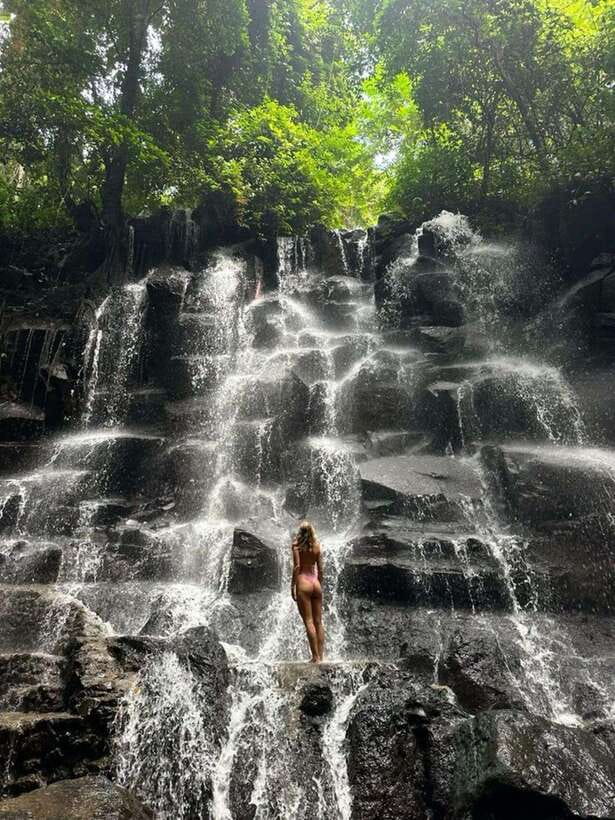
The final waterfall is Kanto Lampo, and it’s memorable because the energy is different. You’ll arrive for a photo stop and visit, with chances to capture images of the waterfall’s spraying water and the beautiful stone features.
There’s also time to swim and relax on the natural river area. This makes Kanto Lampo a fun wrap-up: the day shifts from “looking” to “playing,” and you get that satisfying end-of-day payoff after temples and terraces.
Photo tip: bring your camera ready, but don’t block others when the spray is strongest. The whole point is to enjoy it as a place, not only as a backdrop. And since you’ll be wet anyway, plan on drying off a bit during your downtime before the ride back.
Price and value: what $30 covers, and what you’ll likely add
The headline price is $30 per person, and for Bali this can be good value if you factor in what’s included. You’re getting hotel pick-up and drop-off, an air-conditioned car, an English-speaking driver, fuel, parking fees, and mineral water. You also have destination entry fees included only if you select that option.
Meals aren’t included, so budget for lunch or snacks on your own. Also plan for entry fees that may be paid on-site. The tour lists approximate fees like:
- Tegallalang Rice Terrace: about IDR 50K
- Tirta Empul: about IDR 75K
- Tibumana Waterfall: about IDR 25K
- Kanto Lampo Waterfall: about IDR 25K
When I judge value on a day tour like this, I look at whether the included transportation saves you money and stress versus doing it piece-by-piece. With hotel pick-up and drop-off covering multiple distant stops, you’re paying partly for convenience—then you’re also paying for admission in a way that’s organized for you.
So if you’re someone who wants a plan, a driver, and a smooth route, this price can feel fair. If you’d rather design your own day and take public transport or ride-hailing, you may be able to lower costs—but you’ll trade away the clean logistics.
What to bring so the day stays comfortable
This tour gives you a clear checklist, and I’d treat it as non-negotiable.
Bring:
- a hat
- swimwear
- a change of clothes
- a camera
- sunscreen
- water (even if mineral water is provided)
For comfort, wear clothes you can move in. You’ll go from temple areas to waterfall paths, then end the day with swimming time. A quick-dry outfit helps a lot, especially when you’re riding in the car afterward.
Also, keep an eye on the temple etiquette reminder. If you want to avoid hassle, pack clothing that covers appropriately for the temple visit and follow any local guidance from your driver during the ceremony.
Who this tour is best for (and who should rethink it)
This tour fits best if you want a well-paced “Ubud hits” day where you don’t have to navigate between sites. It’s also a good match for people who enjoy short walks for viewpoints and then actually using the water at the waterfalls.
It’s a private group, so you don’t have to worry about getting separated from strangers or feeling trapped in someone else’s tempo. The day’s design makes it easier to slow down if you need extra time for photos or questions—especially with an English-speaking driver.
But skip or rethink it if any of these apply:
- back problems
- mobility impairments
- heart problems
- wheelchair use
Water temple and waterfall paths can include steps, uneven areas, and standing time. Even if you’re “fine with walking,” it’s still a long day with multiple transitions.
One last note from the tour guidelines: alcohol and drugs aren’t allowed. Keep the day light and respectful so you can enjoy the ceremony and the water stops without issues.
Should you book this Ubud Water Temple, Rice Terrace, and Waterfalls Tour?
If your idea of a great Bali day is a mix of rice views, real cultural ceremony, and two swims, then yes, this is an easy booking call. The value makes sense for $30 because the tour packages transportation and an English-speaking driver across multiple sites, instead of forcing you to self-coordinate each stop.
Book it if you’re prepared for a full day on your feet, you’ll follow temple etiquette, and you have swimwear and a change of clothes ready for Tibumana and Kanto Lampo. If you want a relaxed, low-walking experience, or if mobility/medical concerns affect your comfort, choose a gentler option instead.
FAQ
How long is the Ubud Water Temple, Rice Terrace, and Waterfalls Tour?
The tour runs for about 10 hours.
What’s the price per person?
The price is listed as $30 per person.
What’s included in the tour price?
Included are hotel pick-up and drop-off, an air-conditioned car, fuel, an English-speaking driver, parking fees, mineral water, and destination entry fees if you select that option.
Are meals included?
No. Meals are not included.
Are there waterfalls you can swim in?
Yes. The tour includes swimming at both Kanto Lampo Waterfall and Tibumana Waterfall.
Are there any temple entry restrictions?
Yes. Women who are menstruating are not allowed entrance to the temple. The tour also advises you to respect the local culture and ceremony.
###