Holy water, tall terraces, and waterfall swims. This private Ubud circuit strings together Tegallalang rice terraces and Tirta Empul so you get big scenery plus spiritual culture in one packed day.
I really like the holy water ritual at Tirta Empul, where you can rinse and cleanse with fresh temple water while you watch the ceremony unfold. I also enjoy the organic coffee, herbs, and spices stop, because it turns the usual coffee tasting into a hands-on look at what people grow and how they process it.
One consideration: if you’re a woman who’s menstruating, you won’t be allowed to enter the temple areas, so your experience there may be more about viewing than participating.
In This Review
- Quick hits before you go
- Why this Ubud route is such a good use of your one day
- Private car logistics: comfort, pickup timing, and how the day stays smooth
- Tegallalang Rice Terrace: UNESCO views, easy walking, and the best time to look
- Tirta Empul (Water Temple): holy water bathing and the etiquette that matters
- If you’re visiting during menstruation
- How to be a good visitor
- Waterfall stops in Ubud: Tibumana, Kanto Lampo, and Tegenungan
- Tibumana Waterfall
- Kanto Lampo Waterfall
- Tegenungan Waterfall
- Swimming time (pack accordingly)
- Coffee, herbs, and spice plantation: turning a tasting into context
- Why this stop is worth your time
- Photos, jungle swing energy, and how to get better shots
- Food breaks: what happens if you get hungry
- Price and value: what $26 per person actually buys you
- What to pack (so the day doesn’t fight you)
- Who this tour fits best (and who should skip it)
- Should you book this Ubud Water Temple, Rice Terrace, Waterfall Private Tour?
- FAQ
- How long is the Ubud Water Temple, Rice Terrace, Waterfall private tour?
- Is this a private tour?
- What’s included in the price?
- Are entrance tickets included?
- Is lunch included?
- Do I get pickup and drop-off?
- Can women enter Tirta Empul if they’re menstruating?
- Can I swim at the waterfalls?
- What should I bring for the day?
- Is the tour suitable for everyone?
Quick hits before you go
- Private pickup and drop-off across many Bali areas (including Ubud, Seminyak, Canggu, Kuta, Sanur, and more)
- Skip the ticket line at stops where it applies
- Tirta Empul holy water bathing with fresh water and a real self-cleansing ritual
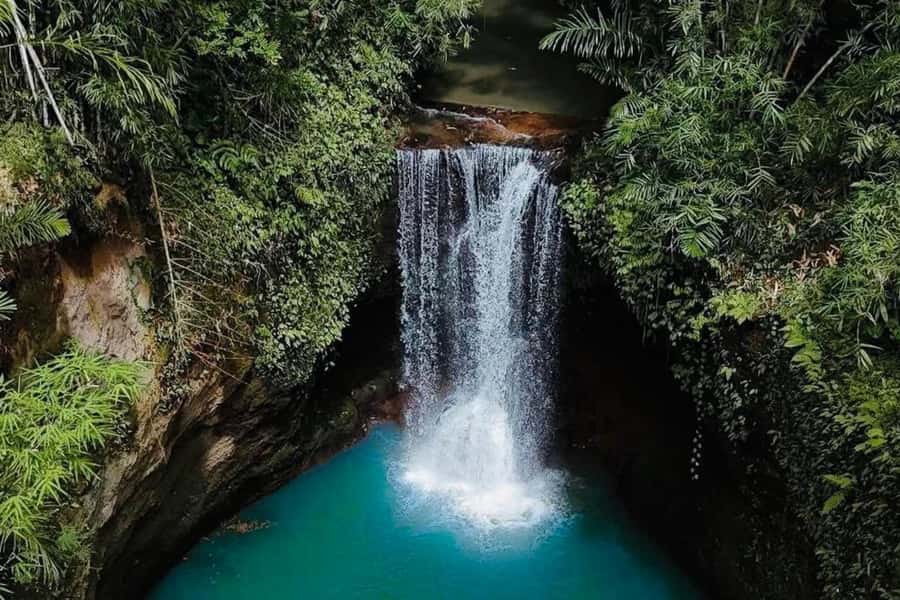
- Three waterfall viewpoints plus time at places where swimming is possible
- Coffee and herb/spice plantation visit with explanation of traditional processing
- Personal guiding style from drivers/hosts reported in past days, including Jerry, Surya, and Fery
Why this Ubud route is such a good use of your one day
Ubud can feel like a choose-your-own-adventure zone: temples, rice fields, waterfalls, swings, and plantations all fighting for your time. This tour is built to stack the best-looking stops into one long day, so you aren’t bouncing between far-flung locations on your own schedule.
I like that it doesn’t treat nature and culture as separate days. You’ll spend mornings with rice terraces and temple rituals, then pivot into waterfall time, then slow down again with coffee and herbs. That rhythm is exactly what makes the day feel worth it.
You can also read our reviews of more tours and experiences in Ubud.

Private car logistics: comfort, pickup timing, and how the day stays smooth

This is a private group tour with a private car, so you avoid the stop-and-start drag of shared shuttles. You’re also not guessing where to meet your driver: pickup is included from hotels in the areas listed, and the driver arrives about 30 minutes before you depart.
A small detail I appreciate: you get mineral water and parking fees are handled. It sounds basic, but in Bali heat, that little comfort matters. Also, you’ll have a driver who speaks English, and the ride is designed for sightseeing rather than just transport.
If you care about photos, note that the driver is said to take photos and videos of you during the day to make it feel like a real keepsake, not just a phone-flung document of random waterfalls.
Tegallalang Rice Terrace: UNESCO views, easy walking, and the best time to look
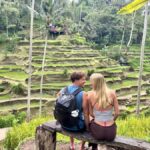
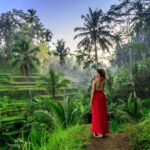
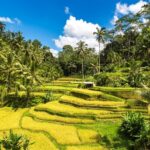
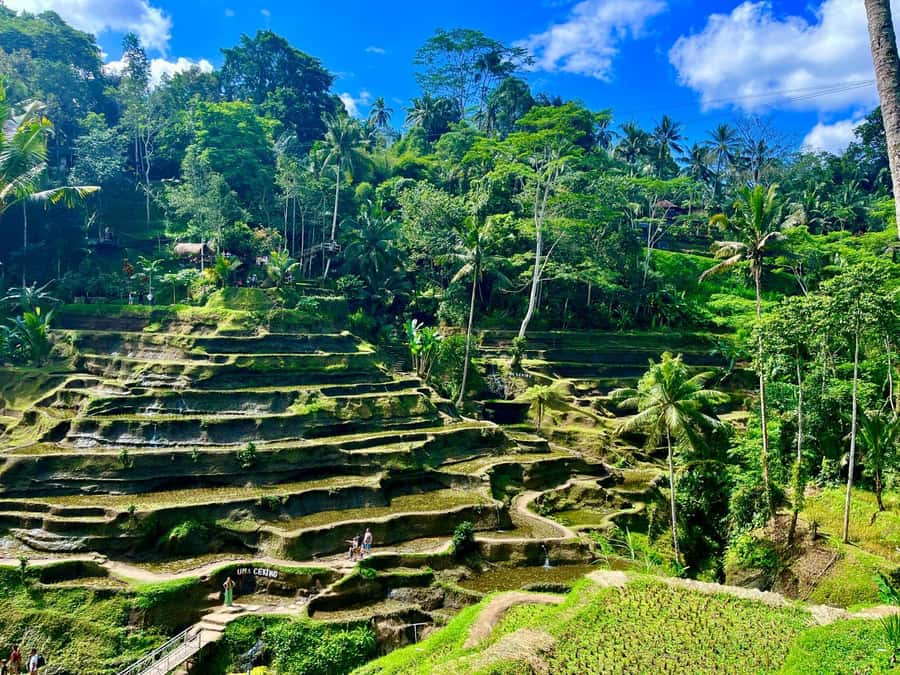
Ubud’s rice terraces aren’t just pretty—they’re a living farming scene that people still work every day. At Tegallalang, you’ll get a photo stop plus time to walk and take in the viewpoint layers that make these fields so famous.
What to do with your time there: keep your camera ready, but also slow down enough to watch the way the terraces step down. The best views come when you angle your shots to show depth, not just width. I’d also treat this like a “walking stop,” not a sprint—an hour goes quickly in sun.
What to watch for: it can be hot and slippery in places after rain. Wear shoes or sandals you trust, bring sunscreen, and keep an eye on uneven ground near viewpoints. You’re there to enjoy the scenery, not test your balance.
Tirta Empul (Water Temple): holy water bathing and the etiquette that matters
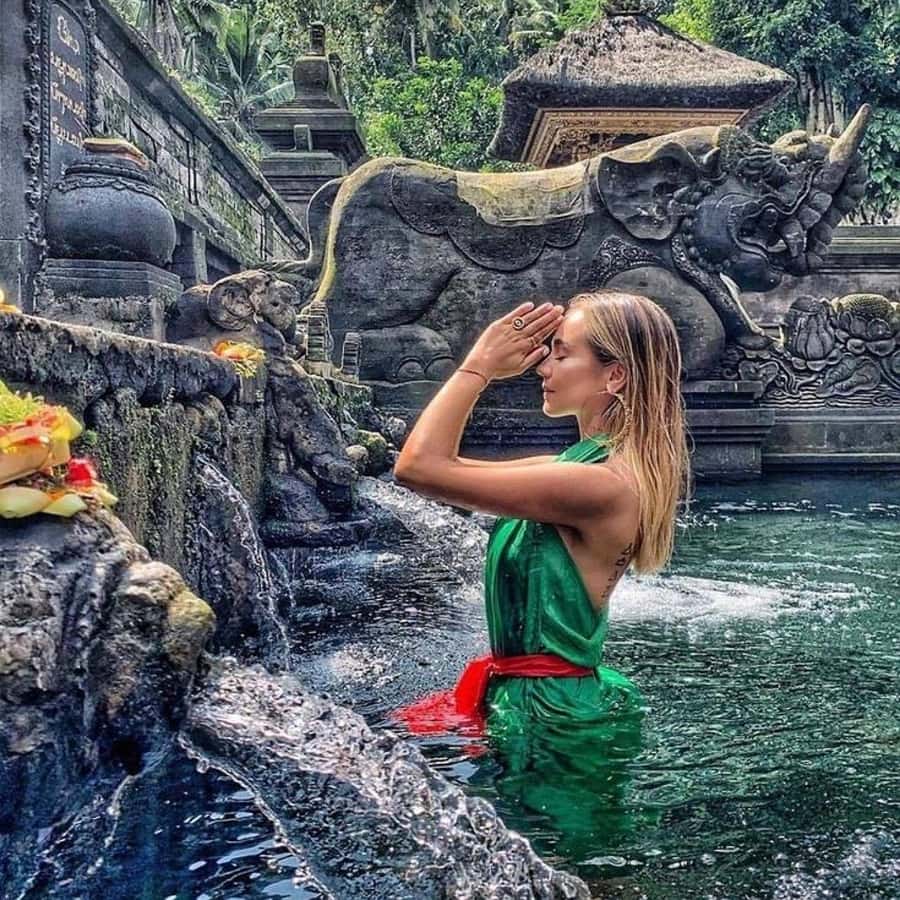
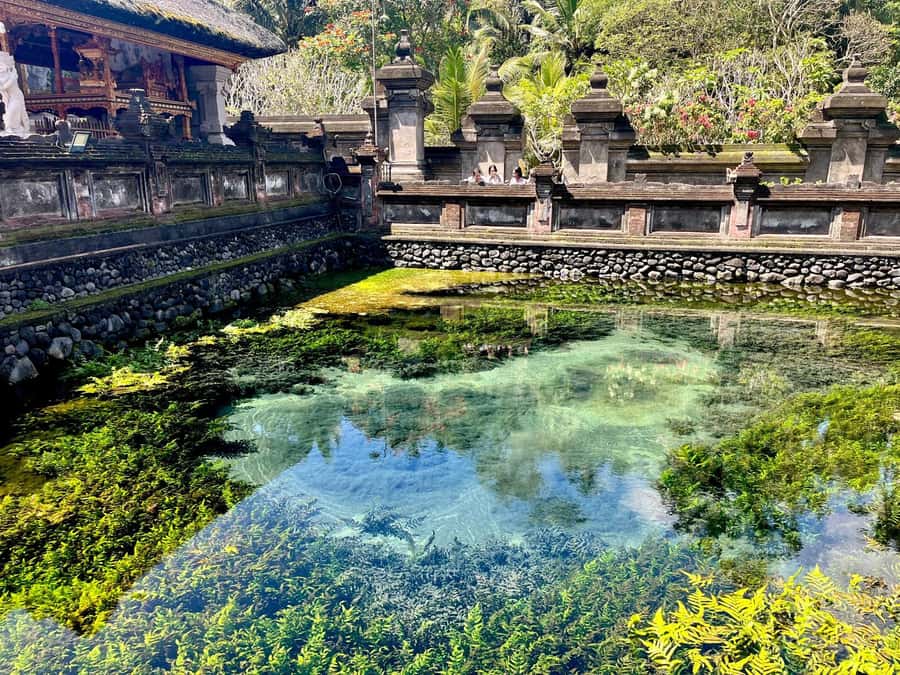
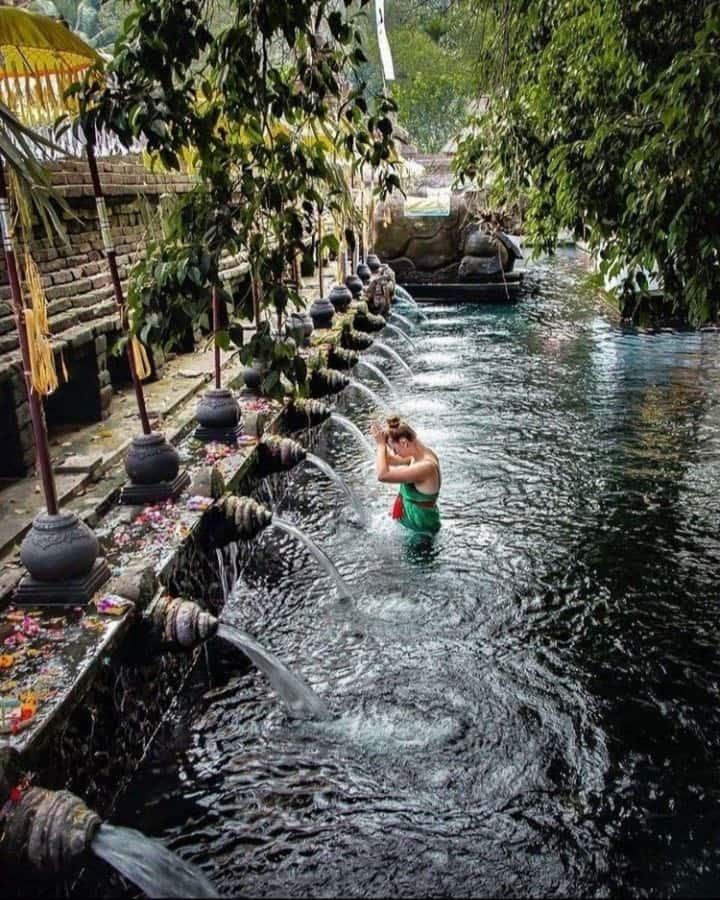
Tirta Empul is the spiritual centerpiece of the day. You’ll visit the temple for sightseeing, and you’ll have time for a guided look at the site—plus the highlight for many people: holy water bathing.
Fresh water from the temple is used for self-cleansing, and the experience is meant to be respectful. Even if you’re not joining every ritual step, you can observe how people enter, cleanse, and move through the space. It’s one of those places where your body language matters as much as your camera.
If you’re visiting during menstruation
The tour information is clear: women who are menstruating are not allowed to enter the temple. If this applies to you, plan for a more limited on-site experience. You can still see the area, but the ritual participation won’t be available, so don’t build your expectations around doing the bath yourself.


How to be a good visitor
Bring along items that help you stay comfortable. Swimwear, a change of clothes, and a towel are listed for a reason—when you’re doing any cleansing or water time, it’s easier if you can dry off and change quickly.
Also: keep your phone manners in check. Some of the most memorable temple moments are calm ones, not chaotic ones. Follow what locals do and avoid cutting lines or blocking people moving through the ritual area.
Waterfall stops in Ubud: Tibumana, Kanto Lampo, and Tegenungan
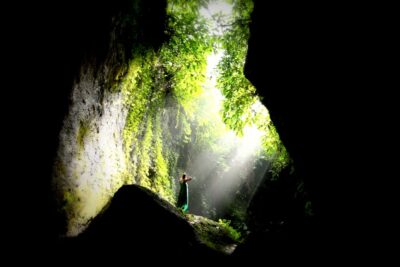
This is where the day switches gears—less temple rules, more jungle air, slippery stones, and big photo angles.
The tour includes three waterfall experiences:
Tibumana Waterfall
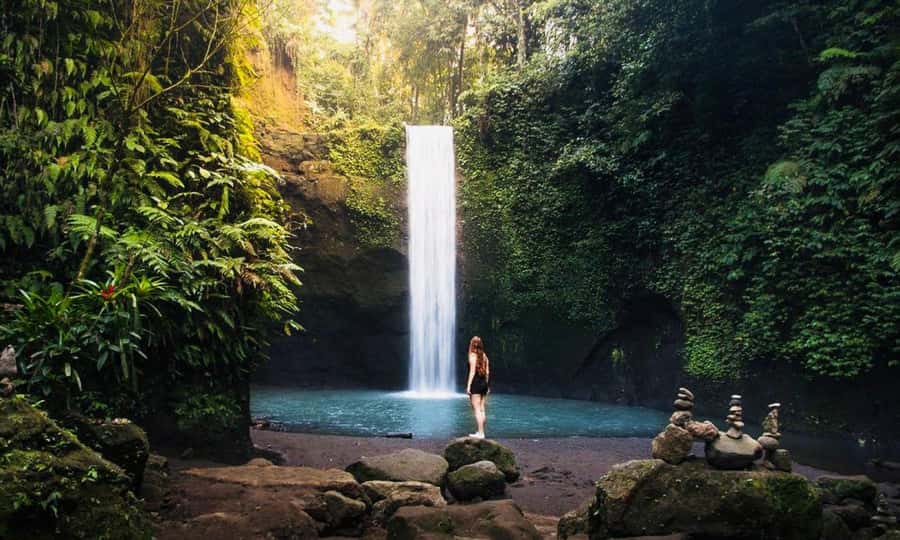
You’ll have a photo stop and time to visit here. This kind of stop is all about viewpoint composition: get your shots from a distance first, then move when you’re sure the area is safe and not overcrowded.
Kanto Lampo Waterfall
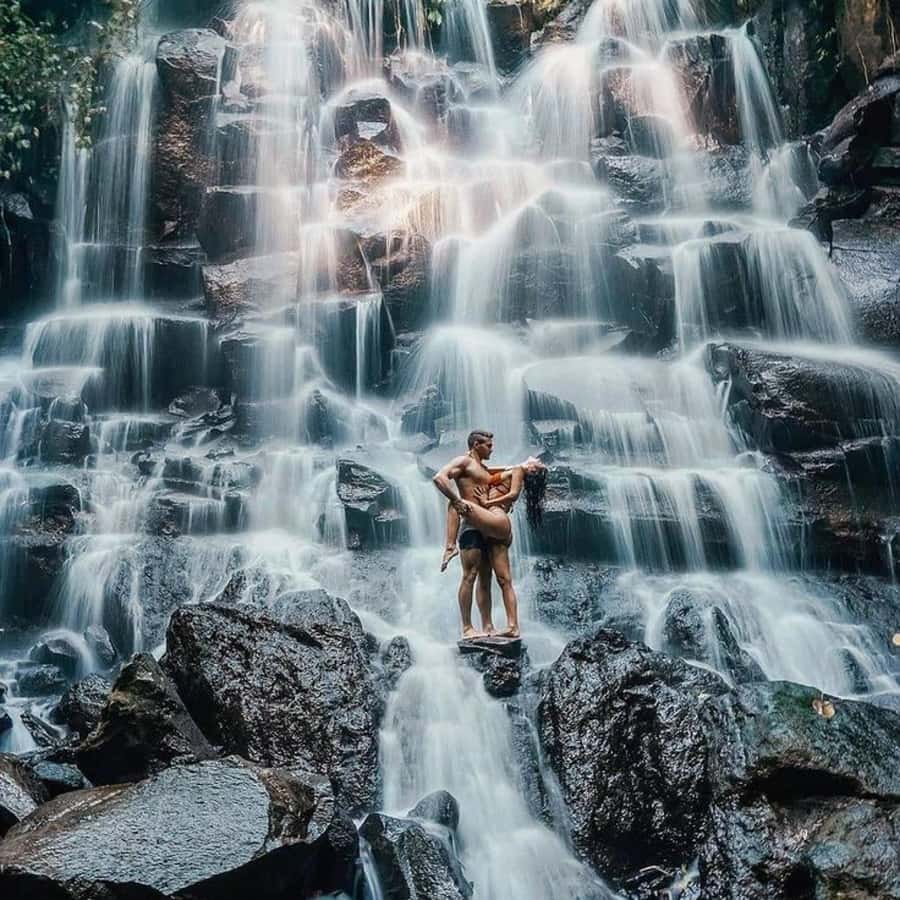
Kanto Lampo is included for photo stop and visiting. This is one of those waterfalls where people come prepared to get wet and pose, so dress practically. Shorts, sandals you can handle on damp paths, and sunscreen matter more than you’d think.
Tegenungan Waterfall
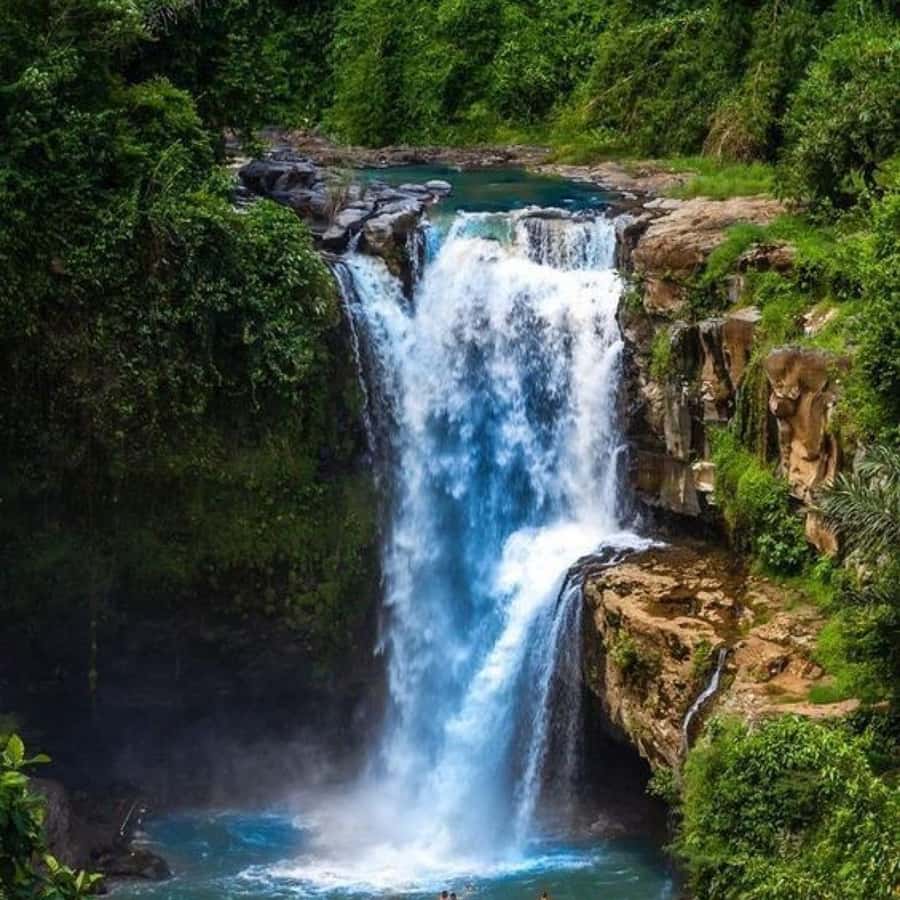
Tegenungan rounds out the day with another photo stop and visit. The best way to enjoy it is to plan your time in the same order most people skip: first the big view, then the closer moments, then whatever downtime you have left.
Swimming time (pack accordingly)
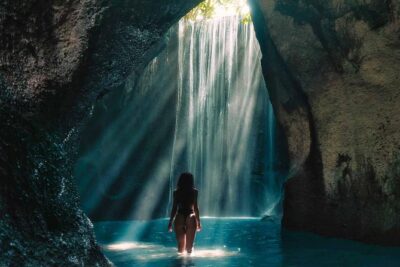
The day description specifically mentions that you can take photos/videos and swim at a waterfall area in the hidden forest portion of the schedule. Even if swimming isn’t mandatory, treat it as likely. Bring swimwear, a towel, and a change of clothes, and don’t forget basic water-friendly common sense.
Coffee, herbs, and spice plantation: turning a tasting into context
After the waterfalls, you get a calmer stop: a coffee and herb/spice plantation visit. This is not just walking through plants—it’s built to explain what’s grown and how Balinese traditions shape how coffee is processed.
You’ll see coffee plants along with a variety of herbal products, spices, and tropical fruit grown on site. The guide will explain the traditional way the area processes coffee, and you’ll likely hear about tea varieties too.
Why this stop is worth your time
Rice terraces show you how landscapes feed people. Waterfalls show you how Bali’s natural water shapes daily life. The plantation stop connects the dots with what farmers actually cultivate and how they work plants into products you can buy or taste later.
If you like souvenirs but hate tourist traps, this is one of the more grounded stops because you’re looking at the real growing environment and talking with people who work there.
Photos, jungle swing energy, and how to get better shots
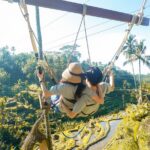
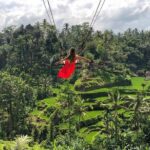
The tour description includes a jungle swing experience as part of the day’s excitement, with professional-style photo/video support mentioned. Even without a full performance-style production, the setup is clearly meant to give you memorable visuals.
Here’s what I’d do to get better results:
- Wear outfits you’re comfortable getting wet in or swapping out later.
- Bring your camera ready, but also step back and let the moment breathe between shots.
- Use the photo support at the best light times, not just whenever the crowd moves.
Also, the driver taking photos and video is a nice touch. You don’t have to hand your phone to strangers and hope they frame it right.
Food breaks: what happens if you get hungry
Lunch isn’t included. What the day offers instead is flexibility: if you’re hungry, you’ll stop at a local restaurant with a nice view and a variety of food options before heading back.
So, I’d keep cash on hand for meals and any personal costs. You’re also told to bring cash, which fits the reality that entrance tickets and lunch are not bundled into the base price.
Price and value: what $26 per person actually buys you
At $26 per person, this isn’t a premium price, but it also isn’t a basic “taxi plus some stops” situation. You’re getting:
- A private car
- Mineral water
- Parking fees
- A friendly English-speaking driver
- Skip the ticket line (where applicable)
- Multiple major sights grouped into one day
The catch: entrance tickets and lunch aren’t included, so your real total depends on those add-ons. Still, the value comes from saving time and effort—private transport plus a structured flow means you’re not spending hours coordinating rides between temples, terraces, and three waterfalls.
If you want a day that feels like Bali’s greatest hits without negotiating scooters and directions, this price can be a very sensible deal.
What to pack (so the day doesn’t fight you)
This tour lists a practical packing set, and I agree with it. Bring:
- Sunglasses and a sun hat
- Swimwear, change of clothes, and towel
- Sandals and shorts
- Camera and sunscreen
- Cash
If you’re tempted to go light, remember the mix: temple walking, terrace viewpoints, and waterfall water time. One missing item can turn a fun moment into an uncomfortable scramble.
Who this tour fits best (and who should skip it)
This is a great fit if you want a full Ubud day with minimal logistics stress. It’s also a strong choice if you value photo moments, because the day includes multiple picture-worthy stops and some photo support.
The tour information also lists people for whom it may not be suitable, including:
- Pregnant women
- People with back problems, heart problems, epilepsy
- People who have had recent surgeries
- People with high blood pressure or insect allergies
- Babies under 1 year and seniors over 70 (plus other age limits)
If any of those apply to you, it’s worth choosing a shorter, easier plan in Ubud.
Should you book this Ubud Water Temple, Rice Terrace, Waterfall Private Tour?
If you want one efficient day that covers Tegallalang rice terraces, Tirta Empul, and multiple waterfalls, then yes, book it—especially if you’d rather pay for the structure than spend your day figuring out transport and timing.
I’d book this particular tour when:
- You want private pickup and a driver who can handle the route
- You’re excited by holy water temple cleansing as a cultural experience
- You want waterfall time plus a calmer break at a coffee and herb plantation
I’d reconsider if:
- You need flexibility around the temple entry restriction for women during menstruation
- You don’t want a long, packed 9-hour day with sun, walking, and water stops
- Your health conditions fall into the listed not-suitable categories
If you’re a fit for it, this is the kind of Bali day that leaves you with photos, stories, and a sense that you actually saw the island—not just drove past it.
FAQ
How long is the Ubud Water Temple, Rice Terrace, Waterfall private tour?
The duration is listed as 9 hours. Starting times depend on availability.
Is this a private tour?
Yes. It’s a private group with your own private car.
What’s included in the price?
Included are a private car, fuel, mineral water, parking fees, and a friendly English-speaking driver. The tour also includes skip-the-ticket-line service.
Are entrance tickets included?
No. Entrance tickets are not included in the price.
Is lunch included?
No. Lunch isn’t included, but the plan includes a stop at a local restaurant with a view if you’re hungry.
Do I get pickup and drop-off?
Pickup and drop-off are included, with pickup available at hotels in the listed areas. You’ll be asked to meet at your lobby, and the driver arrives about 30 minutes before pickup.
Can women enter Tirta Empul if they’re menstruating?
The tour information says women who are in their period are not allowed to enter the temple.
Can I swim at the waterfalls?
The day description states that you can swim at a waterfall stop in the hidden forest portion of the schedule. Bring swimwear and a change of clothes.
What should I bring for the day?
You’re advised to bring sunglasses, a sun hat, swimwear, a change of clothes, a towel, sandals, sunscreen, shorts, a camera, and cash.
Is the tour suitable for everyone?
No. It’s listed as not suitable for pregnant women and for people with certain health conditions such as back problems, heart problems, epilepsy, high blood pressure, recent surgeries, and more.