A waterfall day with temple calm and rice views. This private Ubud outing strings together Kanto Lampo Waterfall with the living sacred spring rituals of Tirta Empul, then finishes with UNESCO-class rice terraces. The day feels special because you can get close to the action at the falls and you can see how locals handle spirituality in a very real, active place. One consideration: it’s a long day with walking, uneven ground, and a lot of outdoor time in the sun and weather.
I like that it’s truly private, so you’re not stuck with a rushed timeline. In the best versions of this tour, guides such as Ziggy (a name you’ll see in past bookings) keep things relaxed and flexible, and they’ll help you adjust on the fly. Still, if you want deep cultural explanations, make sure your guide knows that you’d like more than simple driving—some people felt they could have used more guidance on-site.
In This Review
- Key Highlights You’ll Care About
- A Smart 10-Hour Plan Through Ubud’s Most Memorable Places
- Kanto Lampo Waterfall: Tiered Rocks, Close-Up Photos, and Wet Shoes Potential
- Tirta Empul Holy Water Temple: 13 Springs, Real Rituals, and Respectful Rules
- Tegalalang Rice Terraces: Subak Water Wisdom and a View That Rewards Walking
- Private Driver-Guide Value: Flexible Timing, Better Routes, and One Caution
- What’s Included, What You’ll Pay Extra For, and What That Means
- How to Prepare: Swim Kit, Sun Protection, and Temple Etiquette
- Who Should Book This Tour (and Who Should Skip It)
- Should You Book Ubud: Waterfalls, Temple & Rice Terraces Private Tour?
- FAQ
- What pickup locations are available for this private tour?
- How long is the tour?
- What are the main stops on the itinerary?
- Are meals included in the price?
- Are entrance fees and parking included?
- Is Tirta Empul a place where you can enter the water?
- Should I bring a swimsuit and towel?
- Is the tour guided in English?
- Is smoking or flash photography allowed?
Key Highlights You’ll Care About
- Kanto Lampo’s wide, tiered drop means more ways to photograph and stand safely near the falling water
- Tirta Empul’s purification pools are active, not a museum stop, with rituals tied to holy springs
- You get to choose your comfort level with the water at Tirta Empul, including the sarong requirement if you enter
- UNESCO Tegalalang terraces and Subak irrigation show how rice farming is built around water management
- Private pacing across 10 hours helps when crowds, weather, or your photo timing don’t cooperate
A Smart 10-Hour Plan Through Ubud’s Most Memorable Places
This tour is built for a classic Ubud combo: dramatic nature, a major Hindu water temple, and rice terraces that look like someone designed them with water in mind. You’ll start with hotel pickup options in Kuta, Canggu, Sanur, or Ubud, then spend the day moving between three core stops before returning for drop-off in the same region.
At $27 per person for a private car and driver-guide, you’re really paying for two things: convenience and time. You’re not just visiting sights—you’re saving yourself the hassle of arranging transport and trying to coordinate timing between waterfall, temple, and terraces. Entrance fees are included, but the listing notes you can choose an option, so confirm which entrance package is tied to your booking when you arrive.
Because it’s private, you can slow down if you want more photos, or you can move faster if the weather turns. That flexibility is one of the main reasons people are happy with this kind of Ubud day.
You can also read our reviews of more tours and experiences in Ubud.

Kanto Lampo Waterfall: Tiered Rocks, Close-Up Photos, and Wet Shoes Potential
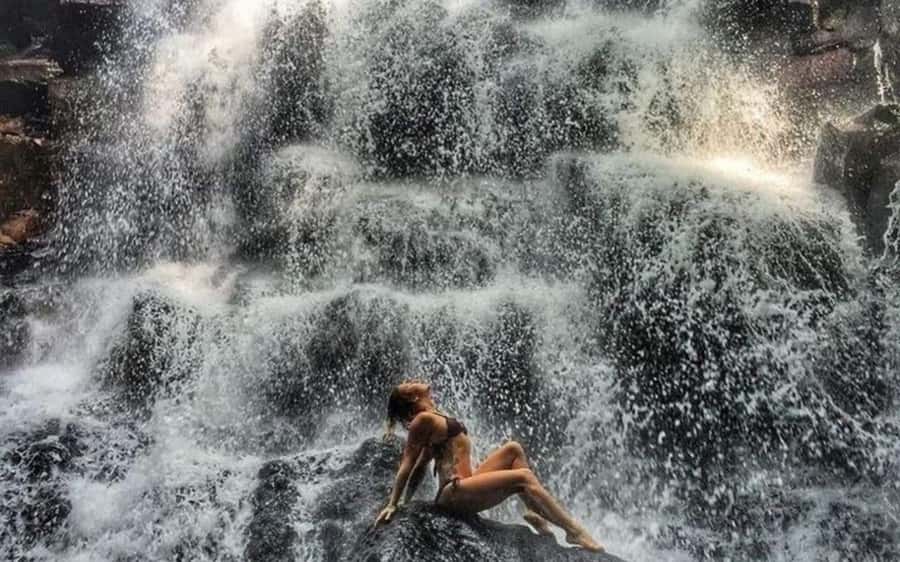
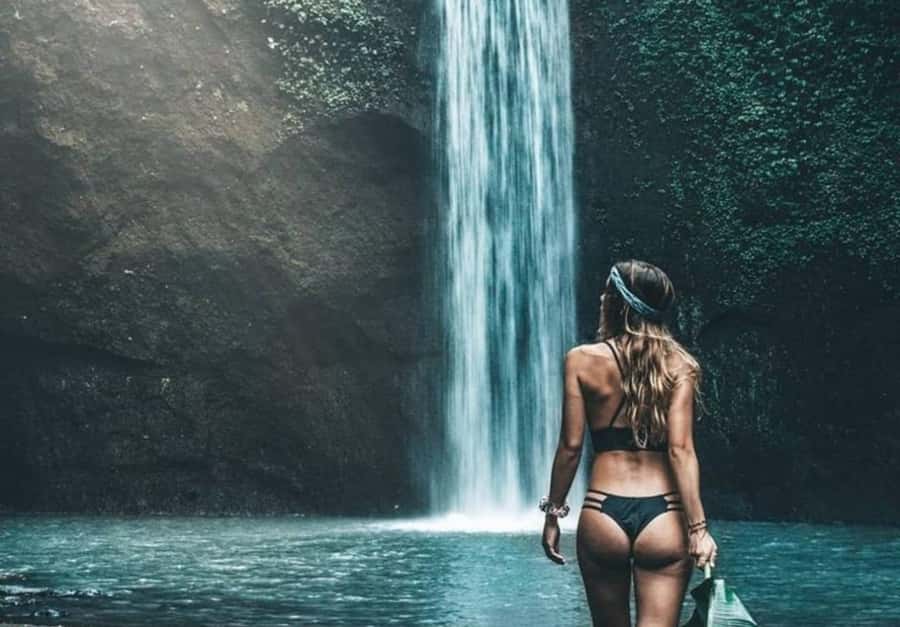
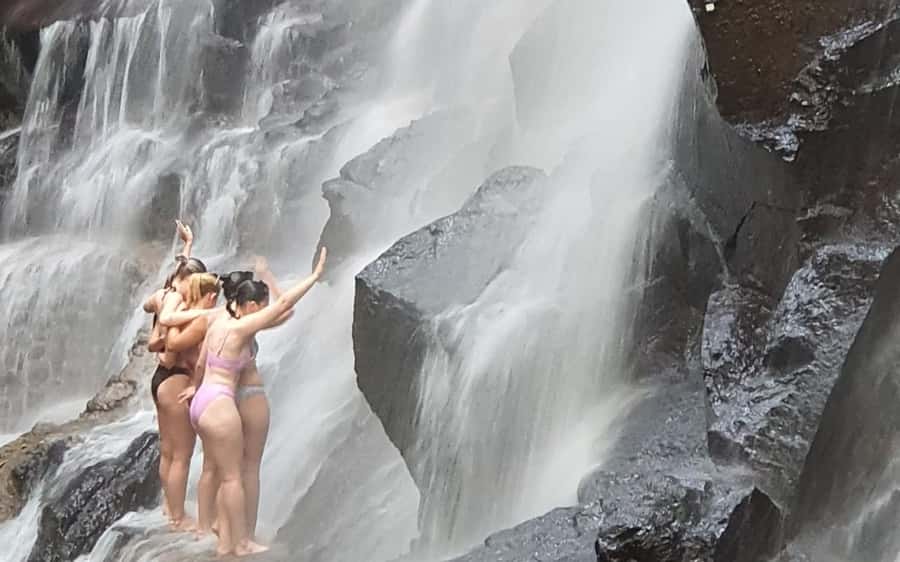
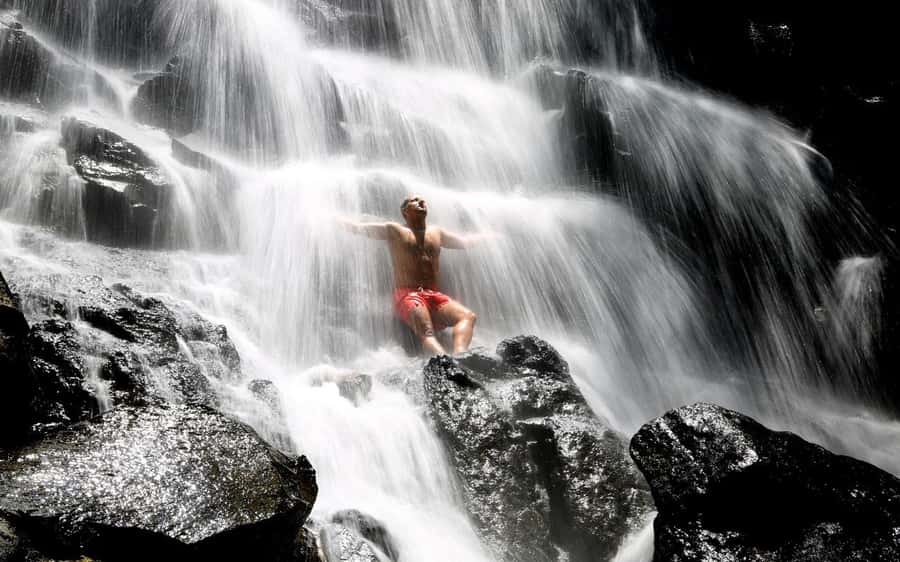
Kanto Lampo is the star when you want something different from the usual narrow waterfall view. Instead of water pouring down one thin line, it spills over a wide, tiered limestone formation, which creates a layered, waterfall-around-you feeling. It’s also known for being very photogenic, and the rocks give you more angles than a typical viewpoint.
You’ll typically have about 1.5 hours for the waterfall portion, including time to park, take photos, and walk around. Here’s the practical part: you can climb onto the rocks carefully so you can sit closer to the cascade while the water runs around you. If you do that, plan for damp footing and treat the area like it’s slippery, because it is.
Bring a swimsuit and a towel if you want to get wet. Changing rooms are available on-site, which makes it easier to avoid that post-water-ride feeling when you’re heading to your next stop. Comfortable walking shoes are a must, since the ground around waterfalls is rarely flat.
The main drawback here is simple: you’re outdoors. If rain comes through, the rocks can get even slicker, and your time may feel shorter just because you need to move cautiously. If you hate wet weather surprises, consider wearing quick-dry layers you can tolerate for the day.
Tirta Empul Holy Water Temple: 13 Springs, Real Rituals, and Respectful Rules
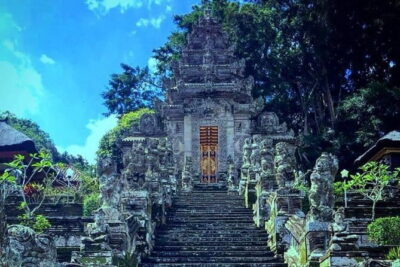
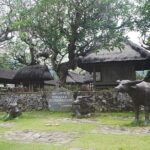
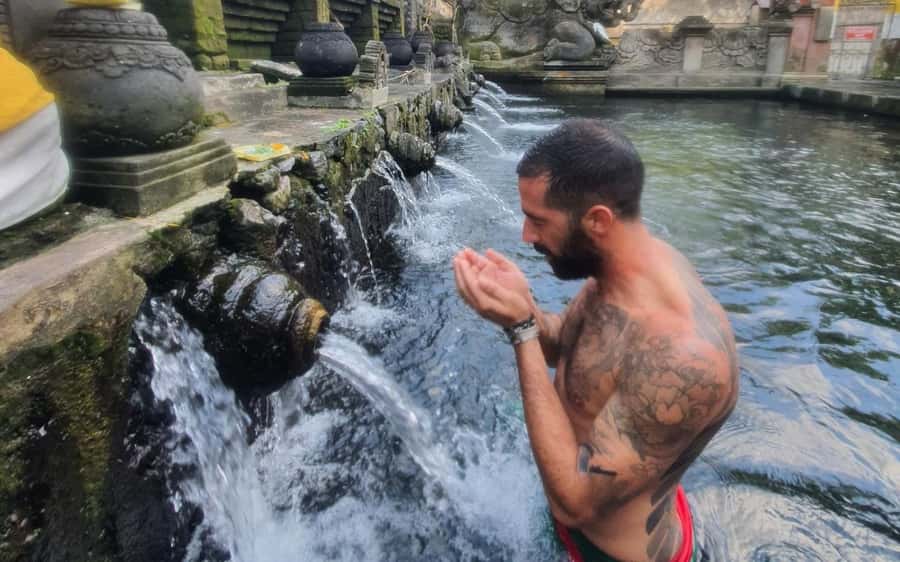
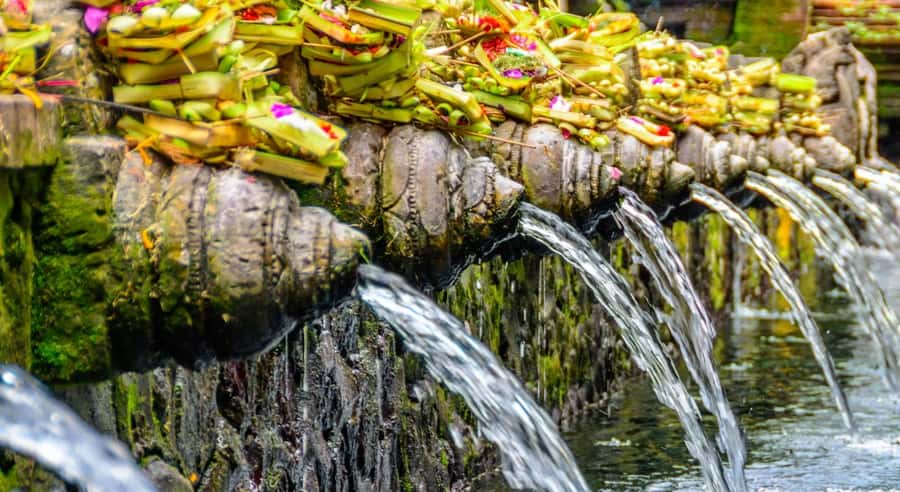
Then the pace shifts—from waterfall energy to temple stillness. Tirta Empul, an active Hindu temple dating back to 962 AD, is famous for its sacred mountain spring water. You’ll see the Petirtaan, which are the purification pools where both locals and visitors take part in ritual cleansing.
You’ll have about 1.5 hours here for photo stops, visiting, and guided time. The temple’s key detail is that the purification is tied to 13 holy springs, and the whole experience is set up around that. If you’d like to actually enter the water for the ritual, there’s one important gear item: you need a specific ceremonial sarong. The tour info notes it’s usually provided or available for rent, so you’re not expected to show up with one already tied.
If you prefer not to enter the water, you can still observe respectfully and focus on the layout and atmosphere. Either way, behave like you’re stepping into someone’s living spiritual space, not a photo set.
A small but real consideration: this stop includes swimming time in the schedule, and the tour isn’t suitable for everyone. The experience provider lists it as not suitable for people with back problems, heart problems, pregnant travelers, or wheelchair users. Even if the ritual area isn’t extreme, you should assume there’s standing, moving around, and some uneven or wet surfaces.
Also note the rules: flash photography is not allowed, and you’ll want to avoid anything that looks disruptive. Treat it as a place to slow down and watch what’s happening.
Tegalalang Rice Terraces: Subak Water Wisdom and a View That Rewards Walking
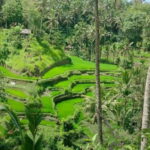
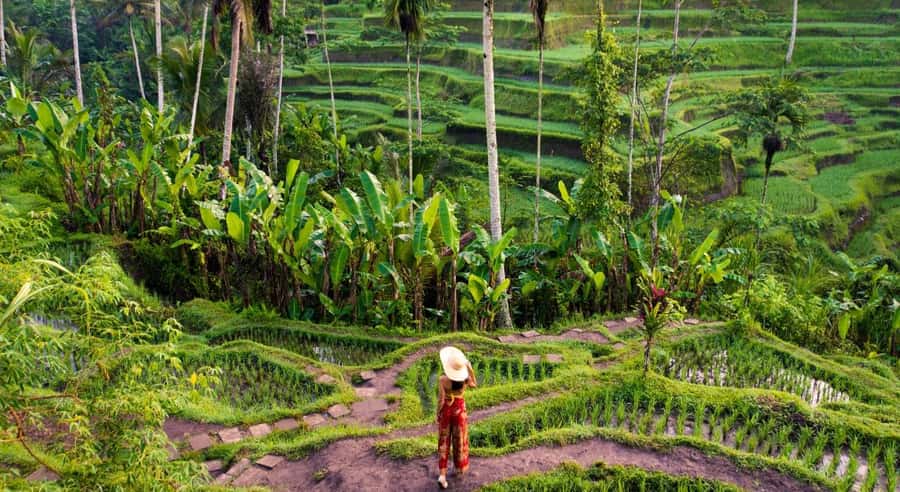
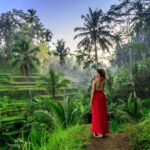
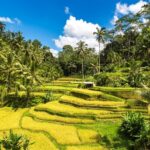
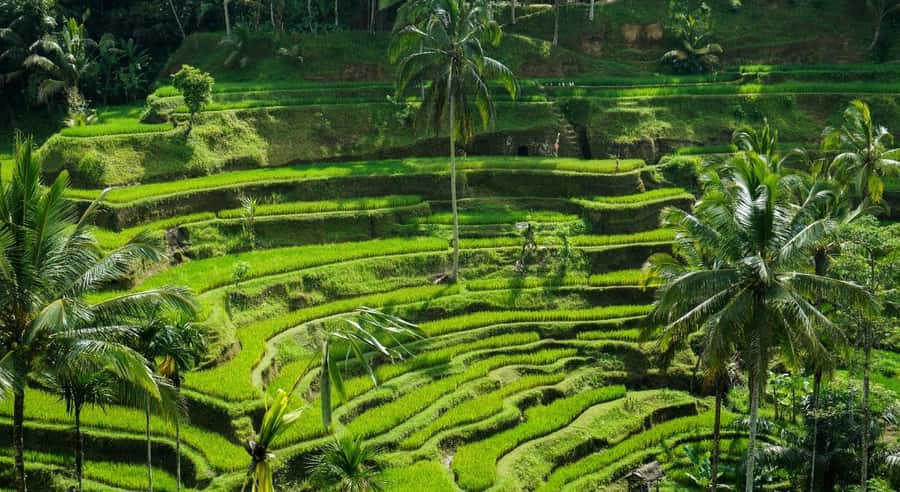
Next comes the part people remember later: Tegalalang Rice Terraces, a UNESCO World Heritage site. What makes these terraces more than a pretty view is the traditional irrigation system called Subak. When you look at the terraces, you’re also seeing a water-management model that’s been passed through generations.
You’ll spend about 1.5 hours here. There’s usually time for photos, a guided walk, and some sightseeing. One of the best ways to experience Tegalalang is to hike down into the valley and then climb back up on the other side. You’re rewarded with layered views—emerald-green sections stepping down like they were cut with a ruler.
Good shoes matter here too. The paths can be uneven and slick in places, especially if earlier stops were wet.
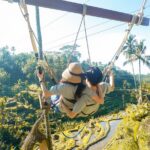
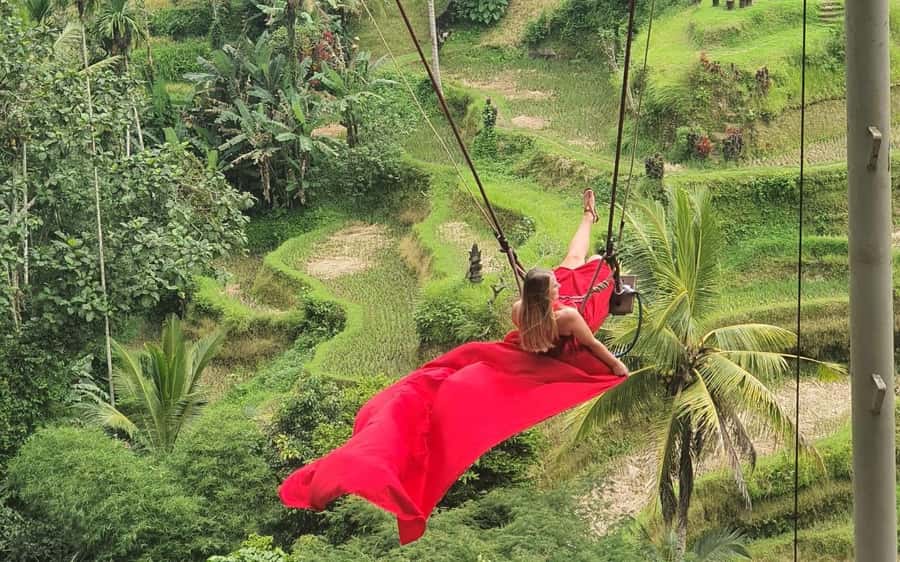
You might also see the iconic photo spots in this region, like the Jungle Swing area or the Love Bali sign views. The tour info says many tours include that kind of stop, so if it’s on your bucket list, ask your guide to build in time for it. In a private tour, you’re better positioned to make space for those extras.
The one possible downside is physical. If your legs are already tired from the waterfall walk and temple time, that hike up and down the terraces can feel like work. Pace yourself and take breaks, especially if the sun is strong.
Private Driver-Guide Value: Flexible Timing, Better Routes, and One Caution
This is sold as a private group with a private car, and that matters in Bali where traffic and crowd flow can change fast. You’re not just getting a ride; you’re getting a driver-guide who can shape the day.
From past experiences, names like Ziggy show up with people praising the way they adjust plans and keep the day unhurried. Another driver name that came up is Komang Dokar, who was appreciated for explaining more along the way. Those details point to a real truth: on this kind of tour, the experience is partly about the guide’s communication style.
Here’s the caution: one booking felt the driver was kind and respected their choices, but they wanted more guiding during the actual visits. That’s not a deal-breaker if you’re happy with self-exploring, but it is important if you want cultural context while you’re at each site. If that’s you, ask questions early and stay close when you’re moving through the temples and terraces.
For language, the tour is guided in English and Indonesian, so you should be able to get answers even if your guide’s style is more simple than talkative.


What’s Included, What You’ll Pay Extra For, and What That Means
Included:
- Hotel pickup and drop-off
- A private car with a driver-guide
- Entrance fees (you choose an option)
- Parking fees
- Mineral water bottle
Not included:
- Meals
- Personal expenses
So the value is strongest if you like a clean, end-to-end day. You don’t need to manage tickets, and you get transport between the three distant stops. The entrance fees inclusion also prevents a common budget surprise.
Meals are on you, so plan for either a packed lunch strategy or a stop for food that fits your timing. Since the tour is 10 hours, you don’t want to spend your energy looking for food places that match your schedule.
How to Prepare: Swim Kit, Sun Protection, and Temple Etiquette
This is an outdoors-and-water day, with one part that may involve entering a ritual space. You’ll be happiest if you pack for both photo time and wet time.
I suggest you bring:
- A swimsuit and a towel if you want to use the waterfall area and feel comfortable with water stops
- A hat and sunscreen for sun protection
- Comfortable walking shoes for terraces and temple areas
- Anything your routine needs for weather changes (a light layer helps if rain cools things down)
Before you go into religious sites, remember the rules listed for the experience:
- No smoking
- No flash photography
- No littering
- No alcoholic drinks in the vehicle
The bigger etiquette point is simple: respect local customs at temples. Keep your voice down, follow any instructions about clothing, and avoid acting like a spectator who forgets this is a workplace for worship.
Who Should Book This Tour (and Who Should Skip It)
This tour fits best if you want one day that covers the three things Ubud is famous for: waterfalls, spiritual water temples, and rice terraces. The private format is especially good if you don’t like being herded and you want time to linger for photos.
It’s also a strong choice for couples and small groups who can share the “work” of walking—one person takes photos while the other checks footing and finds the best place to pause.
Skip this tour if any of these are deal-breakers:
- You need wheelchair access (the tour says it’s not suitable for wheelchair users)
- You have back or heart problems
- You are pregnant
- You strongly dislike walking on uneven surfaces or being outdoors for long stretches
If you’re generally healthy and okay with a full day, it’s a good way to see a lot without stressing over logistics.
Should You Book Ubud: Waterfalls, Temple & Rice Terraces Private Tour?
Book it if you want a private Ubud day that hits three top-name experiences with minimal friction. The strongest reasons to choose it are the Kanto Lampo waterfall approachability, the active Tirta Empul purification pools, and the Subak-driven terrace views at Tegalalang. The price can feel like good value because entrance fees, parking, and transport are folded into the day.
Don’t book it if your group needs accessibility support, if you’re dealing with medical limitations like back or heart issues, or if you’re not comfortable with the idea that you may get wet and walk more than you expect. Also, if you care about deeper cultural explanations at each site, you’ll want to communicate that clearly to your driver-guide at the start.
If you get a guide who’s flexible—like the kind people describe when they mention Ziggy—and you ask for the level of guidance you want, this can turn into exactly the kind of Ubud day you’ll remember for its mix of nature and ritual.
FAQ
What pickup locations are available for this private tour?
Pickup is available from Kuta, Canggu, Sanur, or Ubud. Your drop-off locations are also Sanur, Kuta, Ubud, or Canggu.
How long is the tour?
The total duration is 10 hours. Starting times depend on availability.
What are the main stops on the itinerary?
You’ll visit Kanto Lampo Waterfall, Tirta Empul Holy Water Temple, and Tegalalang Rice Terraces.
Are meals included in the price?
No. Meals are not included, and the tour lists personal expenses as not included too.
Are entrance fees and parking included?
Yes. Entrance fees (with an option to choose) and parking fees are included, along with hotel pickup and drop-off and a mineral water bottle.
Is Tirta Empul a place where you can enter the water?
The purification pools are part of the experience, and the info explains that if you want to enter the water for the ritual, you must wear a specific ceremonial sarong. It’s usually provided or available for rent.
Should I bring a swimsuit and towel?
If you want to get wet at Kanto Lampo, the tour guidance recommends bringing a swimsuit and a towel. There are changing rooms on-site at the waterfall.
Is the tour guided in English?
Yes. The live tour guide speaks English and Indonesian.
Is smoking or flash photography allowed?
Smoking is not allowed, and flash photography is also not allowed. Littering and alcoholic drinks in the vehicle are not allowed either.