A cleansing ceremony with locals can feel oddly private—in a good way—then it adds up fast. In Ubud, you’ll mix spiritual purification with temple stops and some of Bali’s classic nature time, all in one long, well-paced day.
What I love most is the balance: you get the meaning of the cleansing ritual, not just the photo moment. I also like the way the day flows from active (those waterfall steps) to calmer temple grounds, so you’re not stuck in one kind of activity the whole time.
One thing to consider: the waterfall time includes a steep descent with about 400 steps, so if you’re short on mobility or stamina, plan accordingly.
In This Review
- Key highlights you’ll feel right away
- Why Ubud’s cleansing ceremony feels personal
- The day in order: what 8–9 hours feels like
- Stop 1: Nungnung Waterfall and the 400-step workout
- Stop 2: Sangeh Monkey Forest and how to handle wildlife respectfully
- Stop 3: Taman Mumbul’s clear pond, water temple, and bathing pools
- Stop 4: Taman Ayun Temple—beautiful gardens and pond-side calm
- Guide power with Dewa Alit (Bli Dewa Alit)
- Price and value: what $40.50 buys you in real life
- Who should book this Ubud day—and who should think twice
- Practical tips to make the ceremony and stops easier
- Should you book this cleansing-ceremony tour in Ubud?
- FAQ
- What is the price per person?
- How long is the tour?
- What time does the tour start?
- Does the tour include pickup?
- Is it a private tour?
- What’s included in the tour price?
- Are entrance fees included?
- Is there a mobile ticket?
- What is the cancellation policy?
- Where is this tour based?
Key highlights you’ll feel right away
- A real cleansing ceremony meant to help you reset and find balance and clarity
- Dewa Alit (Bli Dewa Alit): friendly guidance that helps you feel safe, especially as a solo traveler
- Nungnung Waterfall: one of the island’s biggest falls, with a scenic, doable hike down
- Temple variety: Taman Ayun’s gardens plus Taman Mumbul’s sacred water setting
- Mixed pace for a full day: waterfalls, wildlife, and temples without feeling rushed
- Transport included: air-conditioned vehicle, bottled water, parking, and fuel covered
Why Ubud’s cleansing ceremony feels personal
Ubud is full of wellness talk, but this is different in tone. The whole point of the day is a cleansing ceremony based on Balinese belief—meant to help you release negativity and restore balance and harmony in your body. It’s also tied to clarity about the direction you want to go in life.
Even if you don’t consider yourself deeply spiritual, the structure matters. You’re given a context for what you’re seeing and doing, and the ceremony is framed as part of Balinese ancient heritage—not just a spectacle.
The other reason it lands is how it pairs with the rest of your day. After that reset, you move into places that are visually peaceful and culturally meaningful: temple gardens, sacred water areas, and a waterfall that invites you to slow down for photos and (optionally) a swim.
You can also read our reviews of more tours and experiences in Ubud.

The day in order: what 8–9 hours feels like
This tour starts at 8:30 am and runs about 8 to 9 hours, which is long enough to cover multiple sites but not so long that you’ll feel wrecked by mid-afternoon.
A practical way to think of the timeline:
- Morning energy: waterfall hike and views
- Midday reset: wildlife sanctuary and sacred-water stop
- Late part of the day: temple time with calmer grounds
You also get a key comfort factor: air-conditioned vehicle time between stops, plus bottled water. That matters in Bali when the schedule is packed and the sun can be strong.
Stop 1: Nungnung Waterfall and the 400-step workout
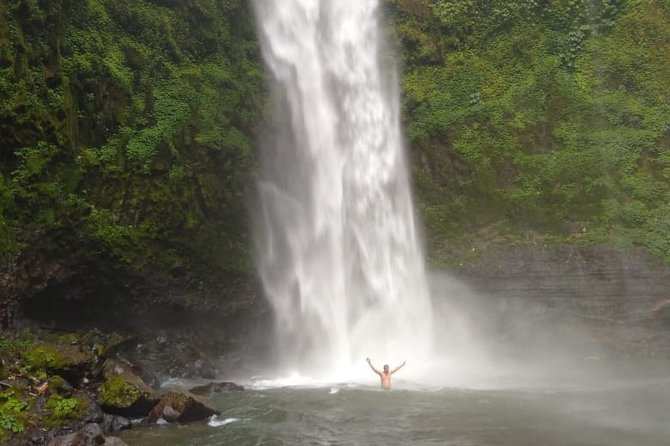
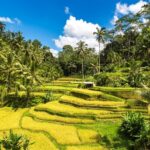
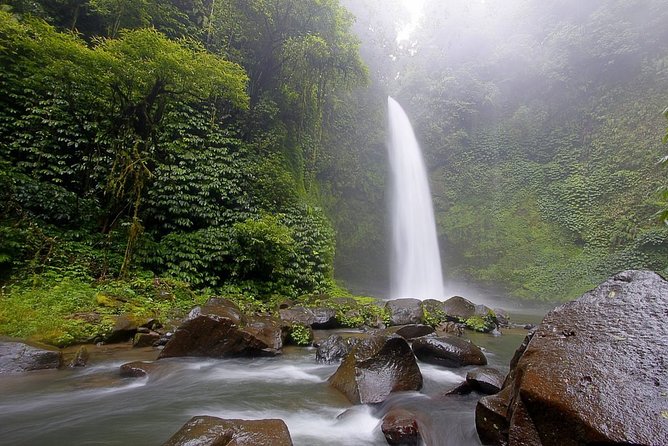
Nungnung Waterfall is described as one of the biggest waterfalls on the island. It’s not just about the height—it’s about the experience of getting there. You’ll walk down about 400 steps, which turns the visit into a real outing, not a quick viewpoint stop.
What I’d count as the payoff:
- You’ll get excellent nature scenery for photos
- The area is quieter than you might expect, which makes the waterfall feel more relaxed
- Fresh water can be a good temperature, so swimming is a real option
The main tradeoff is effort. Those steps are the reason you should wear shoes with grip. If your knees or hips are sensitive, treat this as a “go slow” moment, not a speed hike. Also, entrance tickets aren’t included, so budget extra for that.
Stop 2: Sangeh Monkey Forest and how to handle wildlife respectfully
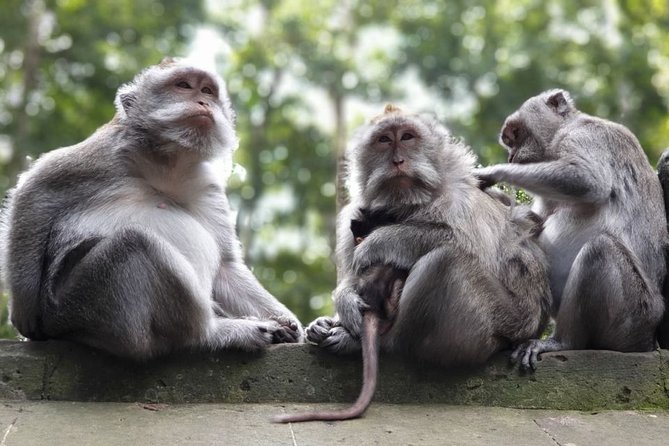
Sangeh Monkey Forest is a sanctuary for grey long-tailed macaques. That “sanctuary” word matters. You’re not going to a place designed for tricks. You’re visiting a village-area forest where macaques live, and you’re there to observe.
You can expect:
- A dense, forested setting where you’ll see lots of monkeys in their environment
- Time to look around and understand why this place is protected
A simple way to stay comfortable: keep a respectful distance and watch your belongings. In any monkey forest, curious animals can get bold, especially if they smell food or you’re carrying snacks.
Entrance fees aren’t included here either, so if you’re the type who hates surprise costs, I’d mentally add each stop’s ticket to your day-planning budget.
Stop 3: Taman Mumbul’s clear pond, water temple, and bathing pools
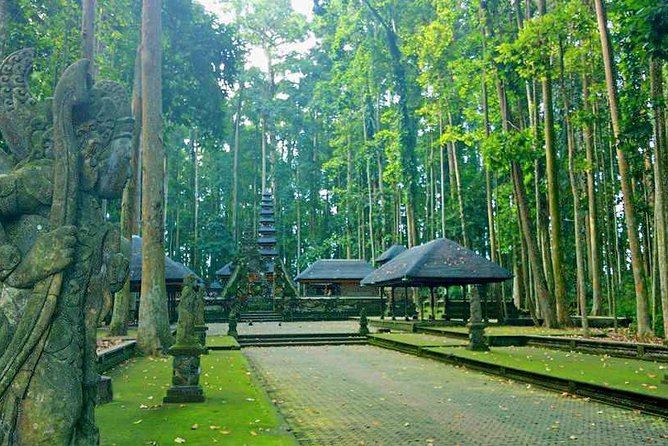
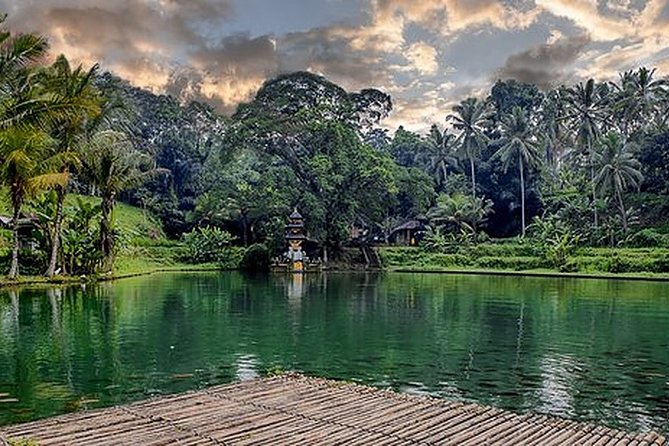
Taman Mumbul is sacred and tied to Sangeh and nearby communities. The setting is what sticks in your mind: a large pond-lake with clear water, plus a water temple atmosphere and bathing pools.
This is the kind of place that feels like it has rules, even when you’re just walking around. That’s exactly why it pairs so well with the cleansing ceremony theme. Both are about spirituality expressed through space, sound, and ritual-focused environments.
What you’ll likely appreciate:
- The calm visual of a big, clear water area
- The sacred feel of a temple setting designed around water
- The sense of how Balinese culture connects daily life to spiritual places
Again, entrance fees aren’t included. And while the tour will take care of the route and timing, you’ll still want to dress in a way that works for sacred sites and wet areas (think comfort over fashion).
Stop 4: Taman Ayun Temple—beautiful gardens and pond-side calm
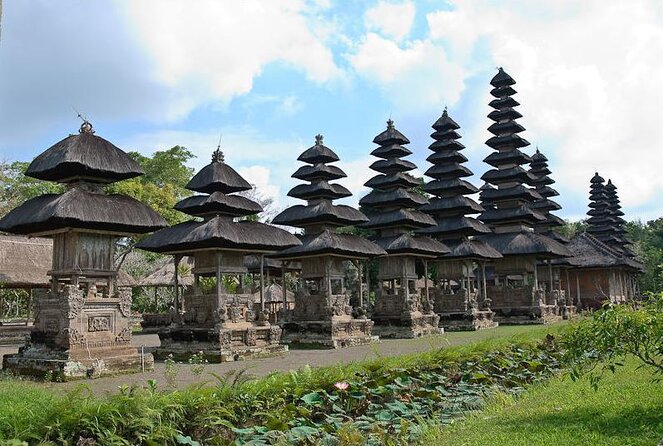
After water and wildlife, Taman Ayun Temple brings you back to gardens and architecture. The name literally points to beautiful garden, and it’s widely regarded as one of Bali’s attractive temples.
The standout here is the environment: you’re not just looking at structures. You’re walking through a temple complex set in a park with trees and ponds. It’s the kind of place that gives your eyes a rest—especially after the earlier parts of the day.
Why this stop is worth your time:
- It shows a different face of Balinese temple life than a simple stand-alone shrine
- You get a more relaxed pace for photos
- The grounds create a calm “end cap” to the day
Entrance tickets aren’t included, so plan for that. Also, temples often feel more enjoyable when you move slowly and let the space guide you.
Guide power with Dewa Alit (Bli Dewa Alit)
This tour is private for your group, and that changes everything about how the day feels. You’re not getting swept along with strangers while trying to ask questions.
The guide connection is also a major reason this experience earns strong praise. Dewa Alit, often introduced as Bli Dewa Alit, is described as amazing, friendly, and clear in how he explains things. For a solo female traveler, the comfort and sense of safety stood out a lot.
That matters because a cleansing ceremony isn’t something you want to navigate with guesswork. A good guide helps you understand what you’re doing, how to behave respectfully, and how to make sense of what you’re seeing at each stop—water temple areas, temple gardens, and nature sights.
If you like tours where the person driving the experience also teaches, this is the kind of setup that works.
Price and value: what $40.50 buys you in real life
At $40.50 per person, this doesn’t look expensive on paper. But value is more than price tags, so here’s what you’re actually getting for that money:
Included basics that reduce hassle:
- Air-conditioned vehicle and private transportation
- Fuel surcharge and parking fees
- Bottled water
Included “experience value”:
- A full-day route tying together cleansing ceremony time and multiple landmark stops
- Guided context so you’re not just collecting pictures
What costs extra:
- Entrance fees for attractions (each site can have its own ticket)
So the real cost picture is: your tour fee covers transportation and the guided experience, then you add entry tickets at the stops. If you’re traveling with a budget, it helps to save room for those site fees so the day stays fun, not stressful.
Also, booking averages are strong for this one (about 24 days in advance). If you have fixed travel dates, I’d book early to line up the timing you want.
Who should book this Ubud day—and who should think twice
I think this tour is best for:
- People who want more than sightseeing and want a cultural reason behind what they’re doing
- Travelers who like a mix of nature, temples, and a guided spiritual moment
- Solo travelers who value feeling comfortable and supported by a guide
It may not be the best match if:
- You have knee or mobility issues that make steep step-count descents difficult
- You strongly prefer low-effort days with minimal walking
The “most travelers can participate” angle is encouraging, but Nungnung Waterfall’s descent is the one part where effort is real. If you’re unsure, you can plan to take it slowly and treat swimming as optional.
Practical tips to make the ceremony and stops easier
A few common-sense moves help this day run smoothly:
- Wear shoes you trust on uneven ground. The waterfall hike is where slip risk matters.
- Bring swim-ready gear if you want to take advantage of the waterfall water. The water temperature is described as good.
- Keep an eye on timing. You’ll want to stay ready for transitions between sites so you don’t feel rushed in temples or water areas.
- For temple stops, choose clothing that feels respectful and comfortable for walking.
If you’re the type who likes to ask questions, bring that energy. A big part of the value here is understanding what you’re seeing—especially during the cleansing ceremony.
Should you book this cleansing-ceremony tour in Ubud?
If you want a Ubud day that blends culture with nature, I’d say yes—especially if the idea of a local cleansing ritual makes you curious. The day’s structure is smart: you start with an active waterfall, then balance it with monkey forest and sacred water spaces, and finish with a temple garden atmosphere.
The biggest deciding factors for me are:
- You get a private-group feel with Dewa Alit (Bli Dewa Alit) guiding and helping you feel safe and comfortable
- You’re not just touring—you’re learning how different places connect to Balinese spiritual life
- You have transport and key extras covered (air-conditioned vehicle, bottled water), so you can focus on the experience
Book it if you’re okay with a step-heavy waterfall stop and you’re prepared to pay entrance tickets separately. Skip it if you want a fully low-movement day or you’re allergic to the idea of walking in temple and water-focused areas.
FAQ
What is the price per person?
The tour costs $40.50 per person.
How long is the tour?
It runs about 8 to 9 hours.
What time does the tour start?
The start time is 8:30 am.
Does the tour include pickup?
Yes, pickup is offered.
Is it a private tour?
Yes. It’s a private tour/activity, and only your group participates.
What’s included in the tour price?
Included items are bottled water, air-conditioned vehicle, private transportation, fuel surcharge, and parking fees.
Are entrance fees included?
No. Entrance fees for attractions are not included.
Is there a mobile ticket?
Yes, mobile tickets are listed as a feature.
What is the cancellation policy?
You can cancel up to 24 hours in advance for a full refund.
Where is this tour based?
The tour is in Ubud, Indonesia.