Jomblang Cave’s light feels unreal. This full-day trip combines a near-200-foot rappelling descent into Jomblang with the payoff of a heavenly ray of sunlight down through the cave’s small opening. I love how the day turns nature and faith into one tight story, not two separate checklists.
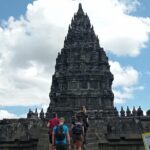
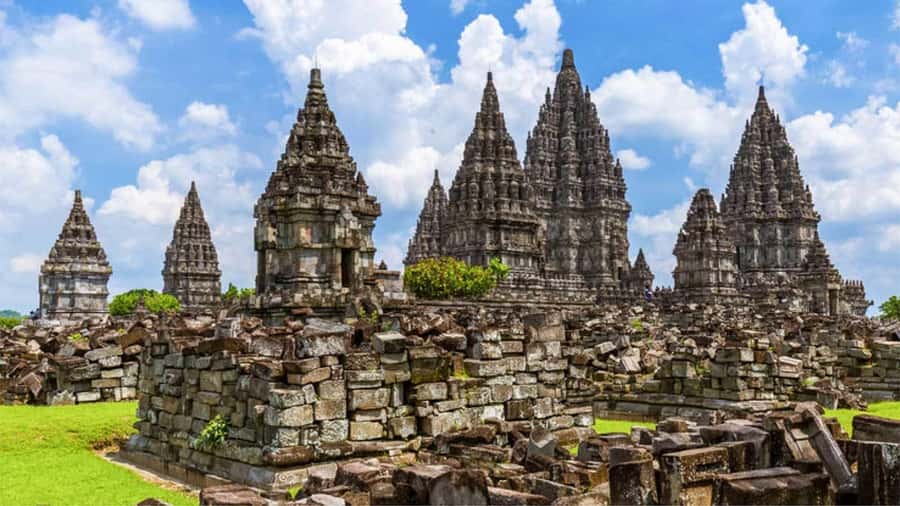
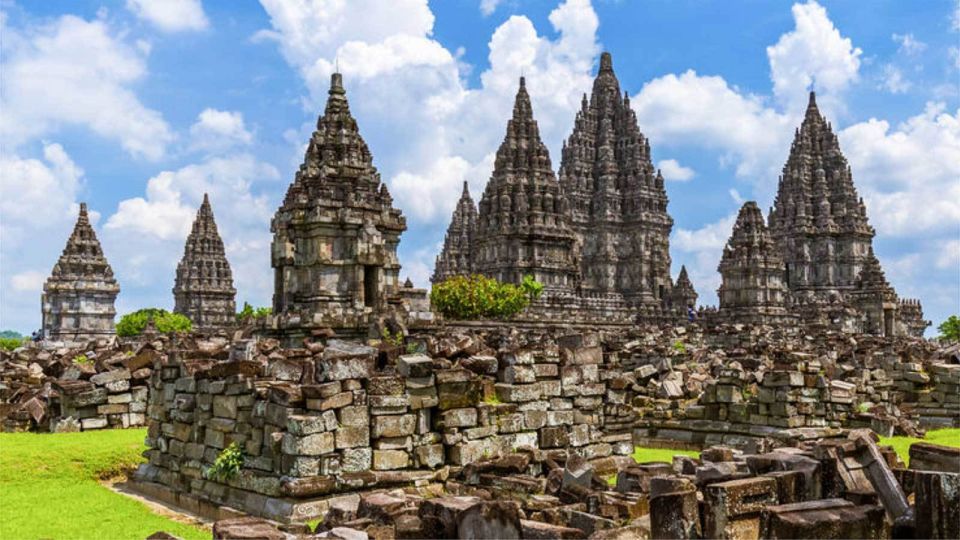
Then you shift from underground wonder to stone-on-stone Hindu majesty at Prambanan Temple, the largest Hindu complex in Indonesia. The local guide ties what you see to a timeline that reaches back to 805 CE, so the site feels more like living context than old rocks.
One thing to plan for: the cave process includes a wait. In the group, the time spent getting down and then back up can feel long, especially when you are eager for that sunbeam moment.
In This Review
- Key highlights you’ll actually care about
- Jomblang Cave sunbeams: the moment that makes the whole day worth it
- The rappelling setup and why sandals matter more than you think
- Mud tunnel scrambling: what it feels like on the way out
- Prambanan Temple in the afternoon: big stones, deeper meaning
- Your guides matter: Fery and Haidal’s role in a day like this
- Price and value: what you pay $49 for, and what fees add up
- What to bring (and the one cave item you should not skip)
- Timing: where the long parts of the day happen
- Who should book this tour, and who might want a different plan
- Should you book this Jomblang and Prambanan full-day tour?
- FAQ
- How long is the Jomblang Cave & Prambanan Temple tour?
- What does the $49 per person price include?
- Are the cave and temple admission fees included?
- Can I pay the admission fees with a card?
- What should I bring for the tour?
- What shoes do I need for the cave?
- Is a headlamp required for the cave?
- What kind of camera works best in the cave?
- Is pickup available from anywhere in Yogyakarta?
- Is there free cancellation?
Key highlights you’ll actually care about
- The sunbeam moment in Jomblang: daylight streaming down from a small hole overhead.
- A nearly 200-foot descent with rappelling gear provided for you.
- Muddy tunnel scrambling after you exit the main drop section.
- Prambanan in the afternoon with views over the temple compound.
- Local guide time at both stops so you’re not just watching, you’re understanding.
Jomblang Cave sunbeams: the moment that makes the whole day worth it
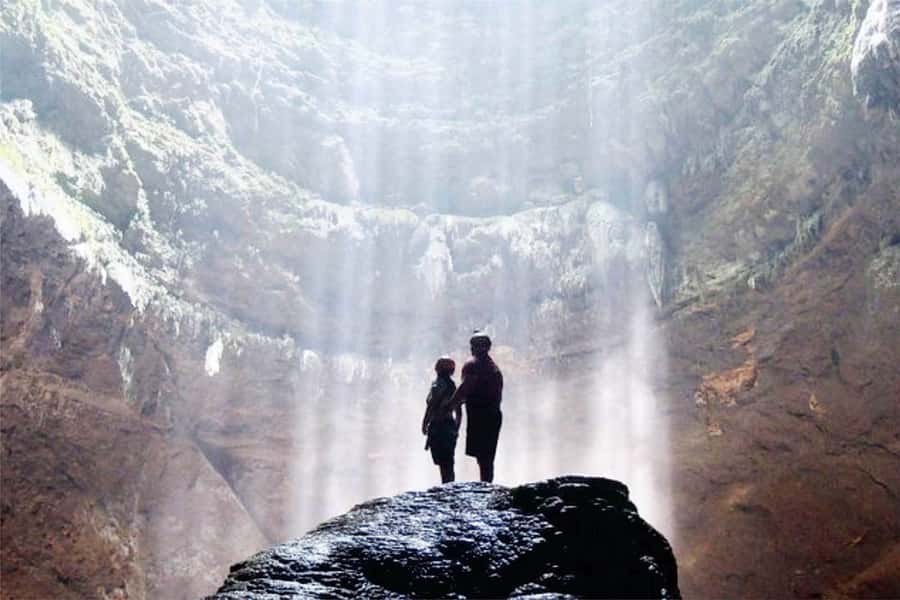
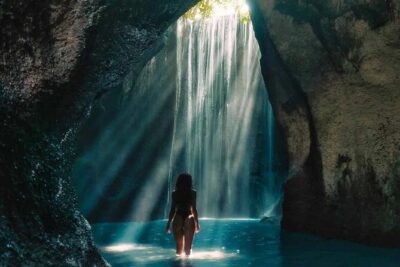
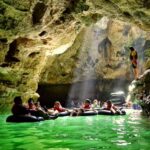
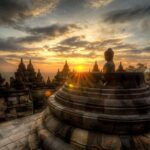
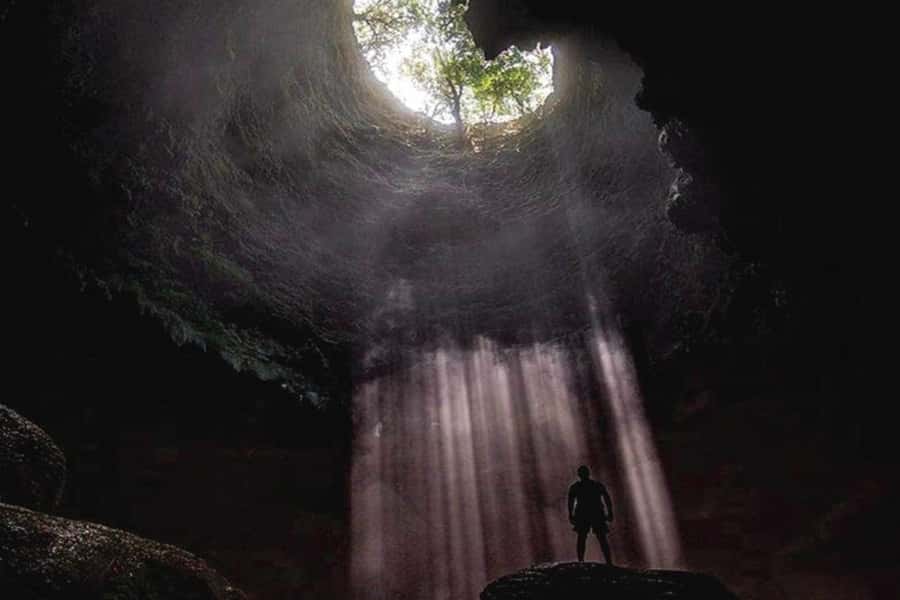
If you have ever seen photos of Jomblang Cave’s light rays, you already know the concept. What surprised me is how physical it feels when you’re standing in the bottom of an enormous cave, waiting for that exact slit of daylight to land where it should. The light isn’t just pretty. It’s dramatic because you’re so far from any normal daylight sources.
The tour’s core payoff comes when you emerge from the tunnel area and reach the big cave floor. From there, sunlight streams down toward you through a small opening at the top. It’s a simple setup, but the effect is strong because you’re surrounded by rock and darkness—so when the light hits, it feels like it has shape.
Photography is a big part of why people sign up, and that’s fair. For the cave section, cameras that handle low light tend to do best. Even so, don’t expect a perfect Instagram-style shot without practice. The conditions are dim, and your hands will be busy, so plan to get a mix of photos and memories you can hold onto without needing the camera to do everything.
You can also read our reviews of more tours and experiences in Yogyakarta.

The rappelling setup and why sandals matter more than you think
Your day starts with pickup from your accommodation in Yogyakarta, then transfers straight toward the cave. Once you arrive, you get outfitted with rappelling equipment. This isn’t a do-it-yourself situation. The value here is that you’re provided the gear and guided on how to use it safely enough for the setting.
After that comes the main move: you descend nearly 200 feet to the bottom of the cave. That drop is the part you feel in your muscles and focus. You’re not just walking into a cave. You’re switching gears—slow, careful movement with the kind of attention you don’t always bring to sightseeing.
Here’s the practical tip that matters: wear sandals. The tour instructions are clear because you’ll likely need to change shoes easily. Boots can be provided, but the smallest size mentioned is 25, so if you know you’re between sizes, bring that detail into your decision-making.
Also, remember you’ll be leaving your comfort zone for a muddy environment. Bring a change of clothes. Even if you keep everything tidy, you’ll still come out damp. Think of it like preparing for a mix of adventure sport and cave nature walk.
Mud tunnel scrambling: what it feels like on the way out
Inside the cave route, after the big descent you’ll scramble through a muddy tunnel. This is not a smooth hallway situation. It’s uneven ground and slippy textures, with a body-kinds-of-moves rhythm that’s more about balance than speed.
This is one reason the tour works better for people who like active days rather than people who want a seated experience. You’re moving through a cave environment that’s doing what caves do: staying wet, staying dark, and resisting your shoes’ efforts to grip.
If you’re the type who hates getting dirty, this is where you’ll notice it most. And if you love photos, this is where you should protect your camera. Keep it secured when you’re crawling and stepping, and accept that this is one of those moments where the best shot might be the one you grab quickly between movements.
Prambanan Temple in the afternoon: big stones, deeper meaning
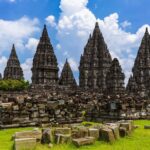
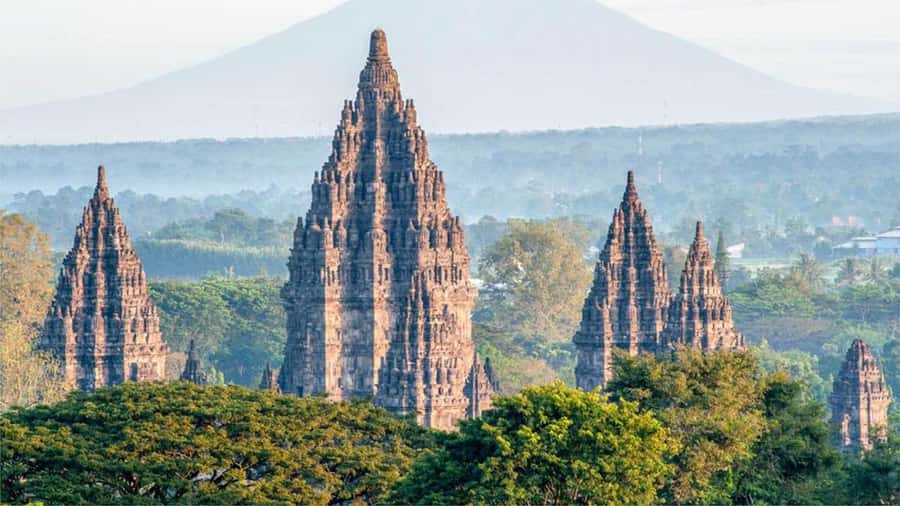
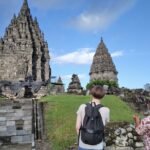
Once you come back up, the day changes pace. You head to the Prambanan Temple compound, where you explore the largest Hindu complex in Indonesia.
I like this pairing because it prevents history from becoming a lecture. You don’t just hear about architecture and tradition—you walk through it after spending hours in a dark, natural environment. When you step into Prambanan’s open space, the contrast makes the stone structures feel even more intentional.
The local guide at Prambanan helps you connect what you’re seeing to religious traditions tied to Indonesian history reaching back to 805 CE. The exact details you’ll hear depend on the guide’s approach, but the goal stays consistent: help you understand why these temples look the way they do and what they represented in their time.
You’ll also get an afternoon view over the temple area. Afternoon light can soften contrast and bring out stone textures. It’s a good time to slow down, look up, and notice how the complex is laid out rather than just moving from one photo angle to the next.
Your guides matter: Fery and Haidal’s role in a day like this
In a tour like this, the guide isn’t just there to count minutes. They control the flow of physical steps, keep the group moving at the right pace, and turn sites into something you can actually follow.
From what I’ve seen people describe from the ground, guides such as Fery and Haidal often stand out for their energy and information. Jonathan specifically praised the kind, helpful, informative approach of Fery, and mentioned a useful cave photo tip. Dongwon highlighted Haidal’s passionate guiding and how helpful and interesting it was at the temple.
Even if your guide name isn’t the same, the pattern is what you should look for: clear explanations before you go into the cave steps, and meaningful context when you’re standing in front of Prambanan’s stonework. That’s what makes the day feel guided instead of rushed.


Price and value: what you pay $49 for, and what fees add up
The tour price is $49 per person for a 10-hour full-day experience. For many people, that’s the main question: does it feel worth it?
Here’s where the value comes from. Your money covers hotel pickup and drop-off, transfers between the cave and Prambanan, and local guides at both locations. You also get lunch at Jomblang Cave, mineral water, rappelling equipment, and parking fees. That’s a lot bundled into one price, and it saves you the hassle of piecing together guides, equipment, and transport.
The big add-on: admission fees are not included. You still need to pay:
- Jomblang Cave admission fee: IDR 500,000 per person
- Prambanan Temple admission fee: IDR 370,000 per person
You can pay with cash or card. Practically, I’d treat the day as priced at $49 plus the temple and cave entry. If you show up without thinking about the extra cost, you can end up frustrated at the payment moment.
The best way to judge value is simple: you’re paying for (1) a guided rappelling experience, (2) two guided cultural stops, and (3) a full day of transport plus lunch. If those are the things you want, the bundle makes sense.
What to bring (and the one cave item you should not skip)
You’ll be told to bring:
- Change of clothes
- Sandals
I’d add a practical recommendation based on real cave experience: bring a headlamp. One review point was very direct—on-site, not everyone gets the same light support, and having your own makes the cave scrambling and low-light photography smoother. A headlamp also helps you move with confidence because your hands can stay free.
For shoes, follow the sandals instruction. Boots may be provided, but only up to the smallest size listed (25). If that doesn’t match your foot, plan accordingly before you arrive.
Also, pack extra clothes even if you think you’ll be fine. Mud has a way of finding the small gaps in your intentions. Your comfort later in the day matters, especially once you’re standing in open air at Prambanan and trying to enjoy the afternoon without feeling sticky or chilled.
Finally, think about your camera. Low-light performance helps for the cave rays. If you want better results, you might also consider bringing a compact tripod or stabilizing device only if the rules allow it on the day—otherwise, keep it simple and focus on capturing the light moment rather than fighting for the perfect composition.
Timing: where the long parts of the day happen
The tour is 10 hours, but the cave is the real time anchor. There can be waiting around the descent and then again for the ascent. Jonathan’s note was that the wait to go down and get back up can be fairly long.
That means you should mentally switch from a pace of quick sightseeing to a pace of “patient adventure.” Bring a calm attitude. If you go into the cave excitement mode without patience, you’ll feel frustrated while the group is organizing and moving in turns.
The upside: the sunbeam moment is worth that patience. It’s not constant light the whole time. You’re waiting for something specific—so the waiting becomes part of the experience, not just a delay.
At Prambanan, the pacing tends to feel more typical for guided temple visits: walk the compound, stop for explanations, and keep moving toward the views in the afternoon.
Who should book this tour, and who might want a different plan
I’d suggest this tour if you want a day that blends physical adventure with cultural sightseeing in one route. The rappelling descent, the cave tunnel, and the sunbeam payoff make it more active than a standard temple day. Pair that with Prambanan guided context, and you get variety without bouncing between different half-day tours.
You might hesitate if you:
- dislike getting dirty (the muddy tunnel is part of the route)
- want a totally relaxed day with minimal physical effort
- get very impatient with waiting during guided group activities
If you do book, your best move is to prepare your body and your expectations. Wear the right shoes, bring the change of clothes, and pack a headlamp so you’re not scrambling for light in a dim environment.
Should you book this Jomblang and Prambanan full-day tour?
I’d book it if you’re excited by the idea of watching a real sunbeam form inside a cave, then spending the afternoon learning how Prambanan’s Hindu temple complex connects to Indonesia’s older timeline. The mix is genuinely smart: one part is raw nature and light, the other is human design and belief.
If you’re budget-focused, add up the total cost before you commit. The included price is attractive, but the cave and temple admission fees are significant enough to plan for. If you can handle that and you’re ready for a muddy, guided, gear-based experience, this tour is a strong pick.
If you want, tell me your travel month and whether you prefer more active or more relaxed days. I can help you decide if this fits your Yogyakarta pace.
FAQ
How long is the Jomblang Cave & Prambanan Temple tour?
It runs for about 10 hours.
What does the $49 per person price include?
Hotel pickup and drop-off, transfers between destinations, a local guide at Jomblang Cave and at Prambanan Temple, rappelling equipment, lunch at Jomblang Cave, mineral water at Jomblang Cave, and parking fees.
Are the cave and temple admission fees included?
No. You still pay Jomblang Cave admission (IDR 500,000 per person) and Prambanan Temple admission (IDR 370,000 per person).
Can I pay the admission fees with a card?
Yes, the information states you can pay with cash or with card.
What should I bring for the tour?
Bring a change of clothes and sandals.
What shoes do I need for the cave?
Sandals are recommended because they make it easier to change shoes. Boots can be provided, with the smallest size mentioned as 25.
Is a headlamp required for the cave?
A headlamp is recommended based on a review tip. The review noted that not everyone benefits from lights on site, so having your own helps.
What kind of camera works best in the cave?
Cameras that shoot in low light are best for photography in the cave.
Is pickup available from anywhere in Yogyakarta?
Pickup is included from anywhere your accommodation is in Yogyakarta.
Is there free cancellation?
Yes. You can cancel up to 24 hours in advance for a full refund, and reserve now with pay later is offered.