A full North Ubud day can be simple. This tour strings together waterfalls, famous rice terraces, a sacred spring temple, and a real village home visit, with transportation and tickets handled. I especially love the mix of Tirta Empul and the quieter Ulu Petanu area, because you get spiritual depth and nature in one run.
My second favorite part is the practical flow: you spend time walking at each stop, but you’re not stuck guessing directions or paying separate entrances. The main drawback to plan for is physical comfort. The waterfall stop includes river paths and caves, so wear grippy shoes and expect some uneven ground and getting a little wet.
In This Review
- Key highlights at a glance
- A North Ubud Loop That Feels Like Two Trips in One
- Price and Value: What $37.60 Really Buys You
- Getting Around Comfortably: Pickup, Water, and Included Tickets
- Stop 1: Ulu Petanu Waterfall and the Quiet Time You Came For
- Stop 2: Tegalalang Rice Terrace Walk and the Subak Story
- Stop 3: Tirta Empul Temple and the Purification Ritual
- Stop 4: Taro Village Home Visit and Local Art You Can See Up Close
- How This Day Feels on Your Body (Moderate Fitness, Real Talk)
- Drivers and Guides: Where Reliability Turns Into a Better Day
- What You’ll Leave With: Photos Plus a Sense of Place
- Should You Book This Ubud Off the Beaten Path Tour?
- FAQ
- How long is the Ubud Off the Beaten Path tour?
- What is the price per person?
- Does the tour include pickup and transportation?
- Are admission tickets included?
- Is this a private tour?
- What’s included in the package?
- What should I know about physical fitness?
- What is the cancellation policy?
- Is the sacred purification ritual included?
Key highlights at a glance
- Ulu Petanu Waterfall with caves and river strolling in lush tropical surroundings
- Tegalalang Rice Terrace walk with views shaped by the subak irrigation system
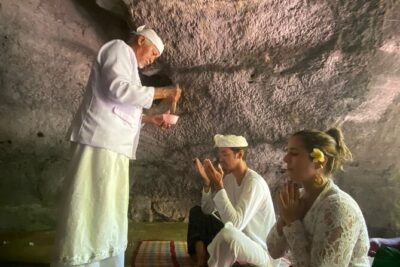
- Tirta Empul Temple purification ritual using sacred spring water
- Taro Village home visit and local art you can actually watch people make
- All fees and taxes included, plus bottled water for the day
A North Ubud Loop That Feels Like Two Trips in One
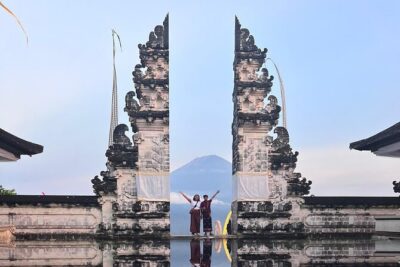
North Ubud is where Bali slows down. You trade the traffic-heavy “temple-to-temple” grind for a day that moves between water, rice farming, and daily village life. What makes this tour work is the balance: nature first, then farming scenery, then the spiritual center, and finally a human-scale cultural stop at Taro Village.
I like that it’s not only photos. Each place has a different kind of attention. At the waterfall, you focus on sounds, shade, and the walk. At Tegalalang, you pay attention to how people farm and manage water. At Tirta Empul, the focus shifts to ceremony and respect. Then at Taro Village, you’re back to everyday culture—homes, artisans, and local artworks.
You can also read our reviews of more tours and experiences in Ubud.



Price and Value: What $37.60 Really Buys You
At $37.60 per person, this is priced in a way that feels fair for what you’re getting. The big value point is that you’re not paying extra for every stop. You have private transportation plus all fees and taxes, and the itinerary includes admission tickets.
That matters because in Bali, entry costs can add up fast, and the time spent figuring it out can drain a day. Here, you can keep your mental energy for the actual experiences: waterfall trails, rice terrace views, and the temple ritual.
Also note that the tour is described as private in the sense that your group participates (not a mixed crowd). That usually means less time waiting for strangers and fewer chances for the schedule to get stretched.
Getting Around Comfortably: Pickup, Water, and Included Tickets

This tour runs for about 8 hours total. Pickup is offered, and the package includes bottled water—small detail, big help in Bali’s heat.
Transportation is private, which you’ll feel most at the transitions. Waterfall areas and rural terraces aren’t always right next to each other, so a car (instead of patchwork rides) keeps your day from turning into a logistics project.
Another practical win: admission tickets are included for every main stop. That means you can plan around what you’ll do there instead of estimating entry lines and cash needs. Your only real extra spending is personal expenses.
Stop 1: Ulu Petanu Waterfall and the Quiet Time You Came For
Ulu Petanu Waterfall is where the day starts to feel like a getaway. You get about 1 hour, which is enough time to enjoy the waterfall without rushing. The experience includes strolling along the river, exploring hidden caves, and taking in dense tropical greenery.
Here’s the key practical consideration: bring shoes that can handle wet surfaces. The area includes caves and river paths, so you want grip. Also plan for water splashes. Even if you don’t go fully into anything cave-like, you’ll still be near damp rocks and misty air.
One more thing: caves mean you’ll be moving through areas that can feel dim and slippery. Go slow, hold onto anything offered, and don’t force it if your comfort level drops. The goal is to enjoy the scenery, not prove toughness.
Stop 2: Tegalalang Rice Terrace Walk and the Subak Story
Tegalalang Rice Terrace is Bali’s best-known kind of view: tiered paddies, framed by palms and hills. You get about 1 hour here, with time to walk through the fields and watch farmers working.
What I appreciate most is that the terraces aren’t presented as just pretty scenery. They’re tied to Bali’s subak irrigation system, a centuries-old method of managing water for rice cultivation. You’ll likely notice how the farming depends on timing and coordination, not just good weather.
Practical tip: the terrace paths can be uneven and exposed. Wear breathable clothes, bring sun protection, and keep your footing careful in the spots that look stable but aren’t. If you’re the kind of traveler who likes learning while walking, this stop gives you a story to carry home.






Stop 3: Tirta Empul Temple and the Purification Ritual
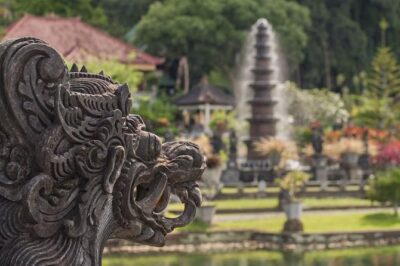
Tirta Empul Temple is one of Bali’s most iconic sacred sites, and this tour gives it the time it deserves—about 1 hour 30 minutes. You’ll see the holy spring water and learn how the space functions as a spiritual center.
The highlight here is the traditional purification ritual. This ceremony is believed to cleanse the body and spirit. If you choose to participate, expect a very hands-on, water-based experience tied to ritual behavior and local customs.
A couple of realistic considerations:
- You should be comfortable getting wet.
- Be ready for rules that are about respect, not performance. Watch what others do first, then follow.
- Bring a change of clothes if you can (not listed as included), because wet clothes after the temple can be uncomfortable during later travel.
If you want a Bali day that goes beyond sightseeing, this is the stop that pulls the whole itinerary into something meaningful.
Stop 4: Taro Village Home Visit and Local Art You Can See Up Close
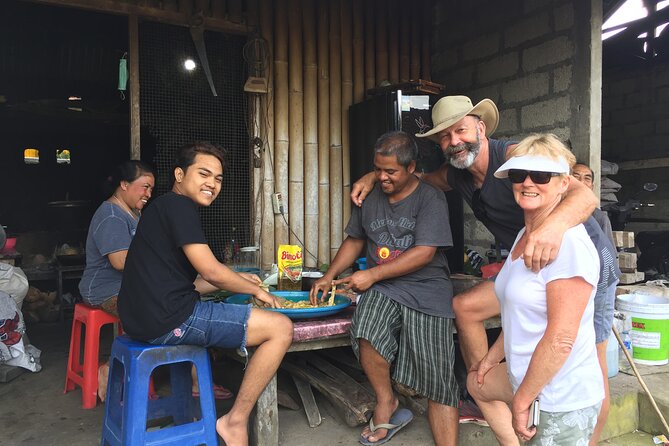
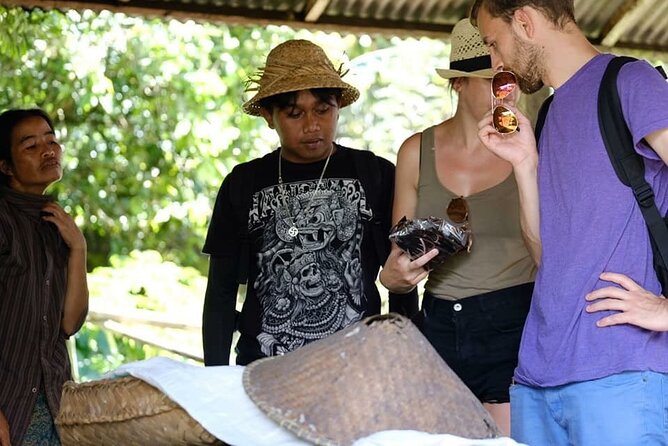
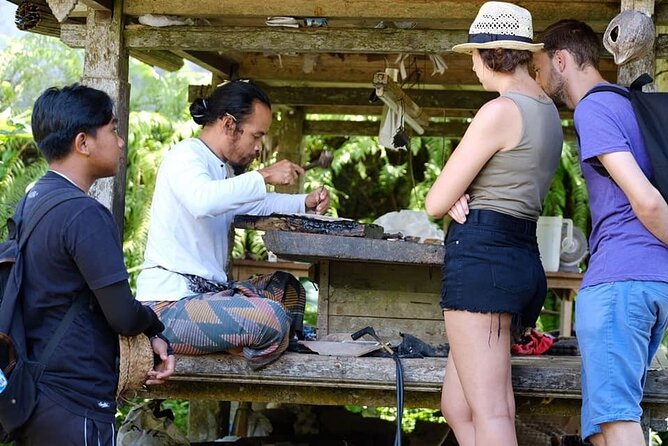
After temple and terraces, Taro Village brings the day back to daily life. You get about 1 hour for this section, including a look at a local Balinese home and observations of artisans and artworks.
This is where you see culture as something people practice, not something staged for tourists. The home visit adds a sense of scale—where daily routines happen, how families live in their space, and what kinds of skills get valued in the community.
To get the most from this stop:
- Ask questions politely if you’re able to communicate.
- Be careful with photos. If someone is working on art or hosting, pause first and read the room.
- Treat it like a conversation, not a shopping stop. You’ll usually learn more that way.
If you’re trying to understand Bali beyond the big attractions, Taro Village is the part that gives you that human context.
How This Day Feels on Your Body (Moderate Fitness, Real Talk)
The tour is listed for moderate physical fitness. That’s accurate for a day combining a waterfall walk (including river paths and caves) with terrace walking and the temple stop.
Here’s a practical way to plan:
- Bring shoes with grip for wet and uneven ground.
- Wear light layers you can move in.
- Expect some walking at each stop, even if the time at each one feels short.
If you have mobility concerns, don’t assume the most difficult element is only at the waterfall. Rice terrace paths can also be tricky, and caves add another layer. You’ll get the best day if you move at your own pace.
Drivers and Guides: Where Reliability Turns Into a Better Day
One theme that keeps showing up with this agency is service quality—reliable timing, friendly behavior, and capable driving. People specifically praised fantastic drivers and described the operation as well-organised, with courteous staff.
In the Ubud region, driver skill is more important than it sounds. It affects how smoothly you hit rural roads, how quickly you transition between sights, and whether you spend the day waiting or moving. When the driving is competent, your schedule stays calmer, and you can enjoy the places instead of stressing over what’s next.
There are also mentions of guides by name—Buri and Yade—associated with friendly, capable hosting. That lines up with what you want on a cultural day: clear guidance, good pacing, and a guide who helps you understand what you’re looking at without rushing.
What You’ll Leave With: Photos Plus a Sense of Place
This itinerary is built to create more than a photo dump. You walk through places that each have a different reason for being important:
- A waterfall landscape shaped by water and jungle
- Rice terraces tied to irrigation and farming coordination
- A temple ceremony tied to cleansing and sacred spring water
- A village home setting where art and everyday culture meet
If you like Bali that feels lived-in instead of only iconic postcards, this day gives you that. And because transportation and tickets are covered, you can focus on learning and noticing rather than tracking costs.
Should You Book This Ubud Off the Beaten Path Tour?
I’d book it if you want a full North Ubud day that mixes nature, farming scenery, sacred ritual, and village culture, all without the hassle of organizing entry tickets and transport across multiple areas. The included fees and admission tickets make it feel like straightforward value, not a “cheap ticket that turns expensive later” situation.
Skip it if you know you won’t enjoy wet footing, cave areas, or ceremonial participation. Otherwise, it’s a smart way to get out of central Ubud routines and see how many sides of Bali you can fit into one day.
FAQ
How long is the Ubud Off the Beaten Path tour?
The tour runs for about 8 hours.
What is the price per person?
The price is $37.60 per person.
Does the tour include pickup and transportation?
Pickup is offered, and private transportation is included.
Are admission tickets included?
Yes. Admission tickets are included for the waterfall, rice terrace, temple, and Taro Village experience.
Is this a private tour?
It’s described as private in the sense that only your group participates.
What’s included in the package?
The tour includes bottled water, private transportation, and all fees and taxes.
What should I know about physical fitness?
Moderate physical fitness is recommended because parts of the day include walking at the waterfall area and other sites.
What is the cancellation policy?
Free cancellation is available. You can cancel up to 24 hours in advance for a full refund, with the cut-off based on local time.
Is the sacred purification ritual included?
You’ll visit Tirta Empul Temple and have the opportunity to take part in the traditional purification ritual.