If you want Merapi up close, pick this. A rugged 4×4 jeep ride takes you to eruption remains and personal stories you can’t get from a viewpoint.
Two things I really like: you get real off-road time on cold lava flows, not just a slow drive, and the stops are emotional but also practical—history you can see with your own eyes. One thing to consider: it’s a bumpy, dusty ride, so you’ll want comfortable clothes and you should skip it if you’re expecting gentle sightseeing.
The My Remaining Treasures Museum stop is the kind of place that makes the scale of the 2010 eruption hit home. And if you’re lucky with your guide, you’ll hear it clearly—Charlotte specifically mentioned a guide named Adit, and that friendly, explanatory style is exactly what helps you connect the dots. One possible drawback: the best views of Merapi depend on clear weather, so mornings matter.
In This Review
- Key Points at a Glance
- Merapi Jeep 4WD: What Makes This Ride Worth the Time
- Pickup in Yogyakarta and the Best Shot at a Clear Merapi Peak
- My Remaining Treasures Museum: Melted Objects, Real Scale
- Kaliadem Bunker: Shelter, Volunteers, and a View If You’re Lucky
- Off-Road Remains and the Batu Alien Photo Moment
- Waroeng Kopi Klotok Breakfast Stop: A Needed Pause
- What You’ll Actually Need: Comfort, Camera, and Dust Tolerance
- Price and Value: What You’re Paying For (and Why It Makes Sense)
- Who This Merapi Jeep Adventure Fits Best
- Should You Book This Tour?
- FAQ
- FAQ
- How long is the Merapi Jeep 4WD tour?
- Where are the pickup and drop-off locations in Yogyakarta?
- Is hotel pickup included?
- Are English guides available?
- What’s included in the price?
- Is breakfast included, and when does it happen?
- What should I bring?
- What time should I start for the clearest view of Merapi?
- Are there any restrictions on who can join or what’s not allowed?
- Can I get pickup from outside central Yogyakarta?
Key Points at a Glance
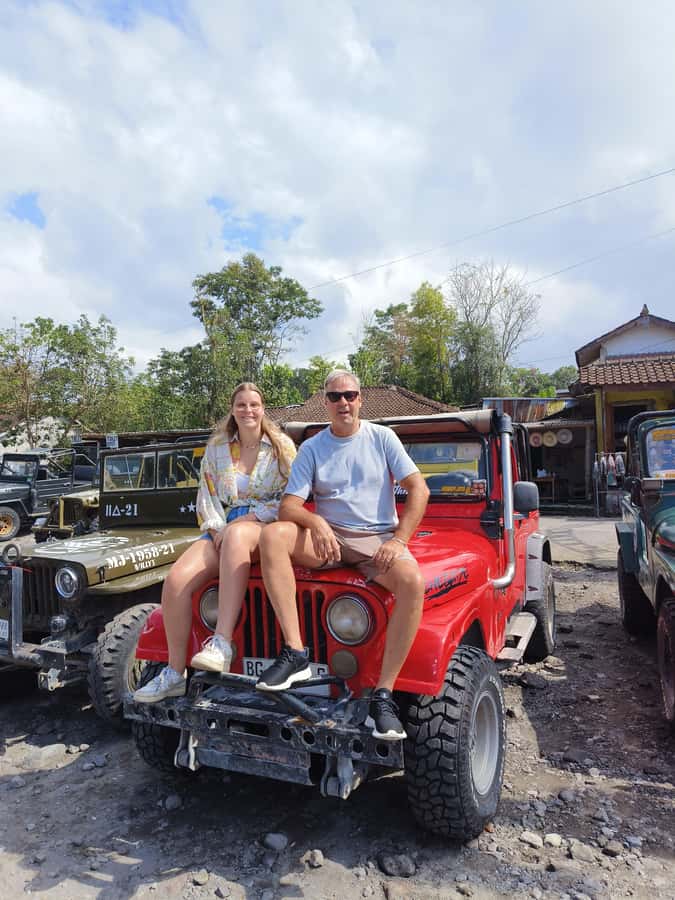
- 4×4 Jeep Safari that actually tackles rocky and sandy terrain
- Cold lava flow remains for a real sense of what the eruption left behind
- My Remaining Treasures Museum showing everyday objects affected by 2010 pyroclastic flow
- Kaliadem Bunker with volunteer shelter history and a photo chance when skies clear
- Batu Alien for quick photos near a famous oddly shaped volcanic rock
- Traditional breakfast at Waroeng Kopi Klotok during the tour
Merapi Jeep 4WD: What Makes This Ride Worth the Time
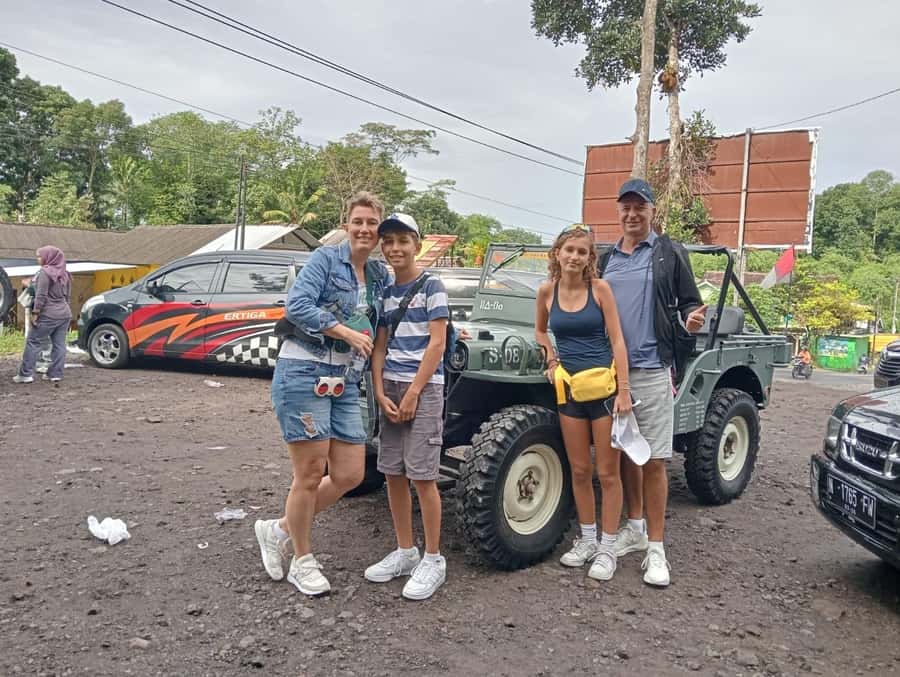
This tour works because it mixes two experiences most Merapi trips separate. You get the physical thrill of a 4×4—rock, sand, and that “we’re really going somewhere” feeling—then you slow down for the human side of the story. That second half is what turns it from a fun ride into something that sticks.
I also like that you’re not treated like you’re just there to take pictures and leave. Your English-speaking driver (and jeep driver as a guide) shares context as you go, including what happened in 2010 and how the area is recovering. That matters because Merapi isn’t just dramatic scenery. It’s an active system that shapes daily life.
You can also read our reviews of more tours and experiences in Yogyakarta.

Pickup in Yogyakarta and the Best Shot at a Clear Merapi Peak
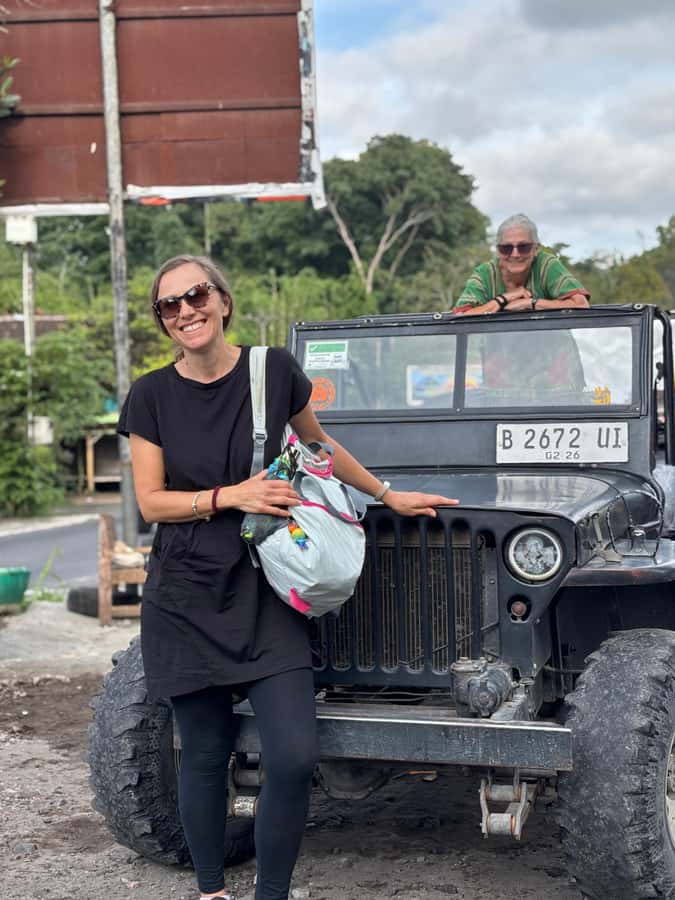
You’ll start with hotel pickup in Yogyakarta, with three convenient meeting-point options: Jalan Prawirotaman, Jalan Malioboro, and your hotel if it’s in the Yogyakarta area. Drop-off is back at those same areas, so you’re not stuck figuring out transport afterward.
Timing is the small detail that changes the whole experience. For the clearest chance of seeing Merapi’s peak, the tour recommends a morning start around 07:00 to 09:00. If the sky is clear, you’ll feel it most during the Kaliadem stop, where the view becomes a real photo moment instead of a hazy guess.
One practical note: this is about being outside. Expect your clothes to take dust or grime. If that bothers you, plan to wear something you don’t mind getting a little rough around the edges.
My Remaining Treasures Museum: Melted Objects, Real Scale
The tour’s first major stop is the My Remaining Treasures Museum, a local home turned living museum. The idea is simple but powerful: you see everyday items—things like kitchen utensils, televisions, and bicycles—that were melted and burned during the 2010 eruption’s pyroclastic flow.
This is the kind of place where your brain starts connecting scale. It’s not only about the volcano’s power. It’s about what that power did to normal routines—work, food, transport, and home life. Your guide tells stories about what residents faced before and after, and that turns the objects into evidence, not just curios.
The drawback here is also straightforward: it’s emotional and it takes a bit of attention. If you’re rushing or you hate slower, reflective stops, you might feel restless. But if you want your Merapi day to mean something, this museum does most of the heavy lifting.
Kaliadem Bunker: Shelter, Volunteers, and a View If You’re Lucky
Next comes Bunker Kaliadem, described as a shelter bunker tied to a heroic story. Volunteers took shelter here during the eruption, and that detail gives the stop a different weight than a normal “history photo stop.”
If the weather is clear, you’ll also get the reward of this section: a chance to see the majestic peak of Mount Merapi. That’s why morning timing matters. When visibility is good, this is where the tour turns from “learning about the eruption” into “standing in its presence.”
Even if the view isn’t perfect, the bunker stop still works because it’s about survival and preparation. It’s not a casual detour—it’s a reminder that people here plan around the volcano, even when the ground is calm.
Off-Road Remains and the Batu Alien Photo Moment
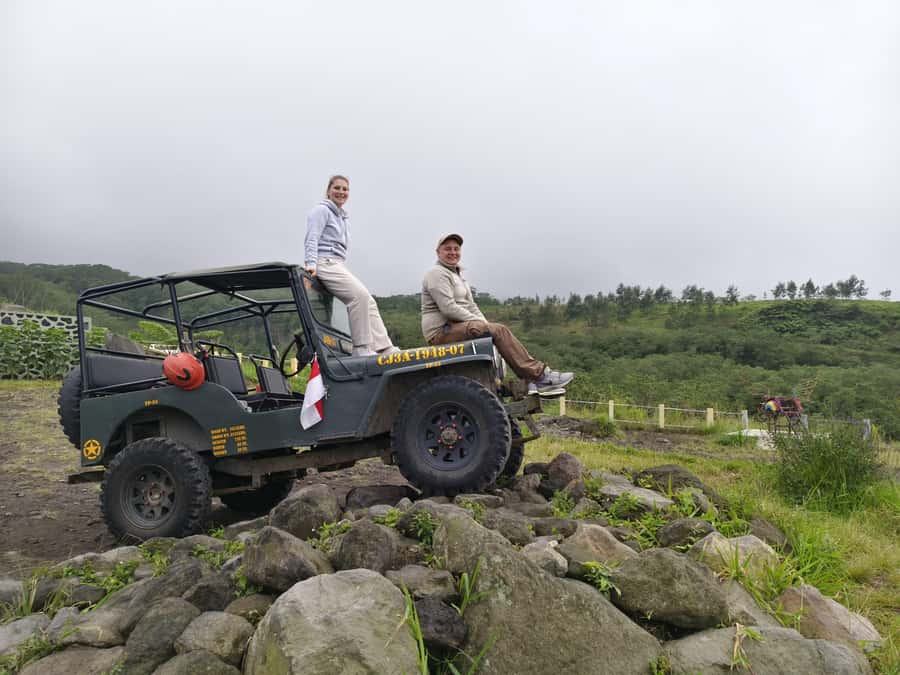
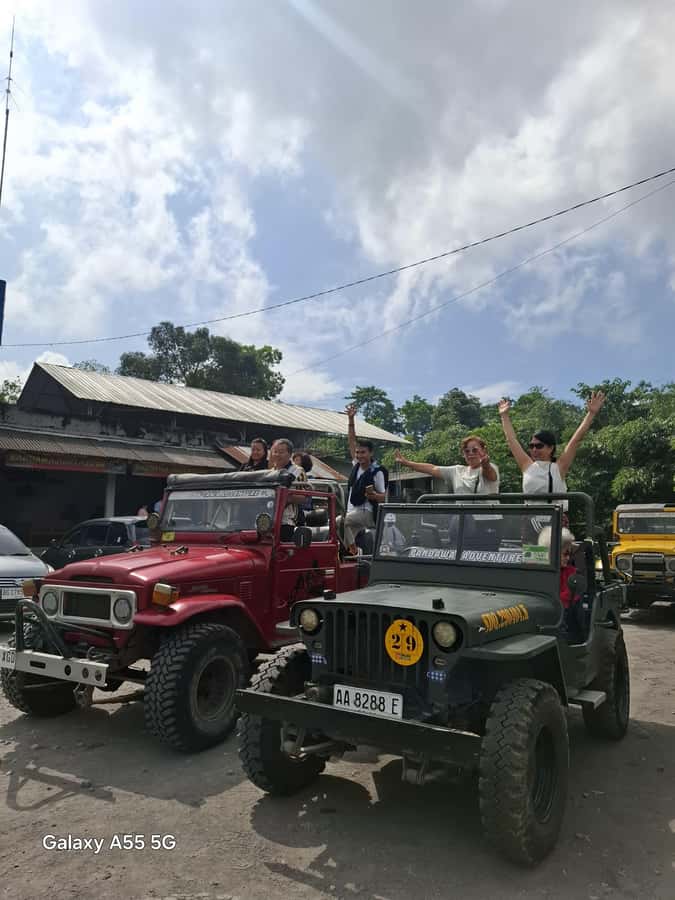
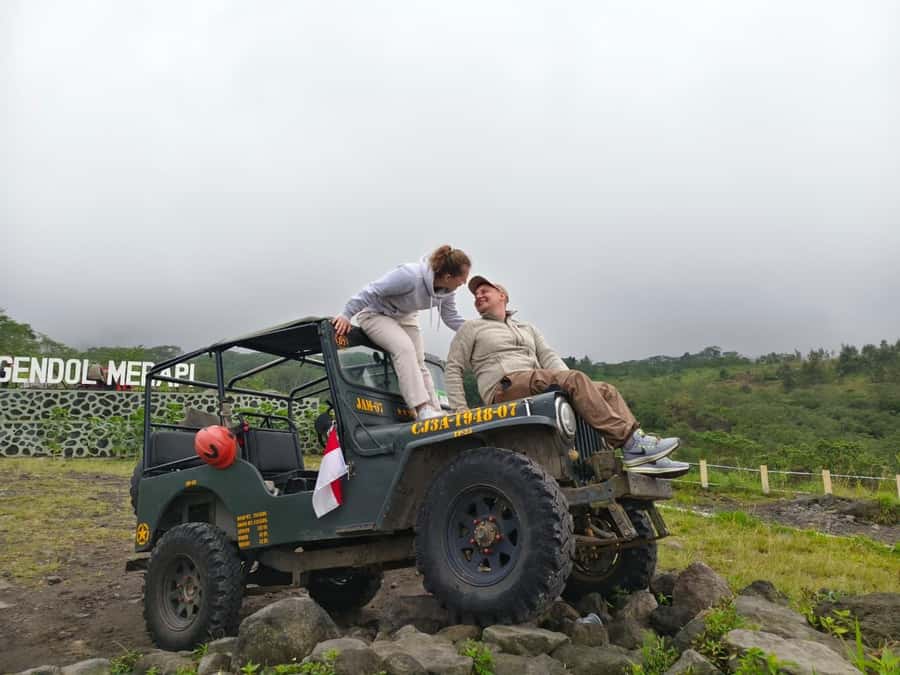
Now you switch back into the 4×4 mode. Along the way, the jeep drives through rocky and sandy terrain and passes areas that show the eruption’s aftermath. The highlight in this phase is the ride over the remains of cold lava flows, which gives you a tangible sense of what was laid down and what has been slowly changing since.
You also pass villages slowly recovering after the eruption. Your guide explains how local people adapt to the post-eruption environment and how the volcano’s ecosystem is starting to recover—so you’ll hear about flora and fauna as part of the story, not as random nature talk. That’s an important distinction. It frames recovery as an ongoing process, not a finished comeback.
Then there’s Batu Alien, the giant oddly shaped rock said to have been thrown far from Merapi’s crater during the eruption. It’s become one of Merapi’s recognizable icons, and you’ll have time to take photos next to it with the volcanic scenery in the background. This stop is quick compared to the museum and bunker, but it’s a fun reset—one where you can be in a more normal tourist mode without losing the context you’ve already built.
Waroeng Kopi Klotok Breakfast Stop: A Needed Pause
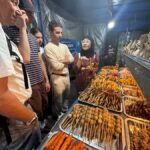
Between the heavier story stops and the final stretch, you’ll break for breakfast at Waroeng Kopi Klotok. The tour includes about 1 hour here, and it’s set up as a traditional-place meal, with dishes that are simple but satisfying.
This pause is more than just food. It gives you time to cool down after dust and bumpy travel, and it helps you mentally reset. If your day starts early, that breakfast timing also keeps you from getting cranky before the best photo chances.
What You’ll Actually Need: Comfort, Camera, and Dust Tolerance
This tour is built around physical movement. You’re not just sitting in a vehicle. You’ll be on a Jeep Safari 4x4WD, and the terrain is described as rocky and sandy.
So here’s what to do:
- Wear comfortable clothes that you don’t mind getting dusty
- Bring a camera (the tour keeps handing you photo chances)
- Plan for the reality that the day can feel warm, and the air won’t be the same as city Yogyakarta
Good news: the included vehicle is described as having good air-conditioning, and you’ll get mineral water. You’re not going to be stuck in a totally uncomfortable ride—this is more “adventure” than “hardship.”
One more rule that’s easy to overlook: alcohol and drugs aren’t allowed. Keep it clean and you’ll avoid any hassles.
Price and Value: What You’re Paying For (and Why It Makes Sense)
At $34 per person for about 4 hours, this isn’t just a transport ticket. You’re paying for multiple things that normally cost extra when booked separately: hotel pickup and drop-off, the 4×4 jeep itself, a guided experience in English, and a structured route that includes museum time, the bunker, multiple photo stops, and breakfast.
That balance is what makes the value feel fair. The off-road jeep portion is the headline, but the museum and bunker stops are what give the trip meaning. Without them, you’d just be doing an adrenaline ride over volcanic ground. With them, it becomes an educational day—focused and personal, not vague.
Who This Merapi Jeep Adventure Fits Best
This works best if you:
- Want hands-on Merapi history instead of a quick stop at a viewpoint
- Like off-road travel and don’t mind dusty conditions
- Enjoy guided context in English while you move between stops
- Are there in the morning and want the best odds for a clearer peak view
It’s not suitable for pregnant women and people over 95 years, based on the tour’s restrictions. If you have mobility limits or you’re sensitive to rough terrain, this is also worth reconsidering even if you can walk through the stops.
If you’re the type who loves geology but also cares about people and recovery, this ride nails the mix.
Should You Book This Tour?
Yes, you should book it if your goal is a Merapi day that feels real—engine noise and cold lava remains in one half, then stories and survival history in the other. The morning start recommendation is key, so try to align your plans with that 07:00–09:00 window for the best chance of seeing the peak clearly.
Skip it if you want perfectly smooth travel, don’t like dusty conditions, or you’re not up for an emotional museum-and-bunker style stop. But for most visitors who want more than a drive-by, this is one of the most complete ways to experience Merapi from Yogyakarta.
FAQ
FAQ
How long is the Merapi Jeep 4WD tour?
The tour duration is listed as 4 hours, and it’s also described as lasting approximately 3 to 5 hours.
Where are the pickup and drop-off locations in Yogyakarta?
Pickup and drop-off options include Jalan Prawirotaman and Jalan Malioboro in Yogyakarta.
Is hotel pickup included?
Yes. You’ll be picked up from your accommodation in Yogyakarta.
Are English guides available?
Yes. The live tour guide is English, and the driver is described as English speaking. The jeep driver also acts as a guide.
What’s included in the price?
Included features are hotel pickup and drop-off, a good air-conditioned vehicle, a 4x4WD jeep safari, mineral water, and guided services with an English-speaking driver/guide. Breakfast is also included.
Is breakfast included, and when does it happen?
Yes. Breakfast at Waroeng Kopi Klotok is included and lasts about 1 hour during the tour.
What should I bring?
Bring a camera, and wear comfortable clothes since you may get a little dirty or dusty.
What time should I start for the clearest view of Merapi?
For the best chance of clear views of Merapi’s peak, the tour recommends starting in the morning around 07:00 to 09:00.
Are there any restrictions on who can join or what’s not allowed?
The tour is not suitable for pregnant women and people over 95 years. Alcohol and drugs are not allowed.
Can I get pickup from outside central Yogyakarta?
Pickup from the Borobudur area, Magelang, or nearby the airport (or from the airport) is possible with an extra cost of IDR 300,000 per group.