Java’s countryside feels like a secret you can actually reach. This 8-hour Selogriyo Temple, rice terraces, and Kedung Kayang Waterfall outing pairs hilltop calm with a real walk through working farmland.
What I like most is the small-group feel (up to 8 people) and the way the day stays relaxed, not rushed, even with a few active stretches. Second, the experience leans into local life—farmers, farming methods, and village stories—so it feels personal, not like a checklist.
One thing to plan for: the trails can be muddy, and the waterfall portion involves a steep down-and-up hike. If you’re not comfortable with uneven ground or you hate getting your shoes a little dirty, this may be the hardest day you do in Yogyakarta.
In This Review
- Key highlights worth planning around
- Getting out of Yogyakarta fast: pickup, pacing, and that small-group advantage
- Entering Selogriyo Temple: a serene hilltop with real local atmosphere
- Rice terraces trekking: what you learn when you walk with farmers
- Kedung Kayang waterfall swim: how to handle the steep hike down and up
- Where food and coffee fit in: what’s included and what you should budget
- Price and logistics: is $65 per person good value for this kind of day?
- What this tour feels like in real life: the quiet countryside day you came for
- Who should book this (and who might skip it)
- Tips to get the best day out of Selogriyo, terraces, and Kedung Kayang
- Should you book the Selogriyo Temple, rice terraces, and Kedung Kayang tour?
- FAQ
- Is this tour really active?
- What’s included in the price?
- How small is the group?
- Where does pickup happen?
- Will I be able to swim at the waterfall?
- How long is the tour?
Key highlights worth planning around
- Quiet hilltop Selogriyo Temple with a peaceful atmosphere for reflection
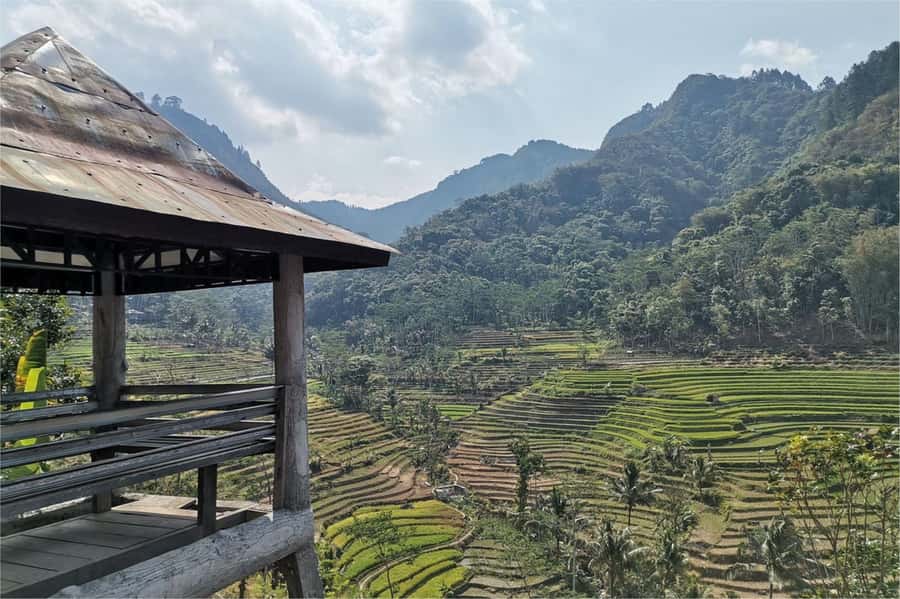
- Paddy-field trekking through rice terraces and mixed crops like beans and corn
- A hidden-feeling swim at Kedung Kayang after a steep hike down and back up
- English-speaking guides praised for clear explanations and a steady pace
- Pickup from Yogyakarta or Borobudur areas plus entrance fees covered
Getting out of Yogyakarta fast: pickup, pacing, and that small-group advantage
The day starts with pickup from your accommodation in either the Yogyakarta or Borobudur area, so you don’t have to figure out roads before you even start walking. With an 8-hour duration and parking handled, the schedule stays simple: you get transported to the countryside, then you spend the day on foot where it counts.
The small group size (limited to 8 participants) changes the vibe. You’re not forced into a rigid line, and your guide can actually slow down when someone has a question—or when someone just wants to pause for views. Guides you’ll commonly see praised by name include Haidar and Atok, and other English-speaking guides like Kin, Yuni, and Imam show up in feedback too.
Pacing is a real part of the value here. Even on an active day, people describe it as not rushed, with time for breaks and photo stops. For me, that matters because temple-and-waterfall days can easily turn into sprinting from point to point.
You can also read our reviews of more tours and experiences in Yogyakarta.

Entering Selogriyo Temple: a serene hilltop with real local atmosphere
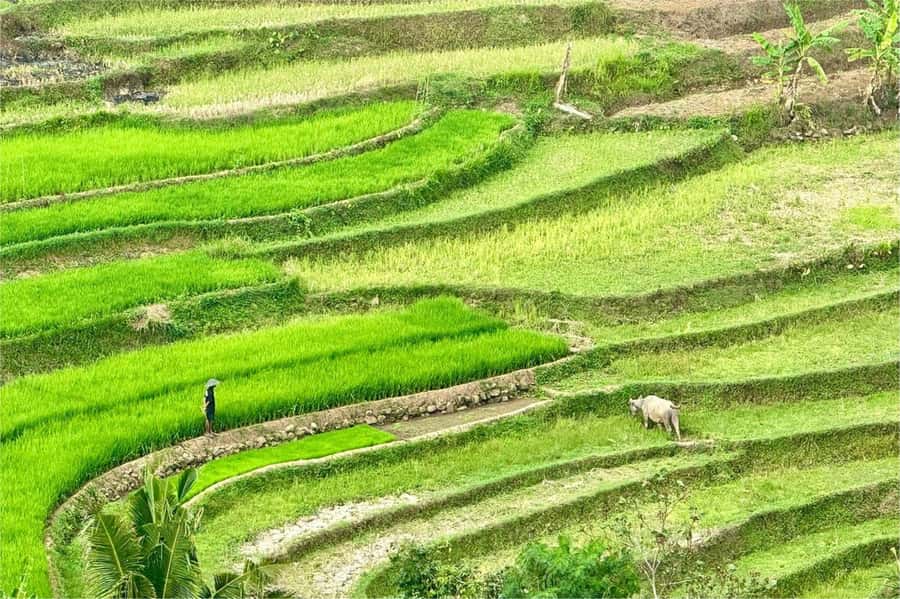
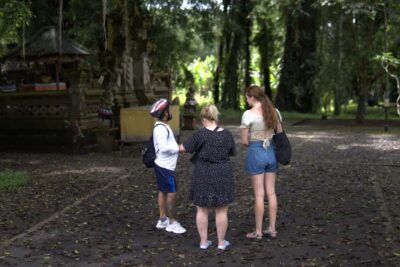
Selogriyo Temple is the kind of place you reach by foot and then feel in your body—wind on your face, quiet around you, and that slow transition from city noise to countryside calm. The approach is part of the experience: you get the fairytale scenery vibe as you come near, and you’re walking through farmland scenery instead of staring at a parking lot.
The temple itself is described as small and serene, with a quiet feel that works well for reflection. Some visitors even mention a meditation-style moment in the atmosphere. Whether you’re religious or just curious, it’s easy to understand why people like this stop: it’s not crowded, and the setting feels intentionally away from the tourist push.
Also, the guide’s role here is more than narration. You’ll get context about Hindu worship and what you’re seeing, and guides like Haidar are specifically praised for answering questions and sharing cultural insight during the day. That’s what turns a temple visit into something you remember, not just something you photograph.
A practical note: you are walking to the temple. Shoes that handle uneven ground are more important than anything fancy, because you’ll be moving across paths that can feel farm-like rather than paved.
Rice terraces trekking: what you learn when you walk with farmers
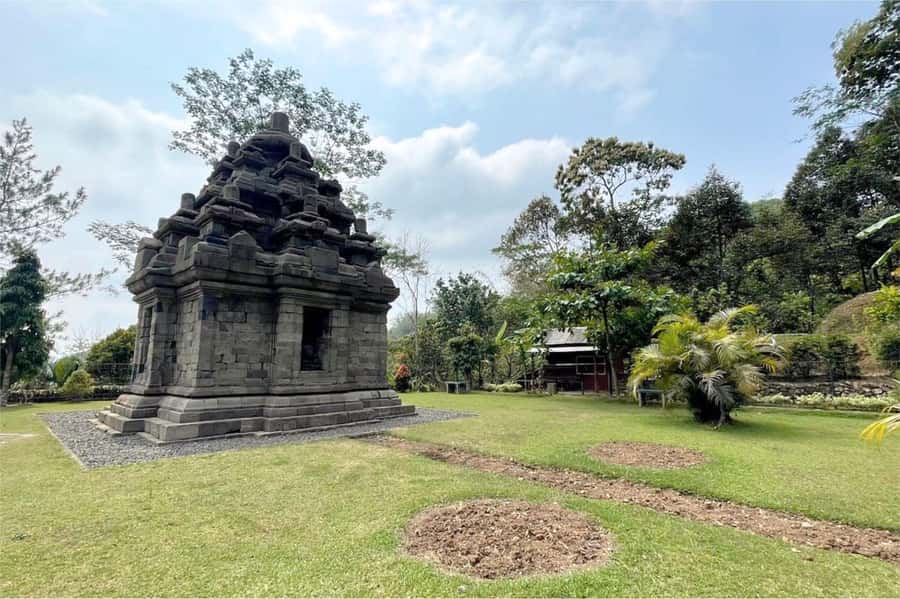
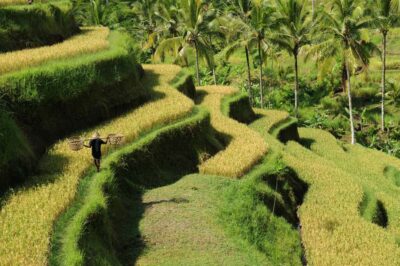
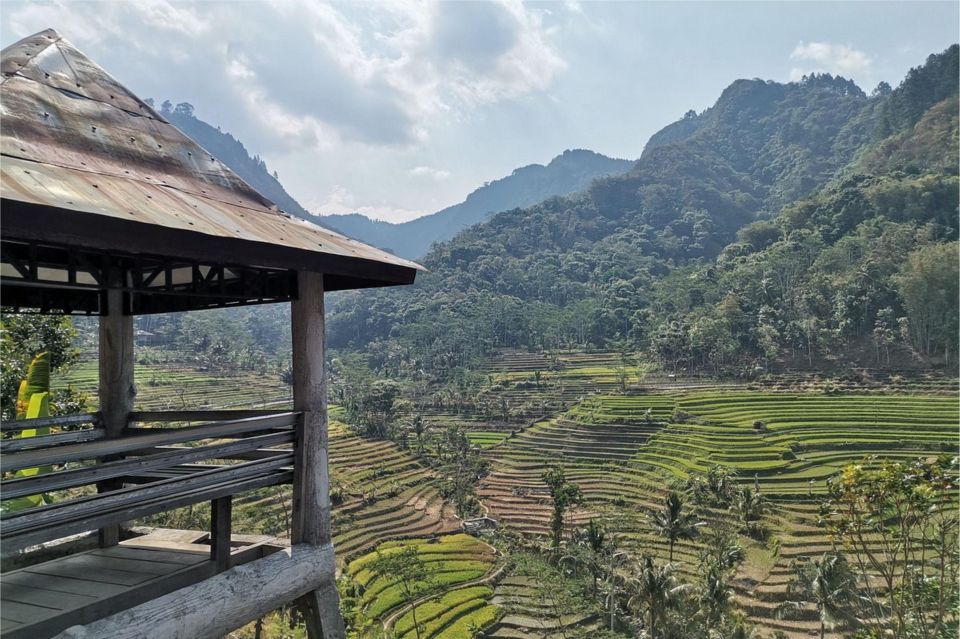
After Selogriyo, the core of the day is trekking through the surrounding rice terraces. This isn’t just a pretty walk. Guides often explain how the farms work and what the fields are growing—paddy rice alongside other crops like beans and corn.
One reason this section gets so much love is that you’re walking through a living system. In feedback, guides describe integrated farming practices and how different plants and techniques support soil health and reduce disease. Even if you’re not a farming nerd, it makes the scenery click: the terraces aren’t just aesthetic steps—they’re designed by people who understand water, nutrients, and seasons.
You’ll also likely learn about everyday village life. People mention conversations with locals, plus insights into the plants and even small things like bugs that show up in the fields. If you enjoy travel that feels observational and grounded, this is where the tour earns its keep.
The terrain can be muddy in parts, so plan for it. I’d rather you arrive with shoes you don’t mind getting stained than try to protect your best pair and then spend the day stressed about every puddle.
And yes, the views are stunning—people mention unbelievable viewpoints and the sense of being away from tour crowds. But the bigger win is that you’re not just looking; you’re walking through the rhythm of the countryside.
Kedung Kayang waterfall swim: how to handle the steep hike down and up
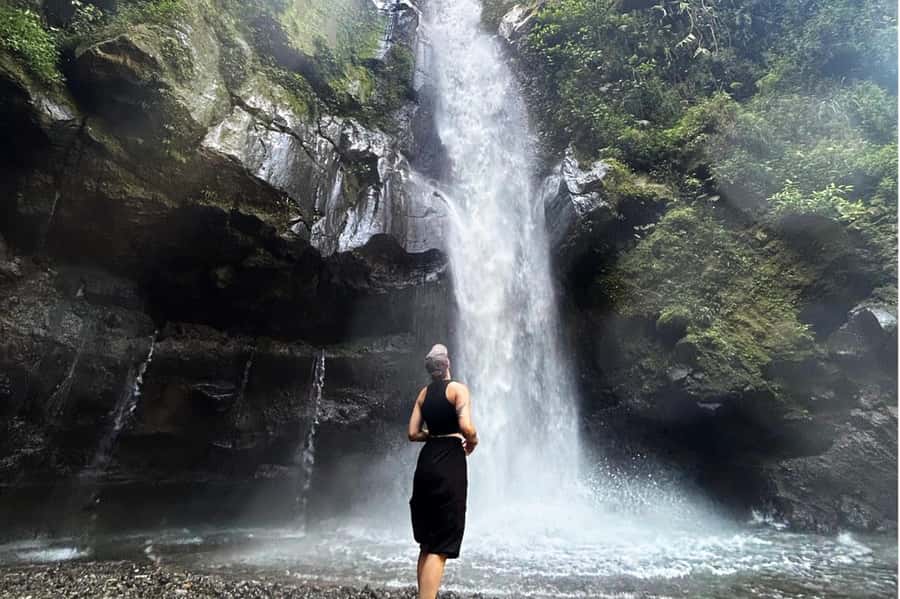
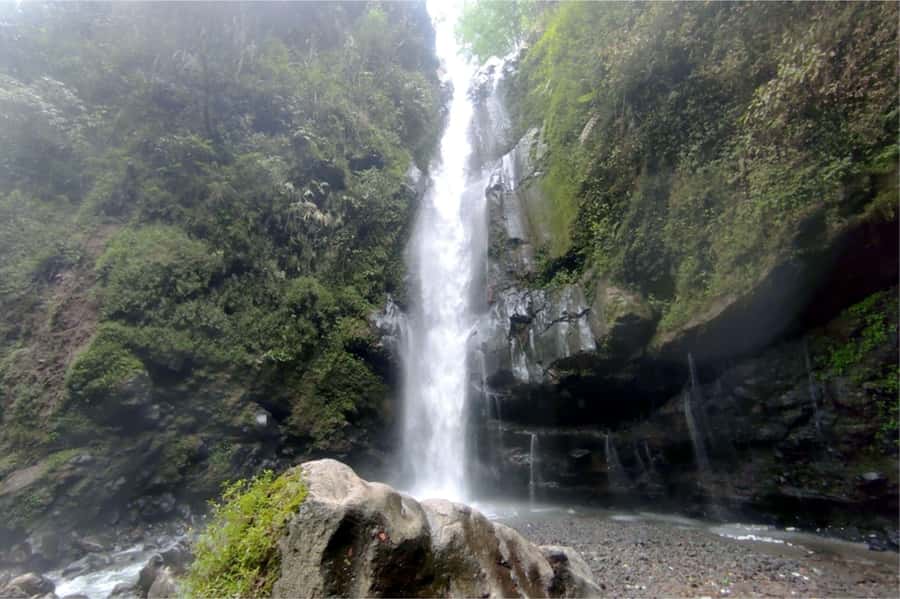
The highlight for many people is Kedung Kayang Waterfall, described as hidden-feeling and beautiful enough to swim under. The big catch: you do earn that swim. Getting to the bottom involves a steep hike down and then back up, so you’ll want solid footing and patience.
If you have them, water shoes are strongly recommended in feedback. Even sandals can work, but the warning matters: the pathway from start to the falls can be slow-moving and challenging, especially if you’re not used to steep, slippery steps. Plan extra time for the return, because that climb is the moment that turns a great day into a tiring day.
The upside is worth it. Once you’re at the waterfall, you’re close to the noise, the spray, and the natural setting. People also mention the background view—sometimes including a volcano view during the day—so it’s not just about the falls. It’s about the whole scene around it.
Also, the swim itself sounds straightforward: there’s a chance to take a refreshing dip while you admire the waterfall and surrounding nature. Just treat it like part of an active hike, not a casual stroll with a quick photo.
Where food and coffee fit in: what’s included and what you should budget
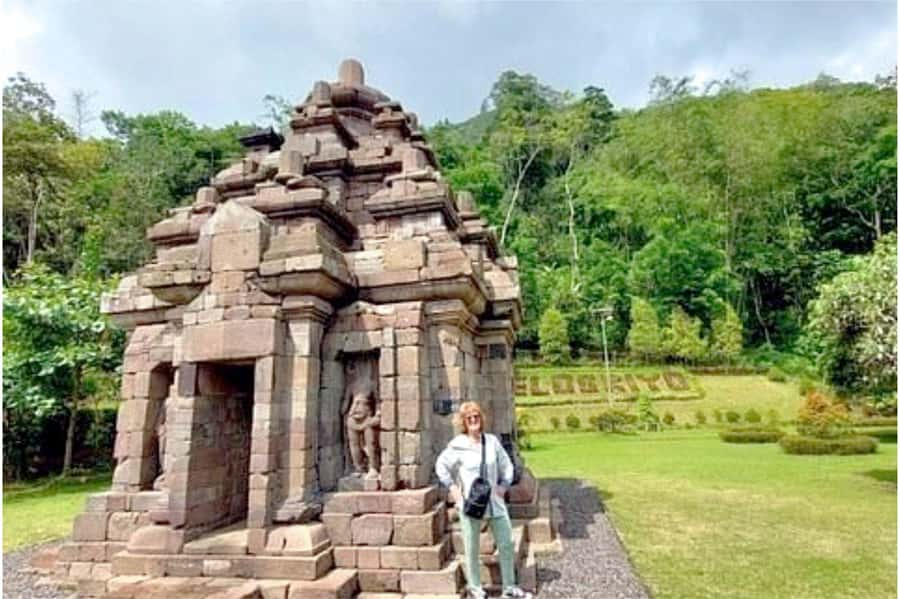
Food and drink are not included, so bring spending flexibility. That doesn’t mean the day is food-light, though. In feedback, guides often build in tasting moments and stops for breaks.
For example, people mention a nearby cafe stop during the day with coffee and other drinks. One person specifically called out coffee like cat poo coffee, plus options like purple tea and other brews. Another mention included that the guide ensured water and breaks were available as needed.
This is a smart setup for you: since food isn’t included, you can choose what fits your taste and hunger level. But it also means you should carry some cash or be ready to pay for drinks and snacks on the ground.
If you’re traveling with dietary needs, don’t assume you’ll have a full meal included. Instead, think of this as a day where you might snack, taste something local, and then return to the itinerary with your energy intact for the waterfall climb.

Price and logistics: is $65 per person good value for this kind of day?
At $65 per person for an 8-hour experience, the price can be a very fair deal—mainly because the essentials are covered. The tour includes hotel pickup and drop-off, entrance fees, an English-speaking guide, and parking.
Where the value shows up is the combination:
- You get countryside access without navigating transport yourself
- You get guided explanations (often detailed and helpful)
- You get temple and waterfall entry handled for you
What’s not included is equally important: food and drink and tips for the guide. Most days in Java cost less than in some places, but active countryside outings can still add up once you include meals, drinks, and any optional coffee stops. So budget a bit extra even if the base price looks low.
There’s also an extra cost if you’re being picked up from the Yogyakarta airport area: IDR 300,000. If your hotel pickup is from Yogyakarta or Borobudur areas, you avoid that airport surcharge.
One more balancing note: not everyone loves the pricing. A few people feel it’s overpriced, even while still calling the day worthwhile. My take: it’s best value if you care about the guided farming context and the quieter, secluded feel of Selogriyo and the waterfall. If your top priority is just seeing a waterfall fast, you might feel the cost more.
What this tour feels like in real life: the quiet countryside day you came for
This tour earns its reputation by staying away from the loud, crowded circuits. You’re heading into the hills and working fields, and the day often feels like you’ve escaped the city without having to plan a whole independent adventure.
Guides also shape the experience. People give strong praise to Haidar and Atok for knowledge, pacing, and responsiveness. Other guides—Kin, Yuni, and Imam—also show up in feedback as supportive, fun, and helpful with photos. That matters because a good guide doesn’t just tell you facts; they manage the flow so you can enjoy the moment.
And the human side comes through. Several comments mention friendly local interactions and conversations that make you feel like you’re learning from people, not just passing through places.
Expect a mix of:
- walking through rice terraces and farm paths
- a quiet temple stop
- a steep waterfall hike and a swim opportunity
- breaks for water and rest, plus optional coffee/drinks
If you like authentic travel that feels grounded in everyday life, this is a strong fit.
Who should book this (and who might skip it)
This is ideal for you if:
- you enjoy nature + culture on the same day
- you want a calmer alternative to busier Yogyakarta sights
- you’re curious about local farming and how terraces and crops work
- you like guided days but still want time to look, walk, and take photos
You might want to think twice if:
- you hate muddy trails and steep steps
- you don’t feel comfortable with a moderate hiking day
- you’re traveling with limited mobility or you need fully paved routes (the walking is part of the point here)
The tour recommends moderate fitness because of the walking amount and the waterfall hike down and up. If you’re in good health and wear the right footwear, most people seem to handle it fine.
Tips to get the best day out of Selogriyo, terraces, and Kedung Kayang
1) Wear grippy shoes. Mud can show up, and the waterfall path is steep.
2) If you have them, bring water shoes for Kedung Kayang. If you don’t, choose sandals/shoes that you can trust on wet steps.
3) Bring money for drinks and snacks. Food and drink aren’t included, and cafe stops can happen.
4) Don’t rush your breaks. Feedback mentions guides handling water and pauses, so use that rhythm.
5) Plan your photos around the uphill moments. People mention volcano-style background views, plus great terrace viewpoints—timing helps.
Should you book the Selogriyo Temple, rice terraces, and Kedung Kayang tour?
If you want a Yogyakarta day that feels like countryside living—not just landmarks—this tour is a great match. The big selling points for me are the quiet hilltop temple, the walk through real rice terraces, and the chance to swim at Kedung Kayang after that steep but satisfying hike.
Book it if you’re okay with moderate walking and you’ll bring shoes that can handle mud and wet steps. If you prefer fully flat, low-effort sightseeing, you’ll probably find the terrain harder than the postcard version.
FAQ
Is this tour really active?
Yes. There is moderate walking, including a trek through rice terraces and a steep hike down and back up to reach Kedung Kayang Waterfall. The tour recommends a moderate level of fitness.
What’s included in the price?
The tour includes hotel pickup and drop-off, entrance fees, an English-speaking guide, and parking. Food and drink are not included, and tips for the guide are not included.
How small is the group?
It’s a small group capped at 8 participants.
Where does pickup happen?
Pickup is included from accommodations in the Yogyakarta or Borobudur area. If you need pickup from the Yogyakarta airport area, there is an extra cost of IDR 300,000.
Will I be able to swim at the waterfall?
The tour includes stopping at Kedung Kayang Waterfall, and you can take a dip there. Be aware you’ll be doing a steep hike down and up, and water shoes are recommended if you have them.
How long is the tour?
The tour runs for 8 hours.