One day, three waterfalls, plus temple water. This tour mixes Kato Lampo Waterfall’s sculpted-rock fall with the chance to witness the ritual at Tirta Empul. You also get a practical mix of nature and culture: jungle views, holy water, and a stop for coffee that explains what you’re actually drinking.
The only real catch is that the day runs long and it is not built for everyone. It’s not suitable for wheelchair users and it is also listed as a problem for people with back issues or mobility limitations.
In This Review
- Key things you’ll notice
- A long Ubud circuit that actually makes sense
- Kato Lampo Waterfall: misty rocks and a natural amphitheater
- Tibumana Waterfall: jungle calm with room to breathe
- Tirta Empul Temple: the holy spring water part is the point
- Coffee plantation stop: what you’re tasting (including Luwak)
- Tegallalang rice terraces and the swing: views plus a little adrenaline
- How Sunata-style guiding changes the day
- Price and logistics: is $27 a fair deal?
- Who this tour fits best (and who should skip it)
- Should you book this Ubud waterfall, temple, and rice-terrace tour?
- FAQ
- Can I get pickup and drop-off from the Ubud area?
- How long is the tour?
- What’s included in the price?
- Are meals included?
- What languages will the guide speak?
- Do I have to pay for tickets separately?
- Is the swing included at Tegallalang?
- Is this tour suitable for wheelchair users?
Key things you’ll notice
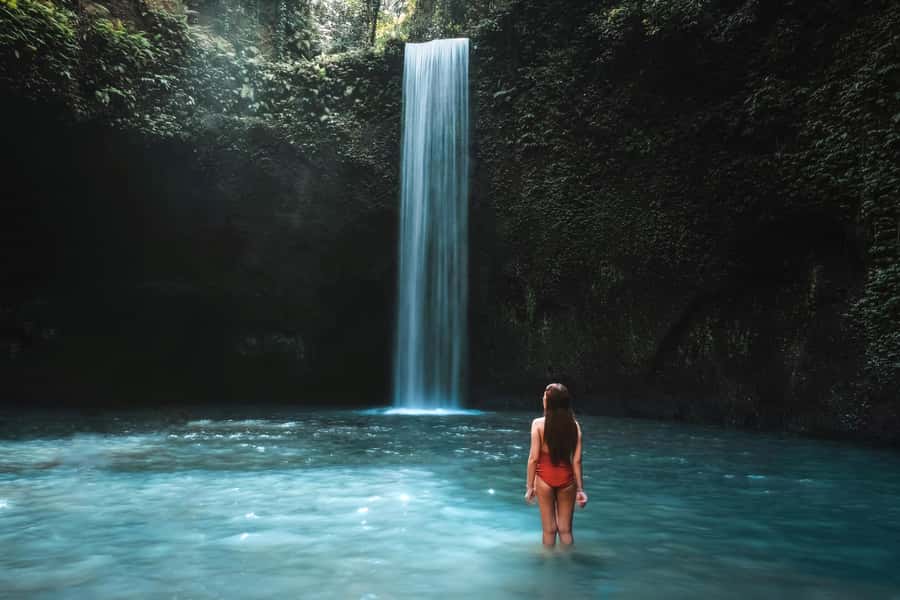
- Kato Lampo Waterfall’s sculpted-rock drop with mist and great photo angles
- Tibumana Waterfall’s secluded jungle vibe, calmer than the busier scenes
- Tirta Empul Temple purification ritual, where holy spring water is part of daily belief
- Coffee plantation stop with tasting and Luwak coffee context
- Tegallalang rice terraces plus a swing for wide views from the hillside
- Private car convenience in the Ubud area, with pickup and drop-off included there
A long Ubud circuit that actually makes sense
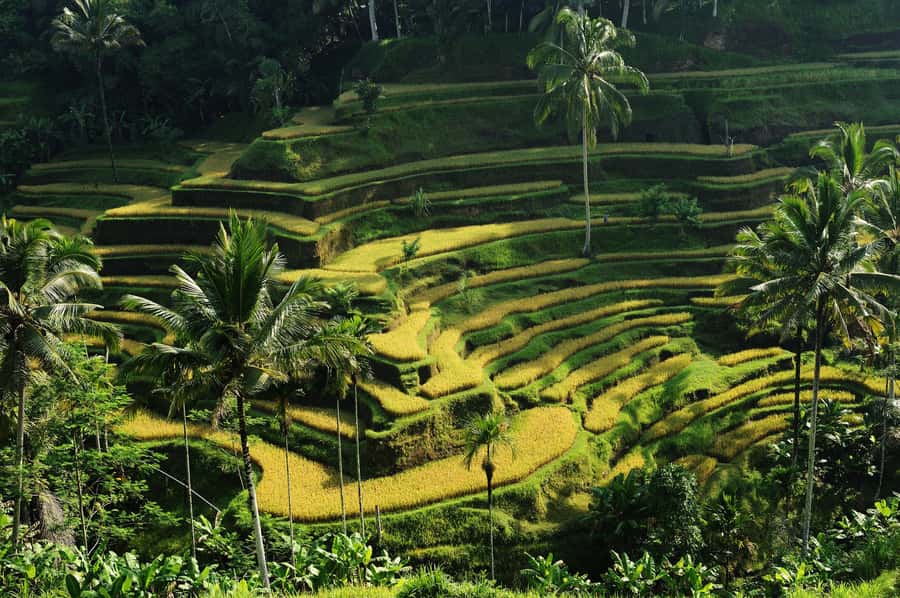
This is a classic Ubud-style loop: start with waterfalls, add a temple where the water has meaning, then finish with the famous rice terraces and the swing. The value here is not just the stops. It’s the pacing and the fact that you’re moving with a private car and an English-speaking driver, plus a live guide who can explain what you’re seeing.
At 8 to 10 hours, you’ll be busy the whole time. That’s great if you want one packed day and hate wasting half your vacation on transit. It’s less great if you like slow mornings and quiet time with no schedule.
One other practical point: pickup and drop-off are included for hotels around Ubud, Tegallalang, Payangan, Tampaksiring, and Sukawati. If you’re staying farther out (like Kuta, Jimbaran, Seminyak, Nusa Dua), there are additional car charges. That matters because the day’s comfort depends a lot on how painless your pickup feels.
You can also read our reviews of more tours and experiences in Ubud.


Kato Lampo Waterfall: misty rocks and a natural amphitheater
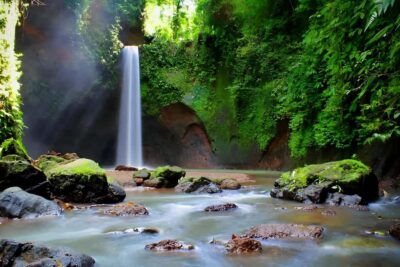
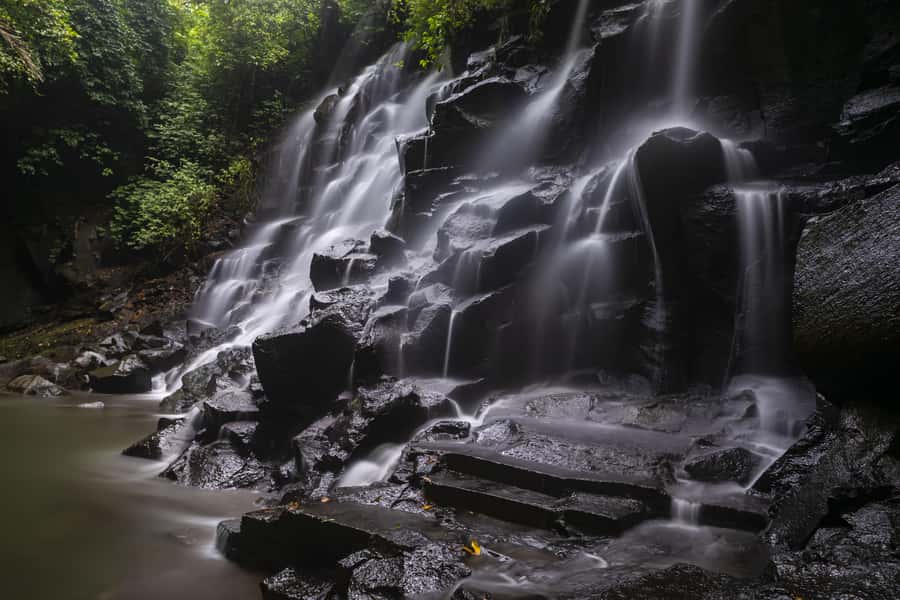
Kato Lampo is where the day gets cinematic. The water spills over sculpted rocks, so the whole scene feels like a natural stage. The tour experience is all about being close enough to feel the cold mist and see how the fall works from multiple angles.
If you care about photos, this stop is strong because the rocks create natural framing. It’s also one of those places where you’ll likely want to pause and watch the water for a minute instead of just snapping and moving on. The mist makes it cooler than you might expect in Bali, which is a nice reset before the jungle stretch of the next stop.
Tip: bring footwear you’re comfortable getting a bit wet on. Waterfalls make the ground slippery, and this tour is designed for walking around viewing points.
Tibumana Waterfall: jungle calm with room to breathe
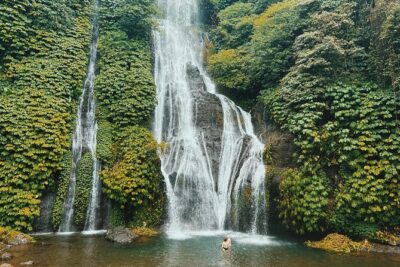
After Kato Lampo, the route shifts into something more quiet: Tibumana. This one is described as more secluded, tucked under lush jungle. The mood changes fast. You go from sculpted-rock drama to a more relaxed, “stay awhile” feeling where the air and soundscape are dominated by nature.
This is the stop that works well if you want a break from crowds and you like scenery that feels tucked away rather than staged. With about 100 minutes for Tibumana, you get time to explore viewing spots and not feel rushed the way you do on shorter waterfall-only trips.
Also worth noting: the tour adds options. If you want a harder choice, there’s an optional trek mentioned for Ulu Petanu Waterfall. It’s there for the intrepid, so if you’re feeling energetic and your legs are ready, ask your guide about it and whether it fits your comfort level that day.
Tirta Empul Temple: the holy spring water part is the point
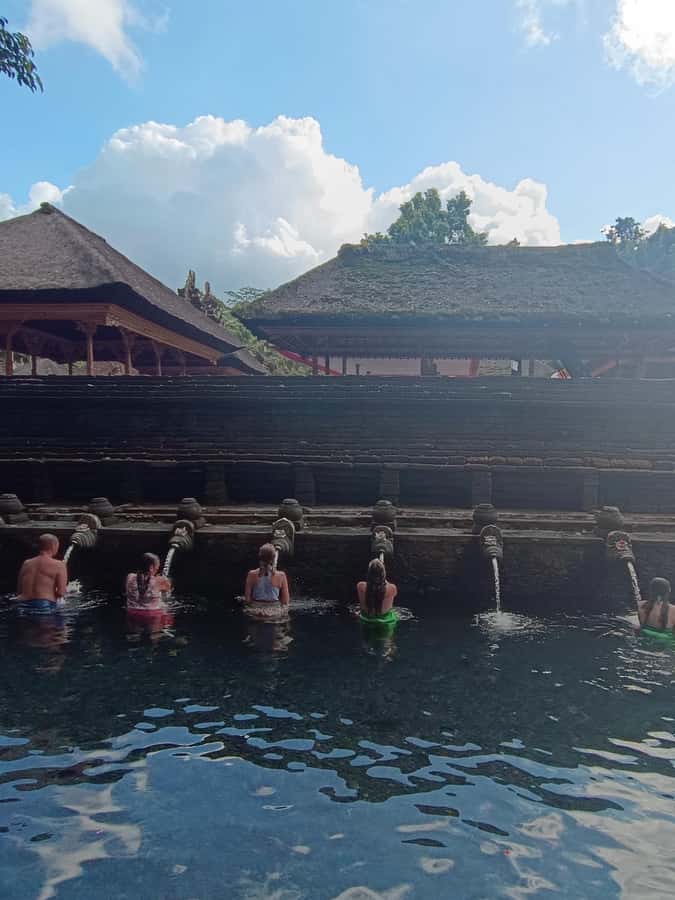
The day’s spiritual center is Tirta Empul Temple. Here, you’re not just looking at buildings. You’re stepping into a place where belief and routine meet daily life.
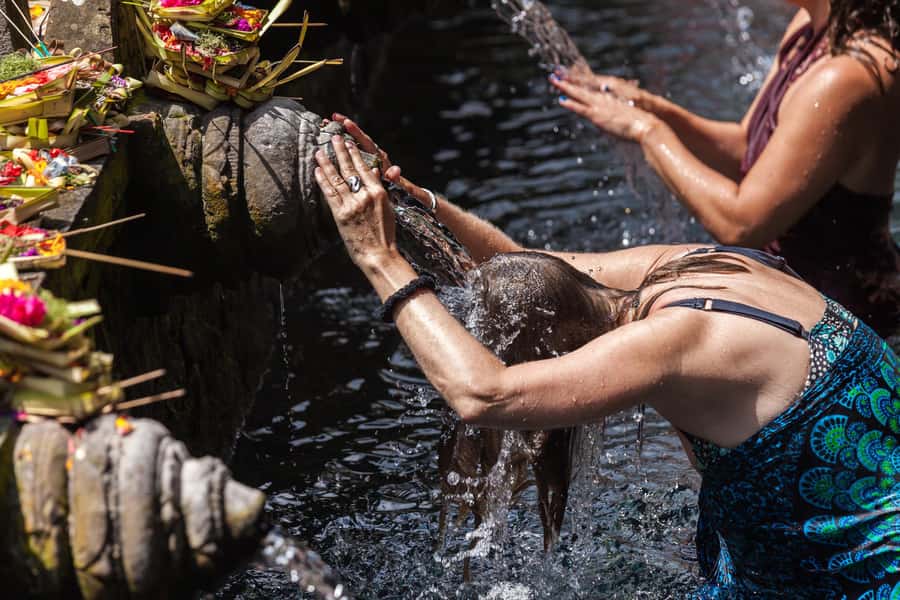
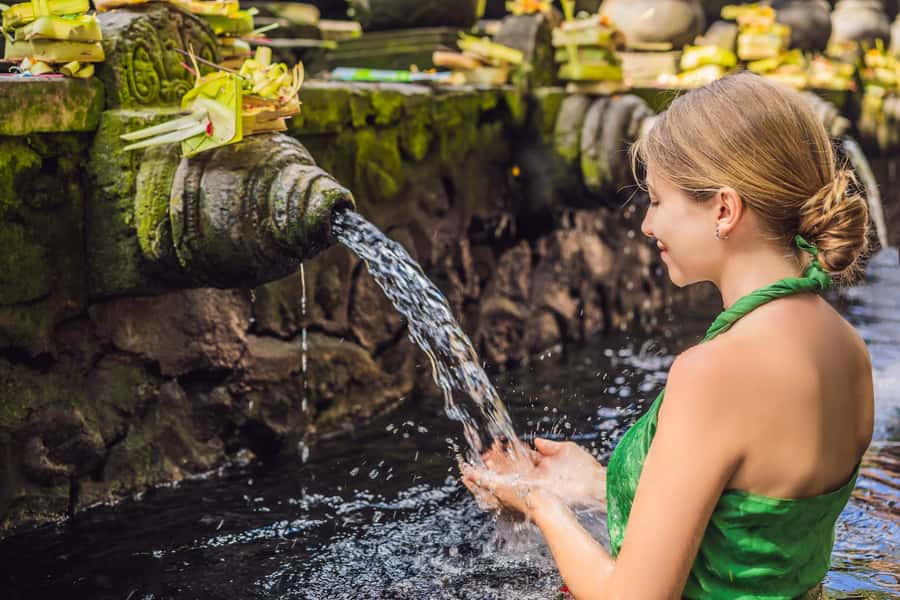
The key activity is the purification ritual using the temple’s holy springs. The tour description makes it clear you can witness the process, and in some cases you may even participate. Even if you only watch, it’s a meaningful cultural moment because the water is not a tourist prop—it’s part of the ritual life of the temple.
What I like about this stop is that it gives you context. A lot of temple visits become quick photo stops. This one leans into why the water matters and what people are doing there.
Practical consideration: temple areas usually have rules and expectations about behavior. Follow what your guide says, move with respect, and don’t treat the ritual like a performance. A little attitude shift can make the difference between a surface visit and a real understanding moment.
Coffee plantation stop: what you’re tasting (including Luwak)

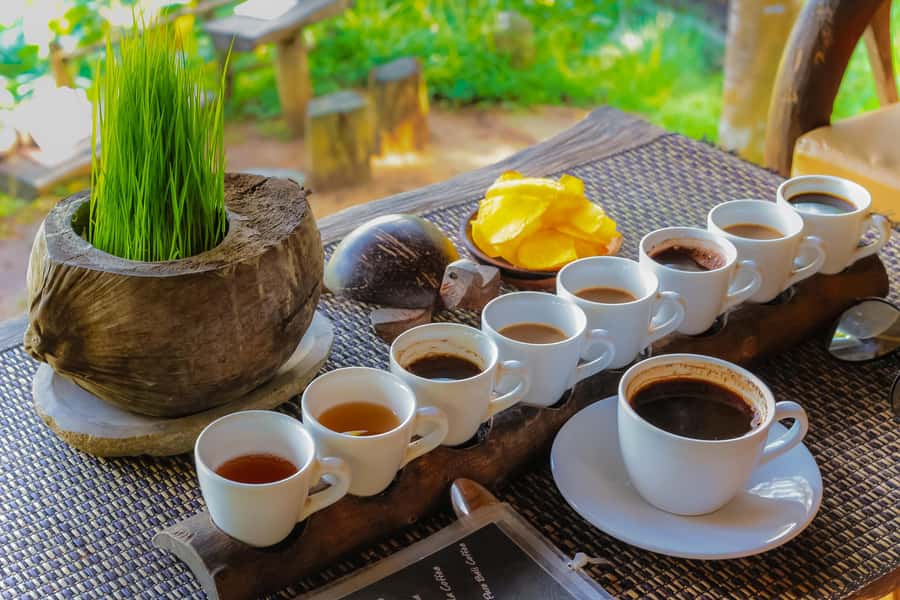
Then the tour slows down just enough for a sensory break: a coffee plantation stop with coffee tasting. The important part isn’t just sipping. It’s learning the traditional coffee-making process so the flavors feel tied to place rather than random samples.
You’ll also hear about Luwak coffee, including why it has the reputation it does. Again, the value is in the explanation. Bali coffee gets talked about a lot, but without the process, you just end up comparing sweetness and strength. With the process explained, you can taste with more understanding.
This stop lasts about 45 minutes, so it’s long enough to listen and taste, but not so long that it feels like you’re stuck in a commercial routine. Still, if you’re not a coffee person, at least try to pay attention to the process story—because it gives the tasting context.
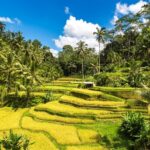


Tegallalang rice terraces and the swing: views plus a little adrenaline
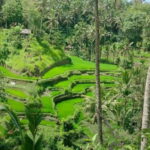
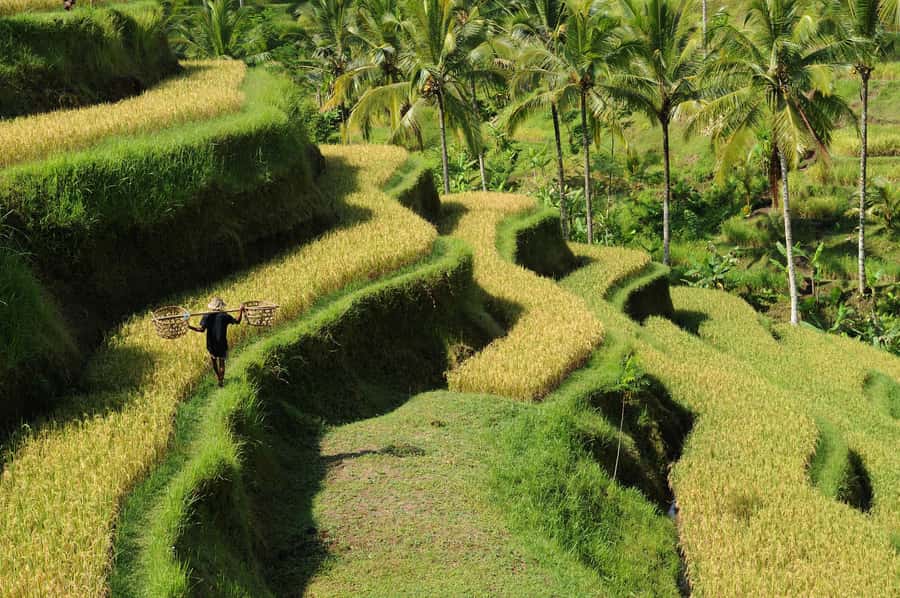
The last big set piece is Tegallalang Rice Terraces. This is where Bali turns into those stepped green hills everyone recognizes—and the tour gives you around an hour here, plus time for the signature thrill.
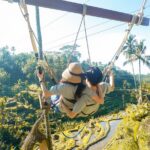
You’re not only looking. You’re also going for a swing above the rice terraces. That’s what changes the experience from sightseeing to doing. The wind-in-your-face feeling, plus the panoramic view unfolding below you, makes this stop memorable even for people who think they’ve already “seen rice terraces.”
What to keep in mind: this is the sort of place where you’ll spend some time waiting for your turn and moving between viewpoints. The hour is enough, but plan to stay flexible with timing.
If your goal is photos, focus on timing. Late light can make the greens pop and soften shadows. If your guide has a preference, trust it—this stop’s experience is partly about when you’re standing where.
How Sunata-style guiding changes the day
One of the strongest reasons this tour gets top marks is the guiding. In the experiences shared, the guide Sunata stands out for being attentive and focused on making the day run smoothly. That matters because Bali routes can shift fast with traffic, weather, and crowds.
Two practical ways good guiding shows up:
- You visit places before they get full, which makes a big difference at waterfalls and popular viewpoints.
- The guide supports your comfort and helps with photos, so you’re not stuck asking strangers to take shots while you fumble your camera settings.
Customization is also part of the appeal. In one shared experience, the day included an extra visit to a typical Balinese rural residence, giving closer contact with everyday family life. That’s not guaranteed for every booking, but it shows the tour can flex rather than forcing you into a rigid script.
If you want a day that feels personal—without losing the structure—this guide style is a big plus.
Price and logistics: is $27 a fair deal?
This tour lists a price of $27 per person, with a duration of 8 to 10 hours. For that time, the inclusions matter:
Included:
- Private car with an English-speaking driver
- Parking fee, petrol
- Bottled mineral water
- Entrance fee/ticket if the option is selected
Not included:
- Meals
So what are you really paying for? You’re paying for transportation, a guide who explains what you’re seeing, and the entry and time at several key sights. If you tried to piece this together yourself, you’d spend real money on cars or drivers between remote stops plus time negotiating tickets.
The main value question is whether the included entrance fee option matches what you want. If you’re booking the version that includes tickets, you’ll have less hassle and fewer surprises. If tickets are not included in your option, you’ll want to confirm ahead of time so you know what you’ll pay on arrival.
Also, private means privacy. But it’s still a full-day loop. If you dislike long travel blocks, you might feel the time more than the price.
Who this tour fits best (and who should skip it)
This works especially well if you want a one-day Ubud sampler that balances nature and culture: Kato Lampo, Tibumana, Tirta Empul, coffee, and Tegallalang, plus the swing.
It’s also a good pick if you appreciate explanations. The tour isn’t just a list of stops; it emphasizes what the water and rituals mean, and how coffee is made.
Skip it or choose carefully if:
- you need wheelchair access (it’s listed as not suitable)
- you have back problems (also listed as not suitable)
- you want a slow day with minimal walking
If you’re comfortable with an active schedule and you like variety, this is a strong way to see a lot of Bali without planning every turn.
Should you book this Ubud waterfall, temple, and rice-terrace tour?
If you want one packed day that mixes waterfalls, Tirta Empul purification, coffee tasting, and Tegallalang views with a swing, I think this is an easy yes to consider. The combination of private transport, a live guide in English/Indonesian, and the kind of attentive guidance shown by Sunata makes it feel organized rather than chaotic.
I’d pass only if mobility or comfort is a concern, or if you’d rather do fewer stops at a slower pace. But for most visitors in good walking shape, the day’s structure and the guide-focused care are exactly what make it feel worth your time.
FAQ
Can I get pickup and drop-off from the Ubud area?
Yes. Pickup and drop-off are included for hotels around Ubud, Tegallalang, Payangan, Tampaksiring, and Sukawati. Pickup from other areas like Kuta, Jimbaran, Seminyak, Nusa Dua, and Canggu requires an additional car fee.
How long is the tour?
The duration is listed as 8 to 10 hours. Starting times depend on availability.
What’s included in the price?
Included are a private car with an English-speaking driver, parking fees, petrol, bottled mineral water, and entrance fees/tickets if you select the option that includes them.
Are meals included?
No. Meals are not included.
What languages will the guide speak?
The live tour guide is listed as speaking English and Indonesian.
Do I have to pay for tickets separately?
Entrance fee/tickets are included only if you select the option that includes them. If you don’t select that option, you should expect to pay separately.
Is the swing included at Tegallalang?
Yes. The Tegallalang Rice Terrace stop includes the swing experience described in the tour overview.
Is this tour suitable for wheelchair users?
No. The tour is listed as not suitable for wheelchair users, and it’s also not suitable for people with back problems or mobility impairment.