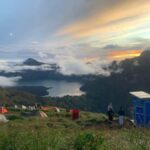
One early morning and the air feels different. This 2-day Senaru Crater Rim hike on Mount Rinjani is built around big views (Segara Anak Lake) and a small-group pace, with time for sunrise and sunset moments. I like that you get real guidance on a tough hike without feeling like you’re on a conveyor belt.
Two things I really appreciate here: the local guide + porter support and the way the plan mixes nature with Sasak life. Seeing coffee plantations early, then moving toward rainforest gates and the crater rim, makes the hike feel like more than just exercise.
The only real consideration is fitness and stamina. This is listed for moderate physical fitness, but you’re still walking for long stretches, and Day 2 includes a significant descent.
In This Review
- Key points worth knowing before you go
- Rinjani’s Senaru Crater Rim: what this 2-day trek feels like
- Day 1: Senaru morning start, rainforest gate, and setting up camp
- Day 2: sunrise views over Segara Anak, then the long descent to Senaru
- Guides and porters: the “make or break” part of this trek
- Culture on the trail: Sasak villages without turning it into a show
- Value and price: why $165 can be fair here
- What to pack and how to avoid the common mistakes
- Who this trek is best for (and who should skip it)
- Should you book the 2-day Senaru Crater Rim trek?
- FAQ
- What time does the trek start?
- How long is the hike?
- Is this tour suitable for beginners?
- How many people are in the group?
- What’s included in the price?
- What’s not included?
- Where does it start and end?
- What happens if the weather is bad?
- Can I cancel for a refund?
Key points worth knowing before you go
- Small group size (max 6): more help, less waiting around, and a calmer trail rhythm.
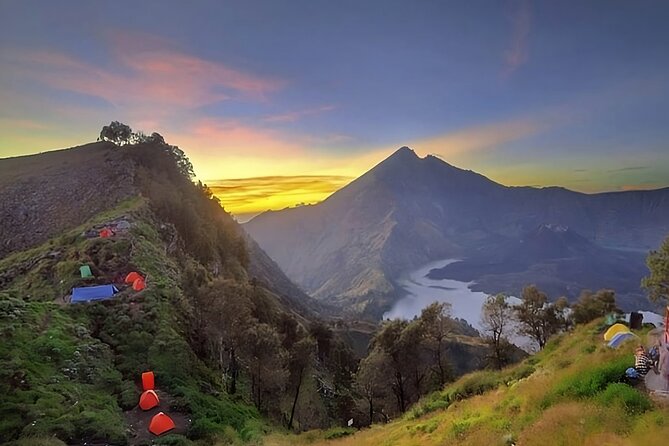
- Sunrise timing from the rim area: the schedule is structured for crater-rim light, with Segara Anak photos.
- Support on the trail: porters and guides like Baba have a strong reputation for keeping you moving safely.
- Sasak culture mixed in: you’re not just hiking; you also see traditional village life and hear about local rituals.
- Meals are included (lunch + dinner): less guesswork on where to eat on hike days.
- Weather can shift plans: it requires good weather, so be ready to move dates if needed.
Rinjani’s Senaru Crater Rim: what this 2-day trek feels like
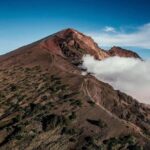
Rinjani doesn’t do small. Even on a short itinerary, the mountain brings altitude effort, dramatic crater scenery, and those early-start nerves. The Senaru route is a popular entry point, and this trek is designed to hit the crater rim highlights without asking you to spend days in the park.
I like that the experience is built as a full arc: trail progress by day, then camping at night under clear skies when conditions allow. The tour description also points to both sunrise and sunset viewing, which matters here because the light changes how the crater and lake look.
You’ll get more than “walk, stop, take photo.” The program talks about waterfalls, thick jungle, and Segara Anak Lake, plus Sasak culture through village visits and explanations from local guides.
You can also read our reviews of more tours and experiences in Lombok.


Day 1: Senaru morning start, rainforest gate, and setting up camp
Your day begins early, meeting at Senaru (Bayan, North Lombok) around 6:30 am. The trek itself starts later, roughly 7:30–8:00 am, after you’re registered and settled at the Rinjani Trekking Centre in Senaru.
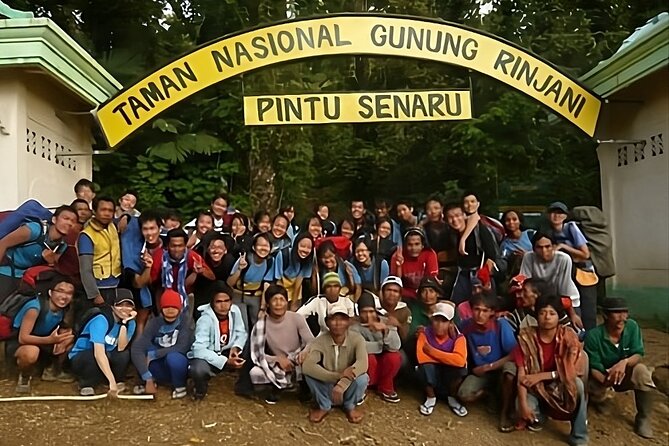
The first stretch is gentler than you might expect for such a big mountain. You walk about 30 minutes through coffee plantations and lush greenery, which is a nice way to wake up without instantly getting punished by steep terrain. Then you pass a tropical rainforest gate, which is a good “you’re in it now” marker for the kinds of vegetation you’ll see higher up.
From there, the day is about steady climbing and moving toward your overnight setup. The description promises waterfalls and thick jungle along the way, so you should expect short changes in scenery rather than one long, featureless slog. Day 1 is listed at about 7 hours, which helps you plan water and snacks without going full marathon brain.
If you’re a person who gets hangry on the trail, good news: you’re not left to improvise dinner. Dinner is included, and the overall flow is geared toward reaching camp before you’re too tired to enjoy the night sky.
Day 2: sunrise views over Segara Anak, then the long descent to Senaru
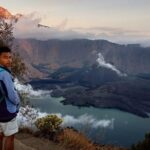
Day 2 starts with breakfast and that main event: sunrise, plus pictures with the Segara Anak Lake view. If you’ve never watched the crater rim catch early light, it’s the kind of moment that makes the early alarm worth it.
After you get your sunrise photos and a bit of time to settle, you shift gears into “get down safely” mode. The plan takes you down toward Senaru village, and you’re looking at roughly 4–5 hours of descent. There’s time for a break and lunch on the way, and the description mentions stopping points like pos2 or an extra pos, depending on the day’s route and pace.
That descent is the main physical challenge of Day 2. Your quads will feel it, and your ankles will notice every awkward step if you don’t have decent footwear and trekking poles (if you use them). The upside is that Day 2’s schedule is relatively straightforward: sunrise, then descend, then return to your meeting point.
The experience ends back where you started in Senaru, keeping the logistics simple after two long days on foot.
Guides and porters: the “make or break” part of this trek
On Rinjani, a lot can go wrong fast: wrong pace, bad timing for weather, or just fatigue hitting before you’re ready. What you’re paying for here is not only the views—it’s the people who manage your route and your rhythm.
The feedback tied to this specific trek is strong about support. Guides like Baba have been praised for staying helpful throughout the hike, and Mr. Hardy is repeatedly mentioned as responsive and organized. You’ll also see Tuman credited for making things easier for the group, which matters because small problems—gear issues, timing questions, communication—can snowball on a mountain.
Porters are a key part of the Senaru experience. If you’ve hiked elsewhere, you know that a porter team can turn a difficult trek into a manageable one by taking the heavy burden off your back. Even when you’re carrying a small daypack, the emotional difference is real: less strain usually means you enjoy the scenery more.
One thing to plan for: tipping. The tour information specifically says tipping to guides and porters is not included. If you want smooth sailing, set aside some cash for it before you arrive.
Culture on the trail: Sasak villages without turning it into a show
Many hikes in Indonesia are just “nature first” with a brief stop for photos. This one is different because the description explicitly brings in Sasak people, traditional villages, and even references to ancient rituals.
In practical terms, this usually means your guide is giving context while you walk and stop. You’re not just collecting sights; you’re learning what those places mean to the people who live near the mountain. When guides explain local life as you pass through areas like plantations and rural communities, it turns the hike from scenery-chasing into something more grounded.
This matters because Rinjani is not an empty wilderness. It’s connected to local livelihoods, beliefs, and daily routines. If you care about that human side of travel, this trek fits well.


Value and price: why $165 can be fair here
At $165 for about two days, the cost is trying to balance a lot of moving parts: early starts, guide time, porter support, and meals. You also get dinner and lunch included, which is a real value boost on a mountain where food options can be limited.
What’s not included is also clearly stated: tipping, and an extra porter to carry your own luggage if you need that. That means your final cost depends partly on your comfort level with hiking pack weight and your tipping preferences.
For the value-minded hiker, the big deal is the “small group + support + meals” combo. A max group size of 6 travelers usually means you’re not stuck waiting for a large cluster to regroup, and that helps keep the timing for sunrise and the descent.
What to pack and how to avoid the common mistakes
The tour says you should have moderate physical fitness, so I’d treat this as a hike that rewards preparation. You don’t need to be a mountaineer, but you should expect uneven footing and long days.
Here’s what I’d prioritize, based on how these two days are structured:
- Sturdy shoes with traction for the descent (your feet will work harder on Day 2).
- Layers for early morning and potential night cooling while camping.
- Water strategy you can handle for the trail length, plus a small snack stash for breaks.
- A small light bag that won’t turn into dead weight as the day wears on.
Also, since the tour requires good weather, don’t plan other tight day trips that you’ll regret if the operator shifts dates for safety. Weather changes don’t come with an apology, but they do keep the mountain from being reckless.
Who this trek is best for (and who should skip it)
This is a great fit if you want:
- Big Rinjani highlights in a short time (two days).
- A hike with support rather than solo slogging.
- A mix of nature and Sasak cultural context.
- A smaller group experience, because it helps with pace and coordination.
It’s less ideal if:
- You have very limited hiking tolerance or knee/ankle issues and aren’t confident with a long descent.
- You want a relaxed stroll. This is challenging enough that the porter and guide team matter for your sanity.
If you’re traveling as a confident walker who likes sunrise hikes, you’ll likely enjoy this format.
Should you book the 2-day Senaru Crater Rim trek?
Book it if you’re excited by crater-rim sunrise views, want Segara Anak Lake in a short itinerary, and value having a local team managing route, safety, and timing. I’d also recommend it if you like cultural stops that don’t feel like a detour from your main goal.
Think twice if you hate early mornings, struggle with stairs and descents, or can’t handle moderate physical effort. For most people who hike regularly, this is the kind of trip that feels like it earned its photos.
One last practical tip: pack for real mountain walking and bring cash for tipping. Do those two things and the rest of the experience tends to click into place.
FAQ
What time does the trek start?
You’ll meet in Senaru at 6:30 am, and the trek activity typically begins around 7:30–8:00 am after setup.
How long is the hike?
It’s scheduled as 2 days with Day 1 around 7 hours and Day 2 around 5 hours.
Is this tour suitable for beginners?
The tour is listed for people with moderate physical fitness. If you’re comfortable with a challenging day hike and a longer descent, you’re likely a good match.
How many people are in the group?
The maximum group size is 6 travelers.
What’s included in the price?
The price includes dinner and lunch. A mobile ticket is used for entry.
What’s not included?
You’ll need to budget for tipping to the guide and porter. The tour also says an extra porter to carry your own luggage is not included.
Where does it start and end?
It starts in Senaru, Bayan, North Lombok and ends back at the same meeting point.
What happens if the weather is bad?
This experience requires good weather. If it’s canceled due to poor weather, you’ll be offered a different date or a full refund.
Can I cancel for a refund?
Yes. You can cancel up to 24 hours in advance for a full refund.