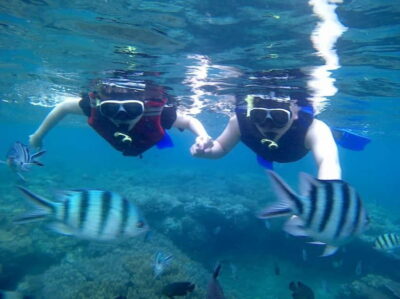
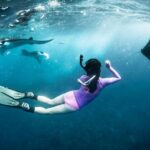
Manta rays are the main reason to go, and the route is smart. This half-day snorkel trip takes you from Nusa Lembongan over to Nusa Penida for several different underwater “moods,” from manta country to reef-and-mangrove shallows, with gear, a guide, and an underwater camera handled for you.
What I like most is that you’re not stuck figuring it out alone—you get guided picks based on conditions, plus transfers from Lembongan hotels or the harbor. I also love that the tour is designed as half-day time, so you can still do other things on your island day instead of losing the whole morning.
One drawback to keep in mind: it’s a sharing boat (capacity up to 20), so if you’re very sensitive to tight seating and spacing, a full group can feel cramped and make it harder to spread out for photos.
In This Review
- Quick hits before you book
- From Lembongan to manta country: why this tour works
- Price and value: what $24 gets you (and why it’s not just a cheap ticket)
- Timing, pickup, and the meeting point reality check
- Manta Bay / Manta Point: how the manta odds really work
- The other snorkeling stops: Crystal Bay, Gamat Bay, and Mangrove Point
- Crystal Bay: clarity when conditions cooperate
- Gamat Bay: calmer waters, caves, and reef life
- Mangrove Point: shallower reef near the mangroves
- What the boat and gear feel like in practice
- Group size and comfort: the one caution worth listening to
- Weather and how the itinerary can shift
- Who should book this tour, and who might skip it
- Should you book Three Islands Snorkeling with Manta Rays from Lembongan?
- FAQ
- What is the duration of the snorkeling tour?
- How much does the tour cost?
- What’s included in the price?
- Are manta rays guaranteed on this tour?
- Can non-swimmers join?
- Where and when does the tour start?
- What if I’m staying in Nusa Ceningan?
- What’s the cancellation window?
Quick hits before you book
- Manta Bay targets Manta Point with a high chance of manta rays, though sightings aren’t guaranteed
- Three snorkeling stops depending on conditions, with options like Crystal Bay or Mangrove Point in the mix
- Transfers + gear included, so you don’t waste time renting or hunting pickup locations
- Underwater camera included so you can document the reef without scrambling for equipment
- Non-swimmers can join with safety support from the snorkeling guide
- Small-group cap (up to 20) keeps it manageable, but it still isn’t private
From Lembongan to manta country: why this tour works
If you’re staying on Nusa Lembongan, snorkeling with mantas usually means a cross-island plan. This tour does that part for you: you’ll get picked up from your Lembongan hotel area or the harbor, then head out toward Nusa Penida for the best odds of meeting manta rays.
The key idea is variety. Instead of one “hope for the best” swim, you hit multiple sites with different underwater features—open-water manta terrain, clear-water reef spots, calmer areas with caves and crevices, and a shallower reef near the mangroves. That mix improves your odds of seeing something cool even if one site is slow.
Also, the tour is set as a 3–4 hour half-day. That matters on these islands, because you don’t want to buy one attraction with the entire day’s freedom.
You can also read our reviews of more tours and experiences in Nusa Lembongan.
Price and value: what $24 gets you (and why it’s not just a cheap ticket)
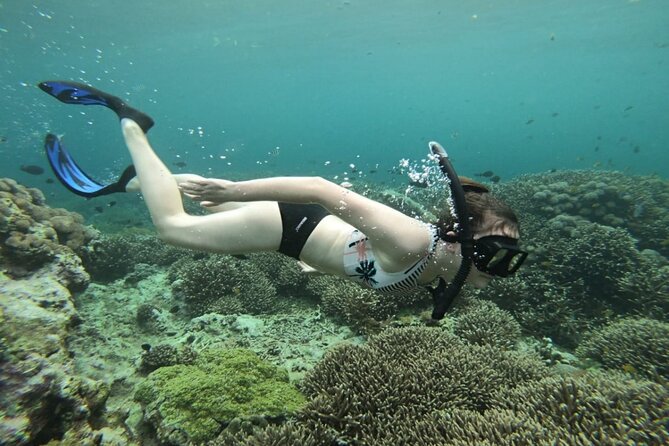
At $24 per person, the obvious question is: is it actually good value or just a low price?
Here’s what you’re getting that adds real cost if you were doing it independently:
- Hotel/harbor transfers from Lembongan (included)
- Snorkeling gear (included)
- Snorkeling guide (included)
- Welcome drink and bottled water (included)
- Underwater camera (included)
- A boat trip that brings you to multiple different spots
Even if you ignore the camera, the combination of transfers + gear + guide + boat access is what makes the price feel fair. You’re basically paying for logistics and local routing, which is exactly what you don’t want to burn time figuring out on your own.
One more practical note: the trip is popular enough that it’s commonly booked in advance. If you want a specific date, booking earlier is smart.
Timing, pickup, and the meeting point reality check
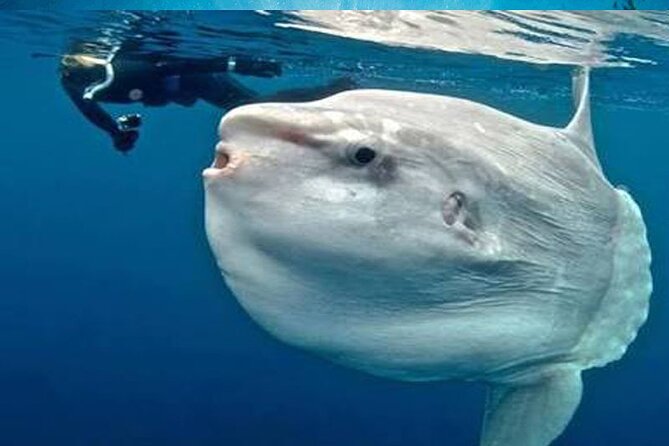
Start time is 9:30 am, and the tour ends back at the meeting point. The meeting point listed is:
Lagoon Bliss, Captain Good, Jl. Raya Mangrove Point, Jungutbatu, Kec. Nusa Penida, Kabupaten Klungkung, Bali 80771, Indonesia.
If you’re on Nusa Lembongan, you should expect a pickup from your hotel or the harbor. If you’re on Nusa Ceningan, pickup is not included in the same way—your plan is to meet at Yellow Bridge at 09:30 am.
So here’s the practical advice: before your day starts, confirm where you’re meeting and what time you need to be ready. With island timing, 30 minutes of confusion can turn into a lot of stress.
Manta Bay / Manta Point: how the manta odds really work
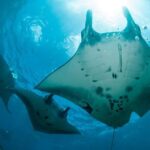
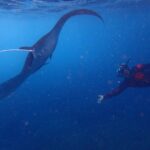
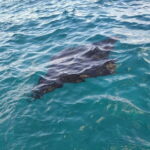
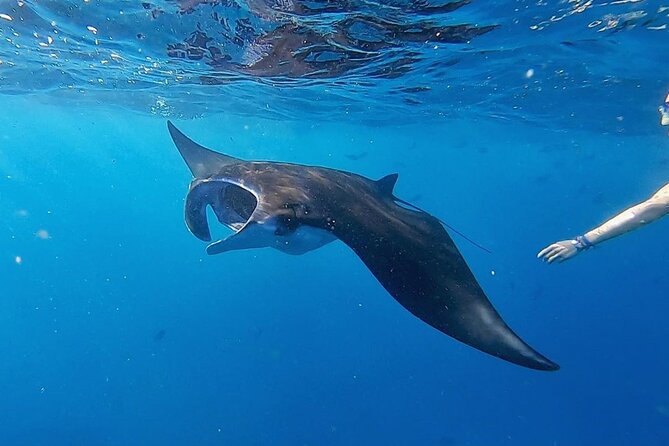
The first stop is Manta Bay, also referred to through the area as Manta Point. This is the part of the trip that gets people excited, because it’s associated with the giant manta ray.
Important reality check: the tour notes that manta sightings are not guaranteed. That’s not the operator being vague; it’s just how wildlife works in its natural habitat. Water conditions, manta movement, and the day’s patterns can all change.
What you should expect anyway:
- A dedicated visit to the most manta-focused area on this route
- Time in the water that gives you a real chance, not a rushed “one minute and goodbye” stop
- A guide who can help you position and follow safety rules so you’re not fighting currents or each other
If seeing mantas is your top priority, come prepared to wait in the water calmly. The payoff is often worth it.
The other snorkeling stops: Crystal Bay, Gamat Bay, and Mangrove Point
This is where the tour feels like more than a one-spot stunt. The planned stops shift based on conditions, but the main names you’ll hear are Crystal Bay, Gamat Bay, and Mangrove Point.

Crystal Bay: clarity when conditions cooperate
Crystal Bay is described as a spot with very clear water and dramatic underwater features like cliffs and steep slopes. There’s also an “optional” note tied to bad weather—meaning you may not always swap in this exact site if conditions aren’t right.
Tradeoffs you should understand:
- Clarity can mean amazing visibility
- Steeper underwater structure can also mean you’ll want to follow the guide closely and not try to “freestyle” your route
Gamat Bay: calmer waters, caves, and reef life
Gamat Bay is known for beauty and current strength, but the description also mentions calm waters in the bay itself, with small caves and crevices. That matters because it gives you more “nooks and reef breaks” to look around.
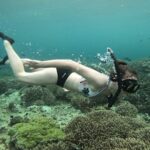
This stop sounds built for reef and creature spotting beyond mantas. You’re likely to focus on reef fish and invertebrates as you move through the structured underwater environment.
Mangrove Point: shallower reef near the mangroves
Mangrove Point is a shallow reef in the southeast part of the area. The standout detail here is that it’s tied to the mangrove forest setting, which is described as serene due to limited visitors.
From a snorkeler’s point of view, shallow reefs usually offer:
- Easier entry and exits compared to deeper sites
- More time for slow observation
- A calmer vibe if you’re not chasing the fastest currents
If your manta moment doesn’t happen, this stop can still be a strong “wow” because it’s different from the open-water manta area.
What the boat and gear feel like in practice
This trip includes snorkeling equipment and a snorkeling guide, plus bottled water and a welcome drink. It also uses an underwater camera, which is included—so you’re not forced to bring your own housing and setup.
Here’s the practical side:
- You’ll want comfortable clothing, plus a change of clothes for after you’re done.
- Comfortable footwear helps for boarding and waiting, especially on rocky or uneven areas.
- Sunscreen is a must since you’ll be in the open for the boat portion.
Also plan like a realist. With up to 20 people, you’ll likely share space on board. That doesn’t ruin the day, but it means you should keep your gear organized and your movement predictable.
One more note: non-swimmers can join. The tour states they provide safety equipment and snorkeling guides as instructors. Still, you’ll get the best experience if you approach it with a patient mindset: practice your breathing and let the guide set the rhythm.
Group size and comfort: the one caution worth listening to
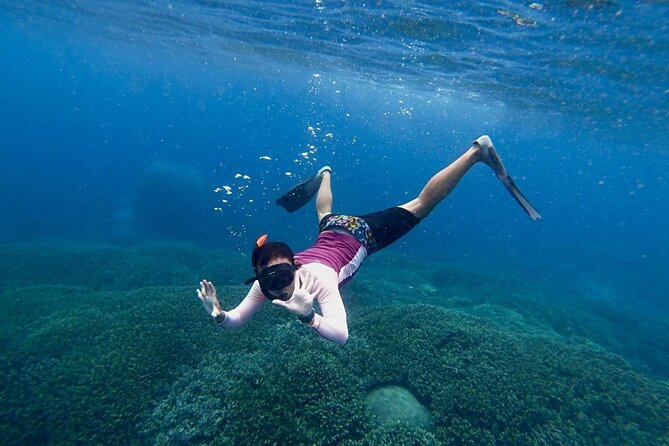
The tour caps at 20 travelers, and that number is usually fine. But if the day runs at the top end, you can feel the crunch on a boat meant for quick turnarounds and multiple swims.
The main risk isn’t danger—it’s comfort and focus. When it’s crowded, it’s harder to spread out for clean viewing of the animals. You also may feel like you’re sharing the water more tightly than you’d prefer.
Your best move:
- Keep close to the guide’s instructions
- Aim for calm, slow scanning rather than sudden movements
- Bring a small tolerance for “we’re sharing this moment” energy
If you want space above all, you might prefer a private option elsewhere—but for $24 with transfers and gear included, you’re usually trading a bit of comfort for access and value.
Weather and how the itinerary can shift
This experience requires good weather. If conditions are poor, the tour can be canceled and you’ll be offered a different date or a full refund.
That matters for two reasons:
- Snorkeling visibility and safety depend on water conditions.
- The route can adjust—like swapping in or out Crystal Bay depending on conditions.
So keep your expectations flexible. If your goal is manta rays, the best strategy is to book a day with decent forecast odds and be ready for the operator to make smart calls.
Who should book this tour, and who might skip it
This is a great fit if you want:
- A half-day snorkeling plan from Lembongan
- The best-odds attempt at manta rays
- Multiple snorkeling environments instead of one site
- Transfers, gear, and a guide handled
You might think twice if:
- You’re extremely uncomfortable in small boats or close seating
- You need lots of personal space in the water for photography
- You only want one specific type of underwater scenery
For most people, the balance is good: you get a structured route, included equipment, and a real chance at mantas without spending your whole day on logistics.
Should you book Three Islands Snorkeling with Manta Rays from Lembongan?
If manta rays are on your Nusa Penida checklist, I’d book it—especially at this price point with transfers, gear, and an underwater camera included. The value isn’t just the ticket cost; it’s the setup that saves you time and decision fatigue.
The only reason not to book is if you can’t handle crowded boat conditions or you’re the type who gets stressed when wildlife doesn’t show on schedule. Since manta sightings aren’t guaranteed, you should go for the experience, not a promise.
If you’re flexible and you like seeing different underwater habitats in one morning, this is a smart way to spend your time.
FAQ
What is the duration of the snorkeling tour?
It runs about 3 to 4 hours.
How much does the tour cost?
The price is $24.00 per person.
What’s included in the price?
You get free pick up and drop service from Lembongan hotel or the harbor, a welcome drink and mineral water, snorkeling equipment, a snorkeling boat and guide, and an underwater camera.
Are manta rays guaranteed on this tour?
No. The tour states sightings at Manta Bay have a high chance, but mantas are in their natural habitat and sightings vary by environmental factors.
Can non-swimmers join?
Yes. The tour says non-swimmers can snorkel because safety equipment and snorkeling guides are provided.
Where and when does the tour start?
It starts at 9:30 am from Lagoon Bliss (Captain Good), Jl. Raya Mangrove Point, Jungutbatu, Nusa Penida. The activity ends back at the meeting point.
What if I’m staying in Nusa Ceningan?
Pickup from Ceningan is not included. Guests staying in Ceningan should meet Yellow Bridge at 09:30 am.
What’s the cancellation window?
You can cancel for a full refund up to 24 hours before the experience’s start time. If you cancel less than 24 hours before, the amount paid is not refunded.