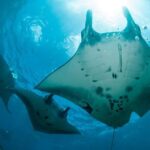
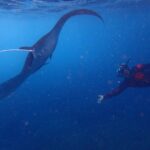
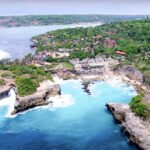
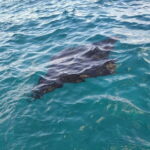
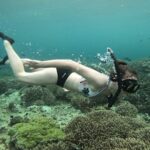
Manta rays, just off Nusa Lembongan. This 2-hour snorkel outing is built for the best chance at seeing giant manta rays, with the route shifting by sea conditions around Nusa Lembongan and nearby bays. Expect reef fish, a few different snorkeling spots, and a day that starts early so you’re in the water before it gets busy.
I really like the focus: you’re not doing a long sightseeing shuffle, you’re going straight for manta ray habitat and spending most of your time snorkeling. I also like the hands-on feel people report, including an in-water guide who helps you maximize your chances (and makes it smoother if you’re new to snorkeling).
One thing to consider before you book: the animal-welfare side is a mixed bag, with a couple of reports raising concern about how wildlife was handled and how close boats were at times. If animal ethics are a deal-breaker for you, read that as a red flag and decide accordingly.
In This Review
- Key things I found most interesting
- The point of this trip: a focused manta-ray snorkel near Nusa Lembongan
- Meeting point, timing, and why arriving early matters
- The route changes with conditions: Manta Bay, Crystal Bay, Gamat Bay, Wall Point
- What you’ll see: reef fish plus the big manta moment
- Boat and crew quality: where the experience either clicks or drags
- Included gear and the small-group advantage (max 15 people)
- Price and value: is $23.66 actually a good deal?
- The animal-welfare conversation: seeing mantas is thrilling, but ethics matter
- The one logistics wrinkle: getting to the right place
- Who this tour fits best
- Should you book this manta ray snorkeling trip?
- FAQ
- FAQ
- How long is the snorkeling trip?
- What time does the tour start?
- Is hotel pickup included?
- What snorkeling gear is provided?
- Where is the meeting point?
- How many people are on the tour?
- What happens if the weather is bad?
- What is the cancellation rule?
Key things I found most interesting
- Weather decides your route: you may hit 3–4 spots such as Manta Bay, Crystal Bay Beach, Gamat Bay, and Wall Point
- Early start, short session: meeting at 8:00 am, with about 2 hours total out on the water
- Included snorkeling gear: you don’t have to worry about renting fins/masks through the day
- Small cap: the group max is 15 travelers, which usually helps keep the water less crowded
- Guide support matters: some groups highlight operators and guides like Newman F1, Captain Coconut, and Yogi Bear
- Wildlife rules aren’t the same for everyone: a few notes raise concerns about interactions and boat proximity
The point of this trip: a focused manta-ray snorkel near Nusa Lembongan
This is one of those tours that’s simple on paper and clear in purpose. You meet at 8:00 am and spend roughly 2 hours snorkeling in the Nusa Lembongan area, targeting the manta rays and the reef fish you can see around them. There’s no long chain of stops for hours of driving—your time is meant for the water.
The price is $23.66 per person, which is a big part of why this option gets chosen. For that cost, you’re essentially paying for boat access to a few likely snorkeling hot spots plus the basic gear. If you’re trying to keep your day’s spending under control while still chasing a bucket-list animal, this is the kind of structure that can feel like good value.
You’ll also see it’s set up for convenience: you get a mobile ticket, and the max group size is 15. Smaller groups usually mean less bumping in the water and less time waiting around.
One more practical note: there’s no hotel pickup. So you’re responsible for getting yourself to the meeting point early.
You can also read our reviews of more tours and experiences in Nusa Lembongan.
Meeting point, timing, and why arriving early matters
The meeting point listed is: Warung Tiko’S Unnamed Road, 8F42+Q62, Jungutbatu, Kec. Nusa Penida, Kabupaten Klungkung, Bali 80771, Indonesia. The tour starts at 8:00 am, and it ends back at the meeting point.
That “end back at the meeting point” detail matters because it keeps the day self-contained. You’re not commuting across the island afterward, and you can plan your next meal or transport without guessing how far you’ll be dropped off.
Now for the one logistics thing I’d take seriously: there have been reports of people not finding the right person at the named place initially. That doesn’t mean it will happen to you, but it does mean you should avoid cutting it close. Plan to be there ahead of time so you can confirm what boat you’re getting on.
The route changes with conditions: Manta Bay, Crystal Bay, Gamat Bay, Wall Point
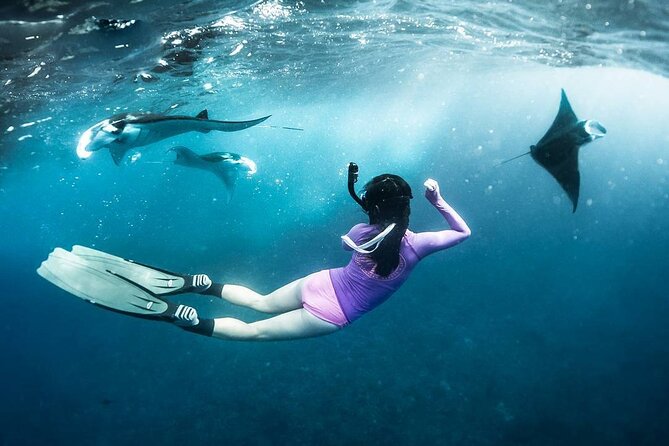
This tour is built around weather and sea conditions. Instead of promising one fixed spot, it states you’ll visit 3–4 hot spots depending on waves and strong currents. The listed options are:
- Manta Bay
- Crystal Bay Beach
- Gamat Bay
- Wall Point
In practical terms, this is smart. On the water, the day’s visibility and comfort can change fast. If waves are up or currents are strong, staying at the wrong spot can mean a miserable swim or less time actually snorkeling. A route that adapts gives you a better chance of finding calm enough water for a manta-ray search.
What you can do with this information as a visitor: go into the day expecting variation. You might snorkel some combinations back-to-back. On a different day, you might go to different bays entirely even if the tour name stays the same. That’s not a bait-and-switch; it’s how the tour is designed to respond to ocean conditions.
What you’ll see: reef fish plus the big manta moment
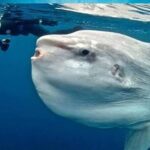
The headline is the same for everyone: manta rays. The experience description calls out the giant manta ray, and the idea is that you’re snorkeling in places where they’re likely to show up.
Beyond the manta rays, you can also expect an abundance of reef fish. That’s not just “nice to have.” Reef fish make the snorkel more than a waiting game. Even if the manta ray swim is brief, you’ll usually still have active snorkeling time around the reef life.
A couple of the most praised parts of this trip were simple: people loved the chance to see manta rays in their local environment, and they liked how the crew looked for them rather than treating the trip like a quick boat ride to nowhere.
One detail that came through strongly: some operators appear to adjust in-water plans to improve your odds. For example, there are reports of flexibility after the first manta sighting, so you could go back in when more rays were approaching. That kind of real-time decision-making is a big reason the experience can feel better than “here’s the water, good luck.”
Boat and crew quality: where the experience either clicks or drags
At the center of a snorkel-with-animals trip is the crew. They handle positioning, timing, and whether you actually get a clean snorkeling session instead of a scramble.
In positive reports, people highlight:
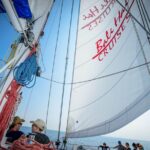
- a great boat
- a supportive skipper and team in the water
- good equipment
- an in-water guide that helps you make the most of the experience
Names that show up in glowing feedback include operators and guides such as Newman F1, plus people referred to as Captain Coconut and Yogi Bear. While you can’t guarantee which person you’ll get, it’s a sign that some days have genuinely strong guide leadership.
There’s also a review noting that the team can make GoPro videos and photos. If that matters to you, it’s worth asking on booking what format (and whether it’s provided with the tour or available as an add-on). The tour data here confirms the potential for these keepsakes, but not the exact delivery process.
On the flip side, mixed feedback exists. One review describes behavior involving a turtle that the reviewer found unacceptable, and another expresses strong disappointment about animal welfare and rules. This doesn’t mean every guide behaves this way, but it does tell you that the human side can vary.
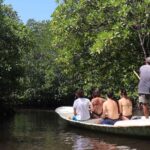
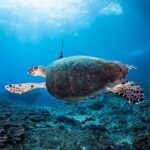
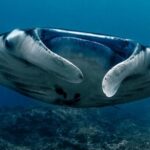
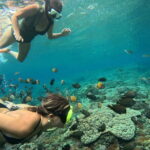

Included gear and the small-group advantage (max 15 people)
The tour includes use of snorkeling equipment. That usually takes a chunk of pre-trip stress off your shoulders: you don’t need to hunt down rentals on the day or worry about finding the right size.
With a maximum of 15 travelers, you’re more likely to have breathing room than on bigger operations. In water, space is everything. When there are fewer people, it’s easier to see, easier to swim comfortably, and less likely you’ll feel like you’re stuck between other snorkelers.
Also, because this is about a short total time, equipment and logistics need to work quickly. People who had smooth experiences mention good organization and the right support while they were in the water—exactly what you want when the session time is limited.
Price and value: is $23.66 actually a good deal?
Let’s talk value in a way that helps you decide.
You’re paying $23.66 per person for:
- boat access to manta-ray snorkeling areas (with up to 3–4 hot spots depending on conditions)
- snorkeling equipment included
- about 2 hours on the water
- a small-group cap of 15
- a setup that uses a mobile ticket
You’re not paying for:
- hotel pickup (you meet at the listed location)
- guaranteed spot-by-spot certainty (since the route depends on weather and currents)
So when does this price make sense? If you:
- want a manta-ray focused outing without a big private-boat budget
- are okay with the ocean deciding some of your route
- like the idea of a smaller group
If you’re the type who needs strict control over animal interaction standards or you’re very sensitive to how wildlife is handled, the lower cost can feel like it comes with compromises. The experience can be amazing in what it shows you, but the behavior around the animals is where things get ethically complicated for some people.
The animal-welfare conversation: seeing mantas is thrilling, but ethics matter
Here’s the balanced truth. This trip is about encountering wildlife in the ocean. That’s exciting. It’s also where you can’t control everything.
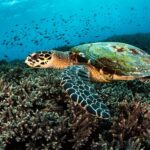
One negative report described a guide behavior that involved touching a turtle, and the reviewer felt it was wrong and that others copied the behavior. Another review expressed strong concern about animal welfare, claiming there are no restrictions, that animals are hunted, and that boats are too close with many tourists. The reviewer ended up annoyed afterward.
Now, you should treat that as a warning sign, not as a blanket statement about every operator. But if you personally care about how wildlife is approached and whether people follow respectful distance and handling rules, you should take those reports seriously.
How to make this decision without guessing: decide what you need to feel comfortable. If you’re okay with a conventional manta-ray snorkel format and you mainly want the ocean view, you might still love it. If animal ethics are a top priority for you, you may want to look for an operator with clearer, stricter wildlife interaction standards than what these mixed notes suggest.
The one logistics wrinkle: getting to the right place
No hotel pickup is part of the deal. You’re meeting at a specific spot and leaving from there.
And again, there’s a reason I’d plan for extra time. One review describes a situation where nobody arrived at the meeting place and the group only learned later that the person was waiting elsewhere near a boat. When that kind of mismatch happens, the day can start with stress, even if the snorkel itself ends up great.
So: show up early, be ready to check in at the meeting point, and confirm you’re on the right boat before you gear up.
Who this tour fits best
This experience is listed as something that most travelers can participate in, and it’s designed for a short time window. That makes it a good match for people who:
- want a day activity that doesn’t swallow the whole morning and afternoon
- are curious about manta rays but don’t want a complicated multi-day plan
- value a small group size and included snorkeling gear
It may be less ideal if:
- you’re highly concerned about animal handling and boat proximity
- you hate any chance of organizational hiccups (because there’s at least some evidence that meeting-point confusion can occur)
For couples and small friend groups, this kind of shared outing can be a great way to experience the Nusa waters without the cost of a private tour.
For solo travelers, the short duration also helps. You’re not trapped in a full-day schedule if conditions aren’t perfect.
Should you book this manta ray snorkeling trip?
I’d book it if you mainly want one thing: a manta-ray snorkeling session near Nusa Lembongan with included gear, a small group, and a crew that can help you actually see rays. The short duration and $23.66 price point make it easy to justify if you’re flexible about which bays you snorkel.
I would pause before booking if animal-welfare ethics are a non-negotiable for you. The mixed feedback around turtle handling and animal interaction standards is enough that you shouldn’t ignore it.
Finally, think about the weather reality. The experience requires good weather, and if it’s canceled due to poor weather, you’ll be offered a different date or a full refund. If the minimum number of travelers isn’t met, you’ll be offered a different date or a full refund. That’s the main kind of uncertainty that usually matters with ocean trips, and it’s clearly handled.
If you’re prepared for that and you’re comfortable with the ethical questions raised by some reports, this can be a memorable two hours.
FAQ
FAQ
How long is the snorkeling trip?
It’s about 2 hours (approximately).
What time does the tour start?
The start time is 8:00 am.
Is hotel pickup included?
No. Pick up from your hotel is not included.
What snorkeling gear is provided?
The tour includes use of snorkeling equipment.
Where is the meeting point?
The listed meeting point is Warung Tiko’S Unnamed Road, 8F42+Q62, Jungutbatu, Kec. Nusa Penida, Kabupaten Klungkung, Bali 80771, Indonesia.
How many people are on the tour?
The maximum group size is 15 travelers.
What happens if the weather is bad?
The experience requires good weather. If it’s canceled due to poor weather, you’ll be offered a different date or a full refund.
What is the cancellation rule?
The experience is non-refundable and cannot be changed for any reason.