A full day in Ubud starts with food. Then it ends with jewelry you made yourself. This combo class gives you two hands-on skills in one laid-back schedule: shop for ingredients at a traditional market, cook with a Balinese chef, and later learn jewelry making at a Bali studio where you create a take-home souvenir.
I especially like the market-to-meal flow. You begin by buying the ingredients you’ll use, and then you work alongside a chef who knows Balinese flavors and cooking style. I also love the calm pacing: you get coffee or tea at the Balinese compound, a garden walk behind the house, and plenty of time to actually enjoy the day instead of racing from stop to stop.
One thing to consider: it’s an early start and a long 8-hour day. If you’re expecting a short, relaxed outing or you only care about one activity, this might feel like a lot.
In This Review
- Key highlights at a glance
- 7:00 am Pickup to Ubud cooking location: what the day feels like
- Traditional market shopping: building flavor before you light the stove
- Coffee at the Balinese compound and the garden walk behind the house
- Cooking class with a Balinese chef: hands-on learning you can actually repeat
- Lunch after you cook: eat in a calmer rhythm, not a fast-food schedule
- Jewelry making in North Ubud: 7 grams of silver, a souvenir with weight and meaning
- Value check: is $121.63 worth it for this full-day combo?
- Who should book the Lesung Bali cooking and silver class?
- Should you book this authentic cooking and jewelry experience?
- FAQ
- What time does the experience start?
- How long does the tour last?
- Is pickup included?
- What’s included in the price?
- What is the group size limit?
- Where does it take place?
- Is a mobile ticket used?
- What if I need to cancel?
Key highlights at a glance
- Traditional market ingredient shopping before you cook
- Balinese chef-led cooking with cultural context in between
- Garden tour behind the house at the Balinese compound
- Lunch included after you finish cooking
- Jewelry making in North Ubud with 7 grams of silver
- Small group size (max 15) for a more personal feel
7:00 am Pickup to Ubud cooking location: what the day feels like
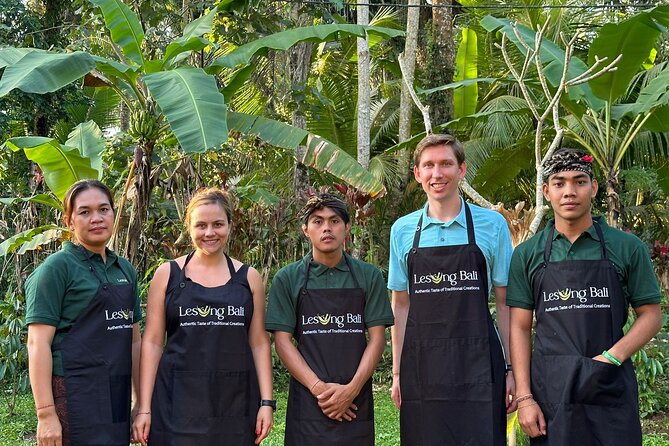
This experience runs like a classic Ubud half-day that accidentally turns into a full day—in a good way. The start time is 7:00 am, and pickup is offered, so you’re not trying to coordinate transport with a driver who may or may not know the exact timing.
They use an air-conditioned vehicle, which matters early in the morning when you’re still getting your bearings. With a maximum of 15 travelers, you’re usually not stuck in a huge crowd where questions get lost and the chef can’t help. Instead, you can likely get clarification when you need it—especially helpful when you’re learning cooking steps you can’t just guess from memory.
The day ends back at the meeting point, so you’re not dealing with that last-minute scramble of where to go next.
Who benefits most from this setup? People traveling in pairs or small groups, and anyone who likes structure. You’ll know what comes next: market, cooking, lunch, then jewelry.
Watch-outs: if you hate early mornings, put this high on your list only if you can handle getting up and out quickly. And if you’re prone to getting tired after long guided blocks, plan to keep your evening light.
You can also read our reviews of more tours and experiences in Ubud.



Traditional market shopping: building flavor before you light the stove
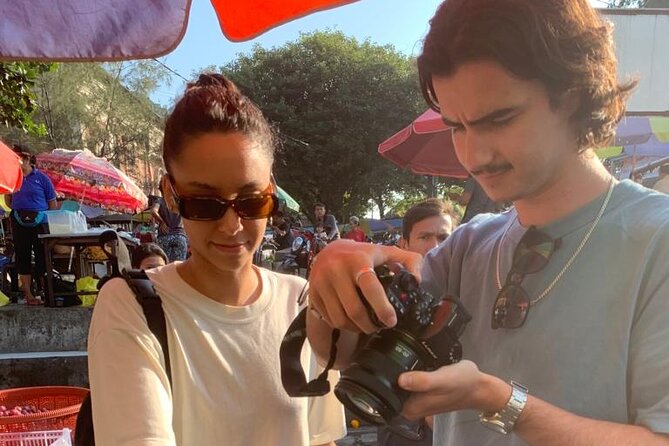
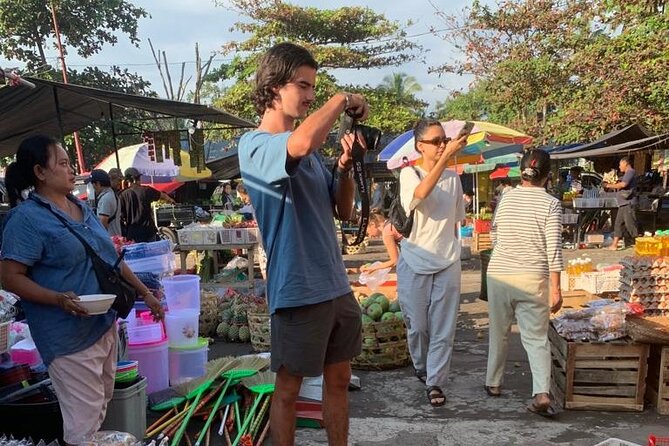
A big part of the value here is the way the day starts with shopping. You visit a traditional market to buy ingredients for your cooking session. That simple step changes the whole experience. Instead of joining a class where ingredients feel pre-chosen and random, you get to see what goes into the meal and choose the items you’ll later use.
Even if you don’t know Balinese ingredient names yet, you’ll usually be able to follow along by looking for the role each ingredient plays—aroma, heat, freshness, or texture. And because you’re buying what you need at the start, you’re more likely to understand the logic of the recipes when you’re back in the kitchen later.
This also makes the whole thing more authentic. Markets are where daily life shows up: the pacing is local, the mix of produce and staples feels real, and you get a closer look at what’s actually used—not what someone imported just for a demo.
Tip for your comfort: wear clothes you can move in during market walking, and bring a small bag or pouch so you can keep your belongings secure. You’ll be outdoors at least a bit, and markets tend to be a bit crowded and active.
Coffee at the Balinese compound and the garden walk behind the house
After the market, you’ll drive to the cooking site. The first reset is a coffee or tea served at a Balinese compound. It’s not just a friendly touch—it’s a practical buffer. You’ve been walking in the morning, maybe navigating small roads, and you’ve likely been thinking about what you’ll cook. The drink gives you a moment to settle and start the day with less rush.
From there, you get cultural context. They explain things about Balinese culture, life style, and housing style. That matters more than it sounds. If you understand how people live and organize space—where gardens are, how compounds work, how daily rhythms happen—you start to see food as part of a system, not just a recipe.
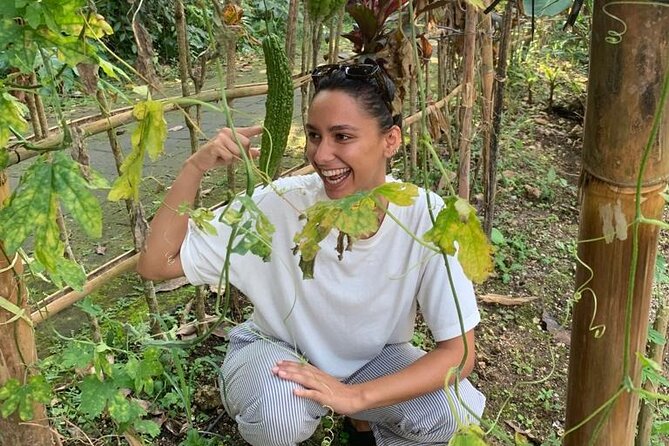
Then comes one of my favorite elements of this format: a garden tour behind the house. It connects the earlier market shopping to what’s growing around you. Even if you don’t catch every plant name, the idea sinks in fast: ingredients have a place, and that place shapes flavor and routine.
Why this section is worth your time: it’s the moment the experience becomes more than cooking. It turns into a story you can remember, not just food you eat.
Cooking class with a Balinese chef: hands-on learning you can actually repeat
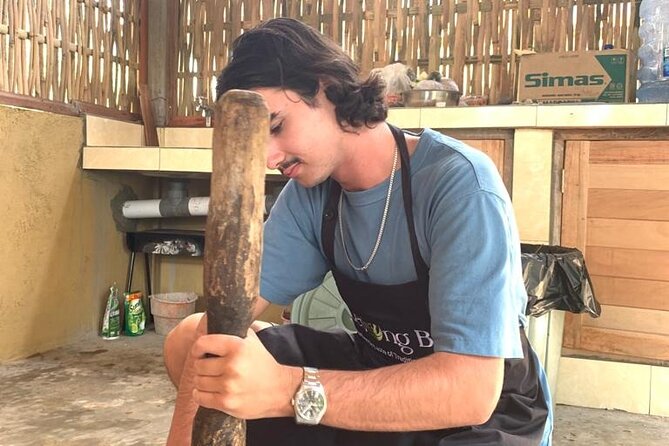
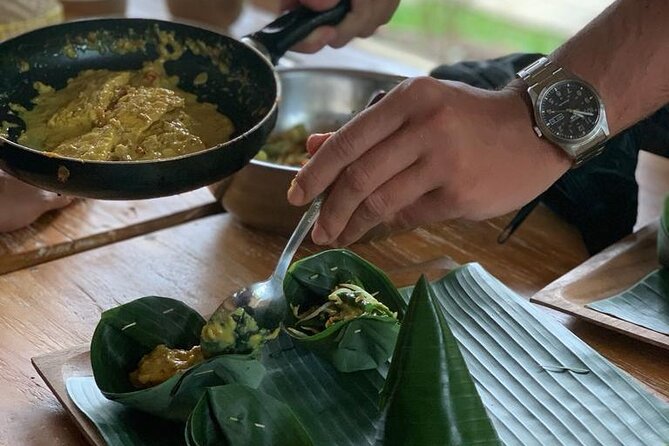
Now for the main event: cooking. The class is led by a Balinese chef who’s an expert in Balinese food. You’re not just watching someone cook while you hold a plate. You’ll be actively cooking and learning the process behind Balinese flavors.
The dishes you make may vary, but the core experience is consistent: you’ll follow steps, prep ingredients you bought earlier, and learn how techniques come together. If you like cooking classes where you leave with a sense of how to recreate what you ate at home, this is a strong pick—because you’re working from real ingredients and real instruction, not a script with limited explanations.
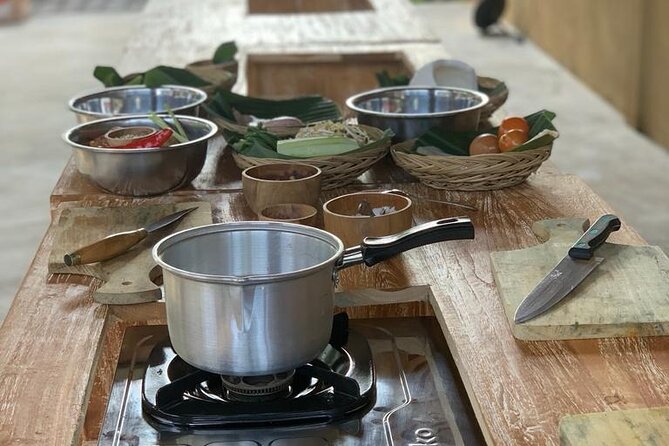
One detail that stands out in the overall vibe: the kitchen setting is described as very nice and tucked deep in nature. That kind of atmosphere helps you slow down. You focus on what you’re doing instead of thinking about the next photo stop.
Practical advice for the cooking part:
- Go in with an open mindset. If you’re used to Western seasoning logic, Balinese flavor may surprise you, but in a good way.
- Ask questions while you’re working. It’s easier to correct a step before it gets cooked than after.
- Don’t rush the tasting. You’ll learn more if you pay attention to how small changes affect the final taste.
Lunch after you cook: eat in a calmer rhythm, not a fast-food schedule
Once your cooking is done, you’ll eat lunch included with the tour. Bottled water is also provided, which saves you from having to buy drinks during the busiest parts of the day.
This is also where the experience’s pacing really pays off. The class isn’t written like a factory line. You cook, you sit down, you eat what you made, and you get time to enjoy it. The food is described as tasty, and that’s exactly what you want from a class: you don’t just go through motions, you end up happy with the results.
If you’re visiting Bali for more than beaches—if you want a day that feels cultural and personal—lunch in this kind of setting is part of the reward. It’s one of those moments where you realize you’ve spent real time with the place, not just transferred through it.
Good to know: because lunch follows your cooking, the meal experience is tied to your learning. You’re less likely to feel like you’re paying for a snack between activities.




Jewelry making in North Ubud: 7 grams of silver, a souvenir with weight and meaning
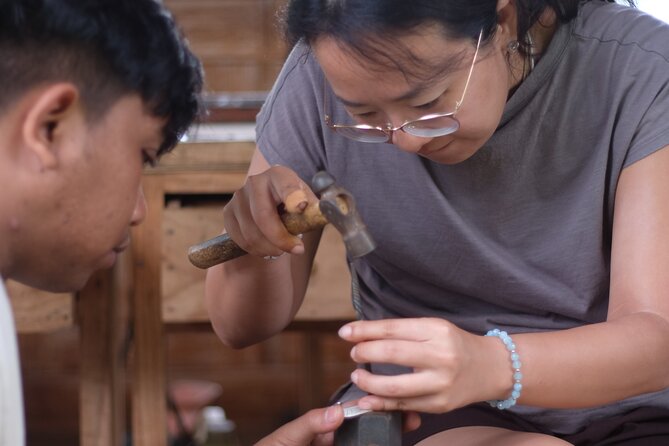
After lunch, you’ll head to the jewelry-making portion of the day. It’s located in the north side of Ubud, so plan for some travel time after the kitchen session.
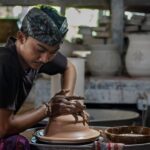
This part is centered on learning how to make your own jewelry and taking home a personal souvenir. The tour includes 7 grams of silver, so you’re not just watching a craft demo—you’re working with the material used to create what you’ll keep.
The tone here tends to be friendly and accommodating, which is crucial for jewelry making. When people feel relaxed, they focus better, and the whole experience becomes more memorable. A hands-on craft is also a nice break from cooking heat and spice.
What you should expect from jewelry making, realistically: you’ll learn techniques during the session, but you’re still doing this as a visitor. That means your piece might not look like something from a luxury showroom, but that’s often the point. You’ll have the satisfaction of knowing you made it yourself.
Who will enjoy this most? Anyone who likes crafts, wants a take-home item that isn’t generic, or wants a meaningful gift. It’s also a great fit for couples or friends who want something interactive they can do together.
Value check: is $121.63 worth it for this full-day combo?
At $121.63 per person, you’re paying for a full day of guided activity, transport, meals, and materials. The best value points are the inclusions that remove hidden costs:
- Pickup offered (so you’re not figuring out transport)
- Air-conditioned vehicle for moving between locations
- Coffee and/or tea
- Lunch
- Bottled water
- 7 grams of silver for the jewelry making
A lot of experiences like this charge extra for one or two of these. Here, you’re getting them bundled, which makes budgeting easier.
The experience also has a small group size (max 15), which usually means more attention from the hosts and less waiting around.
Now the trade-off: it’s 8 hours. If you only want a short cooking stop, this price may feel high. But if you want both food and craft in one day—and you’ll actually enjoy learning—this is the kind of bundle that makes sense. You’re basically paying for two skilled activities plus the meal and ingredient shopping that supports the cooking.
One more thing: it’s popular. The average booking window is 74 days in advance, which is a hint that spots can fill. If you know your dates, book early instead of gambling.
Who should book the Lesung Bali cooking and silver class?
This is a smart choice if you want a day that feels both practical and personal. I’d put it near the top of your list if you like:
- cooking classes where you can learn and taste real results
- cultural context tied to daily life, not just facts
- group activities with enough structure to keep you on track
- take-home crafts with actual materials included
It’s also a good fit for quality time with family and friends. The group setting, plus the hands-on nature of cooking and jewelry, naturally gives you shared moments you can talk about later.
Skip or reconsider if:
- you’re not a morning person and a 7:00 am start will stress you
- you prefer only one activity and don’t want an 8-hour schedule
- you want total freedom to explore Ubud on your own that day (this is a guided, planned itinerary)
Should you book this authentic cooking and jewelry experience?
If you want a Bali day that’s more than scenery, I think this is an easy yes. The combination works because it connects ingredients to cooking, then connects craft to personal memory through the silver piece you make. Add the ingredient market start, the relaxed coffee and garden walk, and the fact that you get lunch plus 7 grams of silver, and the value feels solid.
Book it if you:
- want hands-on learning
- like small-group guided days
- want a meaningful souvenir you made, not just bought
Pass if you:
- want something short
- dislike early mornings
- plan to spend the day on your own exploring rather than in class
FAQ
What time does the experience start?
It starts at 7:00 am.
How long does the tour last?
The duration is about 8 hours.
Is pickup included?
Yes, pickup is offered.
What’s included in the price?
It includes coffee and/or tea, lunch, bottled water, air-conditioned vehicle transport, and 7 grams of silver.
What is the group size limit?
The tour has a maximum of 15 travelers.
Where does it take place?
The cooking class starts at the Lesung Bali Cooking Class meeting location in the Abiansemal area, and the jewelry making class happens in the north side of Ubud. The experience ends back at the meeting point.
Is a mobile ticket used?
Yes, the tour uses a mobile ticket.
What if I need to cancel?
You can cancel for a full refund up to 24 hours before the experience starts. If you cancel less than 24 hours before, the amount paid is not refunded.
If you want, tell me your travel dates and group size, and I’ll suggest the best day to schedule this in your Ubud itinerary.