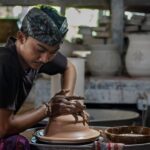
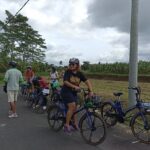
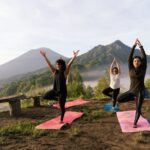
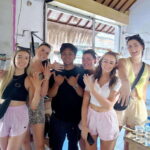
Waking up rural, not resort-bright, changes everything. This private overnight in Manggis, Karangasem puts you in day-to-day Balinese rhythms—hands-on work, village rituals, and food that actually belongs in someone’s home. I especially like the mix of arak and offerings with practical tasks like cutting grass and feeding cows. I also love that the schedule gives you time to slow down: breakfast, trekking, praying, cooking, dinner, then breakfast again before the second-day work.
One thing to consider before you book: this is rustic. The room is small (about 2.5 by 2.5 meters), there’s no AC, and the day includes a river bath with limited privacy.
In This Review
- What Makes This Tour Special (Quick Hits)
- Why Manggis Village Feels Like Real Bali (Not a Checklist)
- Getting There: Transfers, Timing, and How the Day Starts
- Day 1: Arak, Waterfall Trekking, Offerings, and the Megibung Feast
- From Pick-Up to Village Arrival and Breakfast
- East Bali Scenery and Waterfall Trekking
- Arak: Learning the Spirit and Tasting It
- Lunch Back Home (Then a River Bath Break)
- Jungle Trek Back and Balinese Offerings
- Cooking Class and Megibung Feast Dinner
- Sleeping in a Traditional House (No AC)
- Day 2: Cutting Grass, Feeding the Cow, Brown Sugar, and Coffee
- Jungle Work: Cut Grass, Then Feed the Cow
- Brown Sugar Making (And You Take Some Home)
- River Refresh or In-House Shower
- Lunch, Farewell, Then Coffee Plantation Tasting
- Food and Drinks: What’s Included (and What Isn’t)
- Staying Comfortably Spartan: Room Size, Bathrooms, and Bug Reality
- Value at $189: What You Get for the Money
- Who Should Book This, and Who Should Skip It
- Should You Book This Bali Village Overnight?
- FAQ
- What’s the duration of the Bali Village Tour?
- What time does the tour start?
- Is hotel pick-up included?
- Is accommodation included?
- What meals are included?
- Do you taste arak or learn how it’s made?
- Can you take anything home?
- Is there air conditioning in the room?
- Is there river bathing?
- Can the tour accommodate special diets like vegan or gluten free?
- Is free cancellation available?
What Makes This Tour Special (Quick Hits)
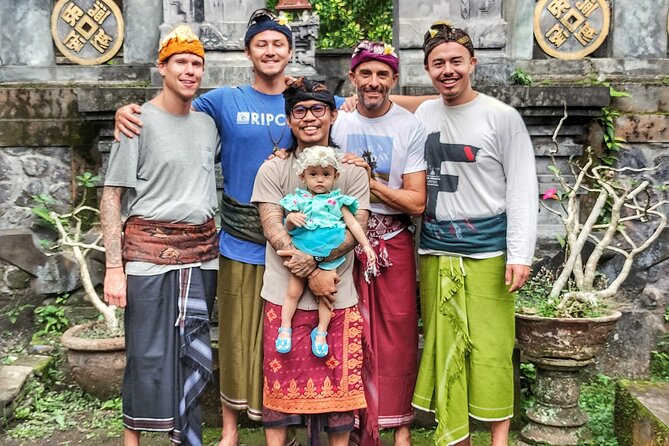
- Live with a Balinese family in Manggis for 2 days and 1 night, not just a quick drive-by stop
- Arak and brown sugar: learn how they’re made, taste the arak, and take brown sugar home
- Hands-on village life: cut grass, feed a cow, and join in small cooking steps
- Offerings and praying: you’ll see the spiritual side of daily routines up close
- Meals are included and local: multiple East Bali meals, plus a traditional Megibung feast
- Transfers cover a lot of Bali: pick-up from Denpasar, Sanur, Ubud area, Sidemen, Candidasa, and more
Why Manggis Village Feels Like Real Bali (Not a Checklist)
If you’ve spent time around Bali’s beach scene, this tour is a reset. It trades Instagram-friendly stops for village details: making offerings, learning why people pray at certain times, and working in the same practical flow that keeps a household going. The location choice matters too—Manggis is in east Bali, which tends to feel less managed than the west-side highlights.
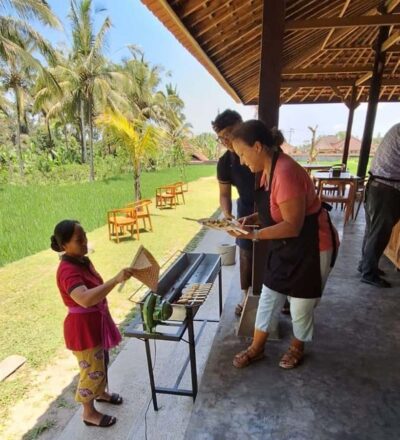
I like how the experience is built around meaningful actions, not just looking. You’re not only watching arak tasting; you also learn the process of traditional spirit and how a household connects food, ritual, and daily labor. The same goes for the second day: grass-cutting and feeding cows aren’t “props.” They’re the kind of tasks that show how rural life runs.
The downside is exactly what gives it credibility. You’ll smell the fresh air of a remote village, but you’ll also be living close to nature—so the tour warns you to avoid it if you’re bothered by bugs, insects, worms, spiders, or anything like that.
You can also read our reviews of more tours and experiences in Ubud.

Getting There: Transfers, Timing, and How the Day Starts
This tour is scheduled to begin early. Your day starts around 6:00 am with pick-up from your accommodation area (the tour mentions Denpasar, Sanur, Gianyar, central Ubud, Klungkung, Sidemen, and Candidasa). If you’re outside the service area, there can be an extra pick-up/drop-off charge, so it’s worth checking before you lock it in.
Because the plan moves from morning village activities into trekking and cooking, you’ll feel the rhythm quickly. Think “full days” rather than “relaxed afternoon strolls.” You’ll also be doing a lot outdoors, so it helps to plan for sun, humidity, and uneven paths.
This is also described as a private experience—only your group participates. That’s a big deal here because village life is personal. A private pace makes it more respectful when you’re stepping into family routines.
Day 1: Arak, Waterfall Trekking, Offerings, and the Megibung Feast
Day 1 is packed, but it’s not random. It’s a progression: arrive, eat, walk, learn, work your way into ritual, then share a proper communal dinner.
From Pick-Up to Village Arrival and Breakfast
You’ll drive about an hour to Manggis Village in Karangasem. Once you arrive, the day begins with a traditional Balinese breakfast. This matters because it grounds the rest of the activities. You’re not arriving hungry and rushing into “tour mode.” You start with local food and local pacing.
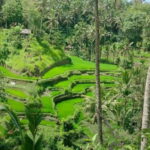
East Bali Scenery and Waterfall Trekking
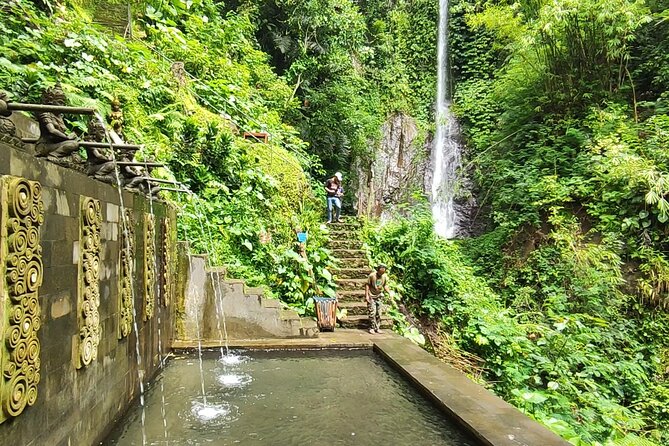
After breakfast, you’ll get a scenic break with waterfall trekking. The route is described as about an hour, and the timing suggests you’re walking enough to feel it but not so much that it turns into a full hike day. Still, you’ll want shoes with grip. East Bali terrain can be slick after rain, and the day includes both walking and outdoor tasks.

Arak: Learning the Spirit and Tasting It
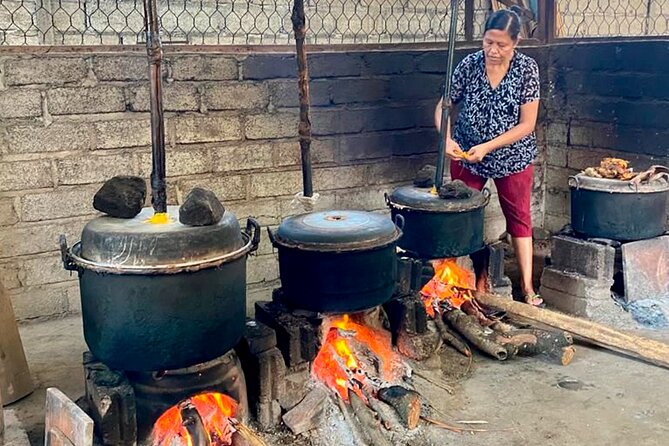
Next comes one of the tour’s signatures: the process of making traditional arak and then arak tasting. This isn’t just about flavor. Arak in village culture is tied to local production, community occasions, and how households manage traditional knowledge.
If you’re hoping for a “how it’s made” explanation, this is the part that tends to hook people. Reviews also mention guides such as Sugara and hosts like Gede and Mira, and the common thread is that the people leading the experience are welcoming and teaching as you go.
Lunch Back Home (Then a River Bath Break)
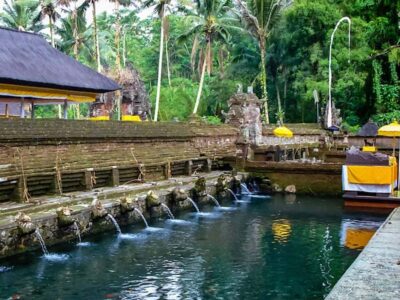
You’ll head back home for lunch, then take an afternoon break. One of the most memorable moments here is the option to bath in the river. The tour specifically notes limited privacy, and also says there is an in-house bathroom if you’d rather skip the river setup.
This is a real “choose your comfort level” moment. If you’re fine with the outdoors and don’t mind being nearby to others (even briefly), the river bath can feel like the most Bali thing on the schedule. If you want more privacy, plan to use the bathroom and just treat the river stop as a scenic pause.
Jungle Trek Back and Balinese Offerings
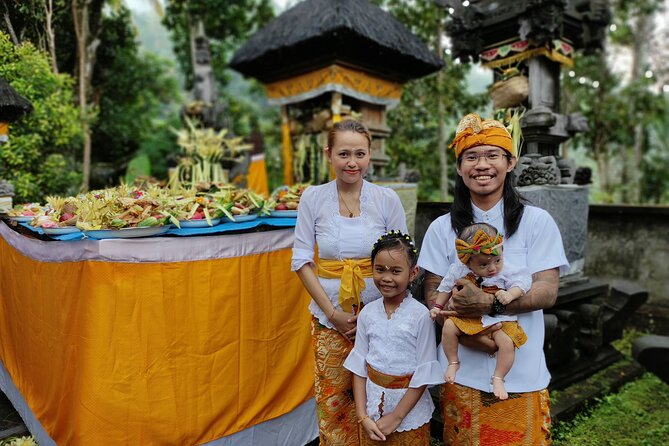
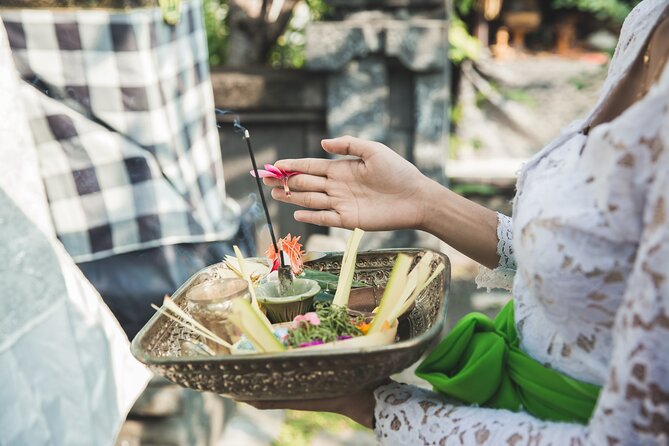
After bathing, you’ll do a short trek back (described as about 10 minutes). Then you shift into ritual: you’ll learn the process of making Balinese offerings and then participate in praying.
Offerings aren’t decorative here. They’re part of everyday life—how people thank, ask, and keep relationships with the spiritual world balanced. Watching someone build offerings is one of those “small details” that makes the whole island start to make more sense.
Cooking Class and Megibung Feast Dinner
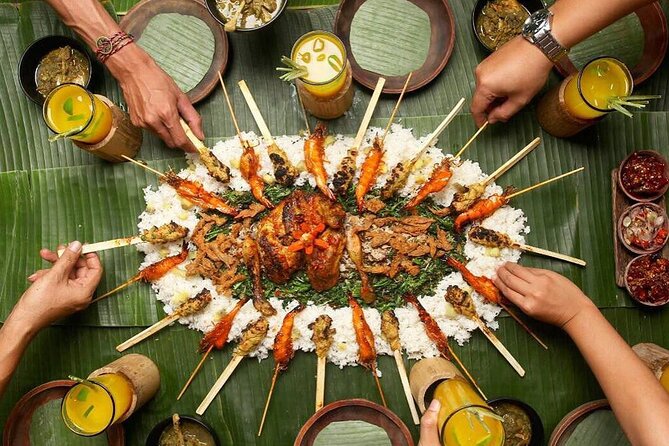
Day 1 ends with food in a hands-on way. There’s a small Balinese cooking class where you prepare your own traditional dish for dinner. After that, you’ll eat a traditional Megibung feast, a communal meal format tied to Balinese hospitality.
Then there’s time to learn culture and tradition in east Bali while enjoying warm traditional arak, followed by Q&A and time with the local family.
Sleeping in a Traditional House (No AC)
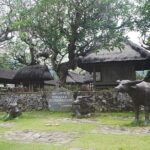
At night, you simply rest. The tour is clear that this is a traditional Balinese house with no air-conditioning. Your room is about 2.5 by 2.5 meters, with only a bed, pillow, and sheet—no wardrobe or other furnishings.
If you’re used to hotel comfort, this can feel spartan. But the trade-off is real: this is part of living the day, not just visiting it.
Day 2: Cutting Grass, Feeding the Cow, Brown Sugar, and Coffee
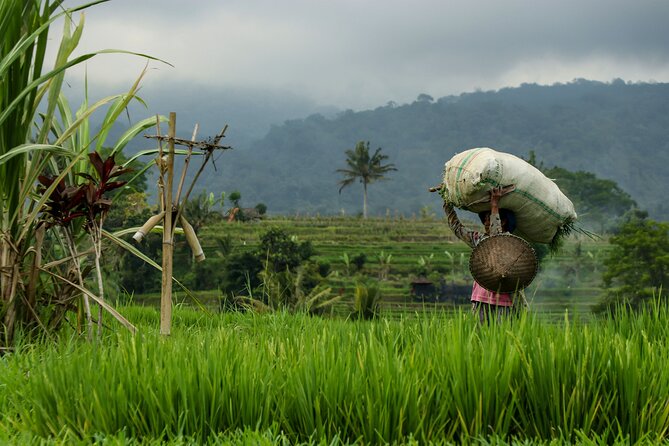
Day 2 starts early again, with a traditional Balinese breakfast in the village. Then you shift into “work day” mode, which is where the experience becomes more than cultural sightseeing.
Jungle Work: Cut Grass, Then Feed the Cow
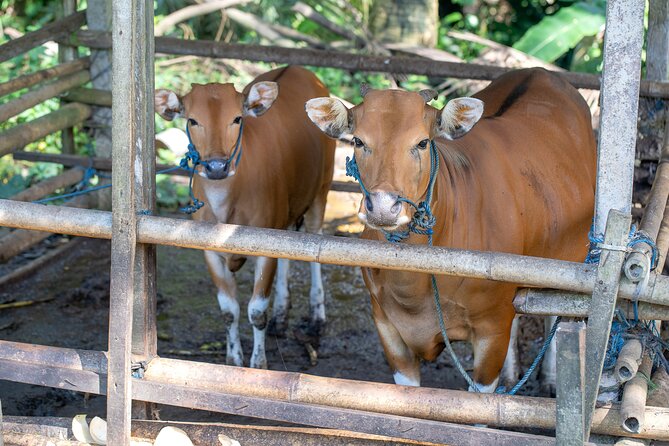
You’ll go into the jungle to cut grass (about an hour). Once finished, you bring what you cut to feed the cow (also about an hour).
This is one of the most valuable parts of the whole tour because it turns curiosity into contribution. You’re doing something rural communities do for survival and care, not a staged demo. You’ll likely understand faster why the rhythms of the day are built around tasks like this.
Brown Sugar Making (And You Take Some Home)
After the work, the tour teaches you the process of making traditional brown sugar. You’ll get the chance to take the brown sugar home.
That’s a great “keep the memory” item. Unlike a souvenir shop purchase, it’s tied to the activity you participated in. It also fits the theme of the tour: learning how local producers and households work.
River Refresh or In-House Shower
There’s time to refresh by going to the river or using the in-house bathroom for a shower. The same idea applies here as day 1: limited privacy in the river setting, bathroom available if you prefer more personal space.
Lunch, Farewell, Then Coffee Plantation Tasting
You’ll enjoy another traditional Balinese lunch, then farewell the villagers and head to a coffee plantation for tasting.
Coffee tasting is a solid end cap because it’s another local product, tied to how the landscape and farming connect to daily life.
Food and Drinks: What’s Included (and What Isn’t)
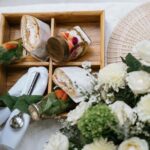
This package includes multiple meals: two breakfasts, two lunches, and dinner. It also includes fresh bottled arak from traditional distillation and access to arak tasting during the experience.
The food focus is east Bali and Balinese home cooking styles. There’s also that special dinner format, Megibung, which is usually best enjoyed with an open mind and a willingness to sit and share.
The key limit: there’s no guarantee of dietary accommodations. The tour states they can not provide dietary specialities like gluten free, vegan, or vegetarian options. You can request your own plate for the Megibung feast if you’re uncomfortable with the tradition, but the underlying menu flexibility isn’t promised.
So if you have a strict food requirement, it’s smart to think hard before booking.
Staying Comfortably Spartan: Room Size, Bathrooms, and Bug Reality
Here’s the practical truth section.
The accommodation is a traditional home with no AC, and your room is small—about 2.5 by 2.5 meters—with only a bed, pillow, and sheet. You won’t have a closet to unpack into, and you shouldn’t expect a Western-style bathroom attached to the room.
There is a bathroom you can use for the night. The tour notes that most activities happen in the river, which is why privacy can be limited during bathing.
And then there’s the nature factor. The tour specifically warns against booking if you’re afraid of bugs or insects, and mentions worms, spiders, and other creatures you will encounter in the village. If that’s your boundary, this one can be stressful.
If you can handle rustic conditions and you prefer real-life settings over comfort bubbles, this is exactly why the tour works.
Value at $189: What You Get for the Money
At $189 per person for 2 days and 1 night, this isn’t a cheap add-on. But it’s also not just a transfer + activity bundle.
The value comes from what’s included:
- Accommodation for the night in the village home
- All food and drinks across the 2 days (breakfasts, lunches, dinner)
- Hands-on learning: arake making and tasting, offerings, and a cooking class
- Practical village tasks: cut grass, feed cows
- Brown sugar making with takeaway sugar
- A coffee plantation and tasting stop
- Fresh bottled arak included
- Transfers from multiple Bali areas
If you’ve paid similar money for tours that feel like a long day of being driven around, this one is different. You’re spending time at the village rhythm, not just checking off points on a map. The private format also matters. A shared group bus can dilute the experience; private time gives you more space to ask questions and adjust pacing within the family setting.
Your “cost” is comfort. No AC, small room, and nature exposure are the trade-offs.
Who Should Book This, and Who Should Skip It
This tour is best for you if:
- You want hands-on rural life rather than a sightseeing-only trip
- You like learning through doing: offerings, cooking steps, sugar-making, and farm work
- You’re comfortable with basic accommodation and early mornings
- You’re okay with river bathing and can choose the bathroom if you need more privacy
You might skip it if:
- You’re not comfortable around insects or small creatures
- You require dietary accommodations like vegan, gluten free, or vegetarian options (these aren’t provided)
- You need hotel-level comfort, especially air-conditioning and private bathing facilities
One more thought: the room is small and the day is active. If you’re traveling with limited stamina, you’ll still be able to participate (the tour says most people can), but you should plan for a lot of walking and outdoor time.
Should You Book This Bali Village Overnight?
I think you should book it if you’re chasing the parts of Bali that feel human—family routines, practical work, shared meals, and local teaching. The combination of arake knowledge + brown sugar takeaway + real village tasks gives you more than a day of photos. It’s a full two-day exchange of time, attention, and culture.
Skip it if your main goal is comfort. This is rustic, early, and nature-adjacent. No AC, small room, and river bathing with limited privacy are not “maybe” features—they’re part of the deal.
If you’re choosing between this and a more mainstream Bali tour, pick this one when you can handle a little roughness for a lot more meaning.
FAQ
What’s the duration of the Bali Village Tour?
It runs for about 2 days, including 2 days and 1 night.
What time does the tour start?
The tour start time is listed as 6:00 am.
Is hotel pick-up included?
Yes. The tour offers hotel transfers from Denpasar, Sanur, Gianyar, central Ubud, Klungkung, Sidemen, and Candidasa, with an added charge possible for out-of-service areas.
Is accommodation included?
Yes. The package includes 2 Days 1 Night Accommodation in the village home.
What meals are included?
You get Breakfast (2), Lunch (2), and Dinner included in the tour.
Do you taste arak or learn how it’s made?
Yes. You’ll learn the process of making traditional spirit (arak) and enjoy arak tasting, plus fresh bottled arak from traditional distillation is included.
Can you take anything home?
Yes. You can take home fresh brown sugar from the traditional producer, and fresh bottled arak is also included.
Is there air conditioning in the room?
No. The room has no AC and is described as a traditional Balinese house.
Is there river bathing?
The plan includes bathing in the river, and privacy is described as limited. The tour also says you can use an in-house bathroom instead.
Can the tour accommodate special diets like vegan or gluten free?
No. The tour states it cannot provide dietary specialities such as Gluten Free, Vegan, or Vegetarian.
Is free cancellation available?
Yes. There is free cancellation if you cancel at least 24 hours before the experience’s start time for a full refund.