Bali is all water and worship in one day. I like how this route strings together waterfalls plus major temple stops, so you get both the green-side quiet and the spiritual theater. I also like the balance of nature and culture, capped by Jatiluwih’s UNESCO rice terraces, which are not just pretty views but a whole irrigation story you can walk through.
One thing to think about: you’ll do short hikes. Plan for about 30 minutes of walking around each waterfall, and the tour isn’t suitable for mobility impairments.
In This Review
- Key highlights that matter for your day
- Why this Bali mix works: waterfalls plus two very different temples
- Getting there in comfort: 10 hours that can run longer
- Leke Leke Waterfall: the short trek to a calmer mood
- Ulun Danu Beratan Temple by Lake Bratan: spirituality with big scenery
- Banyumala Waterfall: a forest hike that rewards with a cooling drop
- Jatiluwih UNESCO Rice Terraces: the irrigation system you can almost hear
- Tanah Lot Temple on the coast: sea temple energy and a sunset mindset
- Transport, timing, and the real key: your guide’s style
- Price and value: what you’re really paying for
- What to bring (and what not to overpack)
- Who should book this Bali tour, and who should skip it
- Should you book this Bali Water Temple, Waterfalls, and UNESCO Rice Terrace Tour?
- FAQ
- FAQ
- What’s the total duration of the tour?
- Where does pickup happen?
- Are hotel drop-offs included?
- What major stops are included?
- How much walking is involved at the waterfalls?
- Does the tour include entrance fees?
- What payment methods are accepted for tickets at the destination?
- What’s included in the price besides transport?
- Are meals included?
- What should I bring if it rains?
- Is this tour suitable for people with mobility impairments?
Key highlights that matter for your day
- Small stretches of hiking, not marathon trekking: you’ll walk some paths at waterfalls, then get back in the air-conditioned vehicle.
- Sarongs for temple entry: you don’t have to guess about dress rules at the water-and-ritual temples.
- A true UNESCO stop (Jatiluwih): you’re seeing how Bali’s rice terraces work, not just taking photos.
- Tanah Lot is a full coastal experience: rock, waves, and temple views with strong sunset energy.
- Guides who manage your pace and photos: in guide names like Wayan, Shaka, Bagus, Eka, and Merta, the common thread is helpful timing and friendly momentum.
- Rain doesn’t automatically cancel the plan: umbrellas/ponchos are provided and the schedule can adjust.
Why this Bali mix works: waterfalls plus two very different temples
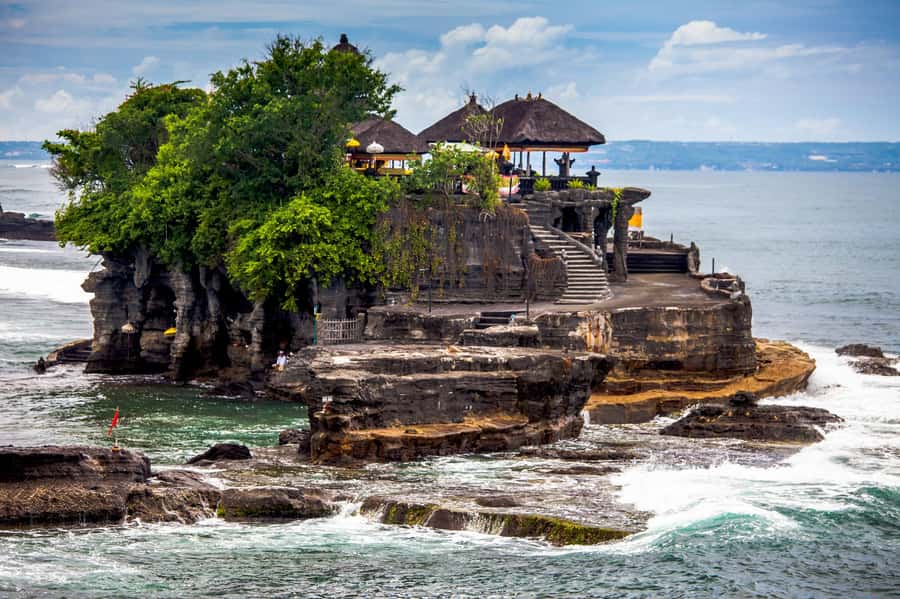
This tour is built for people who want variety without spending days switching hotels or fighting complicated transit. You get multiple scenery types: waterfall forests, temple lake views, rice-terrace fields, and the sea at Tanah Lot. It’s also efficient in how it uses a single transport day to hit high-priority sights.
The best part is that the stops don’t feel like carbon copies of each other. Leke Leke and Banyumala give you the cool, misty nature break. Ulun Danu Beratan adds a lake-temple mood, with ceremonies and mountain-facing views. Jatiluwih then slows you down with rice-terrace paths and the feeling of standing inside Bali’s farming landscape. Finally, Tanah Lot brings the ocean roar and the classic Bali sea-temple look.
You can also read our reviews of more tours and experiences in Bali.



Getting there in comfort: 10 hours that can run longer
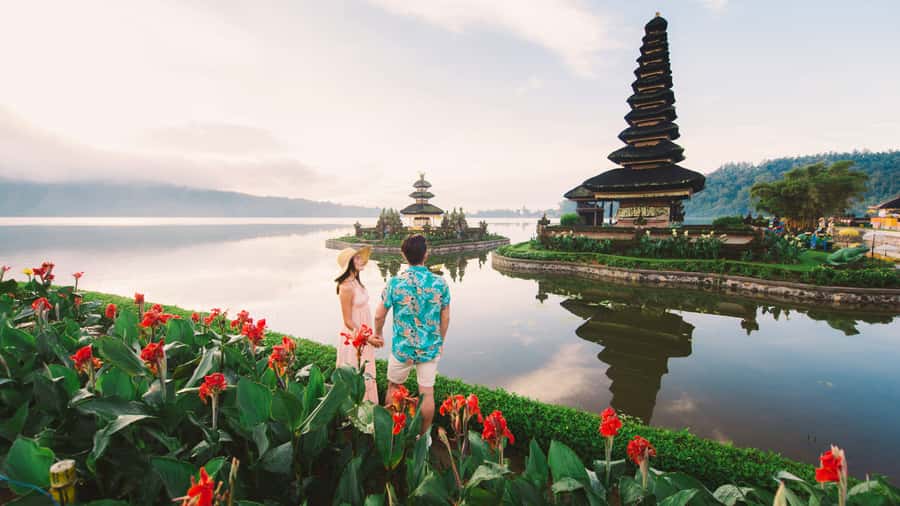
You’ll start with hotel pickup and drop-off, using an air-conditioned vehicle. Pickup runs from common bases like Ubud, Sanur, Kuta, Legian, Seminyak, Canggu, Jimbaran, Nusa Dua, and Uluwatu. Drop-off follows a similar pattern (with stops in Ubud and Kuta plus the broader Bali area).
Duration is listed at 10 hours, but traffic and tour speed can stretch it. That’s normal in Bali. If you hate late evenings, keep your dinner plans flexible for this day and avoid scheduling anything tight right after.
A practical note: the tour keeps moving in rain, with umbrellas or ponchos provided. So you’re not stuck watching the schedule fall apart. You still need to walk, though, so wear shoes you can trust on wet ground.
Leke Leke Waterfall: the short trek to a calmer mood
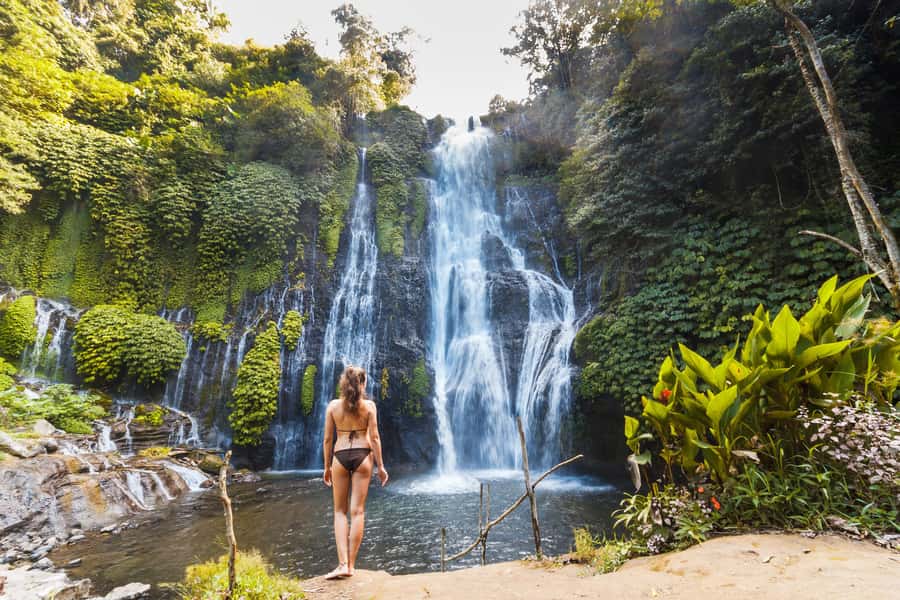
The day opens at Leke Leke Waterfall for about an hour of sightseeing. This is where you’ll feel the “slow down” effect. The path is short, but it isn’t just a quick look from the roadside. You’ll walk around 30 minutes total (plan for time on uneven steps) before reaching the waterfall area.
If you want to swim, bring swimwear and a change of clothes. You’ll also want shoes with grip because Bali paths can get slick when it rains. The vibe here is quiet and restorative—less “crowd selfie station,” more “cool air and green shade.”
What to watch for: this stop is weather-sensitive in feel, even if the tour keeps going. Light rain can make the waterfall more dramatic, but mud and slippery rocks also become more likely.
Ulun Danu Beratan Temple by Lake Bratan: spirituality with big scenery
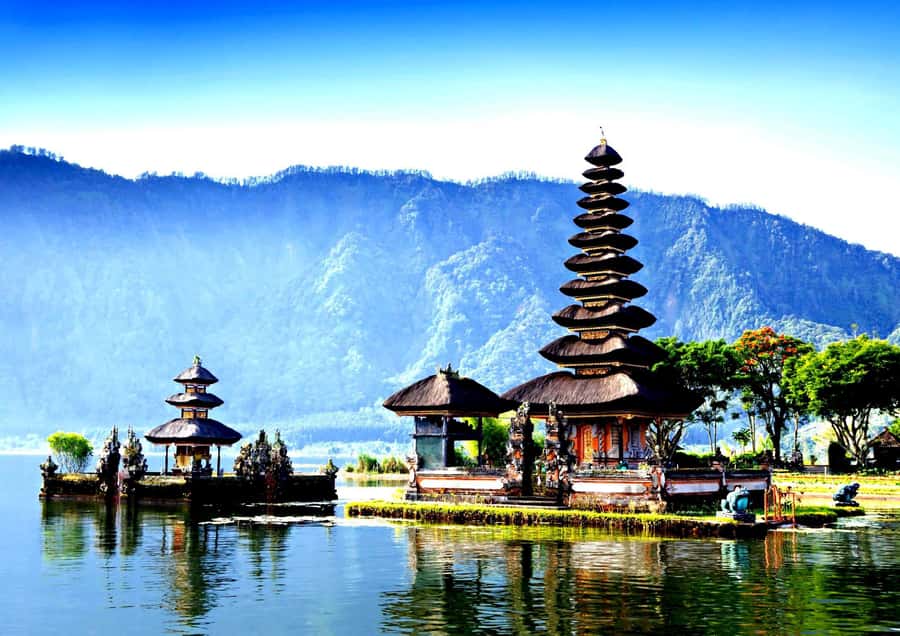
Next up is Ulun Danu Beratan Temple (about an hour). This is the temple stop where you’ll feel Bali’s devotion paired with postcard views. It sits by Lake Bratan, and the layout is designed for you to look out over water and scenery—not just stare at stone.
You’ll also get a sarong to enter the temple area, which is a relief if you didn’t pack proper cover-up clothing. Expect you’ll spend part of your time walking through temple courtyards and part simply soaking in the atmosphere.
A smart move here: keep your camera ready, but don’t rush. Many people get obsessed with the first angles and then miss the calmer corners where the temple mood changes as you move.
Banyumala Waterfall: a forest hike that rewards with a cooling drop
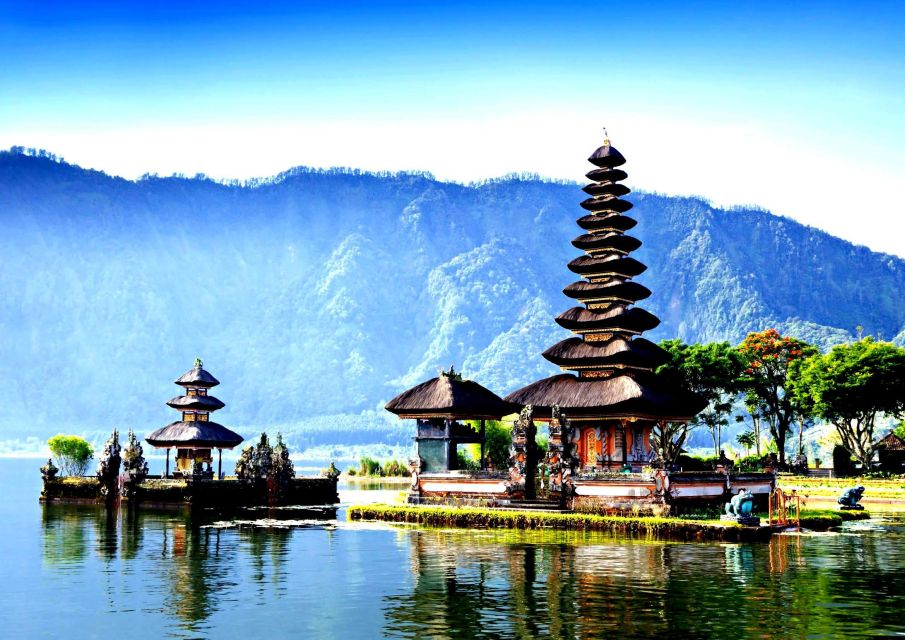
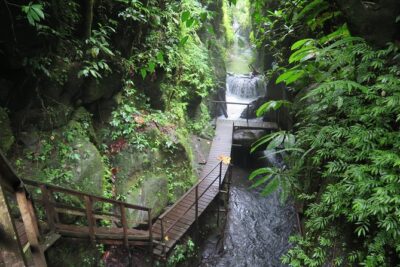
Then comes Banyumala Waterfall for sightseeing plus hiking (about an hour). This is another nature hit, tucked in a tropical forest setting where the air cools as you get closer.
Again, you should expect about 30 minutes of walking to reach the waterfall viewpoints and/or the area around the falls. If you’re the type who likes to take photos, you’ll find plenty of spots along the way. If you’re the type who prefers a swim and a relaxed stretch, that can also fit—just keep your balance and watch your footing.
This stop is ideal when you want a break from temple rules and rice-terrace lines. It’s just you, the sound of falling water, and a short trek that makes the reward feel earned.






Jatiluwih UNESCO Rice Terraces: the irrigation system you can almost hear
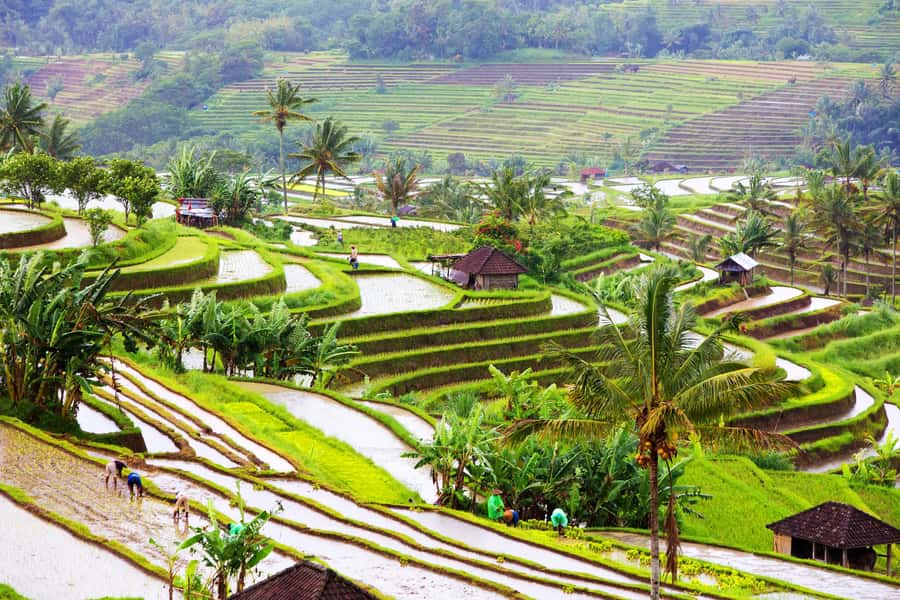
The Jatiluwih Rice Terraces stop is where the tour shifts from scenic to meaningful. It’s UNESCO-listed, and it’s worth taking slowly. You’ll have about an hour for sightseeing, which is enough time to understand the scale and get a feel for how terracing shapes daily life.
Why this stop is valuable: these terraces connect land, water, and farming practice. You see the stepped paddies and the way water moves through the system. The result is something you can’t fully get from a quick viewpoint—standing near the terraces gives you a sense of rhythm and depth.
This is also a good place for calmer photos. Skip the frantic “run to the best shot” approach. Instead, pick a direction and walk until the view opens up behind you.
If it’s hot, bring water (it’s included) and plan for shaded breaks. If it’s raining, the rice-terrace paths can feel slick, so stick to careful footing.
Tanah Lot Temple on the coast: sea temple energy and a sunset mindset
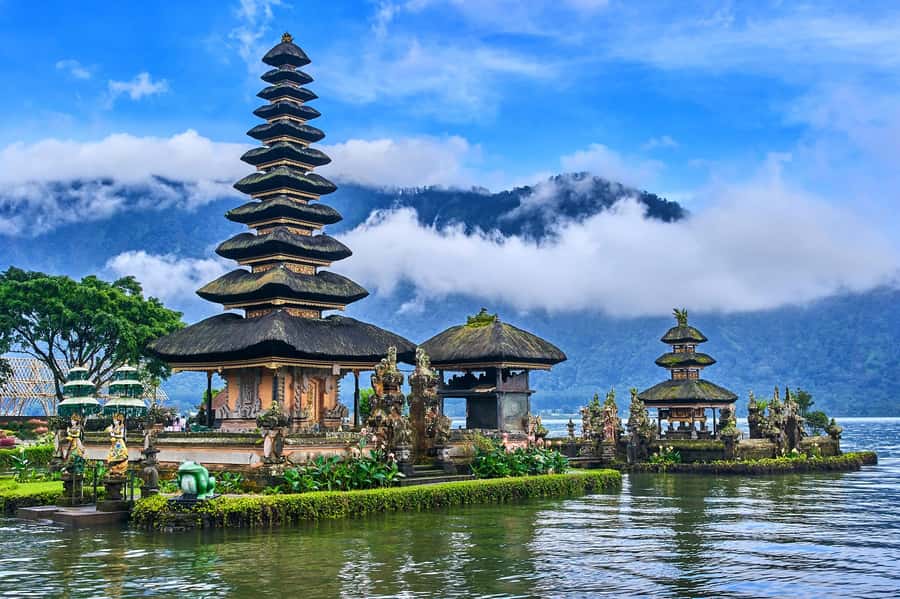
The final major cultural stop is Tanah Lot Temple (about an hour). It’s a sea temple on Bali’s southwest coast, built atop a rock surrounded by pounding waves. Even before the sunset crowds kick in, the place already feels dramatic.
You’ll get a guided tour here, and you’ll have time for sightseeing. This stop is ideal if you want both spiritual context and natural spectacle. The ocean sound is part of the experience; it makes the temple feel less like a landmark and more like a living part of the shoreline.
If you’re chasing sunset views, time matters. Some guides are proactive about timing; for example, guides like Gus Kumara are described as making sure people catch the sunset at the final site. So if your tour guide is timing-minded, lean on their instincts.
Transport, timing, and the real key: your guide’s style

A day tour lives or dies on pacing. The vehicle is air conditioned, and you’ll cover a lot of ground, so your guide’s timing affects how much time you actually spend at each stop versus sitting in transit.
In the names that show up again and again—Agung Rai, Wayan, Lewer, Wah Ko, and Benik—there’s a common theme: friendly, helpful guidance. People mention English-speaking guides who handle logistics smoothly and sometimes even step in as “camera help,” taking photos when asked.
If you want a day that feels relaxed, choose the tour option and pickup point that makes the first drive the easiest for you. Start the day with a clear expectation: you’re seeing highlights in a single circuit, not living in each village for hours.
Price and value: what you’re really paying for

The price is listed at $36 per person for a 10-hour day with pickup/drop-off, bottled water, air-conditioned transport, and (optionally) entrance fees. You’re also given a sarong for temple entry.
How to think about value:
- If you choose the option with tickets, you’re paying for less stress. Entrance fees are included, so you don’t need to hunt for payment counters mid-day.
- If you choose without tickets, you can buy at the destination. The catch is payment style: it will mostly be IDR cash, and credit cards are rarely accepted for attractions (restaurants are more likely to take cards).
Meals are not included. That means you’ll want either cash for food or a plan to use credit cards at restaurants near your lunch stop. One rainy-day scenario described in the information: on rain days, lunch might not happen the way you expect. Build in some flexibility and bring snacks only if you know you can eat them comfortably during drives.
What to bring (and what not to overpack)

The tour suggests bringing swimwear, a change of clothes, insect repellent, and cash. I’d treat those as your “must list,” not optional extras.
Practical extras that make the day smoother:
- Proper shoes for short treks to the waterfalls. Think grip, not fashion.
- A small towel or quick-dry layer, especially if you plan to swim at a waterfall.
- A light rain layer. Umbrellas or ponchos are provided in rain, but you may still want something for you personally.
Also, remember the pace includes walking. If you pack flip-flops and hope for the best, the wet parts of the day will teach you humility fast.
Who should book this Bali tour, and who should skip it
This is a strong pick if you want:
- A single-day circuit that covers waterfalls, temples, and UNESCO terraces.
- A day that feels well organized with English-speaking guides (English and Malay).
- Plenty of photo moments: temples, terraces, waterfalls, and coastal waves.
Skip it if you:
- Have mobility impairments. The walk time and waterfall paths make it not suitable.
- Hate walking on uneven ground, especially in wet weather.
- Need a guaranteed sit-down lunch with no schedule disruption.
If you’re traveling solo, the guide and driver role matters even more. The tour is set up with pickup and timed stops, which is helpful when you don’t want to plan a full route.
Should you book this Bali Water Temple, Waterfalls, and UNESCO Rice Terrace Tour?
I’d book it if your priority is a high-value highlights day that mixes nature and culture without major planning effort. The combination is efficient: Leke Leke for waterfall calm, Ulun Danu Beratan for temple-lake atmosphere, Banyumala for forest cooling, Jatiluwih for UNESCO rice-terrace farming views, and Tanah Lot for sea-temple spectacle.
Choose the ticket option based on how you handle cash and payment: if you’d rather avoid IDR cash logistics at attractions, pick with tickets. If you’re comfortable with cash and can handle buying entrance fees on the spot, without tickets can work.
If you want a calmer, more forgiving day, show up ready for short walks, wear grippy shoes, and treat this as a guided highlights route—not a slow travel day. Do that, and you’ll likely come away with a Bali day that actually feels like Bali.
FAQ
FAQ
What’s the total duration of the tour?
The tour is listed as 10 hours, but it can run longer depending on traffic and tour speed.
Where does pickup happen?
Pickup is included from accommodations in areas such as Ubud, Sanur, Kuta, Legian, Seminyak, Canggu, Jimbaran, Nusa Dua, and Uluwatu (based on where the tour starts).
Are hotel drop-offs included?
Yes. Drop-off locations include Ubud and Kuta, plus the Bali area.
What major stops are included?
You’ll visit Leke Leke Waterfall, Ulun Danu Beratan Temple, Banyumala Waterfall, Jatiluwih Rice Terraces, and Tanah Lot Temple.
How much walking is involved at the waterfalls?
You’ll need to walk around 30 minutes to each waterfall.
Does the tour include entrance fees?
Entrance fees are included if you select the option with tickets. If you choose an option without tickets, you can buy at the destination.
What payment methods are accepted for tickets at the destination?
Buying tickets at the destination will be mostly in IDR cash, and credit card payment is rare for attractions.
What’s included in the price besides transport?
Included items are bottled water, air-conditioned vehicle, entrance fees (if ticket option selected), a sarong for temple entry, and hotel pickup and drop-off.
Are meals included?
No. Meals are not included, and alcoholic drinks are also not included.
What should I bring if it rains?
Rain plans can adjust and the tour keeps going. Umbrella or ponchos are provided, and it’s wise to bring insect repellent, swimwear, and a change of clothes if you want to cool off at waterfalls.
Is this tour suitable for people with mobility impairments?
No, it’s not suitable for people with mobility impairments.