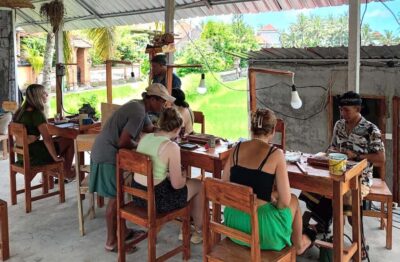
A plain woven basket can turn into a real Bali memory. This hands-on Ubud class puts you close to the craft, with lontar plant weaving and gentle step-by-step coaching.
I especially like that you’re not just watching a demo; you’ll make your own hand-woven keepsake while a Balinese teacher guides you through the process.
The biggest thing to plan for is location. WS Art Studio is a bit off the main Ubud route, so arrange your return transport ahead of time if you’re not staying in central Ubud.
In This Review
- Key highlights
- Ubud Basket Weaving: Why Lontar Matters
- Finding WS Art Studio in Ubud (and Why Transport Is Your Real Task)
- Welcome Drinks and the Start of Your Weaving Session
- Step-by-Step Basket Basics Without Feeling Rushed
- The Active Weaving Window: Making Your Keepsake
- Snacks, Treats, and the Little Perks That Make It Feel Local
- Language and Pace: What If You Don’t Speak Indonesian?
- Price and Value: What You’re Really Paying For at $24
- Who Should Book This Ubud Basket Weaving Class?
- Should You Book This Ubud Basket Weaving Class?
- FAQ
- How long is the Ubud traditional basket weaving class?
- Where is the meeting point?
- What does the $24 per person price include?
- Is this a small group activity?
- What languages will the instructor speak?
- Is the studio wheelchair accessible?
- Is free cancellation available?
Key highlights
- Lontar plant weaving: Use a native material with deep Balinese everyday use
- Small group size: Limited to 10 participants, so you get real attention
- Patient instruction: Guidance that works for beginners and practiced hands
- Keep what you make: You return home with your handmade basket(s)
- Studio time with Balinese artisans: A calm, hands-on cultural craft moment
- Included snacks and welcome drinks: Banana and pineapple fritter show up for some classes
Ubud Basket Weaving: Why Lontar Matters
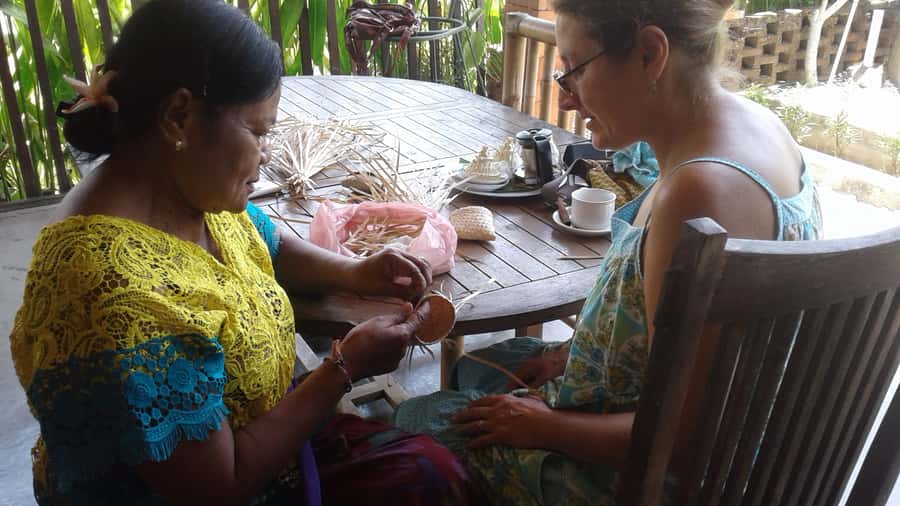
This class is built around lontar, a native plant used across Bali for centuries. It’s part of the bamboo family, but in practice it’s the weaving skill that matters most—learning how the material behaves, how it bends, and how you make it hold shape.
What I like about this focus is that it feels practical, not performative. You’re learning a technique that Balinese people have used for everyday needs on the island, then turning that into something you can take home. It’s the difference between a craft souvenir and a genuine craft learning experience.
Expect to learn one or more weaving combinations—patterns that help you create baskets designed for daily use. Even if you’re a first-timer, the class is paced for people who are curious rather than already expert.
You can also read our reviews of more tours and experiences in Bali.



Finding WS Art Studio in Ubud (and Why Transport Is Your Real Task)
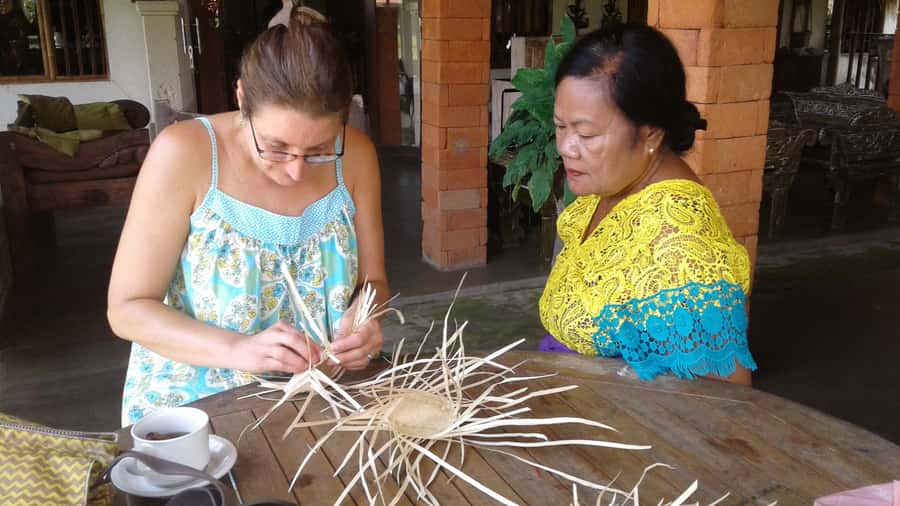
Meeting point is WS Art Studio Balinese Handicrafts. The studio is described as being off the beaten path, which is charming once you’re there, but it can be stressful if you’re relying on vague directions or last-minute pickup.
If you’re staying outside central Ubud, plan your transportation both ways before you go. One common issue is that the return ride can be harder to price fairly if you’re not in the main tourist flow. My practical advice: arrange a return option in advance, or confirm how you’ll get back so you’re not negotiating while tired and sweaty.
Also bring a camera if you want photos. The class includes time where you’ll be working closely with the weaving, and it’s the kind of activity where a few pictures will actually make sense later.
Welcome Drinks and the Start of Your Weaving Session
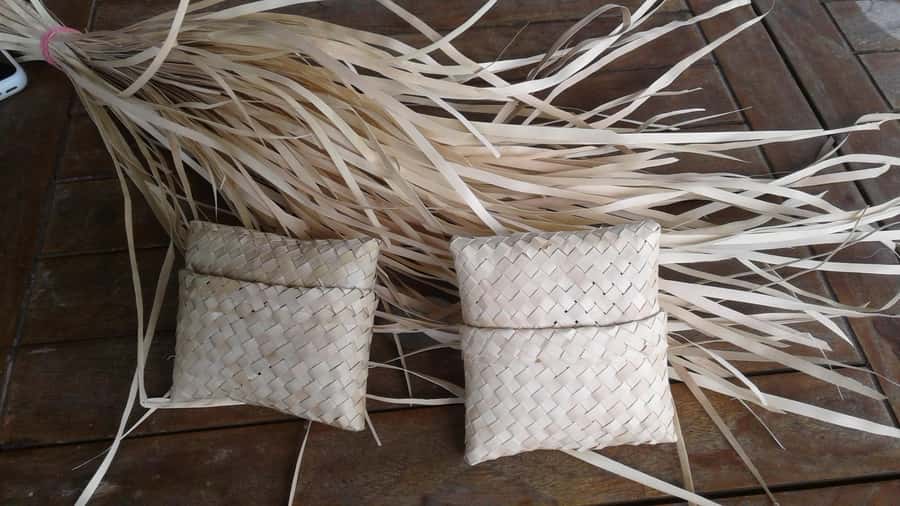
You’ll start with welcome drinks and an appetizer. That sounds simple, but it’s smart for a craft class. It buys you time to settle in, meet your instructor, and start with a clear head rather than rushing straight into fine-motor work.
Then the instruction begins. You’ll work with a Balinese artisan, with guidance in English and Indonesian. The teaching style is calm and hands-on, and several people note that communication can lean on nonverbal cues—gestures and small words—rather than long explanations. That’s not a flaw; it’s how many traditional crafts teach best.
If you’re someone who gets anxious when you don’t fully understand every spoken instruction, this class can still work well. Watching the hand movements and copying the steps usually carries you through.
Step-by-Step Basket Basics Without Feeling Rushed
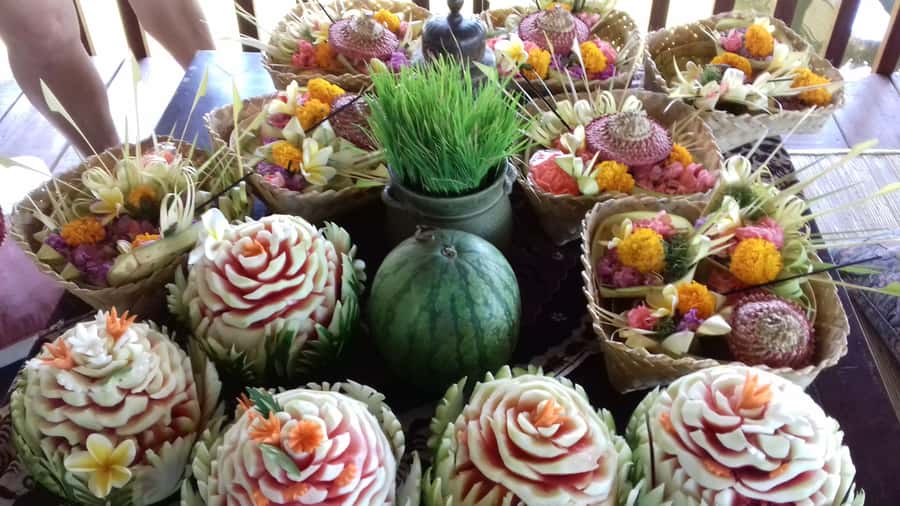
This is one of those activities that sounds intimidating until you sit down and realize you’re building a simple process. You’ll learn the weaving steps needed to create your own basket(s), using the lontar plant.
The “how” is the heart of it:
- how to handle the plant strips
- how to position them so the weave stays even
- how to follow a pattern rhythm rather than forcing it
In a small group setting (limited to 10 participants), the instructor can adjust when someone’s weave is going off track. That’s why patience matters here. The class isn’t described as overly strict or overly serious—it’s more like guided practice than a formal exam.
For experienced weavers, you’ll still appreciate the structured progression and the chance to learn Balinese combinations used for everyday basket-making. For first-timers, the best part is that you’re not left alone with a pile of material and a vague hope.
The Active Weaving Window: Making Your Keepsake
The class is offered as a 3-hour experience, but the weaving adventure is effectively about two hours of active work. You’ll spend that time creating one or more weaving combinations—basket elements that become a real keepsake.
What you’ll end up with matters. The goal isn’t just a flat sample or a single fragile piece. You’re meant to return home with your handmade creations. Some people come away with more than one small woven item that can work as a souvenir, storage, or gift.
One more thing: the craft experience is tied to Balinese daily life. That means your basket doesn’t feel like an abstract art project. It feels like a tool you understand—at least in principle—because you made it with the same kind of technique used on the island.
Don’t worry if your first attempt looks less polished than you imagined. Basket weaving is one of those crafts where the second or third section improves fast once your hands learn the pattern tension.






Snacks, Treats, and the Little Perks That Make It Feel Local
A Balinese craft class should feel like more than a transaction, and this one includes extras that make it warmer.
You’ll get appetizer and welcome drinks before you begin weaving. In some sessions, people also mention banana and a pineapple fritter—simple snacks, but they fit the setting and keep the energy steady while you concentrate.
There’s also mention of a lovely gift at the end of the class. That’s not something you should count on every time, but when it happens, it adds a nice closure: you leave with something to remember the day besides the basket(s).
These small touches matter because they slow the pace down. You’re spending time with an artisan, not just buying a made item and moving on.
Language and Pace: What If You Don’t Speak Indonesian?
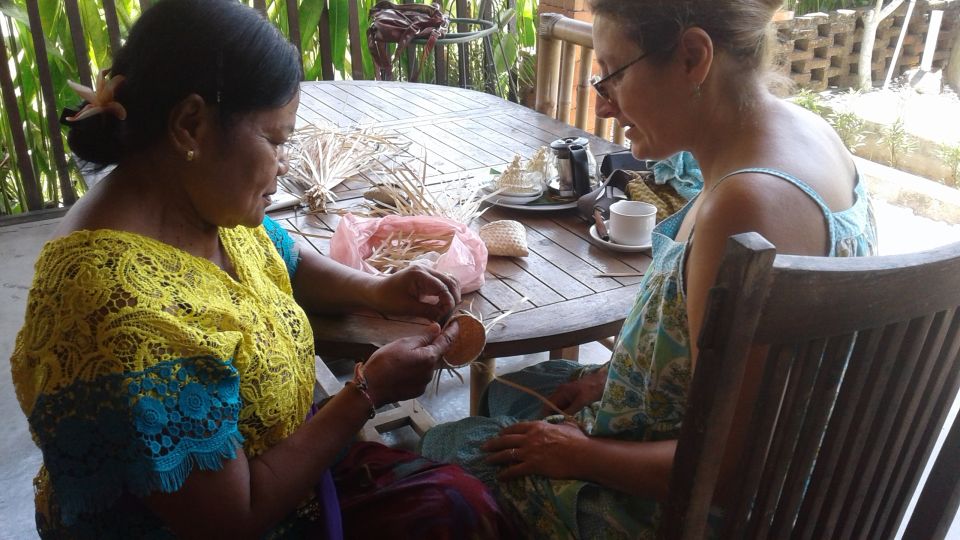
You don’t need fluent Indonesian to get value here. The class is taught in English and Indonesian, and the teaching style often leans on demonstration and gestures.
Here’s the practical takeaway:
- If your English is strong, you’ll still benefit from step-by-step guidance.
- If your English is limited, you can still follow by watching hand positions and repeating the steps.
Some people note that English can be limited, so communication may be partial. Still, nonverbal teaching helps. That’s why this craft class is a good pick if you like learning with your hands rather than relying only on explanations.
If you’re worried about the language barrier, focus on one thing during class: the physical sequence. The basket-making process is visual. Your best “translation” is your instructor’s hands and your own practice.
Price and Value: What You’re Really Paying For at $24
$24 per person is the kind of price that can go either way in Bali—either it’s a solid value or it’s a rushed tourist stop. Here, the math looks better because the cost includes more than just the lesson.
Your price covers:
- all class materials
- time with a Balinese artisan
- appetizer and welcome drinks
- the fact that you take home what you make
For you, that means you’re paying for materials and instruction, plus the cultural time in a small setting. With a small group limited to 10, the instructor isn’t spreading attention across a large crowd, which usually improves your experience even if your weaving skills start at zero.
Is it a bargain? It’s reasonably priced for a handmade craft session with materials included and a real keepsake outcome. If you’re comparing it to generic souvenir shopping, the value is that you leave with a skill memory you can hold—literally.
Who Should Book This Ubud Basket Weaving Class?
This class suits a few types of travelers really well.
Book it if:
- you want a hands-on activity during Ubud’s heat
- you like small-group workshops
- you want to take home something that feels made by you, not bought off a shelf
- you’re curious about Balinese everyday craft traditions
It can also work for families, though ages weren’t listed in the main details. One note mentions a 9-year-old joining and enjoying it, and that’s a good sign for approachability—especially if kids are comfortable sitting still and trying.
Consider skipping if:
- you strongly dislike off-main-area logistics and don’t want to organize transport
- you expect a lot of fluent English conversation (instruction may be partly nonverbal)
Should You Book This Ubud Basket Weaving Class?
I think this is a great booking if you want something authentic and practical with real take-home value. The lontar plant focus, the small group limit, and the fact that materials plus refreshments are included make the $24 price feel fair. Add in patient, hands-on guidance, and you’ve got an activity that works whether you’re a confident maker or a curious first-timer.
Just do one thing before you go: plan your return ride. Once you’ve handled that, you can focus on the craft—and leave with a basket you actually earned.
FAQ
How long is the Ubud traditional basket weaving class?
The class duration is 3 hours, and starting times depend on availability.
Where is the meeting point?
Meet at WS Art Studio Balinese Handicrafts.
What does the $24 per person price include?
It includes all class materials, time with a Balinese artisan, an appetizer and welcome drinks, and you’ll return home with your handmade creations.
Is this a small group activity?
Yes. It’s a small group limited to 10 participants.
What languages will the instructor speak?
The instructor speaks English and Indonesian.
Is the studio wheelchair accessible?
Yes, the activity is listed as wheelchair accessible.
Is free cancellation available?
Yes. You can cancel up to 24 hours in advance for a full refund.