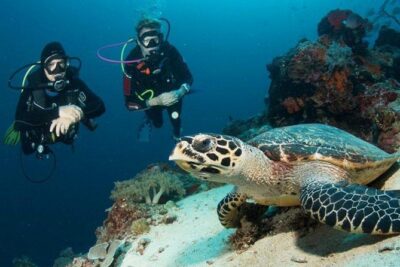
Three days to earn scuba cert feels fast. In Bali, this course mixes classroom checks, pool skills, and open-water sessions at Padang Bai’s Blue Lagoon and Tulamben’s USAT Liberty wreck—right in the heart of the Coral Triangle.
I especially liked the small group size (up to 4) and how much attention you can get while learning. And the course is set up so you’re not guessing: you use PADI E-learning materials for the theory, then you practice the key skills before heading out in open water.
One thing to plan carefully: the 18-hour rule before a flight. If you can’t give your body that rest window, you won’t be allowed to participate.
In This Review
- Key Things I’d Plan Around
- Why This 3-Day PADI Course Works in Bali
- Day 1: Paperwork, Quizzes, and Pool Skills That Build Confidence
- Day 2: Padang Bai Blue Lagoon and the First Open-Water Sessions
- Day 3: Tulamben, the USAT Liberty Wreck, and Finishing the Course
- Safety, Coaching, and Why the Instructor Style Matters
- Price and Value: Is $409 Fair for 3 Days?
- What to Pack (and What to Do Before You Fly)
- Pickup Times and Getting There Without Losing the Day
- Who This Course Is For (and Who Should Skip It)
- Should You Book This 3-Day Program?
- FAQ
- How long is the PADI Open Water course?
- What’s included in the price?
- Do I need to bring my own scuba equipment?
- Where do the open-water training sessions happen?
- Is the course a small group?
- What languages are available for instruction?
- What should I bring with me?
- Are there age or health restrictions?
- What is the rule about flights?
Key Things I’d Plan Around
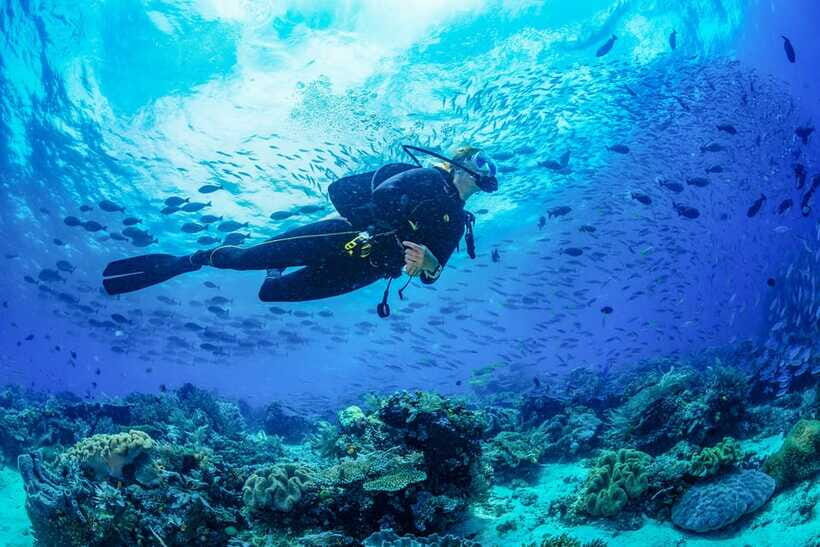
- Up to 4 people means more one-on-one coaching while you’re learning equipment and safety skills
- Day 1 is structured: paperwork, quizzes/exams, then pool skill training and equipment sign-off
- Padang Bai Blue Lagoon on Day 2 gives you your first open-water practice with a lunch stop after
- Tulamben USAT Liberty on Day 3 is the big underwater highlight, including additional training sessions
- Everything for the course is included (park fees, tanks, weight belts, instructor, and even equipment washing/storage)
- Instructors rotate, and names you may meet include Eka, Ari, Ketut, and Tunas
Why This 3-Day PADI Course Works in Bali
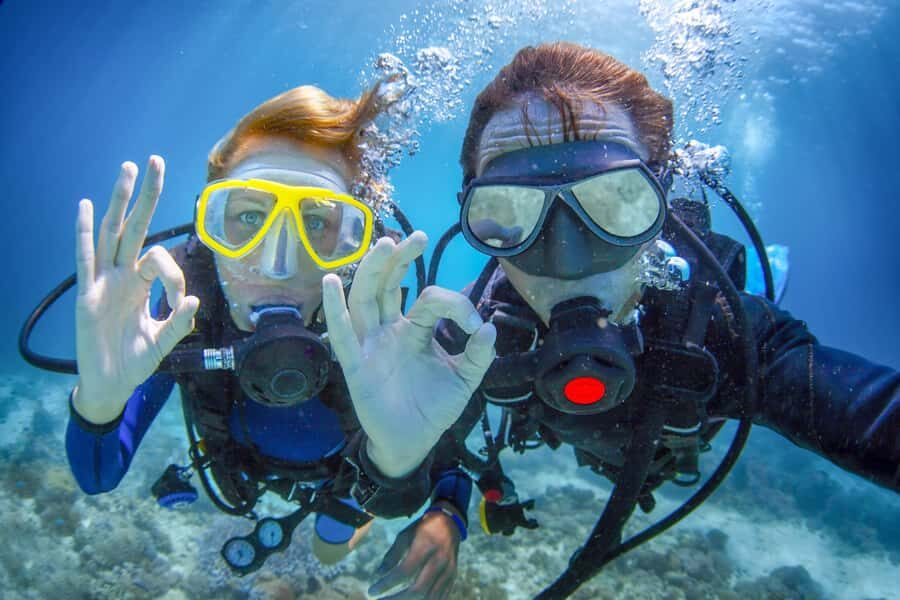
If you’re short on time, this format makes a lot of sense. You’re not waiting weeks for scattered lessons—you’re doing theory, skill practice, and open-water sessions in one tight loop over three days.
What makes Bali a strong choice is that the underwater experience is built for warm-water learning. The course is aimed at helping you become certified quickly, but the plan still gives you enough repetition to build comfort—first on land and in a pool, then in real ocean conditions. And yes, you get to experience the colorful marine life connected to the Coral Triangle.
Value-wise, the big win is that the price covers a lot more than instruction alone. You’re also paying for transport, marine park entry fees, boat/porters fees, and the full equipment setup (tanks and weight belts included), plus washed and stored gear afterward.
You can also read our reviews of more tours and experiences in Bali.



Day 1: Paperwork, Quizzes, and Pool Skills That Build Confidence
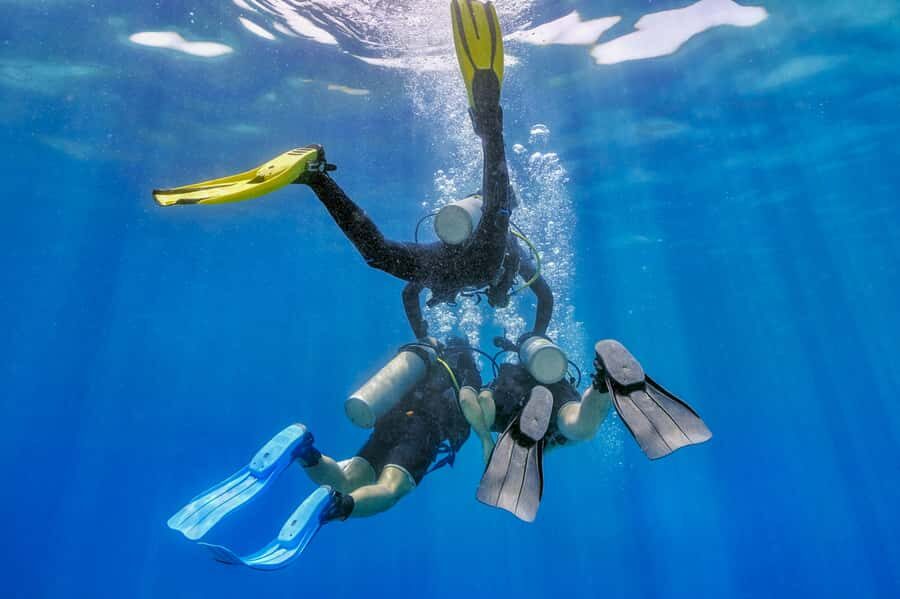
Day one starts at the training center with registration and course paperwork. Then it moves into the theory side: instructional videos and knowledge reviews using quizzes and exams. The goal isn’t to overwhelm you—it’s to confirm you understand how scuba works, what to do underwater, and why safety procedures matter.
After lunch and refreshments, you shift into hands-on practice in the pool. This part is where most first-timers relax or decide to quit—because it’s controlled, calm, and repeatable. You practice the basic scuba equipment use, and you work on the motions that will later feel second nature when you’re out on open water.
You’ll also do an equipment log back and sign-off paperwork at the end of the day. That matters more than it sounds: it helps the team confirm everything is accounted for before you head out on the ocean training days.
Day 2: Padang Bai Blue Lagoon and the First Open-Water Sessions
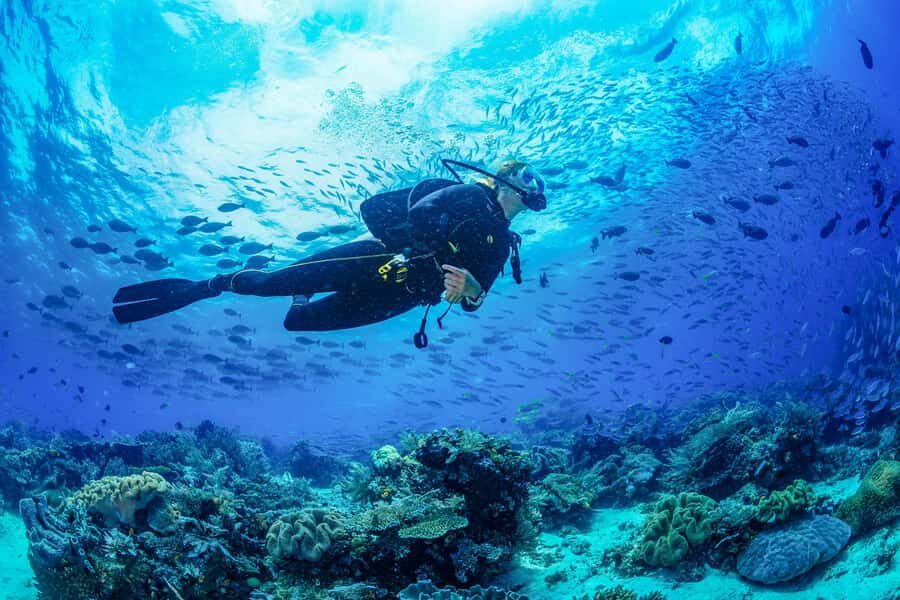
On the second day, you prepare equipment and load vehicles, then head to Padang Bai. This is the day you go from “I can do it in the pool” to “I can do it in the ocean,” and that jump is exactly why the earlier day matters.
You board a boat and head to the Blue Lagoon area for your first open-water training session. There’s time to relax between activities—deck time is built in, and you can even take a swim in the lagoon during breaks (as your comfort level allows).
After the first open-water session, you do the second open-water training session before returning to Padang Bai. Lunch is included at Billabong Restaurant, and then you head back to the training center.
A practical note: this day is partly about adjusting to real conditions—light changes, current/entry conditions, and the sensation of breathing underwater. If you’re a nervous first-timer, I’d treat this day as progress, not a test.
Day 3: Tulamben, the USAT Liberty Wreck, and Finishing the Course
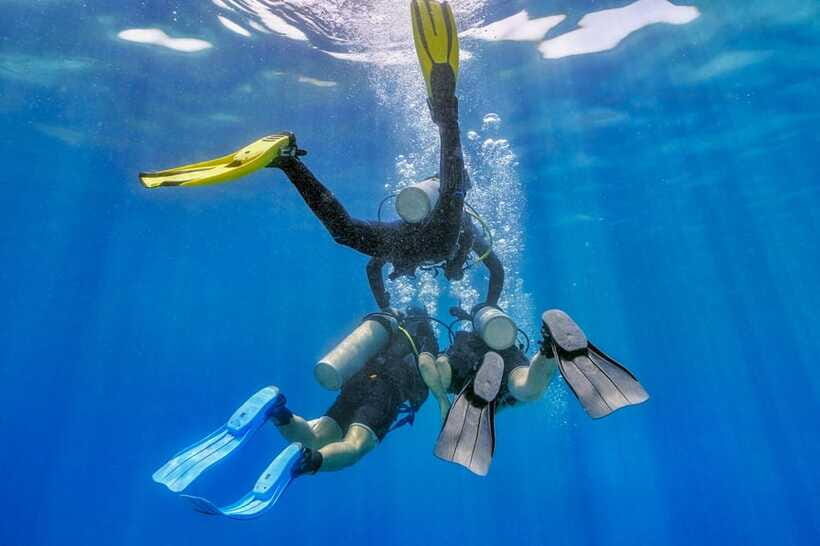
The third day is where the course turns into a true Bali highlight. You travel to Tulamben, where the USAT Liberty wreck is located, and your final open-water training sessions happen around this site.
Between the underwater sessions, lunch is included again. Then, after your last training session, you pack up the equipment and return to the training center for certification and sign-off.
In the feedback from real students, the wreck is repeatedly described as the wow-factor. One student called out that it’s worth the long drive, and another mentioned being able to get close to the wreck and swim through parts of it. Even if you’re still learning fundamentals, the structure of the course means you’re not just sightseeing—you’re still working toward full certification.
Safety, Coaching, and Why the Instructor Style Matters
In scuba training, the instructor isn’t just teaching skills. They’re managing pace, comfort, and safety expectations while you’re learning something brand-new.
The strongest theme in the course feedback is how safe and comfortable people felt. Multiple instructors were praised for being patient and professional in the water—names that come up include Eka, Ari, Ketut, and Tunas (nicknamed Mr. Handsome). One student even described an instructor helping with an earring rescue, which tells you the vibe: attentive, human, and focused on keeping you comfortable.
Small group size (up to 4 participants) is a big deal here. It reduces waiting time, helps the instructor correct your technique faster, and makes it easier to adjust the pace if you’re slower or just nervous.
Also, this course includes DAN Insurance coverage. That’s not the same thing as “you’ll never have issues,” but it does add real peace of mind for a sports activity with clear safety protocols.





Price and Value: Is $409 Fair for 3 Days?
At $409 per person for three days, the price is mostly about what you don’t have to pay extra for. From the included list, you get:
- hotel transfer (transport is a major cost in Bali)
- all marine park entry fees
- boat and porters fees
- lunch and light refreshments
- professional instruction
- full rental scuba equipment (including tanks and weight belts)
- PADI E-learning materials and certifications
- equipment washing and storage
- DAN insurance coverage
That’s a lot bundled in. If you tried to assemble this yourself—cert materials, tanks, weight belts, park fees, boat fees, and an instructor—it would usually get expensive fast. The pricing also stays “real” because the course structure forces real practice on consecutive days, not scattered half-sessions.
One more value point: people mentioned how smooth communication felt and that organization was strong. When you’re learning a new skill, logistics stress is the last thing you want.
What to Pack (and What to Do Before You Fly)
You’ll need swimwear and a change of clothes. Bring sunscreen too, since ocean days mean sun exposure.
You can also ask for a towel from the team, which is helpful if you don’t want to buy or pack one just for a short course.
Then comes the rule that can quietly ruin plans if you ignore it: you must have at least 18 hours of rest before an upcoming flight to reduce nitrogen in your body. If you don’t have that window, you won’t be allowed to participate.
My advice is simple: plan your last day so you’re not rushing into an airport right afterward. Build in a cushion. It’s better than discovering the restriction at the last minute.
Pickup Times and Getting There Without Losing the Day
Transport is included, but you should plan around the early start. Pickup windows are listed for major south Bali areas like Nusa Dua, Jimbaran Beach, Kuta, Legian, and Seminyak (around 07:00 to 07:15), plus Sanur (around 07:30 to 07:45). Exact pickup time is confirmed via WhatsApp the day before.
If you’re staying in more remote areas such as Uluwatu/Pecatu, Canggu, or Ubud, there’s an additional cost: the info lists US $27 (per group per day) and also notes an extra IDR 350,000 for pickup and drop-off per group per day.
One reviewer-style tip that’s practical: if you’re deciding where to sleep during the course, staying in Sanur can reduce the rush of going back to a farther hotel after training days.
Who This Course Is For (and Who Should Skip It)
This program is aimed at people who want certification fast while still getting structured training. The course is for participants at least 10 years old, and instruction is available in English and Indonesian.
It is not suitable for:
- pregnant women
- people with heart problems
- wheelchair users
- people with respiratory issues
If you fall into any of those categories, you should not treat this as an “adjustable” activity. The course has clear limits for safety.
If you’re healthy, comfortable in water, and willing to do theory + practice back-to-back, this is a very strong way to build scuba skills quickly.
Should You Book This 3-Day Program?
I’d book this course if you want a fast, structured path to PADI Open Water certification and you like the idea of warm-water training in Bali. The small group size, included equipment, park and boat fees, and the fact that you finish with certification and sign-off all make the $409 feel realistic.
I’d pause if you’re flight-timing tight, because the 18-hour rest rule is strict. I’d also double-check your health fit, especially respiratory or heart-related concerns, since the activity is explicitly not suitable for those cases.
If you want a simple plan with real instruction, multiple practice stages (pool to ocean), and a final highlight around Tulamben’s USAT Liberty wreck, this is the kind of course that turns curiosity into a certification card in just three days.
FAQ
How long is the PADI Open Water course?
The course runs for 3 days.
What’s included in the price?
The package includes hotel transfer, marine park entry fees, boat and porters fees, lunch and light refreshments, free water/tea/coffee at the dive center, a professional instructor, rental scuba equipment (including tanks and weight belts), equipment washed and stored for you, PADI E-learning materials and certifications, a towel (ask the team), and DAN Insurance coverage.
Do I need to bring my own scuba equipment?
No. The rental of all diving equipment including tanks and weight belts is included.
Where do the open-water training sessions happen?
Day 2 includes open-water training in the Blue Lagoon at Padang Bai. Day 3 includes open-water training at Tulamben, at the USAT Liberty wreck site.
Is the course a small group?
Yes. The group is limited to 4 participants.
What languages are available for instruction?
Instructors speak English and Indonesian.
What should I bring with me?
Bring swimwear, a change of clothes, and sunscreen.
Are there age or health restrictions?
Participants must be at least 10 years old. The activity is not suitable for pregnant women, people with heart problems, wheelchair users, or people with respiratory issues.
What is the rule about flights?
You must have at least 18 hours of rest before an upcoming flight. If you don’t meet that window, you will not be allowed to participate.