A morning market and a real family kitchen. That is what makes this Bali Cooking Class with Culture Experience in Ubud feel more like a guided day than a cooking show. You start shopping with a family host, then cook a full Balinese menu under a professional chef, with culture stops along the way.
I really like the market-to-menu approach because you learn what you buy and why, not just what ends up on the plate. I also love meeting Dewa, who welcomes you with a piping hot drink and his famous Pisang Goreng, so the class starts with flavor and context right away.
One consideration: the experience runs about 6 hours and starts at 7:30 am, so plan your other Ubud activities around an early, food-focused morning.
In This Review
- Key highlights to look for
- From 7:30 am market browsing to real flavor knowledge
- Dewa’s welcome: coffee, banana fritters, and quick culture context
- Inside the family compound: how the cooking space is set up
- The menu plan: appetizers, multiple entrees, sides, and dessert
- Breakfast snack to lunch: eating what you cook
- The take-home booklet: your real souvenir
- Price and logistics: what $62 buys you in Ubud
- Who this Bali cooking class is perfect for
- Practical tips so you enjoy the market and the cooking
- Should you book the Lobong Bali Cooking Class?
- FAQ
- What’s included in the Bali cooking class experience?
- How long is the experience?
- What time does it start in Ubud?
- Is hotel pickup included?
- What size group is the class?
- Do I take anything home after the class?
- Is cancellation free, and how far in advance do I need to cancel?
Key highlights to look for
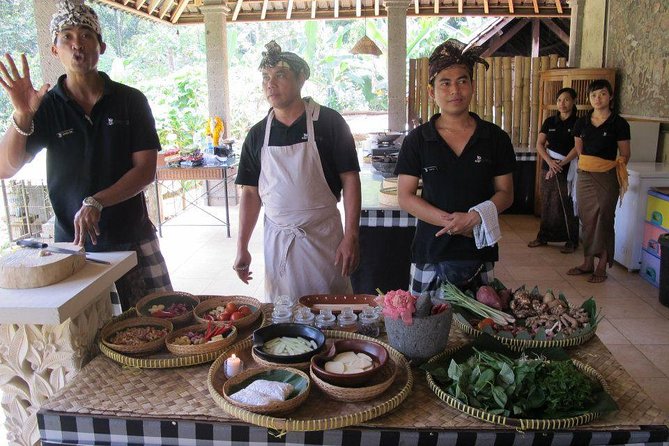
- Morning market ingredient shopping with explanations of herbs, spices, fruits, and vegetables
- Dewa’s welcome of hot coffee or tea plus Pisang Goreng banana fritters
- Chef-led cooking in a Balinese home setting, with a prepared cooking pavilion
- A full menu you build: appetizers, multiple entrees, sides, and dessert
- A take-home illustrated booklet with recipes, directions, photos, tips, and notes space
- Small group size up to 12 travelers for a more hands-on feel
From 7:30 am market browsing to real flavor knowledge
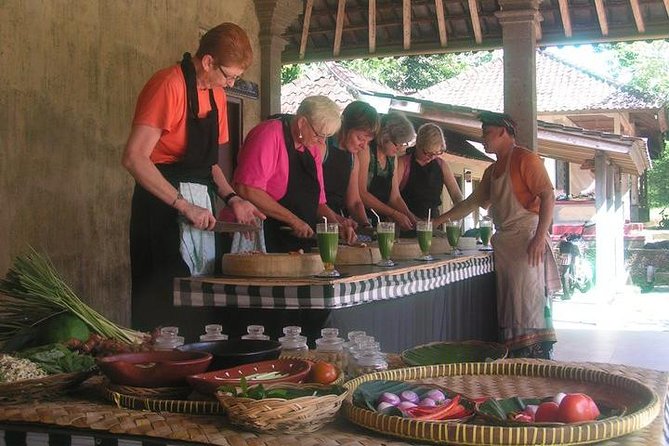
This class starts early, at 7:30 am, which I actually like. In Bali, the morning market is when ingredients look at their best, and the whole experience is easier to connect to because you can see what goes into the food before you cook it. You’ll begin at a local market, guided by a family host who buys your ingredients and talks through what they are and how they’re used.
What makes this part useful is that it trains your senses. You’re not just buying items; you’re learning how herbs and spices smell, how produce looks when it is fresh, and which ingredients are part of typical Balinese cooking. If you’ve ever tried to recreate a dish at home and ended up with something that tastes close but not right, this is the fix. You’re getting the ingredients plus the “how to think about them” piece.
The market time also gives you a cultural rhythm. You’ll hear about Balinese life while you’re buying things that end up in your meal, including how families live with home shrines and everyday traditions. Even if your cooking skills are beginner-level, you’ll walk away with a stronger idea of what Balinese cuisine is built on.
You can also read our reviews of more tours and experiences in Ubud.



Dewa’s welcome: coffee, banana fritters, and quick culture context
Right after the market, you head back to the home cooking pavilion area. Here, Dewa greets you with a piping hot cup of coffee or tea, or mineral water if you prefer. Then the famous Pisang Goreng banana fritters arrive, freshly made and crispy.
This welcome matters more than it seems. It’s a palate primer. The fritter is a quick lesson in texture and balance, and it also sets a warm tone before you start chopping and mixing. You’ll eat while the staff double-checks the cooking pavilion is ready, and while you listen to conversation about Balinese lifestyle. That little wait time is not wasted; it’s built in so you can settle in, taste something familiar-to-Bali, and get comfortable with the setting.
One thing I appreciate: the greeting is not “follow us and wait.” It’s an actual start to the day with food and story at the same time. By the time you get to the cooking stations, you’re already thinking like you’re hosting friends at home, not just attending a class.
Inside the family compound: how the cooking space is set up
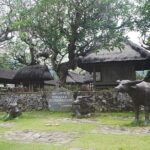
Your cooking happens at the Lobong Bali Cooking Class location, at a family home setting. The experience is built around a cooking pavilion that’s ready for your group. Staff check that everything is prepared before the class begins, which means you’re not stuck waiting around for missing tools, ingredients, or cooking surfaces.
Because the class is designed for a maximum of 12 travelers, you’re likely to get more attention during the cooking steps. In practice, that matters for two reasons:
- You can ask questions as you go, especially when you’re learning how herbs and spices are combined.
- The chef can correct technique before you spread a mistake across multiple dishes.
This is also a comfort factor. Cooking in a residential Balinese environment can be more meaningful than a commercial kitchen, and it helps you see that these meals aren’t only for tourists. You’re learning in the same kind of space where families would cook for everyday life and gatherings.
The menu plan: appetizers, multiple entrees, sides, and dessert
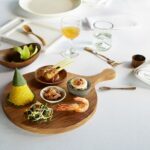
The goal here is a complete Balinese menu. You won’t just make one signature dish. You’ll prepare an appetizer, multiple traditional entrees, accompanying side dishes, and a dessert.
That structure is valuable because it teaches how flavors connect across a meal. Balinese cooking often relies on layered aromatics and spice blends, so learning one dish alone can leave you with a partial picture. When you cook several courses, you start noticing patterns: which ingredients keep showing up, what balance feels right, and how sauces or pastes can behave differently depending on what you pair them with.
Also, the class isn’t framed as a shortcut. You’ll be working with fresh ingredients you shopped for, and you’ll follow illustrated guidance that supports the steps. The staff and chef-led instruction keep things organized, which helps if your cooking comfort level is low. You can focus on learning rather than fighting a timeline.
And yes, you’ll finish with dessert. That last course is your payoff: you’ve spent the morning building dishes, and then you sit down to enjoy the sweet ending you made yourself.
Breakfast snack to lunch: eating what you cook
After the welcome snack, you cook your menu. Then lunch is the moment where it all clicks. The experience is designed so you enjoy the meal you prepared, which turns cooking into a feedback loop.
Here’s why that matters: you can taste your work and immediately understand the impact of what you did. If a spice blend felt too strong while cooking, you learn how it settles in the finished dish. If a dish seemed mild during prep, you figure out whether balance comes from the accompaniments or from the final steps.
You also get a culture piece at the table. One of the strongest signals in the experience is the ritual of gratitude after the meal. That part isn’t just performance. It’s a reminder that food in Balinese households connects to respect, tradition, and community, not only flavor.
So if your main goal is learning to cook Balinese cuisine at home, eating your own lunch is where the learning becomes real.




The take-home booklet: your real souvenir
At the end of the cooking experience, you leave with an illustrated instructional gift booklet. It includes the menu, recipes, directions, photos, tips, and space for your own notes.
This booklet is the practical reason I think this class is good value. A lot of cooking classes end with a meal and a vague memory of how things tasted. Here, you’re given a reference you can use when you’re back home and shopping in your local grocery store.
To get the most from it:
- Use the photos as a checkpoint for textures and thickness.
- Write notes right away while the flavors are fresh in your mind.
- Treat the tips as your troubleshooting guide for next time.
If you like cooking but hate repeating vague instructions, this format helps you recreate what you learned instead of guessing.
Price and logistics: what $62 buys you in Ubud
At around $62 for about 6 hours, you’re paying for more than a chef and a chopping board. You’re also getting:
- Round-trip transfers from central Ubud hotels
- Market ingredient shopping and explanations
- A hot drink and Pisang Goreng during the welcome
- A full cooking session that ends with lunch and dessert you prepared
- An illustrated booklet with recipes and directions
- A small-group format (maximum 12)
In Ubud, cooking classes range widely in what’s included, and the best ones bundle ingredients, instruction, and meals. This one aims for that full package. Even if you’ve cooked before, the ingredient-focused market start plus the take-home instructions make it feel like a complete learning experience rather than a one-off food activity.
Logistics are also friendly. Pickup is offered from central Ubud hotels, and the meeting point is near public transportation. You’re not locked into one complex route if your plan for the day changes.
Who this Bali cooking class is perfect for
This experience is a strong match if you want:
- A chef-led class that teaches you how ingredients work together
- A morning market visit with context for herbs, spices, and produce
- A full-course Balinese meal you cook and eat
- A home-friendly take-home guide so you can repeat the dishes later
It’s especially good for couples, small groups of friends, and anyone traveling alone who wants a structured day with conversation and hands-on steps.
If your schedule is tight, note the early start and the full 6-hour length. If you only want a quick snack or a single dish, this might be more food and more work than you need. But if you’re excited by learning an entire meal, it fits well.
Practical tips so you enjoy the market and the cooking
Here are a few simple ways to get the most out of a morning market cooking class in Ubud:
Wear comfortable shoes for market walking. You’ll be on your feet during ingredient shopping, and you’ll want grip and support.
Bring a light layer. Morning can feel cooler than later in the day, especially if you’re moving between indoor cooking space and outdoor market aisles.
If you have dietary restrictions, plan to bring them up clearly before the class starts. The menu details in the description don’t specify alternatives, so it’s important to communicate your needs in advance.
Finally, take notes during the welcome and while you’re cooking. The booklet gives you space to write, and your future self will thank you when you’re repeating the recipes at home.
Should you book the Lobong Bali Cooking Class?
I’d book this if you want more than a meal. The combination of market shopping, a family-home setting, chef-led cooking, and a take-home illustrated booklet turns the day into something you can use later. You also get a warm welcome with Pisang Goreng from Dewa, and that helps you start learning with taste, not just instructions.
Skip it only if you strongly prefer a relaxed, low-effort activity, or if the 7:30 am start and roughly 6-hour schedule clashes with how you like to spend your time in Ubud.
If your idea of a great trip day is hands-on food learning plus real Balinese family culture, this one is a solid choice.
FAQ
What’s included in the Bali cooking class experience?
You get a morning market visit to shop for herbs, spices, fruits, and vegetables, a hot drink and banana fritters as a snack, a professional chef-led cooking session, and breakfast snack plus the lunch and dessert you prepare. You also receive an illustrated instructional booklet.
How long is the experience?
It runs for about 6 hours.
What time does it start in Ubud?
The start time is 7:30 am.
Is hotel pickup included?
Yes. Round-trip transfers are offered from central Ubud hotels.
What size group is the class?
The group is limited to a maximum of 12 travelers.
Do I take anything home after the class?
Yes. You leave with an illustrated instructional gift booklet that includes recipes, directions, photos, tips, and space for notes.
Is cancellation free, and how far in advance do I need to cancel?
Cancellation is free. You can cancel up to 24 hours in advance of the experience start time for a full refund. If you cancel less than 24 hours before, the amount paid is not refunded.