Bali’s markets feed your senses fast. This Denpasar market food tour takes you through Kreneng Market with a local guide and gets you trying 5–7 traditional tastings tied to Balinese daily life. Two things I really like here are the wide mix of savory snacks to sweet sips, and how much the guide connects food to Balinese spiritual practices. One thing to consider: depending on vendor flow and ceremonies, you might do more eating at stalls than watching hands-on cooking the whole time.
The experience is also early-morning in spirit, aimed at the breakfast crowd, so you’re seeing how locals actually snack and buy for the day. If your guide is Gus, you’re in good hands for both flavor details and the cultural meaning behind what’s on offer. In general, you’ll walk the market lanes with enough structure to stay focused, but still feel like you’re in the real place—not a food show with fake theater.
Come prepared for a market environment, not a tidy restaurant. You’ll want comfortable shoes because surfaces can be uneven, and the tour notes that pork, peanuts, and spice show up in some dishes. And if you’re vegan, strictly vegetarian, or have serious allergies, this isn’t a safe fit—vegetarian options are limited, and some items may not be easily swapped.
In This Review
- Key highlights worth caring about
- Denpasar’s Kreneng Market: why this tour starts in the right place
- The guide’s role: how Gus (and others) connect food to Balinese life
- What you’ll taste: likely dishes and what they mean on your plate
- Walking the market vs. eating station by station
- Timing, pickup, and what to bring for 2–4 hours
- Is $32 good value? Here’s how I’d judge it
- Who should book this Denpasar market food tour, and who should skip it
- Should you book this Denpasar market food tour?
- FAQ
- Where do I meet the guide?
- How long is the tour?
- How many tastings will I get?
- What dishes might be included?
- Are there vegetarian or vegan options?
- Is it safe for people with food allergies?
- Is pickup available?
- What should I bring?
- Does the tour run in bad weather?
Key highlights worth caring about
- Kreneng Market focus: a true local food stop, guided through the lanes rather than a single tasting counter.
- 5–7 dish format: enough variety to understand Balinese flavor patterns in a short 2–4 hour window.
- Food + ritual context: you don’t just eat; you learn why certain dishes show up around ceremonies and traditions.
- Early breakfast vibe: the timing is built for the morning crowd and what vendors are cooking then.
- Common allergens and ingredients: pork, peanuts, and spicy items can appear—plan accordingly.
- Rain or shine: it runs in weather, so you’ll be walking with umbrellas or rain gear.
Denpasar’s Kreneng Market: why this tour starts in the right place
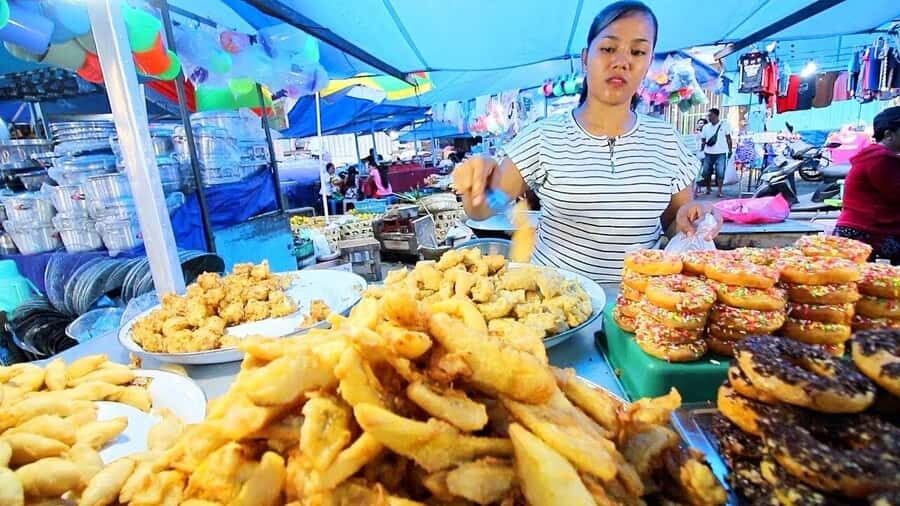
This tour centers on Kreneng Market (often linked with Denpasar’s bigger market scene) and uses that setting as the map for your food experience. You meet at the main entrance near the large Pasar Kreneng sign by the roadside, and your guide wears a Bali Trip Gotik T-shirt. Arriving about 15 minutes early helps you get oriented before the group settles in.
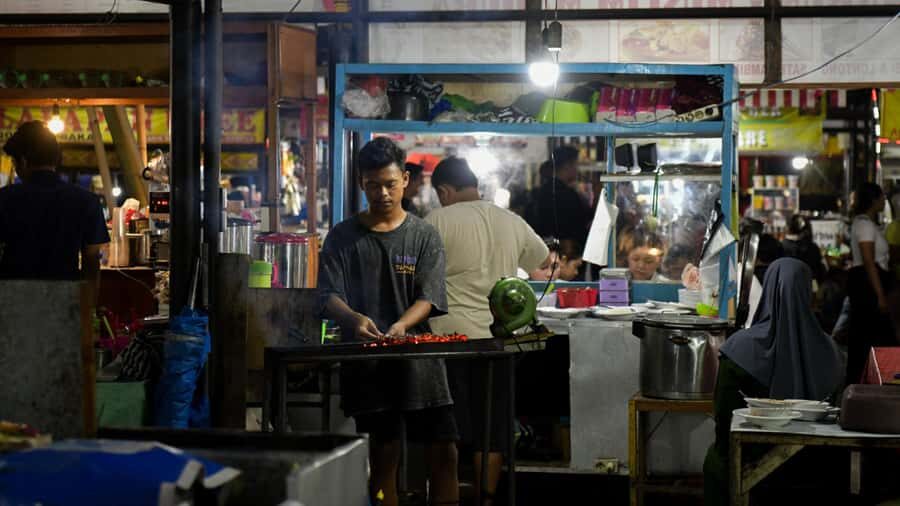
What makes the market portion valuable is how practical it feels. Instead of tasting dishes in a polished format, you’re moving through the kind of stalls locals use, where food is prepared, served, and sold under real-world timing—sometimes influenced by what’s happening in the community. The tour is designed for walking, so your senses get pulled into the routine: smells, sizzling pans, quick orders, and vendors speaking fast with customers.
You’ll spend about 2 hours at Kreneng Market, which is long enough to build appetite and long enough to notice patterns. For example, you’ll see how often peanuts show up in sauces, how many dishes depend on lemongrass or herbs, and how the balance shifts from salty snacks to warm comfort foods and cooling drinks. That’s the kind of context that helps you order the right thing later when you come back on your own.
One more reality check: the tour runs in rain or shine. If you tend to plan around perfect weather, this isn’t that kind of outing. Bring an umbrella or raincoat and accept that you’ll be moving through a working market no matter what the sky decides.
You can also read our reviews of more tours and experiences in Denpasar.



The guide’s role: how Gus (and others) connect food to Balinese life
The tour is guided in English, and the guide’s job isn’t only to point at dishes. You’ll learn the cultural significance behind Balinese food and rituals—why certain flavors, ingredients, and serving styles matter locally. That background makes the tastings more than just samples; it helps you understand what you’re tasting beyond salt, sweetness, and spice.
One guide name to remember from the experience: Gus. In one account of the tour, Gus stood out for being strong on both food history and local spiritual practices. Even if your guide isn’t Gus, the structure is the same: you’ll be tasting with explanation, not just receiving food with minimal talk.
This matters because Balinese food is closely tied to everyday life and ceremony. Many dishes you’ll try are recognizable across the island, but the meaning can shift with context—what gets made for gatherings, what shows up in routines, and what’s served as comfort or celebration. The tour doesn’t ask you to become an expert. It gives you a workable mental map so you can talk about what you ate and make smarter choices later.
There’s also a social side. Markets can be intimidating if you don’t know how to move. With a guide, you don’t have to guess when to approach, when to wait, or what to do if a stall is temporarily closed. That’s not just convenience. It’s what keeps the whole tour flowing instead of turning into a scavenger hunt.
What you’ll taste: likely dishes and what they mean on your plate
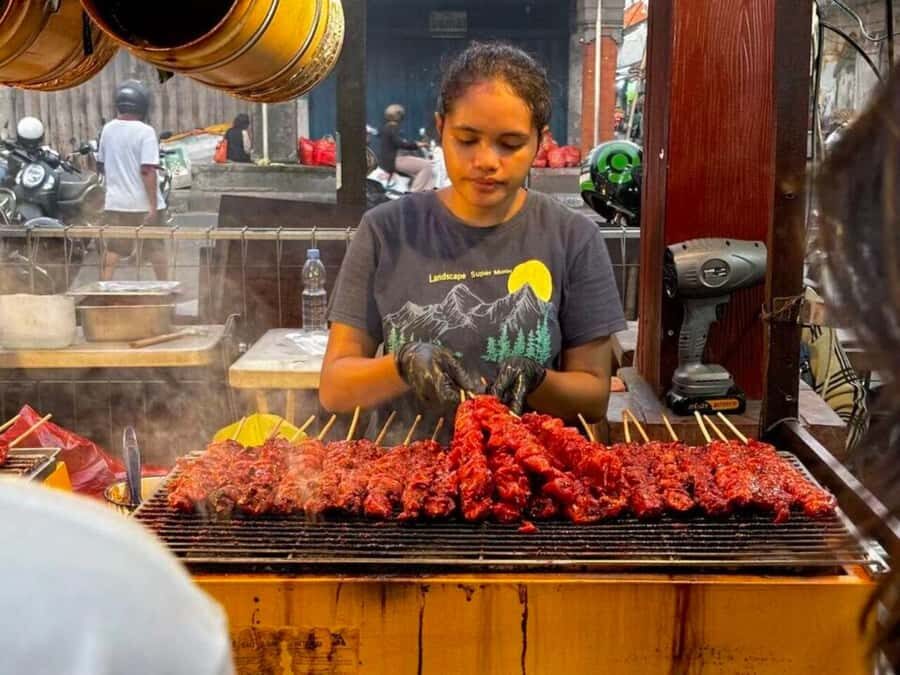
You should expect 5–7 Balinese dishes, and the exact lineup can vary depending on vendor availability. Some dishes are repeatedly listed as likely options, so use this as your flavor preview and ordering cheat sheet.
Here are the tastings you might get:
- Tipat Cantok: rice cake with peanut sauce. This is a classic comfort-meets-sauce dish, and the peanut flavor becomes your benchmark for Balinese richness.
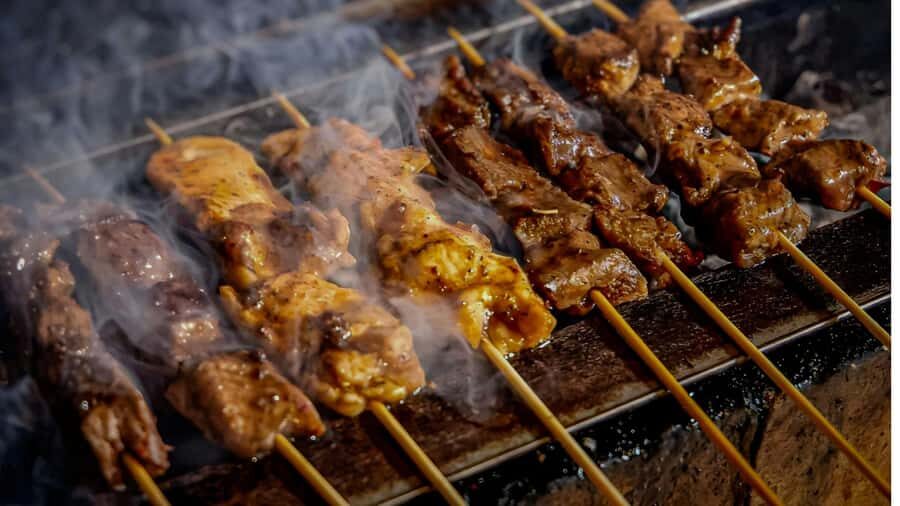
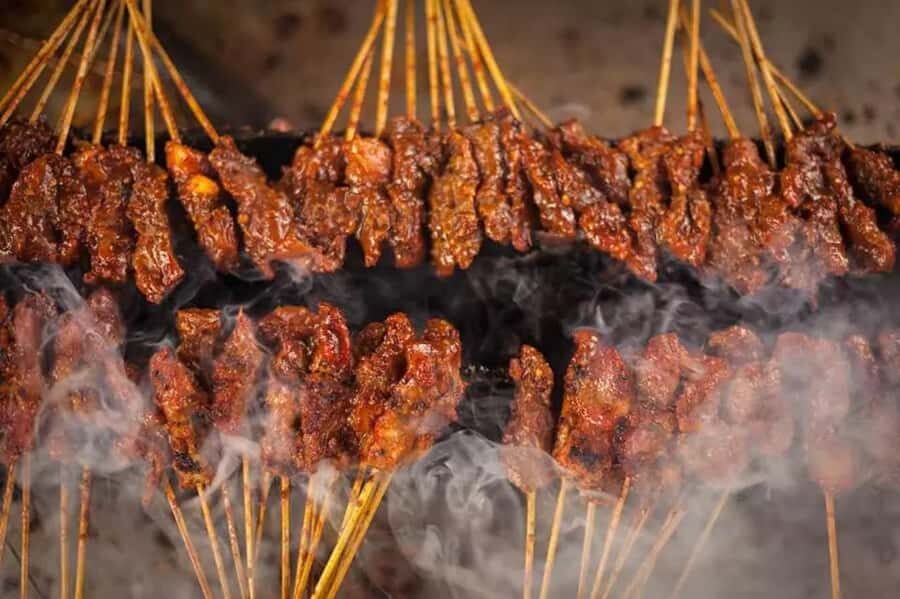
- Sate Lilit: minced fish satay on lemongrass. Expect the herb scent and a more fragrant satay profile than what you might know from elsewhere.
- Bubur Bali: warm porridge with meat and herbs. Warm bowl energy, built for a breakfast setting.
- Lawar: seasoned minced meat and veggies. This one helps you understand how Balinese mixes texture—meat and plant ingredients together with seasonings.
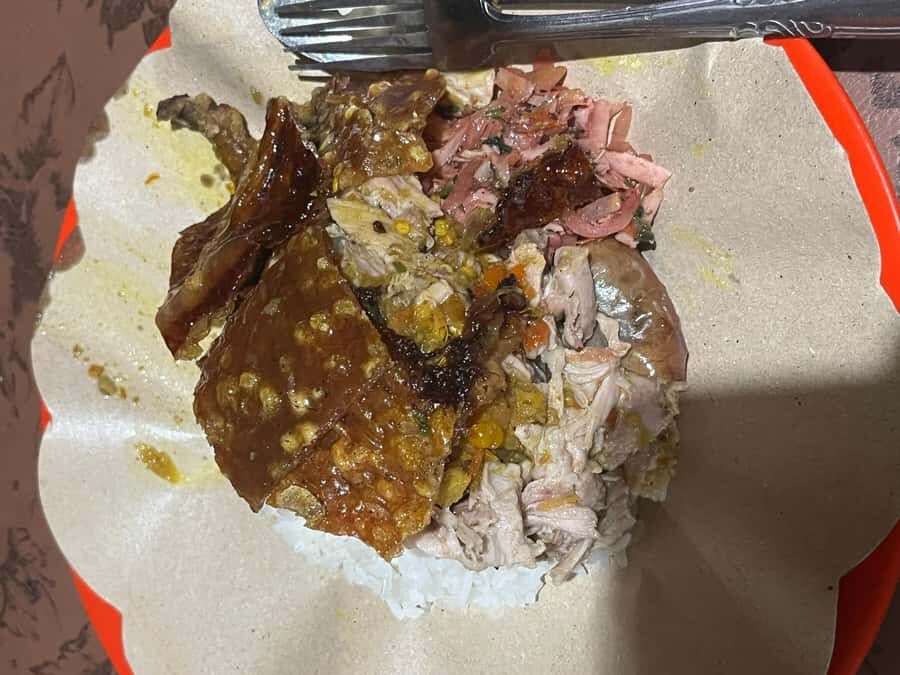
- Babi Guling: iconic Balinese roast pork. If you eat pork, this is usually a highlight because it represents a whole regional identity.
- Nasi Jinggo: rice packs with sambal and toppings. Think portable comfort: rice plus heat and extras.
- Loloh: cooling herbal drink. The tour balances savory tastings with something refreshing, which is important once spice builds up.
Even if you don’t know any of these names, you’ll learn quickly. The flavors tend to follow a logic: herbs and aromatics show up in multiple dishes, peanuts often appear in sauces, and herbs or warm elements repeat in breakfast foods. By the end, you’re not just full—you’re starting to recognize what’s Balinese about the food.
Two smart notes before you go:
First, vegetarian options are limited due to the nature of traditional dishes. If you’re aiming for a vegetarian-friendly day, you may leave hungry or disappointed. Second, some dishes may contain pork, peanuts, or spicy ingredients. If either of those is a problem, confirm with the guide before you commit, because the tour isn’t designed around allergy-safe substitutions.
Walking the market vs. eating station by station
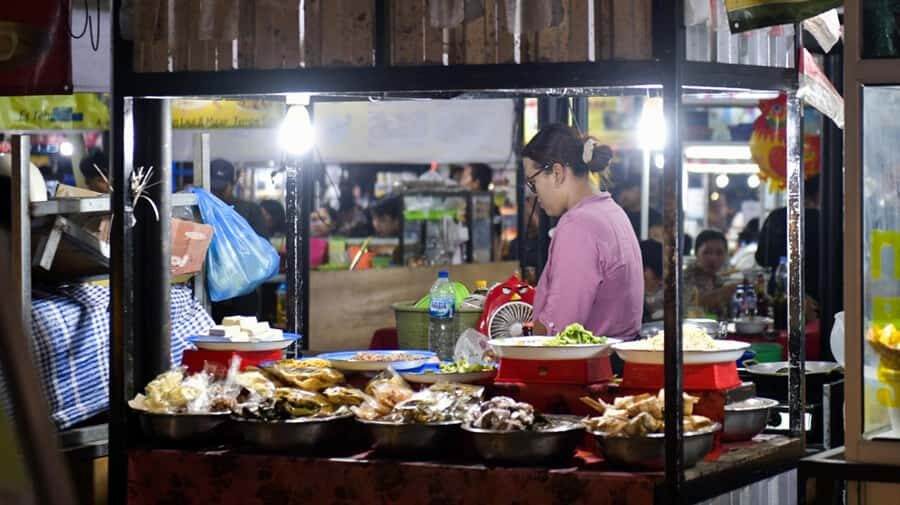
This tour is built around a walking market, but the exact flow can depend on how stalls operate and how ceremonies affect vendor availability. One account described the experience as more of a seated tasting where food was brought to them, with less observing of cooking and fewer steps than expected. That doesn’t mean it’s always like that—but it’s a reasonable consideration.
So what should you expect, realistically? You’ll likely move between vendors and tasting points, and you’ll get a guided walk through market areas. But there may be moments where your role is simply to eat and listen, especially when food is ready quickly or when a stall isn’t set up to receive visitors.
The upside of station-style tastings is speed and comfort. You can focus on flavor and explanation without needing to hover around hot griddles or navigate complicated vendor setups. The downside is that you might not see every step of preparation. If watching cooking is your top priority, go in with flexible expectations.
Either way, the key point is that you’ll still taste a representative set of Balinese dishes in a market environment. That’s the real value: you experience the food in its natural habitat, not in a separate staged setting.
Timing, pickup, and what to bring for 2–4 hours
The tour runs about 2–4 hours, with the Kreneng Market visit listed at around 2 hours. Pickup is optional and covers parts of Central Bali, including Ubud, Sanur, Kuta, Seminyak, Nusa Dua, Canggu, Uluwatu, and Jimbaran. Drop-off is listed for Ubud, Kreneng Market, and Bali, depending on your option.
If you’re staying in southern areas like Kuta or Seminyak, pickup can reduce stress. If you’re already nearby, walking to the meeting point may be simpler. Either way, plan your morning so you’re not rushing. The tour starts early to catch the breakfast scene, and arriving on time keeps you from missing the best selection.
Packing-wise, don’t overthink it. The practical list from the tour includes:
- Comfortable shoes for uneven surfaces
- Comfortable clothes
- A camera if you like documenting food stalls and market scenes
- Cash if you want to buy extra snacks or goods
- A reusable water bottle (you’ll appreciate it in the heat)
Also keep in mind that utensils and tissues are provided when available, but in some cases you may be eating local-style, including with hands. If that’s uncomfortable for you, think twice. If it’s fine, treat it as part of the cultural texture.
And yes, it runs rain or shine. If your umbrella turns inside out in the wind, you’ll still be walking. A light raincoat can work better than only relying on an umbrella.






Is $32 good value? Here’s how I’d judge it
At $32 per person for a guided market food experience, the value depends on what you want from the day. You’re paying for three things: a local guide, multiple tastings (5–7 dishes), and a market visit that gives context to what you’re eating.
If you’re the type of person who likes variety, this price starts to make sense fast. One or two dishes in a casual setting might cost about the same once you add drinks and small snacks. Here, the tour bundles tastings so you’re not doing the math while you’re hungry.
The bigger value is decision help. After tasting several dishes like Tipat Cantok, Lawar, and Nasi Jinggo, you’ll know what Balinese flavors feel like and which categories you prefer—savory snacks, warm porridge, herb-forward satays, or cooling drinks. That makes your next meal easier, and you can avoid wasting money on dishes you don’t enjoy.
That said, the format can affect satisfaction. If you’re expecting a cooking demonstration or a long, step-by-step walkthrough of preparation, some people may feel it’s more about tasting than observing. The tour still delivers the food and the cultural stories, but it might not match a hands-on chef-show expectation.
In short: it’s good value for variety + guidance. It’s not a full cooking class.
Who should book this Denpasar market food tour, and who should skip it
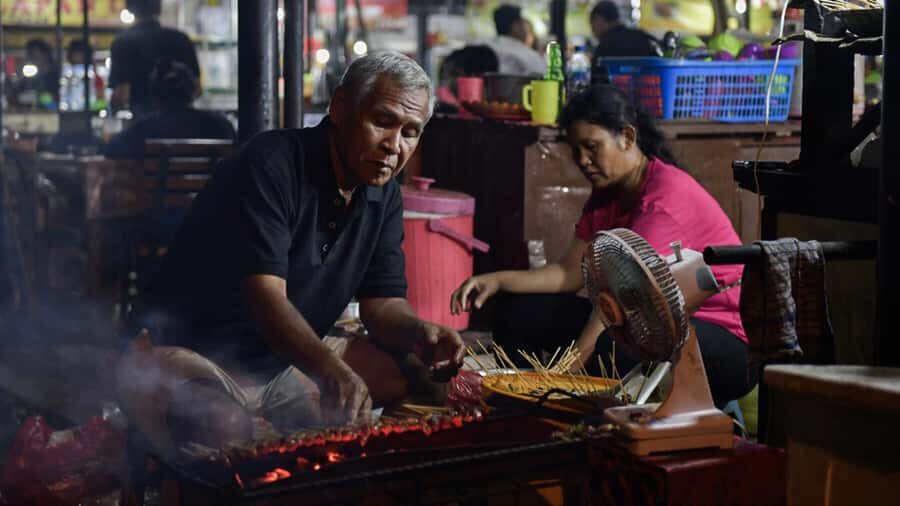
This tour fits best if you want a guided way to eat your way through Denpasar’s market culture. It’s ideal for first-time visitors who feel overwhelmed by market menus and want a structured plan. It’s also a strong option as a first stop for foodies because the tastings teach you how Balinese flavors work.
It may not fit if you need strict dietary control. The tour notes that vegetarian options are limited, vegans aren’t suitable, and it’s not suitable for people with severe food allergies or dietary restrictions. Some dishes may contain pork, peanuts, and spicy ingredients, and substitutions aren’t guaranteed.
It’s also not listed as suitable for pregnant women. That’s worth respecting without debate, since it’s a walking market with uneven surfaces and spicy or pork-inclusive dishes.
If you’re sensitive to hygiene or you have strict preferences about eating with hands, it’s a good idea to reconsider. The tour says utensils and tissues are provided when available, but sometimes you may be eating local-style.
Finally, if you’re the kind of person who gets impatient with market timing, come with a calmer mindset. Vendors may close without notice due to ceremonies or personal reasons. That’s normal in a working market, but it means your tasting menu might shift.
Should you book this Denpasar market food tour?
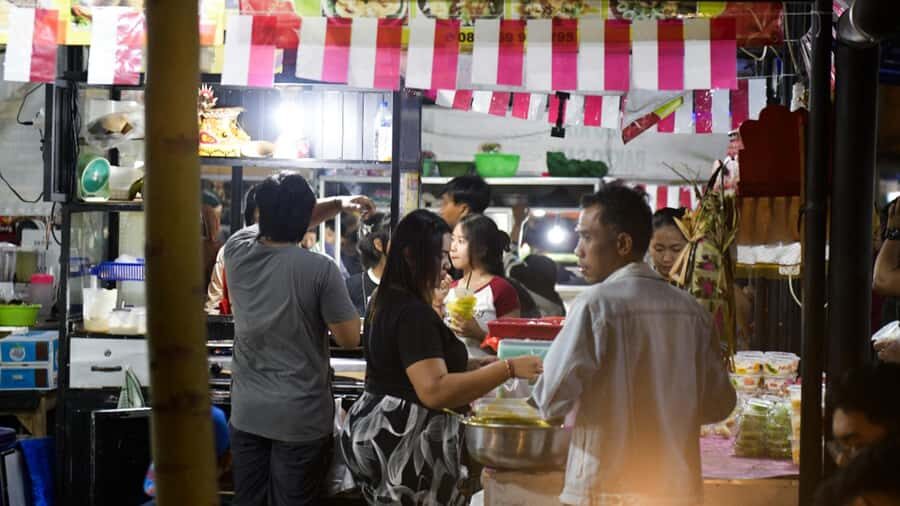
Book it if you want a guided Kreneng Market experience with multiple tastings, cultural context, and a clear plan that saves you from guessing. It’s especially worthwhile if you’re excited about dishes like Tipat Cantok, Sate Lilit, and Babi Guling, and you don’t mind market conditions.
Consider skipping or choosing a different option if you’re vegan, have severe allergies, or need consistently vegetarian meals. Also skip if your top priority is watching cooking step-by-step, since the flow can include seated or vendor-ready tastings rather than constant observation.
If you go in hungry, with comfortable shoes and the right expectations, this is a practical way to understand Balinese food where it actually happens—in the lanes, at the stalls, with stories attached to what you eat.
FAQ
Where do I meet the guide?
Meet your guide at the main entrance of Kreneng Market near the large Pasar Kreneng sign by the roadside. The guide will be wearing a Bali Trip Gotik T-shirt, and you should arrive 15 minutes before the activity starts.
How long is the tour?
The tour duration is listed as 2 to 4 hours. The visit to Kreneng Market is about 2 hours.
How many tastings will I get?
You’ll taste 5 to 7 traditional Balinese dishes as part of the guided tour.
What dishes might be included?
Dishes may include Tipat Cantok, Sate Lilit, Bubur Bali, Lawar, Babi Guling, Nasi Jinggo, and Loloh. The exact dishes can vary depending on vendor availability.
Are there vegetarian or vegan options?
Vegetarian options are limited, and vegans are not suitable for this tour.
Is it safe for people with food allergies?
It is not suitable for those with severe food allergies or dietary restrictions. Some dishes may contain pork and peanuts, and some include spicy ingredients.
Is pickup available?
Pickup is optional and covers Central Bali areas including Ubud, Sanur, Kuta, Seminyak, Nusa Dua, Canggu, Uluwatu, and Jimbaran.
What should I bring?
Bring comfortable shoes and clothes, a camera, cash, and a reusable water bottle.
Does the tour run in bad weather?
Yes, the tour runs rain or shine. Bring an umbrella or raincoat if needed.