A day like this can change how Bali feels in your head. This tour turns a standard sightseeing day into real conversations and real routines, starting with a local elementary school and finishing with dance and music that you’re close enough to feel. I especially like how it keeps moving through everyday moments, not just pretty photos.
I also like the hands-on parts: making Balinese offerings and cooking items like satay lilit, coconut oil, and roasted coffee. One thing to consider: it’s a packed 10-hour day with photos, walking, and cultural participation, so if you want a slow, low-effort tour, this may feel busy.
In This Review
- Key moments that make this tour worth your time
- A Full-Day Format That Feels Like You’re With the Community
- Where It Starts: Pickup, Visitor Center, Then Right Into Local Life
- The Elementary School Stop: The Fastest Way to Understand the Routine
- Barong Welcome Dance, Bamboo Music, and Offering Carrying
- Family Temple: Holy Water and Sacred Bracelets
- Rice Field Walk and Traditional Plowing Try-Out
- Food and Craft Workshops: Satay Lilit, Offerings, Coconut Oil, Coffee
- Lunch Time With JOGED Music and Dance Performances
- Photo Stops, Viewpoints, and Tirta Empul
- Renon Museum Miniatures: A Helpful Bridge to the Past
- Price and Value: Why $140 Can Make Sense for This Kind of Day
- Who This Tour Fits Best (and Who Should Skip It)
- Tips to Get the Best Day Possible
- Should You Book This Bali Village and School Tour?
- FAQ
- How long is the Bali Local Village and School Tour?
- What’s included in the price?
- Does the tour include a lunch with performances?
- Is there an English guide?
- What areas does the pickup and drop-off cover?
- Is this tour suitable for children?
- What should I bring and wear?
- Is it accessible for wheelchair users or pregnant women?
Key moments that make this tour worth your time
- A local school visit with kids in uniform and a clear look at the Balinese education system
- Barong welcome dance + bamboo music where you’re invited to participate, not just watch
- Temple holy water and sacred bracelets as part of a guided introduction to local practice
- Hands-on village cooking and making including satay lilit, offerings, coconut oil, and roasted coffee
- Lunch with JOGED music and dance performances, including child performers
- Renon Museum miniatures that help connect the day’s traditions to Bali’s past
A Full-Day Format That Feels Like You’re With the Community
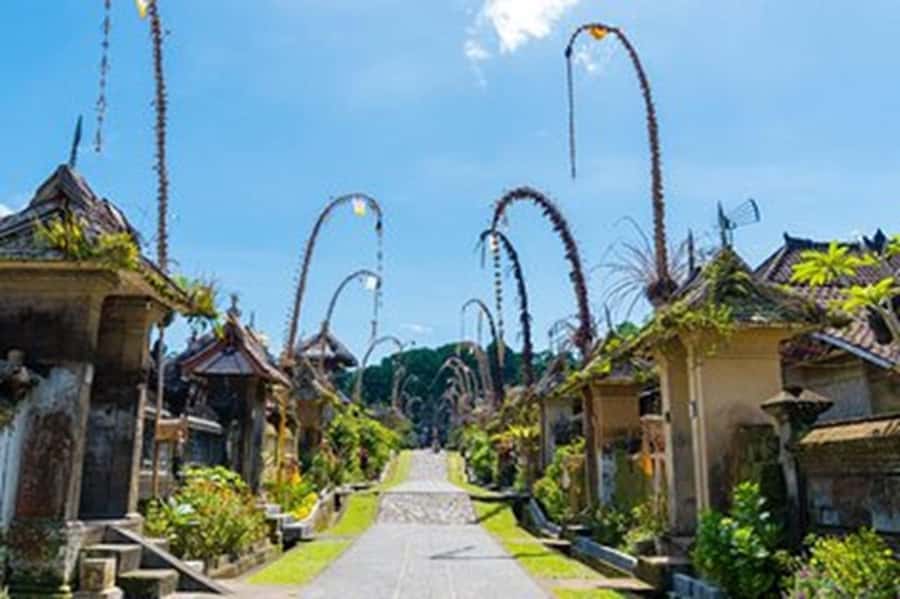
Bali can be easy to experience as a parade of temples and viewpoints. This 10-hour tour is different because it builds a storyline around daily life: school in the morning, village customs mid-day, then dance, food, and a museum stop near the end. You’re not just watching; you’re learning how people live and how traditions pass from one day to the next.
The best part is that the day is structured like a genuine program. Your English-speaking guide and driver (Bali Tour Driver Guide Suanda) keep the flow moving: introductions, a bit of participation, then a transition to the next place. That matters because Bali’s cultural context can get lost if you’re rushing from stop to stop without explanation.
The other key point: this is a participation-heavy day. You’ll be doing small activities like making offerings and trying cooking steps. If you prefer to keep things strictly observational, plan for moments where you’ll be asked to join in.
You can also read our reviews of more tours and experiences in Denpasar.



Where It Starts: Pickup, Visitor Center, Then Right Into Local Life
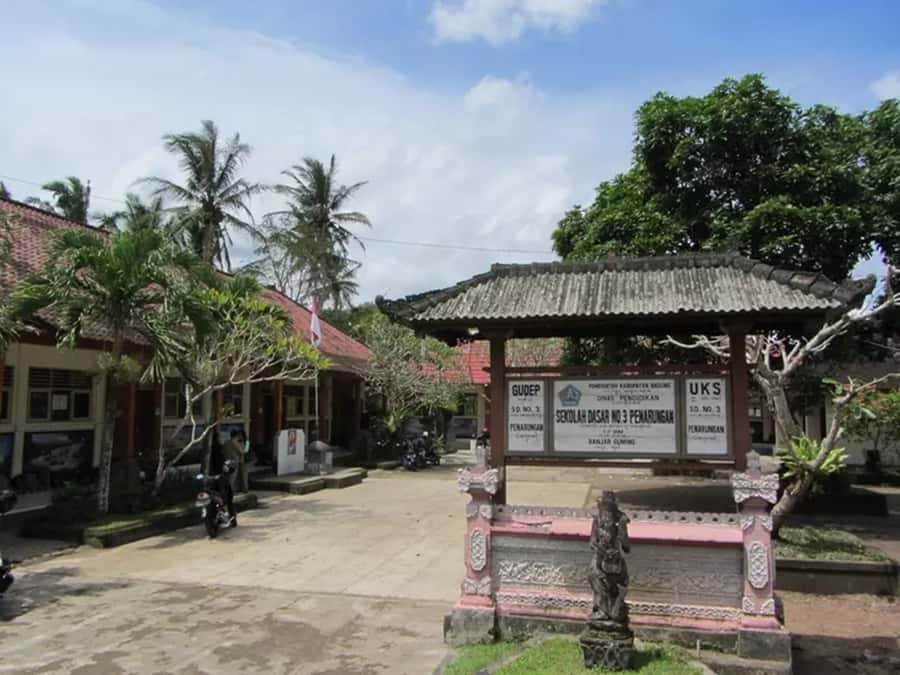
The day begins with multiple pickup options across southern Bali—Kuta, Canggu, Denpasar, Seminyak, Uluwatu, Ubud, and Kuta Selatan—with drop-offs in similar areas later. That door-to-door style can add real value. In a place where traffic can be unpredictable, having a scheduled pickup means you spend less time coordinating and more time seeing.
After pickup, you’ll head to a visitor center for about 30 minutes. This is a useful buffer. You get brief orientation before you step into more structured cultural moments like the school and village program. If you tend to feel frazzled at the start of a long day, this short start helps you settle in.
The Elementary School Stop: The Fastest Way to Understand the Routine
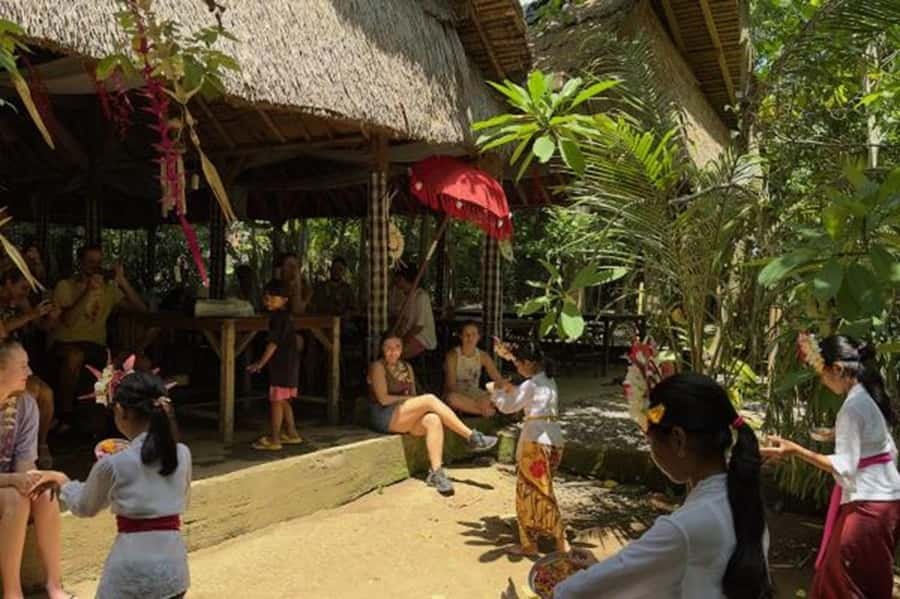
One of the strongest parts of this tour is the elementary school visit. On weekdays, you’ll see children in their uniforms and get explanations about the Balinese education system. The real value here is contrast: you’ll likely notice how the school experience fits into broader community life.
This stop also sets the tone for the day. School is a normal, everyday institution, so it grounds everything else—temples, rituals, village crafts—in the reality of children’s daily schedules. It’s also practical. A guided visit means you’re not guessing what you’re seeing.
A consideration: the tour isn’t suitable for kids under 9. Even if you’re traveling as adults, that age guideline often reflects the nature of classroom access and participation rules. If you’re bringing a family, it’s worth double-checking that ages match the operator’s limits.
Barong Welcome Dance, Bamboo Music, and Offering Carrying
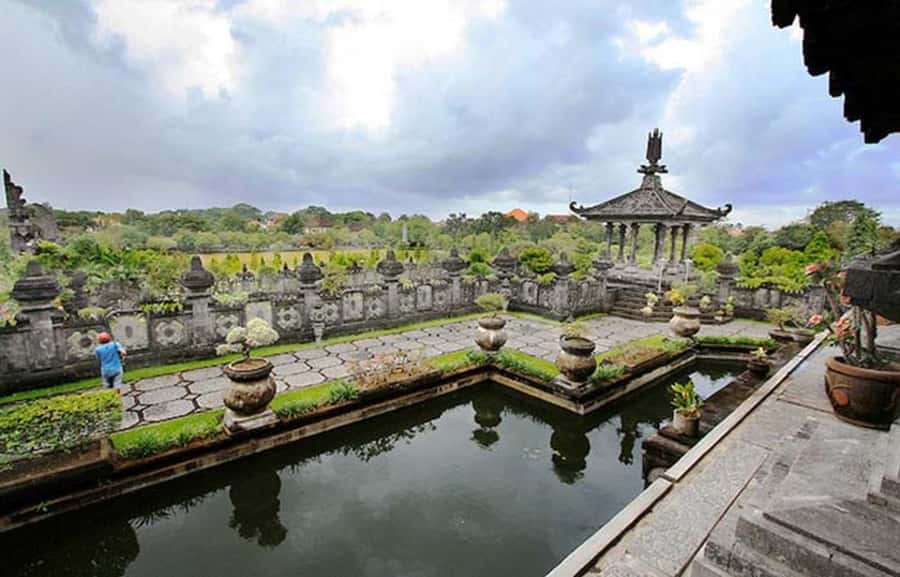
After the school, the program shifts into cultural welcome mode. You’ll see a welcome dance in the form of barong, and you’ll get interactive time with bamboo music. Instead of being passive, you’re given opportunities to try simple participation, which is where cultural tours often go from “nice” to memorable.
There’s also a very specific activity: women can learn how to carry Balinese offerings while walking. This kind of guidance can be fascinating because it’s not just symbolic—it’s a practical skill with real movement, posture, and everyday rhythm.
And yes, there are always moments where you’ll want to record with your camera. This day includes several photo stops, but the dance and music portion is the one you shouldn’t treat like a drive-by. Let your guide translate, then watch again with that context in mind.
If you’re sensitive to crowds or loud music, plan for a festive environment. The program is designed to feel like an actual welcome, not a quiet museum moment.
Family Temple: Holy Water and Sacred Bracelets
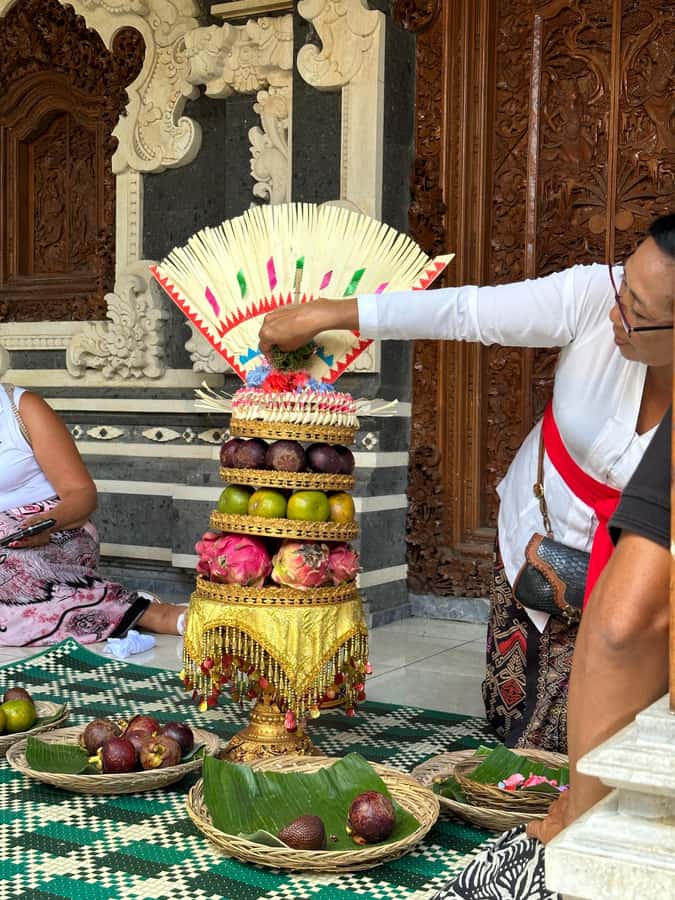
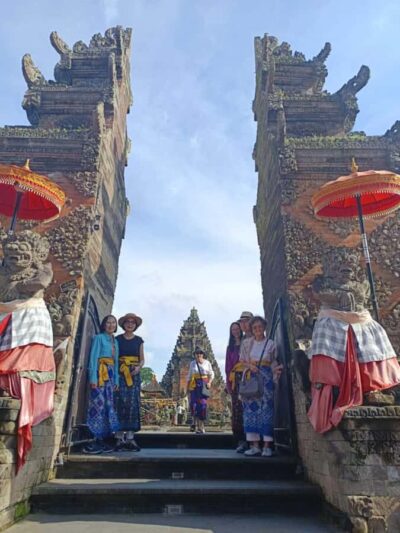
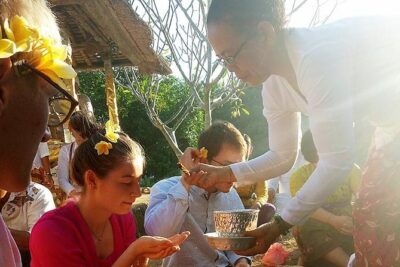
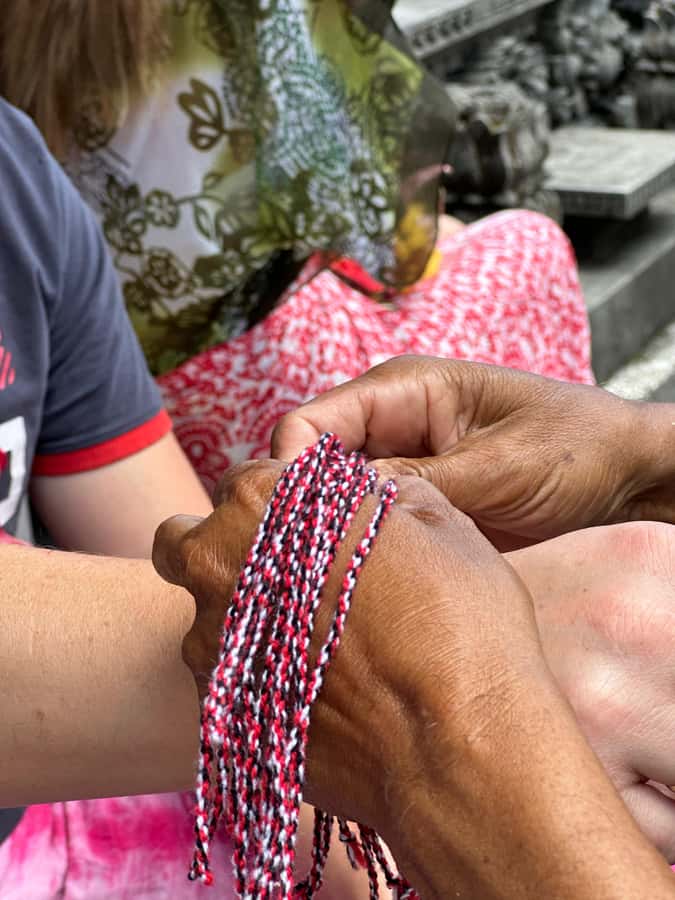
Next comes a family temple visit where you’ll learn about the ritual process. You’ll receive holy water and sacred bracelets as part of the experience. What makes this meaningful isn’t the object itself—it’s the guided explanation around why something like holy water fits into daily practice.
A tour like this works best when you stay respectful and follow the guide’s cues. Even if you don’t understand every term right away, you can usually understand the structure: what’s being offered, who leads, and what the ritual is meant to accomplish.
This is also a good moment to slow down physically. Earlier you’re moving through a sequence of activities; here you’ll have a more grounded pace. Bring a bit of patience here—temple visits tend to have their own timing and flow.



Rice Field Walk and Traditional Plowing Try-Out

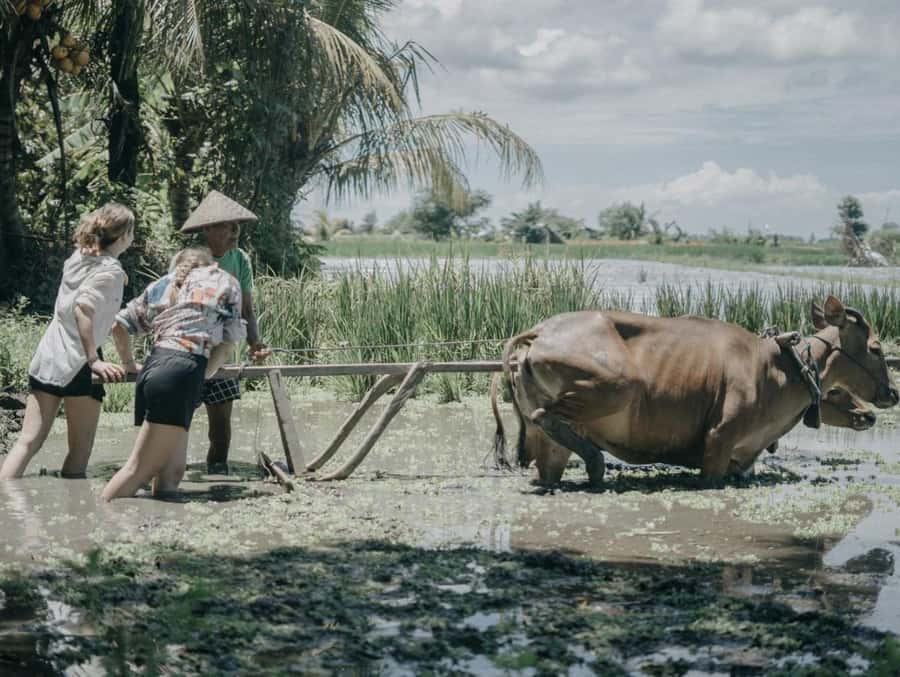
Then you move into the rice field area. You’ll walk through, and you’ll try your hand at plowing rice fields in the traditional way. This is one of those “sounds simple, takes effort” activities. Even small practice can show you what modern agriculture might hide.
The value is not only in the action. It’s the mindset shift. You start to see rice farming as a craft tied to community, seasons, and daily labor—not just a scenic theme for photos.
Practical note: you’ll want comfortable shoes. You’re outdoors, and you may walk on uneven ground. Also, this is the kind of activity that makes sunscreen and water feel non-negotiable.
Food and Craft Workshops: Satay Lilit, Offerings, Coconut Oil, Coffee
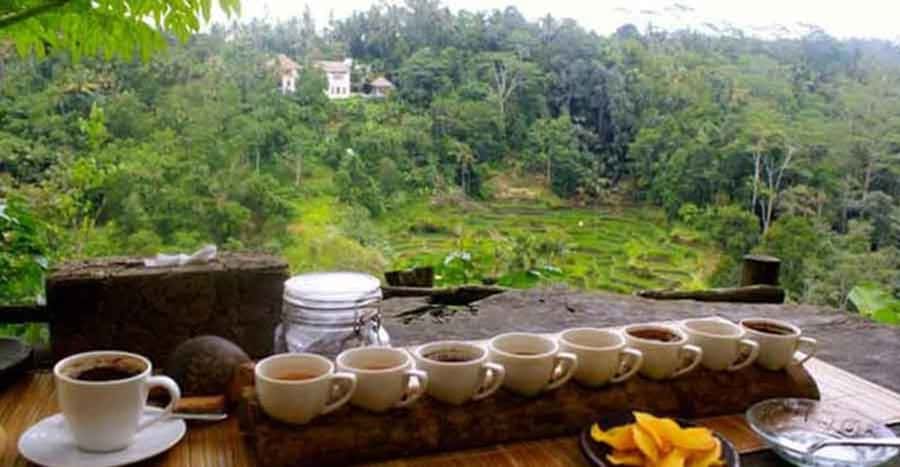
This tour earns a lot of points for hands-on village food and craft steps. At the local house, you’ll try making Balinese satay lilit, preparing Balinese offerings, making coconut oil, and roasting coffee. That’s a lot packed into one time window, but it’s exactly why the experience feels active instead of passive.
Here’s why I think this is the core value: food and offerings are daily culture in a way that dances and temples can’t always be. You can see the steps, smell the ingredients, and understand the effort behind the end result.
Also, these activities are naturally “conversation starters.” When you’re forming offerings with guidance, or roasting coffee, you ask questions without realizing you’re asking. The guide’s role becomes clearer here—helping you connect the what with the why.
One more consideration: you may get busy. This is a full day. If you don’t like multitasking or you prefer one or two activities max, you might feel rushed here. Still, it’s a smart way to cover multiple cultural skills without hopping between too many unrelated locations.
Lunch Time With JOGED Music and Dance Performances
Lunch isn’t just a meal on this tour. It comes with music and dance. You’ll enjoy a lunch session accompanied by the JOGED music dance and additional Balinese dance performances, including a Balinese dance from talented children.
This is a high-payoff moment because it ties together everything you’ve seen. Earlier you’ve watched welcoming dance and learned about offerings. Now you’re eating while dance and music happen, which shows how performance isn’t isolated to ceremonies. It’s part of everyday community life.
If you’re the type who needs a quiet break, you may want to pace yourself at lunch. Bring your attention back to the performance, but also give your body a little recovery time so you can enjoy the remaining stops.
Photo Stops, Viewpoints, and Tirta Empul
Between the village program and the museum, the schedule includes several stops that are mainly sightseeing and photo-focused—things like a scenic photo stop at Ubud Jungle Swing, a view point, a secret photo stop, plus a Tirta Empul stop for photo time and guided sightseeing.
What I like about these segments is that they add variety. You still get cultural context, but you also get that Bali “outdoor time” where the scenery and atmosphere help you reset your brain.
The trade-off is time. Every photo stop is also a time commitment, even if you don’t do a full activity. If you’re optimizing for culture per minute, these segments may feel like breathing room rather than essential learning.
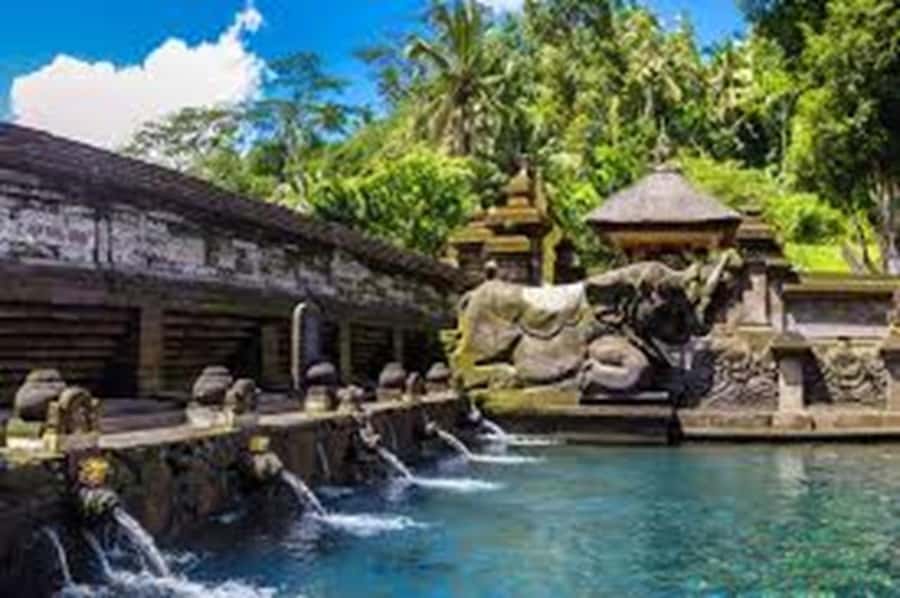
Tirta Empul is the most substantial of these sightseeing moments because it’s a named place with guided attention and photo time. It helps keep the day from becoming only village-and-food.
Renon Museum Miniatures: A Helpful Bridge to the Past
After the traditional village program finishes, you continue to Renon Museum to see miniatures of Balinese history in the past. This is a smart closing move because it connects what you practiced earlier—rituals, community life, and dance—with a broader timeline.
Even if miniatures aren’t your favorite museum format, they can be helpful when you’ve just spent the day in lived culture. The museum gives your brain a place to file the day’s experiences into a bigger story.
If you’re short on patience, focus on the parts that visually connect to daily religion and historical change. A guided explanation (when provided) usually helps you avoid the “I see objects, but I don’t know what I’m looking at” problem.
Price and Value: Why $140 Can Make Sense for This Kind of Day
At $140 per person for a 10-hour tour, the price feels steep at first glance. But look at what’s included: transport, lunch, mineral water, parking fees, and all entrance fees and donations. You also get a live English guide and skip the ticket line.
That combination is where the value can land. If you had to recreate this day yourself, you’d pay transport costs, pay entrance fees across multiple locations, and still need local context. What makes the price easier to justify is the hands-on set of workshops—satay lilit, offerings, coconut oil, and roasted coffee—plus the dance and school visit with explanations.
The real question isn’t only cost. It’s what you’re buying: a guided cultural pathway with participation, not just transportation. If you want a slow scenic day, you’ll likely feel less satisfied. If you want a structured cultural immersion through everyday life, this is the kind of itinerary that can feel worth it.
Who This Tour Fits Best (and Who Should Skip It)
This tour fits best if you want a day that mixes culture, food making, and village life with clear guidance. You’ll also like it if you enjoy learning through participation—playing bamboo music, trying rice field plowing, and making offerings.
It’s not suitable for children under 9, pregnant women, and wheelchair users. That matters because some activities and walking segments can be physically demanding and not always predictable.
If you’re traveling as a couple, or as friends who don’t mind an active schedule, it’s a strong choice. If you’re traveling with someone who wants quiet, minimal walking, or strictly non-participatory sightseeing, you might find the pace challenging.
Tips to Get the Best Day Possible
Bring comfortable shoes and dress for sun and heat. You’ll have outdoor walking and photo stops, plus practical activities at the village and fields. A hat, sunscreen, and water are essential.
Also, camera time is frequent, but don’t turn every moment into a screen. Watch first, then record. You’ll enjoy the dance and music more when you understand what you’re seeing.
Finally, keep expectations realistic. This is one long day with many transitions. If you treat it like a menu and pick what you care most about—school, food workshops, temple rituals, dance—you’ll get a much better experience.
Should You Book This Bali Village and School Tour?
If your goal is to experience Bali through daily routines—school life, village crafts, and dance tied to community—you should seriously consider booking. The strongest reason is the mix of learning and doing, not just watching. The most praised moments of the day tend to cluster around the welcoming dance and music participation, the hands-on food and offering workshops, and the structured school and temple context.
I’d skip it if you want a relaxed schedule, minimal walking, or a tour that stays purely observational. At the same time, if you can handle a full day and you like cultural participation, this itinerary is one of the better ways to spend 10 hours in Bali without feeling like you’re only collecting sights.
FAQ
How long is the Bali Local Village and School Tour?
The tour lasts 10 hours.
What’s included in the price?
Included are all entrance fees and donations, lunch, transport, a driver as your guide, mineral water, and parking fees.
Does the tour include a lunch with performances?
Yes. Lunch is accompanied by JOGED music and dance, along with additional Balinese dance performances.
Is there an English guide?
Yes, the tour includes a live English-speaking tour guide.
What areas does the pickup and drop-off cover?
Pickup options include Kuta, Canggu, Denpasar, Seminyak, Uluwatu, Ubud, and Kuta Selatan. Drop-off options include Seminyak, Kuta Selatan, Denpasar, Canggu, Uluwatu, Kuta, and Ubud.
Is this tour suitable for children?
It is not suitable for children under 9 years old.
What should I bring and wear?
Bring comfortable shoes, a hat, camera, sunscreen, water, and comfortable clothes.
Is it accessible for wheelchair users or pregnant women?
No. It is not suitable for wheelchair users or pregnant women.