A calm art stop in Nusa Dua. Museum Pasifika is a great way to spend a day with 600+ works and a guided audio that helps you connect dots fast. I especially liked the relaxed gallery mood and the mix of Indonesian art with Pacific sculpture. One thing to consider: some visitors note it can feel less climate-controlled, so you’ll want to plan around humidity.
You’re not getting a checklist of famous names only. You’re walking through themed rooms that let you see how artists viewed Asia, how Indonesian painters evolved, and how Pacific cultures shaped major collections. The ticket includes small comforts like cold towels and drinks, which matter in Bali. Still, if you expect perfectly protected, air-conditioned museum display cases, you might find it less polished than bigger Western institutions.
If you go in with the right mindset—curious, patient, and willing to use the audio—you’ll likely have a satisfying, low-stress art afternoon.
In This Review
- Key things to know before you go
- Museum Pasifika in Nusa Dua: calm galleries, big art coverage
- 600+ artworks in one day: how the layout helps you enjoy it
- Indonesian Masters and the rooms where Europe looked east
- Michoutouchkine and Pilioko: the Pacific sculpture collection that takes your breath away
- Legendary Western Artists Exhibition: Gauguin in the Tahiti period and more
- Using the audio guide in English or Indonesian without getting lost
- What’s included in your $7 ticket—and where small comforts matter
- Photo rules and the humidity issue to take seriously
- Who should book Museum Pasifika—and who might not love it
- Should you book Museum Pasifika admission? My call
- FAQ
- How much is admission to Museum Pasifika in Nusa Dua?
- What does the ticket include?
- Is the audio guide included, and what languages are available?
- How long is the ticket valid?
- Where do I show my ticket?
- Are children allowed free entry?
- Is flash photography allowed?
- Are tripods allowed?
- Is the museum wheelchair accessible?
- Is hotel pickup or drop-off included?
Key things to know before you go
- A 1-day ticket for Museum Pasifika in Nusa Dua, valid for the visit date you choose
- Audio guide in English or Indonesian to help you understand what you’re seeing
- 600+ artworks by 200 artists, including Indonesian Masters and European artists in Asia
- Michoutouchkine and Pilioko Pacific collection: about 200 sculptures from 10 Pacific nations
- Onsite refreshment like tea, coffee, and infused water plus cold towels for comfort
- Rules to remember: no flash photography or tripods, and no sharp objects/weapons
Museum Pasifika in Nusa Dua: calm galleries, big art coverage
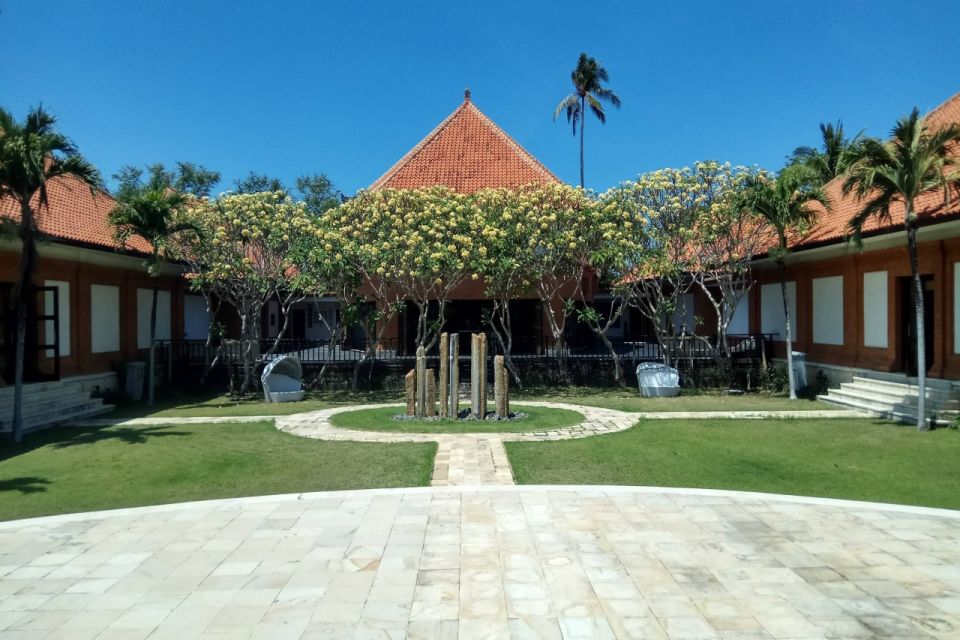
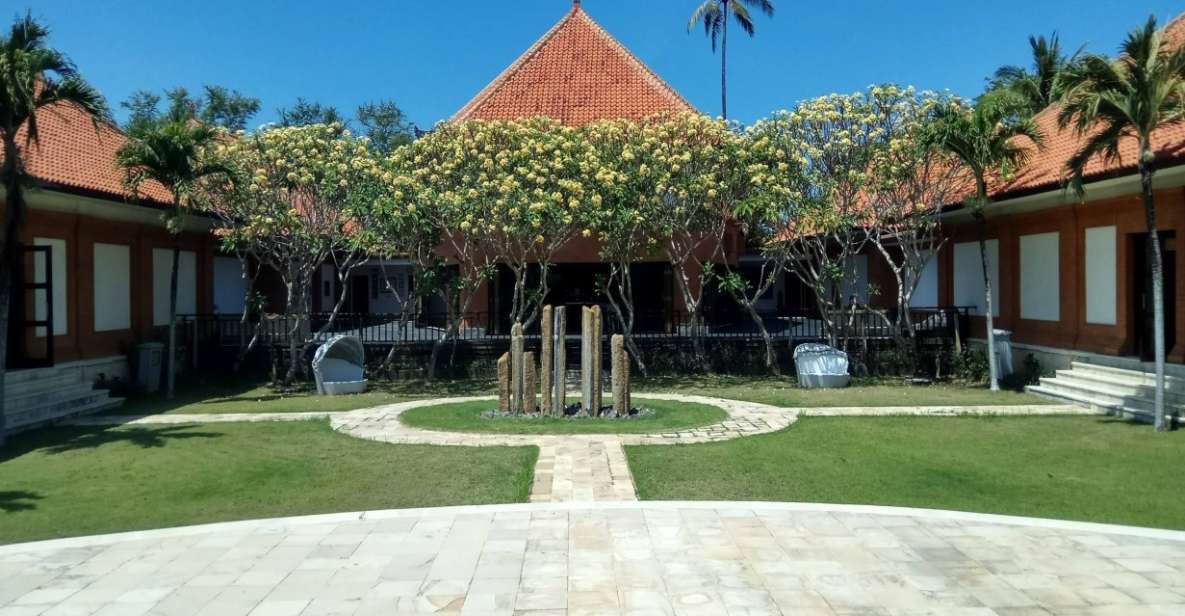
Museum Pasifika sits in Nusa Dua, Bali—an area that’s often more resort-focused than museum-focused. That makes it feel like a small counter-program option: instead of a crowded tour circuit, you get a quieter place to look closely.
The museum’s strength is the range. You can spend your day moving between painting rooms and sculpture galleries without the experience feeling random. I like how the collection isn’t just one theme; it’s structured around art movements and regions, so you can start noticing patterns instead of getting overwhelmed.
At about $7 per person, the value is hard to beat if you enjoy museums but don’t want to spend your whole day in transit. One practical note: there’s no hotel pickup, so you’ll need to get there on your own plan.
You can also read our reviews of more tours and experiences in Denpasar.


600+ artworks in one day: how the layout helps you enjoy it
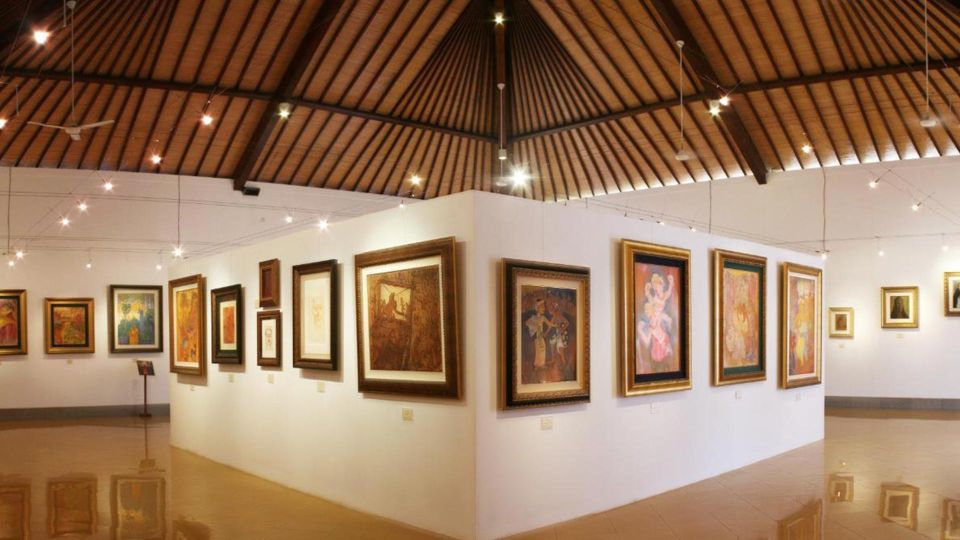
This ticket gets you entry to a collection described as 600+ artworks by 200 international artists. That’s a lot on paper, but the museum is set up so you can move at your pace, then use the audio to choose what to focus on.
Here’s how I’d think about the flow:
First, you’ll likely start with the painting-heavy areas. The museum showcases historic and contemporary work across the Asia Pacific—so you’ll see styles and techniques that feel very different from room to room. The audio guide helps you avoid the common museum problem: staring at a painting for 15 minutes without knowing what you’re meant to notice.
Then you’ll shift toward the sculpture galleries, including the Pacific-focused Michoutouchkine and Pilioko collection. That change of medium is a relief. Paintings ask for close looking; sculptures invite you to slow down and walk around shapes and textures.
Finally, you’ll encounter a Western artists section tied to their time in Asia (including a Tahiti connection). That part is useful if you want to understand the global “view from elsewhere” angle—how European modernists interpreted places like Indonesia, Bali, and the wider Pacific.
Because the ticket is valid for a day, you can also treat the museum like a flexible half-day plus buffer. If you get tired, you can pause. There’s a café onsite, plus free Wi-Fi if you want a quick reset before continuing.
Indonesian Masters and the rooms where Europe looked east
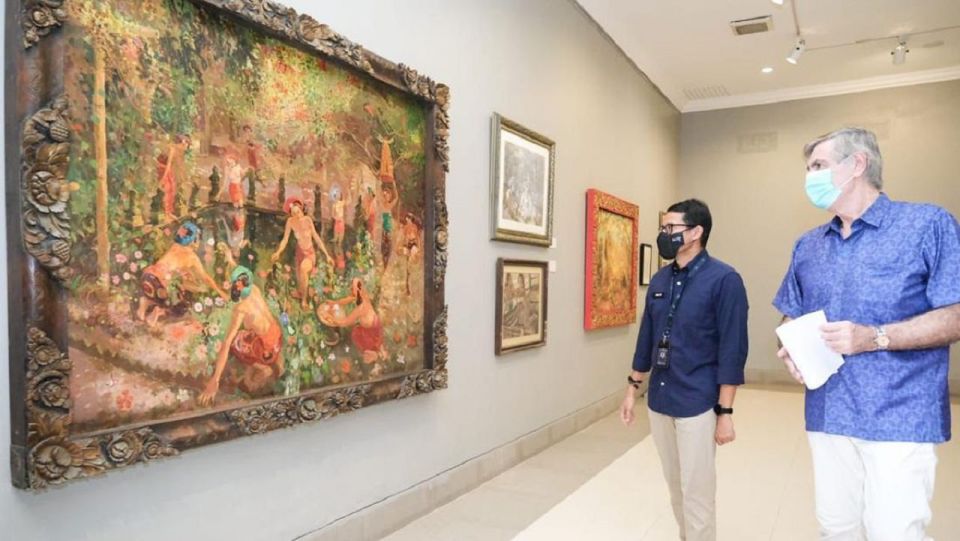
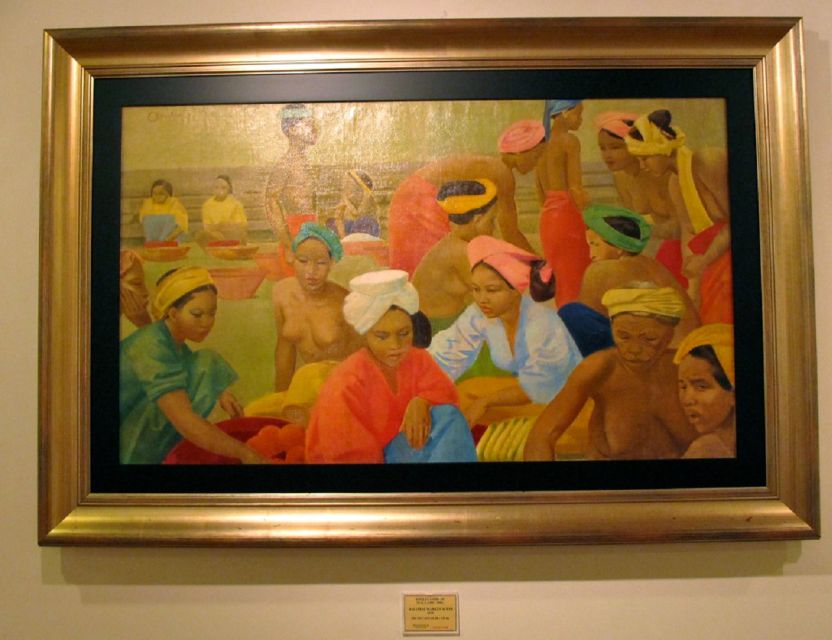
One reason Museum Pasifika earns my respect is that it doesn’t treat Indonesian art like a side note. It highlights Indonesian Masters by name, and you’ll see how the collection holds both heritage and individual style.
You’ll have a chance to look for works attributed to major Indonesian names such as Raden Saleh, Lempad, Affandi, Hendra, and Kobot. Even if you don’t know their work today, seeing these artists in one museum helps you build a mental map of Indonesian painting traditions and modern directions.
The museum also includes rooms tied to Indo-European artists influenced by Asia—especially Indonesia and Bali. Names you may recognize include Walter Spies, Miguel Covarrubias, Jean Le Mayeur, and Charles Sayers. What I find interesting here is the “in-between” position: these artists weren’t just traveling; they were observing a culture and translating it through their own artistic training.
Look out for the way galleries group artists by region or style. When you see it clustered, you start noticing repeated motifs, subject choices, and how different artists represented the same types of scenes. That’s where an audio guide pays off, because it helps you connect what you’re seeing to context instead of leaving it as a random set of images.
There’s also mention of works connected to the “Beaux-Arts” School of Hanoi, acknowledged in contemporary international exhibitions and publications. That’s a clue that the museum isn’t only about old-world prestige; it’s also trying to show how artistic education and modern exhibitions travel across borders.
Michoutouchkine and Pilioko: the Pacific sculpture collection that takes your breath away
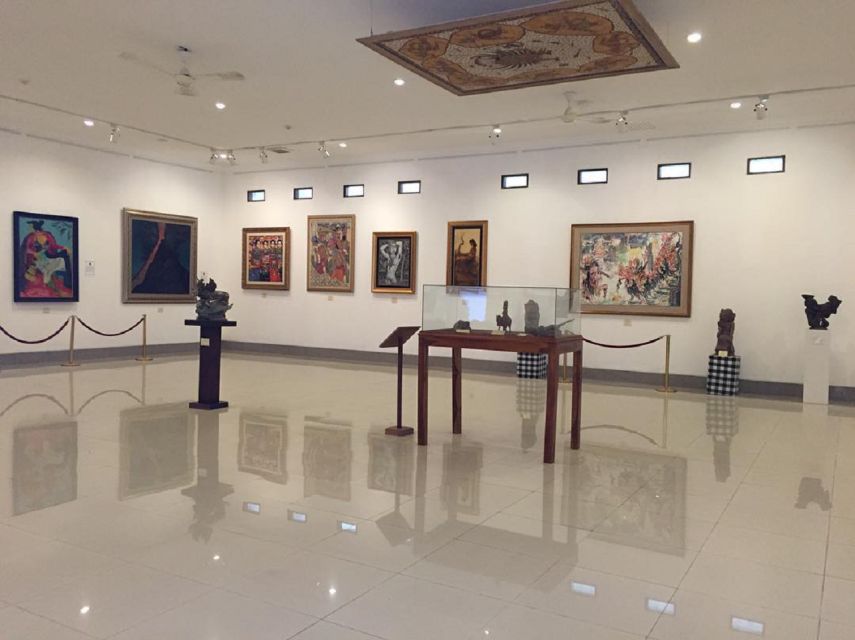
If you want one clear reason to prioritize this museum, it’s the Pacific sculpture focus. Museum Pasifika houses the Michoutouchkine and Pilioko Collection of Premier Art of Oceania, described as around 200 sculptures from 10 different nations of the Pacific Ocean.
This is one of those collections that makes the “why a museum?” question feel worthwhile. Instead of scattered artifacts, you get an organized group that lets you compare sculpture styles and materials. It also changes your pace: you’ll move slower, because sculptures often reward walking around them.
A big detail here is the collection’s lifespan. It was collected over 50 years by the two artists tied to the name. That long collecting window matters, because it usually means the pieces weren’t all assembled overnight in one buying spree. You get a better sense of variety and continuity.
When you’re in these galleries, I’d use the audio guide to understand what nation or cultural context you’re looking at. Without that, sculpture can feel like “cool objects.” With context, it becomes a visual language—carving choices, symbolic themes, and variations across regions.
Legendary Western Artists Exhibition: Gauguin in the Tahiti period and more
Another standout section is the Legendary Western Artists Exhibition. You’ll see works connected to major figures and, notably, Paul Gauguin during his Tahiti period.
Why this matters: Gauguin is one of those artists people talk about endlessly, but it’s easy to forget that his art is tied to places outside Europe. Seeing his work in a museum that also focuses on Asian and Pacific artistic encounters gives you a more grounded sense of how travel and observation fed his style.
Beyond Gauguin, the museum’s Western artists area includes names like Henri Rousseau, Henri Matisse, Auguste Rodin, Marvina Hoffmann, and Bernard Buffet—artists with very different approaches, from post-impression and modern figure work to sculptural and later interpretations.
Even if you’re not a specialist, this section is useful because it frames global art as a network of influences rather than a set of isolated “schools.” You’re basically getting a museum conversation: how Western artists looked outward, and how those outward views shaped modern art.





Using the audio guide in English or Indonesian without getting lost
The ticket includes an audio guide, described as optional, with English and Indonesian options. In a museum this size (and with that many works), an audio guide isn’t a luxury—it’s a time-saver.
Here’s how to use it smartly:
- Start with one or two rooms you care about most, then let the audio guide “earn” the rest of your time by pointing out what’s special in each section.
- Don’t hit every single stop. You’ll get more satisfaction if you pick highlights and let your curiosity lead the final 20-30%.
- Use it especially when you see Indo-European works or Pacific sculptures, because context changes your interpretation quickly.
The audio guide also helps because the museum covers both historic and contemporary pieces. Without spoken context, it’s easy to feel like you’re guessing which era you’re looking at. With it, you can keep track of themes across rooms.
What’s included in your $7 ticket—and where small comforts matter
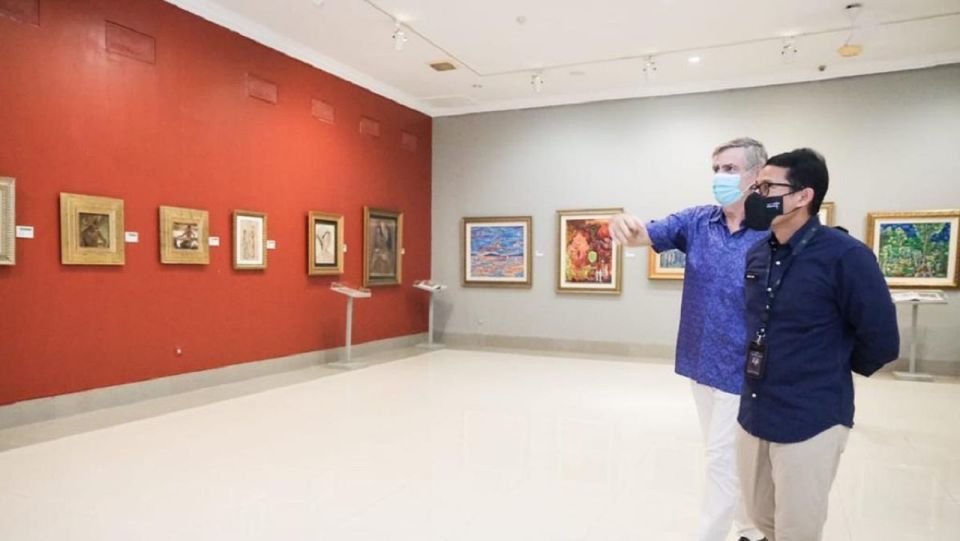
For around $7 per person, Museum Pasifika is positioned as a value entry into serious art viewing. What makes that price feel fair is the package of extras you get with admission:
- Admission ticket
- Audio guide
- Refreshment and drinks such as tea, coffee, or infused water
- Cold towel
- Onsite café and free Wi-Fi
In Bali heat, those comfort details are not fluff. A cold towel and a drink keep you functioning, especially if you slow down to look closely at details. I also like that the museum has a large parking area, since it makes independent access easier.
What’s not included is hotel pickup and drop-off. So you should plan your transport accordingly. This is a simple museum day, not a packaged door-to-door tour.
Photo rules and the humidity issue to take seriously
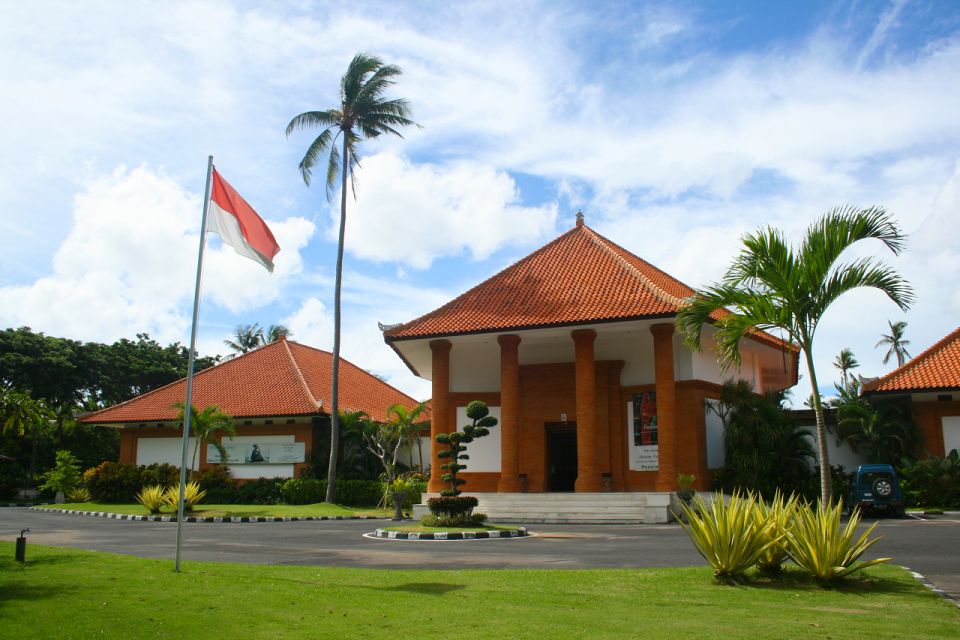
Museums usually have rules, and here they’re pretty straightforward. You’re not allowed flash photography and you can’t use tripods. Weapons or sharp objects aren’t allowed either. If you’re a casual photographer, just remember that phone camera without flash should be fine.
Now for the practical concern to address honestly: one review noted a lack of air-conditioning and doors left open contributing to humidity, plus the sense that some artworks aren’t protected in the way you might expect. I can’t promise that will be your experience everywhere in the building, but it’s a valid heads-up.
How to handle this in real life:
- Go in with water and a plan to take short breaks. The cold towel and drinks help, but your body still needs recovery time.
- If you’re sensitive to heat, choose a timing that avoids the hottest parts of the day.
- If you’re looking at paper-based works or anything that seems delicate, don’t lean in too close for long. Just keep a respectful viewing distance and move on.
This isn’t the kind of museum where you should expect climate perfection. It’s more about the art and the collection than a “sealed, sterile” display environment.
Who should book Museum Pasifika—and who might not love it
This museum is a strong match if you:
- Like a museum day without a huge time commitment
- Want a Pacific + Indonesian + Europe-in-Asia mix in one place
- Enjoy using an audio guide to make sense of rooms
- Prefer quieter galleries over big group tours
It might be less satisfying if you:
- Expect heavy climate control, fully protected displays, and perfect presentation standards
- Only want the most famous world art titles and nothing else
- Are looking for a guided group commentary style tour with a lot of storytelling from a person
For most people who love art but want flexibility, Museum Pasifika hits a sweet spot: big collection, clear themes, and comforts included.
Should you book Museum Pasifika admission? My call
I’d book this if you’re in Bali and you want a calm, meaningful museum visit that doesn’t drain your budget or your entire day. The value is strong for what you get: 600+ works, a usable audio guide, and a Pacific sculpture collection that’s genuinely distinct.
But book with realistic expectations about museum conditions. Bring a heat mindset. Use the included refreshments. And focus on the experience rather than perfection. If you do that, you’ll likely come away feeling like you spent your money on something that’s worth your time—especially for the Michoutouchkine and Pilioko Pacific sculptures and the Indonesian-and-Asia connections across the galleries.
If you want one art day that’s quieter than most Bali itineraries, this is a good one.
FAQ
How much is admission to Museum Pasifika in Nusa Dua?
The price is listed as about $7 per person.
What does the ticket include?
It includes the admission ticket, an audio guide, refreshments, a cold towel, and drinks such as tea, coffee, or infused water.
Is the audio guide included, and what languages are available?
The audio guide is included with the ticket, and it’s available in English and Indonesian.
How long is the ticket valid?
The ticket is valid for 1 day for the visit date you select.
Where do I show my ticket?
Show your ticket at the reception area for Museum Pasifika Bali.
Are children allowed free entry?
Children aged 0–11 can enter free of charge.
Is flash photography allowed?
No, flash photography is not allowed.
Are tripods allowed?
No, tripods are not allowed.
Is the museum wheelchair accessible?
Yes. It is wheelchair accessible and includes wheelchair and motorized wheelchair access in galleries and facilities.
Is hotel pickup or drop-off included?
No, hotel pickup and drop-off are not included.