A Balinese cooking class that’s actually hands-on. You start at the Ubud markets, then move into a real paon kitchen to cook with traditional ingredients and methods, not just watch. I especially love how the class stays focused on spicy food skills and how the flow encourages you to do each step yourself. One thing to consider: the early start means you’ll want to eat breakfast light, bring comfy shoes, and arrive on time for the market meeting.
If you care about understanding Balinese food culture, this works because you’re guided by the host in the village setting, not stuck behind a counter. You’ll also leave with practical guidance you can use later, including tips for substitutions when you can’t find the same Bali ingredients.
In This Review
- Key Things You’ll Notice Right Away
- A Balinese Morning at the Ubud Markets (8 am Option)
- The Paon Kitchen Experience: Traditional Cooking, Not a Demo
- Laplapan Village, Warm Welcome, and Guidance from Puspa
- Spicy Food Focus and Rotating Stations You Can Actually Use
- What You’ll Cook, and What Makes the Class Feel Complete
- Lunch Included: Eating Your Results Like a Local
- Transfers, Pickup Areas, and How to Avoid Timing Headaches
- Price and Value: Is $40 Worth 3–4 Hours of Real Learning?
- English Guidance and Small Group Energy
- Who This Bali Paon Cooking Class Suits Best
- Should You Book This Ubud Paon Cooking Class?
- FAQ
- Where is the meeting point?
- How long is the cooking class?
- What is the price per person?
- Is lunch included?
- Is there hotel pickup?
- What language is the host or greeter?
- Does the class focus on spicy food?
- Is there free cancellation?
- Do you get anything to take home?
Key Things You’ll Notice Right Away
- Ubud markets first: pick herbs, spices, vegetables, and meat before you cook
- Spice-forward training: learn how to handle the heat and balance flavor
- A village kitchen setup: fully equipped and focused on real prep work
- Small group feel: more chances for you to cook, not just observe
- English guidance with a dedicated host, including help from Puspa
- You eat your own dishes with lunch included
A Balinese Morning at the Ubud Markets (8 am Option)
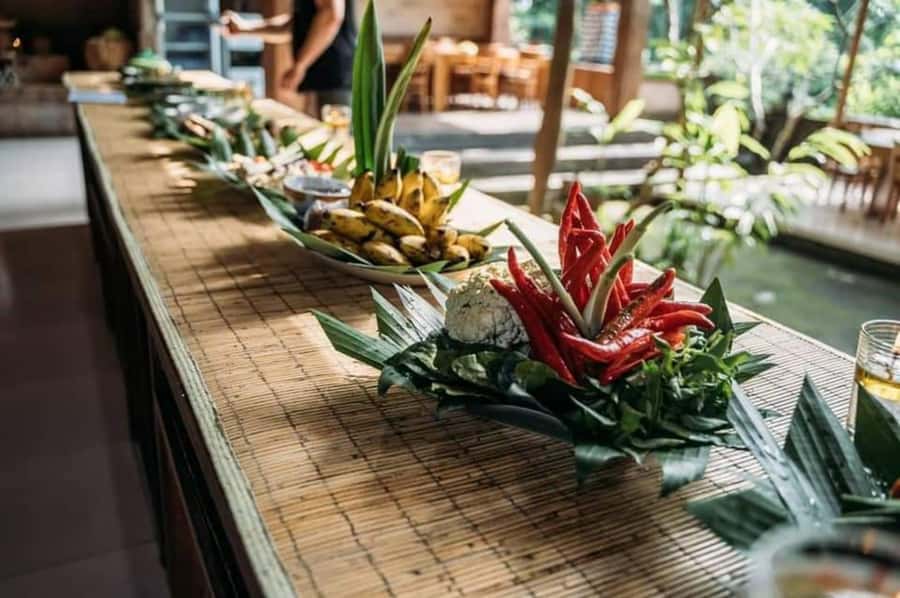
This class starts early on purpose. If you choose the morning option at 8 am, you meet at the Ubud markets so you can see ingredients before they hit the pan. The point isn’t just shopping—it’s learning how Balinese cooks think about flavors: herbs, aromatics, vegetables, and the right cuts of meat all matter.
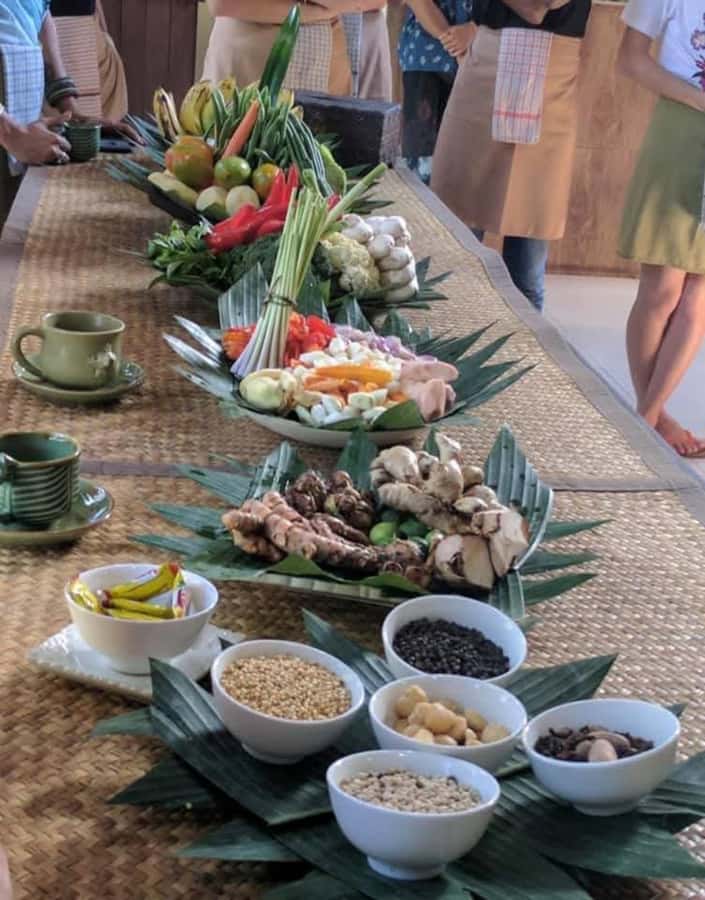
In practical terms, you’ll get time to pick fresh items like crisp vegetables and aromatic herbs, along with spices and meat options. This is where you start building confidence, because later in the kitchen you’ll know what you bought and why it works. It also helps you avoid that common cooking-class problem where you forget what you used because everything arrives pre-measured.
One drawback to plan for: markets can be busy and warm. Wear something breathable, keep an eye on your meeting time, and show up about 10 minutes early so you don’t feel rushed when the group starts.
You can also read our reviews of more tours and experiences in Ubud.



The Paon Kitchen Experience: Traditional Cooking, Not a Demo
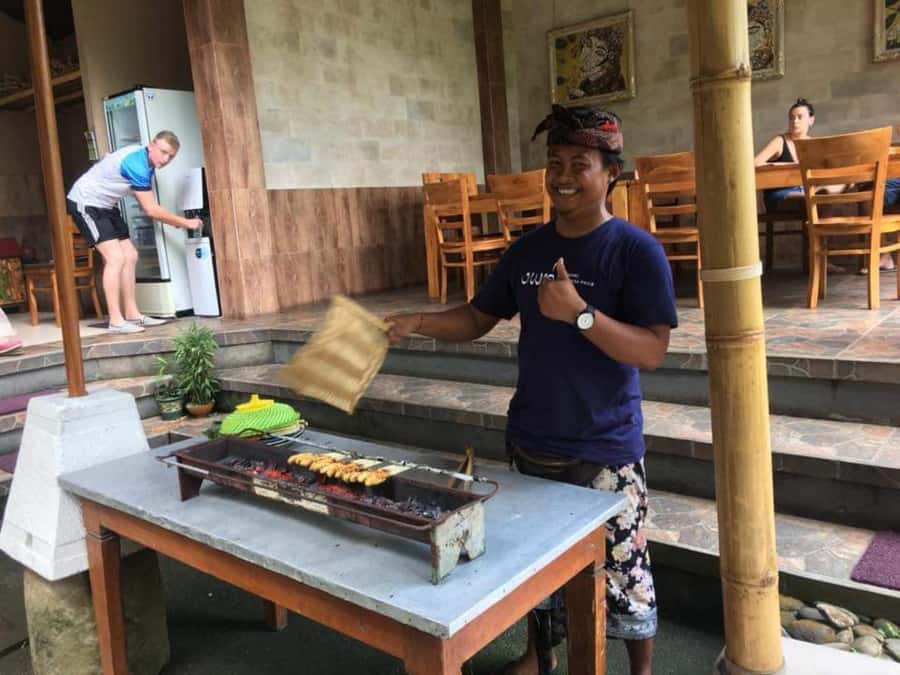
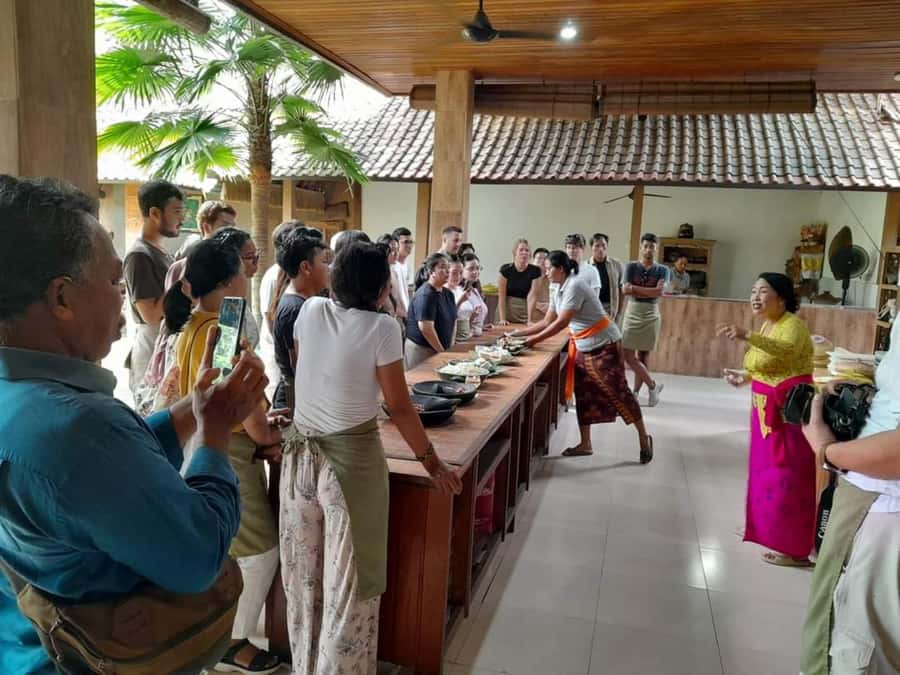
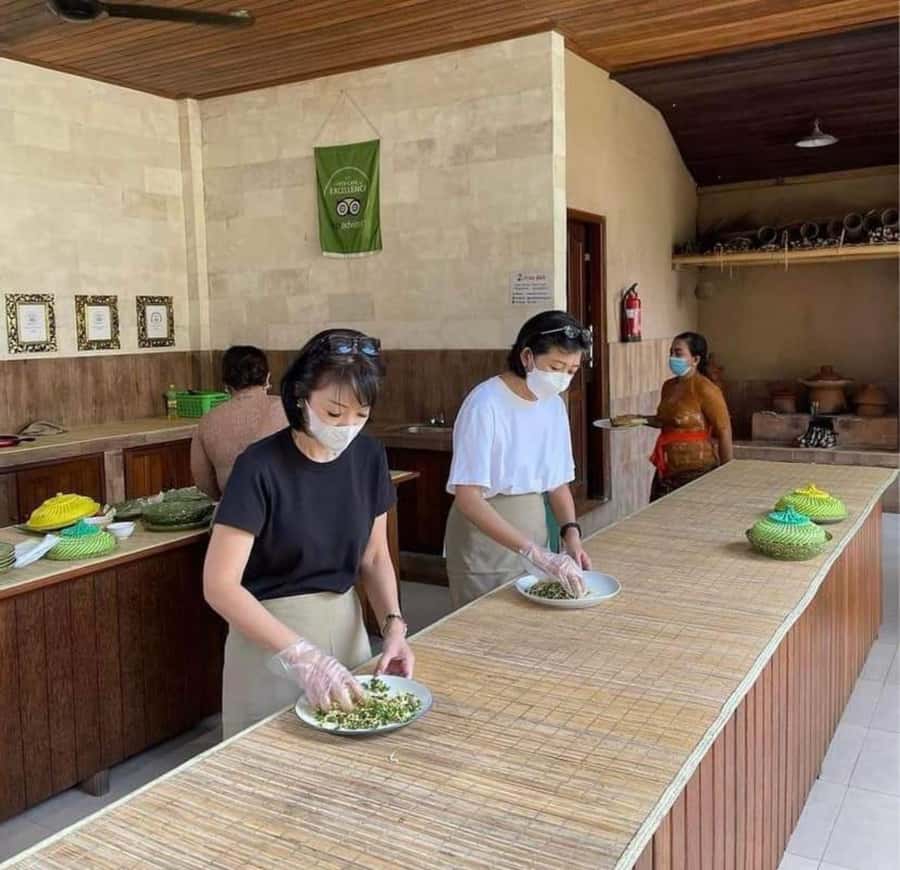
After the market, you head to the paon Kitchen for the real class. “Paon” is the heart of cooking in Balinese village life, and that matters for the vibe. You’re in a space built for food prep, with the tools and setup to cook properly, not just take photos.
This is where you’ll spend the bulk of your 3–4 hours learning the process. Expect ingredient prep, mixing, and cooking steps that mirror how you’d work at home if you had the right spices and a clear guide. The instructions are a big reason this is so highly rated—people like the fact that you’re given good directions and then actually do the work yourself.
You’ll also notice the class has a specific flavor goal: spicy food is a priority. That’s helpful because it sets expectations early. Instead of treating spice as an afterthought, you’ll practice how Balinese-style heat is built into the dish.
Laplapan Village, Warm Welcome, and Guidance from Puspa
When you return to Laplapan village, the experience shifts from cooking mechanics into food culture. You’re warmly welcomed and guided by your host, Puspa, who helps you connect what you made to everyday Balinese life.
This part matters because it turns “I learned a recipe” into “I understand why it tastes right.” The class isn’t only about getting the dish to taste good; it’s also about learning the spirit of local cooking—how ingredients, preparation methods, and the communal kitchen rhythm connect people.
Puspa’s role (and the English host support) is also practical. You can ask questions during the cooking process instead of waiting until the end, which makes the learning feel calmer. It’s one reason the class can work well even if you’ve never cooked Balinese food before.
Spicy Food Focus and Rotating Stations You Can Actually Use
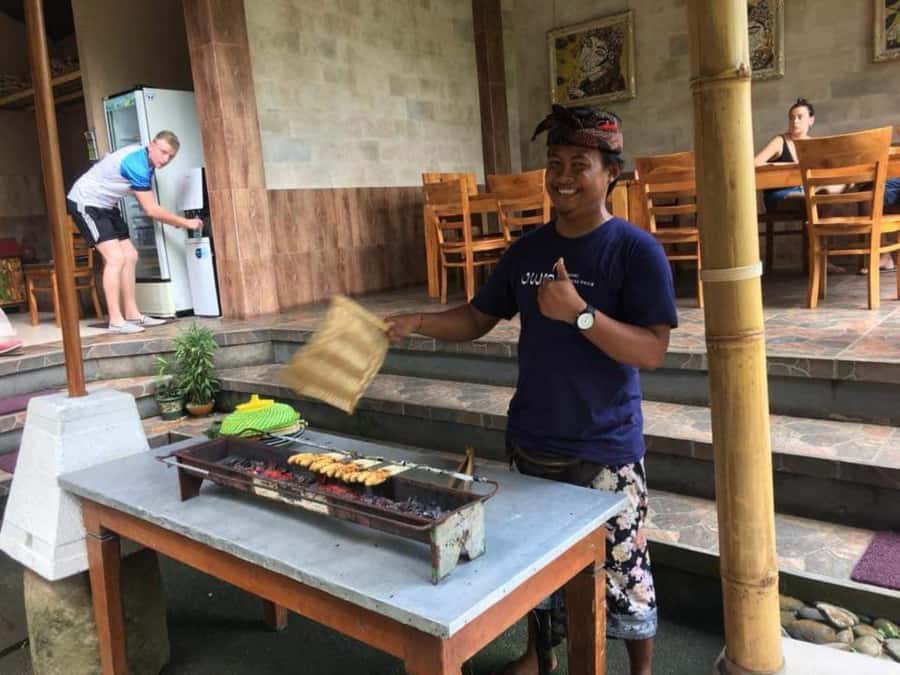
Many cooking classes fail in one way: everyone watches while one or two people do the cooking. Here, the rhythm is built for participation. You’ll work through steps at different stations, and there’s a sense that participants switch roles so more than one person handles mixing and prep. That’s a real advantage if you want to learn technique, not just taste food.
The spicy-food focus is another high point. Learning spice in a structured way helps you avoid the common “too hot, not balanced” problem. You’ll practice building flavor using the ingredients you selected earlier, which makes it easier to recreate later.
Also, ingredient prep is treated like part of the lesson, not a side task. One review notes the prep of ingredients was really cool, and that matches what you’ll feel in a village kitchen: the work before cooking is where flavors start.
What You’ll Cook, and What Makes the Class Feel Complete
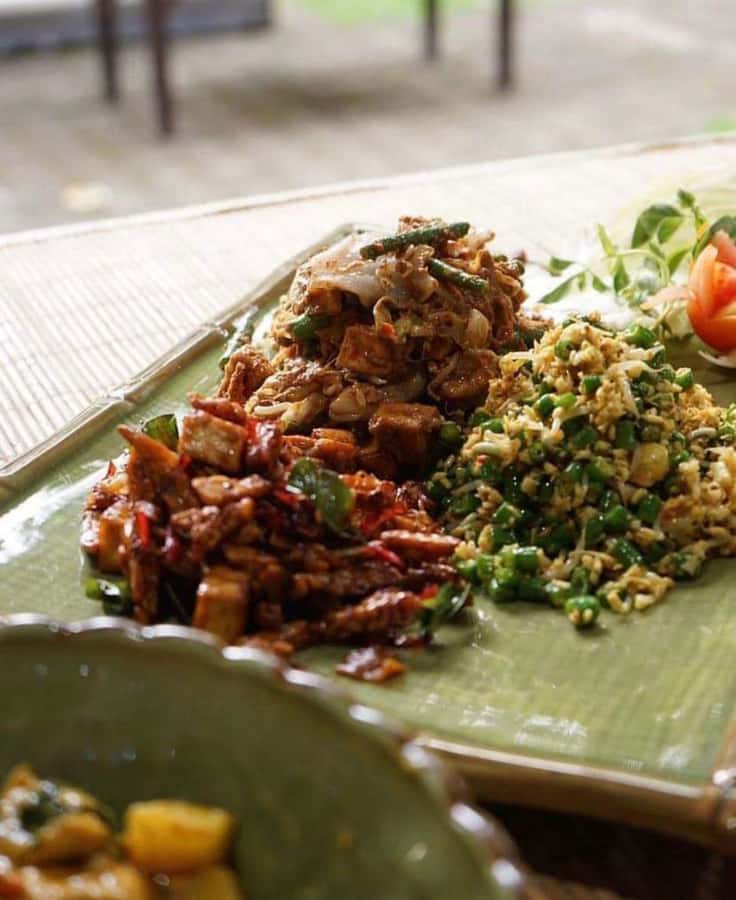
The experience is designed to end the way cooking should: you eat what you made. After the class, you enjoy your dishes and get that satisfied, practical feeling of finishing a real meal. Lunch is included, so you’re not doing the awkward math of whether you should find food after cooking.
The food itself tends to be a standout. People describe the location as beautiful and the results as incredibly delicious. That’s not just hype—when a class is organized and the instructions are clear, it’s easier for you to land the flavors right. And because you cooked it, you also know what to adjust next time.
One more detail that’s easy to miss until you need it: the class includes tips and alternatives for ingredients. If you’re going to cook again at home, this is huge. Bali ingredients aren’t always easy to find elsewhere, and substitutions help you keep the spirit of the dish even when the exact products aren’t available.





Lunch Included: Eating Your Results Like a Local
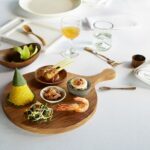
Lunch being included is a real value point. For many food tours, the meal is small, decorative, or separate from what you cooked. Here, the meal is the payoff. You get to sit down and taste the dishes you made with guidance in the background.
This also means the class has a natural pacing. You won’t feel like you have to rush through the cooking to get to the food. And since you’re practicing spicy skills, you’ll learn how the heat holds up once it’s fully cooked—not just how it tastes in the raw mix.
If you’re someone who likes food with personality—spice, aromatics, herb-driven flavor—this format fits. You’re not only eating; you’re learning what to look for in texture, balance, and aroma.
Transfers, Pickup Areas, and How to Avoid Timing Headaches
You have a couple ways to make this easy.
Transfer and return from your hotel is included if you select that option. Pickup is optional, and the pickup area is Ubud, Canggu, and Sanur. If you’re outside those zones, there’s an additional $5 per person charge.
Why this matters: Bali traffic can be unpredictable, especially early. If you want a smooth start, consider arranging pickup if you’re not staying near Ubud. If you’re already in the Ubud area, going to the market meeting point can be simpler, but still plan to arrive early.
Also note the meeting point instruction: you meet at the location, and you should arrive about 10 minutes before the activity starts. That’s one of those small lines that can save your day—arriving late can throw off the group’s timing for market prep and station rotation.
Price and Value: Is $40 Worth 3–4 Hours of Real Learning?
At $40 per person for 3–4 hours, this price lands in the “worth it if you want skills” category. You’re not paying just for a meal. You’re paying for:
- market ingredient selection time
- hands-on cooking practice in a fully equipped community kitchen
- lunch included
- English guidance
- return transfer options (when selected)
The best value comes from how the class is structured around doing. People specifically liked that you’re guided well and you can make things yourself at stations, switching roles rather than being stuck idle. That turns the experience from a tasting walk into actual technique training.
In other words: if you want to come home with a working ability to cook Balinese dishes (and not only memories), the cost makes sense.
English Guidance and Small Group Energy
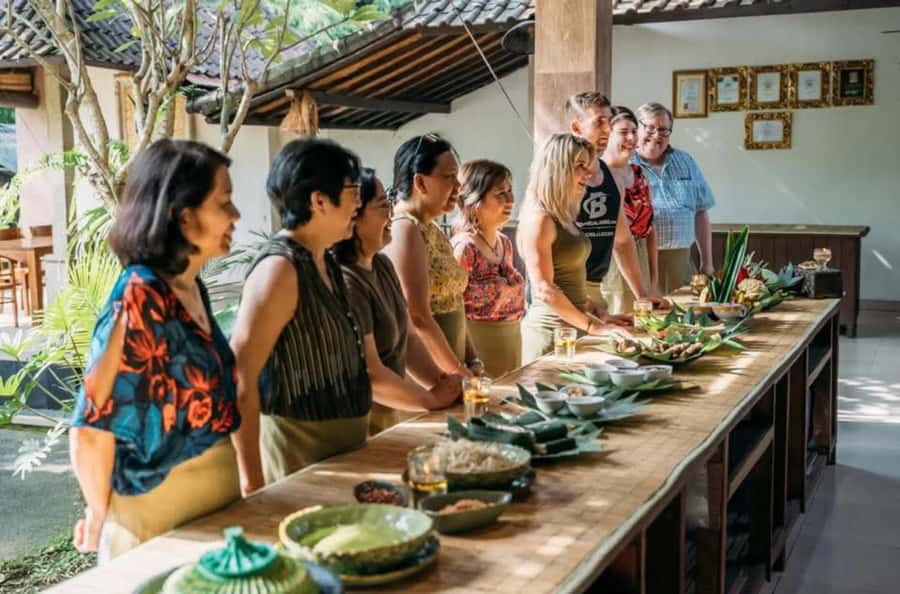
The class is offered with an English-speaking host or greeter, and it’s available as a small group. Small group size is one of the most practical upgrades you can ask for in a cooking class. With fewer people, you get quicker feedback and more chances to ask questions while you cook.
This also helps with spice training. When you’re learning heat and flavor balance, you want to be able to adjust your approach based on guidance. A small group makes that easier.
If you’re the type who likes clear instruction and doesn’t want to feel lost, this setup is a strong match.
Who This Bali Paon Cooking Class Suits Best
This is a great choice if:
- you want hands-on Balinese cooking, especially with spice
- you enjoy learning ingredient logic from market to kitchen
- you like structured guidance in a small group
- you want a lunch that feels like the end result of your work
It’s also a solid option for couples, friends, or solo travelers who want a calmer, more focused food experience than big-group tours. If you’re staying in Ubud (or nearby areas like Canggu/Sanur), you’ll also benefit from the simpler pickup coverage.
If you’re extremely short on time, the early start may feel like a lot. But for a half-day that teaches you something real, this hits the mark.
Should You Book This Ubud Paon Cooking Class?
I’d book it if your goal is skills plus lunch, and you want to understand Balinese food culture through real prep work. The top reasons are the market-to-kitchen flow, the spicy training, and the fact that the class emphasizes participation with good instructions and station rotation. Add in a recipe guide and practical substitution tips, and you leave with more than souvenirs.
Skip it if you mainly want a casual meal without any cooking focus. This isn’t that kind of class. It’s built for you to cook, taste, and learn why the flavors work.
If that sounds like your idea of a great Bali day, this one is a strong bet.
FAQ
Where is the meeting point?
You meet at the activity location, with the market meeting point in Ubud for the early morning option. Arrive about 10 minutes before the start.
How long is the cooking class?
The class lasts about 3 to 4 hours.
What is the price per person?
The price is $40 per person.
Is lunch included?
Yes, lunch is included.
Is there hotel pickup?
Pickup is optional. Transfers to and from your hotel are included if you select the option. Pickup coverage is for Ubud, Canggu, and Sanur, and outside those areas there is a $5 per person charge.
What language is the host or greeter?
The host or greeter speaks English.
Does the class focus on spicy food?
Yes. Spicy food is a priority, and the class helps you learn recipes with the heat built in.
Is there free cancellation?
Yes. You can cancel up to 24 hours in advance for a full refund.
Do you get anything to take home?
You should expect to receive a recipe book, based on the feedback from past participants.