Leave your stress at the temple gate. This full-day Bali shamanic healing and cleansing tour mixes a traditional Yatra with water purification at one of Bali’s most famous holy springs.
I love how the day starts with a simple but meaningful intention-setting chat with a Balinese shaman, then moves into ritual steps like mantra chanting and guided prayer. I also love that you’re not just dropped at Tirta Empul; you learn how to make canang sari offerings first, so the cleansing feels grounded in Balinese Hindu practice.
One key consideration: this is emotional and spiritual cleansing, not a medical or psychological treatment, and there are physical participation limits (including guidance not to join if you’re menstruating).
In This Review
- Key takeaways before you go
- A Bali Yatra, not a theme-park spiritual show
- Pickup, the Batuan stop, and why the pace is part of the value
- Meeting the shaman: intention first, then mantra ritual
- From the shaman to the holy spring: how you transition to temple practice
- Tirta Empul vs Pura Mengening: what to expect from either holy spring site
- Melukat (water purification) in the holy fountains: do it with the right mindset
- Batuan, then back to Bali: what fills the day besides the main rituals
- Price and logistics: why $36 can make sense for an 8-hour spiritual day
- What I’d do to prepare: packing for comfort and respect
- Who should book this spiritual cleansing tour (and who shouldn’t)
- Should you book? My decision guide
Key takeaways before you go
- A Yatra built around your intention: you share a focus (like calm, clarity, balance) that shapes the flow of the session
- Mantra + ritual structure: incense, rhythmic chanting, and symbolic gestures create a calm pace
- Canang sari and Yadnya first: you learn the offering ritual before stepping into the temple area
- Melukat at a holy spring temple: spiritual cleansing in the fountains at Tirta Empul or Pura Mengening depending on conditions
- Practical prep matters: sarong and water are provided, but you’ll still need a towel, change of clothes, and cash
- Guides who keep it respectful and smooth: many people highlight how guides explain customs and help you feel safe
A Bali Yatra, not a theme-park spiritual show
This tour is built like a real spiritual journey, not a script you’re expected to memorize. You start with morning pickup and then follow the spiritual rhythm of Balinese practice—intention, prayer, offerings, and cleansing—at a tempo that lets you participate without feeling shoved.
What makes it interesting is that every shaman approaches the Yatra differently because of ancestral lineage. So even if you’ve read about Bali spiritual rituals before, this day still feels personal and specific to the healer and the guidance you receive.
You’ll also notice the tour is intentionally respectful. It guides you on how to observe, when to participate, and how to behave in temple spaces where local religious rules matter.
You can also read our reviews of more tours and experiences in Bali.


Pickup, the Batuan stop, and why the pace is part of the value
Your day begins with hotel pickup in Bali. The vehicle is comfortable and air-conditioned, which matters because Bali traffic can be slow and stop-and-go, especially during busier hours. An 8-hour day sounds fixed on paper, but timing can shift based on your pickup location and road conditions.
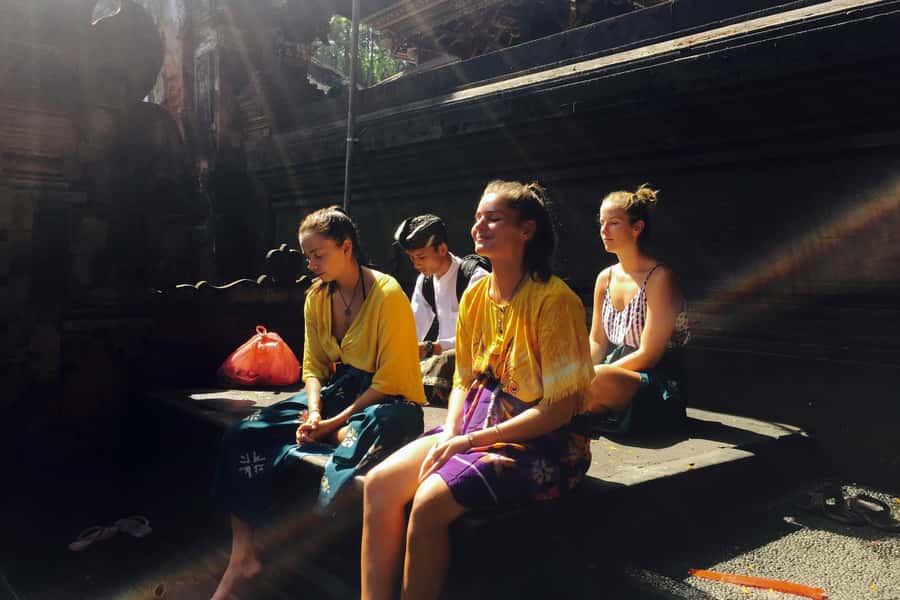
After pickup, there’s a Batuan stop for about an hour. Even though this is shorter than the main rituals, this kind of stop is often where you get your bearings—time to settle your body, meet your guide in person, and transition from travel mode into ceremony mode.
Why I like the structure: you don’t jump straight from the road to soaking in holy water. You get a buffer, and that makes it easier to focus when the spiritual parts begin.
Meeting the shaman: intention first, then mantra ritual
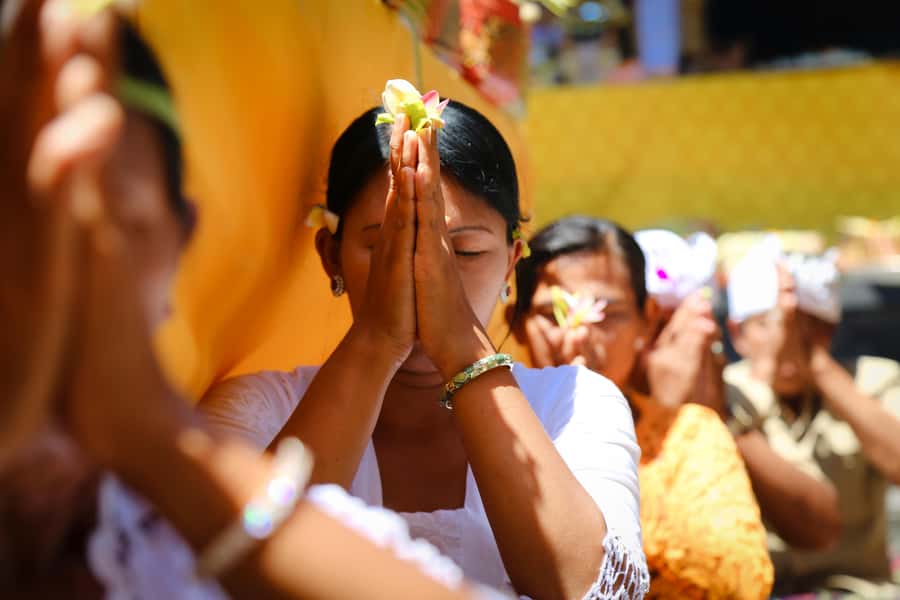
The heart of the experience is a shamanic counseling and healing session with a local Balinese healer. Before anything begins in a formal way, you’re invited to share a personal intention or area of focus. It could be seeking calm, clarity, reflection, or balance—whatever you name becomes a guiding thread for what follows.
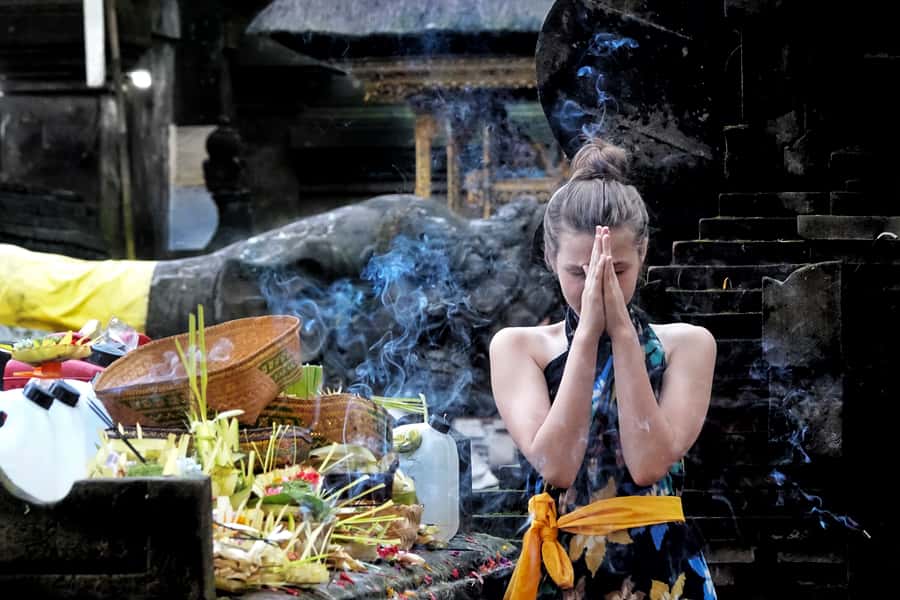
Then the session moves into ritual and prayer. Expect elements like incense, symbolic gestures, and rhythmic chanting/mantra work. The shaman may guide you on what to do and how to observe, and you’ll be invited to participate when it fits the flow of the ritual.
One detail I really appreciate: the tour doesn’t pretend there’s a single universal method. The healer’s approach can vary, and that’s part of why the experience can feel authentic rather than mechanical.
You might also notice that some guides bring extra cultural context as the day unfolds. Names that came up in guide experiences include Sandi, Dewa, Dharma, Sarita, Agus, Raka, and Sagita. Different people, different styles—but the goal is consistent: help you understand what you’re seeing and doing so you don’t feel lost.
From the shaman to the holy spring: how you transition to temple practice
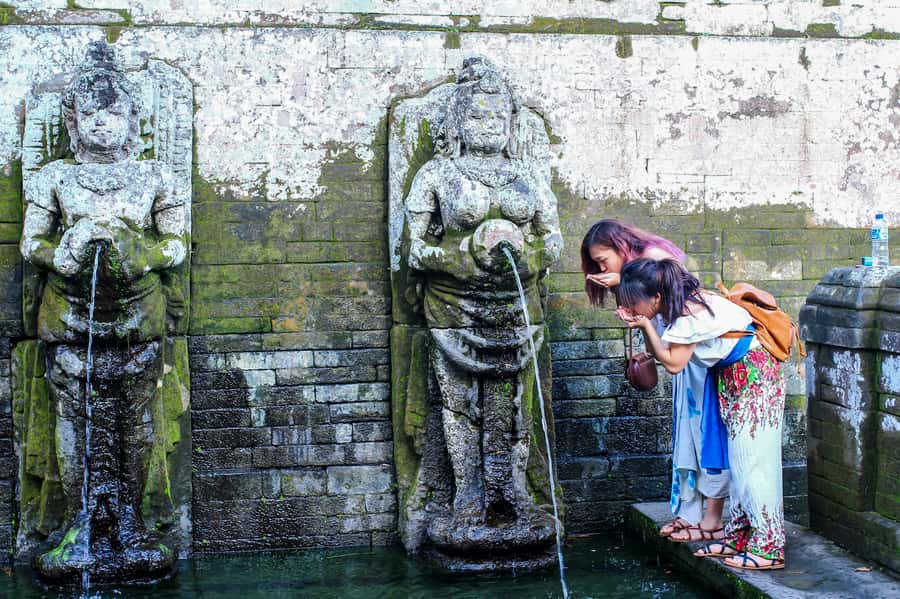
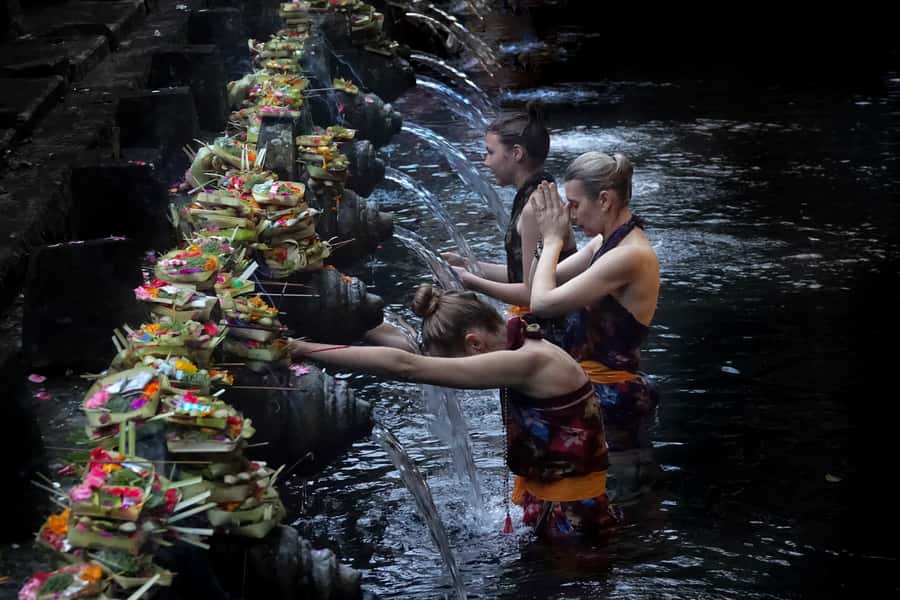
Once the shamanic portion is done, the tour heads to a holy spring temple for purification. Depending on local conditions, it’s either Pura Tirta Empul (the big one most people recognize) or Pura Mengening.
Before you enter temple grounds, there’s a traditional offering ritual called Yadnya. This is where you learn about canang sari—small, symbolic offerings used in Balinese daily worship. You’ll be shown how to prepare and present them, which matters because it turns the temple visit from sightseeing into participation.
Even if you’re not the type to get emotional on day one, offerings do something useful: they slow you down. They make you pay attention to what you’re doing with your hands and your body, and that focus carries over into the cleansing.
Tirta Empul vs Pura Mengening: what to expect from either holy spring site
This tour targets a water-purification temple experience, so the main idea stays the same. But the exact temple can change based on conditions.
At Tirta Empul, you’ll be in the most well-known setting for holy spring cleansing. This is the temple where the purification ritual is famous, and it’s typically busy with locals and visitors, so your guide’s role becomes extra helpful—explaining how to move through the space and where to follow the ritual steps.
If conditions lead you to Pura Mengening, you’ll still be doing the holy spring cleansing ritual in line with temple customs. The key point for your planning: either way, you’ll be expected to follow local temple behavior and ritual guidance, not just take photos.
Also, bring your sensible-spiritual attitude. This is a religious practice in a working Balinese community. You’re there to participate respectfully, not to treat it like a checklist.



Melukat (water purification) in the holy fountains: do it with the right mindset
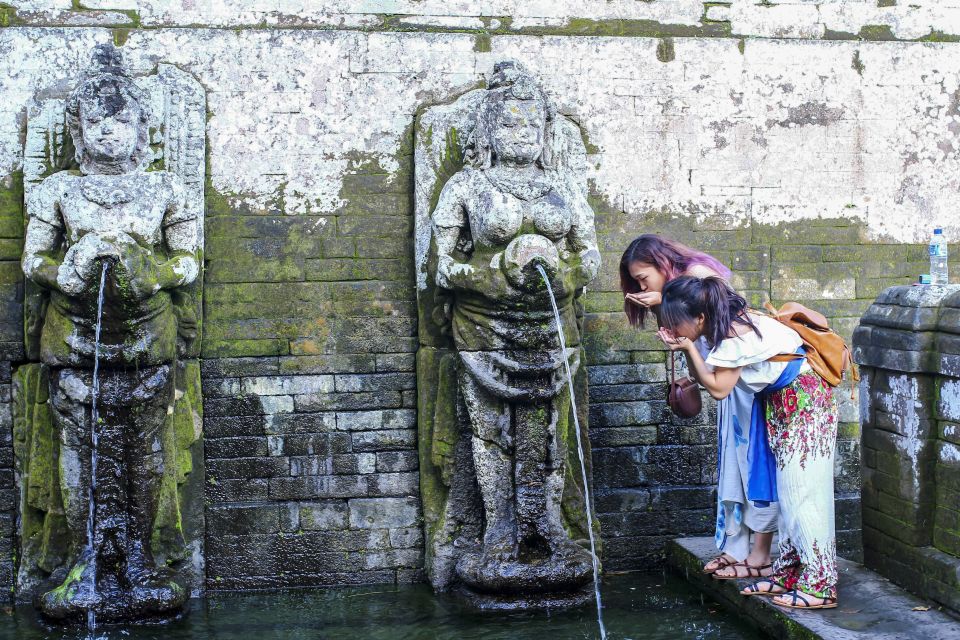
Once you’re inside the cleansing area, you’ll do Melukat, the spiritual water purification ritual performed according to local temple customs. You’ll move through the holy spring fountains at a gentle pace, guided by the host.
A big practical tip: don’t treat the holy water as something to drink. Even though it’s common in Bali culture, the tour guidance recommends avoiding drinking it.
Another practical reality: you’ll be in temple zones with uneven surfaces. Wear comfortable footwear and expect you might be stepping around stone edges or slick areas.
And yes, you’ll want to plan ahead for the moment when you enter the water area. The guidance includes removing jewelry, watches, and electronics before going into the holy spring area. That’s not just superstition—it’s for safety and respect in the space.
Finally, remember the tour’s own frame: it’s designed for emotional and spiritual cleansing. Some people leave feeling lighter and calmer, but this isn’t framed as medical treatment, and it shouldn’t replace care from a professional if you need that.
Batuan, then back to Bali: what fills the day besides the main rituals
A full-day tour means you’ll have more than just shaman and temple. Between pickups, stops, and ritual time, there’s a natural flow that keeps the day from feeling like a single rushed moment.
Some guide experiences also included extra cultural touches and added comfort stops during the day—like places for coffee or other small breaks. Those extras seem to depend on the guide and the options you choose, so treat them as flexible rather than guaranteed.
What’s consistent is that the day ends back in Bali with drop-off after reflection time. You should expect a chance to pause, think about what you experienced, and talk through the meaning of the rituals you took part in.
Price and logistics: why $36 can make sense for an 8-hour spiritual day
At $36 per person for an 8-hour experience, the value comes from three things happening in one day:
- Transportation: comfortable air-conditioned vehicle for the day
- Guided spiritual access: meeting a Balinese shaman and doing temple-led rituals
- Temple essentials: a sarong and a bottle of mineral water are included, and temple entrance/cleansing depend on the option selected
That last point is important. Entrance fee at Tirta Empul and cleansing participation can be included only if you select those options. If you skip the entry-inclusive choice, you may have to cover entrance costs yourself. So before you book, check the option details carefully.
You’ll also want to budget a little for personal expenses because meals aren’t included. That’s a normal part of Bali day trips, but it affects comfort if you’re the kind of person who likes to eat on schedule.
If you’re planning for “real-life travel math,” the day is also long enough that you’ll want to keep your expectations flexible about timing. Traffic and pickup location can shift the schedule.
What I’d do to prepare: packing for comfort and respect
The tour is simple on paper, but it’s specific about what helps you have a smooth day.
Bring:
- Comfortable shoes
- Change of clothes
- Towel
- Comfortable clothes for temple behavior
- Camera, if you’re allowed to use it after removing items in the holy spring area
- Cash for personal expenses
A few extra reminders:
- If you’re menstruating, you’re advised not to join.
- Jewelry and electronics should come off before entering the holy spring area.
- The ground can be uneven, so choose footwear you trust.
Who should book this spiritual cleansing tour (and who shouldn’t)
This tour is best for you if you want a cultural and spiritual day that connects you to Balinese Hindu practice through shamanic counseling and holy spring cleansing. It’s a strong fit if you enjoy rituals, want context for what you’re doing, and like learning how locals interpret intention, prayer, and purification.
It’s probably not your tour if:
- You need a medically guided treatment (the tour isn’t intended as medical/therapeutic care).
- You have mobility limitations or use a wheelchair, since it’s not suitable for people with mobility impairments.
- You’re traveling while you have a cold (this one is explicitly not suitable).
- You’re bringing a baby under 1 year.
- You’re menstruating, because guidance advises not to join.
Also, there’s a clear behavior line: pets aren’t allowed, and alcohol and drugs are prohibited. So plan a calm, clear day.
Should you book? My decision guide
Book this tour if you want a structured Bali Yatra experience—shamanic intention work, canang sari offerings, and guided Melukat at a holy spring temple—done with enough cultural framing that you won’t feel confused.
Skip it if you’re looking for a purely sightseeing day or if you’d be uncomfortable with religious ritual participation. And if you’re hoping for guaranteed “healing” in a medical sense, you’ll be disappointed because this is spiritual practice, not therapy.
My practical recommendation: choose it when you’re ready to slow down. Bring the right clothes and a towel, keep your expectations human (not magical), and let the guide’s explanations help you participate respectfully.
If that sounds like your kind of Bali day, this one is easy to recommend.