A day like this keeps Bali simple: famous sights, real time to enjoy them, and a route that fits in one 9-hour stretch. You’ll hit Bali’s water-and-rice icons—starting with the Leke Leke waterfall trek, then the Instagram-ready Handara Gate, and finishing with UNESCO-listed Jatiluwih rice terraces and a coffee plantation stop.
I especially like two things: first, the pacing. The guide Ketut is described as patient, encourages you to slow down, and keeps you from feeling herded through each stop. Second, the variety. You get temple views, waterfall walking time, and UNESCO rice scenery, not just photo stops.
One consideration: this is a weather-based circuit. The day needs good weather, and if conditions are poor the experience may shift dates or get refunded, so keep your schedule flexible.
In This Review
- Key highlights worth planning for
- Price and logistics: what $69 gets you in real time
- Pickup, meeting point, and how the day starts at 8:30 am
- Stop 1: Leke Leke Waterfall trek and why the timing matters
- Stop 2: Ulun Danu Bratan Temple, the iconic water temple stop
- Stop 3: Jatiluwih rice terraces (UNESCO) without rushing the view
- Stop 4: Handara Iconic Gate—how to get the shots and enjoy the rest
- Coffee plantation stop: a short cultural break with Java luwak tasting
- Group size, pace, and why Ketut’s style matters
- Weather and what to do if the plan shifts
- Who should book this tour, and who might skip it
- Should you book the Bali Iconic Tour?
- FAQ
- FAQ
- What is the duration of the Bali Iconic Tour?
- Where does the tour take place?
- How much does the tour cost?
- What time does the tour start?
- Does the tour include admission tickets?
- Is pickup included?
- Is this a private tour?
- What happens if the weather is poor?
- Can I cancel for a refund?
Key highlights worth planning for
- Waterfall time that’s not rushed: about 1.5 hours at Leke Leke with a trek and exploration.
- Ulun Danu Bratan, the classic water temple: about 1 hour at Bali’s iconic Bratan setting.
- UNESCO Jatiluwih rice terraces: about 1.5 hours to see the terraced hills without sprinting.
- Handara Gate photo window: about 1 hour to get shots and take in the area.
- Coffee plantation stop with tasting/demo: a traditional coffee break, including a Java luwak coffee demonstration when requested.
- Guide-driven pacing: Ketut is repeatedly praised for being calm and giving people time.
Price and logistics: what $69 gets you in real time
At $69 per person for roughly 9 hours, this tour aims to be a value play for a day that would otherwise be two or three separate outings. You’re paying for convenience (pickup is offered), transport across a tight cluster of sights near Ubud, and included admission for the major stops.
Here’s the practical tradeoff: the schedule is full. You can absolutely enjoy it, but it’s built for people who don’t mind driving and want multiple “big Bali” moments in one go. If you prefer one place, one long meal, and zero schedule pressure, you may want a more relaxed private car for the day.
Also, this experience is labeled as private for your group, but it may still be paired with group discounts depending on how you book. If you’re traveling with friends or family, ask how the discount works when you confirm.
You can also read our reviews of more tours and experiences in Ubud.


Pickup, meeting point, and how the day starts at 8:30 am
The start time is 8:30 am, which matters. Morning light tends to be kinder for temple photos and rice terraces, and it helps you avoid the feeling that every stop is fighting the afternoon crowds.
Pickup is offered, and the meeting point is described as near public transportation. That’s useful if you’re staying somewhere where you’d rather not rely on a hotel call-up. If you’re planning your own ride to the meeting spot, build in a little buffer so you don’t arrive stressed.
You’ll receive confirmation at booking time, and you’ll get a mobile ticket, which is the easiest kind to keep handy on your phone during a busy day.
Stop 1: Leke Leke Waterfall trek and why the timing matters
You start at Leke Leke Waterfall with about 1 hour 30 minutes set aside for trekking and exploring. That time slot is important because waterfalls need more than a quick photo. You’ll want to slow down on the path, take in the view from different angles, and get a feel for how the water sits in the area.
What to consider here is comfort. Even without knowing the exact trail details, you should plan like there’s uneven ground and steps. Wear shoes you can trust. Bring sun protection too—waterfall stops can still be bright once you’re walking under open sky.
Admission is included, so you don’t have to hunt for tickets at the start. That small win matters on a day where you’re also hitting temples and major photo sites.
Stop 2: Ulun Danu Bratan Temple, the iconic water temple stop
Next up is Ulun Danu Bratan Temple, about 1 hour, with admission included. This is Bali’s water temple look in full force: the setting is famous for a reason, and the “water temple” label isn’t marketing fluff.
The best way to enjoy this stop is to treat it like a visual pause, not a checklist. Give yourself time to look across the water, then focus on details—temple structures, reflections, and the view angles your guide suggests.
The good news: the guide is praised for pacing and patience. That’s exactly what you want at a temple, because it’s easy for a schedule to turn sacred places into a rushed photo tour. The descriptions you have here point to the opposite.
A practical note: temples often mean stairs, standing, and changing footpaths. Plan for that with breathable clothing and something that can handle humidity.
Stop 3: Jatiluwih rice terraces (UNESCO) without rushing the view
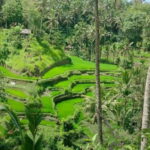
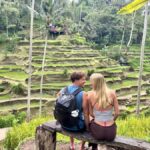
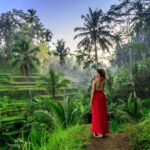
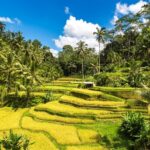
Then comes Jatiluwih Green Land, with about 1 hour 30 minutes and admission included. This is your UNESCO moment—the terraced rice scenery that makes people understand why Bali’s landscape is worth talking about in human terms: farming, water, and generations of careful shaping.
This stop tends to feel best when you move at a gentle pace. The schedule gives you time to step away from the main view lines, find a calmer angle, and take photos that don’t look like you’re standing in a crowd. If you like learning what you’re seeing, this is also a strong moment for a guide to add context through stories and local explanations.
A drawback to mention honestly: Jatiluwih can be a walking-and-looking stop. You may be on your feet for a while, even if it’s not a marathon trek. If you’re short on mobility or energy, plan your route inside the time window and don’t try to do every viewpoint.


Stop 4: Handara Iconic Gate—how to get the shots and enjoy the rest
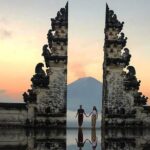
Finally, there’s Handara Iconic Gate, about 1 hour, with admission included. This is the photo magnet. Yes, it’s famous. But it’s also a useful break in the schedule, because you get a clear chunk of time dedicated to pictures and lingering.
The trick is not to treat it like a 10-minute stop. One hour is enough to take your photos, step back for wider views, and let the moment settle. If you’re sensitive to bright sun, plan your timing with your own preferences—some angles are better earlier, while others look great slightly later.
This is also where I’d lean into the value of having a good guide. If Ketut has the habit of encouraging people to take their time, you’ll likely end up with better photos and less stress. That’s not a small thing when a day already includes multiple sights.
Coffee plantation stop: a short cultural break with Java luwak tasting
The day wraps with a traditional coffee plantation stop. This is one of those “small add-ons” that can either feel like a commercial detour or a genuinely interesting cultural pause. In your case, the descriptions highlight a Java luwak coffee demonstration and tasting when people ask about it.
I like plantation stops when they’re short and optional in spirit—something that explains the product and then lets you decide what you want to try or buy. The key detail here is that the guide is described as willing to add a coffee tasting/demo when requested, which is usually a sign of flexibility.
If you’re not into coffee, still treat it as a break. You’re getting time away from walking and a chance to sit, talk, and cool down before the ride back.
Group size, pace, and why Ketut’s style matters
Across the feedback, one name keeps popping up: Ketut. The praise is specific—patient, encourages you to take your time, and adds small extras like coffee tasting when asked. That matters because a “sights packed into one day” tour can easily feel mechanical. When the guide slows things down, the whole day feels more human.
You also get private-tour labeling, meaning your group stays together rather than being mixed into a big crowd flow. That doesn’t mean it will feel silent or empty, but it can reduce the chaos of constantly relocating with strangers.
The day still includes multiple entry points and walking blocks, so don’t treat it like a sit-and-go. Think of it as a structured day where you’ll get moments of real scenery, not just travel photos.
Weather and what to do if the plan shifts
This experience requires good weather. If it gets canceled due to poor weather, you’ll be offered a different date or a full refund. That’s the right kind of safety net for an itinerary that includes outdoor walking.
If your trip dates are fixed, build in a little flexibility for Bali weather swings. Even if a day stays on schedule, rain can change how comfortable it is to walk trails and take photos. Bring a compact rain layer and plan for slippery surfaces on any trekking portion.
Who should book this tour, and who might skip it
This tour is a strong fit if you:
- Want a one-day route from Ubud that hits major icons: water temple, UNESCO rice terraces, and Handara Gate.
- Like having a guide manage the route and timing so you’re not planning road logistics all day.
- Appreciate a calm pace at key stops, especially temples and viewpoints.
You might consider a different option if you:
- Prefer fewer stops and longer meals in one area.
- Have limited mobility for walking and stairs at waterfall and temple locations.
- Hate the idea that the day depends on weather.
If you’re a first-time Bali visitor trying to see the highlights without doing hours of planning, this itinerary hits a practical sweet spot.
Should you book the Bali Iconic Tour?
I’d book it if you want maximum value from one day out of Ubud, with admission included for the main sights and time built into the schedule for actual viewing—not just arrivals and exits. The strongest reason to choose it is the guide style: Ketut’s patient pacing and willingness to add a coffee tasting when asked turns a standard route into a more personal day.
Skip it if you’re chasing a slow, laid-back vibe. This is a full route day, and you’ll feel it in your feet. Also, keep weather in mind—this isn’t a “no matter what” indoor museum tour.
FAQ
FAQ
What is the duration of the Bali Iconic Tour?
It runs for approximately 9 hours.
Where does the tour take place?
The tour is based in Ubud, Indonesia.
How much does the tour cost?
The price is $69.00 per person.
What time does the tour start?
The start time is 8:30 am.
Does the tour include admission tickets?
Yes, admission tickets are included for Leke Leke Waterfall, Ulun Danu Bratan Temple, Jatiluwih Green Land, and Handara Iconic Gate.
Is pickup included?
Pickup is offered.
Is this a private tour?
It’s labeled as a private tour/activity, meaning only your group will participate.
What happens if the weather is poor?
This experience requires good weather. If it’s canceled due to poor weather, you’ll be offered a different date or a full refund.
Can I cancel for a refund?
Yes. You can cancel up to 24 hours in advance for a full refund. If you cancel less than 24 hours before the start time, the amount paid is not refunded.