First time underwater can feel intimidating, until someone shows you the steps. In Padangbai, you’ll get beginner-friendly scuba instruction in shallow water, then move gradually deeper with calm coaching and hands-on practice. I like that this trip keeps things simple: you learn what the gear does, how to steady your breathing, and how to feel confident once you’re floating on the surface.
Two things I really like: the small group size (max 2 participants) means you get close attention, and the experience is designed for real first timers—not just spectators watching other people. A possible drawback to plan around is the travel time and logistics: the day runs about 8 hours and pickup can mean a longer drive depending on where you’re staying.
In This Review
- Key Takeaways Before You Go
- Why Padangbai’s Blue Lagoon Works for First Timers
- The 8-Hour Flow: Pickup, Jukung Sail, Training, Two Underwater Sessions, Lunch
- Pickup and the Road to Padangbai
- Boat Time on a Traditional Jukung
- Gear Up and the On-Water Briefing
- Shallow-Water Practice First
- Two Underwater Sessions (and Time to Swim and Relax)
- Lunch After the Second Session
- Equipment, Instructors, and Safety: The Real Value You’re Buying
- About That PADI Open Water Credit Option
- The “Know Before You Go” Stuff That Can Affect Whether You Can Participate
- Flight Rule: Give Yourself 18 Hours
- Age and Health Limits
- What to Bring
- Sea Sickness Happens
- Small Details That Matter in Real Life
- Group Size and Attention
- Languages
- Logistics and Boat Entry Location
- Marine Life Isn’t Perfectly Pristine
- Should You Book This First-Time Scuba Experience?
- FAQ
- Is hotel pickup included?
- How long is the experience?
- What age do you need to be?
- Is it suitable for people who are pregnant or have heart or respiratory issues?
- What if I have a flight soon after?
- What’s included in the price?
Key Takeaways Before You Go
- Max 2 participants so your instructor can focus on you, not the whole crowd.
- Two underwater sessions (with time to swim and relax) plus a lunch after the second one.
- All equipment included, including tanks and weight belts, so you’re not juggling rentals.
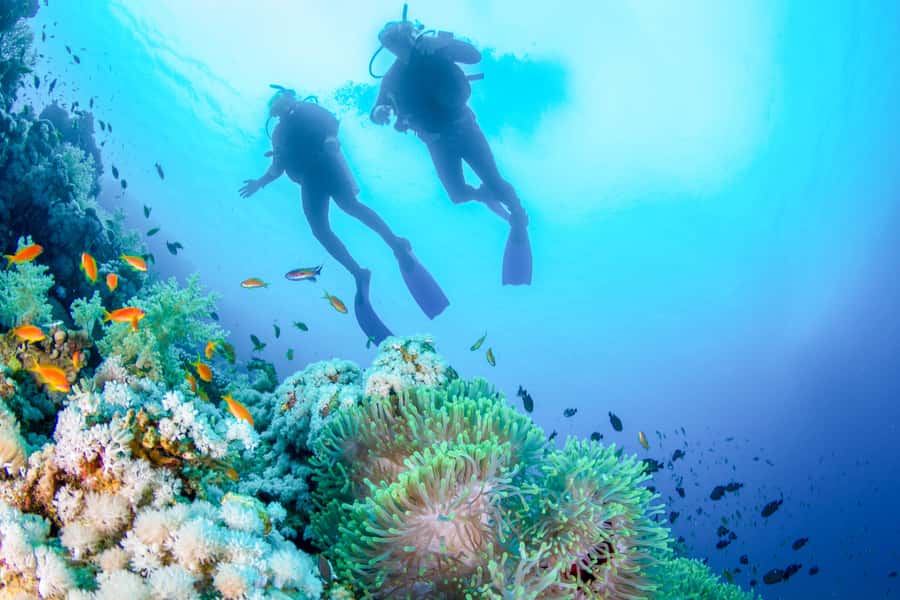
- Padangbai Blue Lagoon scenery: white sandy bottom, clear blue water, and great views from the boat.
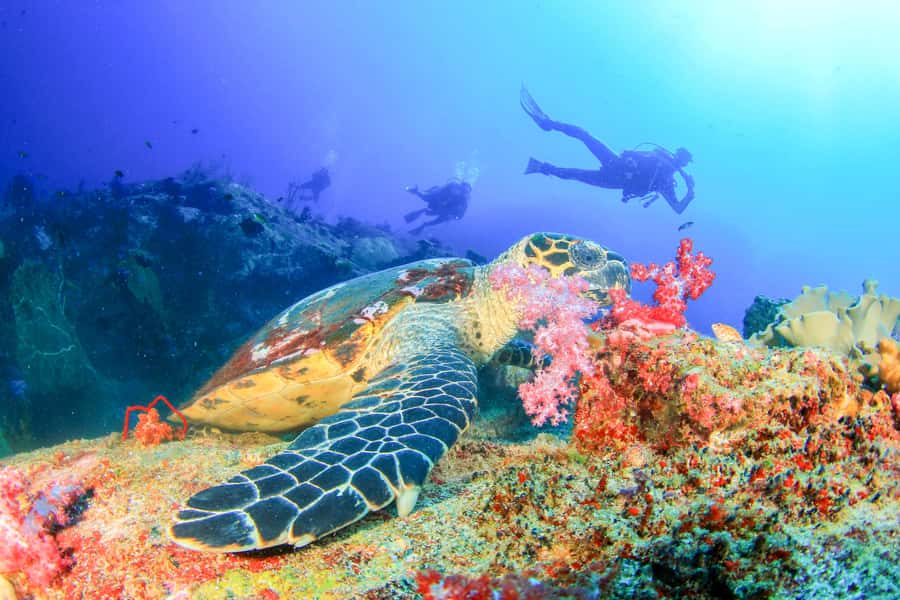
- Wildlife is a highlight—you may spot rays, octopus, moray eel, turtles, and more.
Why Padangbai’s Blue Lagoon Works for First Timers
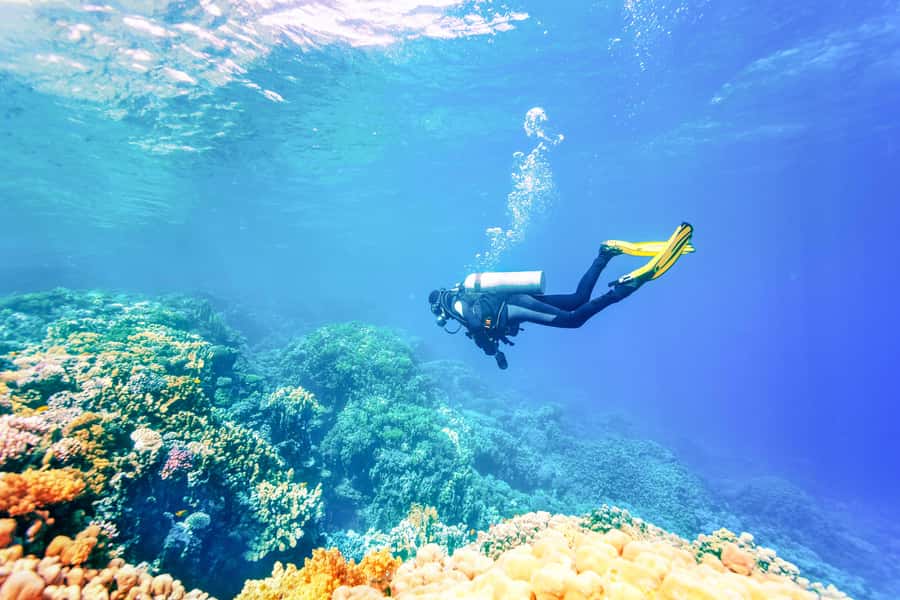
Padangbai is on Bali’s east coast, and it has that practical appeal for beginners: it’s set up for day trips that teach you to operate your gear while the underwater world stays calm and approachable. The Blue Lagoon area is known for clear water and an easy visual reference point—white sand below helps you understand depth and buoyancy fast.
This matters because your first goal isn’t chasing big animals. It’s getting comfortable with the feel of scuba gear, learning how your breathing sounds and feels underwater, and understanding how to reassure yourself when your brain gets loud. That’s exactly what this experience is built around: quick, focused training, then a gradual progression.
What you’ll like most is the tone. Multiple guests describe instructors who are professional, safety-focused, and patient, with clear explanations that help nervous first timers settle in. One guest even credited the calm coaching to overcoming fear quickly, which is what you want when you’re stepping into new gear and new sensations.
You can also read our reviews of more tours and experiences in Bali.



The 8-Hour Flow: Pickup, Jukung Sail, Training, Two Underwater Sessions, Lunch
This is a full-day plan, listed as 8 hours, and it’s paced so you’re not rushed. The basic rhythm is: pickup, ride to Padangbai, a short boat sail, instruction and practice in the water, two underwater sessions, then lunch and back to your hotel.
Pickup and the Road to Padangbai
Your day starts with hotel pickup from areas like Central Kuta, Legian, Seminyak, Kedonganan, ITDC, and Sanur. If you’re staying around Ubud, Uluwatu, or Canggu, your pickup falls outside the free service area and there’s an additional $27 return per group or you can meet at a designated meeting point.
Plan your expectations around driving time. Some guests mention a longer ride from certain areas, while others describe the trip as about 1.5 hours to the beach area. Either way, you’re committing to a day out, so pack for a comfortable car ride and bring something to make the time pass (water helps—some is provided, but you’ll still want your own comfort basics).
Boat Time on a Traditional Jukung
From Padangbai, you climb aboard a traditional jukung (a Balinese boat) and sail for about 15 minutes to the Blue Lagoon. This short sail is more than a transfer. It gives you time to look around—white sand, beaches, clear blue water—and to see Padangbai from the water before you put on gear.
That sight-before-you-sink moment is a gift for beginners. It helps you mentally transition from land expectations to underwater reality.
Gear Up and the On-Water Briefing
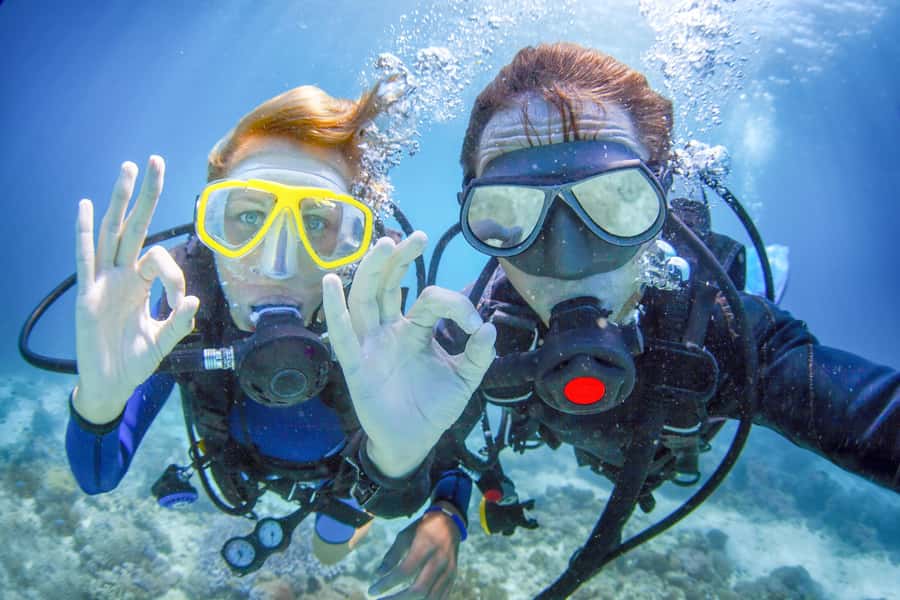
You’ll be taught the basics of using the right scuba equipment, with emphasis on relaxing and reassuring yourself during the session. One guest described a step-by-step approach where the coach introduced the equipment and got them ready to sign underwater—so you’re not wondering what you’re supposed to do once you’re down.
In some cases, the schedule starts with a gear-fitting stop at a local school before heading to the beach. Don’t count on a specific name or location, but do count on a fitting moment where the team checks your setup and gets you ready.





Shallow-Water Practice First
Before you go deeper, the training starts in shallow water. This is where you learn to use your gear properly and get your breathing under control. Many first timers are anxious about the sensation of being underwater, especially if you’re not a strong swimmer. In practice, guests mention instructors being very reassuring and taking time to get them comfortable before progressing.
This is the part you’ll appreciate most if you tend to overthink. The more you can succeed in shallow water, the calmer you’ll feel later.
Two Underwater Sessions (and Time to Swim and Relax)
After the introductory practice, you do two underwater sessions. The team may take you deeper bit by bit. Depth varies by group and conditions, but guests have reported max depths around 12 meters in some cases, and around 20 meters in others.
You’ll also get some time to swim and relax between or after the deeper learning segments. That’s where the experience stops feeling like a class and starts feeling like exploring.
What Wildlife You Might See
This area can be great for beginner-friendly marine life. Based on the provided expectations and guest sightings, you might spot:
- Blue-spotted stingrays
- Octopus
- Scorpion fish
- Moray eel
- Trigger fish
- Sweet lips
- Schools of colorful fish
- Sea turtles (a frequent highlight)
- Even cuttlefish and barracuda reported by some guests
One of the stranger fun notes: the experience description says you might even encounter a submarine. I can’t promise that, but it’s the kind of detail that adds to the day’s “unexpected” feeling.
Also, keep your eyes open for smaller creatures. Guests mention nudibranchs, mantis shrimp, anemones, clownfish, and puffer fish. It’s a reminder that “beginner” doesn’t mean “boring.”
Lunch After the Second Session
Lunch is included at the end of your second underwater session, and guests describe it as delicious. After gear, sun, and saltwater, food tastes better than you think it will. Even better: light refreshments are part of the package, and you can expect water, tea, and coffee at the staff base during the day.
Equipment, Instructors, and Safety: The Real Value You’re Buying
The price is $112 per person, and the value is in what’s included, not just the training. You get all equipment rental, including tanks and weight belts, plus the marine park entry fees, boat and porter fees, and instructor time.
If you were to price those items separately, scuba instruction often costs much more than people expect once you include boat access and equipment. Here, the structure is designed so you can show up and focus on learning, instead of managing logistics.
The other big value is confidence. Reviews repeatedly point to instructors who are:
- patient with nervous first timers
- safety-focused
- skilled at explaining things clearly
- attentive in the water
You’ll also see real names in guest feedback. For example, some guests specifically mention Ari, Made, Kim, AK, Adi, and Ferri as instructors. That pattern matters. It suggests consistency—different guides, similar approach: calm coaching and good English from the team in multiple cases.
About That PADI Open Water Credit Option
If you want to keep going toward a PADI Open Water Diver course, this day can count as a credit toward completing it. That’s a big deal if you’re on the fence.
Here’s how to think about it: even if you’re unsure you’ll commit to the full certification, this trip lets you test the experience. If it clicks, you’ve already done structured training work that can help you move forward faster.
Just ask the instructor how the credit applies to your specific plan before you get on the boat. Don’t assume it’s automatic for every course pathway.
The “Know Before You Go” Stuff That Can Affect Whether You Can Participate
This experience has clear rules, and reading them saves disappointment.
Flight Rule: Give Yourself 18 Hours
If you have an upcoming flight, you need at least 18 hours to rest to reduce nitrogen in your body. If you don’t have that window, you won’t be allowed to participate. This isn’t a minor detail—it can change your whole schedule—so check your travel plan early.
Age and Health Limits
You need to be at least 10 years old. This is not suitable for:
- pregnant women
- people with heart problems
- people with respiratory issues
If any of those apply, don’t push it. Scuba equipment and underwater conditions can add stress your body may not handle.
What to Bring
Bring:
- a change of clothes
- a towel
- sunscreen
And I’d add practical basics of my own: something for sun protection for the boat ride and a bag for wet gear. You’ll be sun-exposed and salty for a while.
Sea Sickness Happens
One guest mentioned getting sea sick and being able to adjust so they completed only one underwater session. The staff were kind and supportive, even offering help with pressure points. If you’re sensitive to motion, consider packing motion-sickness prevention and plan to communicate early if you feel off.
Small Details That Matter in Real Life
Group Size and Attention
With small group size limited to 2 participants, you should expect more hands-on help. That’s huge for first timers, especially if you freeze when you feel pressure changes or you need time to understand gear controls.
Languages
Instruction is offered in English and Indonesian, which helps clarity. Multiple guests mention good English, and that’s what makes a beginner experience feel safe—because you understand what to do and why.
Logistics and Boat Entry Location
Most of the flow is straightforward, but one guest said the only issue was the location of the underwater session. That’s not necessarily a problem with the team; it’s often a sea-and-safety decision. Go in with the understanding that conditions can affect where you enter the water.
Marine Life Isn’t Perfectly Pristine
One guest noticed plastic and rubbish in the water. You can still have a great experience and see plenty of wildlife, but it’s a good reminder to set expectations realistically. Nature isn’t a showroom, especially near busy coastlines.
Should You Book This First-Time Scuba Experience?
If you want your first underwater training to feel controlled, safe, and beginner-friendly, I’d say yes—especially because of the two-person group setup, included equipment, and patient instruction. The combination of shallow-water learning plus a guided progression makes it easier to succeed even if you’re nervous.
Book it if:
- you want to try scuba without managing equipment rentals
- you prefer small-group attention
- you’re interested in seeing marine life like rays and turtles
- you’re considering the PADI Open Water Diver pathway and want this day as credit
Hold off if:
- you don’t have 18 hours after the experience before a flight
- you fall under the health or age limits
- you want a short, half-day activity (this is a full 8-hour commitment)
In short, this is one of those rare beginner experiences where the point isn’t impressing you. It’s making you feel capable—step by step—until the ocean stops being scary and starts being fascinating.
FAQ
Is hotel pickup included?
Yes. Pickup and drop-off are included around Central Kuta, Legian, Seminyak, Kedonganan, ITDC, and Sanur areas. Ubud, Uluwatu, and Canggu are outside the free service area and cost $27 return per group, or you can meet at a meeting point.
How long is the experience?
It runs for about 8 hours total, including pickup, travel, boat time, two underwater sessions, and lunch.
What age do you need to be?
Participants must be at least 10 years old.
Is it suitable for people who are pregnant or have heart or respiratory issues?
No. It is not suitable for pregnant women, people with heart problems, or people with respiratory issues.
What if I have a flight soon after?
You need at least 18 hours to rest to reduce nitrogen before a flight. If you don’t have that, you will not be allowed to participate.
What’s included in the price?
The price includes hotel pickup/drop-off, marine park entry fees, boat and porter fees, lunch and light refreshments, water/tea/coffee at the center, an experienced instructor, and all scuba equipment rental (including tanks and weight belts).