Cooking in a family home feels personal. You’ll pick ingredients at a local market, then go hands-on with Balinese cooking (5–6 recipes) while guides and families explain the why behind the flavors.
I especially like that you don’t just watch. You cook, you taste, and you leave with extra food ready for your next meal. I’m also a fan of the cultural side—this is set up like a day with real people, not a factory production.
One thing to consider: the class location is often outside central tourist areas, so the transfer time can be long. One verified booking flagged about a 2-hour drive each way, so plan your day around the full pickup-to-drop-off time, not just the cooking block.
In This Review
- Key Things You’ll Notice Right Away
- What $52 Gets You in Real Terms: Private Cooking, Real Food
- Morning or Afternoon: How the 6-Hour Day Flows
- The Market Walk: Picking Ingredients Is Part of the Lesson
- Inside a Traditional Balinese Family Home
- The Cooking Part: 5–6 Dishes You’ll Be Able to Recreate
- Standard non-vegetarian menu includes
- Vegetarian menu includes
- Eating Your Results: Informal Lunch and Take-Home Food
- Add-Ons That Can Turn This Into a Full Bali Day (Not Just a Class)
- Price vs. Other Bali Cooking Classes: Where the Value Really Comes From
- Who Should Book This (and Who Should Skip It)
- A Few Smart Tips Before You Go
- Should You Book This Balinese Cooking Class From a Family Home?
- FAQ
- How long is the Bali private cooking class?
- Is a market visit included?
- Do I get to cook, or is it mostly watching?
- How many dishes will I cook?
- Can I choose a vegetarian menu?
- Do I get to take food home?
- What’s included besides cooking and ingredients?
- Is it suitable for wheelchair users or young children?
- Are there restrictions for food allergies or special diets?
Key Things You’ll Notice Right Away
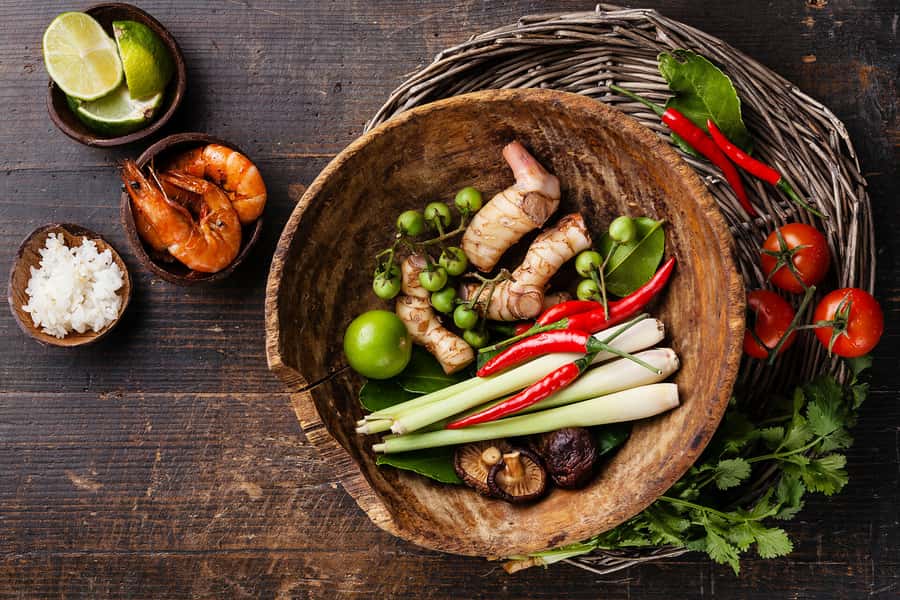
- You shop for your own ingredients at a local market before cooking starts
- Hands-on teaching for 5–6 recipes, not a demo-only format
- A family-home setting where the culture comes through in everyday routines
- You get breaks for tropical fruit and Loloh Cem Cem during the day
- Your meal often includes banana-leaf cooking (Pepes) and coconut-based grilling techniques
- Optional add-ons can turn it into a full Bali “food and wellness” day
What $52 Gets You in Real Terms: Private Cooking, Real Food
At $52 per person for a 6-hour experience, this isn’t priced like a quick cooking show. You’re paying for a private, guided day that blends three things people usually do separately in Bali: market time, a proper cooking lesson, and a sit-down meal with the dishes you made.
Here’s what’s clearly part of the value:
- Hotel pickup and drop-off included (huge if you’d otherwise wrestle with getting to an East Ubud-area village)
- A private cooking class (you’re not sharing a tiny workspace with strangers)
- Ingredients and a set menu (you’re not guessing what to buy, or how it all fits together)
- You cook 5–6 dishes, then eat them informally as a group
- You can take leftover dishes home, which means the day keeps paying you back after you return to your room
And if you want to add more, the list of add-ons can expand the day with options like traditional massage (1-hour or 2-hour), Luwak coffee tasting, and Jungle Swing + coffee. If you’re already doing a lot of tours, those add-ons help you stack experiences into one smooth itinerary.
You can also read our reviews of more tours and experiences in Bali.



Morning or Afternoon: How the 6-Hour Day Flows
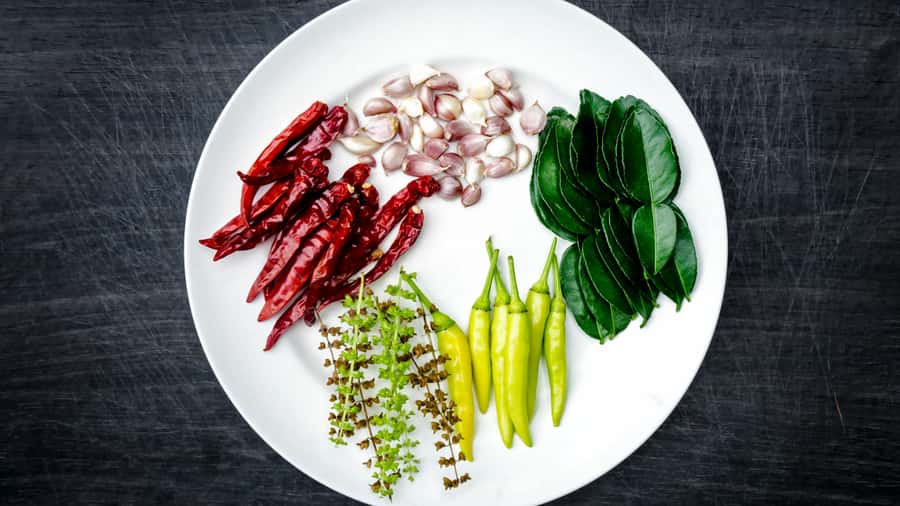
You’ll choose either a morning or afternoon class. Both options follow the same rhythm, with two breaks during the session. The day typically looks like this:
1) Pick-up and transfer
You’re collected from your hotel and driven to the market and then onward to the cooking home.
2) Market visit plus ingredient selection
You pick the ingredients you’ll cook with. Market availability can vary depending on timing and local regulations, so don’t assume every stall is open every time slot.
3) Welcome drink and a cookery demonstration
Before you hit the stoves, you’ll be greeted with a drink and watch a demonstration. The instructor prepares the dishes first so you understand the “shape” of what you’re about to do.
4) Hands-on cooking
Then comes the work: prep and cooking at a fully equipped workspace, with lots of coaching.
5) Two breaks for fresh fruit and Loloh Cem Cem
You’ll sample tropical fruit and Loloh Cem Cem, a well-known homemade health herbal drink.
6) Informal dining
You eat the dishes you made. The atmosphere is casual, like you’re sharing a family meal, not standing in a line like it’s a restaurant shift.
7) Take-home food
You can take the rest of your dishes home after the class.
One practical note: the structured “4-hour cooking class” language in the description can be a little misleading if you’re thinking only about time at the stove. The experience is sold as 6 hours total, and transfers can add up.
The Market Walk: Picking Ingredients Is Part of the Lesson
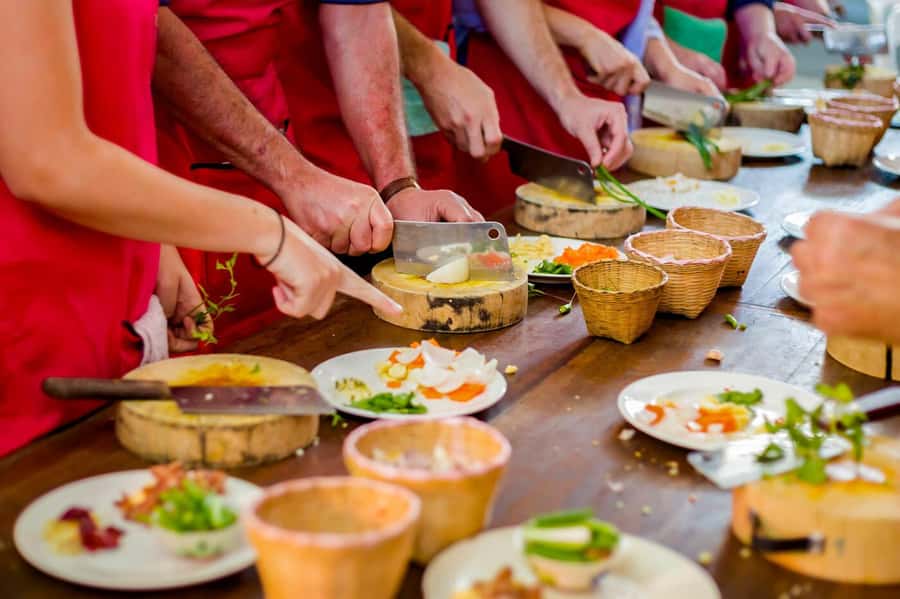
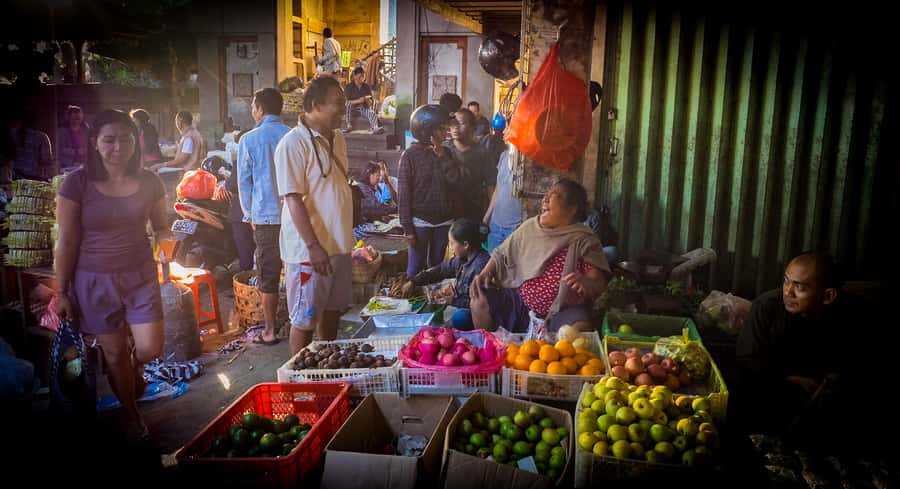
This tour puts the market stop front and center. You don’t just get handed a list and a basket. You’re actually selecting produce and key items to match the dishes you’ll cook.
Why that matters: Balinese cuisine relies on freshness and the balance of ingredients. When you see herbs, vegetables, and aromatics up close—then cook them immediately—you understand the flavors instead of memorizing a recipe.
A couple of real-world things to expect:
- Market availability may vary depending on the time of day and local regulations.
- You might find fewer stalls open if there are local celebrations going on, but your guide will still aim to get the ingredients you need.
In multiple accounts, guides like Indah, Sana, and Putu (along with family members) used the drive and market time to explain local culture and how food fits into daily life—so the market walk feels like a context lesson, not just shopping.
Inside a Traditional Balinese Family Home
The cooking class happens in a traditional Balinese family home, and you’re asked to respect local customs and follow your instructor’s guidance. That’s not just “polite tourism language.” It changes the whole tone of the day.
Based on what guides and families are doing during the class, here’s what you’re likely to experience:
- A welcome with local touches like tea or coffee, depending on timing
- A family-based setup where different people (sometimes mother, aunties, or brothers) help with the process and explain techniques
- A calm, lived-in environment where the cooking is part of everyday routines
In several write-ups, it sounds like the family role is big—people are met at the home, ingredients are already prepared, and you cook together. Some guides (for example Nyoman, Putu, and Wayan Sana) also took guests on route stops for cultural context like plantations, or other small checkpoints that helped you see more of Bali than just the final meal.
One important caution: the home setting means you’re not in a Western classroom. If you’re hoping for lots of English-led theory, you may find the cooking and family conversation take the lead. One guest noted language limitations inside the home reduced their learning, but their guide still tried hard to teach culture and cooking through English.
The Cooking Part: 5–6 Dishes You’ll Be Able to Recreate
This is a truly hands-on class. You move from watching a demonstration to cooking yourself, with assistance and tips so the dishes come out right.
Menu choice happens before the class: Standard non-vegetarian or Vegetarian. Both menus include:
- Basic Yellow Sauce and Peanut Sauce with Vegetable
- Kolak Pisang (braised banana in palm sugar gravy)






Standard non-vegetarian menu includes
- Sate Lilit Bawi (charcoal grilled pork sticks)
- Pepes Ikan (fish cooked in banana leaves with herbs and spices)
- Chicken Kare (Balinese fried chicken)
- Lawar Bali (mixture of vegetables, coconut, meat, herbs, and spices)
- Mie Goreng (fried noodles)
- Kolak Pisang (sweet banana palm sugar dessert)
Vegetarian menu includes
- Balinese Vegetables Soup (Balinese green curry style)
- Pepes Tempeh (tempeh in banana leaves with herbs and spices)
- Tempeh Manis (stir-fried tempeh with sweet soy sauce)
- Gado Gado (vegetable salad with peanut dressing)
- Kolak Pisang
The techniques that make this feel authentic
A few technique details came up repeatedly in accounts:
- Fine chopping is part of the magic for certain recipes (satay-style cooking was specifically mentioned as requiring very finely chopped ingredients).
- Banana leaves show up in Pepes dishes, adding aroma and flavor while steaming/infusing the filling.
- There’s a clear emphasis on traditional methods, like using charcoal grilling for satay and family-style prep for mixed dishes such as lawar.
You’ll also learn how the sauces work with the rest of the plate—especially the peanut sauce and the basic yellow sauce that anchor several dishes. This is where you start understanding Balinese flavor logic: herb-forward aromatics, spice balance, and sauces that carry both comfort and punch.
Eating Your Results: Informal Lunch and Take-Home Food
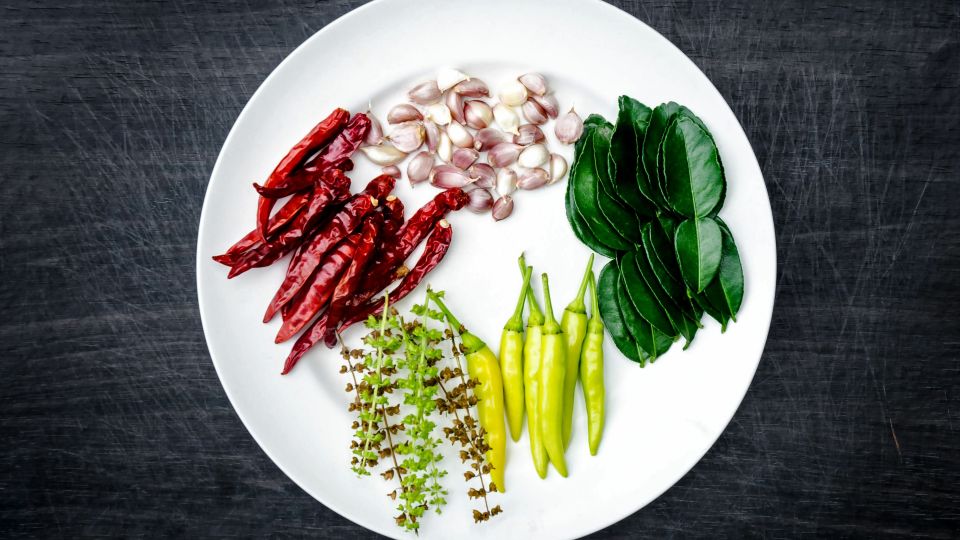
After you cook, you eat in the dining area in an informal atmosphere. The point is simple: you taste what you made, while it’s still real food and not a lesson you finished hours ago.
Then you get the bonus: take the rest home. That’s a big deal, because you don’t just pay for a moment—you pay for leftovers you can enjoy later.
Some families also add extra keepsakes. If you choose the add-on, there’s a Polaroid camera with 10 photos. If you’re traveling with someone you want to remember the day clearly, it’s a neat touch.
Add-Ons That Can Turn This Into a Full Bali Day (Not Just a Class)
The base experience already covers market + cooking + dining + fruit/herbal breaks. Add-ons are for people who want to lengthen the “Bali feeling” without juggling multiple reservations.
Here are the add-ons listed:
- Traditional massage (1-hour or 2-hour)
- Luwak coffee tasting
- Jungle Swing + coffee
- Language and guide options, including German-speaking guide, Japanese-speaking guide, Korean-speaking guide, and a female guide
- A Polaroid photo package (10 photographs)
You’ll want to decide based on your travel style:
- If you like food first, choose coffee or massage.
- If language support matters to you, pick the guide language add-on so you don’t miss the deeper explanations.
- If you want a photo-and-experience day, Jungle Swing + coffee can add energy before or after the cooking.
Price vs. Other Bali Cooking Classes: Where the Value Really Comes From
Cooking classes in Bali range wildly. The question isn’t only the price. It’s what you get for that money and how much effort you do yourself.
This one offers strong value because:
- It’s private, with a dedicated guide and chef instruction
- You get hotel pickup/drop-off
- You cook multiple recipes (5–6), not just two or three
- ingredients are included
- you get take-home food
- the day includes market selection and cultural context
If you’ve ever done a cooking class that felt more like a performance than a lesson, this format aims to avoid that. The stoves time is real, and the coaching is built into the class.
Who Should Book This (and Who Should Skip It)
This works best for:
- Couples and friends who want a private day with food at the center
- Solo travelers who want hands-on structure and a local home setting
- Anyone who wants a practical set of dishes to recreate, including sauces and banana-leaf cooking
Based on the provided restrictions, it may not be the right fit if:
- You need a wheelchair-friendly setup (wheelchair users are not suitable)
- You’re traveling with kids under 10 (children must be accompanied by an adult, and the activity isn’t suitable under age 10)
- You have food allergies (people with food allergies aren’t suitable)
- You want alcohol involved (alcohol and drugs are not allowed)
Also, the menus can include spices, peanuts, soy, or animal products. If you have dietary needs that aren’t a severe allergy, you should inform the team in advance so the team can advise you.
A Few Smart Tips Before You Go
You’ll have the best time if you plan for the day as a full experience, not a short classroom block.
- Expect a drive. Several accounts describe East Ubud-area travel as a factor. Build in buffer time.
- Come ready to cook. This class is hands-on, and you’ll do prep and cooking with assistance.
- Choose your menu in advance. Standard vs vegetarian needs to be set before the class.
- Use the guide questions. Guides like Indah, Sana, and Sambe were repeatedly praised for cultural context and teaching style. If you’re curious, ask.
- Remember the home setting. Respect local customs and follow guidance. It’s part of how the experience stays authentic.
Should You Book This Balinese Cooking Class From a Family Home?
If you want Bali food that feels grounded in real daily life, this is a strong pick. The combination of market ingredient selection, a family-home setting, and hands-on cooking for 5–6 dishes makes it more than a “cook and leave” activity.
Book it if you:
- like practical lessons you can recreate later
- enjoy cultural context alongside food
- prefer private instruction
Think twice if you:
- don’t want a long day due to transfer time
- need a wheelchair-accessible setup
- have food allergies (this isn’t suitable)
With a 4.8 rating from 87 reviews, it has the track record you want for a class that depends on both teaching and hospitality. If your idea of a perfect Bali day includes cooking at a real home, then yes—this one is worth booking.
FAQ
How long is the Bali private cooking class?
The total experience duration is 6 hours.
Is a market visit included?
Yes. You visit a local market before the cooking session to select your ingredients.
Do I get to cook, or is it mostly watching?
It’s hands-on. You cook yourself with assistance and tips from the chef and guide, after an initial demonstration.
How many dishes will I cook?
You’ll cook 5–6 recipes.
Can I choose a vegetarian menu?
Yes. You can select a Standard non-vegetarian or Vegetarian menu before the class.
Do I get to take food home?
Yes. You can take the rest of your dishes home after the class.
What’s included besides cooking and ingredients?
You also get aprons and utensils, a welcome drink, two breaks with tropical fruit and Loloh Cem Cem, and hotel pickup and drop-off. Optional add-ons may add massage, coffee tasting, and photo services.
Is it suitable for wheelchair users or young children?
No. It isn’t suitable for wheelchair users, and it’s not suitable for children under 10. Children must be accompanied by an adult.
Are there restrictions for food allergies or special diets?
People with food allergies are not suitable. The team asks you to inform them about dietary restrictions or allergies, since dishes may contain spices, peanuts, soy, or animal products.