Ubud looks better with a driver. This private car charter sets you up for a full day around Bali, where an English-speaking driver helps you hit major sights without the hassle of buses and confusing routes. You can shape the day around your interests, from jungle temples and rice terraces to cliffside views and sea temples.
I like two things most: first, the customizable route and pacing, so you’re not trapped in a rigid schedule; second, the people-focused guidance—drivers such as Made are praised for clear English and for steering you toward spots you might otherwise miss. The only real drawback to plan around is time: a 10-hour day is packed, and traffic on Bali roads can stretch travel between areas.
In This Review
- Key highlights at a glance
- Private driver in Bali: why it makes the day work
- How the 10-hour route fits together (and how to plan it)
- Comfort and clothing tips that save you time
- Sacred Monkey Forest sanctuary: temples, trees, and real macaques
- What to watch for
- Tegenungan Waterfall: a quick jungle break with swim/photo potential
- A practical note
- Tirta Empul water temple: spiritual cleansing in a sacred spring setting
- Respect tips that keep things smooth
- Lempuyang Temple and the Gates of Heaven: classic photo views with a sacred setting
- The one consideration: conditions and timing
- Tegalalang rice terraces: emerald steps and how irrigation shapes the valley
- How long to enjoy it
- Ulun Danu Beratan: the floating-feeling water temple on Lake Beratan
- A weather reality check
- Uluwatu and Tanah Lot: limestone cliffs, surf breaks, and sea-temple drama
- Timing matters for the coast
- Batuan Temple and Bali Swing: culture details plus an adrenaline pause
- Then: Bali Swing for photos with a price tag you can plan
- Price and value: what $22 gets you, and what costs extra
- Who should book this private car charter (and who might not)
- Should you book this Bali private driver day?
- FAQ
- What’s the duration of this Ubud private car charter?
- Are hotel pickup and drop-off included?
- Is lunch included in the price?
- Are entrance tickets included?
- Which stops have free admission?
- What’s included in the tour besides the car and driver?
- What is the cancellation policy?
Key highlights at a glance
- Private English-speaking driver to help you connect the cultural dots as you move through Bali
- Hotel pickup in Ubud and south Bali so you can start smoothly and avoid logistics stress
- Custom day, custom pacing with options that help you manage cost and time
- A smart mix of stops: sacred monkey forest, water temples, rice terraces, and coastal icons
- Some entrances are free, while others are pay-as-you-go (with sarongs provided)
- Bottled water + AC car + parking fees included, so small comfort costs are covered
Private driver in Bali: why it makes the day work
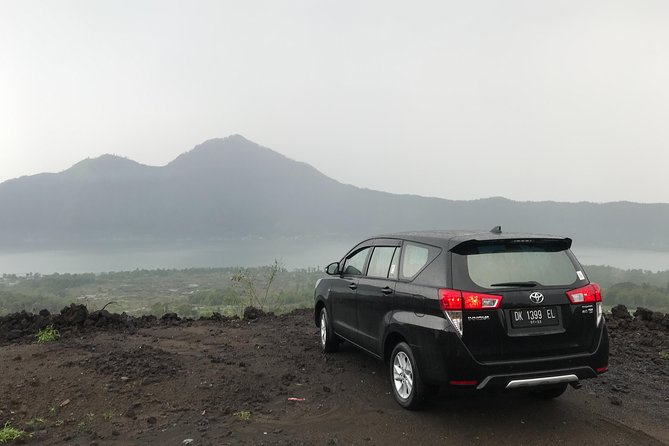
Here’s the thing about Bali: it’s gorgeous, but getting around can be the hardest part of the trip. Public transport is still in its early stages, and roads can be rough, slow, and unpredictable. A private car solves that immediately. You’re not trying to read traffic patterns, coordinate transfers, or wrestle with directions when you’d rather be staring at rice terraces.
This charter is built for a “soft independence” style. You choose what you want to see, then you let the driver handle the driving. The driver also adds context. Instead of just showing up at a temple and taking photos, you’ll get explanations of what you’re looking at—why it matters, how locals understand the place, and what details are worth noticing while you’re there.
I also appreciate the practical feel of the inclusions. You get bottled water, an AC vehicle, and parking covered. Those small items matter more in a hot, road-heavy day than they do on paper.
You can also read our reviews of more tours and experiences in Ubud.


How the 10-hour route fits together (and how to plan it)
The ride is about 10 hours total, with hotel pickup and drop-off in Ubud and south Bali. That time window works best when you think in zones, not checklists. You’re mixing central Ubud-side sights with big-name stops farther south and along the coast. That means some segments are scenic and some are more about getting from one area to the next.
The itinerary is paced with stops around 1 hour each for most places, plus one very short stop (Batuan). That’s a good rhythm if you like photos, views, and a quick cultural stop—without turning the day into a marathon.
Entrance fees and lunch are not included. Some locations are free on the day you go, while others require a ticket. That pay-as-you-go approach can be a plus, because you control costs by choosing how many paid experiences you want to add. It also means you should bring cash or a payment method you can rely on for tickets and lunch.
Comfort and clothing tips that save you time
Temple stops can require you to cover up, and this tour includes Balinese sarongs, which is a big convenience. Still, it helps to wear light layers, bring sun protection, and keep a small bag ready so you’re not scrambling when you arrive.
Sacred Monkey Forest sanctuary: temples, trees, and real macaques
The day starts at the Ubud Monkey Forest (Mandala Suci Wenara Wana), a sacred nature reserve and temple complex. The key thing here is that the monkeys aren’t just “around.” They roam freely—over 1,200 long-tailed macaques live here, and you’ll see them moving through the greenery and temple areas.
What I like about this stop is the blend of nature and sacred space. It’s not only an animal encounter; it’s also a living temple environment. If you’re paying attention, you’ll notice how visitors flow through the grounds and how people act around the animals.
What to watch for
This is a wildlife setting, not a zoo. You’ll want to be mindful with phones, bags, and anything tempting. Also, build in a little patience: as with any place where animals roam, the pace can shift.
The admission ticket isn’t included, so budget for it if you want this first stop.


Tegenungan Waterfall: a quick jungle break with swim/photo potential
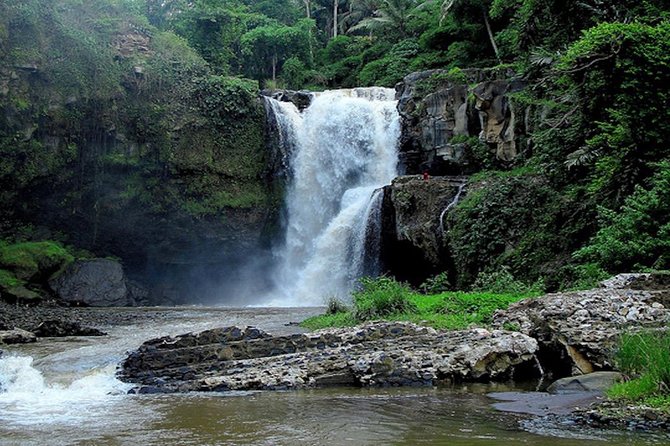
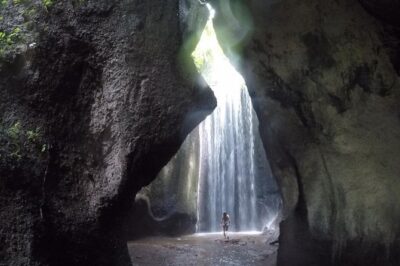
Next is Tegenungan Waterfall, popular because it’s easy to access and set in a lush jungle setting. It’s known for a 15-meter drop and a natural pool, with the option to swim if conditions and your comfort level allow.
This is the kind of stop that refreshes your head after temple time. You get a dramatic view, great photo angles, and a change of pace from patterned stone paths and carved gates.
A practical note
Waterfalls are timing-sensitive. If you’re going at a busy hour, expect crowds and shared viewpoints. Wear footwear that handles wet spots, and don’t assume you can stay dry the whole time.
Again, entrance is not included here.
Tirta Empul water temple: spiritual cleansing in a sacred spring setting
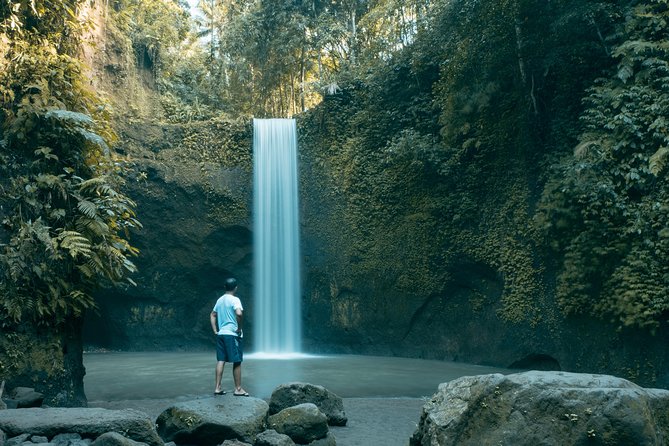
Then you reach Tirta Empul Temple, famous for its sacred spring water used for spiritual cleansing rituals. Locals and visitors take part in Melukat, and the site is dedicated to Vishnu.
This is one of the stops that feels more meaningful when you understand the purpose. The water isn’t just a pretty feature; it’s central to the temple’s identity. If your driver explains what you’re seeing, the whole experience clicks into place faster, especially if you’re not already familiar with Balinese Hindu water-temple traditions.
Respect tips that keep things smooth
Go in with a respectful mindset and expect there may be rules around how you move and where you stand. Also plan your time: these places often have people actively participating, and you’ll want a little space to observe without blocking.
Entrance ticket is not included.
Lempuyang Temple and the Gates of Heaven: classic photo views with a sacred setting
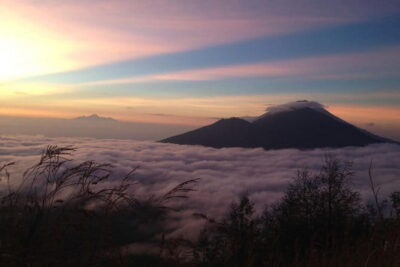
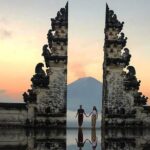
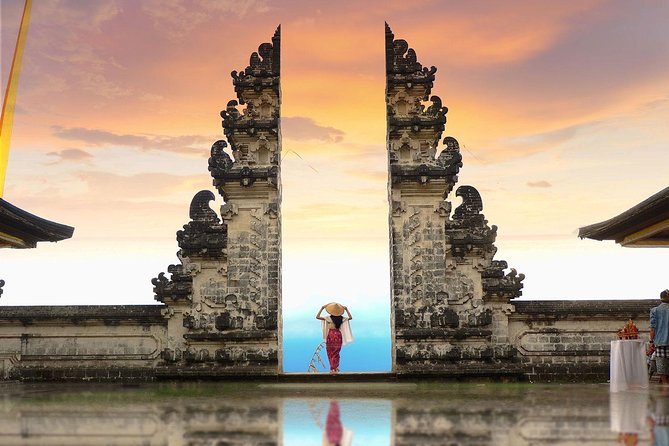
The next stop is Lempuyang Temple (Pura Lempuyang Luhur), an ancient Balinese Hindu temple complex on Mount Lempuyang. The big draw is the famous Gates of Heaven (Candi Bentar), plus views of Mount Agung, depending on weather and sightlines.
This is a stop built for attention. You’re going for that iconic gate view, but you’re also walking through an active sacred area. Even if your priority is photos, it helps to treat it as a temple visit first, photo second.
The one consideration: conditions and timing
This is the kind of place where fog, cloud cover, or wind can change what you see. If you want the best chance at clear views of the distant volcano, it helps to keep a flexible schedule and let the day’s timing do its thing.
Entrance isn’t included.
Tegalalang rice terraces: emerald steps and how irrigation shapes the valley
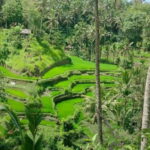
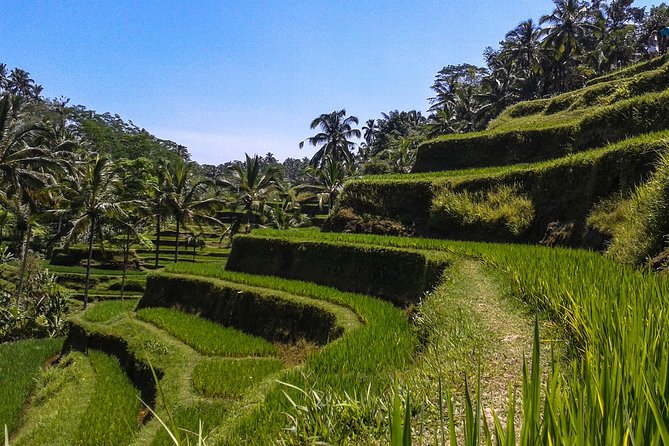
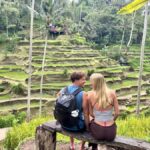
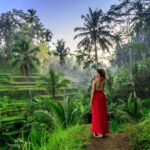
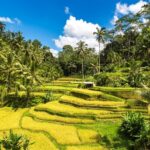
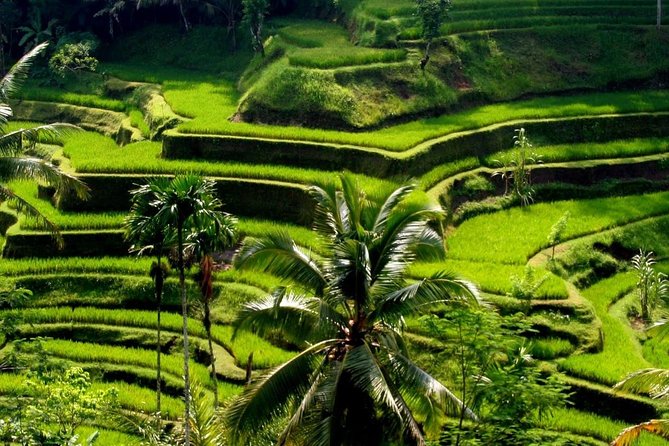
Back in the Ubud area, you’ll hit Tegalalang Rice Terrace (including the Ceking area). These are the iconic stepped paddies carved into a valley, famous for their emerald-green appearance and for the traditional subak irrigation system.
What I like about rice-terrace stops is that they turn food into a story. Instead of just seeing green steps, you can learn how water management and community farming support the landscape. With a driver who explains the context, your photos stop being random and start showing something real.
How long to enjoy it
Plan to take your time with viewpoints. One hour can be enough if you’re selective, but if you love walking and layered views, you might wish you had a bit more.
Entrance ticket isn’t included.
Ulun Danu Beratan: the floating-feeling water temple on Lake Beratan
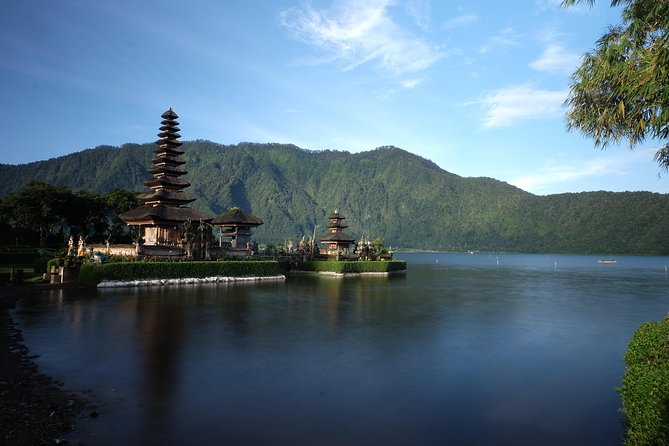
Next comes Ulun Danu Beratan Temple, a 17th-century water temple on Lake Beratan. It’s known for a “floating” appearance and for a misty mountain backdrop, dedicated to Dewi Danu, the water goddess.
This is where the day shifts again. You go from valley agriculture and jungle energy to a calm, water-centered temple setting. If you’re lucky with weather, you’ll get that classic layered feel: temple forms, lake surface, and mountains in the background.
A weather reality check
Because it’s associated with mist and mountain conditions, lighting and visibility can change quickly. If the sky is dramatic, you’ll love it. If it’s flat, treat it like a peaceful temple visit rather than a “perfect photo” stop.
Entrance ticket isn’t included.
Uluwatu and Tanah Lot: limestone cliffs, surf breaks, and sea-temple drama
Uluwatu is a standout region on Bali’s Bukit Peninsula, known for dramatic limestone cliffs, world-class surf breaks (like The Peak), and beaches such as Padang Padang. The area’s main temple draw is Pura Luhur Uluwatu, a classic Bali icon built into the cliffside setting.
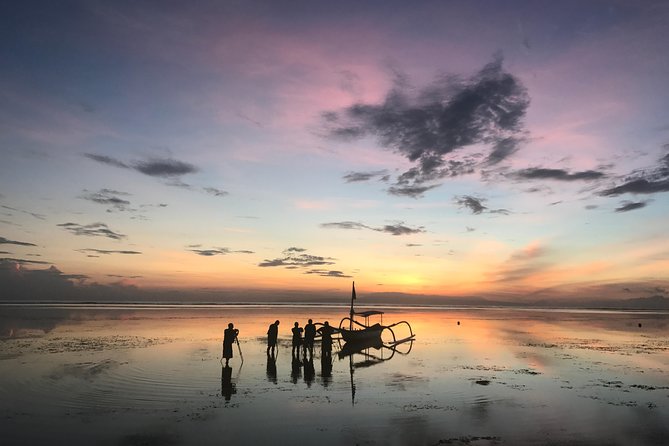
Then you continue to Tanah Lot, a famous sea temple perched on a rock formation just offshore. It’s known for sunset views and for the meaning of its name: Land in the Sea. It’s part of the reason Tanah Lot is so popular; it’s a temple with ocean drama.
Here’s the good bit: both Uluwatu and Tanah Lot list admission as free. That can save you money, and it also makes these stops easier to justify inside a single-day budget.
Timing matters for the coast
These coastal sights often shine most when the light is forgiving. If your schedule arrives later in the day, you’ll still enjoy the temples and views, but you might not catch the same magic that people chase at sunset.
Batuan Temple and Bali Swing: culture details plus an adrenaline pause
The day also includes Batuan Temple (Pura Puseh Desa Adat Batuan). This is an 11th-century Balinese Hindu temple in the village of Batuan, known for intricate sandstone carvings and traditional architecture, including black palm fiber roofs. It’s a detail-oriented stop, more about craftsmanship and stonework than big panoramic views.
One note from the schedule: Batuan is listed as a very short stop (about 1 minute). So if you care deeply about carvings, treat this stop as a quick look rather than a slow study.
Then: Bali Swing for photos with a price tag you can plan
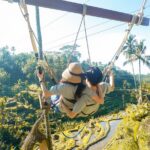
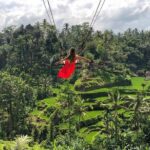
After that, you have Bali Swing at Picheaven Bali Swing. This is an adventure park with multiple high swings and scenic “nests” set against jungle, river, and valley backdrops. The good news: admission for this part is listed as included.
This is a fun break because it swaps quiet temple time for active, photo-friendly moments. It’s also a good way to get variety in a single day: spiritual sites plus something playful and physical.
Price and value: what $22 gets you, and what costs extra
At $22 per person, the main value here isn’t just transportation. It’s the combination of an AC car, parking fees, bottled water, and an English-speaking driver who can explain what you’re looking at. You’re also covered for Balinese sarongs, which saves you from hunting around on temple days.
Costs you should expect on top:
- Lunch (not included)
- Entrance tickets (generally not included), though some stops are free and Bali Swing is included
So how do you judge whether this is good value? I’d think about it like this: a single well-planned day in Bali can involve several paid sites. If you do mostly free entrances, you’ll spend less. If you add lots of ticketed stops, your total rises—but you’re paying for a day that’s easier, faster, and guided.
Also, this is a private tour for your group, so you’re not competing with strangers for space, patience, or driver attention.
Who should book this private car charter (and who might not)
This charter fits best if you:
- Want English-speaking guidance without losing flexibility
- Prefer the comfort of a private car over navigating Bali’s road realities
- Like a “great hits” day that mixes temples, terraces, waterfalls, and coast
- Want a day shaped around your interests, with a driver suggesting options
It might not be your best choice if you want a super slow, deep-lecture style experience. The day is designed to cover a lot, with typical stops around an hour. You’ll enjoy it most if you’re okay with moving at a lively pace.
Should you book this Bali private driver day?
If you want a smooth day that feels organized without feeling boxed in, I’d say yes—especially if you’re staying around Ubud or south Bali and you want help handling transport and entry logistics. The biggest reason to book is simple: Bali’s road situation can eat time and energy, and a private car protects your day.
I’d book this if you care about getting context at temples and water sites, and if you want variety more than one single theme. Just go in with realistic expectations: entrance fees and lunch are on you, and the coastal light may depend on timing.
If you want, tell me your travel dates and whether you prefer more beaches or more temples, and I’ll suggest a sensible way to prioritize these stops within the 10-hour window.
FAQ
What’s the duration of this Ubud private car charter?
It runs for about 10 hours.
Are hotel pickup and drop-off included?
Yes. Pickup and drop-off are offered at hotels in Ubud and south Bali.
Is lunch included in the price?
No. Lunch is not included.
Are entrance tickets included?
No. Entrance tickets are not included, except Bali Swing which is listed as included.
Which stops have free admission?
Uluwatu and Tanah Lot list admission as free.
What’s included in the tour besides the car and driver?
Included items are bottled water, an air-conditioned car, parking fees, and Balinese sarongs, plus an English-speaking driver.
What is the cancellation policy?
You can cancel for a full refund if you cancel up to 24 hours in advance. If you cancel less than 24 hours before the experience starts, the amount paid is not refunded.