Stepping into reptile world feels oddly calming. Bali Reptile Park pairs tropical gardens with guided encounters, so you’re not just looking at animals—you’re learning how they live. You’ll walk past lizards and geckos first, then snakes, turtles, and more, all in enclosures designed to feel like their natural habitat.
I especially like the live English guide component and the chance for supervised hands-on interactions. The guide model keeps things moving and helps you read what the animals are doing instead of guessing. The biggest trade-off is that it’s mostly an outdoor visit, so weather and heat can shape your comfort level.
In This Review
- Key highlights to know before you go
- Entering the park at Bali Reptile Park: where the day really starts
- Getting there from Gianyar: meeting point and practical logistics
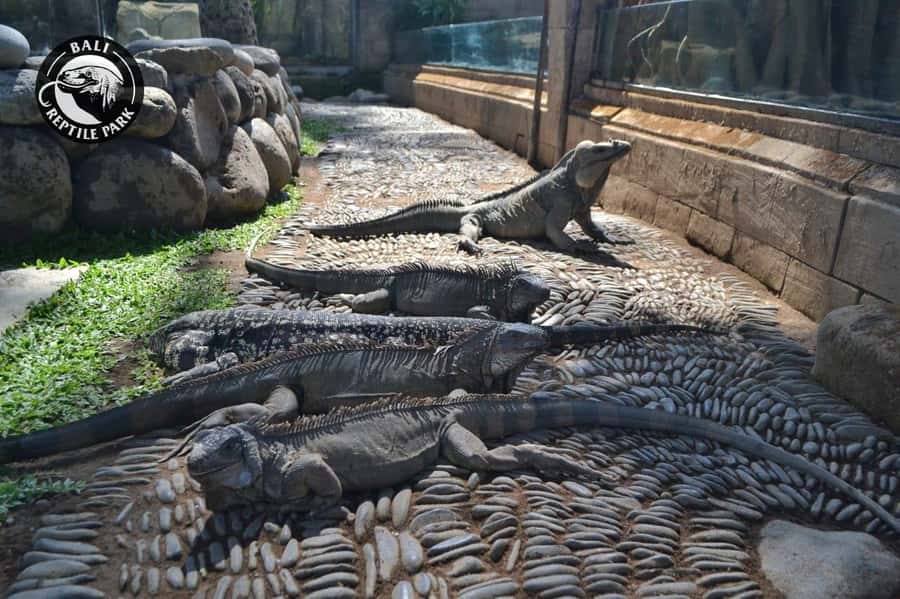
- The lizard and Komodo dragon route: the first wow factor
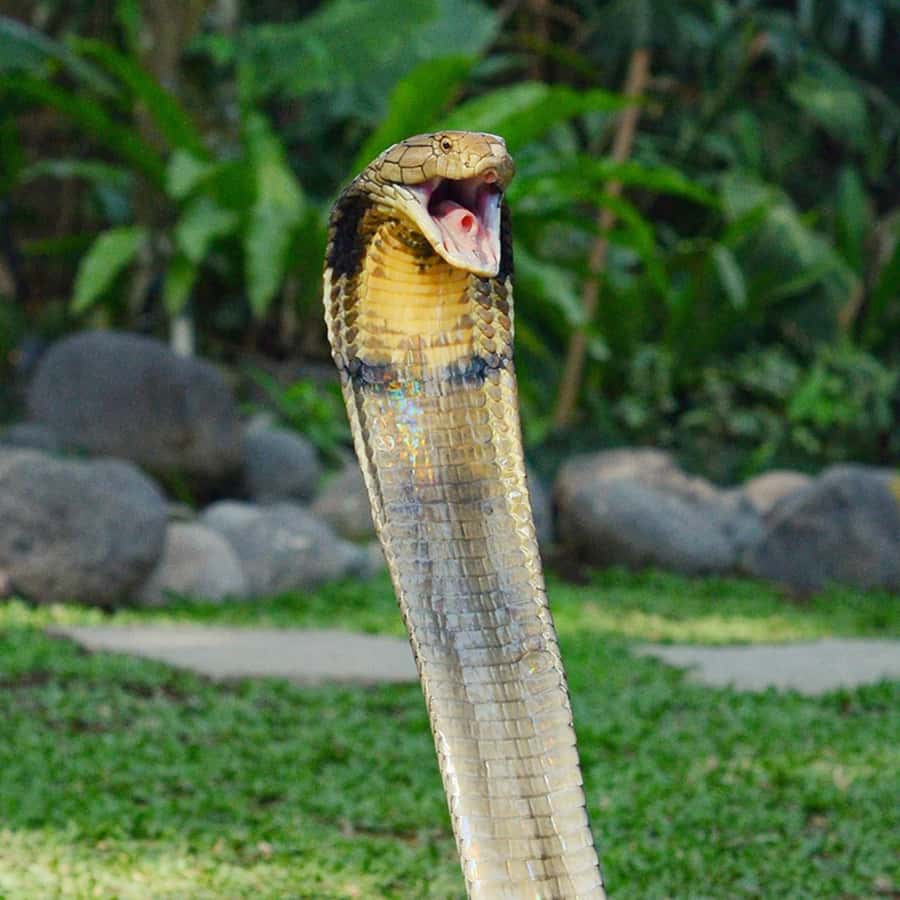
- Snakes in safe, close-up viewing areas: pythons and cobras
- Turtle and tortoise time: a calmer pace with ponds and grass
- Feeding sessions and guided tours: turning pictures into understanding
- Reptile handling sessions: safe contact, real supervision, better photos
- The reptile nursery: seeing life stages instead of just adults
- Gardens, photo stops, and on-site comforts you’ll actually use
- Price and value: what $15 gets you in real terms
- Who this visit suits (and who may want to rethink)
- Rules you’ll want to follow before you arrive
- Should you book Bali Reptile Park 1-Day Admission?
- FAQ
- How long does a visit to Bali Reptile Park usually take?
- What are the opening hours of Bali Reptile Park?
- Where exactly is the meeting point?
- Is hotel transfer included in the ticket price?
- Is the tour guide available in English?
- What is included with the 1-day admission ticket?
- How do I use my ticket at the entrance?
- Can I cancel and get a refund?
- Is the park wheelchair accessible?
- What items are not allowed during the visit?
Key highlights to know before you go
- English live guide on site for tours and explanations throughout your walk
- Naturalistic enclosures for lizards, snakes, and other reptiles (not bare cages)
- Interactive feeding sessions and guided tours led by trained staff
- Safe reptile handling opportunities under supervision for a hands-on photo moment
- Turtle and tortoise section with calm ponds and grassy enclosures for a slower pace
- Photo-friendly tropical gardens plus rest areas like restrooms, a gift shop, and a café
Entering the park at Bali Reptile Park: where the day really starts
Bali Reptile Park is open daily from 9:00 AM to 5:00 PM, and you can take your time. Most visits run about 2–3 hours, but you’re welcome to stay longer if the schedule and your energy hold up.
Plan your day around the park’s flow rather than rushing to “see everything.” You’ll get the best experience if you slow down at each exhibit and use the guide’s prompts to notice behavior—how reptiles hold still, how they position themselves, and what looks like rest actually can be part of their routine.
One practical detail: there’s free parking on-site, and the park is wheelchair accessible with smooth pathways and ramps. If you’re going with someone who needs easier movement, this is a lot easier than many animal attractions.
You can also read our reviews of more tours and experiences in Denpasar.


Getting there from Gianyar: meeting point and practical logistics
You meet at Bali Reptile Park, Batubulan, Sukawati, Gianyar Regency, Bali 80582. The ticket includes entry (and the activities inside), but hotel transfer is not included, so you’ll need your own transport or a local pickup arrangement.
That matters because your “arrival time” becomes your “start time.” If you’re coming from central Bali, build in buffer time for traffic and navigation so you don’t arrive already tired. This is a walk-through park with lots of stations, so arriving at the late part of the day can leave you feeling rushed.
Also note the park is mostly outdoors. Bring comfortable clothes and comfortable shoes, and expect you’ll want water and shade breaks during the walk (even if you’re not bringing drinks into any vehicle, you can still grab refreshments at the café once inside).
The lizard and Komodo dragon route: the first wow factor
The visit naturally begins with lizards, and this is a smart way to start. Lizards tend to be active at times, and their movement helps you get oriented fast—your brain learns what to look for before you move on to snakes.
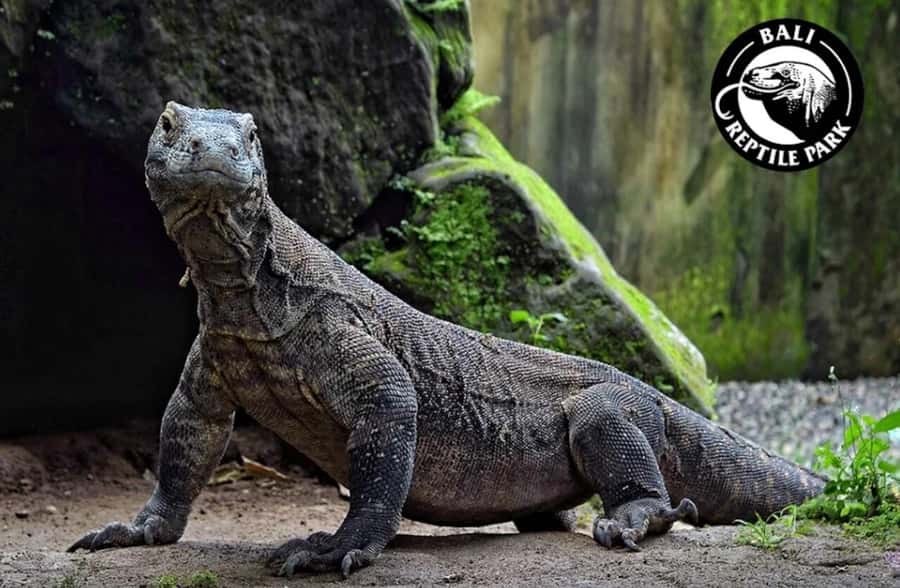
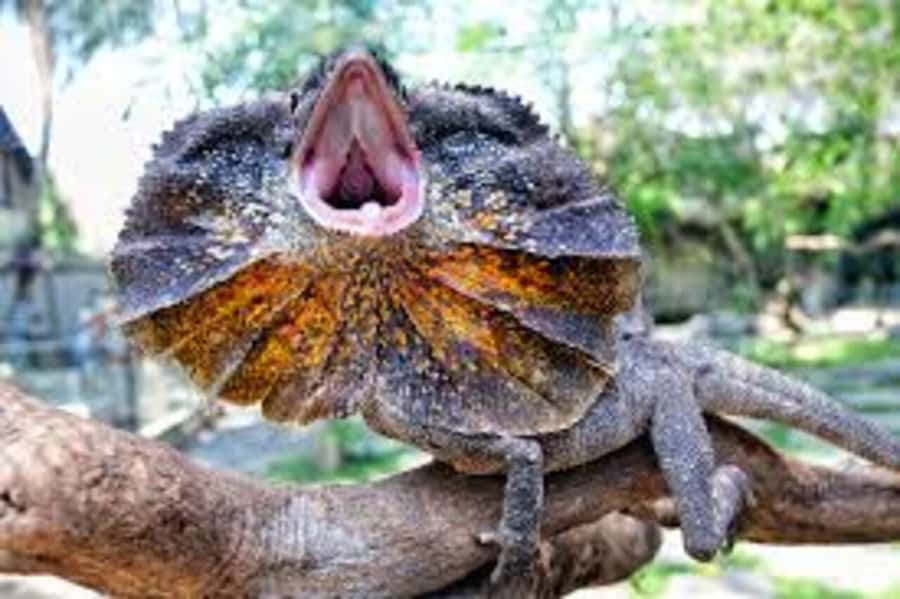
Expect enclosures that focus on different types of lizards, including geckos and even Komodo dragons. The park is designed to feel more like a habitat than a collection room, and that makes your photos look better too, because you’re not photographing only fencing and lighting.
What I like about this early section for first-timers: it trains you to watch patterns. A reptile that seems motionless may be regulating temperature, waiting, or simply conserving energy. If you pay attention here, the later exhibits won’t feel like random stops. They’ll feel connected.
Snakes in safe, close-up viewing areas: pythons and cobras
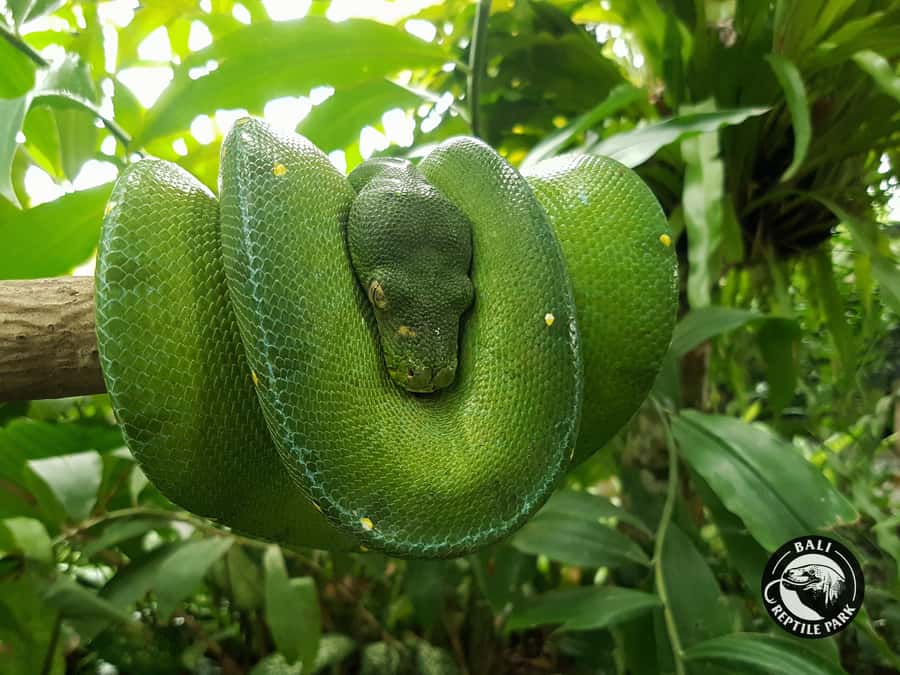
Next comes the snake section, including pythons and cobras. It can be intimidating if you don’t usually like snakes, but the key is that the viewing areas are designed to keep interactions controlled and safe.
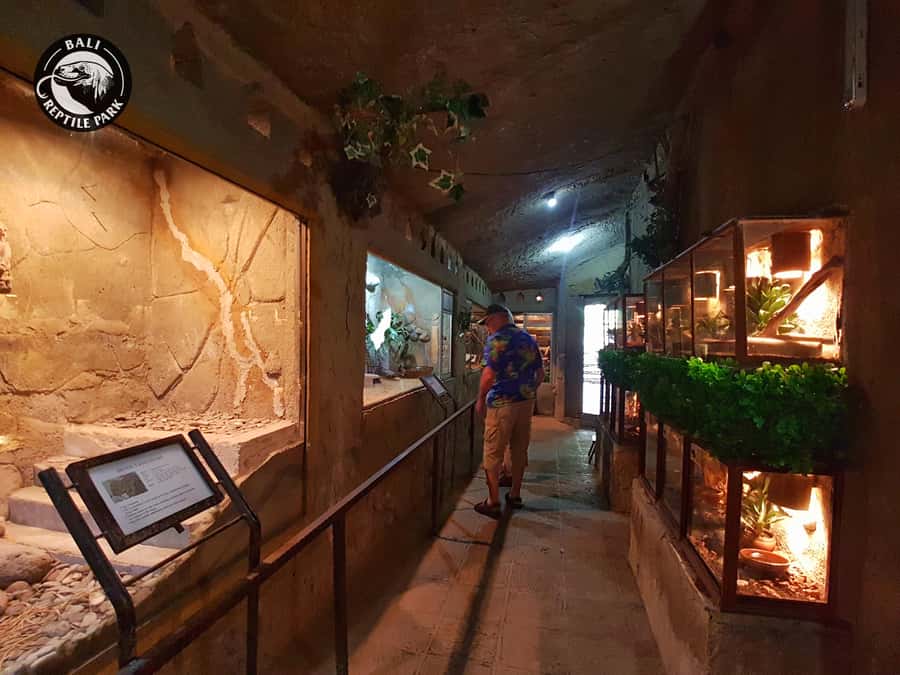
You’ll also see informative plaques along the route. These are more than labels. They give you context like typical diet and conservation status, which helps you understand why the park focuses on education instead of just display.
If you’re traveling with someone who gets nervous, this is where a guide earns their keep. Ask the staff how they manage safe proximity and what behaviors to watch. You’ll leave with a calmer mindset and fewer jump-scare assumptions.
A small consideration: even with safe viewing, snakes tend to draw attention. Plan for a bit of line time if a feeding or staff moment happens while you’re passing through.
Turtle and tortoise time: a calmer pace with ponds and grass
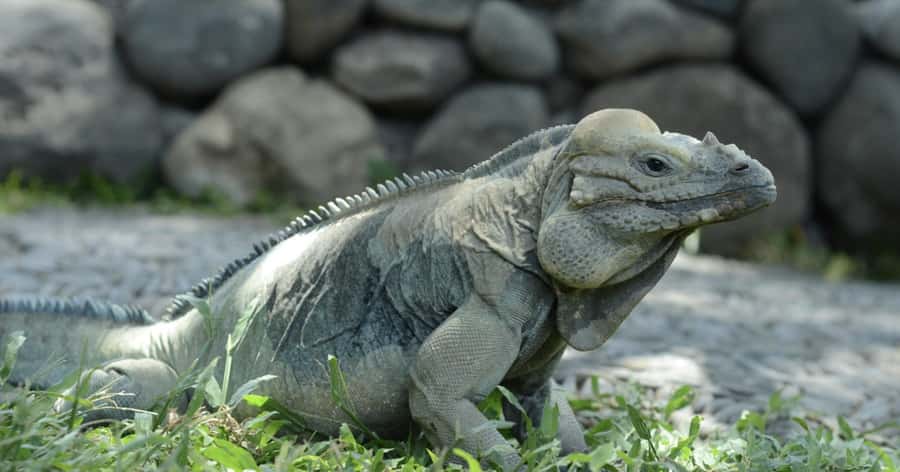
After snakes, the park shifts tone. You’ll reach the turtle and tortoise section, where you can observe these gentler reptiles in serene ponds and grassy enclosures.
This stop is valuable because it balances the intensity of Komodo dragons and snakes. It’s also a good moment for photos that don’t require you to lean over barriers. Look for body posture and slow movement; it’ll make the whole day feel less like a sprint and more like a steady learning walk.
If you’re photographing kids, this section can be a sweet spot. It gives them something to look at without the same level of fear factor that snakes can trigger.




Feeding sessions and guided tours: turning pictures into understanding
One of the most praised elements here is the interactive feeding sessions and guided touring. This is where you stop treating the day like a zoo checklist and start getting real interpretation.
The park uses trained staff to share facts and stories about each animal you see. A standout example from guide feedback is Dharma—described as friendly and fun, with a habit of sharing interesting points as you move through the enclosures. Even better, he’s noted for making room for hands-on moments and photos.
You’ll get the most out of the guide if you do one simple thing: ask what the staff want you to notice in that exhibit. Instead of just where the animal is, you’ll learn what its behavior means.
This also affects value. A $15 ticket is one thing, but guided education is what makes the time feel worth it, especially if you have limited days in Bali.
Reptile handling sessions: safe contact, real supervision, better photos
If you want a hands-on experience, don’t skip the reptile handling sessions. The park offers supervised opportunities to touch and hold friendlier residents under staff guidance. The emphasis is on supervision and safety, not freestyle contact.
This is one of those experiences that can look easy in photos but only works well because trained staff manage the interaction. So watch what they do first, follow their instructions, and don’t rush your way through the moment.
The practical payoff is twofold:
- You’ll learn how careful handling changes the animals’ comfort and the staff’s control of the process.
- You’ll get photos that feel more personal than a standard “standing near an enclosure” shot.
If you’re traveling with a group, this can be the busiest part of the day. Keep your expectations flexible and treat it like a scheduled activity within the broader walk.
The reptile nursery: seeing life stages instead of just adults
Another highlight is the reptile nursery, where you can see early stages of life. Even without getting detailed specifics, this kind of exhibit tends to change how you think about conservation. You stop seeing reptiles as fixed, fully grown animals and start recognizing they’re part of a life cycle with different needs.
If you enjoy educational stops, this is the section that often turns a “cool animals” visit into a “now I understand” visit.
Pair it with the conservation-minded plaques you’ve already been reading. You’ll feel like the park is building a story from one stop to the next, not just placing animals in separate rooms.
Gardens, photo stops, and on-site comforts you’ll actually use
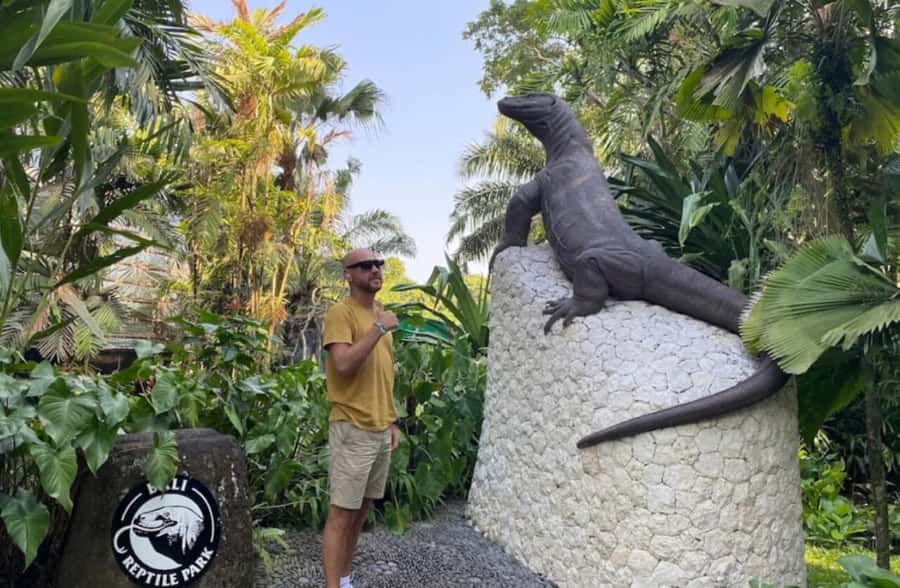
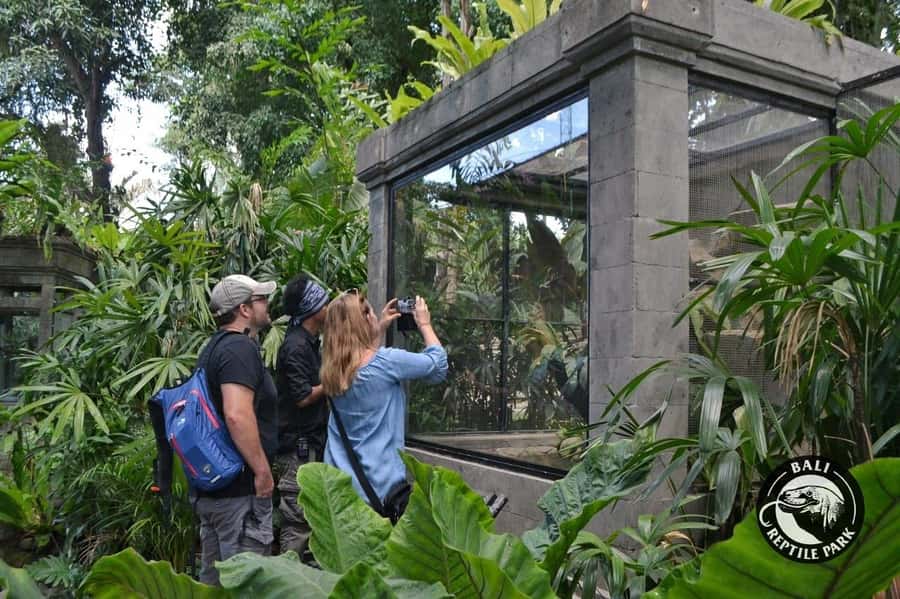
Bali Reptile Park is built around lush tropical gardens and well-kept pathways. That matters because you’ll be walking between exhibits, taking photos, and pausing for staff moments. When the grounds are pleasant, the whole day feels easier.
Photo opportunities show up constantly, especially where enclosures and greenery create natural-looking backgrounds. If you like portraits or family shots, you’ll probably end up taking more photos than you planned.
Facilities are also practical:
- Restrooms on site
- A gift shop
- A café for refreshments
- Free parking
One more small tip: wear shoes that handle uneven ground. Tropical parks often have slick patches after rain, and you’ll be glad your footwear is up to the task.
Price and value: what $15 gets you in real terms
The ticket price is $15 per person for a 1-day admission. For that amount, you’re not just buying entry—you’re also getting all reptile shows, access to animals encounter, and a zoo guide. Government tax and service charges are included too.
The value calculation is simple: if you’re the type who wants the staff explanations and the interactive parts (feeding and handling), the bundled format pays off. If you mostly want to wander quietly and you skip the guide moments, then it can start to feel like you paid for more structure than you used.
But based on how this park runs—guided tours, feeding sessions, and supervised handling—most people get their money’s worth by participating in at least a few scheduled moments.
Who this visit suits (and who may want to rethink)
This is a good fit if you:
- Want a structured animal day that doesn’t require hours of planning
- Appreciate education alongside viewing
- Like interactive experiences (feeding and safe handling)
- Want a family-friendly outing with photo opportunities and calmer zones like the turtle area
It’s also wheelchair accessible with ramps and smooth pathways.
It’s not suitable for people over 95 years (per the activity notes). If you’re in a group with mobility limits or fatigue risk, pick a pace that lets you rest between sections.
And if you’re sensitive to reptiles, start with the lizard section and let the day build gradually. The flow is designed in a way that can reduce stress: you move from lizards to snakes to turtles rather than everything hitting at once.
Rules you’ll want to follow before you arrive
To keep everyone safe and comfortable, there are clear restrictions. For example, don’t bring flashlight into the park, and avoid alcohol and drugs. There are also rules against fireworks and alcoholic drinks in the vehicle.
You’ll also want to dress for outdoors and bring comfortable shoes and clothes. Plan on walking. Even if you don’t rush, you’ll move between exhibit zones.
Should you book Bali Reptile Park 1-Day Admission?
I’d book this if you want an easy, single-day reptile experience where the guide and supervised interaction actually matter. The standout value is the combination of English live guidance, interactive feeding, and the chance for safe reptile handling—that’s what turns a ticket into a memorable story.
Skip it only if you dislike outdoor walking in heat and weather, or if you’d rather do a self-paced attraction with zero hands-on moments. And if your group includes someone who may find snakes or Komodo dragons stressful, you can still manage it by starting with lizards and taking breaks in the turtle section.
If you’re in Gianyar for a short stretch and want a meaningful animal day without a half-day trek, Bali Reptile Park is a strong choice.
FAQ
How long does a visit to Bali Reptile Park usually take?
A typical visit lasts around 2–3 hours, but you can stay longer if you like.
What are the opening hours of Bali Reptile Park?
The park is open daily from 9:00 AM to 5:00 PM.
Where exactly is the meeting point?
The meeting point is Bali Reptile Park, Batubulan, Sukawati, Gianyar Regency, Bali 80582.
Is hotel transfer included in the ticket price?
No. Hotel transfer is not included.
Is the tour guide available in English?
Yes. There is a live tour guide in English.
What is included with the 1-day admission ticket?
Included are the entrance tickets, all reptile shows, zoo guide, animals encounter, and government tax and service charge (Entry/Admission – Gianyar).
How do I use my ticket at the entrance?
You need to present your e-ticket at the entrance.
Can I cancel and get a refund?
Yes. You can cancel up to 24 hours in advance for a full refund.
Is the park wheelchair accessible?
Yes. The park is wheelchair accessible, with smooth pathways and ramps.
What items are not allowed during the visit?
The information provided says alcohol and drugs, flashlight, fireworks, and alcoholic drinks in the vehicle are not allowed.