Purification in a cave makes Bali hit different. This day pairs a private healing ceremony with a high priest’s bell-sound purification at the holy spring inside the sacred cave at Gumi Uwug Manduang, then keeps going through Ubud’s most photo-worthy countryside. I also like that the day is structured and easy to follow thanks to a driver, guide, and an all-in-fee approach for most of what you do. One thing to keep in mind: the experience needs good weather, since the ceremony stop is outdoors and part of the schedule depends on conditions.
I especially enjoy how the tour breaks up spirituality, scenery, and food. You get a UNESCO Tegalalang rice terrace lunch with Balinese traditional food, plus a stop at Uma Pakel Agro Tourism for coffee and herbal tea, with fun photo moments along the way. It’s a full 6 to 7 hour block, so you’ll want a relaxed morning rather than trying to pack this between other plans.
Key points at a glance
- Private ceremony with a high priest in a sacred cave holy water temple setting
- Bell-sound purification at Gumi Uwug Manduang, paired with calm natural surroundings
- Tegalalang rice terrace lunch with Balinese traditional food included
- Coffee and herbal tea plantation time at Uma Pakel Agro Tourism, plus photo-friendly spots
- All entrance fees handled with a driver, guide, ceremony dress, and coconut water included
- Weather-dependent timing, with options if conditions cancel the day
In This Review
- Entering Ubud’s Sacred Cave: Why This Healing Stops You Cold (In a Good Way)
- The Flow of the Day: Pickup, a 10:00 Start, and a 6–7 Hour Rhythm
- Stop 1: Manduang and the Private Purification Ceremony at Gumi Uwug Manduang
- Stop 2: Tegalalang Rice Terrace Lunch with Balinese Traditional Food
- Stop 3: Uma Pakel Agro Tourism for Coffee, Herbal Tea, and Photo Fun
- What You Actually Get Included (So the Day Feels Easy)
- Value Check: Does $92.31 per Person Make Sense?
- Susila’s Impact: How the Guide Changes the Whole Day
- Who This Tour Fits Best (and Who Might Want to Rethink It)
- Tips to Get the Most Out of the Ceremony and the Rice Terrace
- Should You Book Bali Sacred Natural Healing with Priest in Ubud?
- FAQ
- What time does the tour start?
- How long is the experience?
- Is this a private tour?
- Is pickup offered?
- Where does the purification ceremony take place?
- What happens during the ceremony?
- Are entrance fees included?
- Is lunch included, and where?
- Is the Giant swing included?
Entering Ubud’s Sacred Cave: Why This Healing Stops You Cold (In a Good Way)
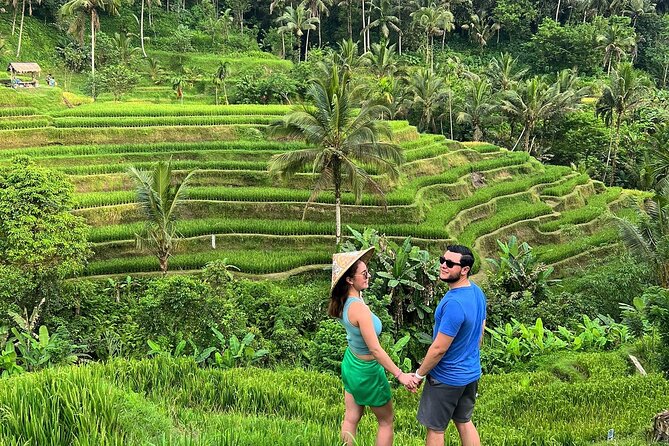
There’s a special kind of quiet that happens when a place feels sacred before you even hear anything. In this experience, that feeling starts early at Manduang, where you’re brought to a holy spring in a sacred cave for purification. The sound of a bell from the Balinese priest becomes your anchor during the ceremony.
What makes this more compelling than a standard temple visit is the way it’s framed as healing and purification, not just sightseeing. It’s private, so the ceremony doesn’t feel like you’re stuck watching while other people do their thing around you. And because the venue is surrounded by tropical forest and river rocks, it lands in your body as much as it lands in your photos.
I like that the day doesn’t end when the ceremony ends. Ubud has plenty of scenic stops, but this plan uses them intentionally: one for food with real atmosphere, and one for a taste-and-learn style plantation visit.
Only one practical caution: the provider notes it requires good weather. If clouds, rain, or conditions make the day less comfortable or safe, you may be offered a different date or a refund.
The Flow of the Day: Pickup, a 10:00 Start, and a 6–7 Hour Rhythm
This is built for a half-day schedule starting around 10:00 am. You get pickup offered, and the tour runs with a private car and driver, so you’re not juggling scooters, map pins, or ride-share timing while you’re trying to be mentally present for the ceremony.
The pace is not rushed, but it’s also not “hang out all day.” You’ll spend about:
- 2 hours at the Manduang purification stop
- 1 hour at the Tegalalang rice terrace area
- 1 hour at Uma Pakel Agro Tourism
That timing matters. Two hours at the ceremony location gives you room for the full experience, including the practical part of getting ready for the ceremony dress and going through the steps at a slower pace than you’d get if you treated it like a quick photo stop.
Because it’s private—only your group—there’s less waiting around for other schedules. That can make the whole day feel smoother and more respectful.
One more detail I appreciate: there’s a mobile ticket option, and service animals are allowed. It’s small, but it reduces friction on travel days.
You can also read our reviews of more tours and experiences in Ubud.

Stop 1: Manduang and the Private Purification Ceremony at Gumi Uwug Manduang
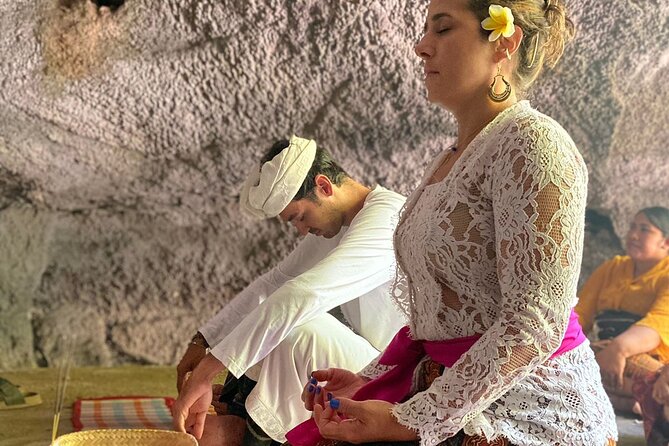
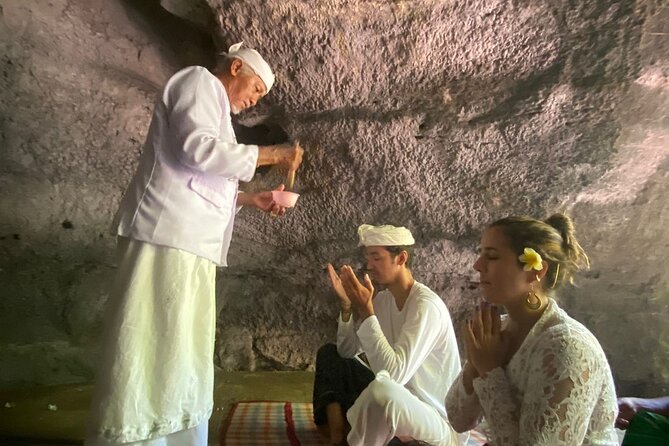
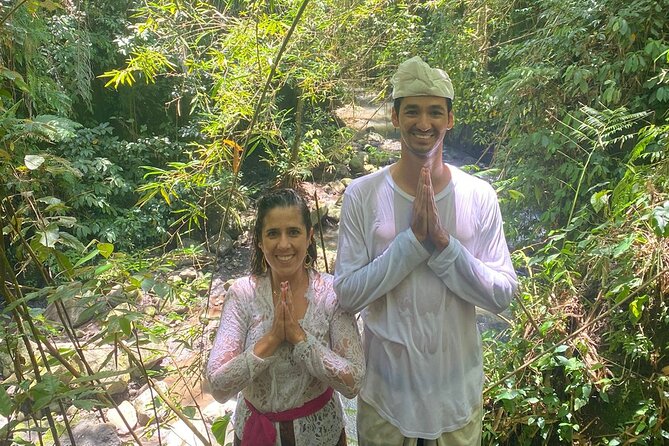
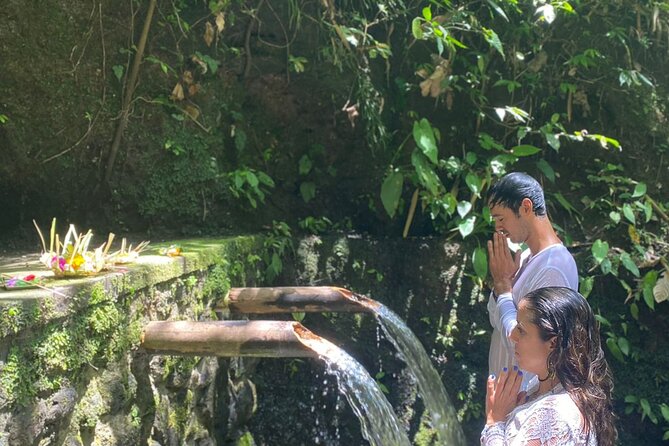
Stop one is the heart of the day. You’ll go to Manduang for a Balinese healing purification ceremony with a priest in a natural cave holy water temple. The ceremony includes the sound of a bell, which helps mark the rhythm of what’s happening and keeps the experience from feeling chaotic or random.
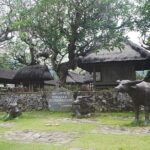
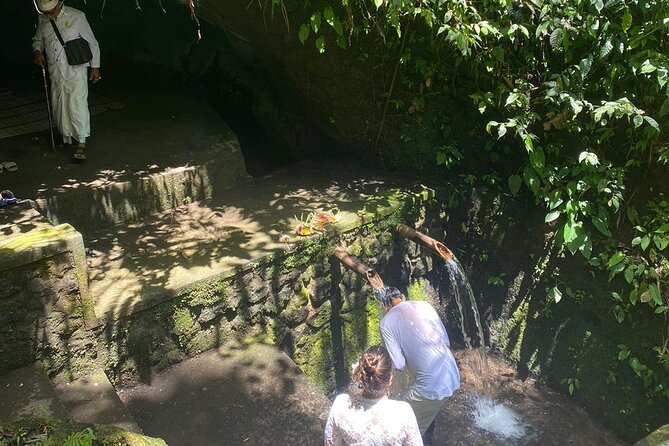
The holy spring setting at Gumi Uwug Manduang matters. It’s not just a temple building with a sign that says holy. You’re in a natural cave area with water and a surrounding environment that feels intentionally protected. There’s a tropical forest and river setting around you, which adds to the sense that this isn’t a staged performance built for quick tourist access.
A big plus: the ceremony is private. Even if you’re traveling with friends, this privacy changes the vibe. You’re not trying to line up around a crowd, and you can follow along without feeling like you’re shouting over noise.
One practical consideration: because you’re in a cave and near water, plan for the fact that it can feel cooler or damp compared with street level. The tour provides ceremony dress, but you’ll still want to wear something you’ll be comfortable in for a couple of hours.
Also, admission here is listed as free. That means what you’re paying for is the ceremony experience, the guide, the private setup, and the time spent at the location—not a stack of extra tickets.
Stop 2: Tegalalang Rice Terrace Lunch with Balinese Traditional Food
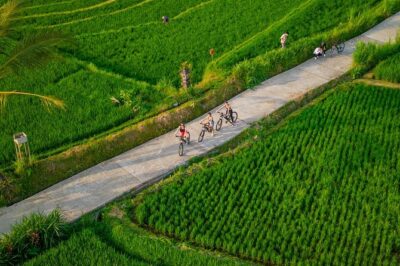
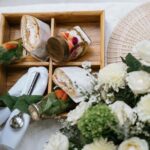
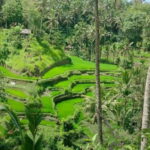
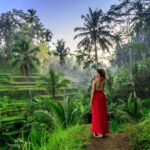
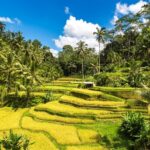
After the ceremony, the day shifts from spiritual focus to the everyday beauty of Ubud—without losing momentum. You’ll head to Tegalalang Rice Terrace, where the experience includes about 1 hour in the area and a lunch featuring Balinese traditional food.
This stop is valuable for a few reasons. First, rice terraces in Ubud aren’t just pretty; they’re an ongoing agricultural landscape. Second, a lunch here feels like part of the place rather than a separate restaurant meal that could happen anywhere.
You’ll get that “look at the view while you eat” effect, with the terraces and their layered shapes giving you plenty of angles for photos. And since this stop includes admission, you avoid the hassle of figuring out what’s ticketed and what’s not.
What to watch for: lunch times can make people hungry enough to rush. Try to pace yourself. If you’ve just come from a ceremony that encouraged you to slow down, keep that same mindset here—eat calmly and take in the terrace views without turning it into a race against the next stop.
Stop 3: Uma Pakel Agro Tourism for Coffee, Herbal Tea, and Photo Fun
The final major stop is Uma Pakel Agro Tourism, a plantation-style visit centered on Balinese coffee and herbal tea. You’ll have about 1 hour here, which is long enough to taste and browse without feeling like you’ve been assigned homework.
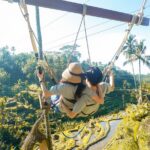
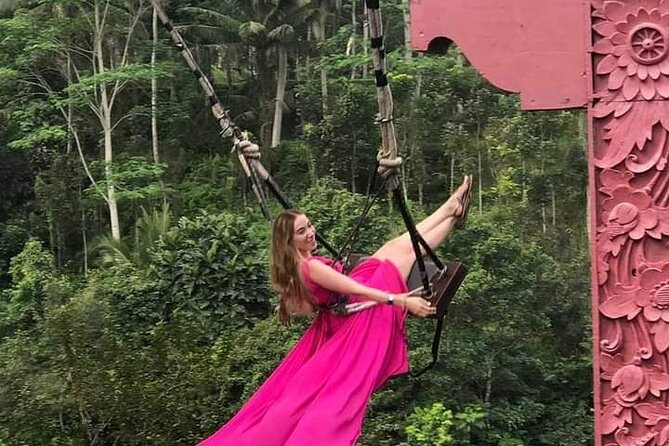
This is where the tour leans into a classic Ubud routine: learn a bit, sample a bit, and take photos in those well-known spots that always seem to produce good shots. You can also take photos at places like the Giant swing and bird nest-style areas.
One important detail: the Giant swing ticket is not included. The experience may show you the spots, but you’ll likely need to pay if you want to actually swing.
Also, the plantation stop includes admission, so you won’t be juggling separate fees for entry. It’s one less thing to manage while you’re trying to relax and enjoy the tastes.
I like ending here because it gives you closure. After ceremony and meal, you’re done with the “serious” parts of the day and can finish with lighter senses: smell, sip, taste, and photos.
What You Actually Get Included (So the Day Feels Easy)
This is the kind of tour where the “included” list matters, because it affects whether you’ll spend your day worrying about small costs.
Included highlights:
- All entrance fees
- Private car and driver
- Balinese ceremony dress
- Fresh coconut water
- Balinese traditional food at the rice terrace
- Ceremony offerings
- Tour guide
Having ceremony dress included is a big deal. You don’t have to scramble for the right kind of clothing, and it helps you fit the moment respectfully. Ceremony offerings included also means you’re not standing around wondering what you should bring or how much you’re supposed to spend.
The coconut water is simple, but it’s genuinely useful in Ubud—especially when you’re doing an outdoor cave stop and then moving to scenic areas.
Things not included:
- Personal purchases
- Giant swing ticket
That’s it. No weird surprise add-ons listed here beyond personal shopping and optional swing access.
Value Check: Does $92.31 per Person Make Sense?
At $92.31 per person, the value depends on what you’d otherwise pay and how much you value a smooth, private day.
Here’s the practical way I think about it:
- You’re paying for a private car and driver plus a guide.
- You’re also paying for the ceremony experience with a priest, including items like ceremony dress and ceremony offerings.
- Then the day layers in two admission-included stops with food and plantation tasting.
If you were to book these parts separately—transport, guide time, ceremony access, lunch, and plantation entry—your total often creeps up fast. This plan keeps most costs bundled so you can focus on the experience rather than managing ticket stacks.
Is it budget? Not really. But it doesn’t feel like a luxury-only fantasy either. It’s priced like a practical private tour with real inclusions—especially for the ceremony side.
Also, there’s free cancellation if you cancel at least 24 hours in advance, and there’s a weather backup plan if poor conditions force a change. That reduces risk when you’re planning around Ubud’s rainy swings.
Susila’s Impact: How the Guide Changes the Whole Day
A lot of tours claim they’re private and cultural. What people remember is how it felt with the person guiding them.
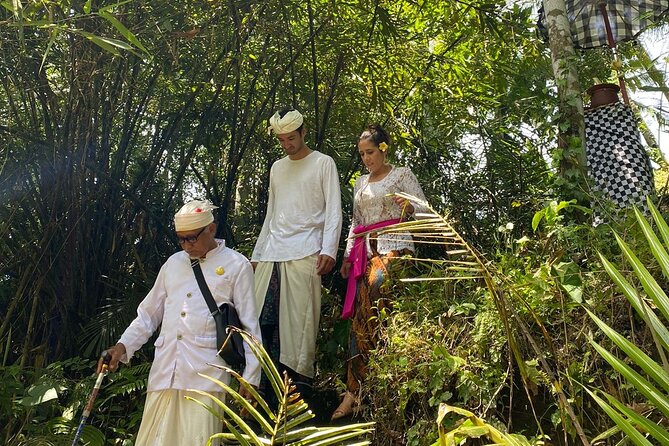
The guide is Susila, and the feedback pattern is consistent: he’s attentive, funny in a natural way, and focused on keeping you comfortable and safe. Several comments mention him being bilingual, which matters during a ceremony where meaning and instructions can get lost if you’re not fluent.
People also point out that Susila personalizes the day to preferences and does a strong job with photos—so you’re not stuck asking for camera help every ten minutes. That’s a real quality-of-life thing in Ubud.
Most importantly, the ceremony atmosphere is described as kind and welcoming, and that doesn’t happen by accident. A good guide can keep the mood respectful, make sure you’re following directions, and help you understand what’s happening so it doesn’t become just a performance you half-understand.
Who This Tour Fits Best (and Who Might Want to Rethink It)
This experience suits you if you want:
- A meaningful purification ceremony rather than a quick temple photo session
- A day that includes food and scenery without extra ticket headaches
- A private setup where you can take your time and feel cared for by a guide like Susila
It’s also a good fit for people traveling in a group, because private tours can make logistics easier and keep your pacing consistent.
Who might rethink it? If you hate spiritual practices or feel uncomfortable around ceremony settings, this may feel intense even if it’s respectful and well guided. Also, because it needs good weather, you’ll want to stay flexible if conditions change.
If you’re the type who wants only one stop and then free time, this could feel structured. It’s built as a “three-stop story” with a real start-to-finish arc.
Tips to Get the Most Out of the Ceremony and the Rice Terrace
You’ll enjoy this more if you plan for the practical reality of a half-day tour with a cave ceremony.
A few smart moves:
- Wear comfortable clothes for travel and then let the ceremony dress handle the ceremonial side.
- Keep expectations realistic at the sacred cave: think calm, not quick. The point is the ritual time.
- Bring a camera mindset, but don’t let photos steal the meaning. The cave and bell moments are the kind of thing you remember more than you photograph.
- At Tegalalang, slow down your eating. The view is part of the meal.
- At Uma Pakel, treat the coffee and herbal tea tasting as a chance to learn what’s used locally, not just a souvenir stop.
If you’re sensitive to cool air or damp areas, consider that the cave environment may feel different than outside paths. And since the tour depends on weather, plan to dress for changing conditions.
Should You Book Bali Sacred Natural Healing with Priest in Ubud?
I’d book this if you want a genuine cultural experience with real ceremony time, guided by someone like Susila who people describe as attentive, safe-feeling, and good at explaining. The combination is strong: private cave purification, then a UNESCO rice terrace lunch, then a plantation stop with tastings and optional photo fun.
Choose a different option if you’re short on time, dislike spiritual ceremonies, or know you’ll be miserable in wet or cool conditions. The cave and the schedule make this a “conditions matter” day.
If your goal is a balanced Ubud itinerary that feels both spiritual and practical—without turning into a ticket-and-traffic chase—this is a solid bet.
FAQ
What time does the tour start?
The tour starts at 10:00 am.
How long is the experience?
It lasts about 6 to 7 hours.
Is this a private tour?
Yes. It’s private, and only your group will participate.
Is pickup offered?
Yes, pickup is offered, and the tour uses a private car and driver.
Where does the purification ceremony take place?
The ceremony happens at the holy spring in a natural cave holy water temple in Gumi Uwug Manduang (Manduang area).
What happens during the ceremony?
You’ll participate in a Balinese healing purification ceremony led by a high priest, with the sound of a bell as part of the ceremony.
Are entrance fees included?
Yes. All entrance fees are included.
Is lunch included, and where?
Yes. You’ll enjoy Balinese traditional food at the rice terrace in Tegalalang Rice Terrace.
Is the Giant swing included?
No. The ticket for the Giant swing is not included.